
5 Smart Incentives for Reusable Container Programs

March 18, 2026
Your campus has ambitious sustainability goals, but achieving them requires more than just top-down policies. It requires building a culture where students are active and engaged participants. A reusable container program is a highly visible way to bring those goals to life, but only if students choose to use it every day. How do you turn a simple operational change into a shared community effort? You make it easy, rewarding, and even a little fun. By implementing a smart strategy with effective incentives for reusable container programs, you do more than just reduce waste. You build a positive, engaging experience that makes sustainability a celebrated part of campus life.
Key Takeaways
- Design for behavior, not just sustainability: A successful program is built around student habits. Combine different motivators, like the accountability of a potential late fee and the fun of campus-wide competitions, to make reuse the most natural choice.
- Prioritize a frictionless experience: High return rates depend on making participation effortless. Use app-free technology, place smart return bins in high-traffic areas, and integrate with existing campus cards to remove every possible barrier.
- Treat your program as a financial strategy: An effective incentive system protects your investment. By using technology to automate tracking and ensure high return rates, you can significantly cut spending on disposables and build a financially sound operation.
Why reusable container programs need incentives
Launching a reusable container program is a fantastic step toward your campus sustainability goals. But getting students and staff to consistently participate requires more than just providing the containers. Human behavior is complex, and old habits, like tossing a disposable container, can be hard to break. A well-designed incentive strategy is the key to bridging the gap between good intentions and consistent action. It’s what turns a good idea into a successful, self-sustaining program with high return rates. By making reuse the easy and rewarding choice, you can build the momentum needed for lasting change.
The problem with single-use packaging
Let's face it, the cost of single-use packaging is a growing headache for any food service operation. With disposable packaging costs rising over 200% in recent years, many campuses spend tens of thousands annually just on takeout containers. This linear "use and toss" model contributes to the staggering amount of waste sent to landfills and goes against the zero-waste mandates many institutions are now adopting. Shifting away from disposables isn't just an environmental win; it's a smart financial and operational decision for your campus.
How reusable systems work
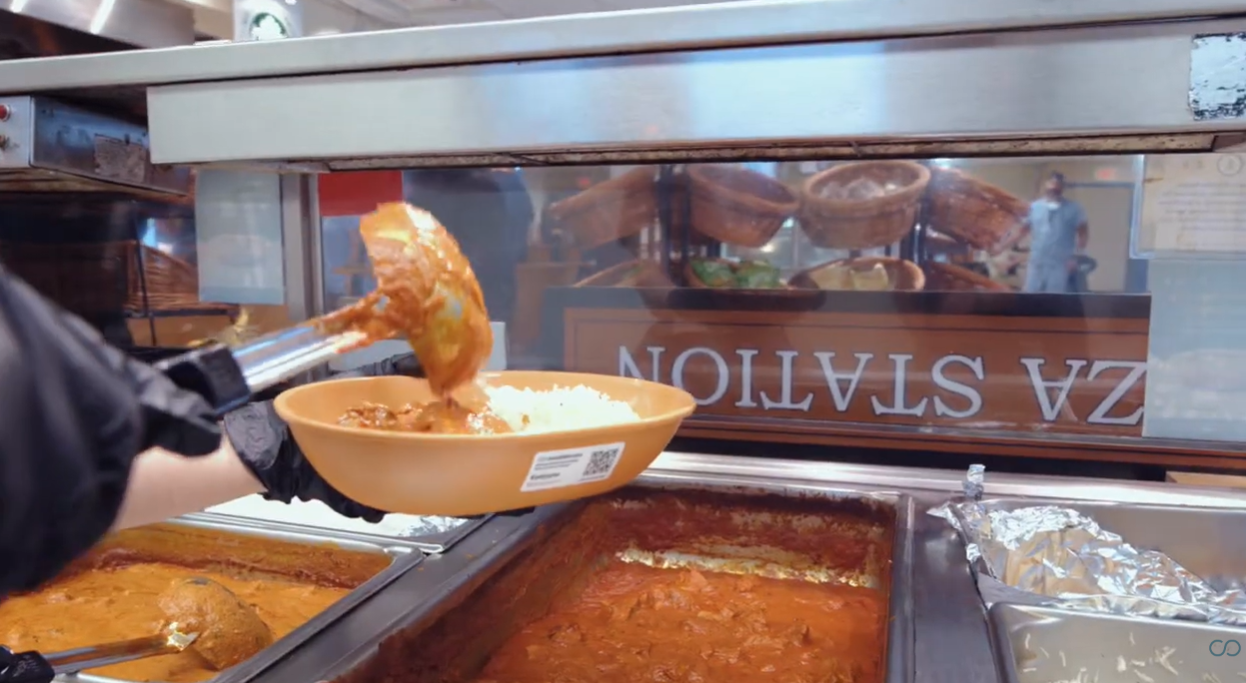
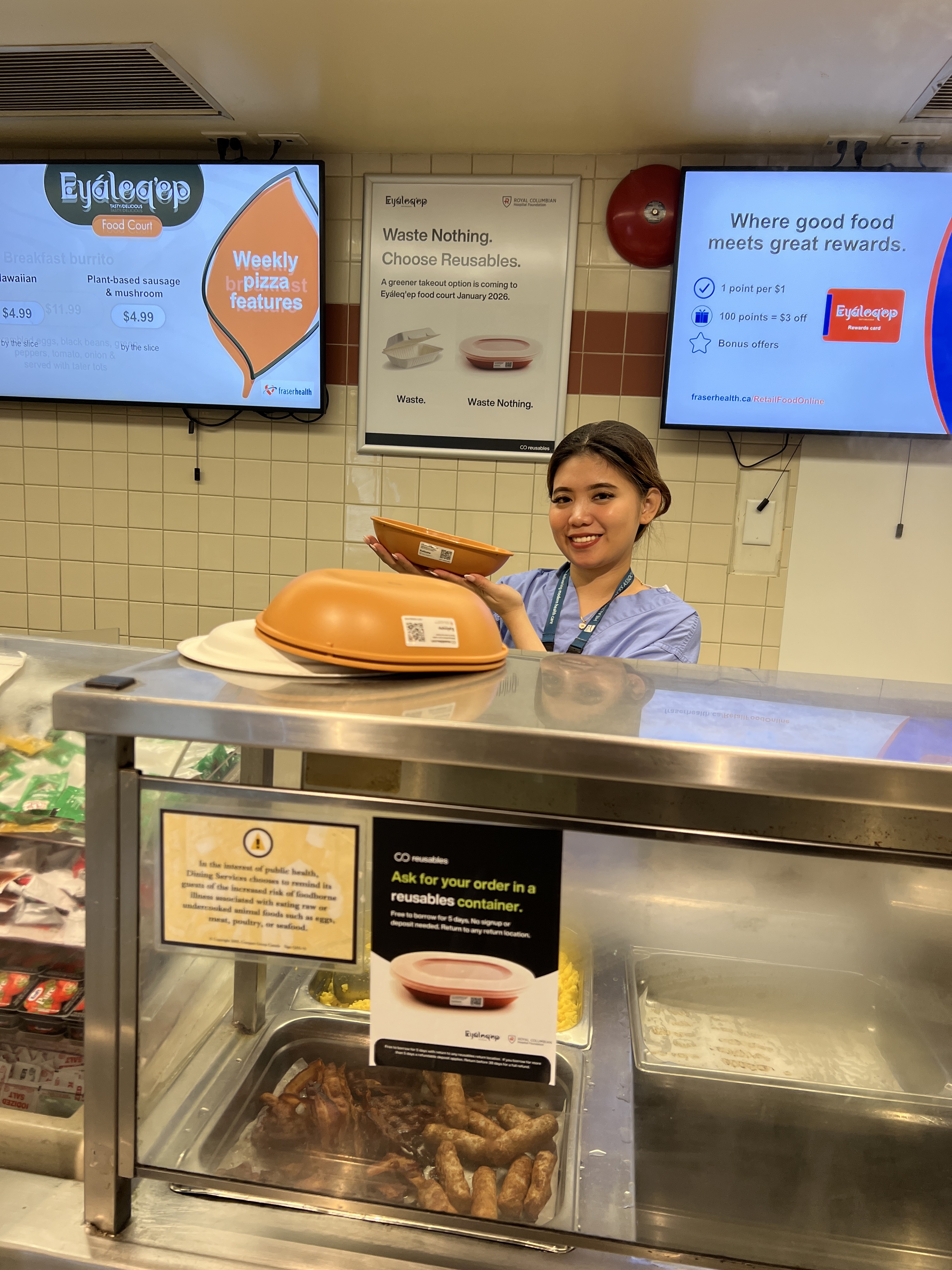
Reusable packaging programs create a circular system where materials stay in use for as long as possible. Instead of being used once and discarded, containers are designed to be returned, washed, and used again. The most successful programs make this process seamless. For example, systems that allow students to borrow a container for free by simply tapping their campus card, with an automated fee only if the item isn't returned, see incredibly high return rates. This approach removes the initial barrier to entry and builds accountability directly into the campus infrastructure you already have.
Why incentives are key to success
While everyone loves the idea of sustainability, convenience often wins out. Incentives are what encourage people to choose the reusable option. Financial motivators are crucial for overcoming the initial effort required to change a habit. This doesn't always mean an upfront deposit. In fact, research shows that the possibility of a penalty fee for not returning an item can be a stronger motivator than getting a deposit back. When you combine a simple, automated accountability process with convenient return points, you create a powerful incentive structure that drives participation and ensures your container inventory comes back.
What types of incentives drive participation?
Getting people to choose reusables over disposables consistently requires more than just good intentions. The most successful programs use a smart mix of incentives that appeal to different motivations. Some people are driven by financial rewards, while others prioritize convenience above all else. And for many, especially on a college campus, social recognition and a little friendly competition can be the most powerful drivers. By combining different types of incentives, you can create a program that encourages participation from every corner of your campus community. Let's look at the four main categories that work best: financial rewards, convenience perks, social engagement, and tech-powered features.
Financial rewards and deposit systems
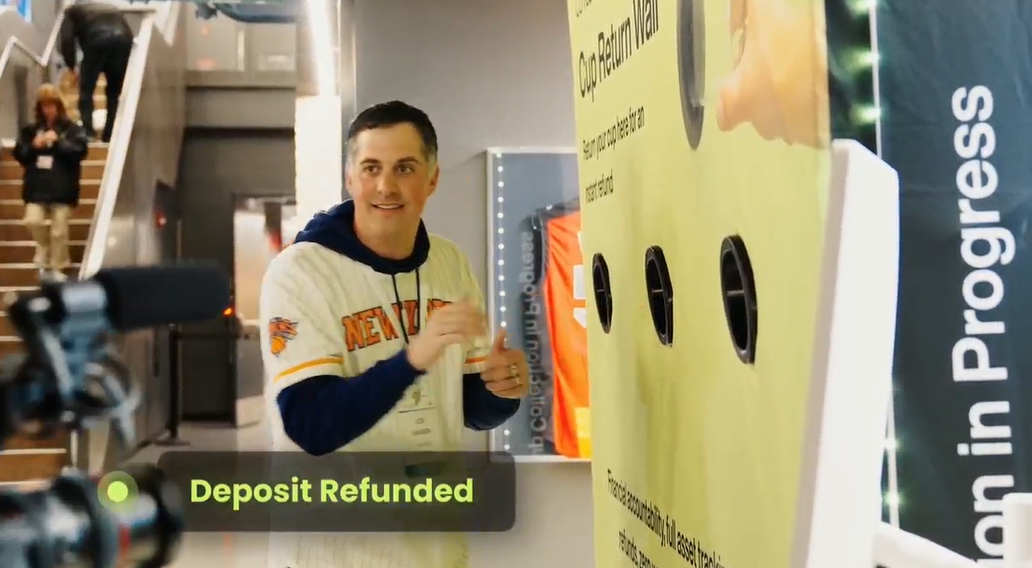
Money is a straightforward motivator, and financial incentives are a classic way to encourage returns. Many programs use a Deposit Refund Scheme (DRS), where students pay a small deposit on a container and get it back when they return it. While effective, this can sometimes create a small barrier to entry. An alternative approach that works incredibly well is the "threat of a fee." Instead of charging an upfront deposit, the system simply holds a payment method and only charges a fee if the container isn't returned on time. This method, which we use at Reusables.com, creates accountability without asking users to pay extra at checkout, making it easier for them to say yes to reuse.
Convenience-based perks
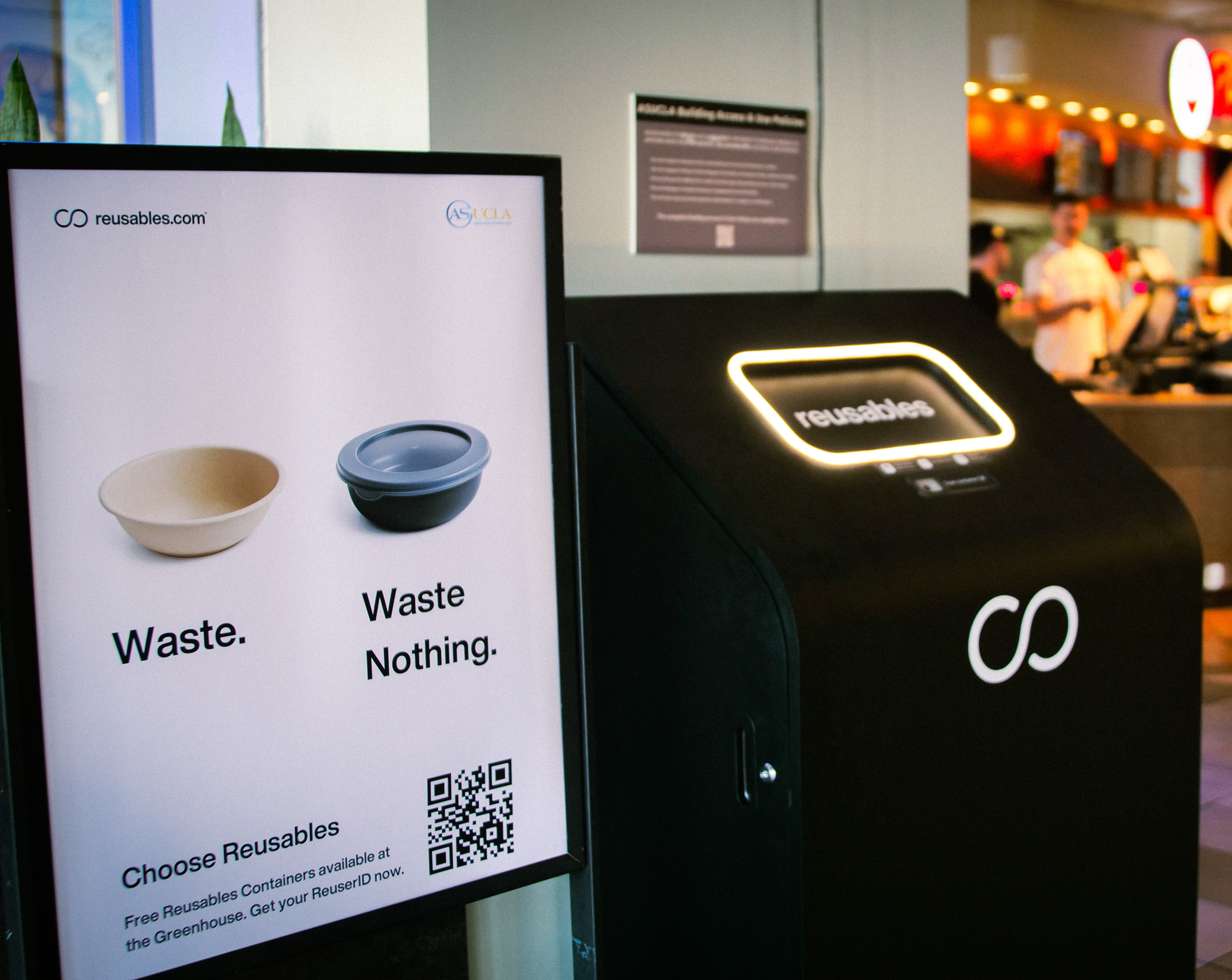
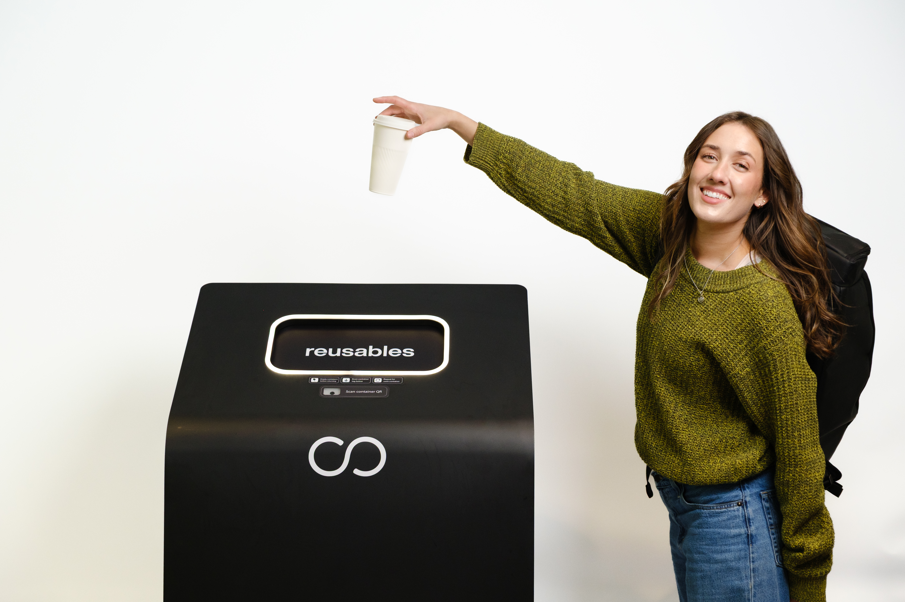
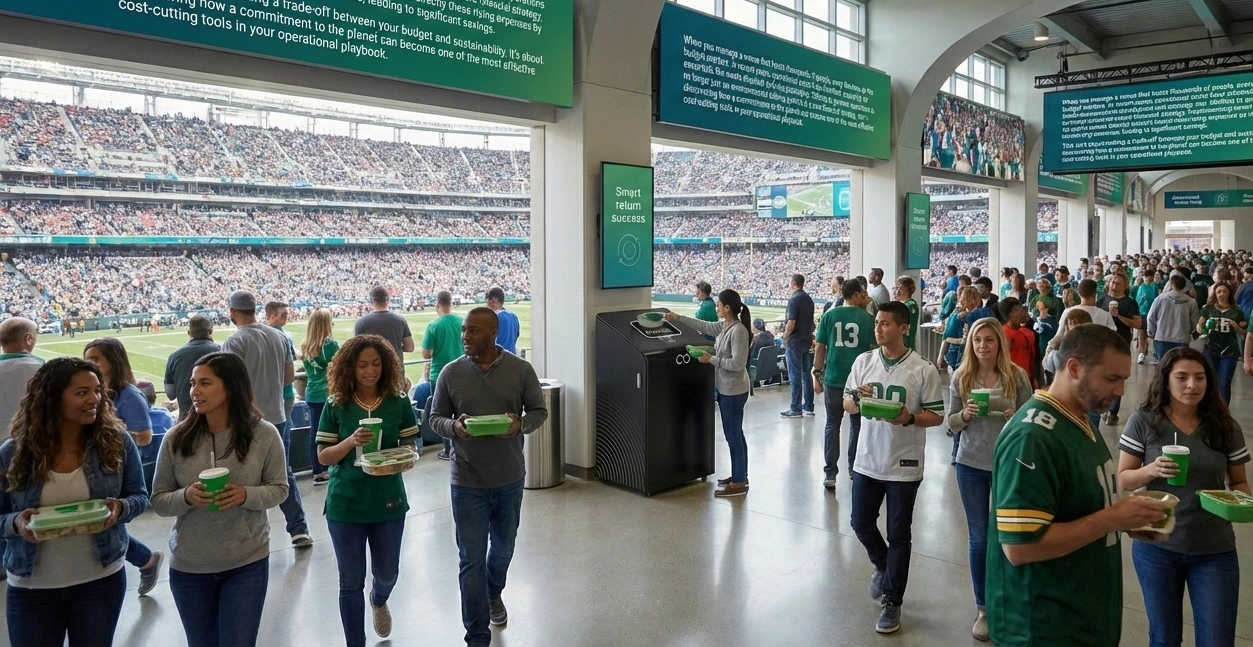
Let's be honest, if reusing is a hassle, people won't do it. That's why making your program incredibly convenient is one of the most powerful incentives you can offer. This starts with having plenty of easy-to-find return locations. Think about placing smart return bins in high-traffic areas like residence halls, libraries, and student centers, so students can drop off containers on their way to class or back to their dorm. Our solutions for businesses focus on creating a frictionless experience from checkout to return. Automated reminders also play a huge role, gently nudging students to bring back their containers before a late fee is applied. The easier you make it, the higher your return rates will be.
Social proof and gamification
Creating a campus culture around reuse can be a game-changer. This is where social incentives and gamification come in. You can build a loyalty program where students earn points for every reuse, which they can redeem for free coffee, snacks, or school merchandise. To make it even more engaging, you can introduce campus-wide leaderboards that show which dorm or student group is leading in waste reduction. Awarding digital badges for reuse milestones adds another layer of fun. These gamification strategies tap into a natural desire for competition and recognition, turning a sustainable habit into a rewarding social experience.
Tech-powered engagement
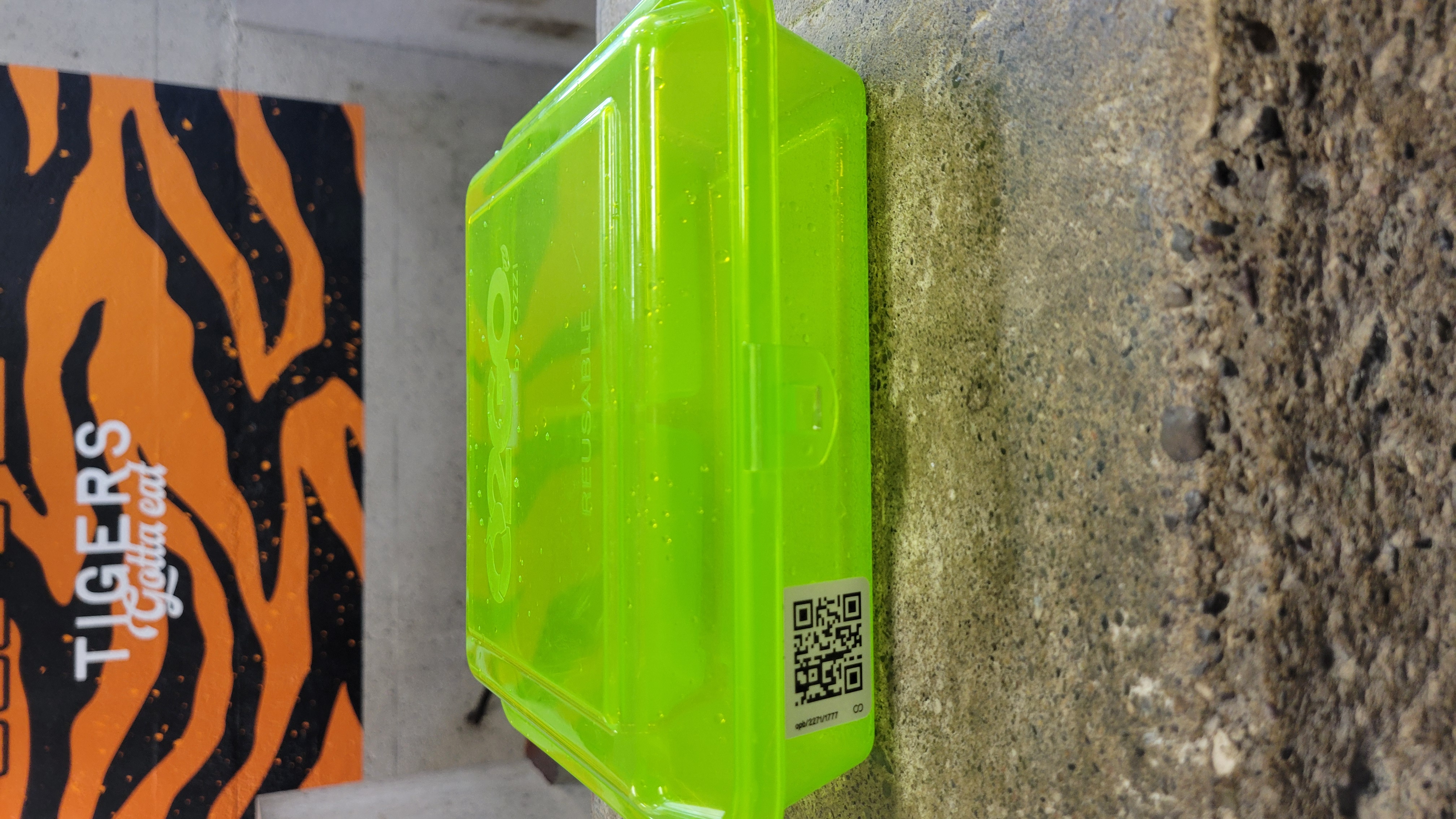
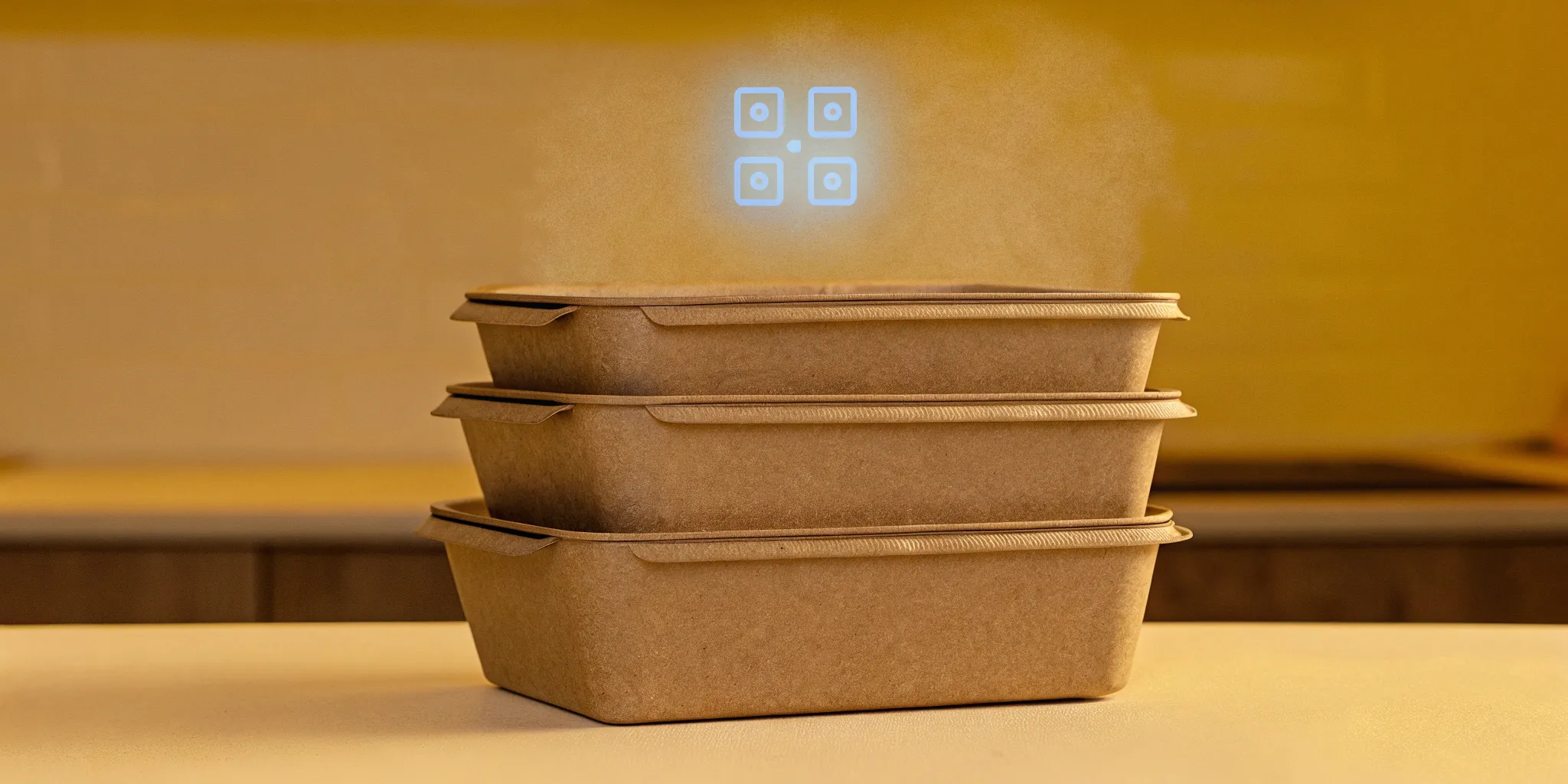
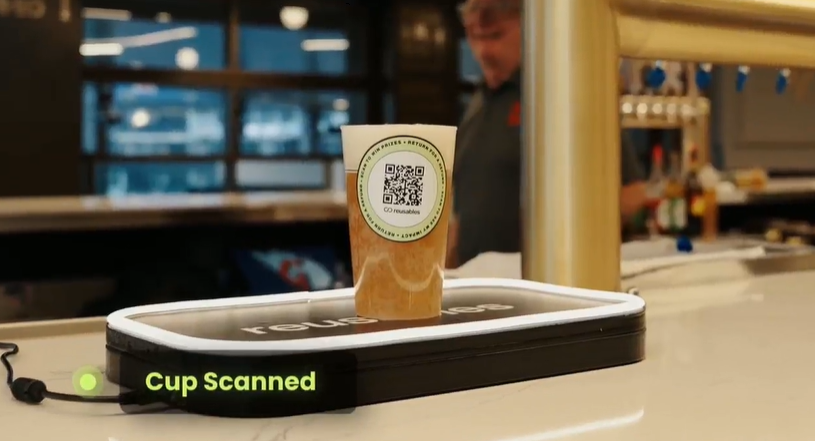
Modern technology is the engine that makes a great incentive program run smoothly. Unique QR codes or RFID tags on each container allow for precise tracking, which is the foundation for automated accountability and engagement. This technology powers everything from sending personalized return reminders to updating campus-wide leaderboards in real-time. More importantly, the right tech platform can create a system where returning a container is simply more valuable and easier than throwing it away. By automating the tedious parts of managing inventory and fees, you free up your staff to focus on creating a positive and engaging experience for students.
How do deposit-refund systems encourage returns?
Deposit-refund systems are one of the most effective tools for encouraging users to bring back reusable containers. The core idea is simple: you create a clear incentive for returning an item by attaching a small, refundable financial value to it. When students have a little skin in the game, they are far more likely to treat the container as a valuable asset to be returned rather than a disposable item to be tossed.
While the concept isn't new, modern technology has transformed it from a clunky, manual process into a seamless, automated system. Instead of collecting cash and tracking returns on a clipboard, you can now integrate holds and fees directly into campus card and payment systems. This not only protects your inventory of containers but also teaches responsible behavior without creating extra work for your staff. The goal isn't to penalize students, but to create a gentle, consistent nudge that keeps your containers in circulation and out of the landfill.
The psychology of deposits
It turns out that the fear of losing something can be a much stronger motivator than the prospect of gaining something. This psychological principle, known as loss aversion, is the secret sauce behind modern deposit systems. Research on incentivizing reuse shows that the idea of losing money through a penalty fee is a more powerful push than getting back a deposit you already paid.
Think about it from a student's perspective. Getting a dollar back for returning a container is nice, but it might not be enough to make them go out of their way. However, knowing they’ll be charged five dollars on their student account if they don't return it creates a clear and compelling reason to act. This small shift from a reward to a penalty for inaction can make a huge difference in your return rates.
How to set the right deposit amount
Finding the right deposit or late fee amount is a balancing act. If the amount is too high, it can discourage students from participating in the program in the first place. They might worry about losing the container and facing a steep charge, so they’ll just opt for a disposable one instead.
On the other hand, if the amount is too low, students might see it as the price of the container and feel no real incentive to bring it back. The key is to find a sweet spot. The fee should be high enough to cover the replacement cost of the container and create a meaningful consequence, but not so high that it feels like a barrier. The goal is to encourage returns, not to create a new revenue stream from lost containers.
Credit card holds vs. upfront fees
Traditionally, deposit systems required users to pay a fee upfront. This creates friction at checkout and can be a major barrier to adoption. A much smoother approach is a "borrow for free" model, where you simply place a hold on a user's account instead of charging them immediately. Many successful reuse programs are finding that this works incredibly well.
By linking the reusable container to a student's campus card or a credit card on file, you can eliminate the upfront deposit entirely. Students can simply tap their card to borrow a container without paying anything extra. They are only charged a pre-determined late fee if the container isn't returned within a set timeframe. This removes the initial hesitation and makes choosing to reuse just as easy as grabbing a disposable option.
The benefits of automating deposits
The most successful reuse programs run on automation. Manually tracking containers, sending reminders, and charging fees is a logistical nightmare for dining staff. An automated system handles all of this behind the scenes, ensuring the process is fair, consistent, and effortless for your team.
When a student borrows a container, the system can automatically send them friendly return reminders via text or email. If the item isn't returned on time, the system applies the late fee without requiring any staff intervention. This level of automated accountability is proven to drive incredibly high return rates, often over 98%. It frees up your staff to focus on food and service while the technology ensures your containers come back, ready for their next use.
How can you make reuse more convenient?
While financial rewards are effective, convenience is arguably the most powerful incentive of all. If your reusable container program is difficult to use, students will quickly revert to disposables. The goal is to make reusing so effortless that it becomes the default choice. By removing friction at every step, from checkout to return, you create a system that works with students' daily routines, not against them. A seamless user experience is the foundation of a high-participation program, ensuring that your sustainability goals are met with enthusiasm instead of resistance. Let's look at four practical ways to make your reuse program incredibly convenient.
Create a frictionless checkout
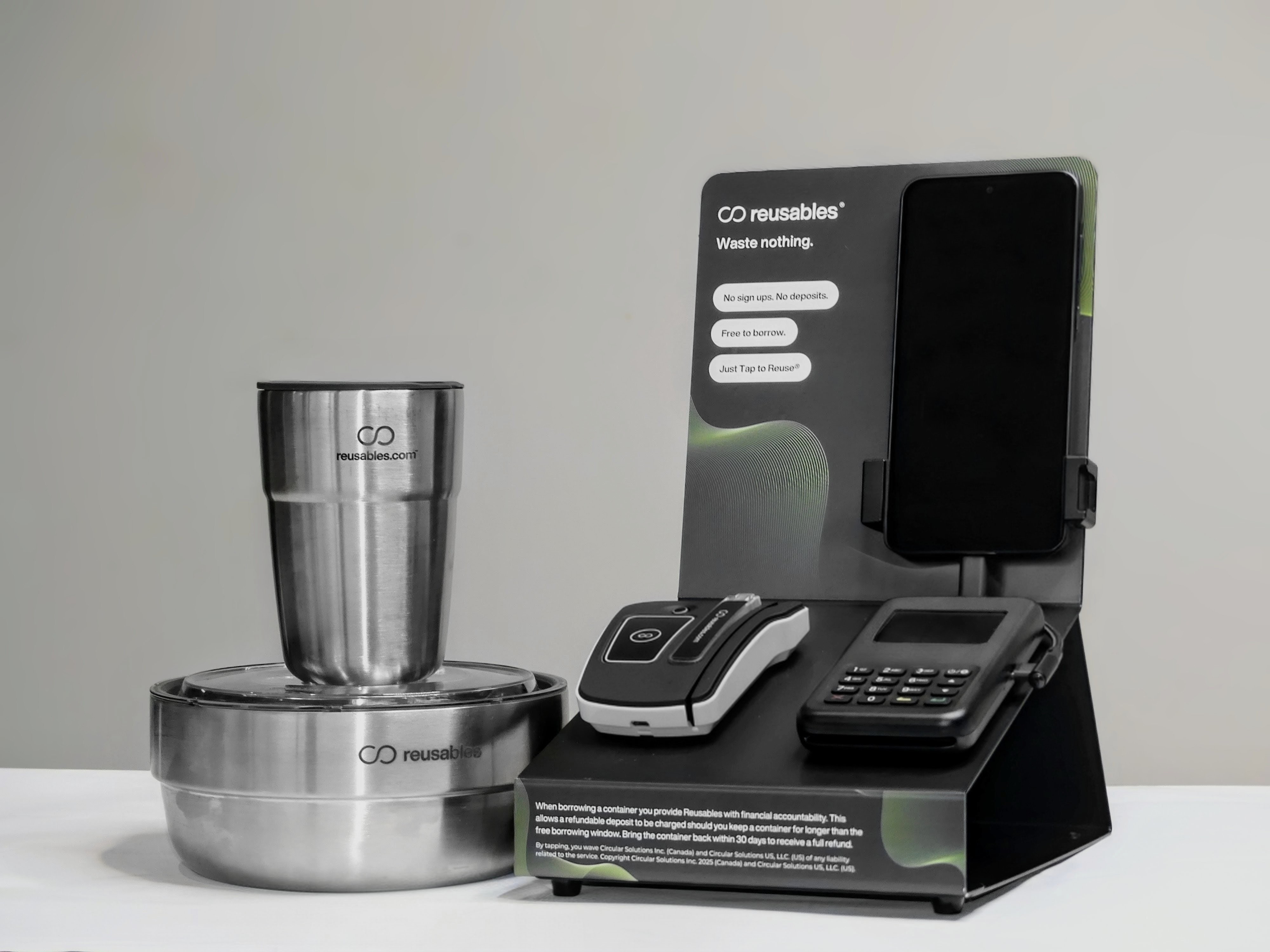
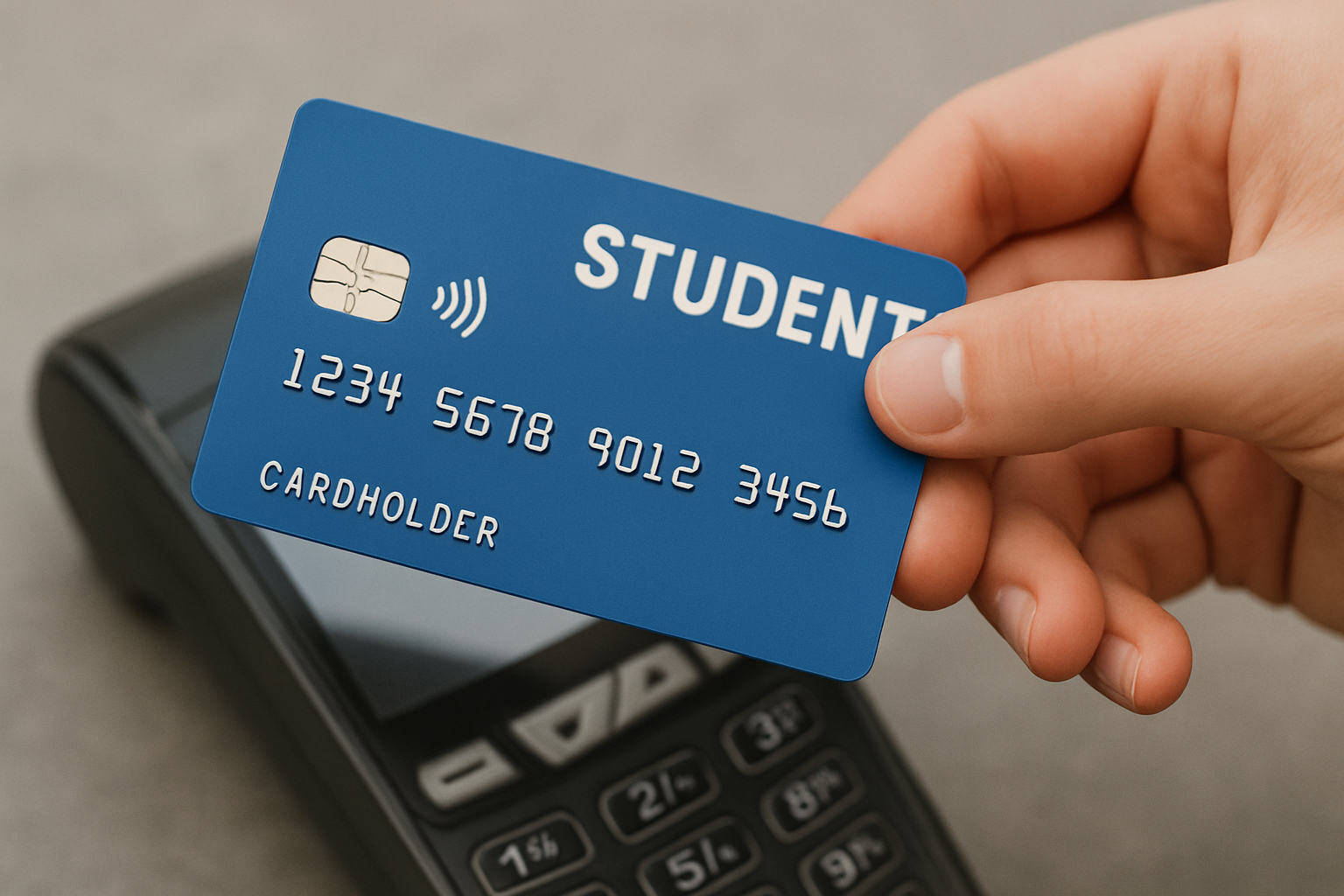
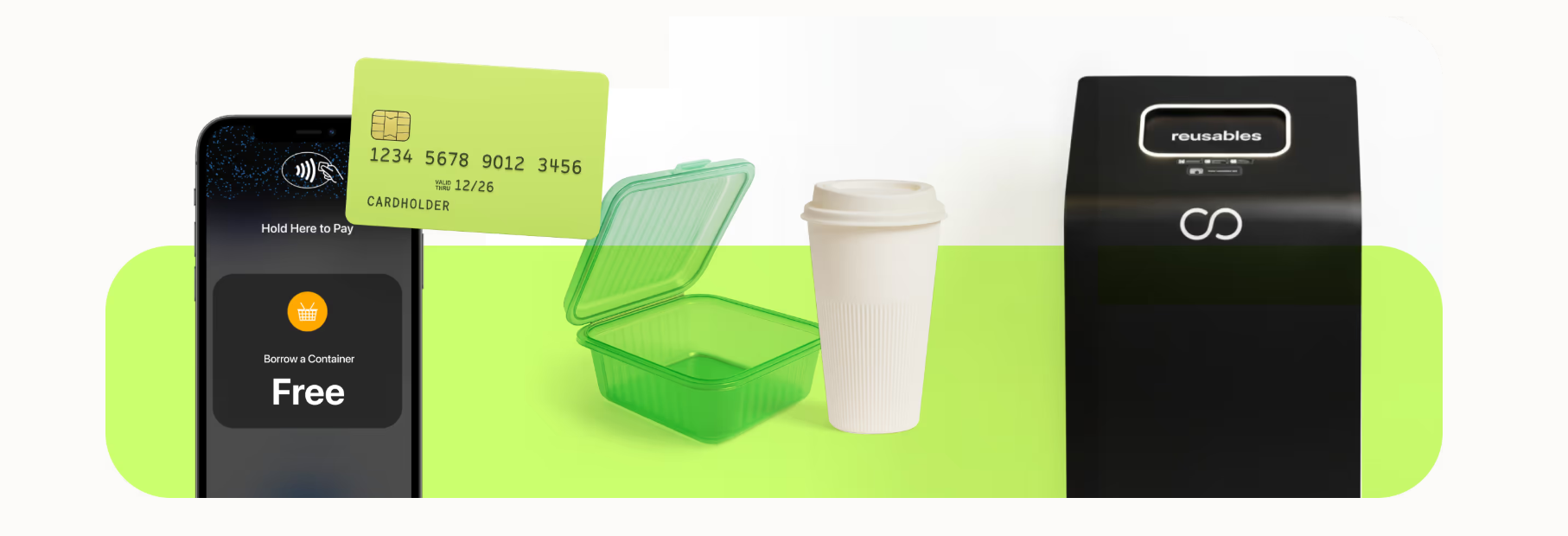
The best checkout process is one students barely notice. Instead of asking them to download an app or pay an upfront cash deposit, let them borrow a container with a simple tap of their existing student ID or credit card. This "tap, take, and go" approach removes the initial barrier to entry. Many successful programs find that forgoing an upfront deposit in favor of an automated late fee system is a great way to incentivize returns without discouraging participation. By making the borrowing process as quick and easy as grabbing a disposable container, you make it simple for students to make the sustainable choice.
Place return stations strategically
A convenient return process is just as important as a simple checkout. If students can only return containers at one specific dining hall during limited hours, you’ll likely find containers piling up in dorm rooms. To encourage prompt returns, place return stations in high-traffic areas across campus. Think beyond the dining hall and consider locations like residence halls, libraries, student centers, and major academic buildings. By making it easy for students to drop off containers on their way to class or back to their dorm, you integrate the return process into their natural daily flow, which significantly increases return rates.
Offer 24/7 smart returns
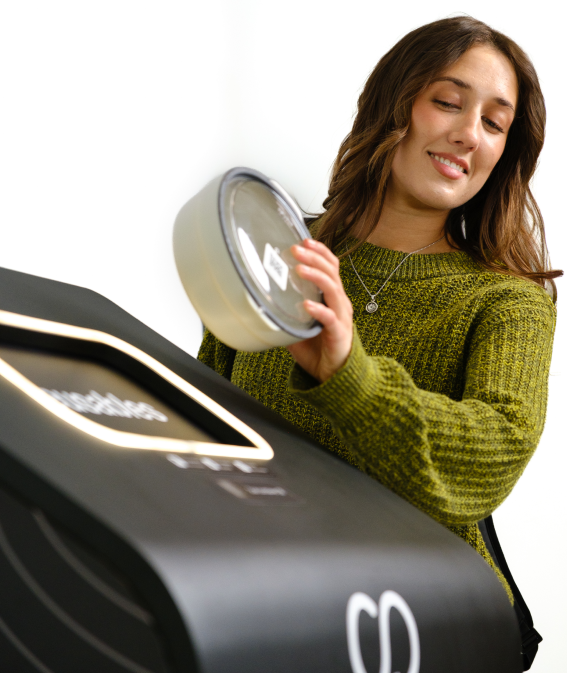
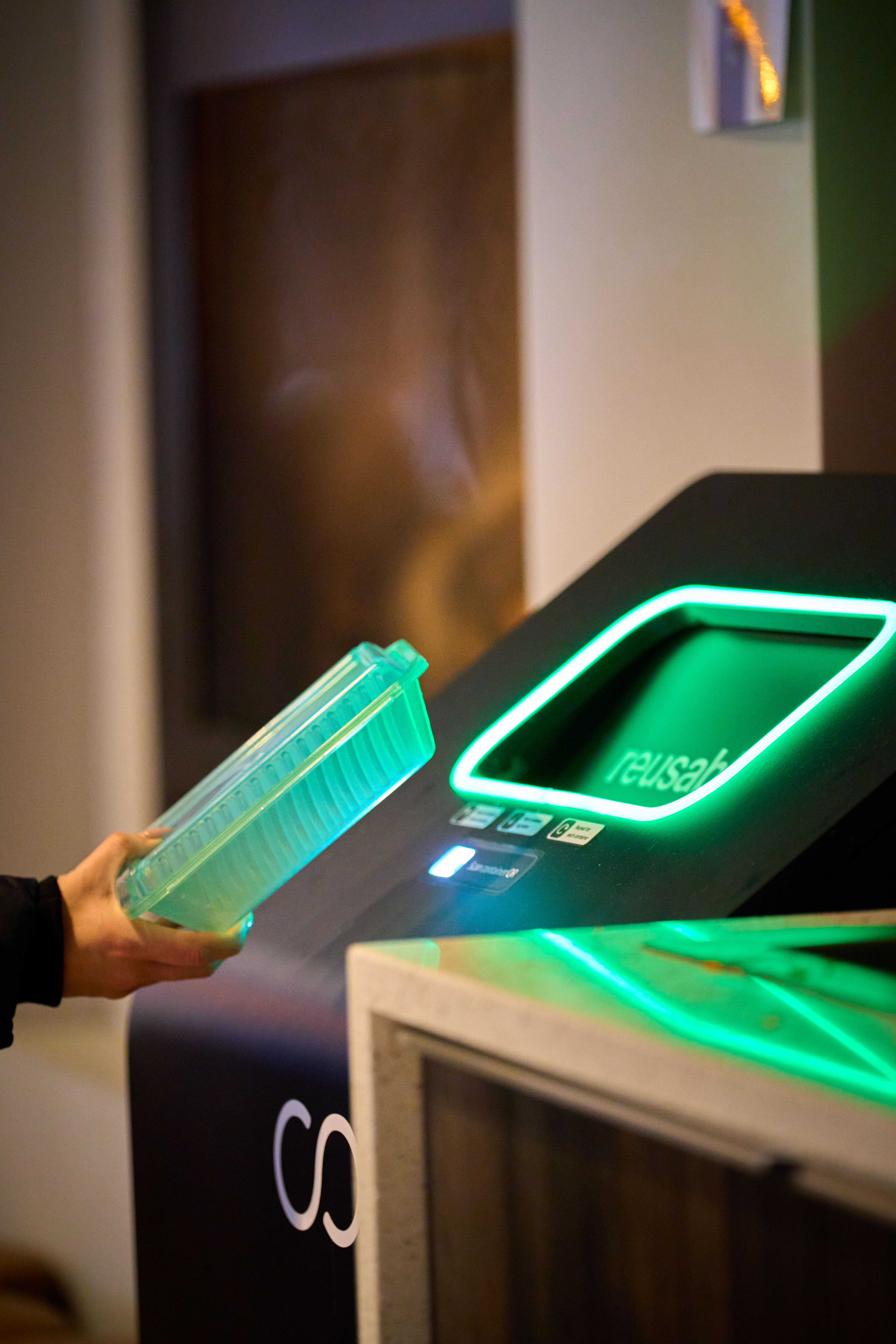
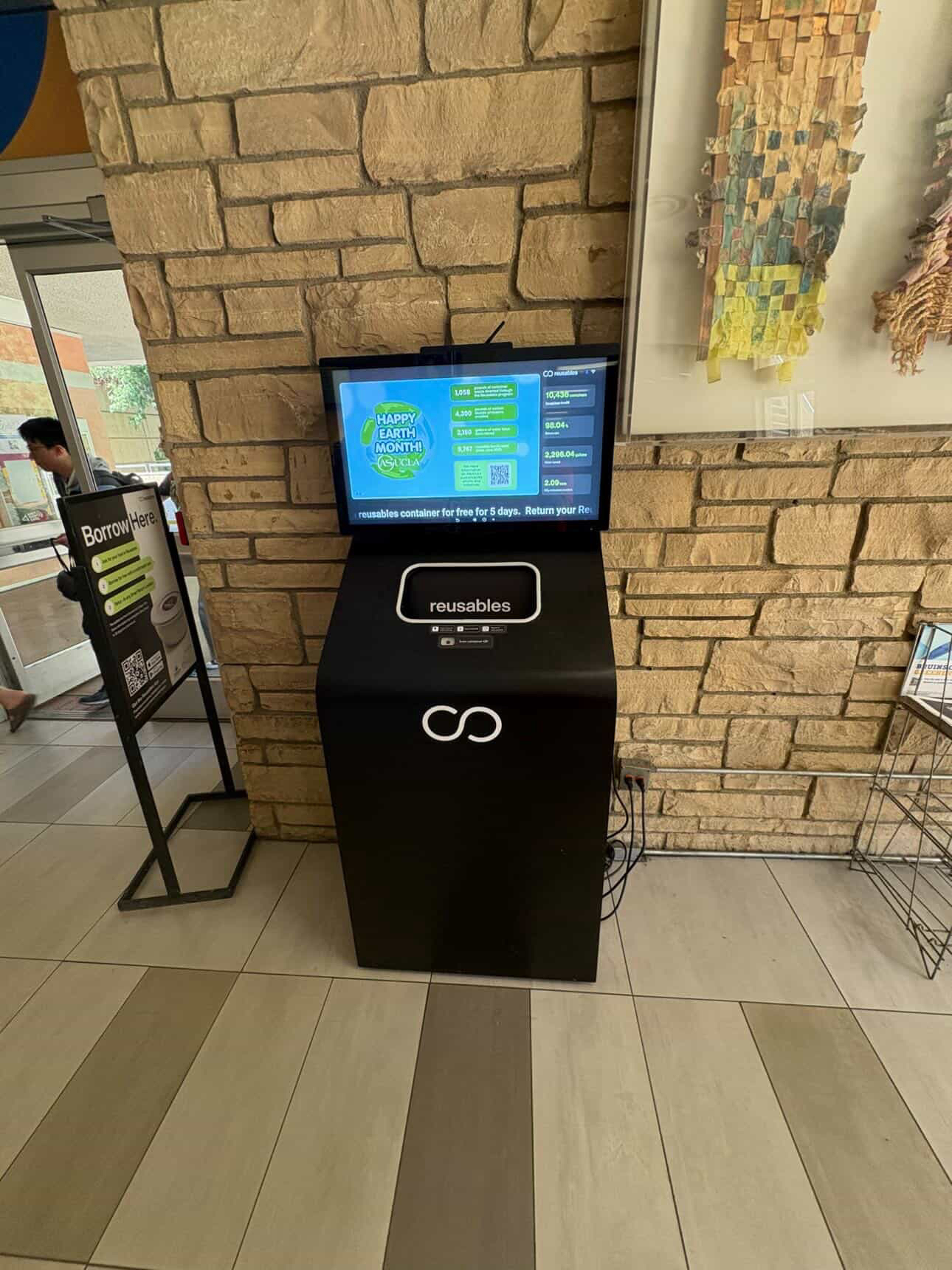
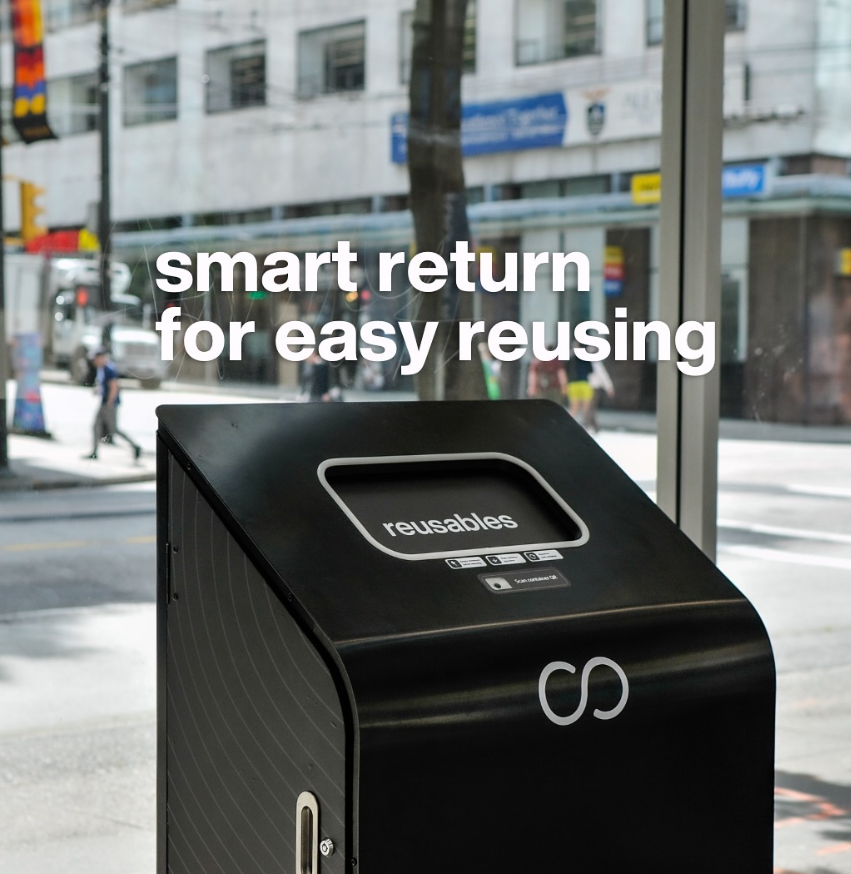
Students keep unconventional hours. A program that relies on staff-managed returns during business hours is bound to be inconvenient. Smart return bins solve this problem by allowing students to return containers anytime, day or night. Using technologies like QR codes and RFID, these stations automatically scan and register the return, providing a touch-free and immediate experience. This 24/7 availability accommodates everyone's schedule, from the early-morning athlete to the late-night study group, making reuse a practical option for the entire campus community.
Integrate with existing campus cards
Why introduce a new system when you can use one students already rely on every day? Integrating your reuse program with existing campus card and payment systems is a game-changer for convenience. When students can use their student ID to check out a container, there’s no new account to create or app to download. This approach not only simplifies the user experience but also provides powerful, automated tracking for your team. Strong container management and tracking capabilities are essential for a program's financial health, and integration makes this process seamless for both students and staff.

How can you use gamification to engage users?
Gamification is simply the process of adding game-like elements, such as points and competition, to everyday activities to make them more engaging. On a college campus, this approach is a natural fit. It taps into students' inherent desire for achievement, community, and a bit of friendly rivalry. By incorporating these elements into your reuse program, you can transform the simple act of returning a container into a fun, rewarding experience. Think campus-wide leaderboards, digital badges, and loyalty points. These tools help build a culture of reuse, making sustainability a shared and celebrated goal rather than just another policy. A well-designed gamification strategy can be the difference between a program that just exists and one that thrives. It’s a key part of creating a tech-forward student experience that achieves the high return rates you need for success.
Offer points and loyalty rewards
A classic loyalty program is one of the most effective ways to build a habit. When students earn points for every container they check out and return, they get immediate positive reinforcement. These points can be redeemed for tangible rewards like a free coffee, a discount at the campus store, or a meal voucher. This system does more than just offer a prize; it builds a sense of investment in the program. As one study notes, these programs "build customer loyalty and encourage people to keep using reusable options over time, making it a habit." It transforms the act of reusing from a simple transaction into a rewarding experience that keeps students coming back.
Run campus-wide competitions
Nothing sparks engagement on a college campus like a little friendly competition. You can set up leaderboards to track which residence hall, academic department, or student club has the highest reuse rate. Offer a prize at the end of the semester, like a pizza party or a donation to their chosen cause. These competitions create a buzz and a sense of shared purpose. They also serve as powerful public awareness campaigns, educating students on the program's benefits while they compete. This approach combines financial or social incentives with community building, which is a powerful formula for driving widespread adoption and making sustainability a team sport on campus.
Involve student leaders and influencers
Your most powerful advocates are often the students themselves. Before launching, get buy-in from key student leaders, such as resident advisors, student government members, and heads of sustainability clubs. Their endorsement provides crucial social proof. As one case study found, "student leadership buy-in was critical... which resulted in widespread student use." These students can act as program ambassadors, explaining how the system works to their peers and leading by example. An authentic recommendation from a fellow student is often more effective than any official marketing material, helping to build trust and enthusiasm from the ground up.
Recognize top reusers with badges
Recognition doesn't always have to be a monetary reward. Sometimes, public acknowledgment is an even stronger motivator. You can implement a system of digital badges that students earn for reaching certain milestones, like "10 Returns," "50 Returns," or "Reuse Rockstar." These badges can be displayed on a public leaderboard or within a campus app, giving top users a sense of achievement and status. As experts point out, recognizing and rewarding people for their efforts in sustainability "can be more powerful than just money." This low-cost strategy celebrates individual contributions and makes participation visible, encouraging others to join in and aim for their own badges.
Foster intrinsic motivation through recognition
Points and prizes create an initial reason to participate, but the most durable reuse habits come from intrinsic motivation — the internal drive to do something because it feels meaningful. Research on gamification shows this approach is effective at fostering lasting behavior change, because people who participate for the experience itself, rather than just to avoid a fee, are more likely to stay engaged. You can cultivate this by making individual impact visible. When a student sees they've personally diverted fifty single-use containers from the landfill, it shifts the act of returning a container from a chore into a concrete contribution they can take pride in.
Social recognition amplifies this effect. When students see their peers being celebrated — on a campus leaderboard, in a newsletter, or on a dining hall screen — it creates a social norm. Reusing isn't just an individual task; it becomes a visible, shared activity that carries status. This combination of personal accountability and community recognition is what turns a one-semester behaviour into a lasting habit. It also helps build a campus-wide identity around sustainability, making the program feel like something students are part of rather than something being done to them.
Make collective impact visible in real time
One of the most powerful and underused features in a gamified reuse program is real-time impact tracking. A dashboard or display that shows the campus's cumulative waste reduction — containers saved, CO2 avoided, landfill diversion — transforms an abstract sustainability goal into a concrete, observable achievement. When students can see that "Together, we've saved 10,000 containers this month," the simple act of returning a cup becomes part of a larger, shared story.
This data-driven approach draws on the same psychological principle behind sports scoreboards: people are more invested when they can see the score. Real-time tracking also gives your communications team compelling, specific numbers to share in newsletters, on social media, and in campus sustainability reports. Institutions that display these figures prominently — on digital screens in dining halls, for example — report stronger continued engagement because the progress is always in front of students, reinforcing that their individual actions are adding up to something that matters.
What role does technology play in a successful program?
Technology is the engine that powers a modern reuse program. It’s what turns a great idea, reducing single-use waste, into a smooth, scalable reality for both your diners and your operations team. The right tech stack works quietly in the background to make participation effortless for students and provides you with the data you need to manage inventory and measure success. It’s the key to creating a system that’s not only sustainable for the planet but also sustainable for your budget and staff. From tracking individual containers to automating reminders, technology handles the details so you can focus on the big picture: creating a better, waste-free dining experience on campus.
Track containers with RFID and QR codes
Think of RFID and QR codes as a unique passport for every container in your fleet. By assigning a distinct digital identity to each cup, bowl, and clamshell, you can track its journey from the dining hall to the return bin and back again. This one-to-one tracking is the foundation of an accountable system. It lets you know exactly which containers are in circulation, who has them, and when they’re due back. This level of detail is what makes automated reminders and high return rates possible. These tracking technologies are essential for managing your inventory effectively and gathering accurate data on your program’s environmental impact, giving you a clear view of your success.
Choose between app-based and app-free options
The best incentive for participation is making it incredibly easy. When choosing a system, consider the user experience. App-based programs require students to download an app and create an account, which can be a hurdle for adoption. An app-free approach, however, removes that friction entirely. By integrating with systems students already use every day, like their campus card, credit card, or mobile wallet, you make checking out a reusable container as simple as a single tap. This seamless experience is a core part of what makes a program successful. When participation is that easy, it becomes the default choice, not a chore, which is exactly what you want when building new sustainable habits on campus.
Monitor inventory and returns in real-time
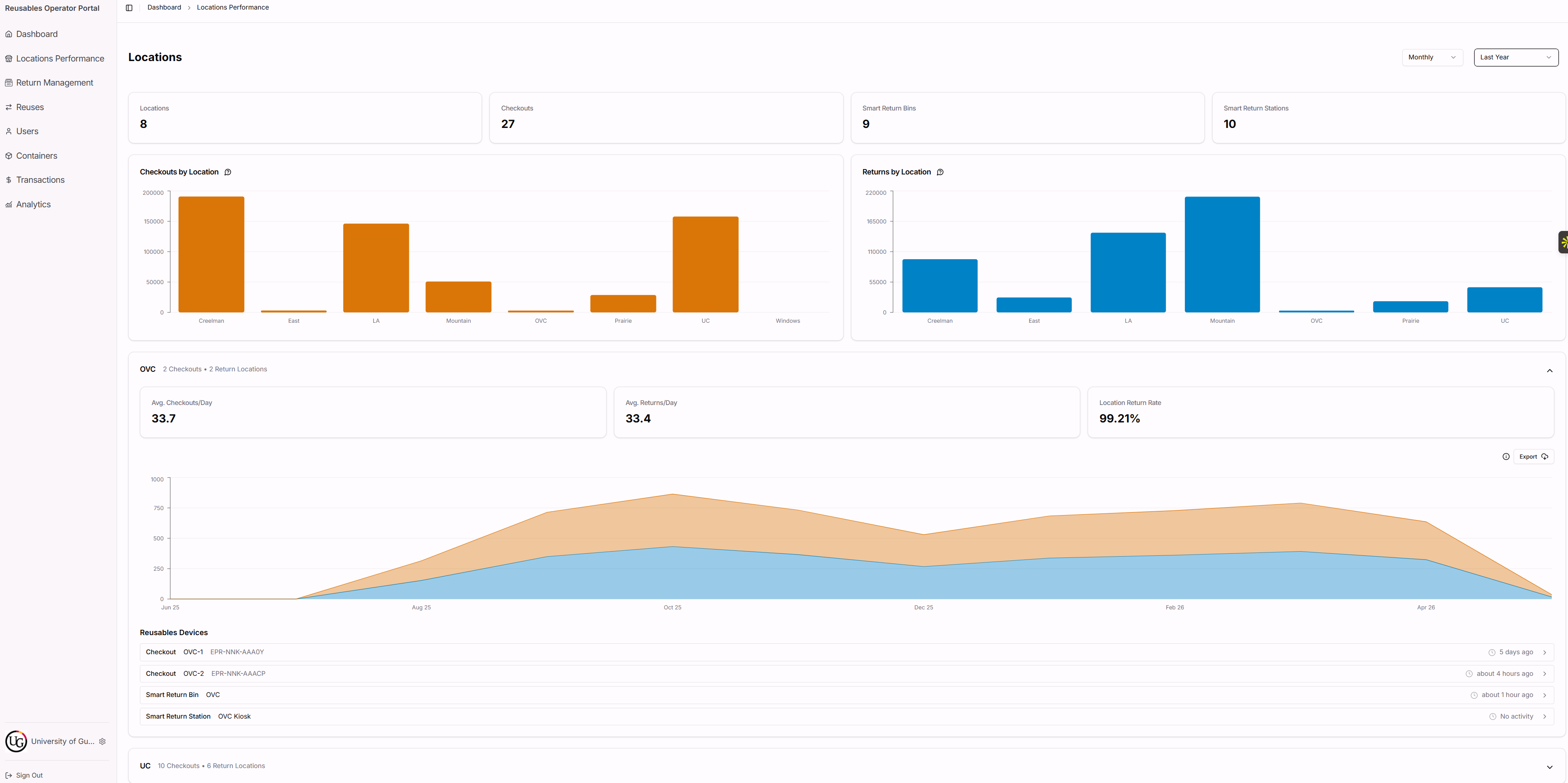
A successful reuse program requires more than just getting containers back; it requires knowing where they are at all times. Technology gives you a bird's-eye view of your entire system through a real-time dashboard. You can see how many containers are at each dining location, monitor return rates, and even get alerts when a smart return bin is getting full. This operational visibility is a game-changer. It allows your team to manage inventory efficiently, ensuring you always have enough clean containers ready to go. Having access to live data helps you make informed decisions to streamline operations, cut costs, and prove the program's value with concrete metrics.
Automate accountability and notifications
Manually tracking down unreturned containers is a drain on your staff's time and energy. Technology solves this by automating the entire accountability process. The system can send friendly, automated email or text reminders to users when their container is due, gently nudging them to bring it back. For programs that use a deposit model, technology can automatically place a temporary hold on a card and release it upon return, or charge a pre-determined late fee. This removes the need for awkward conversations or manual chasing by your staff. This automated approach is a key driver behind achieving industry-leading return rates, ensuring your container fleet stays in circulation and your program remains financially sustainable.
How can you overcome common barriers to adoption?
Launching any new campus initiative comes with questions. A reusable container program is no different. Students, staff, and even your own team will have concerns about everything from hygiene to convenience. Getting ahead of these questions is the key to a smooth rollout and building a program that people are excited to use. By addressing potential hurdles head-on with clear answers and smart solutions, you can build the trust and enthusiasm needed for long-term success. Let’s walk through the most common barriers and how you can confidently overcome them.
Address hygiene and safety concerns
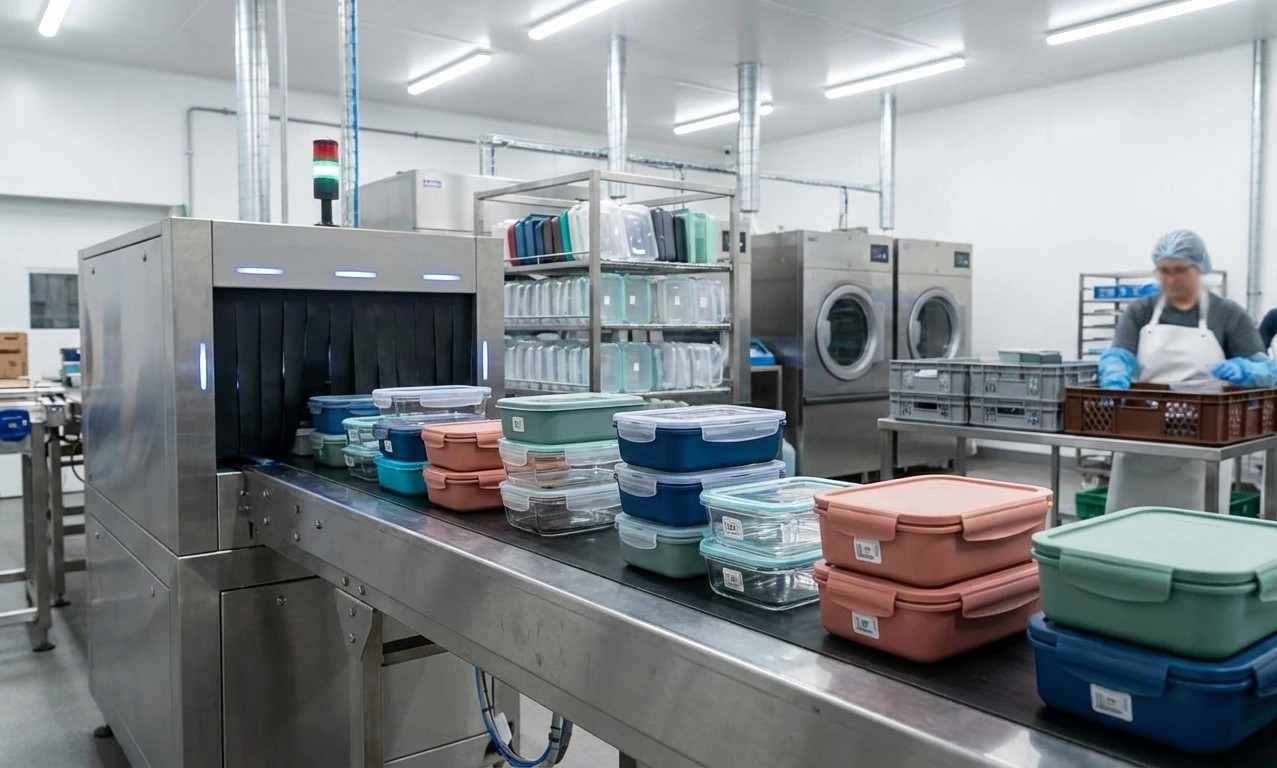
It’s natural for people to wonder if reusable containers are as clean as single-use ones. The good news is, they absolutely are. According to the EPA, a properly cleaned reusable container is just as safe as a disposable one. Your campus food service already operates under strict health codes, and reusable containers are cleaned and sanitized in the same commercial-grade dishwashers as your dining hall plates and cutlery. A tech-powered system adds another layer of security by tracking each container through the cleaning cycle, ensuring only professionally sanitized items are returned to circulation. This process guarantees every user gets a clean, safe container every time.
Tackle the "inconvenience" factor
If a reuse program feels like a chore, students won’t participate. The secret is to make it so easy that it becomes a natural part of their routine. At Washington State University, students have embraced reusables because the system is designed to fit into their daily lives. You can achieve this by eliminating friction at every step. An app-free checkout, like a simple tap of a student ID or credit card, makes borrowing a container take seconds. Placing smart return bins in high-traffic areas like residence halls, libraries, and student centers allows for 24/7 drop-offs, so students can return containers on their own schedule, not just during dining hall hours.
Build trust with clear communication
You can have the best system in the world, but if students don’t know how it works or why it matters, adoption will stall. Clear, consistent communication is non-negotiable. A case study from Allegheny College found that strong student buy-in was critical, achieved through effective marketing and education. Create simple, visual guides for how to check out and return containers. Use campus social media, digital signage, and student ambassadors to spread the word. Be transparent about the program's impact by sharing real-time data on how many single-use containers have been saved. When students see the collective difference they’re making, they become your program's biggest advocates.
Answer questions about cost and durability
Of course, you need to make sure the program is financially sound. The return on investment for a reusable program depends on a few key factors: the cost and lifespan of the containers, their return rate, and your ability to track them. As one analysis points out, the financial viability of any program hinges on these metrics. This is where technology makes all the difference. With automated tracking and accountability, you can achieve return rates of 99% or higher. This ensures each container is used hundreds of times, bringing the cost-per-use far below that of a disposable alternative and leading to significant long-term savings on packaging.
How can you prepare for implementation challenges?
Launching a reusable container program is an exciting step toward your sustainability goals, but even the most well-designed incentive strategy can face hurdles during rollout. The key to a successful launch isn't just having a great idea; it's about anticipating the real-world challenges that can arise. Thinking ahead about potential friction points allows you to build a program that is resilient, efficient, and truly embraced by your campus community.
A smooth implementation hinges on a few core pillars: your operational capacity, your strategy for building new student habits, the financial sustainability of your incentives, and your plan for keeping everyone engaged long after launch day. When you proactively address these areas, you’re not just troubleshooting; you’re building a foundation for long-term success. By preparing for these common challenges, you can choose a system and a partner that directly solves for them, ensuring your program runs smoothly for your staff and becomes a seamless part of the student experience. This foresight transforms potential roadblocks into strategic advantages, setting you up to achieve your waste reduction goals and create a lasting positive impact.
Plan for staffing and operations
Your dining staff is the backbone of your food service operations, and a reuse program needs to fit into their existing workflow, not complicate it. If a new system adds extra tasks to their already busy schedules, it can create friction that jeopardizes the entire initiative. The most successful programs are the ones that feel effortless for both staff and students. Look for a system that automates the heavy lifting, like tracking inventory and managing late fees. With features like smart return bins and automated accountability, your team can focus on what they do best: providing great food and service, not chasing down containers.
Encourage new user habits
For students, choosing a reusable container over a disposable one is a new habit. And building new habits takes more than just good intentions. The goal is to make reusing so simple that it becomes second nature. Instead of asking students to download another app or learn a complicated process, you can foster new habits by making the sustainable choice the easiest one. An app-free system that lets students check out a container with a simple tap of their campus card removes the initial barrier to entry. When the process is as quick and familiar as paying for a coffee, students are far more likely to participate consistently.
Balance incentive costs with your budget
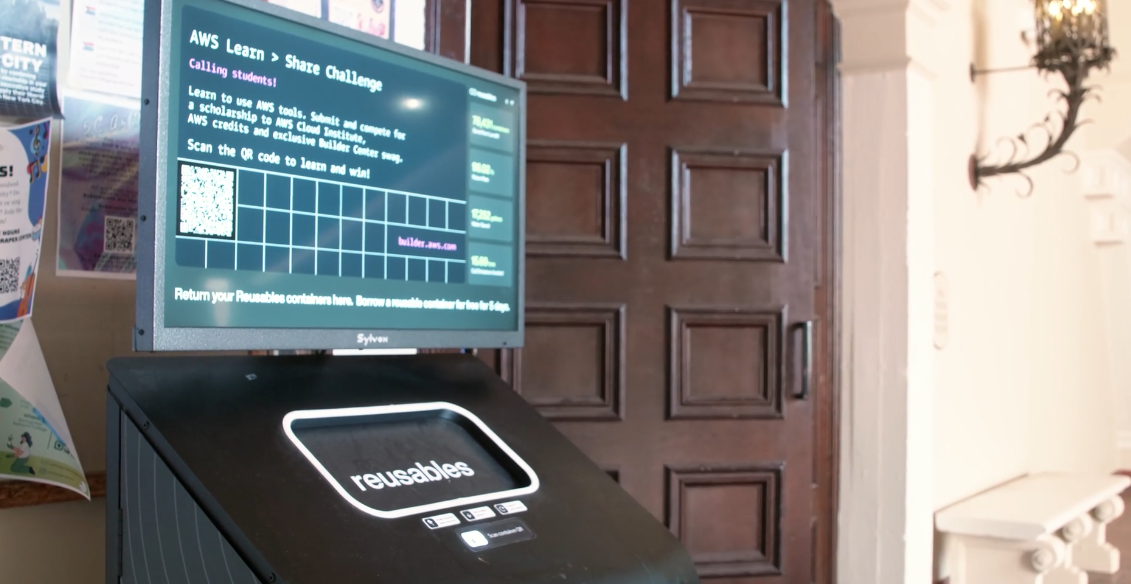
While incentives are powerful, they need to make financial sense. The long-term viability of your program depends on a clear understanding of your return on investment. This means looking beyond the initial cost of containers and considering factors like return rates, operational efficiency, and the money you’ll save by eliminating single-use packaging. A system with high return rates is crucial, as it minimizes the need to constantly repurchase lost inventory. To further support your budget, you can even explore solutions that create new revenue, like placing ad screens on smart return bins, turning a cost center into a source of income.
Keep users engaged for the long term
A strong launch is important, but sustained engagement is what makes a reuse program successful year after year. After the initial excitement fades, you’ll need a plan to keep the momentum going. This requires ongoing communication and buy-in from the entire campus community, including student leaders and dining staff. You can maintain interest by sharing real-time impact data, like how many single-use containers your campus has saved. Gamification features, such as campus-wide leaderboards and rewards for top reusers, also help keep the program fun and top-of-mind, turning a simple sustainable action into a shared community effort.
What are the benefits of a strong incentive program?
Implementing a reusable container program is a big step, and you want to make sure it succeeds. A thoughtful incentive strategy is what turns a good idea into a great system with real, measurable results. It’s about more than just giving away freebies; it’s about creating a campus culture where reuse is the easy and obvious choice. When students are motivated to participate and return their containers, you unlock a whole host of benefits that extend far beyond just reducing trash. From significant cost savings to new revenue streams, a well-designed program can transform your operations and help you meet your institution's biggest goals.
Reduce waste and your carbon footprint
The most visible benefit of a successful reuse program is a dramatic reduction in waste. Every reusable container that gets used and returned means one less single-use item heading to the landfill. This directly lowers your campus's carbon footprint by conserving the energy and resources needed to produce new packaging. An incentive program is crucial because it ensures high return rates, which is what makes the system truly circular. When students consistently bring back their containers, you maximize the environmental impact of each one and make serious progress toward your campus-wide zero-waste mandates.
Save money on disposable packaging
Let’s talk about the bottom line. The cost of single-use packaging has skyrocketed, putting a major strain on dining budgets. A reusable container program offers a direct path to significant savings. With disposable packaging costs rising over 200% in recent years, switching to reusables can cut your annual spending by 30% or more. Incentives play a key role here by protecting your investment. By encouraging students to return containers, you minimize replacement costs and ensure your inventory is always in circulation. This leads to a faster ROI and turns your packaging line item from a recurring expense into a smart, sustainable investment.
Generate new revenue opportunities
A reuse program doesn't just save money; it can also create new income. Think about student behavior. An incentive to return a container brings a student back to one of your dining locations. That return trip is a perfect opportunity for another purchase, whether it's a coffee, a snack, or their next meal. This repeat foot traffic helps build loyalty and increases sales over time. Some modern reuse systems, like our Smart Return Bins, even come with built-in digital screens that can be used for campus advertising, generating thousands in passive revenue per year without adding any work for your staff.
Achieve long-term financial sustainability
Ultimately, a strong incentive program helps build a more resilient and financially sustainable dining operation. By cutting down on disposal costs, improving operational efficiency, and even opening up new revenue streams, you create a system that pays for itself over time. This also strengthens your brand's position as a leader in sustainability. Students and faculty are increasingly drawn to institutions that demonstrate a real commitment to environmental responsibility. A smooth, user-friendly reuse program shows you’re invested in the future, which can improve student satisfaction and campus pride.
How can you design your campus incentive strategy?
A successful reuse program isn’t just about having great containers; it’s about creating a system that people genuinely want to use. A thoughtful incentive strategy is your roadmap to getting there. It’s how you’ll encourage initial adoption, build lasting habits, and achieve those impressive return rates. By thinking through your goals, incentives, and rollout plan ahead of time, you can design a program that fits your campus culture and delivers real results. A well-designed strategy moves beyond simple rewards and builds a sustainable behavior change that benefits both your budget and the planet.
Define your audience and goals
Before you can motivate your campus community, you need to understand it. Who are you trying to reach? First-year students living in dorms will have different needs and motivations than faculty members grabbing a quick lunch. Start by setting clear, measurable goals for your program. Are you aiming to cut your disposable packaging costs by 30%? Or maybe you want to achieve a 95% container return rate within the first year. Your goals will shape every decision you make, from the types of incentives you offer to how you measure your program's impact. Knowing what you want to achieve and who you’re trying to engage is the essential first step.
Combine different types of incentives
The most effective strategies use a mix of incentives to appeal to different motivations. While financial perks are powerful, they aren't the only tool you have. Consider combining a direct financial incentive, like a small discount for using a reusable container, with an accountability measure. For example, many successful programs use a "free to borrow" model where a credit card is linked for a potential late fee if the container isn't returned. This approach has been shown to drive return rates above 98%. You can also layer in social incentives, like leaderboards or prize draws, to make participation fun and build a sense of community. This multi-pronged approach creates a robust system that encourages participation from all angles.
Plan your implementation and rollout
A great idea needs a solid plan to bring it to life. Your rollout strategy should focus on making the program as simple and clear as possible for everyone involved. This means creating a comprehensive communication plan to educate students and staff before launch day. Use posters, social media, and campus newsletters to explain how the program works, where to return containers, and what the benefits are. It’s also crucial to train your dining services staff so they can answer questions and guide users. Consider launching with a pilot program in one or two dining halls to work out any kinks before expanding campus-wide. A smooth, well-communicated launch sets the stage for long-term success.
Measure success and optimize your program
Once your program is up and running, the work isn’t over. The key to long-term success is to continuously track your progress and make data-driven adjustments. Focus on key metrics like container return rates, user participation, cost savings from disposables, and your overall environmental impact. For example, a program with a 99% return rate can save a campus tens of thousands of dollars in packaging costs each year. Use a dashboard with real-time data to monitor these numbers. If you notice participation dipping, you can introduce a new contest or send out a reminder campaign. Regularly reviewing your data allows you to optimize your incentive strategy and demonstrate the program's value to campus stakeholders.
How do you prevent container loss?
High container loss is one of the most common reasons reuse programs fail to deliver on their financial and environmental promises. When containers disappear, the replacement cost erodes your savings, and the per-use environmental footprint of each container rises sharply. The good news is that high loss rates are not an inherent cost of running a reuse program — they are a symptom of specific, fixable problems in system design.
Understanding why containers go missing is the first step. It is rarely the result of deliberate misconduct. Instead, containers vanish through a combination of staff misplacement during peak service hours, inadequate tracking that means no specific person is accountable, student habits that leave containers in dorm rooms or backpacks, and a general lack of awareness about the container's value. Each of these causes is addressable through a combination of technology, staff training, and smart infrastructure choices.
Close the loop with RFID and QR tracking
The foundation of effective loss prevention is giving every container a unique digital identity. When each item is tagged with a QR code or RFID tag, it moves from being an anonymous asset to a tracked one. Every checkout links a specific container to a specific student account, and every return closes that record. This isn't about surveillance — it's about creating the automated accountability that makes gentle, consistent nudges possible. When a container is approaching its return deadline, the system sends a reminder. If it isn't returned on time, a fee is applied automatically. No staff follow-up required.
Real-time inventory dashboards are the operational benefit of this tracking infrastructure. You can see at any moment how many containers are in circulation, which return bins are filling up, and whether stock levels at a particular dining hall need topping up. This operational visibility eliminates the guesswork that leads to over-ordering new containers and helps your team stay ahead of demand without reactive scrambling.
Invest in your staff as the frontline of the program
Technology alone does not prevent container loss. Your dining team's understanding of and engagement with the program directly affects how many containers are handled correctly, how confidently they answer student questions, and how well they promote the initiative during high-traffic service periods. Training that connects their daily actions to the program's sustainability and financial goals — showing them the real cost of a lost container and the genuine environmental impact of each return — builds a sense of shared ownership rather than treating the program as another operational rule to follow.
Practical training should cover every touchpoint: how to handle checkouts correctly at the POS, what to do when a student has a question about fees, how to report a bin that needs emptying. When your staff feel confident and informed, they become advocates for the program rather than passive participants, and that cultural buy-in has a measurable effect on return rates.
Make the return process impossible to fail
Most lost containers are not lost on purpose. Students leave them in their rooms because returning them requires a special trip. The most effective prevention strategy is removing the effort required to do the right thing. Smart return bins placed in high-traffic locations — residence hall lobbies, library entrances, student unions — allow students to return containers as part of routes they already travel. Bins available 24/7 eliminate the time-based friction that turns good intentions into forgotten containers. Each bin monitors its own fullness and alerts your team when collection is needed, preventing the overflow that discourages returns entirely.
This design principle — making convenience and accountability work together rather than against each other — is what separates programs that achieve 99% return rates from those that budget annually for inventory replacement.
Related Articles
- How to Encourage Reusable Container Returns on Campus
- What is a Green Box Program? A Modern Guide
- How Student Card Reusable Container Checkout Works
- A Guide: How to Use Transact Card for Reusables
- The Right Way to Buy Reusable Food Containers for College

Frequently Asked Questions
Will a reusable container program create a lot of extra work for my dining staff? That’s a common concern, but the most effective programs are designed to be nearly invisible to your staff. With automated tracking and smart return stations, the technology handles the tedious work of checking containers in and out, sending reminders, and managing fees. This means your team can stay focused on food and service instead of manually tracking inventory or chasing down unreturned items.
Is it better to charge an upfront deposit or use a system with a potential late fee? While both can work, we see much higher participation with a "borrow for free" model that uses a potential late fee. Requiring an upfront deposit can create a small hesitation for students at checkout. A system that simply links to a student's campus card and only charges a fee if the container isn't returned on time removes that initial barrier, making it just as easy to choose a reusable as a disposable.
How can we be sure a reuse program will actually save us money compared to disposables? The financial benefit comes from achieving very high return rates. When you can get 99% of your containers back consistently, each one can be used hundreds of times. This brings the cost-per-use far below that of a single-use container. The key is a system with strong, automated accountability that protects your inventory and minimizes replacement costs, leading to significant long-term savings on packaging.
Besides financial incentives, what's the most important factor in getting students to consistently participate? Convenience is everything. If reusing is a hassle, students will revert to disposables, no matter the reward. A successful program integrates into their daily lives with frictionless checkouts, like a simple tap of their student ID, and 24/7 return bins placed in high-traffic areas like residence halls and libraries. When it’s that easy, reuse becomes the default choice.
How do we keep students engaged with the program after the initial launch excitement wears off? Sustained engagement is built on making the program a visible and rewarding part of campus culture. You can maintain momentum by using gamification, such as campus-wide competitions between dorms or clubs to see who can reduce the most waste. Sharing real-time data on your collective impact, like the number of single-use containers saved, also helps keep the program's purpose front and center for the community.
Other stories you may find interesting

.png)


.avif)





.webp)



Watch the Webinar
Learn How to Eliminate Single-Use Waste
Get instant access to our expert webinar and discover how leading institutions reach 99% return rates through smarter reuse systems.

© Reusables™. All rights reserved.