
Reusable Packaging System: How It Works and Why It Pays

April 8, 2026
Single-use packaging is expensive and wasteful. Universities, hospitals, and corporate campuses spend $50,000 or more each year on disposable containers that go straight to the landfill after one meal. A reusable packaging system replaces that cycle with durable containers that are tracked, returned, cleaned, and put back into service, cutting costs and waste at the same time.
This guide breaks down how a modern reusable packaging system actually works, what technology makes it possible, and the financial case for making the switch.
What Is a Reusable Packaging System?
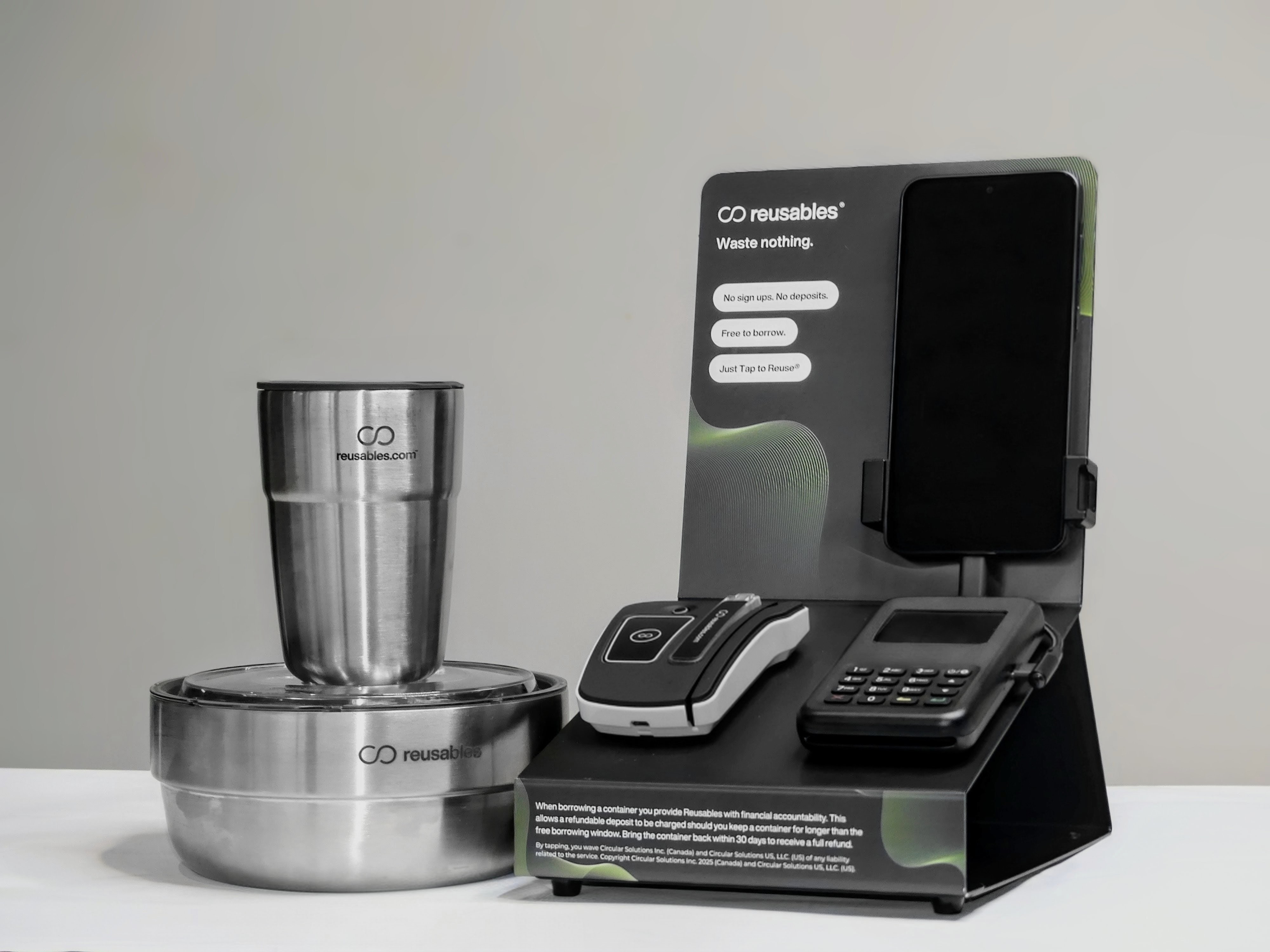
A reusable packaging system is the complete infrastructure, both hardware and software, that lets an institution replace disposable food containers with durable, returnable ones. It goes well beyond simply buying sturdier containers. A true system includes:
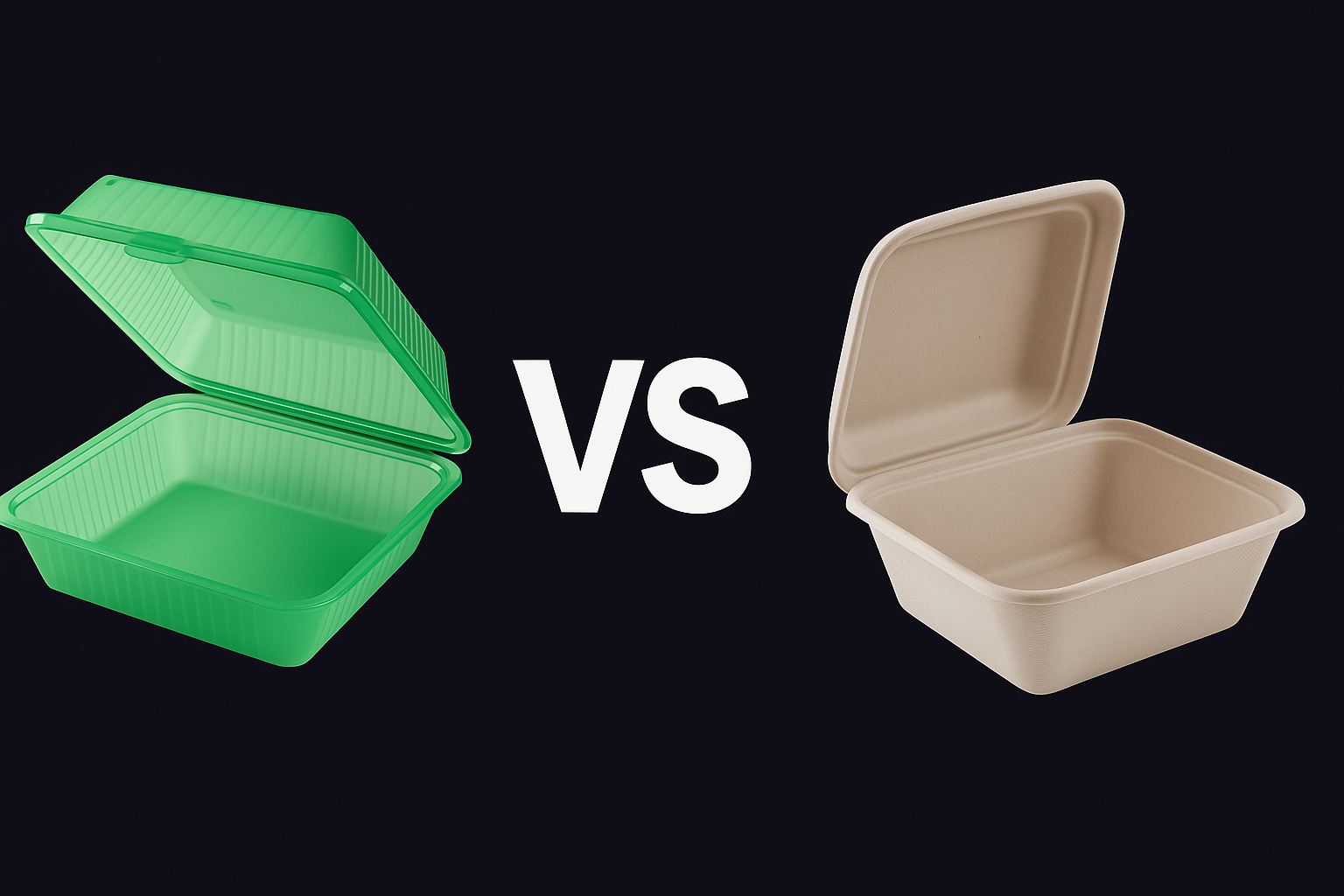
- Durable containers made from stainless steel or food-grade plastic, designed to last hundreds of cycles
- Tracking technology (RFID tags, QR codes, or both) embedded in each container
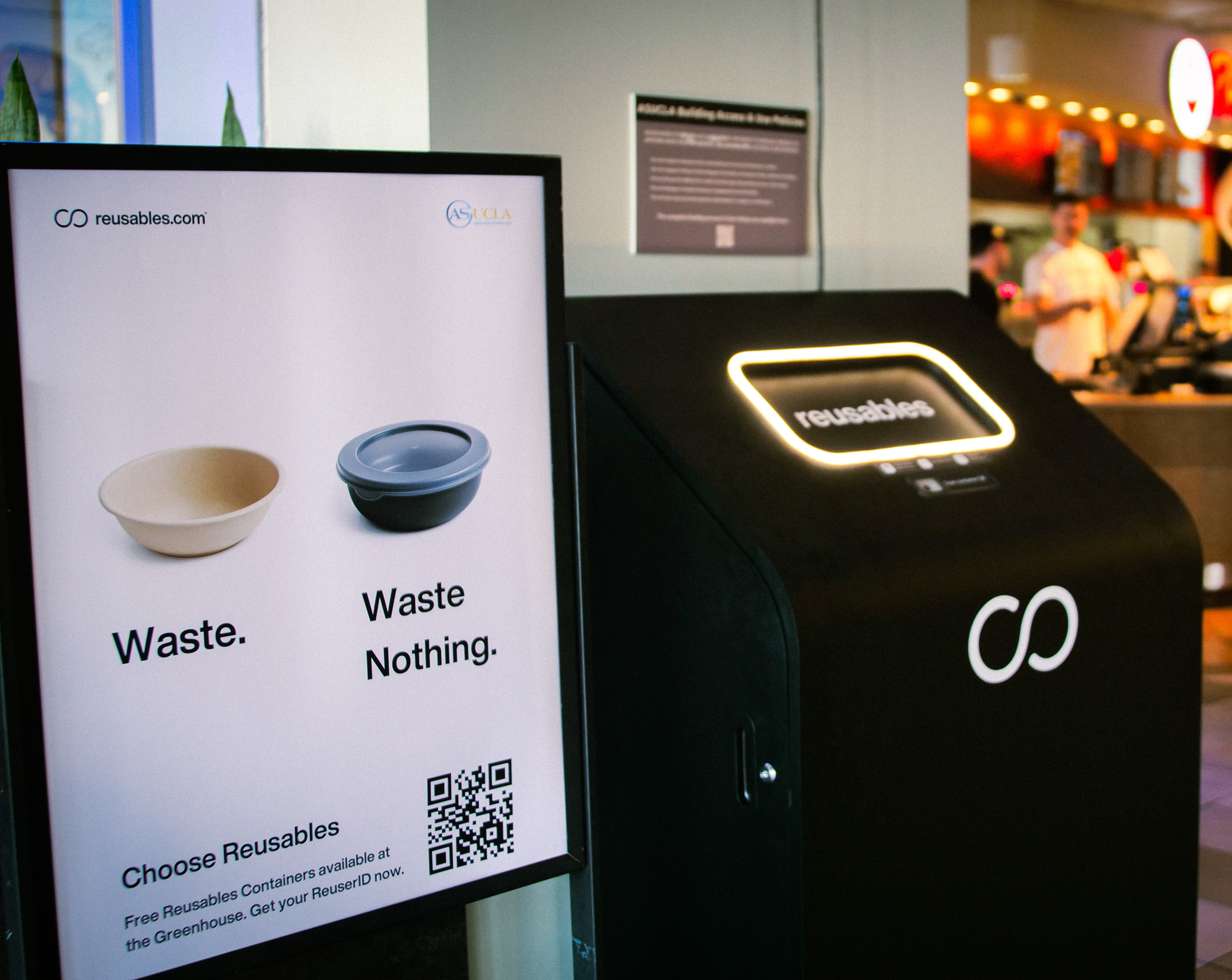
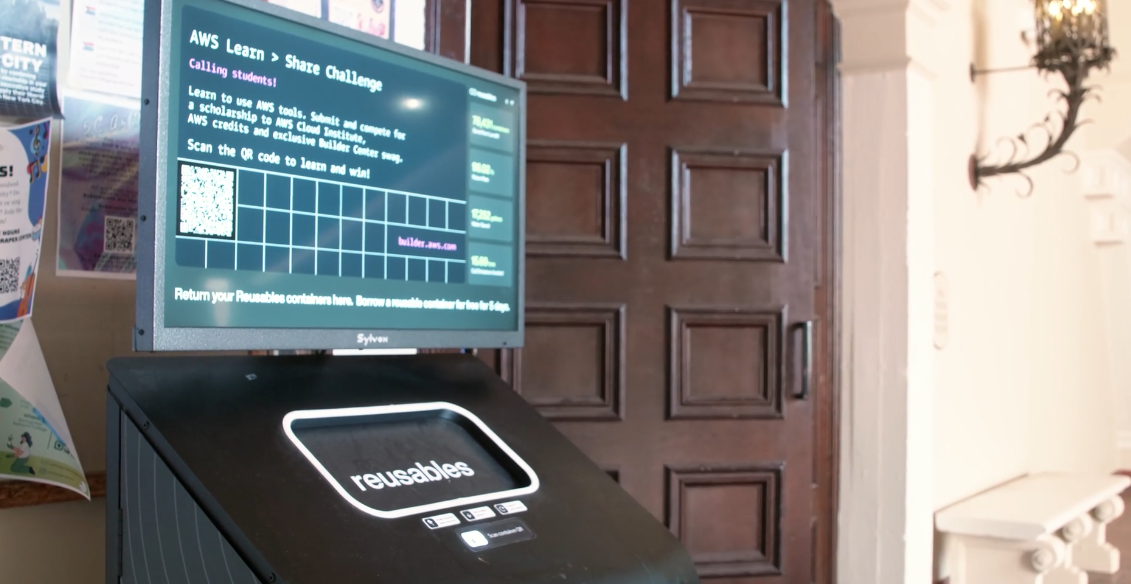
- Automated return stations where users drop off containers without staff assistance
- Software platform that manages checkout, tracking, accountability, and reporting
- Payment integration with existing campus card systems or credit/debit cards
The goal is to make reuse as simple as single-use. When the process feels effortless for the end user, participation rates climb and the system pays for itself.
How a Reusable Packaging System Works: Step by Step
Modern reusable packaging systems follow a straightforward cycle. Here is how each step works in practice.
Step 1: Container Checkout
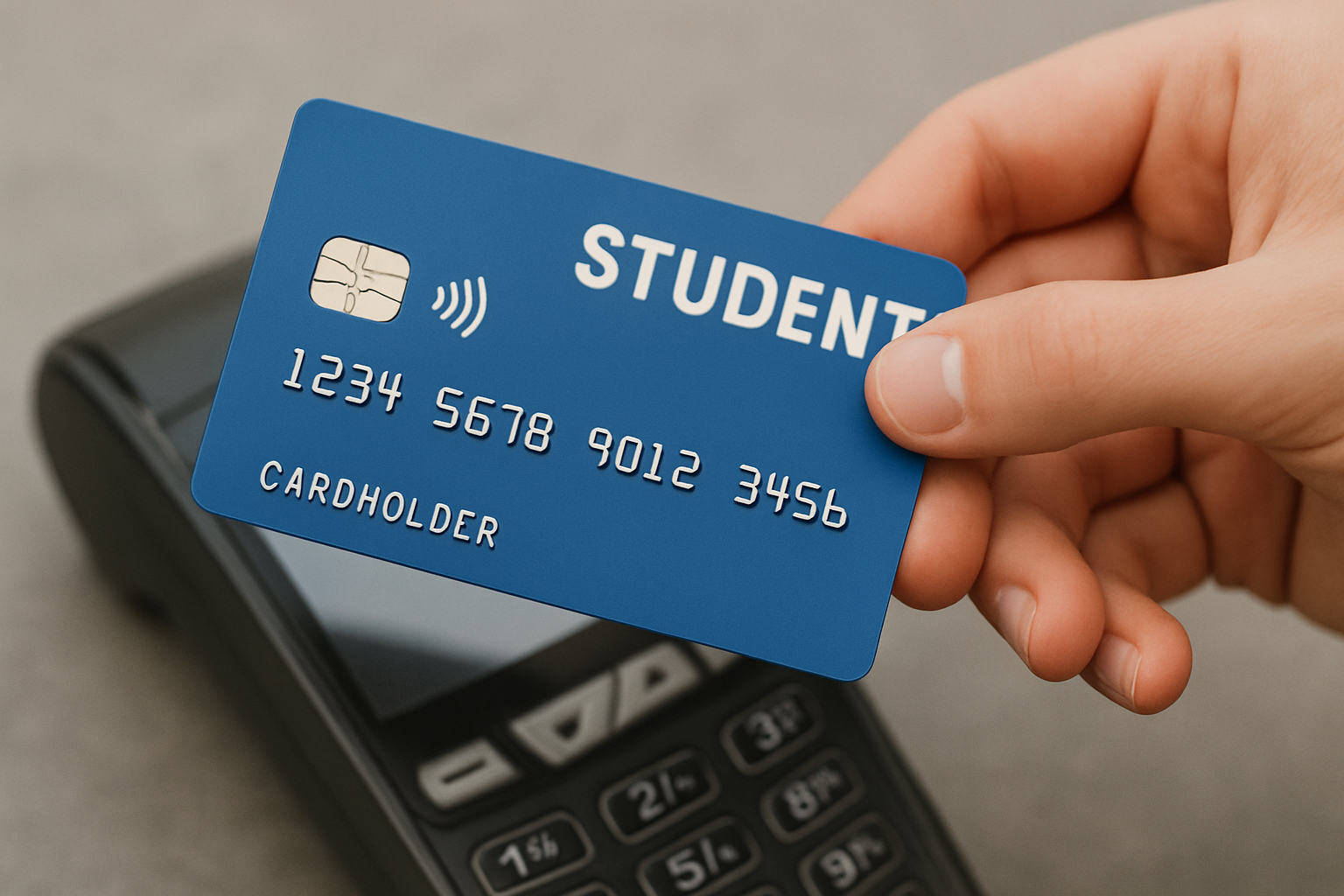
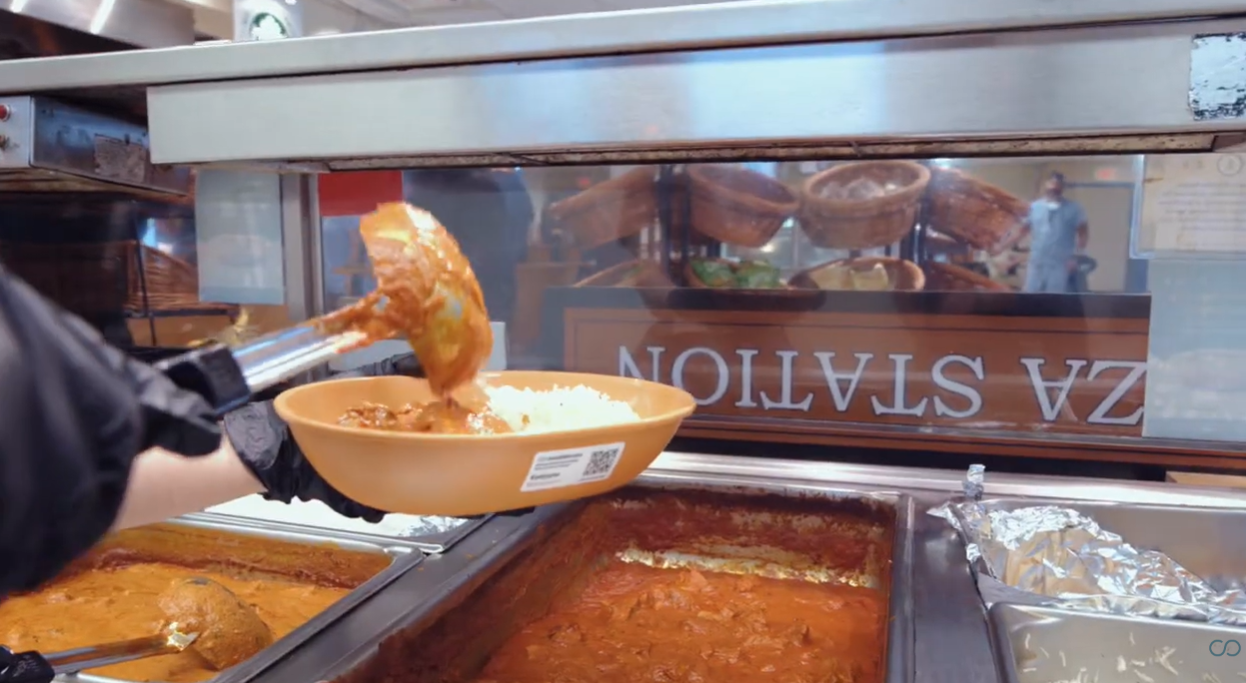
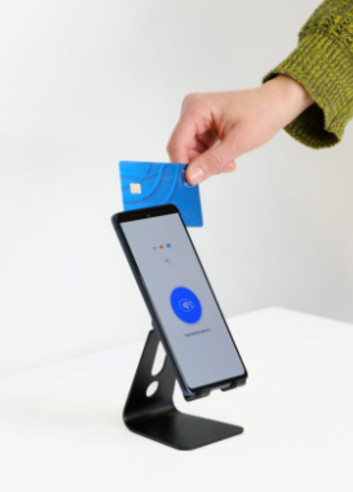
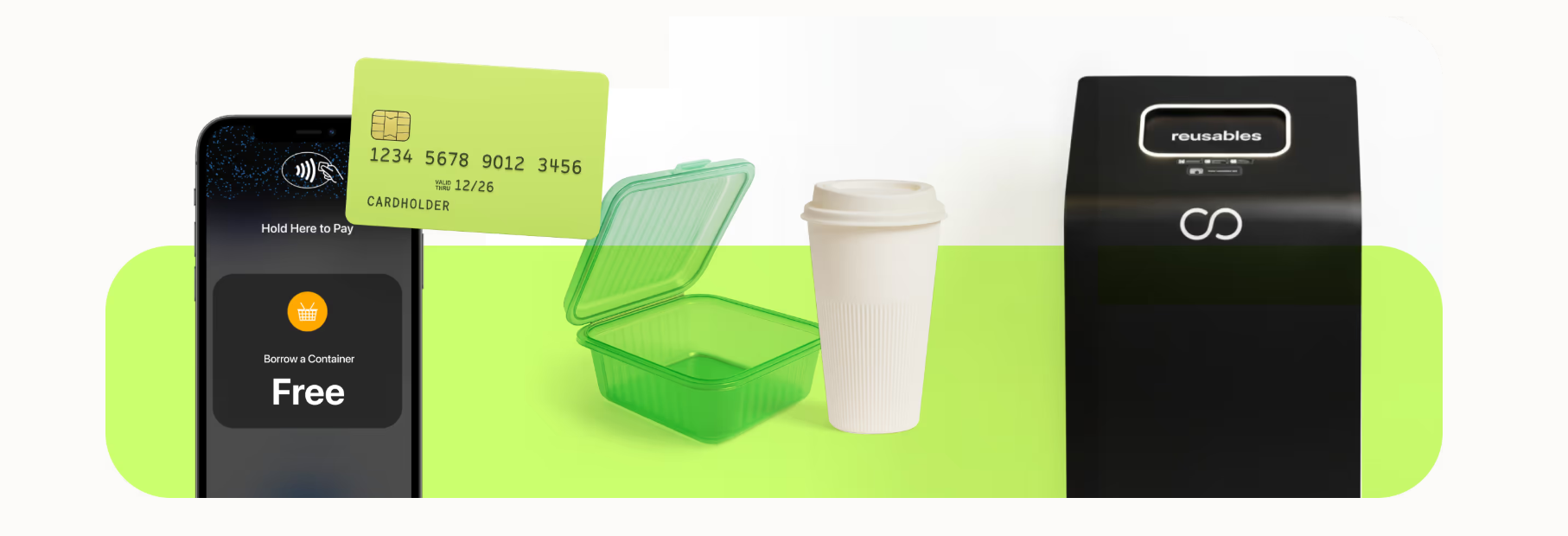
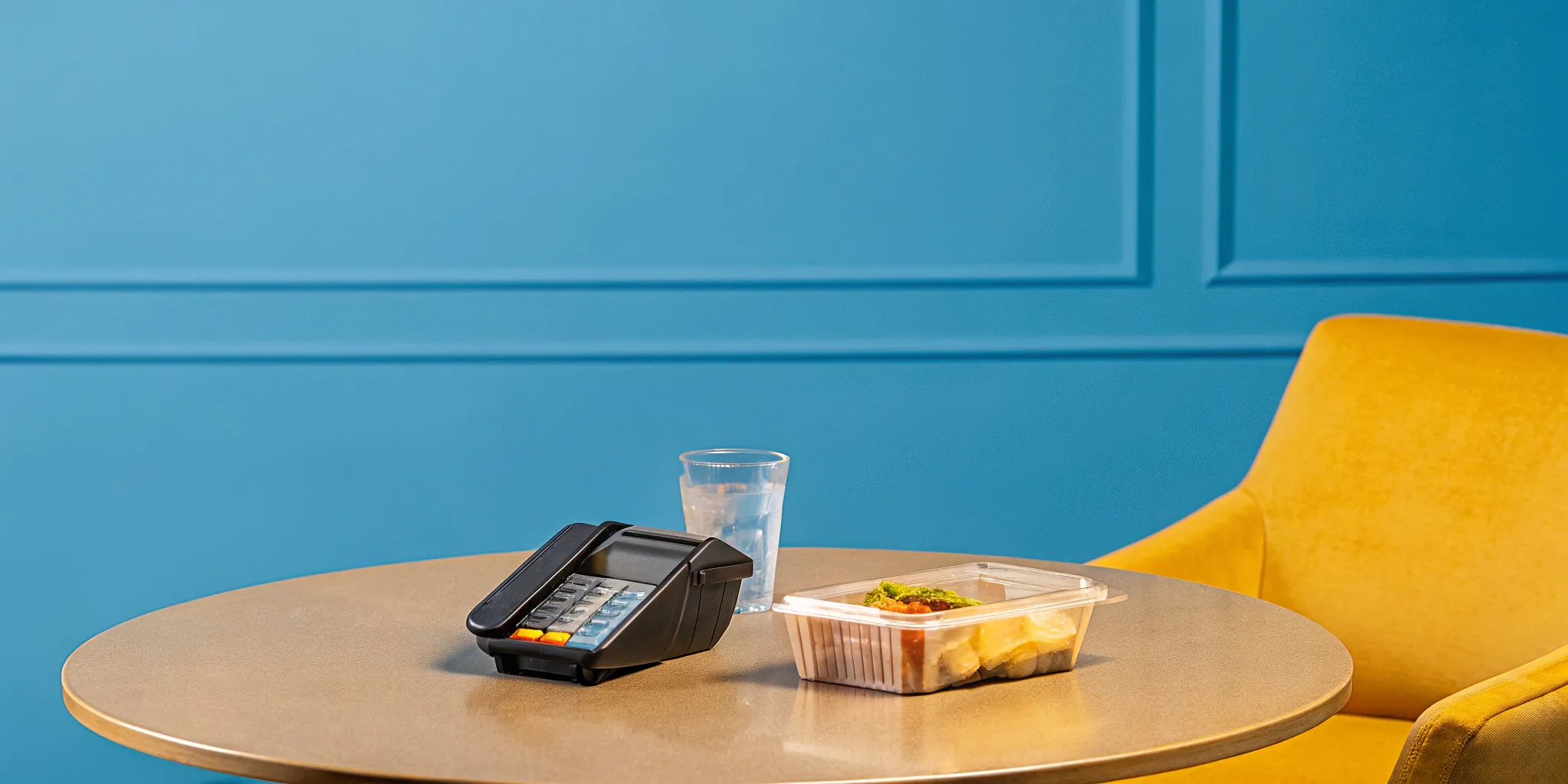
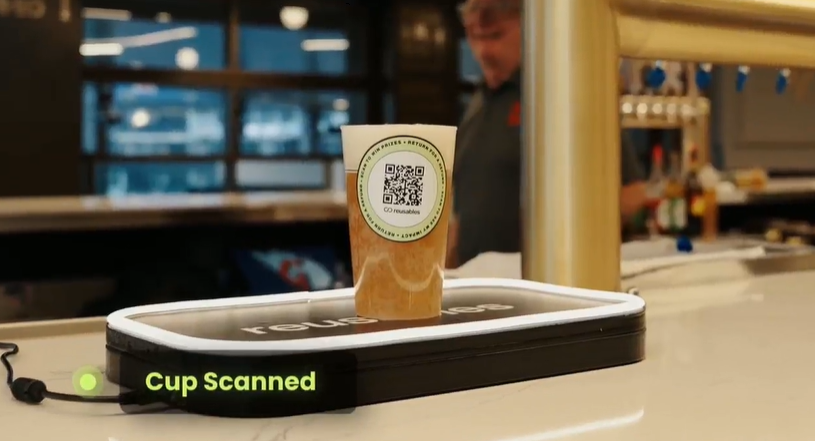
A user picks up a reusable container at a dining hall, cafeteria, or food court. Instead of downloading an app or paying a deposit, they tap their student ID, employee badge, or credit card at a scan station. The system links that specific container to their account in seconds.
This frictionless checkout is critical. Programs that require app downloads or upfront deposits see significantly lower adoption rates. The best systems work with credentials people already carry.
Step 2: Container Tracking
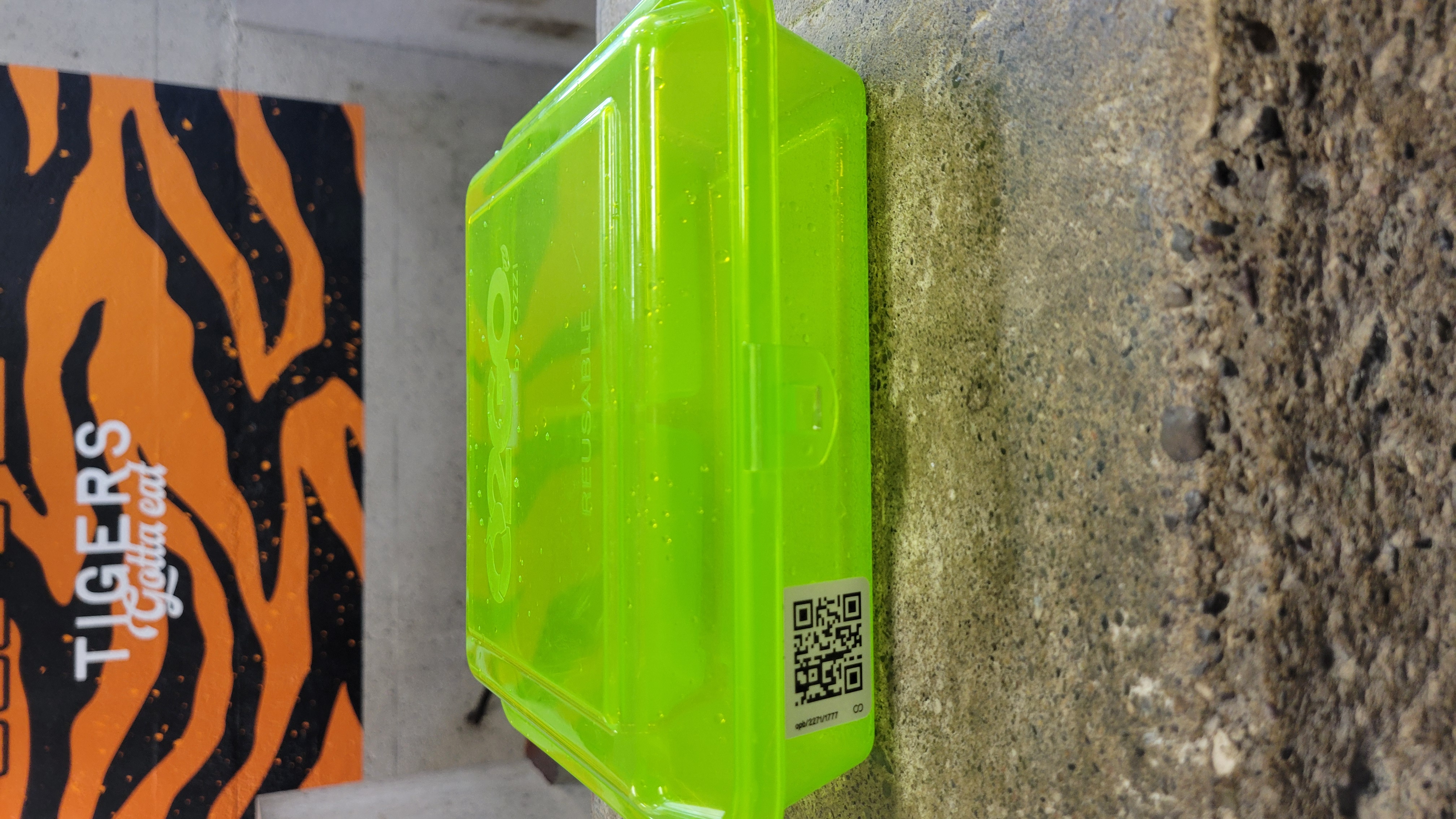
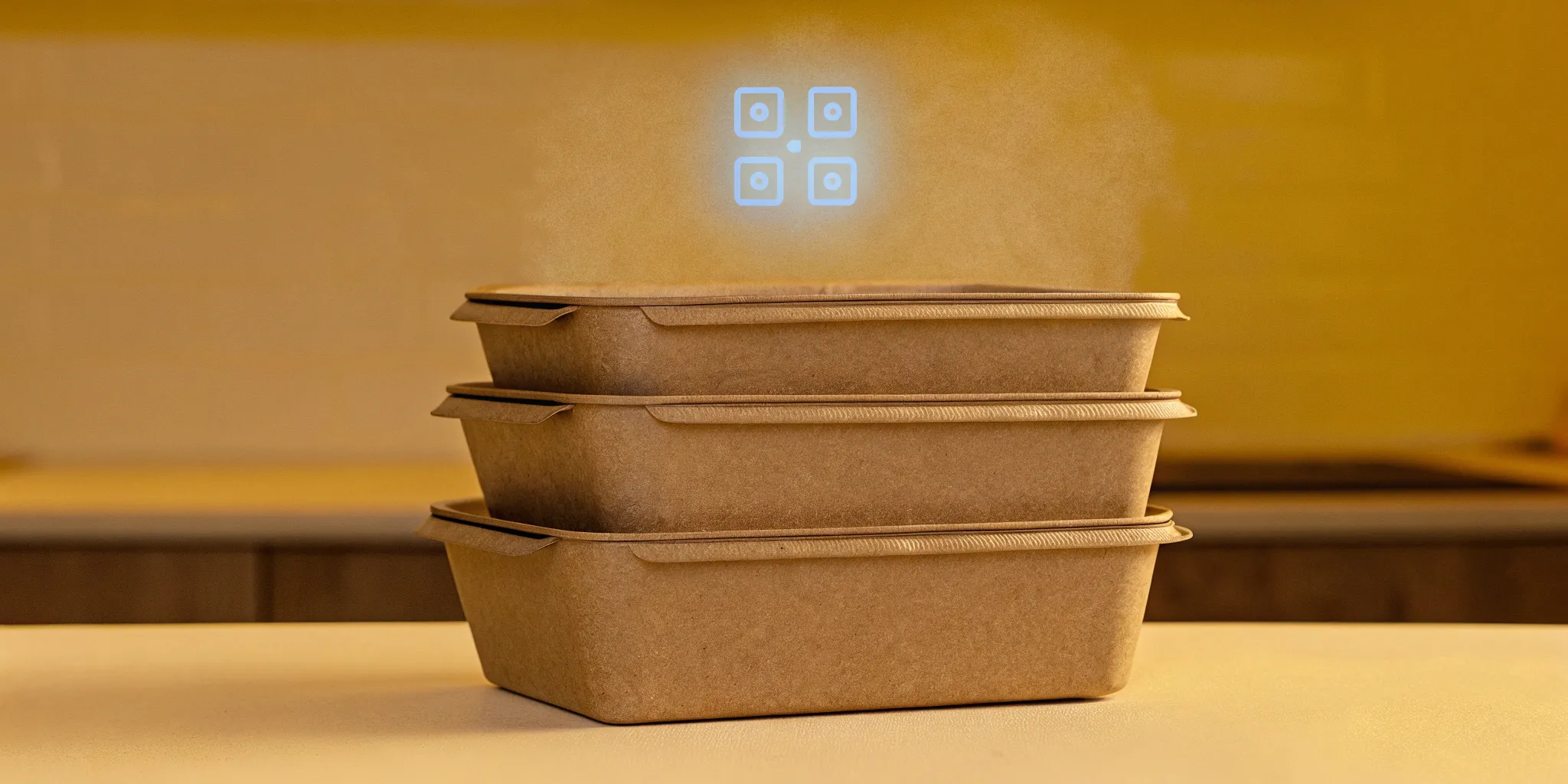
Every container has a unique identifier, either an RFID chip, a QR code, or both. From the moment a container is checked out, the system knows exactly who has it, when it was borrowed, and where it was last scanned.
Dual-mode tracking (RFID plus QR) provides redundancy. RFID enables automatic, touchless scanning at return bins, while QR codes offer a visual backup that works with any scanner.

Step 3: Automated Returns
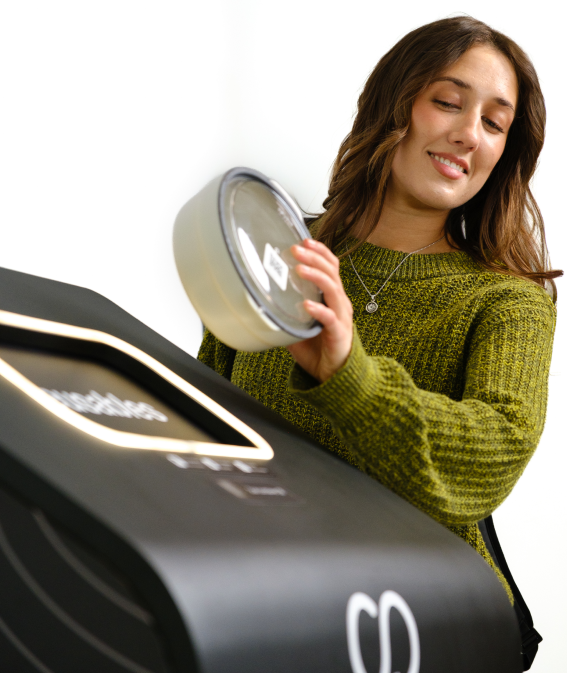
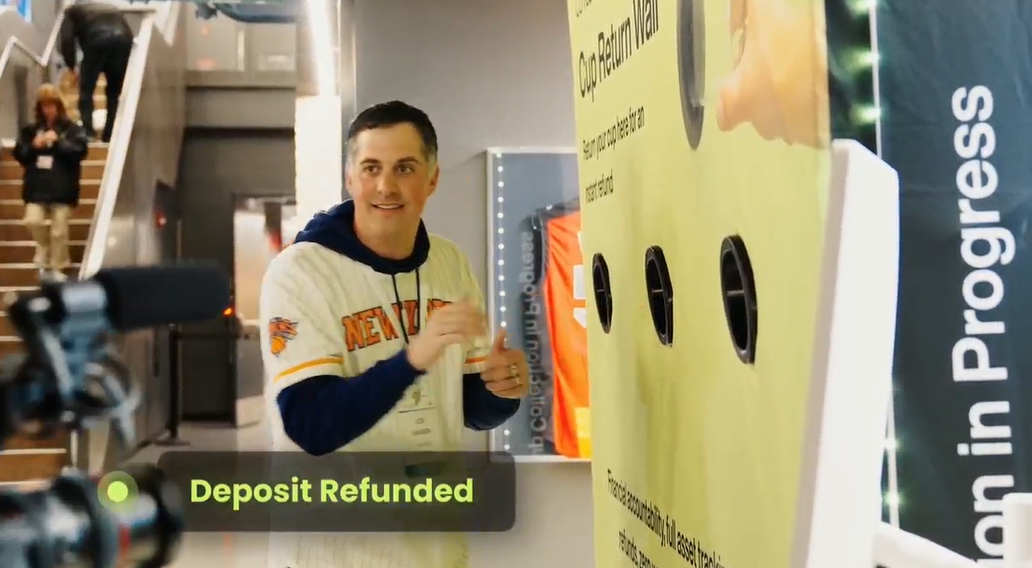
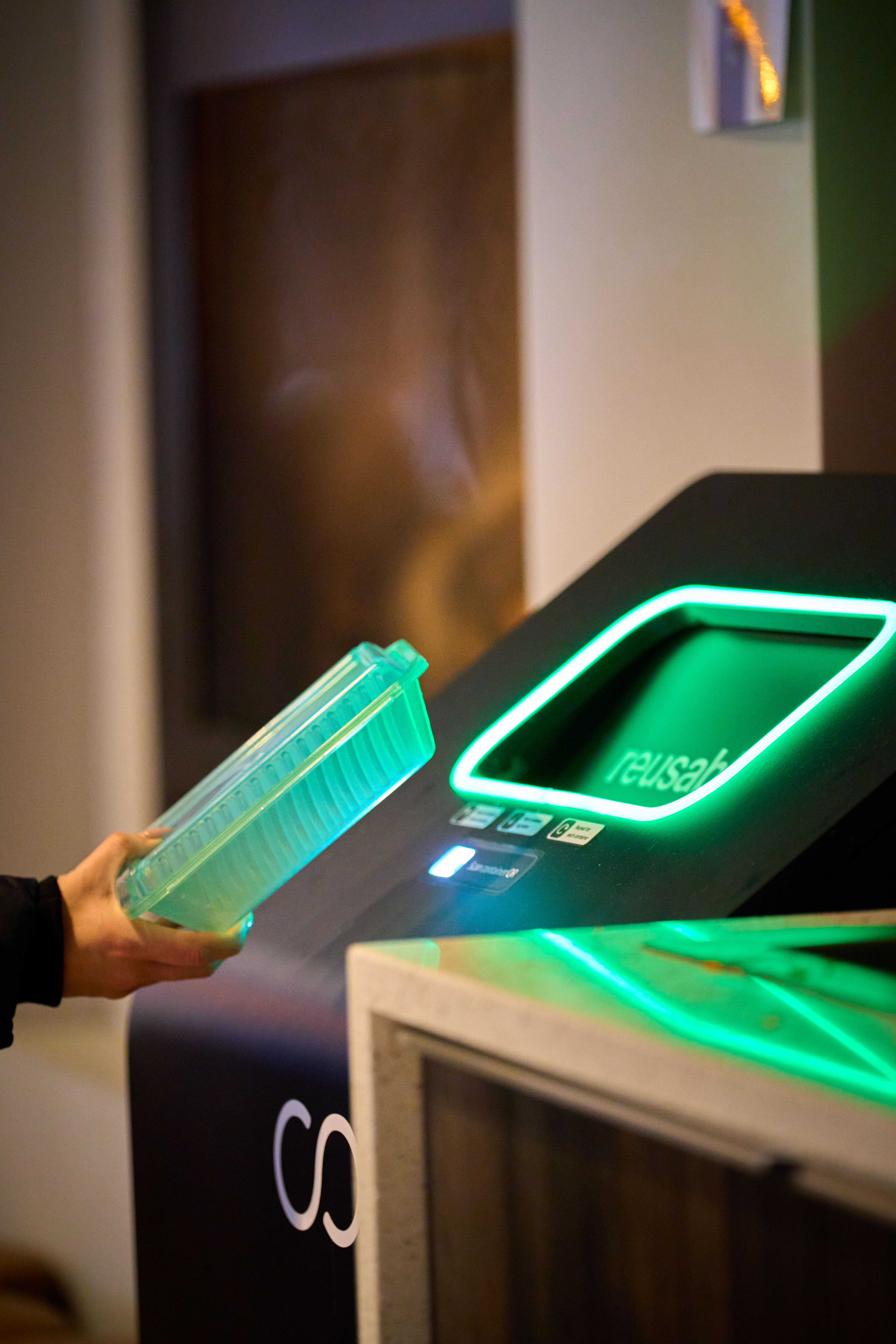
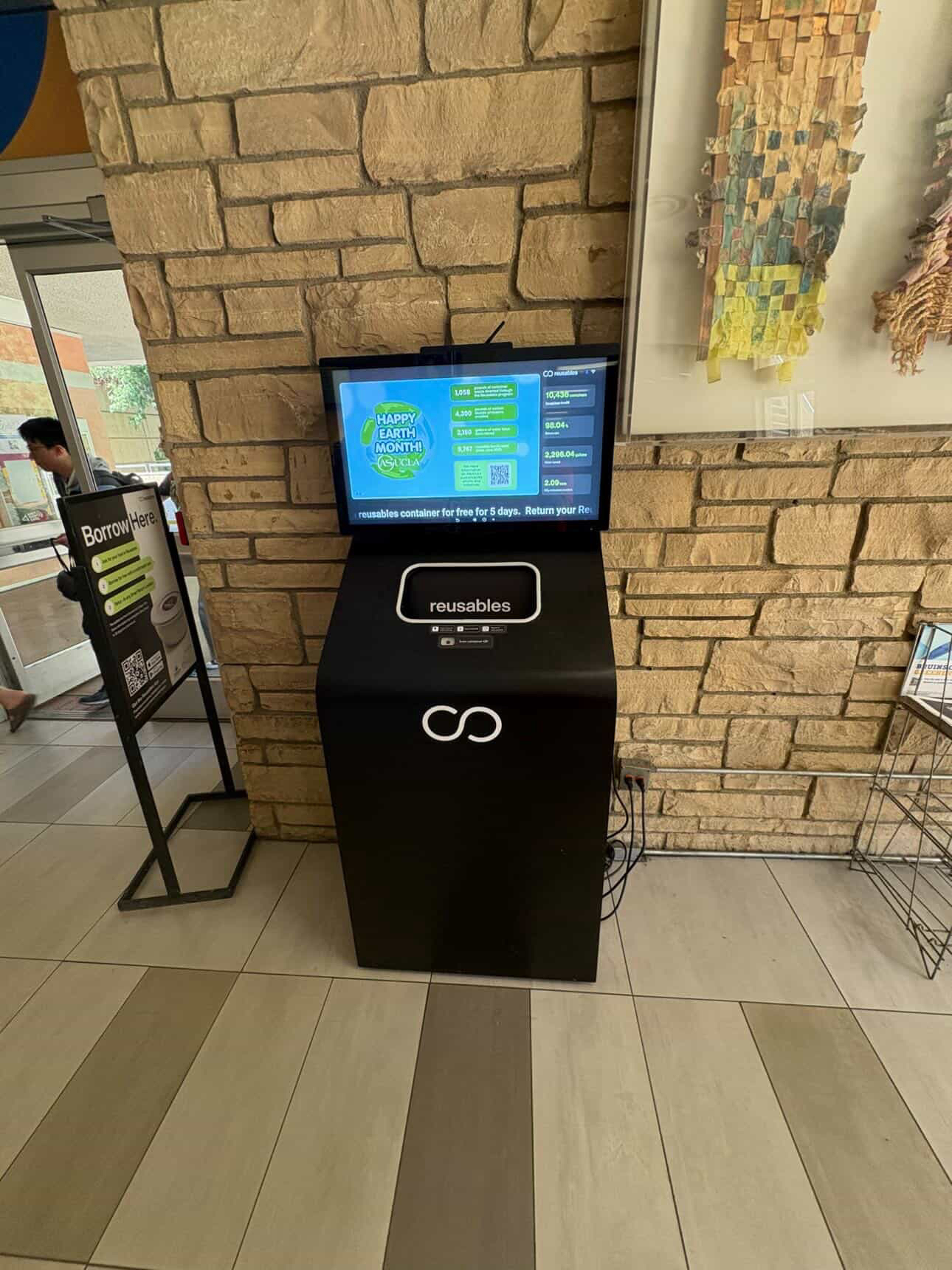
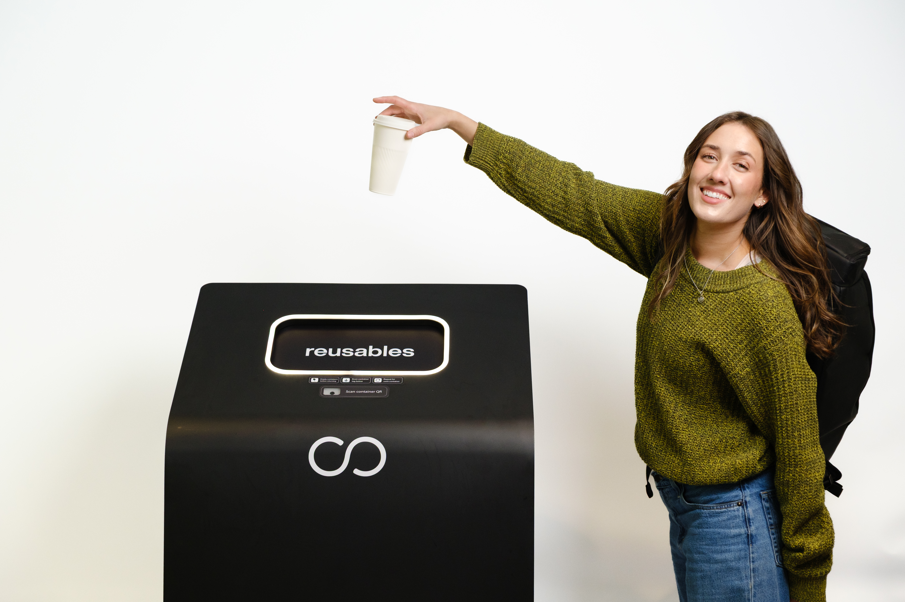
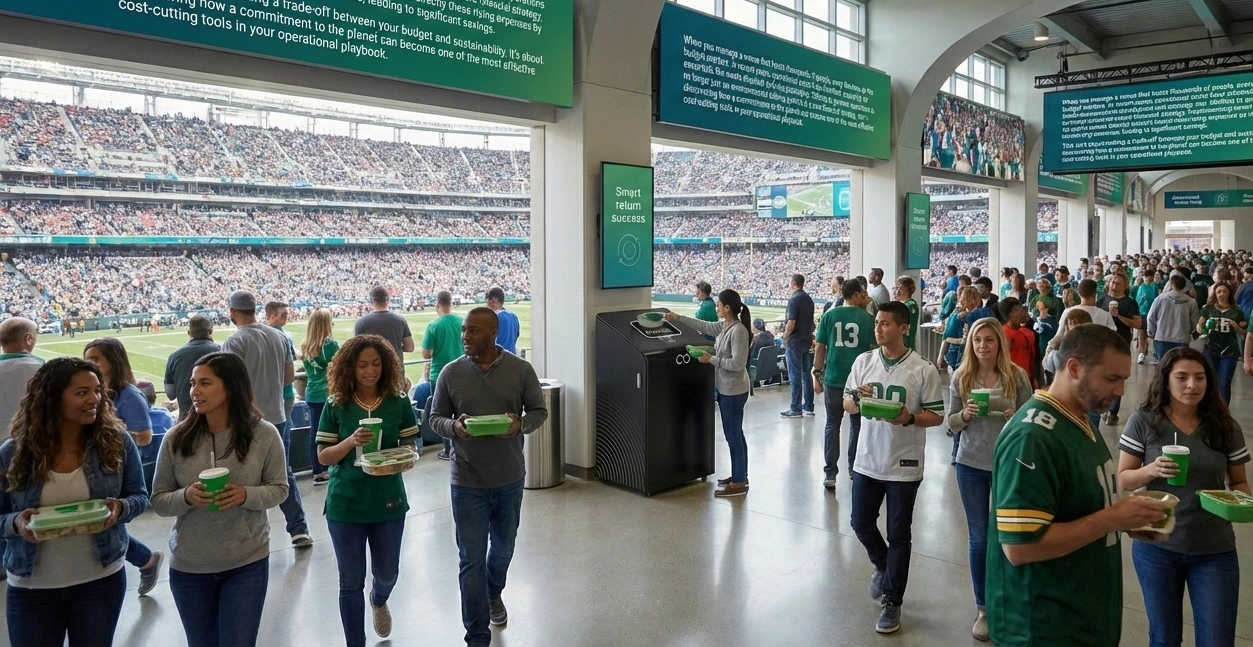
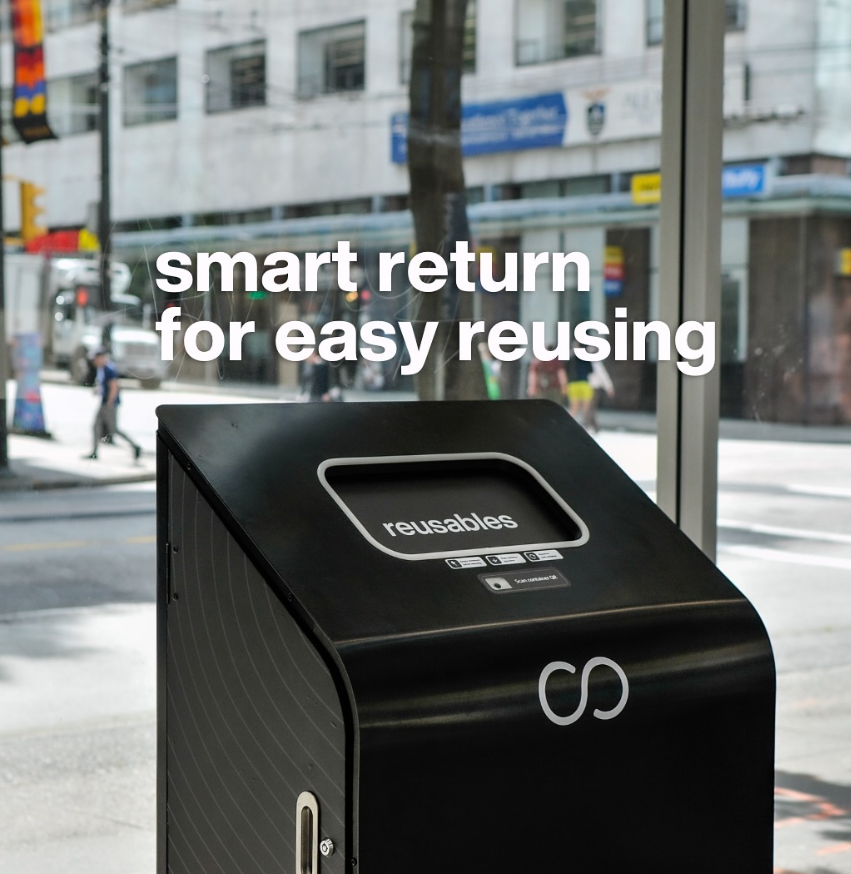
When a user is done, they drop the container into a smart return bin. These automated stations are available 24/7, accept returns without any staff involvement, and confirm the return instantly. The user's account is updated in real time.
Smart return bins also monitor their own fullness levels and send automatic alerts to operations staff when they need to be emptied, removing another manual task from the workflow.
Step 4: Washing and Redeployment
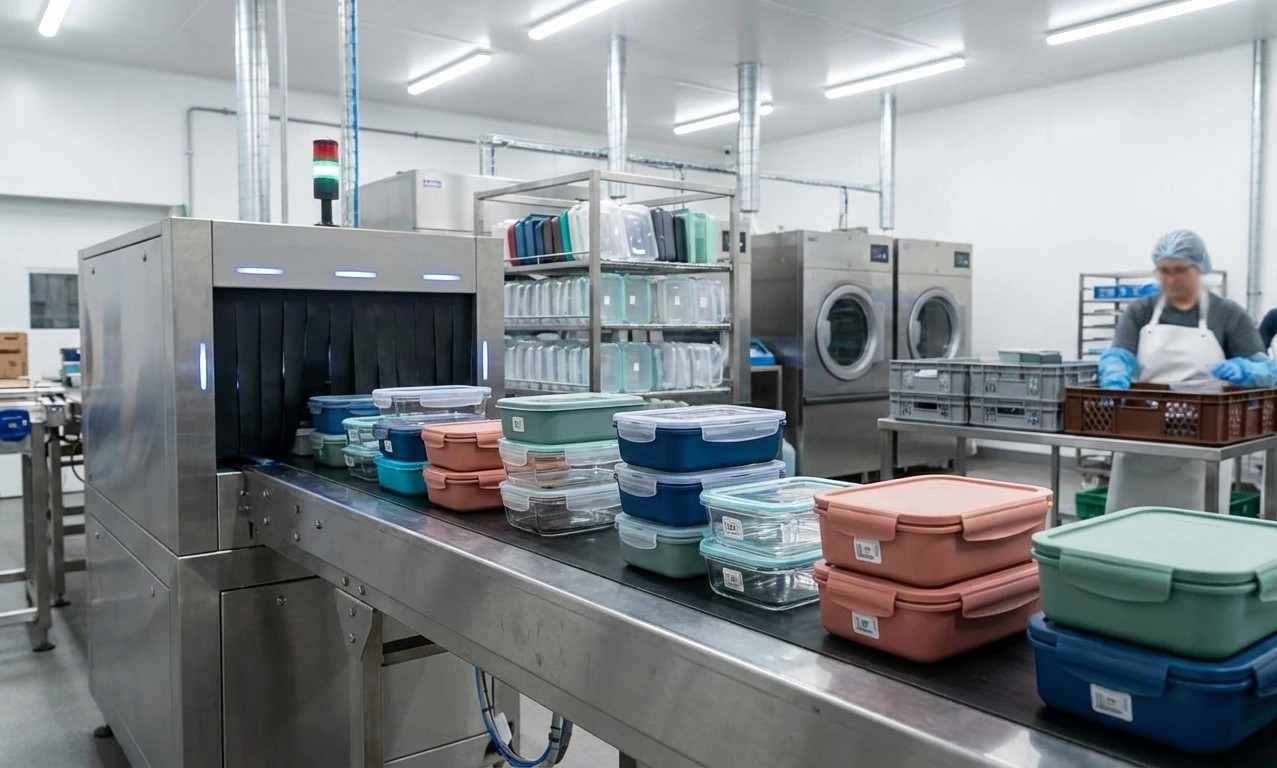
Returned containers go through commercial dishwashing, the same sanitation process used for permanent dishware. Once clean, they re-enter the container pool and are ready for the next user.
A well-designed system tracks each container's lifecycle, logging how many times it has been used, washed, and redeployed. This data helps operations teams plan inventory and schedule replacements before containers reach end of life.
Step 5: Accountability and Automated Charging
What happens when someone does not return a container? The system handles it automatically. After a set grace period, typically three to five days, the platform sends reminders. If the container still is not returned, a charge is applied to the user's linked payment method.
This automated accountability eliminates the need for staff to chase down missing containers. It is the single biggest factor in achieving return rates above 95%.
The Technology Behind Modern Reusable Packaging
Three technology layers make today's reusable packaging systems work at institutional scale.
RFID and QR Container Tracking
Each container carries a unique digital identity. RFID tags allow containers to be read automatically as they pass through return bins, with no manual scanning required. QR codes serve as a secondary identification method that works with standard barcode readers.
Together, these technologies provide accurate, real-time inventory tracking across hundreds or thousands of containers. Operators know exactly how many containers are in circulation, how many are checked out, and how many are overdue at any given moment.
Campus Card and Payment Integration
The most effective reusable packaging systems integrate directly with existing campus infrastructure. At universities, this means connecting with student card systems like Transact, CBORD, Atrium, and TouchNet. At hospitals and corporate campuses, the system works with employee badges and standard payment cards.
This integration is what makes checkout truly frictionless. There is no separate account to create, no app to download, and no token to carry. Users interact with the reusable system using the same card they already use for meals.
Operator Dashboard and Analytics
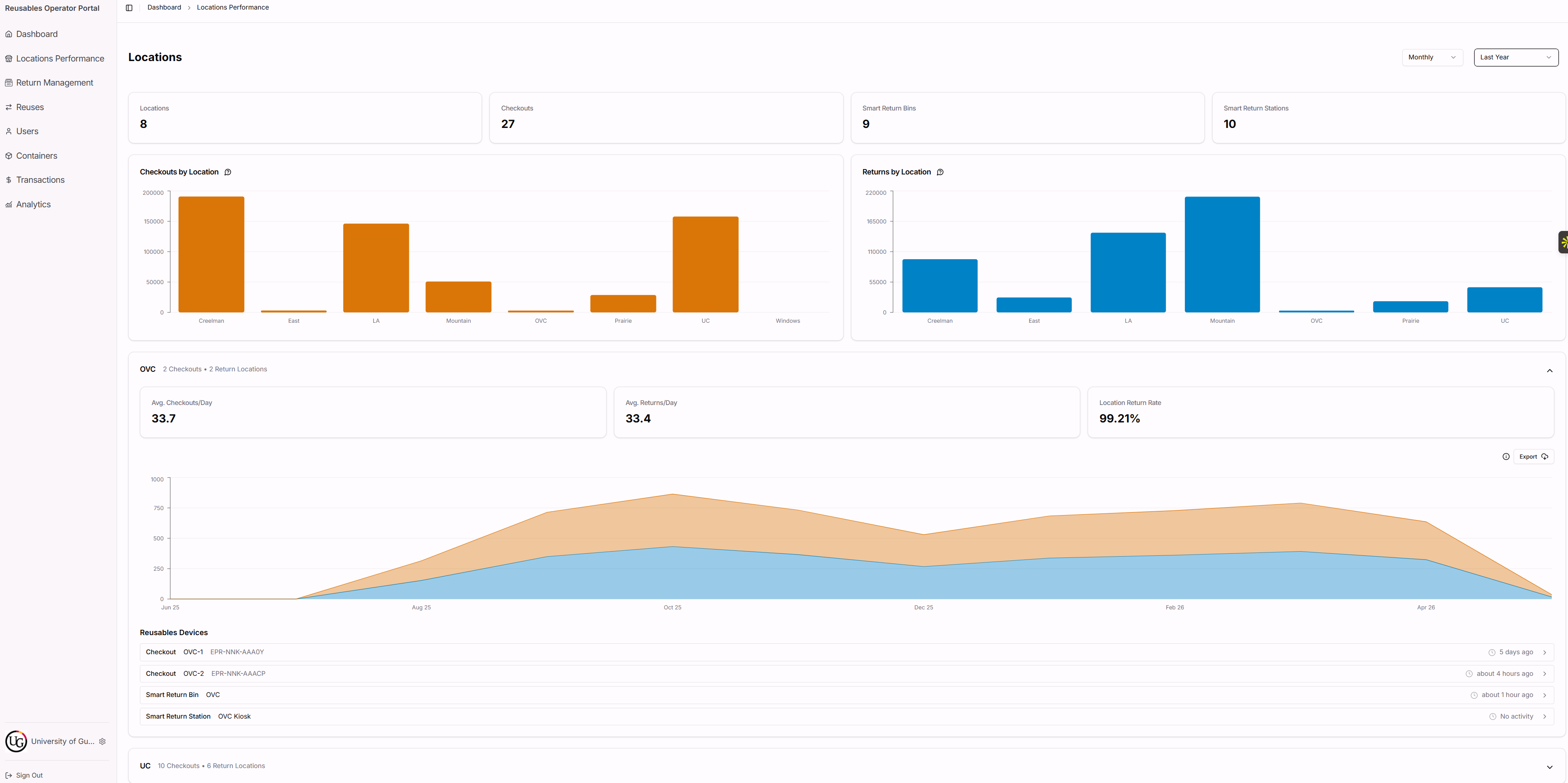
Behind the scenes, a cloud-based dashboard gives operations managers complete visibility into the program. Key metrics include:
- Real-time container return rates
- Current inventory levels and circulation status
- User adoption and participation trends
- Environmental impact data (waste diverted, carbon avoided)
- Financial reporting (cost savings vs. disposable alternatives)
This data does more than track containers. It provides the evidence dining directors and sustainability officers need to justify the program to stakeholders and expand it across additional locations.
Why a Reusable Packaging System Pays for Itself
The financial case for reusable packaging is straightforward. The upfront investment in containers, hardware, and software is offset by ongoing savings that grow over time.
Direct Cost Savings
Disposable container costs add up quickly. A mid-size university serving 10,000 meals per day can spend $50,000 or more annually on single-use packaging. A reusable system reduces that spend by 50% or more because durable containers are used hundreds of times before replacement.
The math is simple: a disposable container costs $0.15 to $0.30 per use. A reusable container that costs $5 and lasts 500 cycles costs $0.01 per use. Even accounting for washing costs, the per-use economics heavily favor reusable systems.
Revenue Generation
Some reusable packaging systems include hardware with built-in advertising screens. These screens generate additional revenue, often $5,000 per screen per year, without requiring any extra work from staff. For institutions deploying multiple return stations across campus, this revenue can meaningfully offset program costs.
Waste Management Savings
Reducing single-use packaging also reduces waste hauling and disposal costs. Institutions that switch to reusable systems report diverting 25 tons or more of packaging waste annually. That translates to fewer dumpster pickups, lower waste management contracts, and progress toward zero-waste goals.
Measurable Environmental Impact
Beyond cost, reusable packaging systems deliver quantifiable sustainability outcomes that institutions can report to stakeholders:
- Waste diversion: Thousands of pounds of packaging kept out of landfills each year
- Carbon reduction: 100+ tons of CO2 emissions avoided annually at major deployments
- Resource conservation: Less raw material consumed compared to continuous single-use production
These numbers matter to sustainability directors who need to demonstrate progress against institutional climate commitments.
What to Look for in a Reusable Packaging System
Not all reusable packaging platforms deliver the same results. When evaluating solutions, prioritize these capabilities:
- No-app checkout: Systems that require app downloads create friction and lower adoption. Look for tap-and-go technology that works with existing cards.
- Automated accountability: Manual tracking of missing containers is unsustainable at scale. The system should handle reminders and charges automatically.
- Dual-mode tracking: RFID plus QR provides the reliability needed for institutional operations where container loss directly impacts ROI.
- Campus card integration: Verify that the platform connects with your specific card system (Transact, CBORD, Atrium, TouchNet, or others).
- Real-time analytics: An operator dashboard with live data on return rates, inventory, and environmental impact is essential for program management.
- Container flexibility: The best platforms are container-agnostic, working with your existing inventory or approved partner containers rather than locking you into a single supplier.
FAQs About Reusable Packaging Systems
How much does a reusable packaging system cost?
Costs vary based on the number of containers, return stations, and locations. Most institutions see a positive ROI within the first year because reusable containers cost a fraction of disposables per use. Many providers offer pilot programs so you can test results before committing to a full deployment.
What return rates can I expect?
Modern systems with automated accountability and frictionless checkout consistently achieve return rates of 95% to 99%. The key factors are making returns convenient (24/7 automated bins) and applying automatic charges for unreturned containers.
Do users need to download an app?
The best systems do not require an app. Users check out containers by tapping their student ID, employee badge, or credit card. No downloads, signups, or deposits are needed.
How are reusable containers cleaned?
Containers go through commercial dishwashing, the same sanitation process used for permanent plates and silverware. This meets all food safety standards and is already part of most institutional kitchen operations.
Can a reusable system work with our existing containers?
Yes. Leading platforms are container-agnostic, meaning they track and manage containers from multiple manufacturers. Whether you use stainless steel, durable plastic, or a mix of both, the system adapts to your inventory.
Start Reducing Costs and Waste Today
A reusable packaging system is not a theoretical improvement. Institutions across North America are already saving 50% or more on packaging costs while eliminating tens of thousands of pounds of waste each year. The technology exists today to make reuse as simple as single-use.
Ready to see how it works at your institution? Book a discovery call to learn how a reusable packaging system can fit your operations, or explore our solutions to see the technology in action.
Other stories you may find interesting

.png)
.avif)


.webp)


Watch the Webinar
Learn How to Eliminate Single-Use Waste
Get instant access to our expert webinar and discover how leading institutions reach 99% return rates through smarter reuse systems.

© Reusables™. All rights reserved.