
The Ultimate Guide to Reusable Packaging Solutions

February 25, 2026
The invoices for single-use containers keep piling up, and the numbers are getting harder to ignore. Disposable packaging costs have soared, taking a significant bite out of your dining budget. It feels like a never-ending expense for items that are used for a few minutes and then thrown away. This is where a shift in thinking can make a huge financial impact. By implementing a closed-loop system, you move from constantly buying disposables to investing in a durable asset. Modern, tech-enabled reusable packaging solutions are designed to deliver a strong return on investment, often cutting annual packaging and waste costs by over 30%. This guide will walk you through how these systems work, breaking down the financial benefits and showing you how to build a more resilient and predictable budget.
Key Takeaways
- Save money while going green: A reusable system tackles the high cost of disposables, leading to significant budget savings and helping you hit important campus sustainability goals.
- Choose technology that guarantees returns: The key to a program that pays for itself is accountability, so look for tech features like app-free checkouts and container tracking to ensure you get your inventory back.
- Make it simple for everyone: For a program to stick, it has to be easy, so find a solution that integrates seamlessly into your staff's workflow and makes it incredibly simple for students to borrow and return containers.
Reusable Packaging: What Is It and How Does It Work?
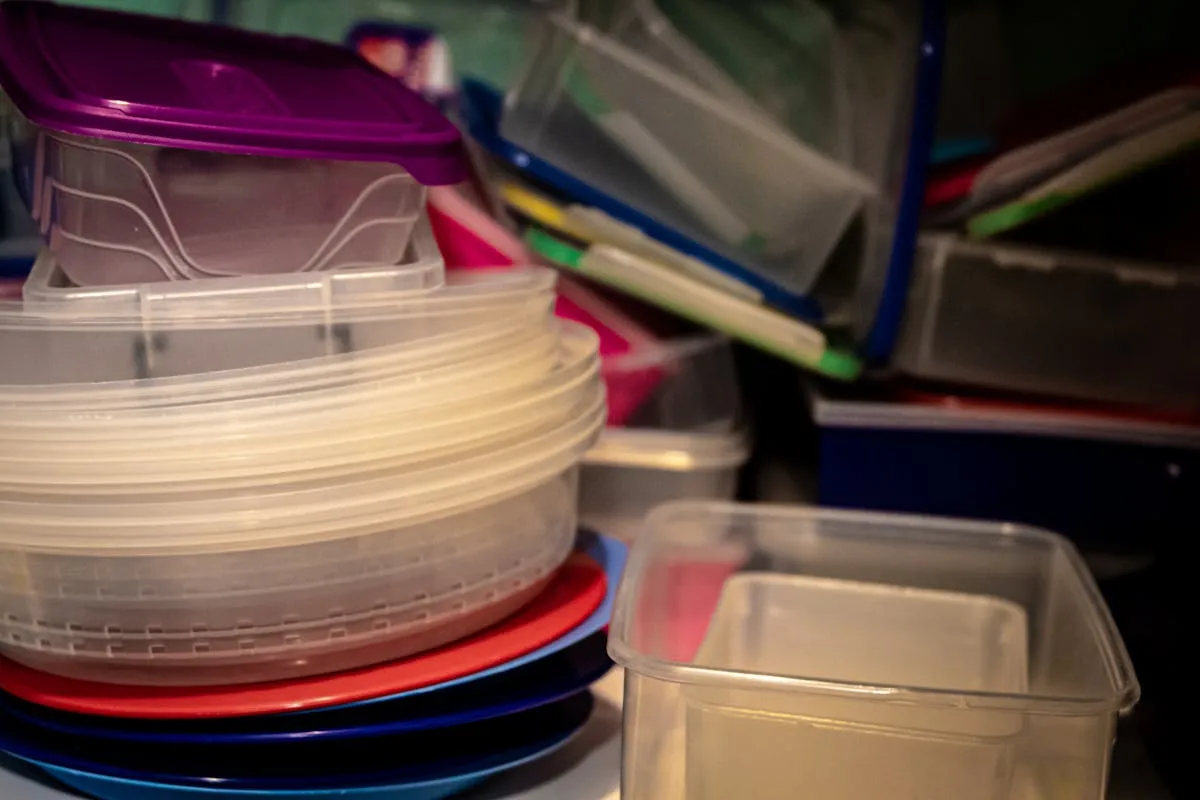
Let's start with the basics. Reusable packaging is any container, cup, or utensil designed to be used over and over again. Think of it as the durable, long-term alternative to the single-use disposables that pile up in campus trash cans. Instead of being thrown away after one meal, these items are returned, washed, and put back into circulation. This creates a closed-loop system right within your dining operations.
The concept goes beyond just the container itself. A successful reuse program is a complete system that includes the containers, a way for students to check them out, convenient spots for them to return them, and a process for washing and restocking. When done right, it’s a smooth cycle that reduces waste and can even cut down on your supply costs. The core idea is to shift from a linear "take, make, waste" model to a circular one where resources are kept in use for as long as possible. This approach is central to building more sustainable campus dining programs that benefit both the planet and your budget.
Exploring Different Types of Reuse Systems
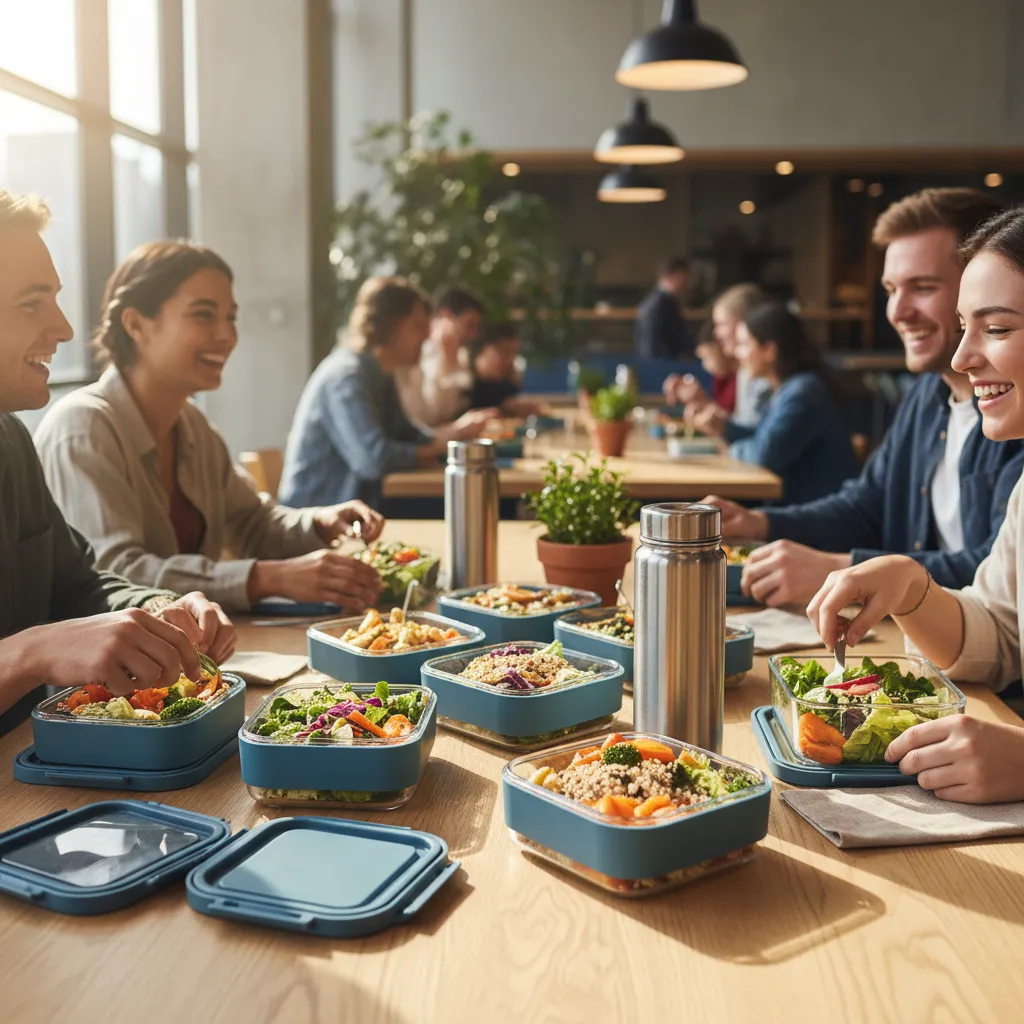
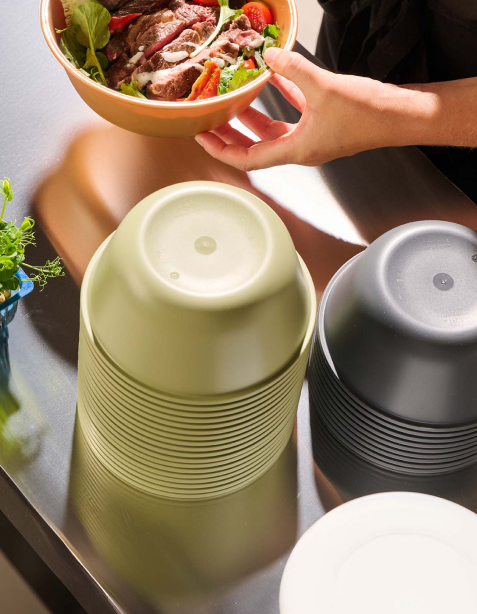
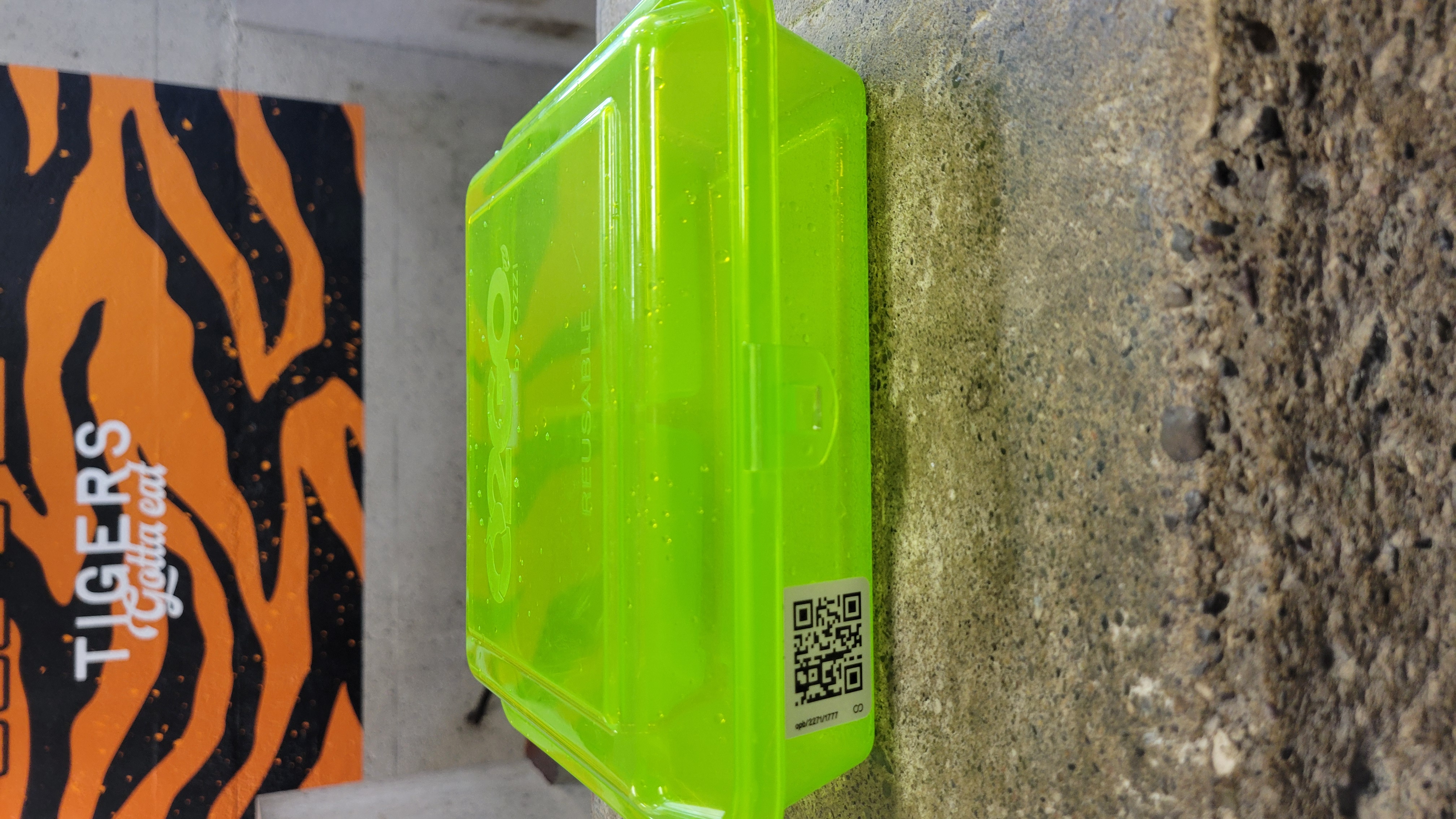
When we talk about reuse systems in a food service setting, we're usually focused on consumer packaging. This includes the containers students use every day, like coffee cups, bowls for salads and soups, and clamshells for takeout meals. These items can be made from various materials, including durable, BPA-free plastic or stainless steel, depending on your specific needs for things like microwavability and heat retention. The key is that they are all designed to withstand hundreds of uses and commercial dishwashing, making them a reliable part of your daily operations.
The Day-to-Day of a Reusable System
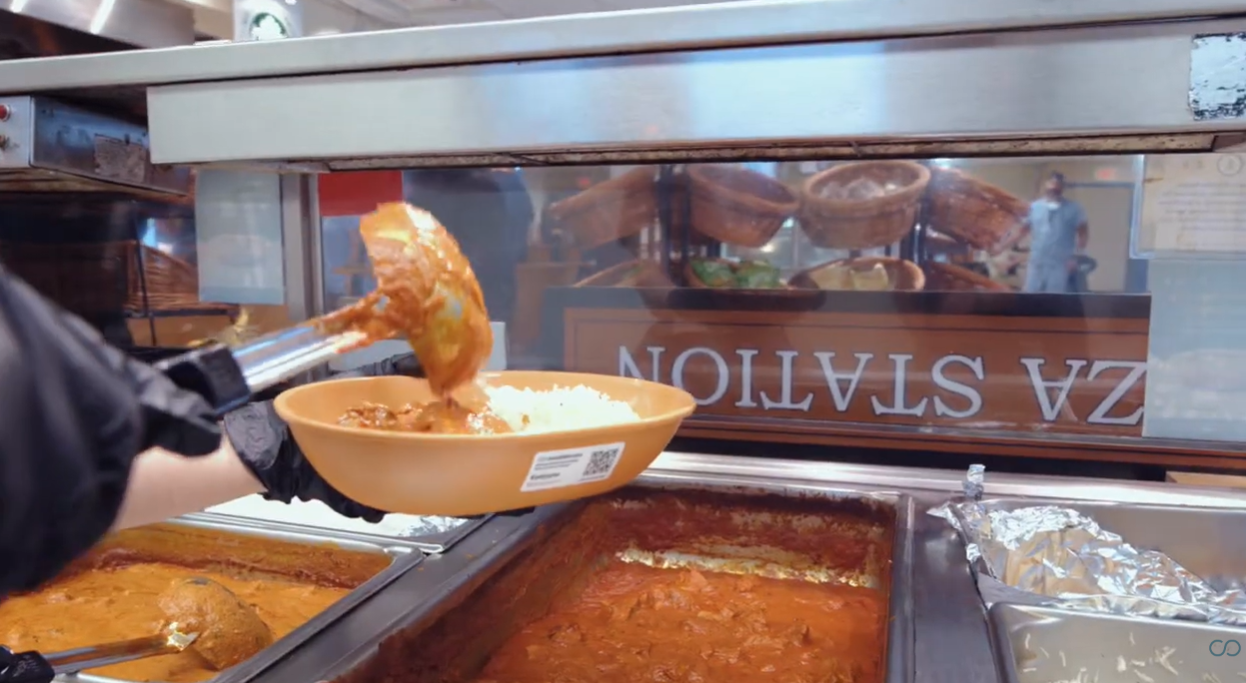
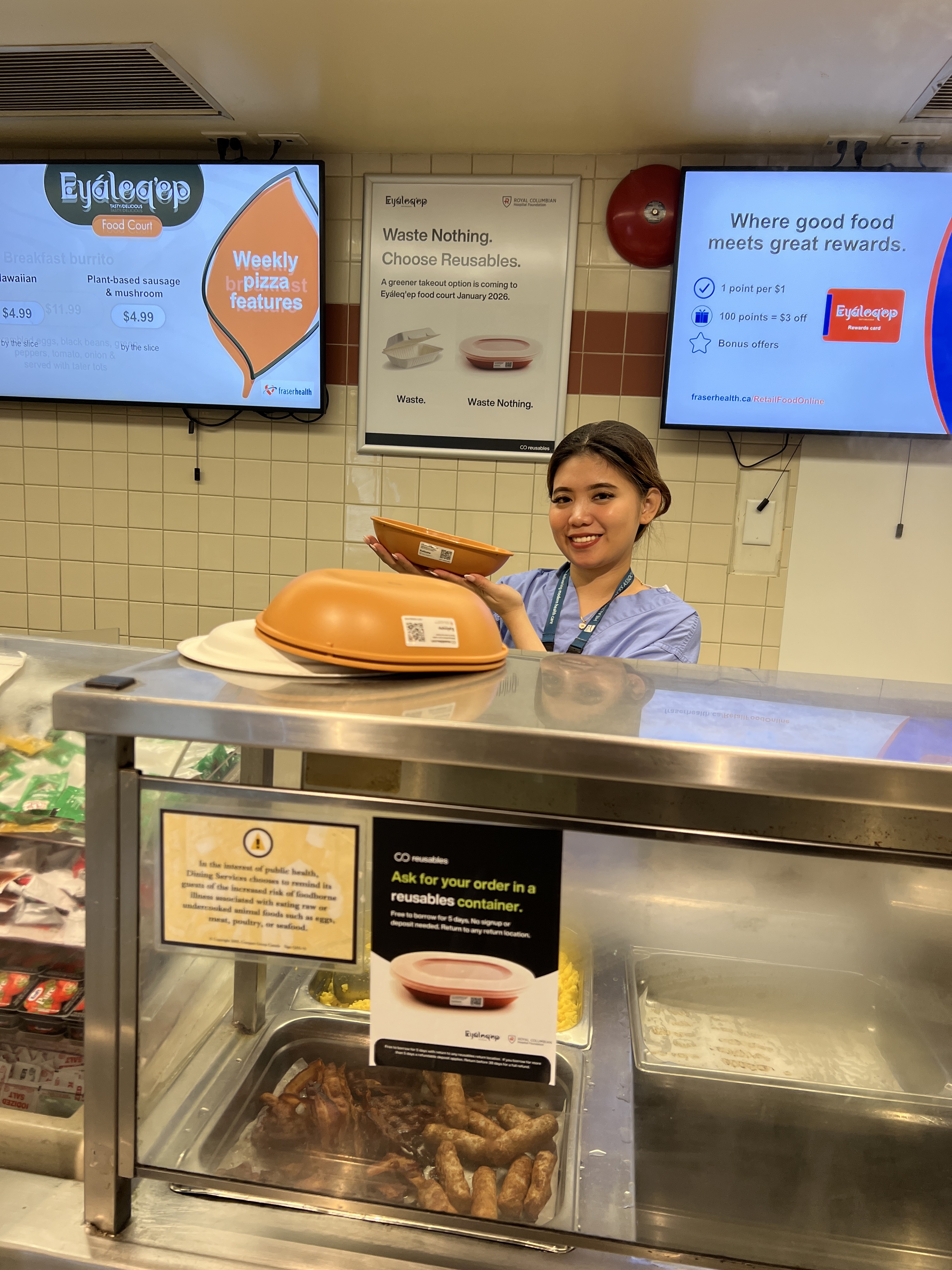
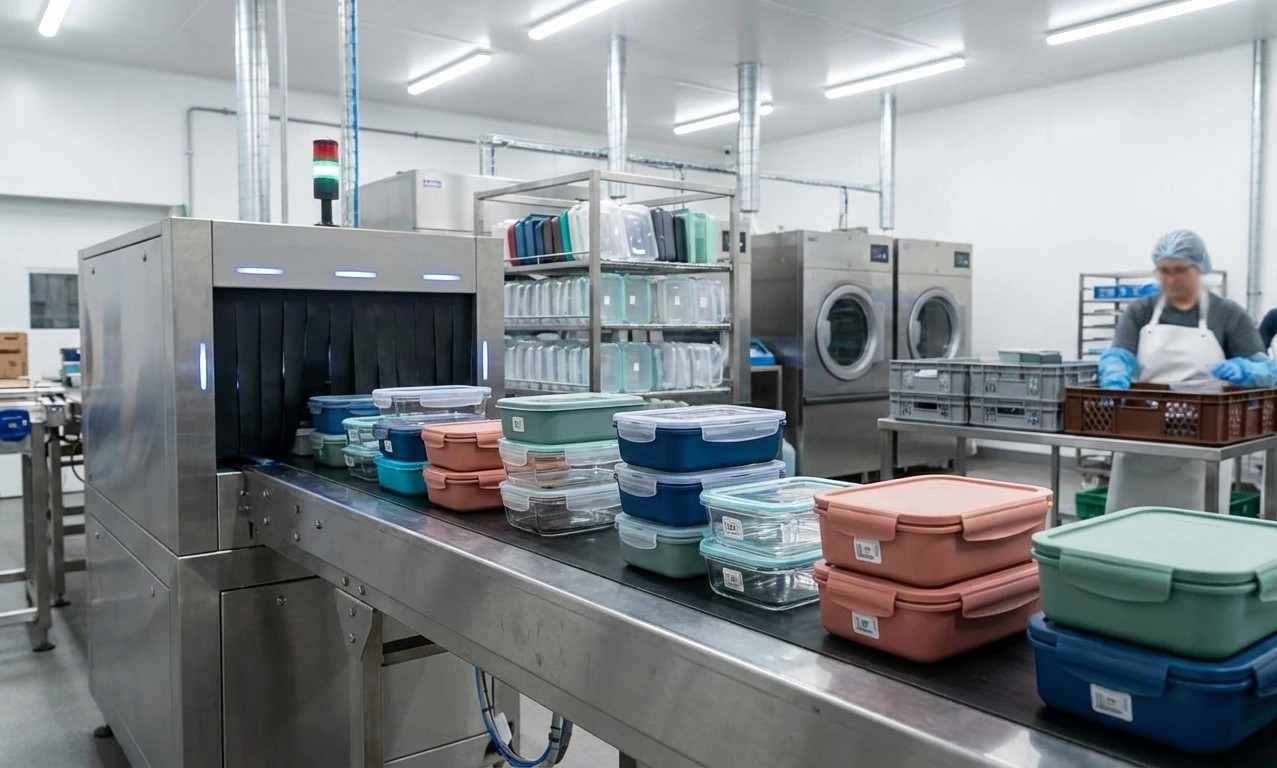
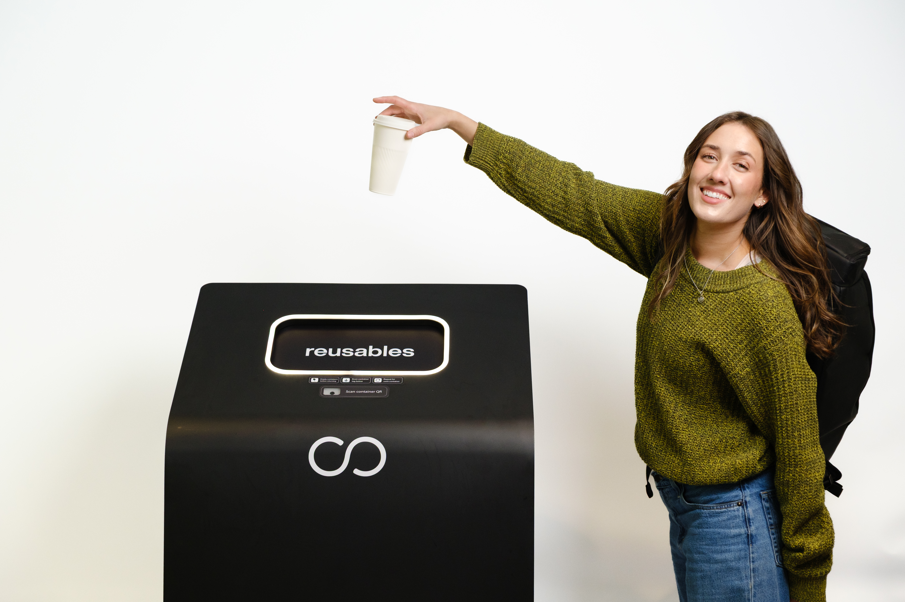
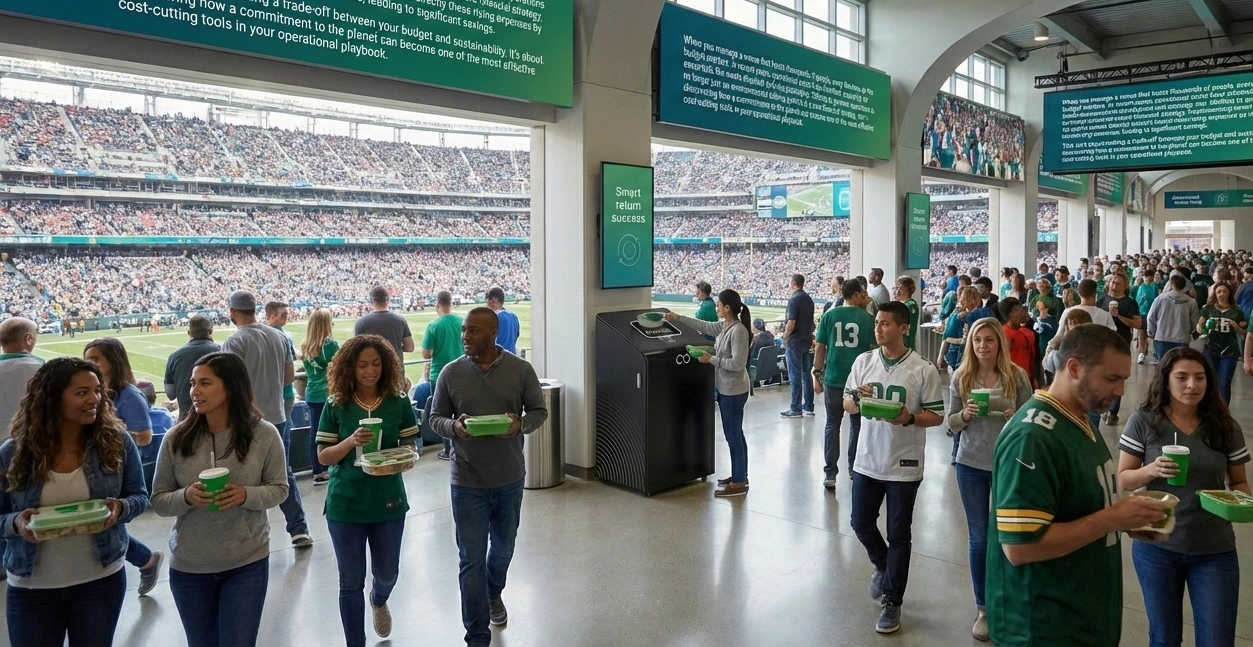
So, what does a reusable system look like in action? For a student, the process is simple: they order their food, receive it in a reusable container, and enjoy their meal. Afterward, instead of looking for a trash can, they drop the empty container at a designated return station. Behind the scenes, your team collects the returned containers, runs them through your dishwashers just like any other plate or bowl, and then restocks them at the food stations, ready for the next student. This simple loop is what makes the entire system work, turning a potential waste stream into a valuable operational asset.
Key Ingredients for a Successful Program
For a reusable packaging program to truly work, it needs a few key ingredients. First, the containers must be durable and well-designed for repeated use and cleaning. Second, the system needs an effective way to ensure items are returned. A program can’t succeed if containers are constantly disappearing. This is where accountability becomes crucial. Finally, the entire process, from checkout to return, must be simple and convenient for both students and your staff. The goal is to create a system that not only prevents waste but also integrates seamlessly into your existing dining flow.

Why Your Campus Should Switch to Reusables
Making the switch to a reusable packaging system might seem like a big undertaking, but the benefits extend far beyond just reducing waste. For campus dining services, it’s a strategic move that can positively impact your budget, operational efficiency, and the overall perception of your university. A well-designed reuse program addresses some of the most pressing challenges in food service today, from soaring supply costs to ambitious institutional sustainability targets. It’s about creating a smarter, more resilient dining experience that benefits everyone: your staff, your students, and your bottom line. Let’s look at the four key advantages of bringing a modern reuse system to your campus.
Save Money and Improve Your Bottom Line
Let's talk numbers. The cost of single-use packaging has skyrocketed, putting a serious strain on dining budgets. Many institutions spend tens of thousands of dollars annually on disposable containers that are used once and then thrown away. Reusable packaging flips this model on its head. While there's an initial investment, each container can be used hundreds of times, allowing you to amortize the cost over its lifespan. This leads to significant long-term savings, often reducing annual packaging and waste expenses by 30% or more. By investing in durable, reusable inventory, you create a more predictable and sustainable budget, freeing up funds for other important initiatives within your dining program.
Reach Your Sustainability Goals Faster
Nearly every university has sustainability goals, with many aiming to achieve zero-waste status in the coming years. Single-use packaging is one of the biggest hurdles to reaching these targets. By implementing a reusable container program, you take a massive and visible step toward reducing your campus's environmental footprint. It’s a tangible action that directly cuts down on landfill waste and the carbon emissions associated with producing and transporting disposable items. Adopting reusable takeout containers is an impactful way to demonstrate your commitment to sustainability and can play a central role in your institution's green initiatives. It’s a proactive move that makes your campus a leader in environmental stewardship.
Streamline Your Dining Operations
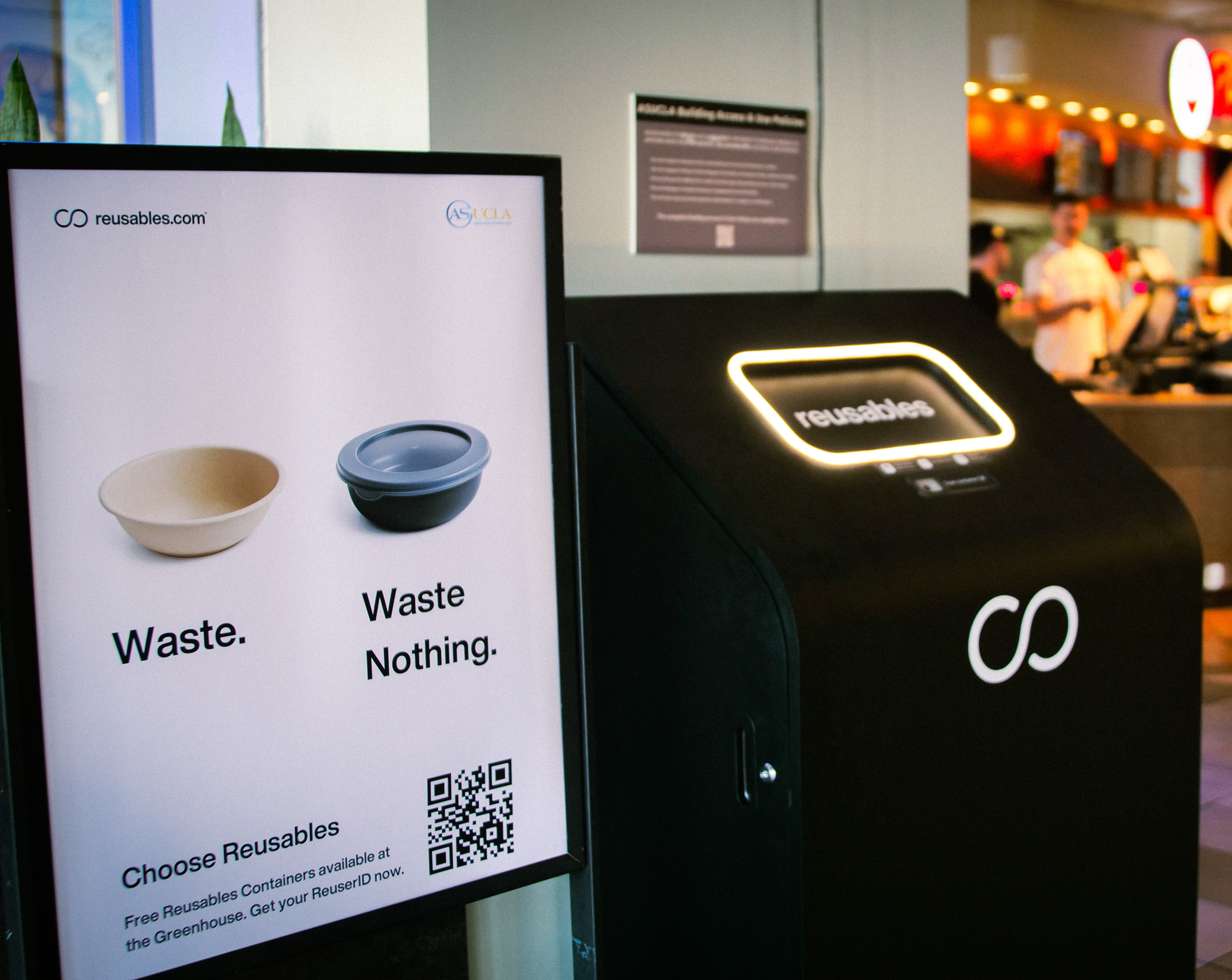
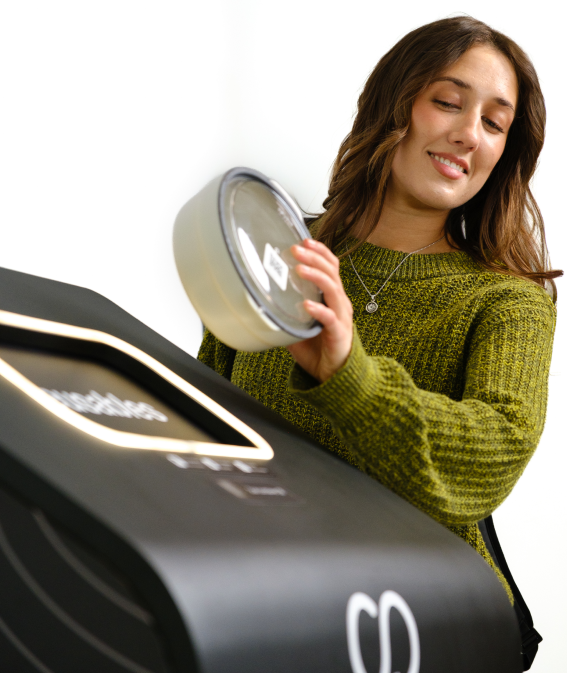
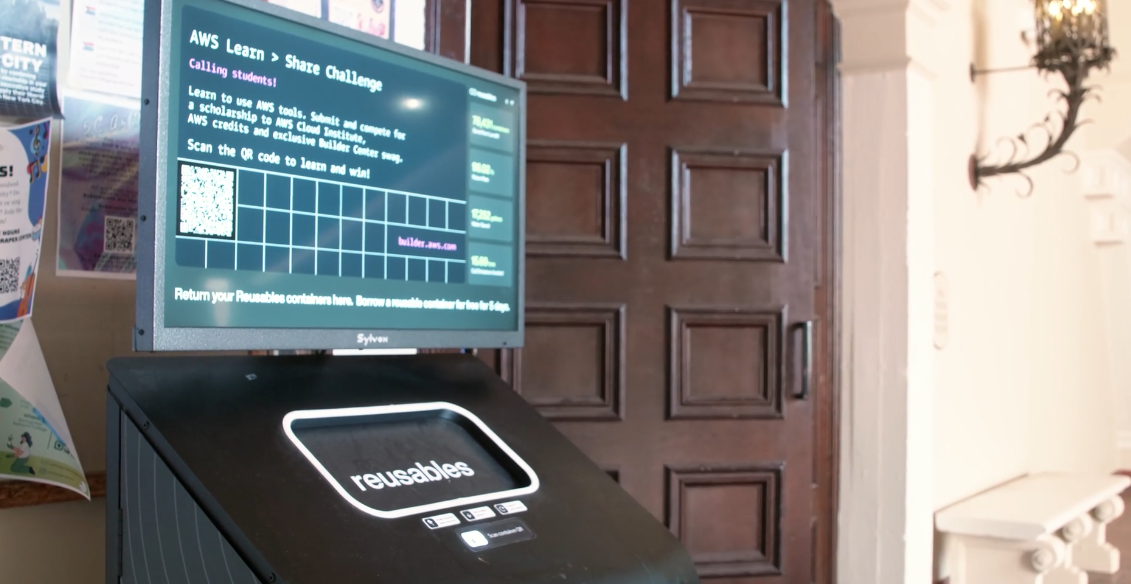
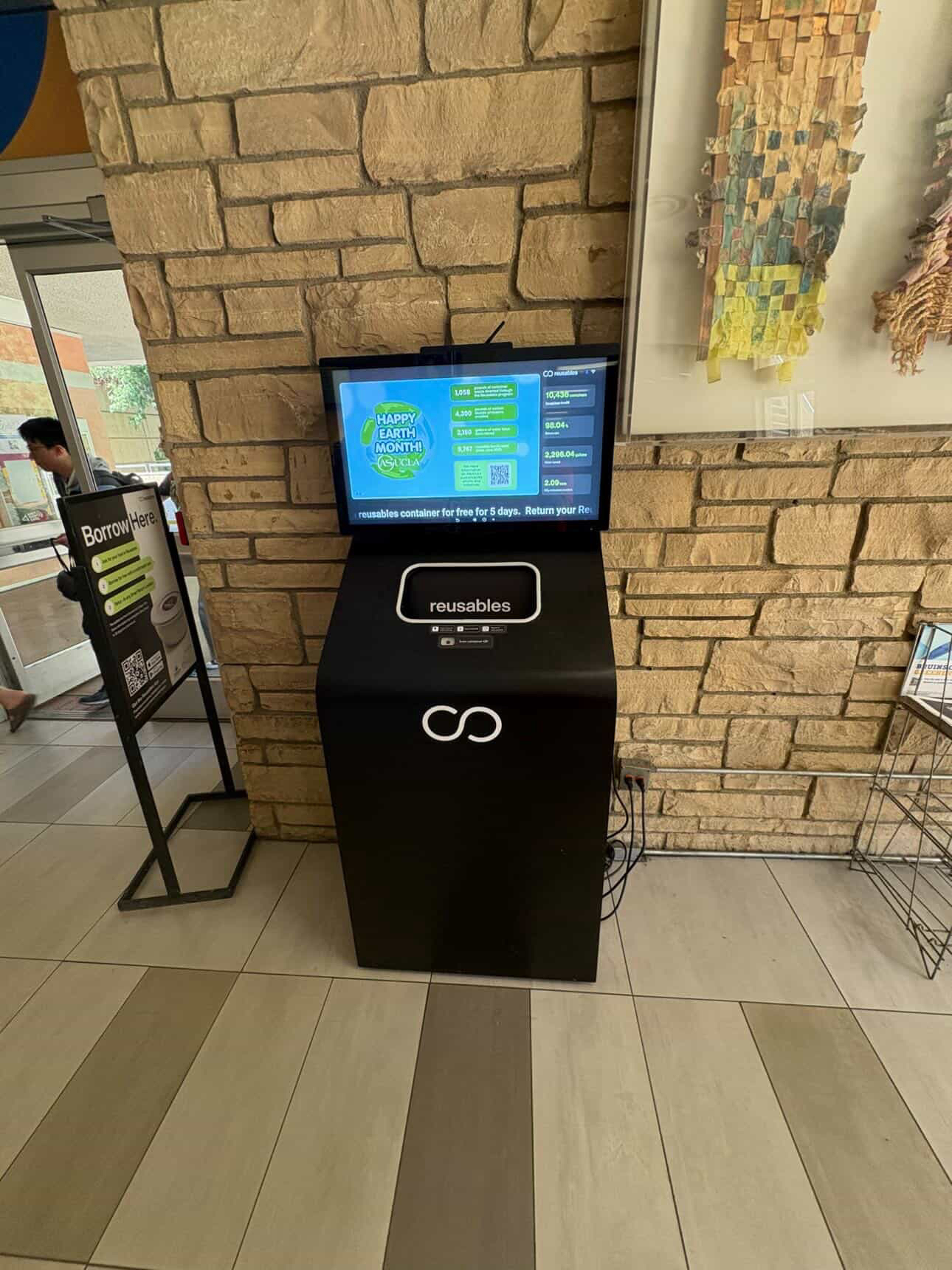
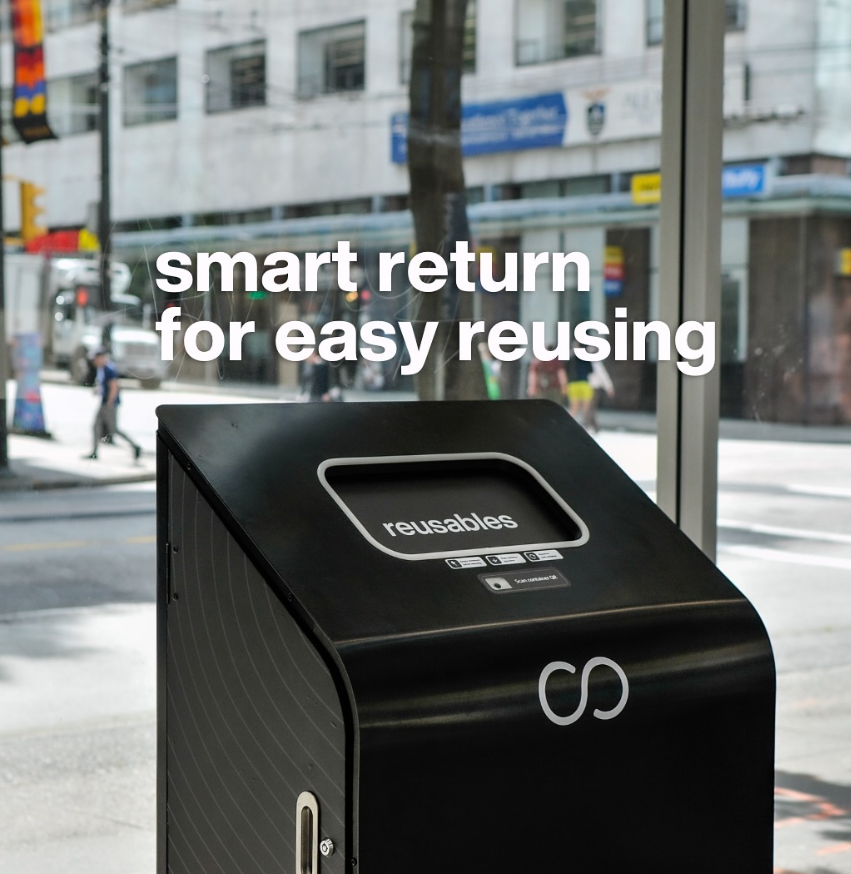
A common concern with reuse programs is that they’ll create more work for an already busy staff. However, modern, tech-enabled systems are designed to do the opposite. With features like app-free checkouts, smart return bins that signal when they’re full, and automated tracking, these business solutions minimize the need for manual oversight. Staff no longer have to police returns or manage complicated inventory counts. The technology handles accountability, sending reminders to students and even processing late fees automatically. This frees up your team to focus on what they do best: providing excellent food and service. A well-integrated system makes reuse a seamless part of your daily workflow.
Build a Reputation as a Green Campus
Today’s students are passionate about sustainability, and they actively look for it when choosing a college. A cutting-edge reusable packaging program is a powerful recruiting tool and a point of pride for the entire campus community. It shows that your institution is innovative, forward-thinking, and truly committed to its values. This kind of visible leadership can enhance your university's brand, attract environmentally-conscious students and faculty, and generate positive press. By championing a zero-waste dining experience, you’re not just serving meals; you’re building a campus culture that reflects a deep commitment to sustainability and inspires others to take action.
How to Choose the Right Reusable Solution
Once you’ve decided to implement a reusable packaging program, the next step is finding the right partner and system for your campus. Not all reuse solutions are built the same. Some rely on manual processes that can create friction for students and extra work for your staff, while others use technology to make the experience seamless.
Choosing the best fit for your dining operations involves looking at a few key components. You’ll want to consider the technology that powers the system, how it tracks containers, the types of containers available, and, of course, the overall cost and return on investment. Getting clear on these elements will help you select a solution that meets your sustainability goals, fits your budget, and provides a great experience for your campus community.
Tech-Enabled vs. Traditional Systems
Traditional reuse systems often rely on simple, manual methods like collecting tokens or charging upfront deposits. While the idea is straightforward, these systems can be clunky. They often lead to low participation, poor return rates, and a lot of administrative headaches for your team.
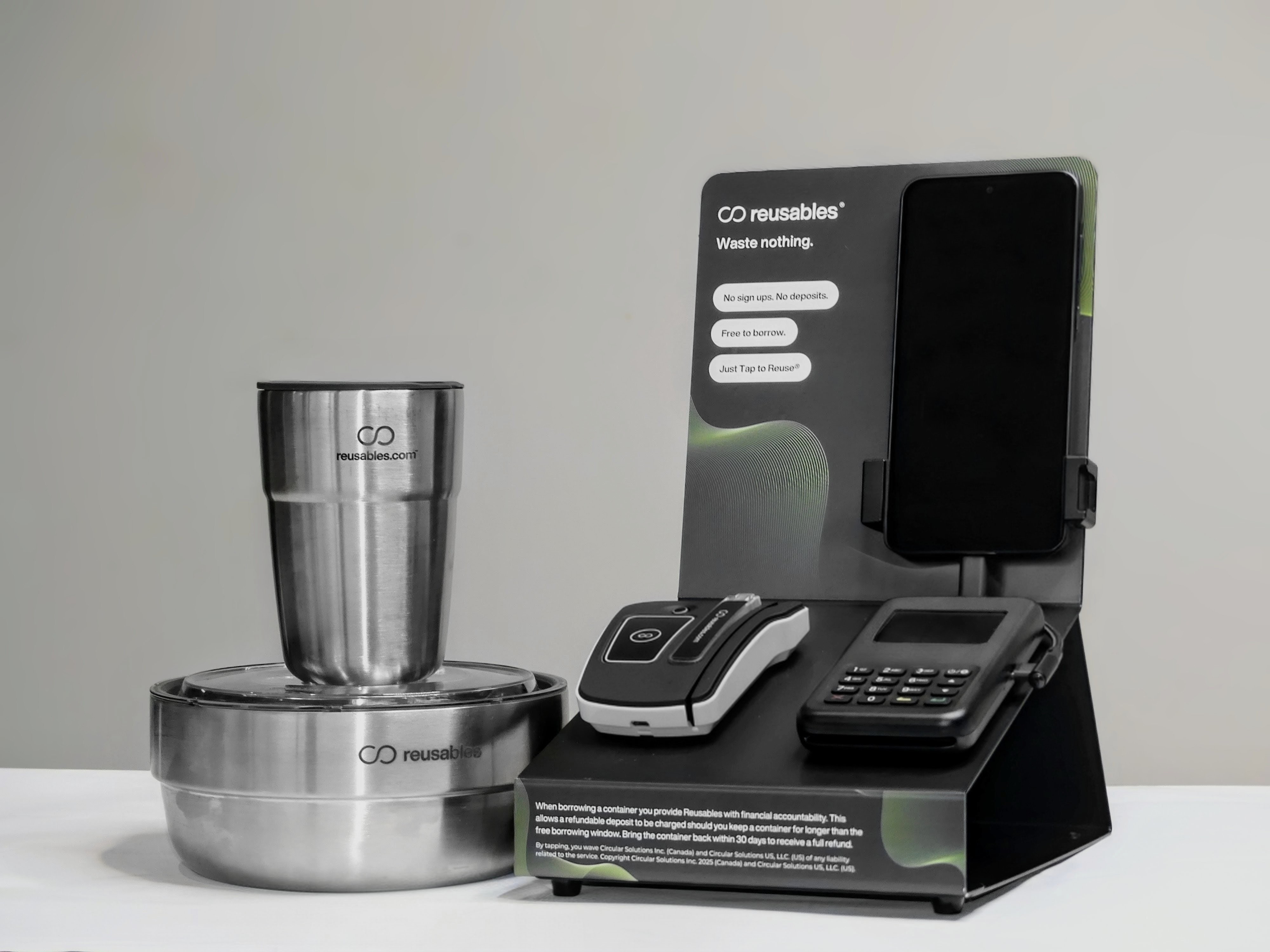
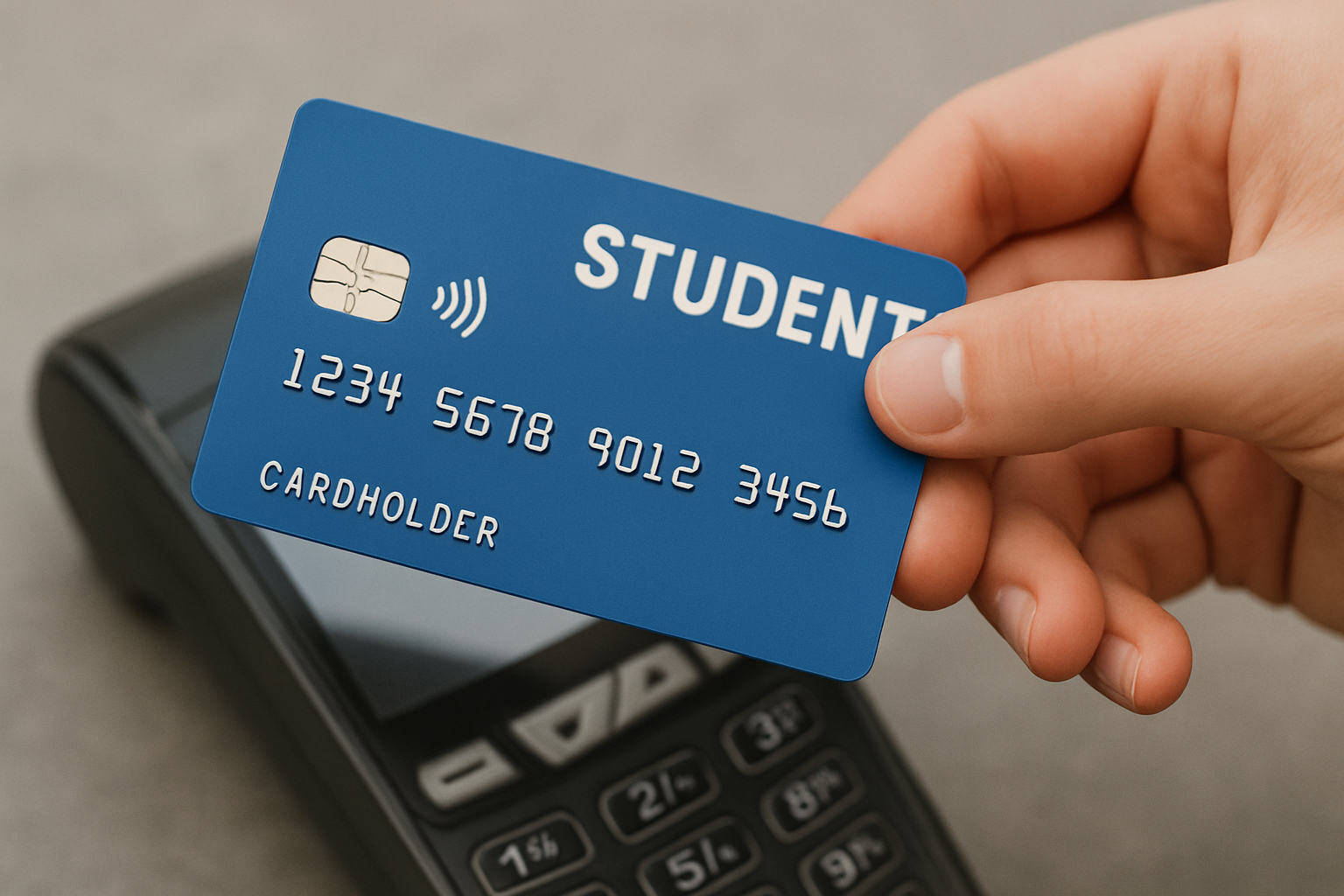
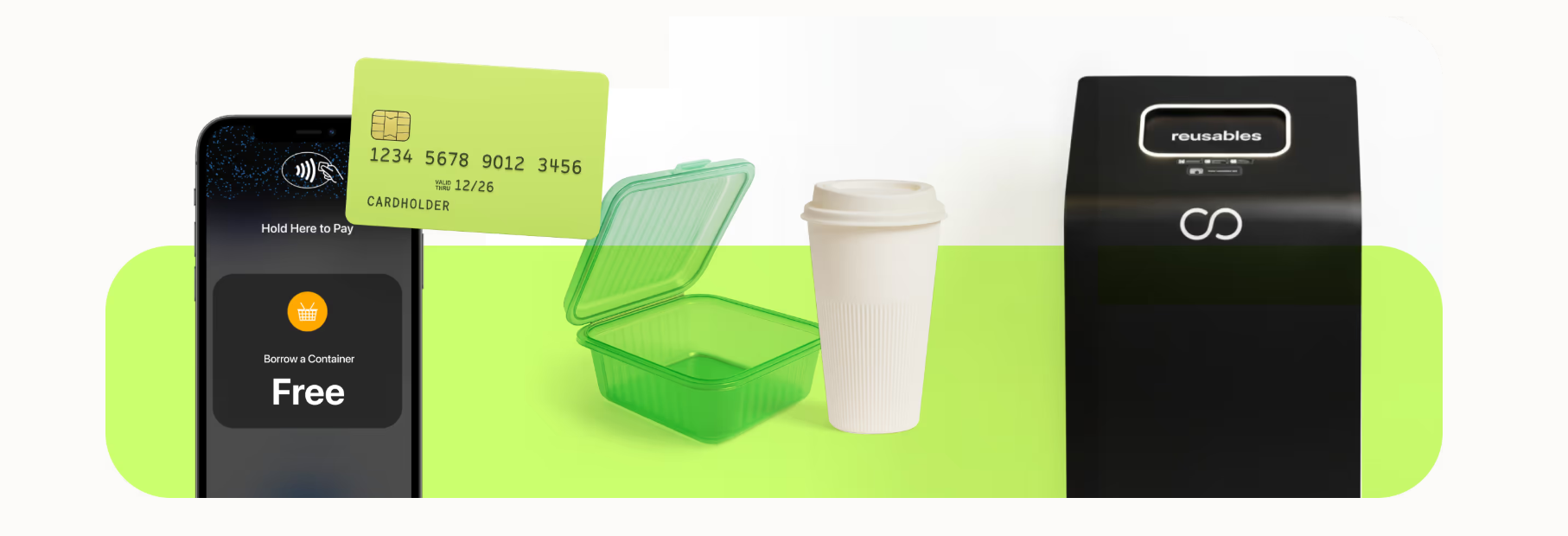
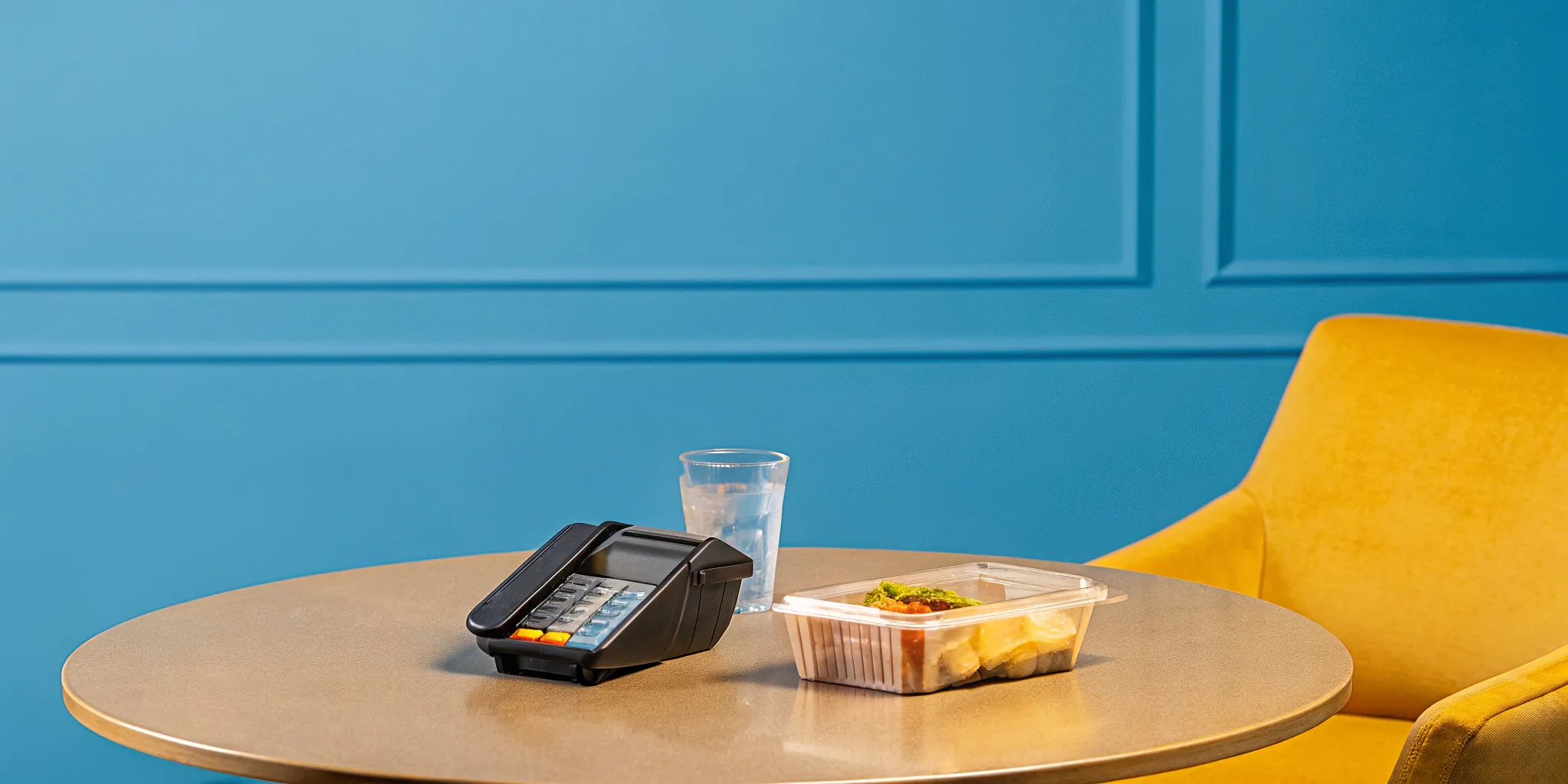
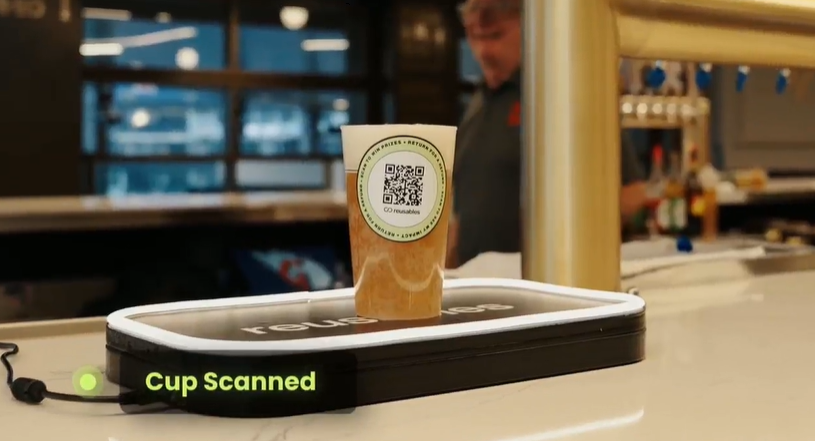
A modern, tech-enabled system automates the entire process. Look for solutions that offer a frictionless experience, like app-free checkouts that let students borrow a container with a simple tap of their campus card or phone. This approach makes participation effortless and integrates directly into your existing operations. A tech-forward solution not only makes life easier for students and staff but also provides the data you need to manage inventory and demonstrate the program's success.
Why Tracking Technology Is a Game-Changer
The secret to a successful reuse program is accountability, and that comes from solid tracking technology. Without a reliable way to track each container, inventory disappears, and costs can spiral. That’s why individual container tracking is a must-have feature.
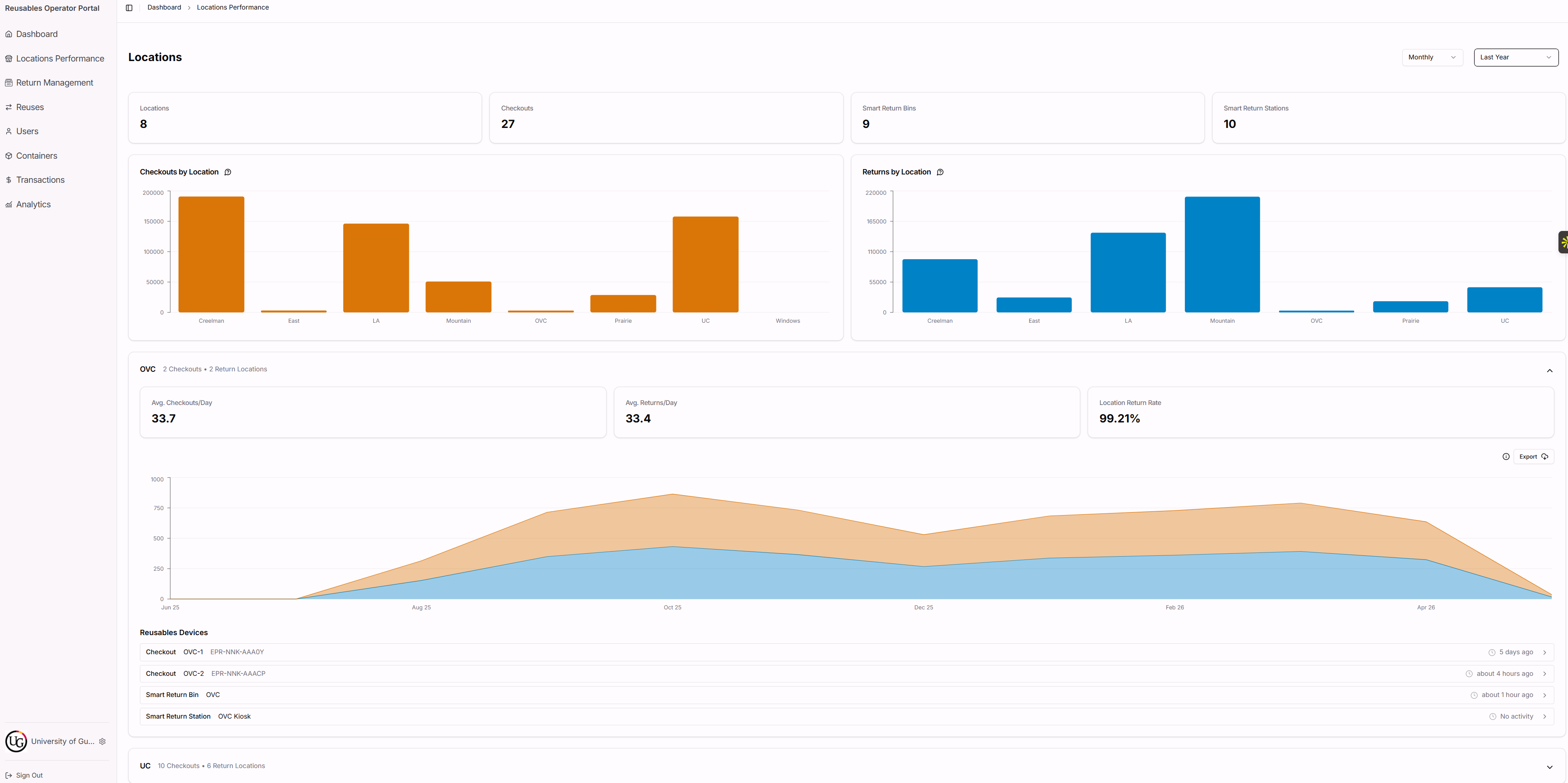
Systems that use both QR codes and RFID technology give you the most accurate and automated data. RFID technology, for example, can scan multiple items at once from a distance, making returns at a smart bin quick and error-free. This level of tracking ensures you always know where your containers are, which helps maintain the 99% return rates needed for a financially sustainable program. It also gives you real-time data on usage, return patterns, and environmental impact, all from a simple dashboard.
Finding the Best Containers for Your Needs
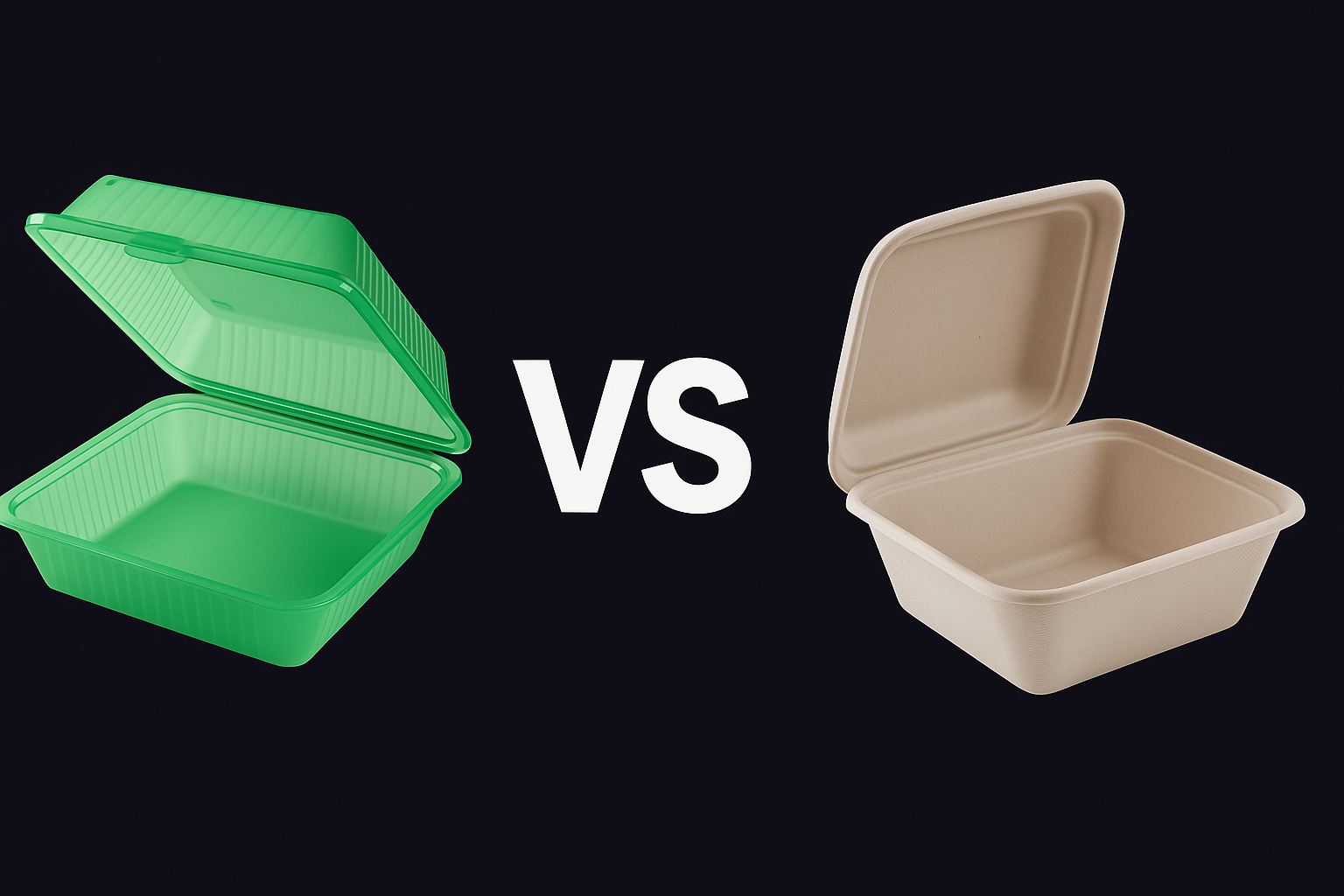
The physical containers are the star of the show, so it’s important to choose ones that work for your menu and your operations. You’ll find options in both durable, BPA-free plastic and stainless steel. The best choice depends on what you’re serving, your budget, and your dishwashing capabilities. For example, stainless steel is incredibly durable, while modern plastics are lightweight and often more cost-effective.
Some reuse providers require you to use their specific containers, while others are container-agnostic. A flexible partner will allow you to use your existing inventory or choose from a list of approved options. This flexibility ensures you can find the perfect clamshells, bowls, and cups for everything from salads to hot entrees, creating a system that truly fits your food service operations.
Understanding the Costs and ROI
It’s true that launching a reusable packaging program has an initial investment that can be higher than ordering another pallet of single-use containers. But the key is to look at the long-term financial picture. The cost of a reusable container is spread out over hundreds of uses, which is why these programs can deliver significant savings over time.
When evaluating the ROI, factor in the rising cost of disposable packaging, which has more than doubled in recent years for many operators. You’ll also save on waste-hauling fees. A strong reuse program can reduce your packaging and waste costs by 30% or more annually. Many companies see financial benefits from reuse systems, turning a sustainability initiative into a smart financial decision.

Your Roadmap to a Successful Launch
Switching to a reusable packaging system is a big move, but with a clear plan, you can make the transition a huge success. Think of it as a phased rollout. By focusing on one step at a time, from getting initial approval to celebrating high return rates, you can build a program that lasts. Here’s how to get started.
Getting Buy-In From Leadership and Staff
Before you can launch, you need your key stakeholders on board. For leadership, the conversation often comes down to the numbers. Frame your proposal around the clear financial benefits. A well-implemented reuse program can reduce annual spending on disposable containers and cut down on waste management fees. The Reusable Packaging Association highlights how these systems can lower operating expenses and improve capital utilization. For your staff, focus on how the new system will simplify their work. A tech-enabled solution with automated tracking and smart return bins means less manual work and fewer headaches, allowing them to focus on providing great service.
Encouraging Students to Participate and Return Containers
Your reusable program is only as strong as your student participation. To get students excited, the system needs to be incredibly simple and convenient. If borrowing a container is complicated, they’ll quickly lose interest. The most successful programs make participation an effortless part of the dining experience. High participation rates are crucial for the system to work financially and environmentally. Look for app-free solutions that let students check out a container with a simple tap of their student card or phone. The less friction there is, the more likely they are to embrace the change and make reusables a regular habit.
Nailing Down Logistics and Inventory
Managing the logistics of a reuse system can feel daunting, especially when it comes to tracking your container inventory. Without a solid plan, it’s easy to lose track of assets or create logistical bottlenecks. The key is to choose a fully integrated system that handles the complexities for you. A lack of standardized processes can create chaos, so your solution should provide a clear, consistent workflow for borrowing, returning, and washing. Look for a partner that offers real-time inventory data, smart return bins that alert staff when they’re full, and tracking technology that gives you a clear picture of where your containers are at all times.
Training Your Team and Educating Students
A smooth launch depends on everyone knowing their role. Start with your dining staff. Comprehensive training is essential for making them confident with the new system. Walk them through the checkout process, how to handle returns, and any new cleaning protocols. When your team feels prepared, they can better assist students and act as advocates for the program. For students, a simple and fun education campaign is key. Use posters, social media, and in-person events to explain how the system works and why it matters. Highlighting the positive environmental impact can get them excited to be part of a campus-wide sustainability effort.
Using Incentives to Drive High Return Rates
Getting containers back is the most critical part of any reuse system. While education helps, incentives are what truly drive behavior. Many successful programs use a deposit-return model, where a small, refundable fee is charged for unreturned containers. This approach has proven effective, with some systems in Europe seeing return rates of 90% or more. You can also use positive reinforcement to encourage returns. Consider a points system, campus leaderboards, or prize drawings for students who consistently bring their containers back. The best systems automate these incentives and reminders, which ensures high compliance without adding extra work for your staff.
Related Articles
- 7 Smart Eco-Friendly Initiatives for Campus Food
- A Guide: How to Use Transact Card for Reusables
- QR Code Reusable Packaging: A Campus Guide
- Guide to Sustainable College Cafeterias
Frequently Asked Questions
How do you make sure students actually return the containers? The key to getting containers back is a combination of convenience and accountability. Modern systems use automated reminders and a small, refundable late fee to gently nudge students to return items. When paired with convenient return options, like smart bins placed in high-traffic areas, this approach consistently achieves return rates of 99%, ensuring your inventory stays in circulation and the program remains financially sound.
Will a reusable system create more work for my already busy dining staff? Not at all; in fact, it's designed to do the opposite. A tech-enabled system automates the most time-consuming tasks. Tracking, reminders, and late fees are all handled by the software, so your staff doesn't have to chase down containers or manually manage fees. Smart return bins even send alerts when they need to be emptied, which allows your team to focus on food and service instead of program administration.
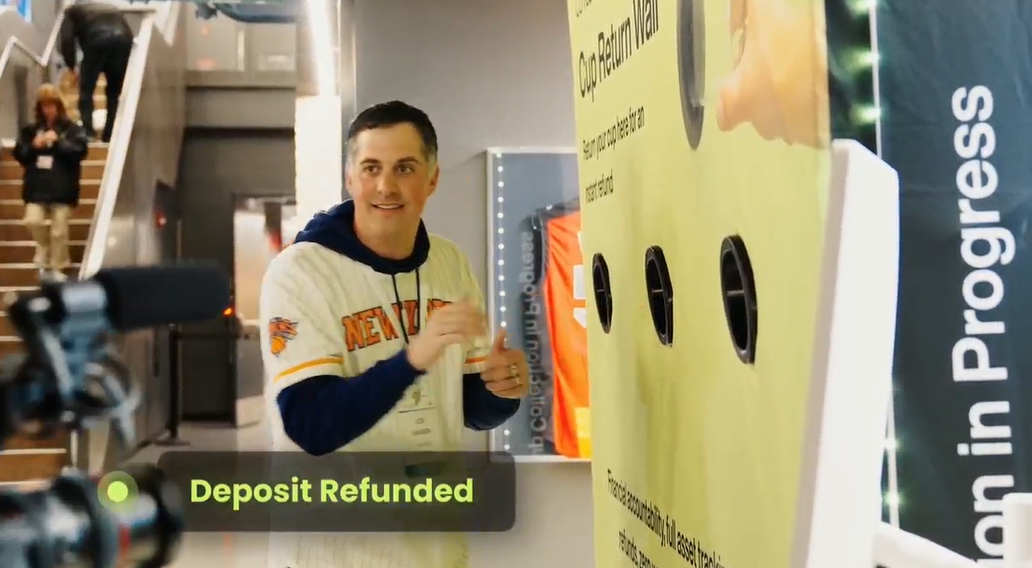
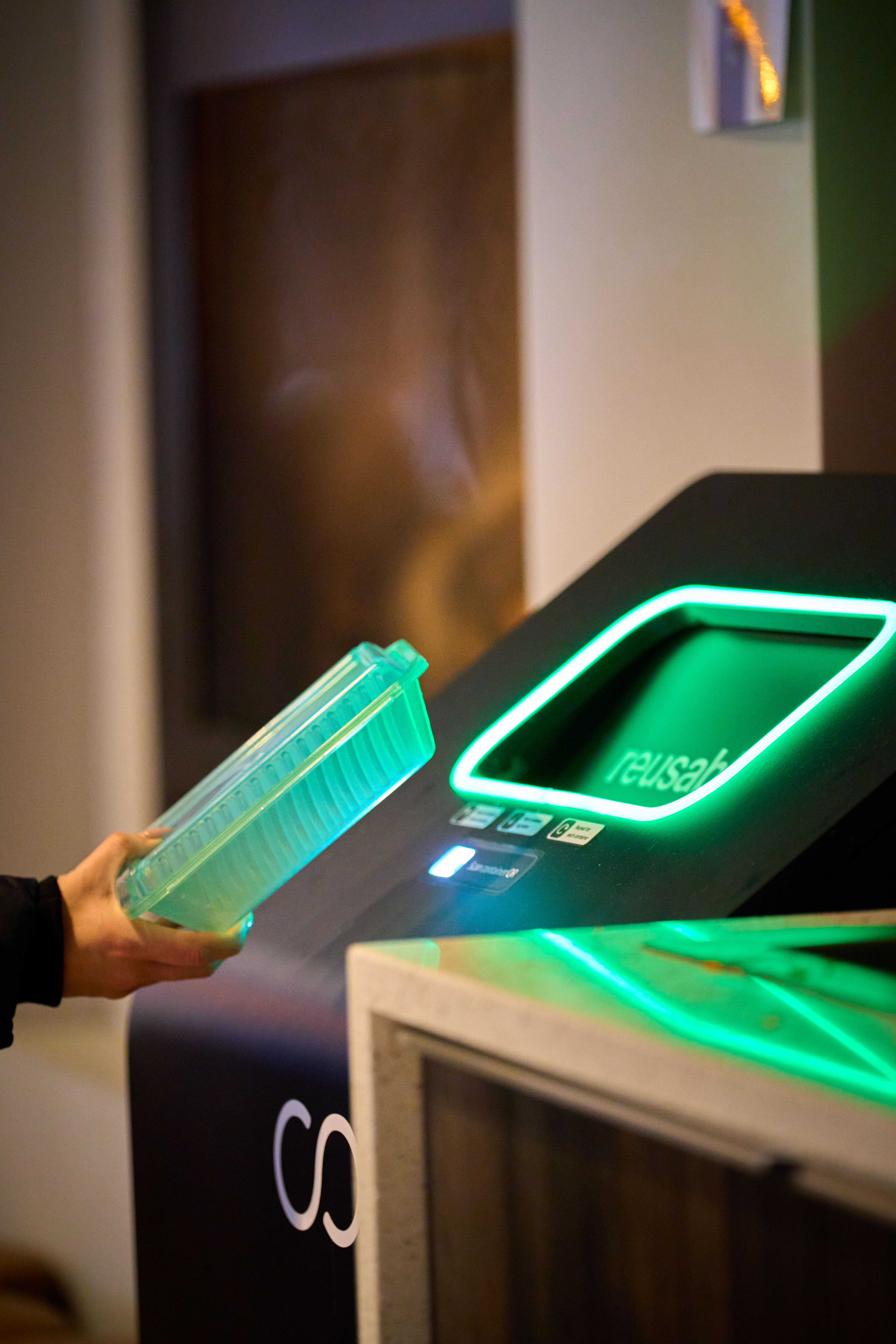
What does the checkout and return process look like for a student? We believe the best systems are the ones students barely have to think about. For checkout, a student can simply tap their campus card or phone, grab their meal in a reusable container, and go. There are no apps to download or accounts to create. Returning is just as easy: they drop the container into a smart return bin, which automatically scans it and credits their account instantly.
Can we use our existing container inventory, or do we have to buy new ones? Flexibility is important, so the best solutions are container-agnostic. This means you can often integrate your existing inventory of durable containers into the new tracking system. If you're looking to purchase new items, a good partner can also provide a list of approved options, including both stainless steel and durable plastic, so you can choose what works best for your menu and budget.
How does the cost of a reusable system compare to what we spend on disposables? While there is an initial investment, a reusable program delivers significant long-term savings. The cost of a single reusable container is spread out over hundreds of uses, which is far more economical than constantly reordering disposables, especially with their prices rising. Most campuses see a reduction in their annual packaging and waste expenses by 30% or more, turning a sustainability initiative into a smart financial decision.
Other stories you may find interesting
.png)
.avif)



.webp)


Watch the Webinar
Learn How to Eliminate Single-Use Waste
Get instant access to our expert webinar and discover how leading institutions reach 99% return rates through smarter reuse systems.

© Reusables™. All rights reserved.