
Your Guide to Smart Takeout Containers for Universities

February 6, 2026
If you’re skeptical about reusable container programs, you have every right to be. Maybe you’ve tried a token-based system that created more problems than it solved, or you’ve heard stories of programs plagued by low return rates and student frustration. It’s a common story. However, the approach to reuse on campus has fundamentally changed. The latest smart takeout containers for universities are built on a foundation of seamless technology, not clunky hardware. They integrate directly with campus cards and automate accountability to achieve near-perfect return rates. This guide will break down what makes these new systems different, how they overcome the hurdles of the past, and how to choose a partner that guarantees a successful, sustainable program.
Key Takeaways
- Frame Reusables as a Financial Strategy, Not Just an Environmental One: A smart container system directly cuts the recurring, rising costs of single-use packaging, turning a major operational expense into a long-term investment with a clear financial return.
- Seamless Integration is the Key to Adoption: The best reuse programs don't require new habits from students or staff. Prioritize a solution that works with your existing campus card and payment systems to make participation effortless and ensure high return rates.
- Demand Actionable Data to Measure Success: A successful partnership provides a real-time dashboard showing return rates, inventory levels, and cost savings, which is essential for optimizing your operations and proving the program's value to stakeholders.
What Are Smart Takeout Containers?
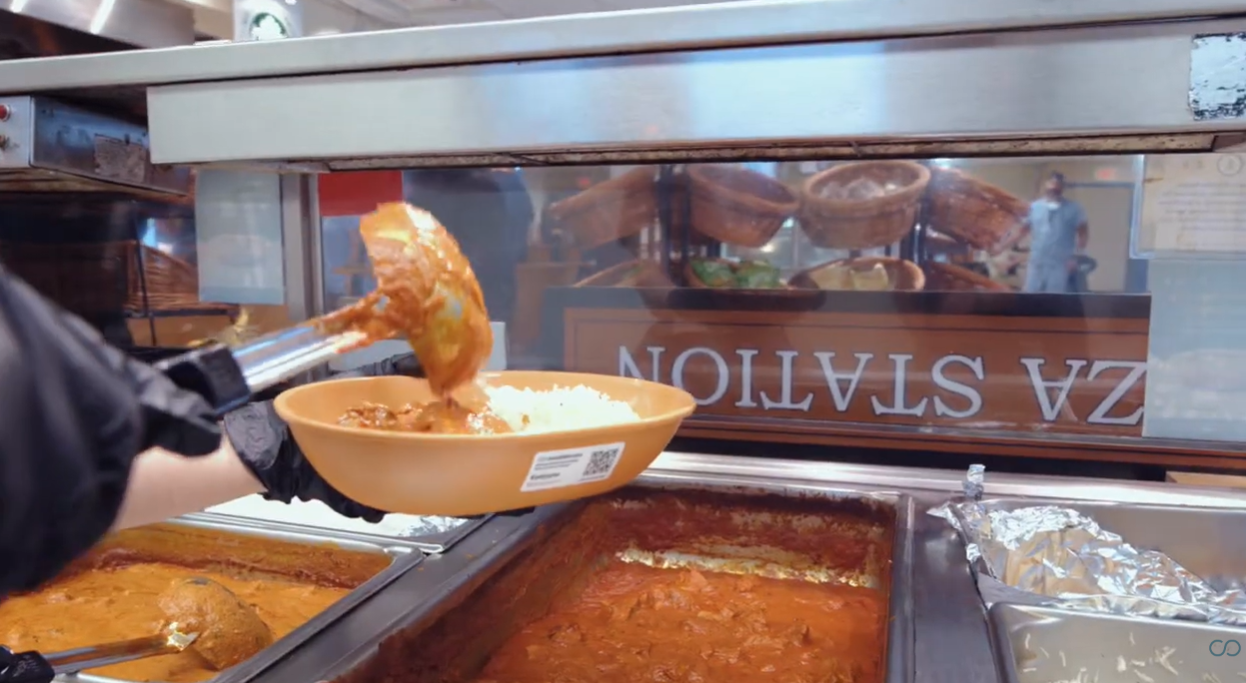
Think of smart takeout containers as the next evolution of your campus to-go program. They are the physical part of a much larger, tech-enabled system designed to replace single-use packaging with a reusable, trackable, and cost-effective alternative. Instead of throwing away a disposable box after one meal, students borrow a durable container and return it to be washed and used again.
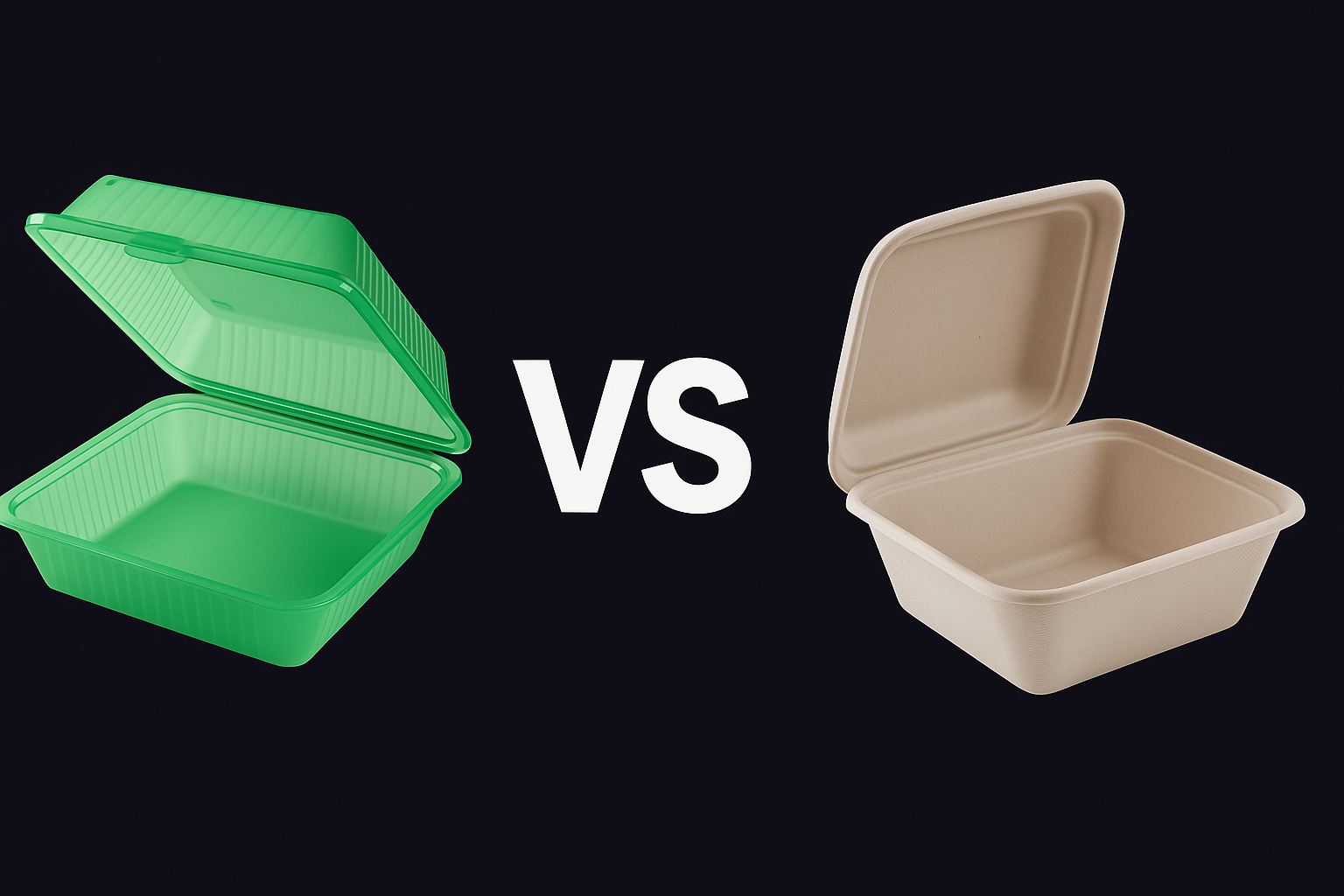
The goal is to create a circular system that dramatically reduces landfill waste and helps your campus meet its sustainability targets. These aren't just any reusable containers; they are part of an intelligent ecosystem. The technology automates returns, tracks inventory, and gathers data, making it possible to scale a reuse program across an entire campus without adding a heavy operational lift for your team. While some systems use durable plastic, others offer stainless steel options, giving you the flexibility to choose what works best for your dining services.
How the Technology Works
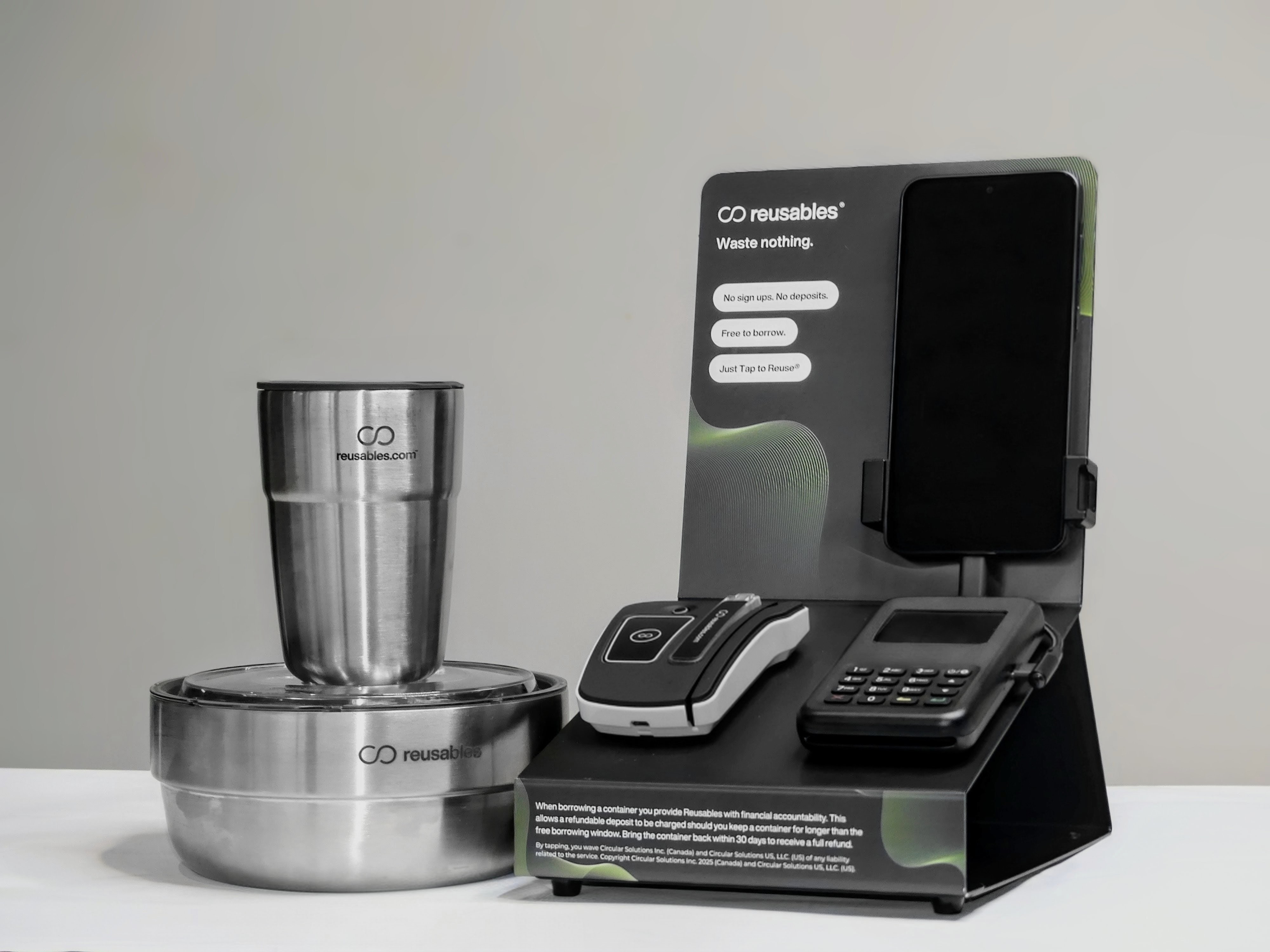
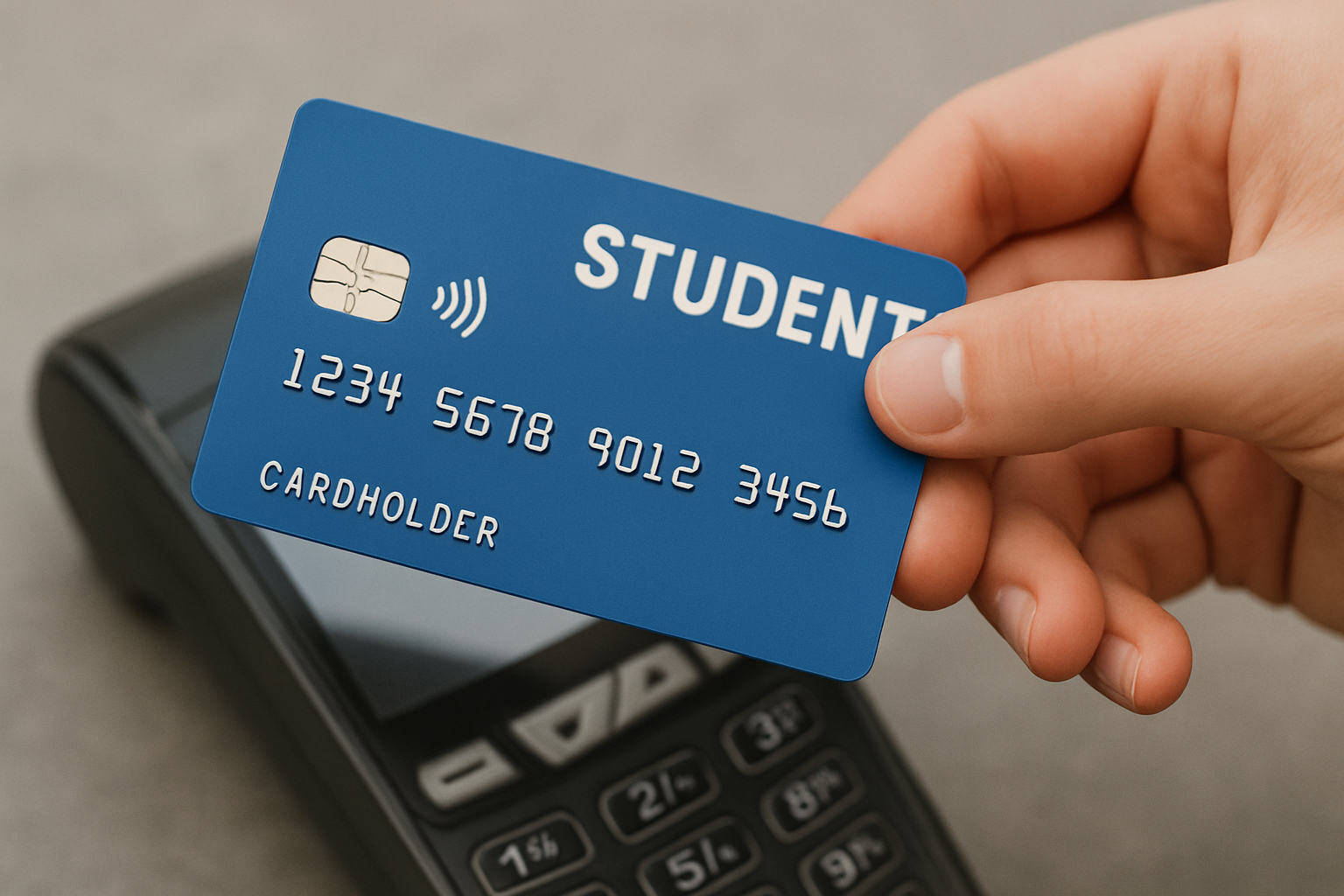
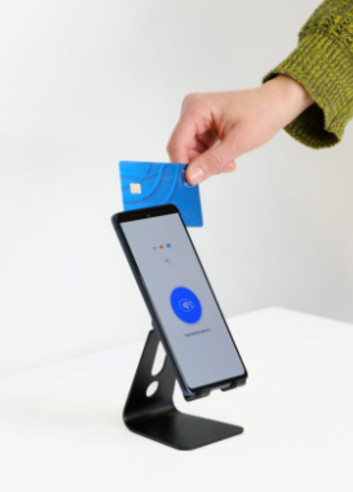
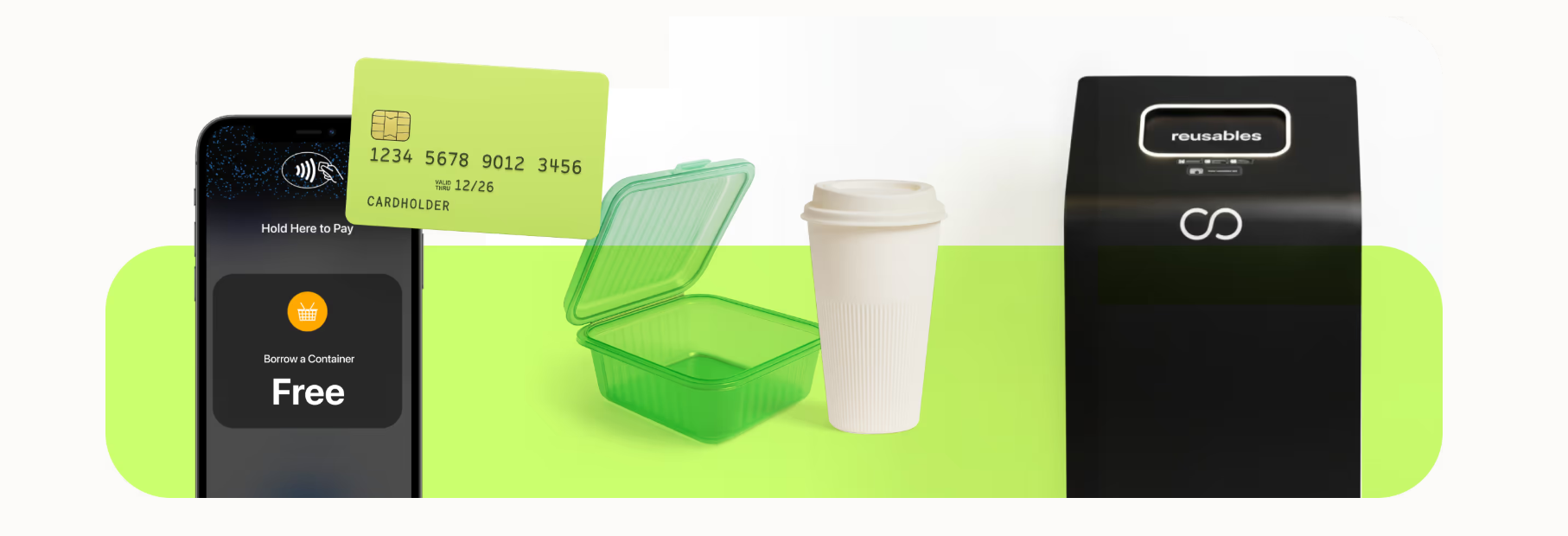
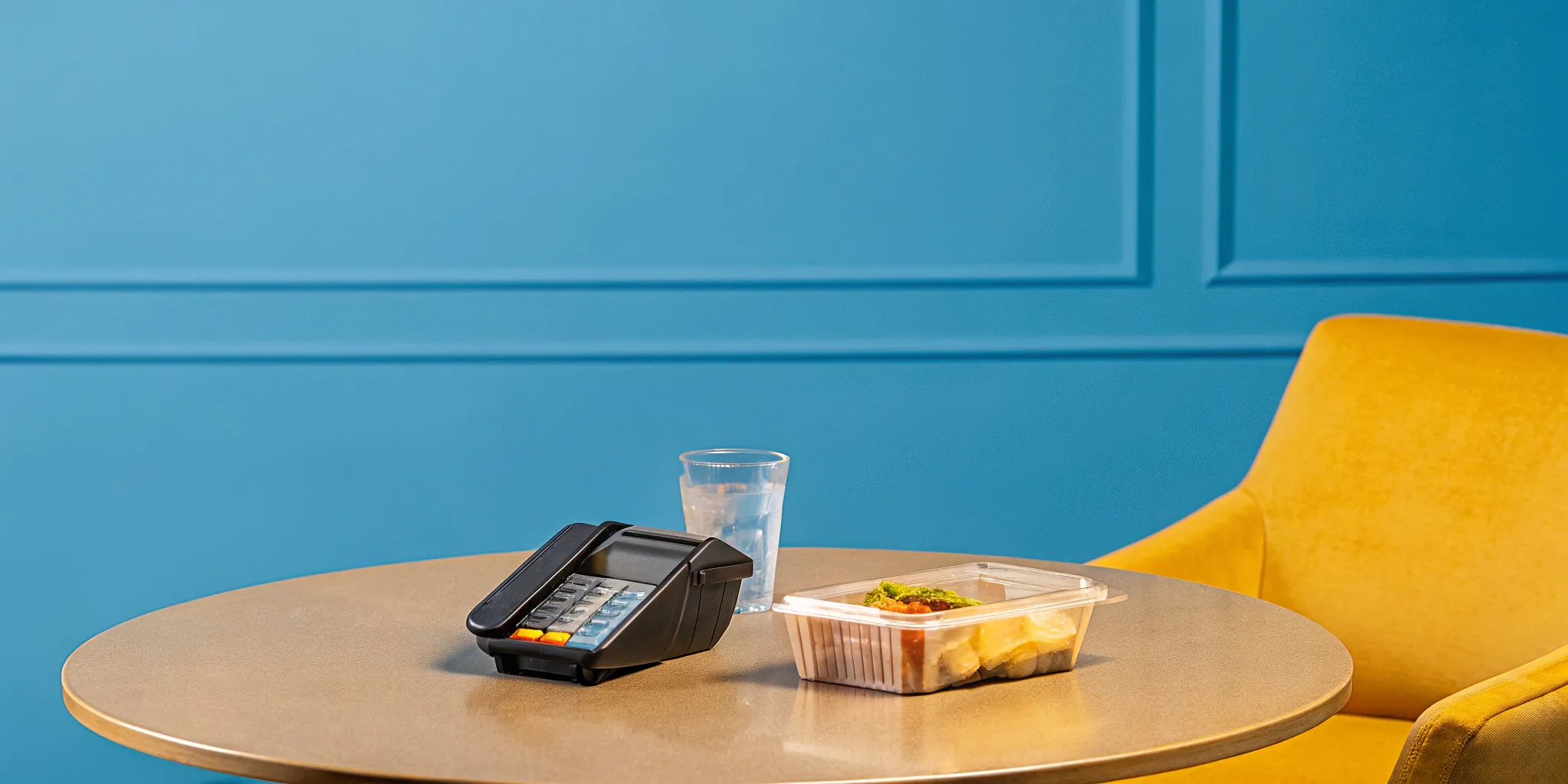
The magic behind smart containers is the technology that makes them easy to borrow and track. The best systems are designed to be completely frictionless for students. For example, with a Tap-to-Reuse™ system, a student can check out a container simply by tapping their student ID or credit card at the register—no app download or cash deposit required. This simple action makes participation effortless.
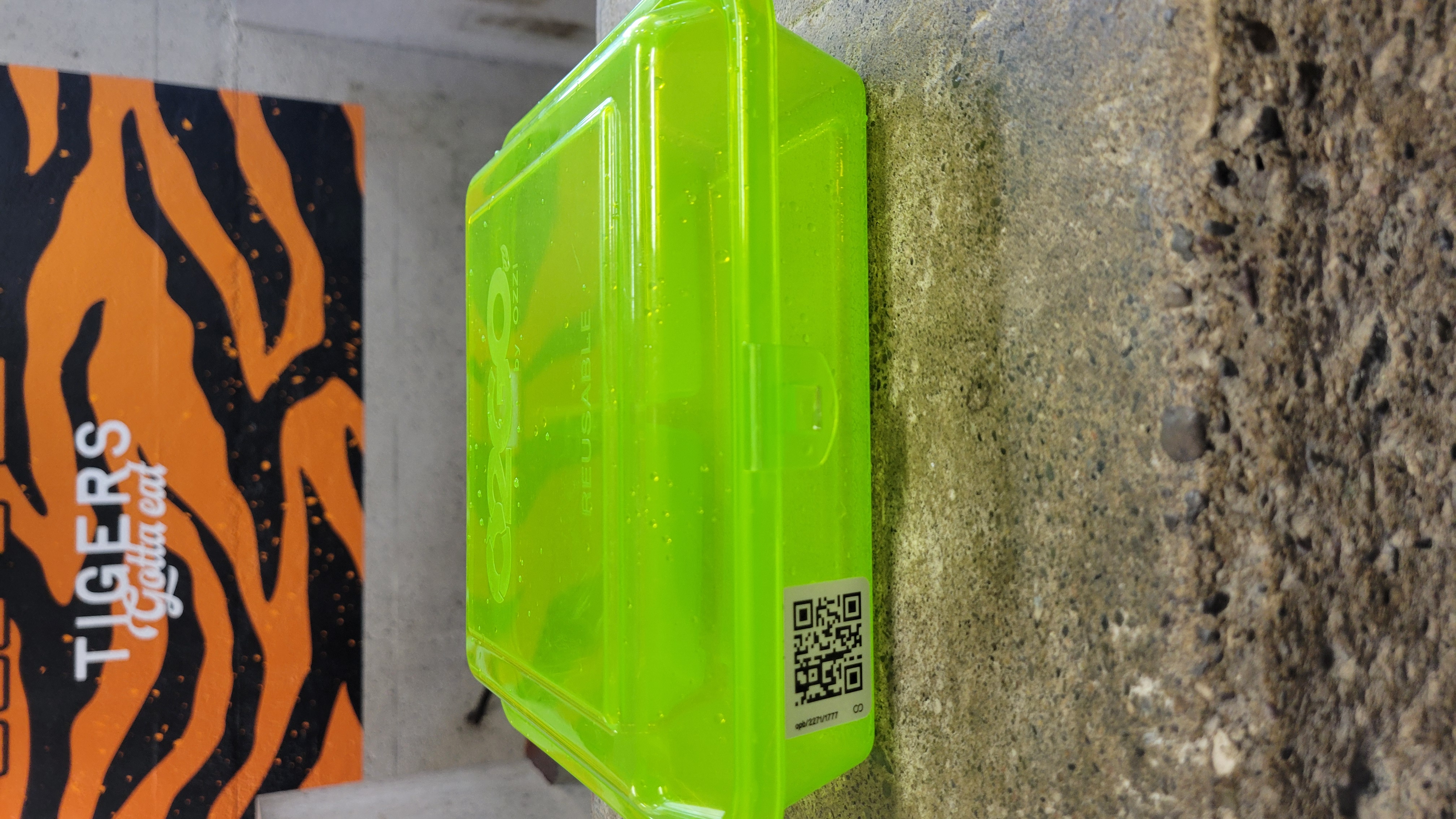
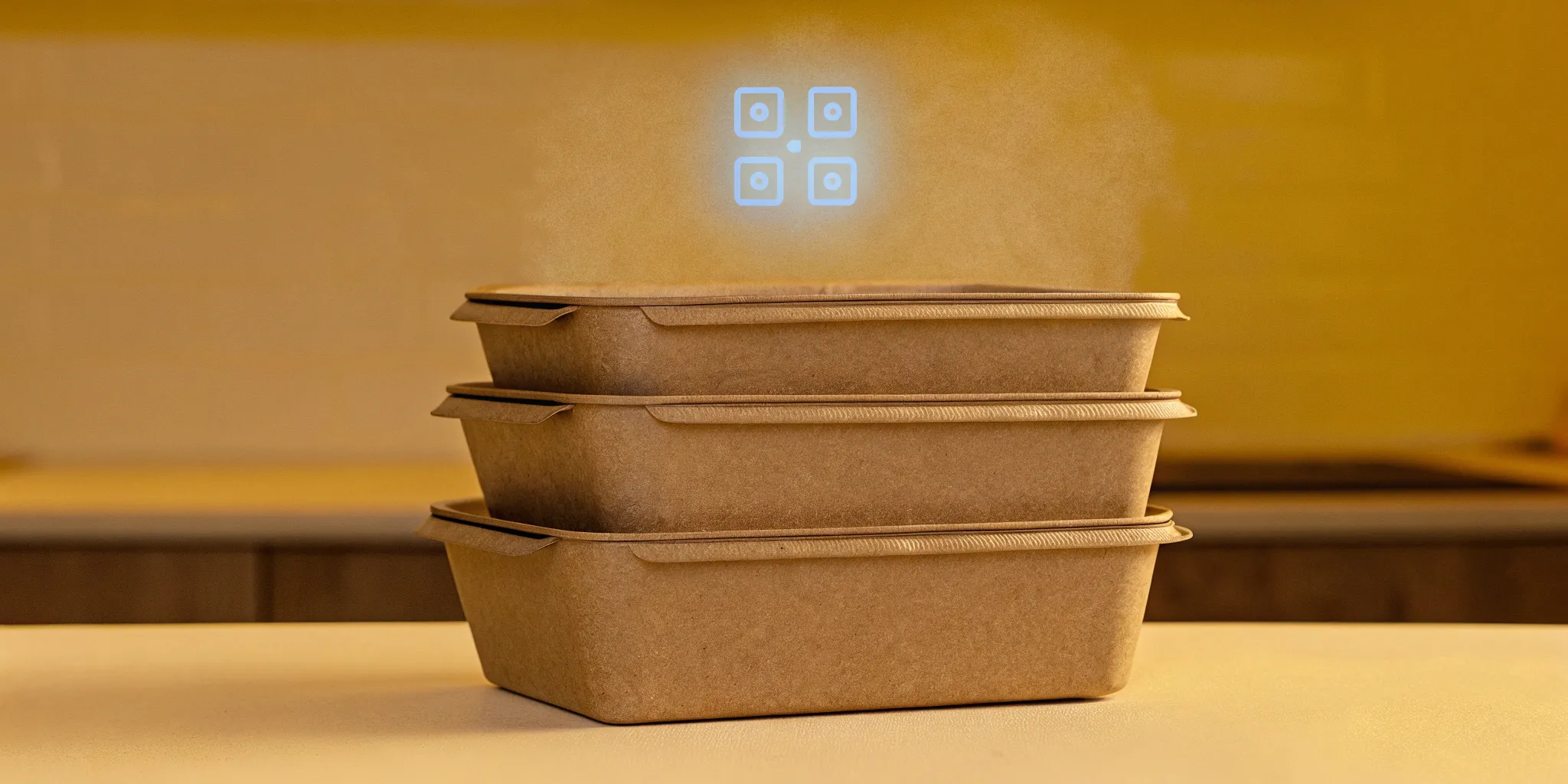
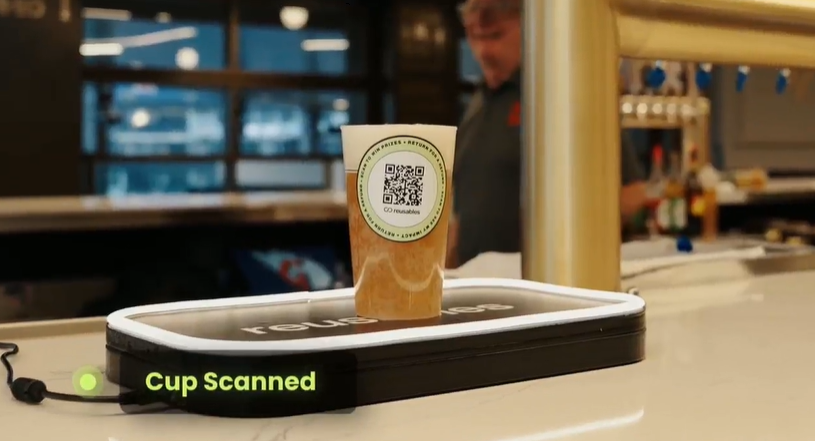
Each container is tagged with a unique identifier, like a QR code or an RFID chip. This allows the system to track every container from checkout to return, ensuring accountability and driving incredibly high return rates—often over 99%. This tracking data is what makes the system "smart," giving you a clear view of your inventory and how the program is performing.
How They Integrate with Campus Dining
You’re likely wondering how a new system like this fits into your current operations. Smart container programs are designed to integrate smoothly with existing campus dining infrastructure. They work with your point-of-sale and campus card providers, so the checkout process feels like a natural part of any other transaction. This means you can get a program running without overhauling the systems your team and students already know how to use.
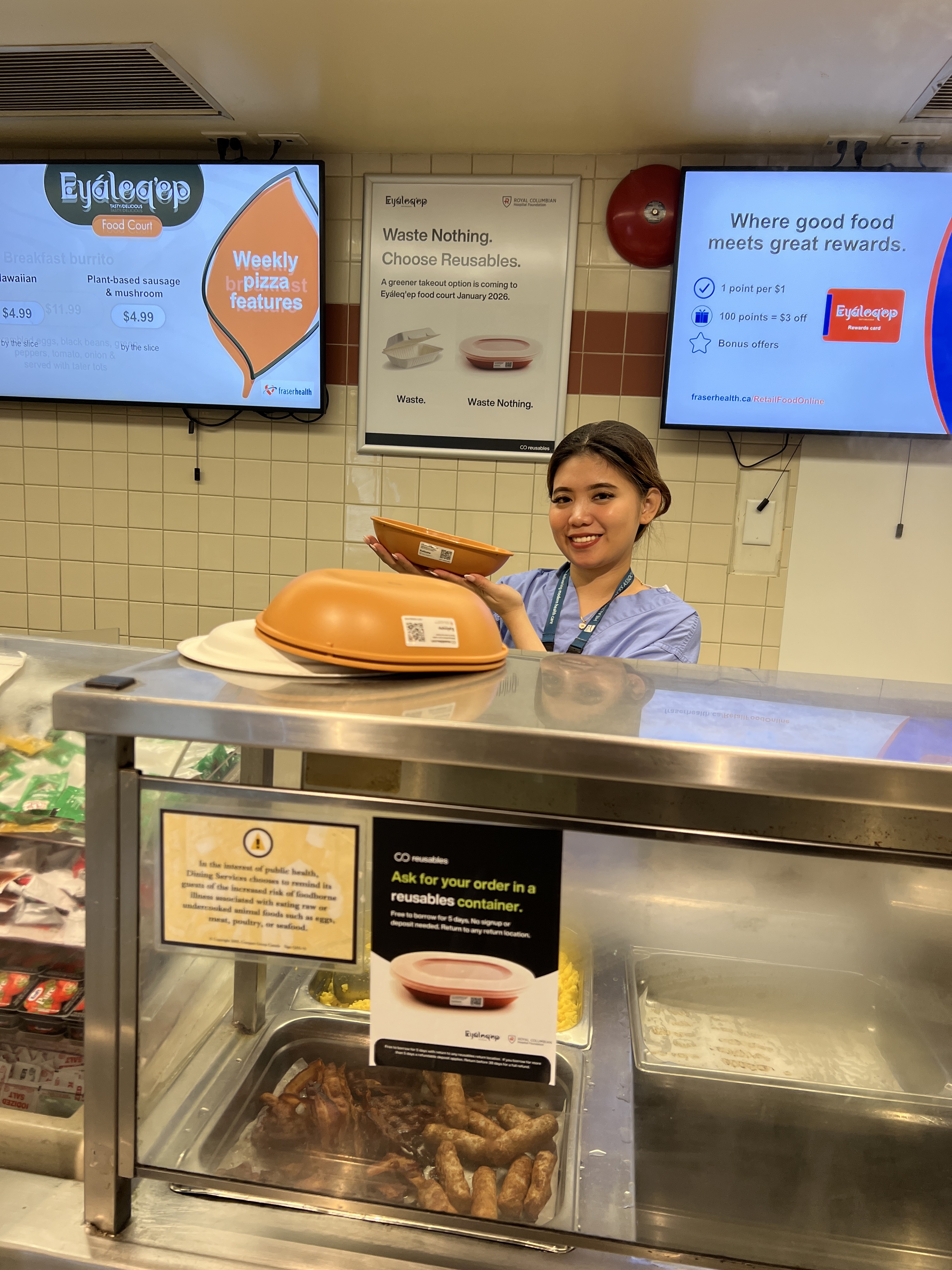
Instead of stocking and reordering disposable containers, your staff will manage a fleet of reusables. The system is built to support your operations, from checkout stations in dining halls to convenient return bins placed in high-traffic areas across campus. The entire process is designed to make sustainable choices the easiest choices for everyone involved.
Why Make the Switch to a Smart Reusable System?
Making the move from disposable to reusable containers can feel like a huge undertaking. But beyond the operational shifts, the benefits are clear and compelling. A smart reusable system isn't just a sustainability initiative; it's a strategic move that positively impacts your budget, your campus environment, and your students' daily lives. When you look at the combined advantages, the question shifts from if you should make the switch to how you can get started.
Reduce Waste and Meet Sustainability Goals
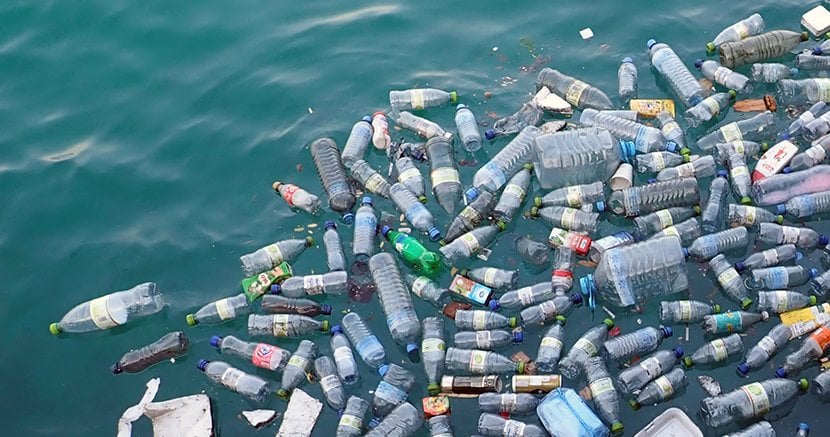
Single-use packaging is a major contributor to campus waste streams. Every disposable container, cup, and utensil adds up, creating significant environmental and logistical challenges. With many institutions setting ambitious zero-waste targets, finding alternatives is no longer optional. A growing number of schools are turning to reusable container programs to lead the charge. By replacing disposables with a closed-loop system, you can drastically cut down on landfill waste, reduce your campus's carbon footprint, and visibly demonstrate your commitment to sustainability to students, faculty, and the wider community.
Cut Costs on Single-Use Packaging
The price of disposable packaging has skyrocketed, putting a serious strain on dining services budgets. Constantly reordering single-use containers is a recurring operational expense that only grows over time. A smart reusable system transforms this line item from a perpetual cost into a one-time investment with long-term returns. As institutions like UCLA discovered when they analyzed the financial and environmental costs of disposables, switching to reusables can lead to significant annual savings. By eliminating the need to constantly purchase and manage inventory for single-use items, you can redirect funds to other areas that enhance the student experience.
Improve the Student Dining Experience
Today's students are not only environmentally conscious, but they also expect convenience. A clunky or complicated system just won't work. The best reusable programs are designed with the user in mind, making it simple for students to grab a meal on the go without creating waste. When the process is as easy as tapping a card, students are more likely to participate enthusiastically. This seamless experience does more than just reduce trash; it helps build a campus-wide culture of reuse. It becomes a shared point of pride and a tangible part of the university's identity, showing students that their institution's values align with their own.
How Does a Smart Container System Work on Campus?
A smart reusable container system replaces single-use packaging with a closed-loop program that’s easy for students and staff to adopt. The process is designed to be seamless, from checkout to return, by integrating directly into your existing campus operations. Here’s a look at how the three main stages work together.
Making Checkout Easy with "Tap to Reuse"
The best reusable programs feel just as convenient as grabbing a disposable container. Instead of asking students to download another app, a "Tap to Reuse" system lets them check out a container in seconds. At the point of sale, a student simply taps their student ID, credit card, or mobile wallet. The cashier then scans the unique QR or RFID tag on the reusable container, linking it to the student’s account. This simple action is the key to tracking each asset and ensuring accountability without adding friction to the checkout line. The goal is to make choosing the sustainable option the easiest choice for everyone.
Simplifying Returns with Smart Bins and Automated Tracking
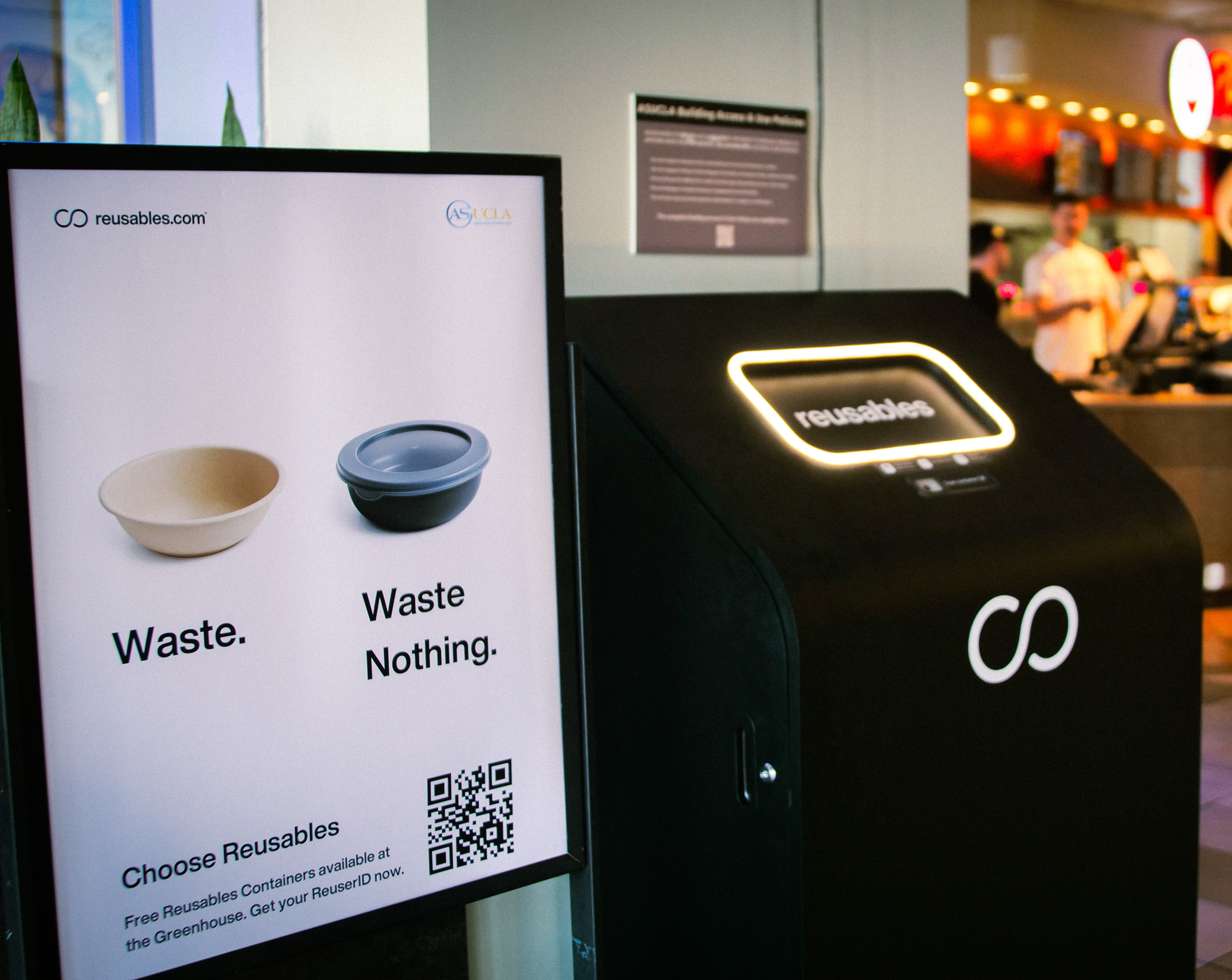
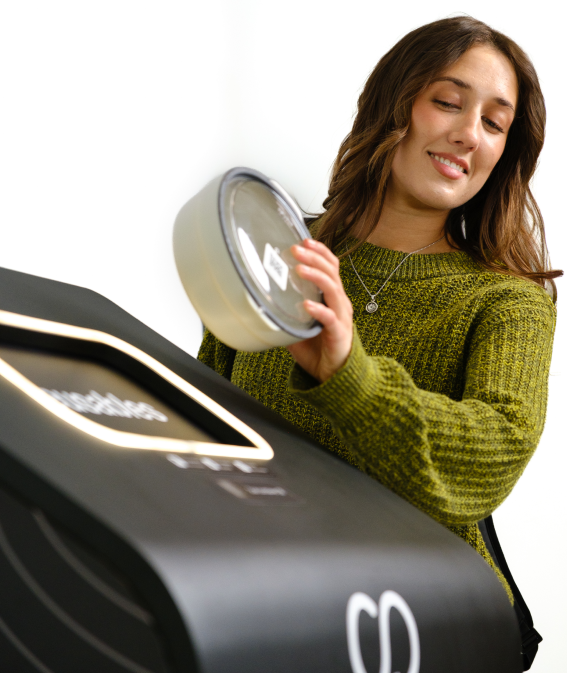
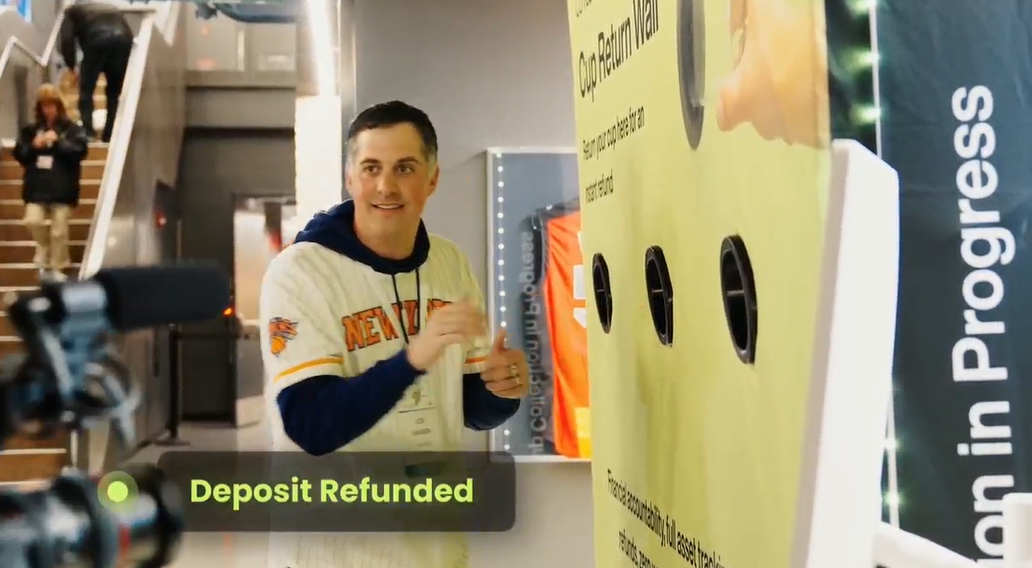
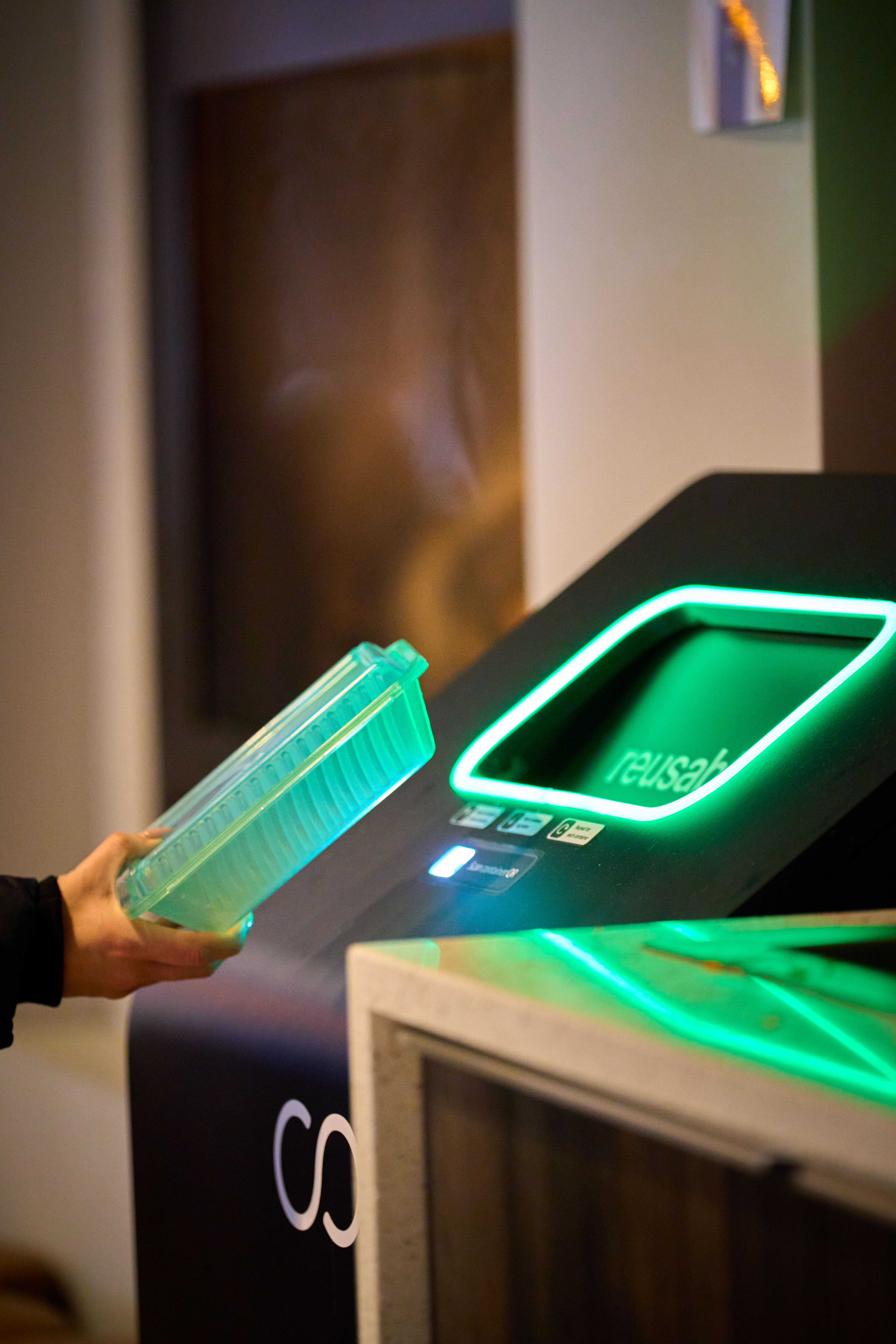
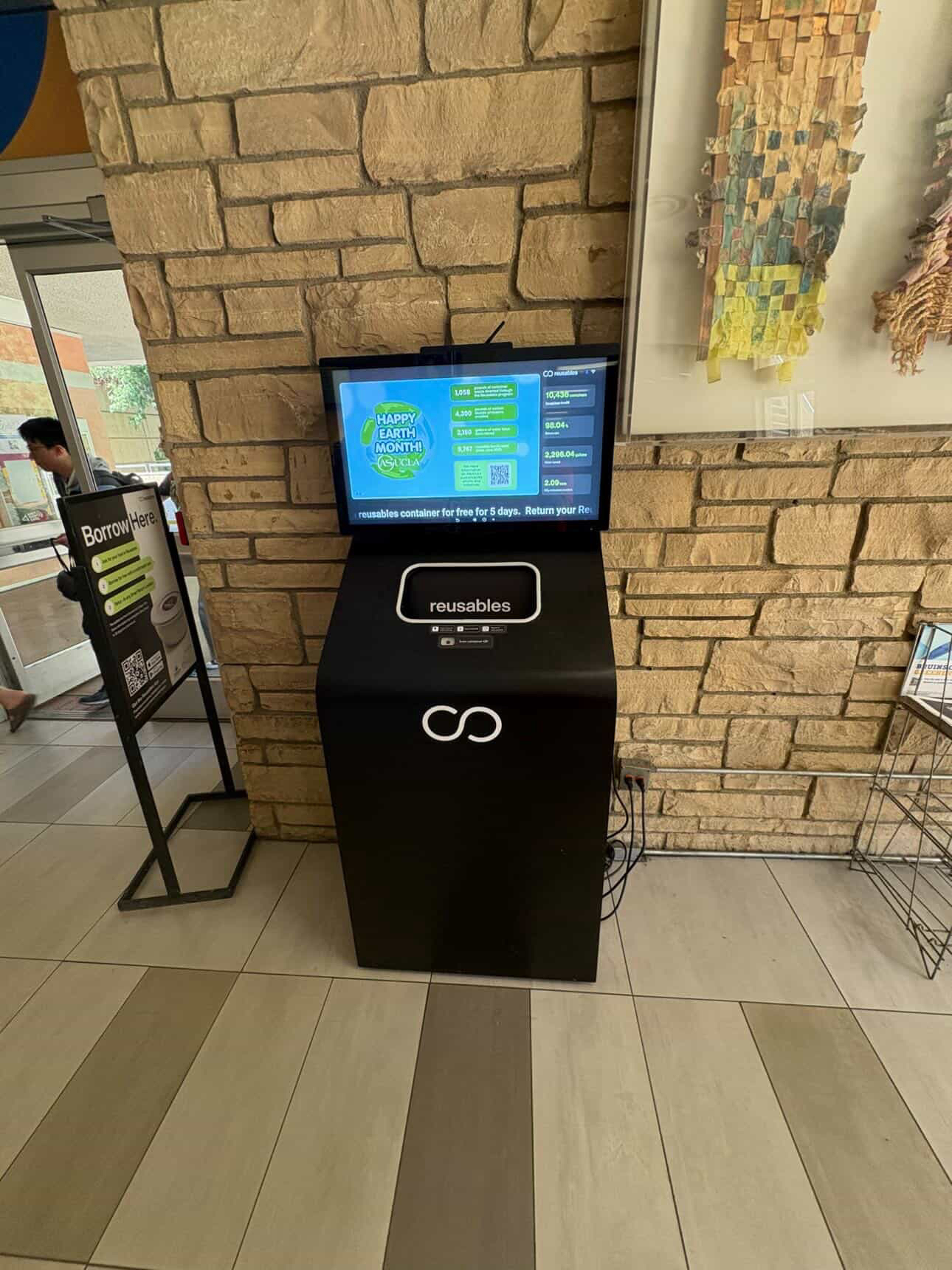
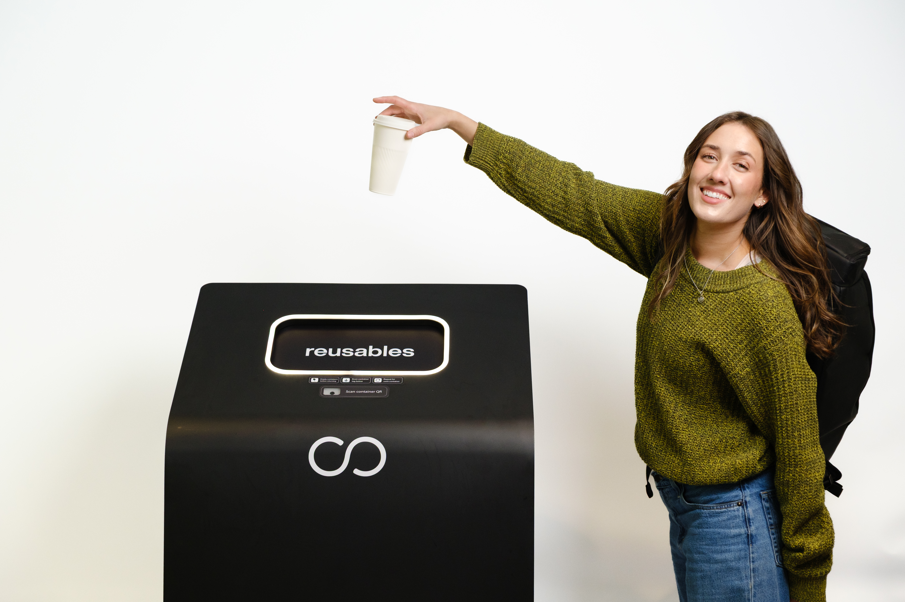
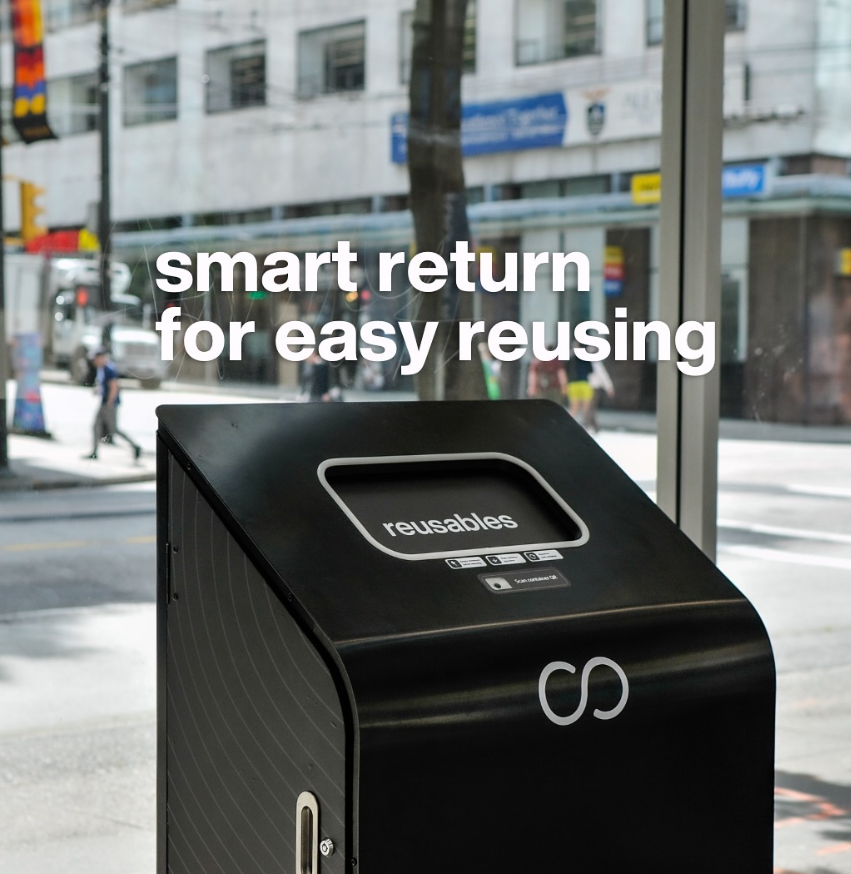
Getting containers back is the most critical part of any reuse program. Smart systems make this process simple and reliable with strategically placed return stations. Students can drop off used containers 24/7 at touch-free Smart Bins that automatically scan the container and check it back into the system. This automated tracking eliminates the need for manual check-ins by your staff. The system also handles accountability for you by sending automated reminders to students and processing refundable late fees if needed. This approach is proven to drive industry-leading return rates, ensuring your container inventory stays healthy and your program remains sustainable.
Integrating with Campus Cards and Payments
For a reusable container program to succeed, it must fit perfectly within your campus’s existing technology. Look for a solution for your business that integrates directly with your current point-of-sale and campus card systems, like Transact, CBORD, Atrium, and TouchNet. This allows students to use their existing meal plans, dining dollars, or campus cash to participate, eliminating the need for a separate wallet or payment method. A fully integrated system streamlines operations for your team, provides a familiar experience for students, and makes the transition from single-use packaging to reusables feel like a natural upgrade to your dining services.
Key Features to Look for in a Reusables Partner
Choosing a partner for your reusable container program is a big decision. You're not just buying containers; you're investing in a system that needs to work seamlessly for your students and your staff. The right partner will offer a comprehensive solution that goes beyond the physical product, providing the technology, data, and support needed to make your program a long-term success. As you evaluate your options, focus on these key features to ensure you find a partner that can help you meet your campus's unique goals.
Durable and Safe Container Options
The containers are the star of the show, so their quality is paramount. Look for a partner that offers a variety of durable, food-safe options. Materials like stainless steel or high-quality, BPA-free polypropylene are built to withstand hundreds of wash cycles and daily use. A flexible partner will allow you to choose from different container types—or even use your existing inventory—to best fit your menu and operational needs. This ensures the containers not only contribute to a healthier planet but also support a safe and positive dining experience for your students.
Tracking Technology That Ensures Accountability
A successful reuse program hinges on getting your containers back. That's why effective tracking technology is non-negotiable. The best systems use unique identifiers like QR codes or RFID tags on every container to monitor its journey. This technology creates a system of accountability, driving the high return rates (often over 99%) needed for your program to be financially sustainable. A truly smart system automates this process, sending reminders to users and handling late fees without adding to your staff's workload. This ensures your inventory stays in circulation and your program runs smoothly.
A Dashboard with Real-Time Data and Reporting
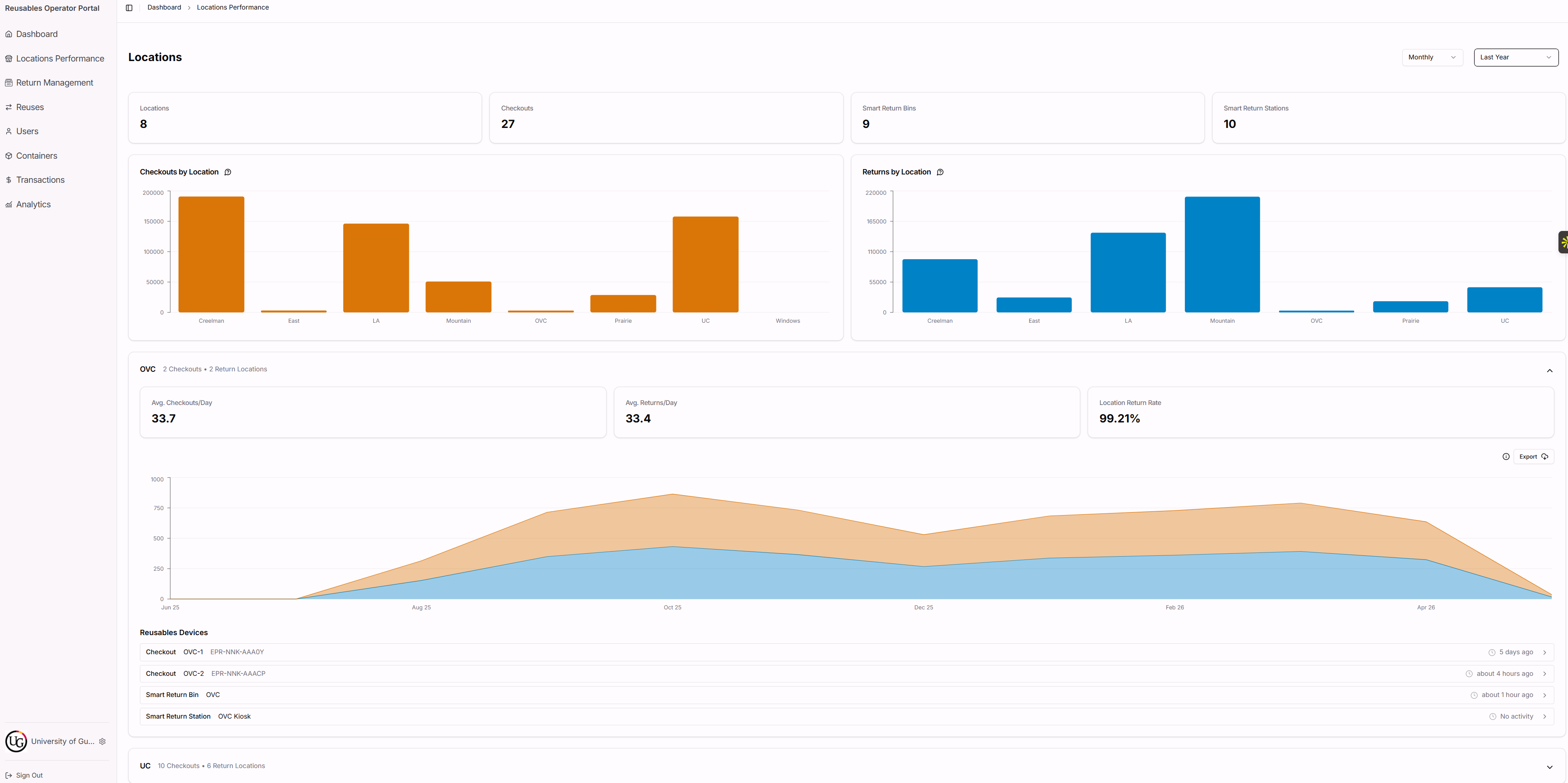
How do you know if your program is working? Your partner should give you the data to prove it. A robust operator dashboard is essential for monitoring performance and making informed decisions. You should have real-time access to key metrics like container usage, current inventory levels, and return rates. This data is crucial to help you optimize return logistics and measure cost savings over time. Look for a platform that also tracks your environmental impact and financial ROI, giving you clear, reportable results to share with campus stakeholders.
Opportunities to Generate New Revenue
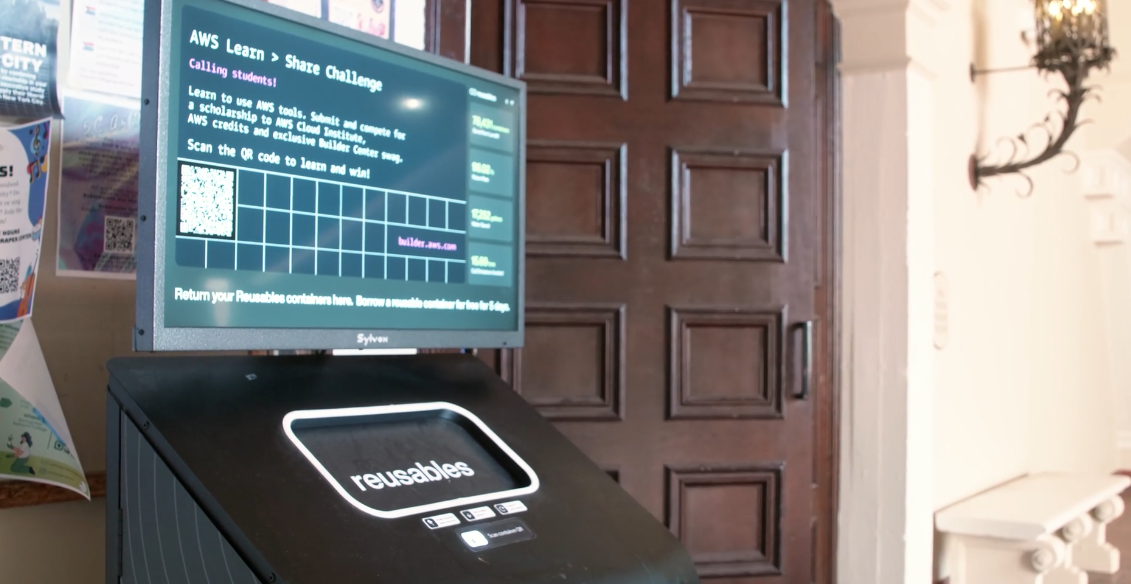
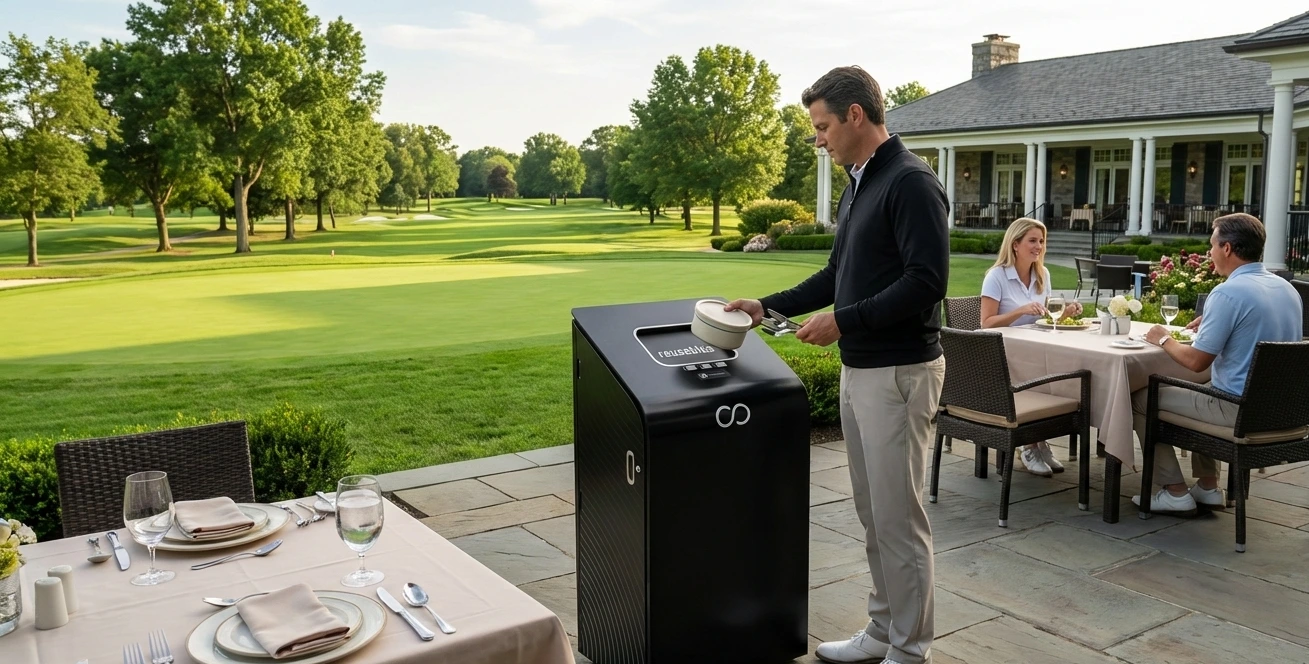
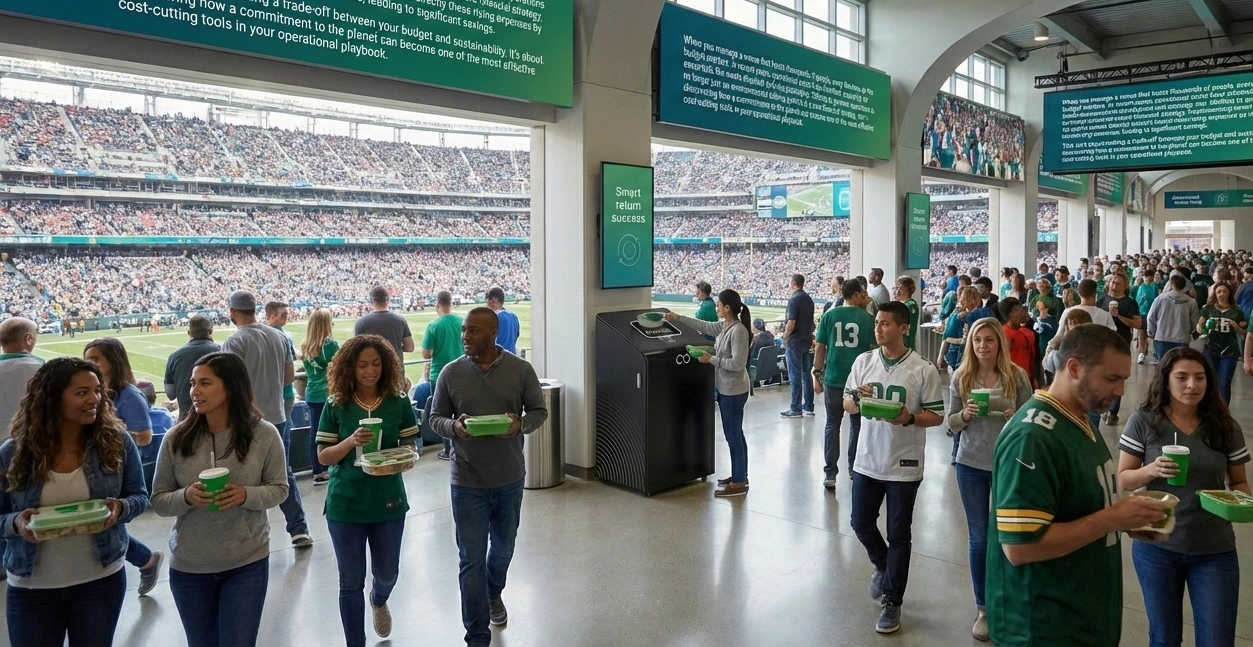
A modern reuse program can be more than just a cost-saving initiative—it can also create new income streams for your department. Some of the most innovative solutions for businesses integrate revenue-generating opportunities directly into the system. For example, smart return bins can be equipped with digital screens that display campus announcements or paid advertisements. This turns a piece of program infrastructure into a valuable asset that can generate thousands of dollars per screen each year, helping to offset program costs and contribute positively to your budget without creating extra work for your team.
A Look at Top Smart Container Providers
Once you’ve decided to explore a reusable container system, the next step is finding the right partner. The market has a few key players, and each brings a different approach to solving the single-use waste problem on campus. The best choice for you will depend on your specific needs—from your existing operational setup and IT infrastructure to your budget and long-term sustainability goals. Some providers focus heavily on technology and data, integrating directly with your campus card systems for a frictionless student experience. Others center their model around specific types of containers, like stainless steel, or use a more traditional hardware-based approach with vending-style machines. Understanding these core differences is key to identifying the best fit for your dining program. A successful partnership will not only help you reduce waste but also improve the student experience and streamline staff workflow. To help you get a clearer picture of the landscape, let's look at three of the top providers and how their models compare.
Reusables.com: The Fully Integrated Tech Solution
Reusables.com offers a complete, tech-first system designed to make reuse as simple as single-use. Their platform focuses on seamless integration with existing campus infrastructure, including student cards and payment systems. The experience is app-free for students, who can check out a container with a simple tap of their card. The system uses smart return bins and both QR and RFID tracking to automate returns and provide real-time data on inventory, usage, and environmental impact. This approach gives operators a high degree of control and insight, helping them manage the program efficiently while achieving impressive 99% return rates.
USEFULL: The Subscription-Based Service
USEFULL provides a reusable takeout system centered on its signature stainless steel containers. Their model is designed to help colleges eliminate single-use plastics, aligning with campus goals for student health and environmental stewardship. The service operates on a subscription basis, providing campuses with the containers and the system to manage them. By focusing on high-quality, plastic-free containers, USEFULL appeals to institutions that want to make a strong statement about their commitment to sustainability. Their system is a straightforward way for campuses to introduce a reusable option into their dining halls and is a popular choice for those prioritizing a specific container material.
OZZI: The Traditional Vending Model
OZZI is one of the more established names in the space, known for its "closed-loop" system that uses vending-style machines to dispense and collect reusable containers. Students typically purchase a token or use a card to get a clean container from a machine and return it to a collection machine after use. This hardware-based model is a practical solution that contains the entire reuse process within its network of machines. Because OZZI has been around for a while, its system is a familiar sight on many campuses and offers a tangible way for students to participate in waste reduction efforts.
Overcoming Common Implementation Hurdles
Switching to a new system always comes with questions. How will students react? How much training will staff need? What about the budget? These are valid concerns, but they are all solvable with a well-designed program and the right partner. A smart reusable container system should simplify your operations, not complicate them. Let's walk through some of the most common hurdles and how to clear them.
Encouraging Student Adoption and New Habits
Getting students on board is the most important step, and it’s often easier than you think. Today’s students are already motivated to make sustainable choices; your job is to make it easy for them. The key is to remove as much friction as possible. Programs that require app downloads or complicated sign-ups often see lower adoption. Instead, look for a system that feels effortless. As seen in UCLA’s success story, students will quickly embrace a program when it’s simple and convenient. The best systems integrate directly with student cards, making checkout as simple as a tap. When the sustainable choice is also the easiest one, you create a campus culture where reuse becomes the new normal.
Integrating with Operations and Training Your Staff
Your team is busy, and the last thing they need is another complicated process. A successful reusable program should fit seamlessly into your existing workflow. The best platforms are designed to reduce staff workload through automation. For example, instead of manually tracking containers or chasing down fees, the system handles it for you. Training should be straightforward, focusing on the simple checkout and return processes. When your team sees how digital reusable containers actually cut down on waste management tasks and streamline service, they’ll become the program’s biggest advocates. A good partner will provide comprehensive training and ongoing support to make the transition smooth for everyone.
Planning Your Budget and Managing Costs
While single-use containers seem cheap individually, the costs add up quickly, especially with packaging prices on the rise. A reusable system shifts this from a recurring operational expense to a one-time investment with long-term savings. Some older models require students to pay for a container upfront, which can be a barrier. A more modern approach eliminates student fees and instead uses automated reminders and refundable late fees to ensure high return rates without creating extra work for your staff. This protects your inventory and budget. Plus, some smart return bins even feature ad screens, creating a new revenue stream that can help offset program costs.
Ensuring Food Safety and Proper Maintenance
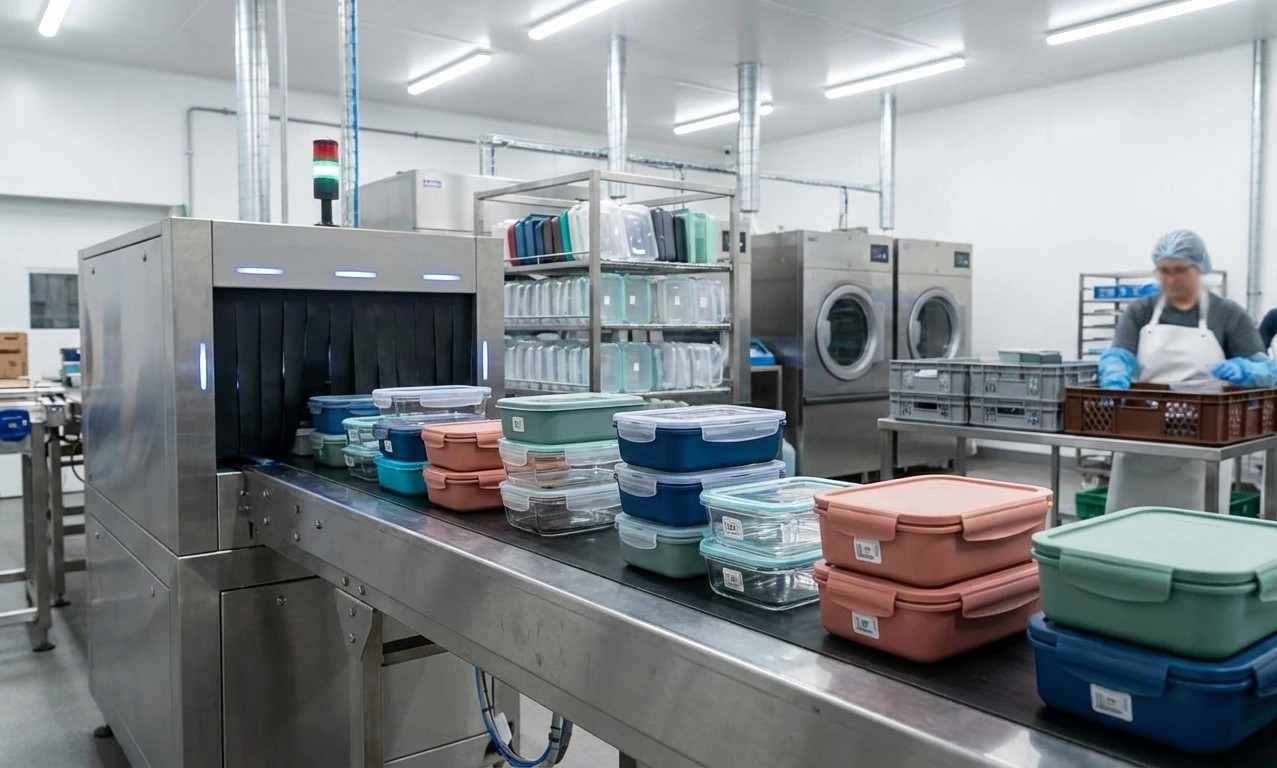
Food safety is paramount, and a reusable container program must meet the highest standards. This starts with choosing high-quality, durable containers made from food-grade stainless steel or BPA-free plastic that can withstand commercial dishwashing. Your existing dishwashing infrastructure is typically all that’s needed to clean and sanitize the containers alongside your other dining ware. When evaluating partners, be sure to ask about their recommended containers and the food safety measures they have in place. A well-managed reuse system not only eliminates the environmental waste from single-use plastics but also gives you full control over the sanitation and maintenance of your container fleet.
How to Measure Your Program's Success
Launching a reusable container program is a huge step, but the work doesn’t stop there. To make sure your new system is truly effective, you need a clear way to measure its performance. Tracking success isn't just about patting yourself on the back; it’s about understanding what’s working, identifying areas for improvement, and demonstrating the program's value to stakeholders across campus. When you can point to specific data, you build a powerful case for continued investment in your sustainability initiatives.
The right technology partner makes this simple by giving you direct access to the data that matters most. Instead of relying on manual counts or guesswork, you can see exactly how your program is performing in real time. The most important areas to measure fall into three main categories: operational efficiency, environmental impact, and financial return. By keeping a close eye on these key performance indicators (KPIs), you can ensure your program is not only meeting its goals but also setting a new standard for sustainable dining on campus.
Tracking Key Metrics: Return Rates and Usage
Your program's return and usage rates are the clearest indicators of its operational health. A high return rate—ideally 99% or more—shows that students find the system easy to use and that your accountability measures are effective. It also means you’re protecting your inventory of containers. At the same time, tracking usage tells you how well the program has been adopted. Are students consistently choosing reusables over single-use options? Data from a platform like Reusables.com can show you peak usage times and popular locations, helping you optimize container inventory and return logistics. For example, UCLA’s dining team uses this data to fine-tune their operations and measure ongoing success.
Measuring Your Environmental Impact
One of the main reasons to launch a reuse program is to make a positive environmental impact, and you need to be able to quantify it. Your system should automatically track how many single-use containers you’ve avoided with every reusable checkout. This single metric is incredibly powerful. It translates directly into a reduction in landfill waste, carbon emissions, and water usage. This data is essential for your university’s sustainability reporting and can significantly improve its green rankings. Sharing these impact numbers with the campus community also builds pride and encourages even greater participation, creating a culture of reuse that extends far beyond the dining hall.
Calculating Your Financial ROI
A successful program must also be financially sustainable. Calculating your return on investment (ROI) is critical for justifying the program to your department and university leadership. The calculation is straightforward: compare the money you’re saving on single-use packaging against the cost of the reusable program. With the price of disposables rising sharply, many campuses find that a tech-enabled reuse system quickly becomes more cost-effective. A good partner will provide a clear financial dashboard, showing your cost savings over time. This financial proof makes it easy to demonstrate the program's value and secure budget for future sustainability projects.
Related Articles
- 7 Smart Eco-Friendly Initiatives for Campus Food
- Smart Reuse Programs for Campuses, Private Clubs, Offices & More
- A Guide: How to Use Transact Card for Reusables
- QR Code Reusable Packaging: A Campus Guide
- How Student Card Reusable Container Checkout Works
Frequently Asked Questions
What happens if students don’t return the containers? This is the number one concern for most dining directors, and it's why modern systems are built around accountability. The best programs use automated tracking to link each container to a student's account. If a container isn't returned on time, the system automatically sends friendly reminders. If it's still not returned, a pre-set, refundable late fee is processed, which is highly effective. This automated approach is how top-tier systems achieve return rates of 99% without requiring your staff to chase down students or containers.
How much extra work will this create for my dining staff? A well-designed reusable system should actually reduce your team's workload, not add to it. Look for a solution that automates the most time-consuming parts of the process. With features like app-free checkout and automated return scanning, the system handles all the tracking and accountability for you. This frees your staff from managing disposable inventory, dealing with overflowing trash cans, and manually charging for lost items, allowing them to focus on providing a great dining experience.
Will a reusable system actually save my department money? Yes, it can lead to significant long-term savings. While there is an initial investment, you eliminate the recurring and rapidly rising cost of single-use packaging. A smart system turns a constant operational expense into a predictable, manageable program. By calculating the savings from no longer purchasing disposable containers, many institutions find that the program pays for itself and delivers a strong return on investment, all while helping meet campus sustainability goals.
Do students really need to download an app to participate? Absolutely not. The most successful programs are the ones that are completely frictionless for students. Requiring an app download creates a barrier that can hurt participation. A "Tap to Reuse" system that integrates directly with existing student ID cards or payment methods is far more effective. When a student can check out a container with a simple tap they already make every day, participation feels effortless and becomes a natural part of their routine.
How do we handle the cleaning and sanitation of the containers? Food safety is a top priority, and a good reusable program fits right into your existing sanitation protocols. The containers, whether stainless steel or durable plastic, are designed for commercial dishwashers. They can be washed and sanitized right alongside your other dining ware, like plates and cutlery. This means you don't need to invest in special equipment; you can rely on the high-standard cleaning processes your team already has in place.
Other stories you may find interesting

.png)

.avif)


.webp)


Watch the Webinar
Learn How to Eliminate Single-Use Waste
Get instant access to our expert webinar and discover how leading institutions reach 99% return rates through smarter reuse systems.

© Reusables™. All rights reserved.