
Zero Waste Hospital Dining: A Director's Guide

February 25, 2026
Untouched meal trays returning to the kitchen are a clear sign of two problems: wasted food and a poor patient experience. When patients don’t eat, it impacts their recovery and your satisfaction scores. A zero waste hospital dining strategy directly addresses this by putting patient choice at the center of your service model. By offering flexible portions, on-demand ordering, and higher-quality reusable containers, you can serve meals that patients are more likely to enjoy. This article explores how reducing plate waste is directly linked to improving patient outcomes and satisfaction, creating a system that is better for people, the planet, and your budget.
Key Takeaways
- Understand your waste before you act: Pinpoint your biggest waste sources, from untouched patient trays to kitchen overproduction, by conducting a baseline audit. This data gives you a clear starting point for setting realistic reduction goals.
- Pair operational changes with smart tech: Implement practical strategies like flexible patient portions and better demand forecasting. Support these changes with technology, such as a reusable container system with automated tracking, to make sustainability easy for your team.
- Show the financial and cultural impact: Frame your zero-waste program as a smart financial move that cuts costs on disposables and waste removal. Build momentum by involving your staff and community in the mission, turning sustainability into a shared success.
What Is Zero-Waste Hospital Dining?
Zero-waste dining is more than just a trend; it’s a comprehensive strategy for managing resources responsibly within your hospital. It’s about rethinking the entire lifecycle of food and packaging in your facility, from the moment supplies arrive at your loading dock to the point where waste is handled. This approach aims to dramatically reduce what your dining services send to the landfill by focusing on waste prevention, recovery, and reuse. By adopting this mindset, you not only contribute to your hospital's sustainability goals but also uncover significant opportunities to improve operational efficiency and cut costs. Let's break down what this looks like in practice and why it matters for your bottom line and the planet.
Defining "Zero Waste" in a Healthcare Setting
At its core, zero-waste cooking means using every single item that comes into your kitchen. The primary goal is to send no trash or extra food to landfills. This involves finding a use for all parts of your ingredients or composting any scraps that can't be used. In a hospital setting, this philosophy extends beyond the kitchen to encompass your entire dining operation. It’s a holistic system for reducing trash by managing resources with intention. This means carefully planning menus, optimizing inventory, and choosing sustainable packaging to minimize waste from the start, rather than just dealing with it at the end.
The Impact on Your Budget and the Planet
Adopting a zero-waste approach has a powerful dual impact. Environmentally, it helps reduce your hospital's carbon footprint. If the global healthcare sector were a country, it would be the fifth-largest source of greenhouse gas emissions. Reducing food waste directly lowers these emissions, especially methane from decomposing food in landfills. Financially, the savings are just as compelling. A typical 200-bed community hospital could save around $7,800 annually just by cutting down on food waste. Beyond your own budget, donating surplus food also creates a positive community impact. In fact, reducing food loss by just 15% could feed over 25 million Americans each year.
Where Does Hospital Food Waste Come From?
Before you can build a zero-waste strategy, you need a clear picture of where waste is actually coming from. In a hospital, food waste isn’t the result of a single issue; it’s a complex problem with roots in patient care, kitchen operations, and supply chain management. By breaking down the main sources, you can start to identify the most effective points of intervention for your facility. The three biggest culprits are typically patient trays, kitchen overproduction, and inventory spoilage.
Waste from Patient Trays
It’s a frustratingly common sight: meal trays returning to the kitchen with most of the food untouched. In fact, it’s estimated that nearly 40% of patient meals come back as waste. This happens for many reasons that are often outside of your control. A patient's health can change suddenly, affecting their appetite or leading to a last-minute dietary restriction. Sometimes, the meal simply doesn’t appeal to them. Each returned plate represents not just wasted food, but also the wasted cost of ingredients, labor, and energy used in its preparation. Understanding the nuances of patient satisfaction and nutrition is the first step to tackling this challenge.
Overproduction in the Kitchen
Forecasting demand in a hospital kitchen is incredibly difficult. Unlike a restaurant with predictable reservations, your daily census can fluctuate, and patient dietary needs can change at a moment's notice. This uncertainty often leads to a "just-in-case" approach, where kitchens intentionally overproduce food to avoid shortages. While the intention is good, the result is often a surplus of meals that never leave the kitchen. This systematic overproduction puts a constant strain on your budget and contributes significantly to your facility's overall food waste footprint. Implementing more agile kitchen production systems can help kitchens prepare food based on real-time need rather than estimates.
Spoilage from Storage and Handling
Waste happens long before food ever makes it to a plate. Improper storage, inefficient inventory management, and simple human error can lead to significant spoilage. If fresh produce isn’t stored at the correct temperature or if the "first-in, first-out" (FIFO) rule isn't followed, ingredients can expire before they’re ever used. A disorganized walk-in cooler or a breakdown in the supply chain can turn valuable inventory into waste overnight. Maintaining strict food safety and handling protocols is not just about compliance; it's a critical part of preventing unnecessary food loss and protecting your bottom line.
How to Implement a Zero-Waste Dining Strategy
Putting a zero-waste strategy into action is less about a massive overhaul and more about making a series of smart, targeted changes. The most effective approach focuses on three key areas: how you plan your meals, what choices you offer patients, and how you involve your team in the process. By refining your operations in these areas, you can make significant progress in reducing waste while also improving patient satisfaction and managing costs more effectively. It all starts with looking at your current system and identifying the small adjustments that can lead to big results.
Plan Meals and Forecast Demand Accurately
The most impactful cost savings and waste reduction happen before any food is even cooked. Moving away from routine ordering and toward data-driven forecasting is the first step. Start by analyzing your past data on patient counts, meal popularity, and seasonal trends to get a clearer picture of what you’ll actually need. This allows you to design flexible menus where ingredients can be used across several dishes, minimizing the risk of spoilage. When you can align your food preparation with actual patient consumption, you prevent overproduction at the source, which is the most efficient way to cut down on food waste and control your budget.
Offer Flexible Portions and Patient Choices
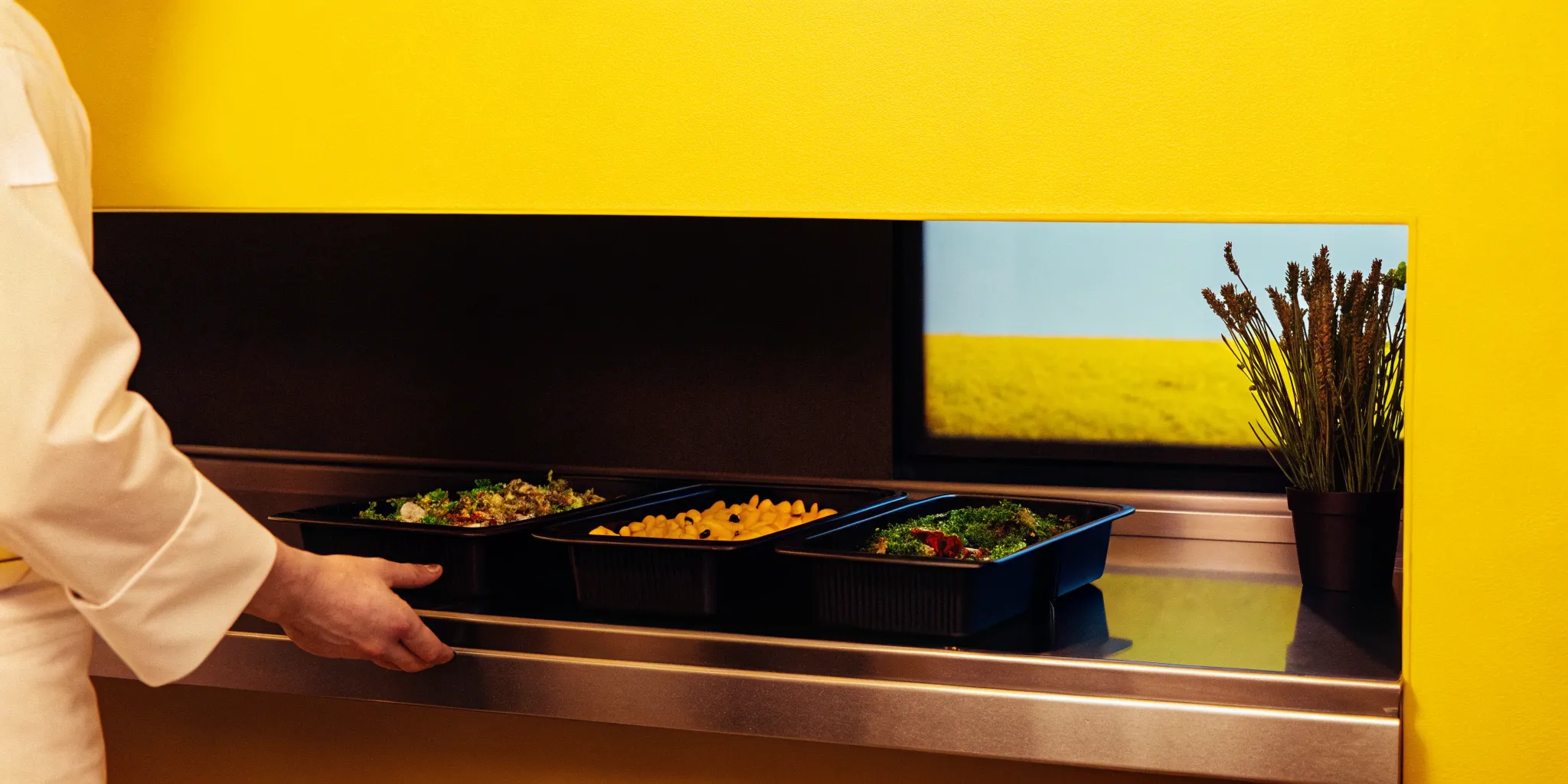
A one-size-fits-all approach to patient meals is a primary driver of plate waste. When patients are served portions that don’t match their appetite, uneaten food is an inevitable result. Empowering patients with more control over their meals can dramatically reduce this waste. Consider implementing flexible portion sizes, allowing patients to choose between small, regular, or large options. Another highly effective model is on-demand room service, which lets patients order what they want, when they want it. This not only ensures they receive a meal they are more likely to eat but also greatly improves their overall dining experience and satisfaction.
Train and Engage Your Staff
Your zero-waste goals are only achievable with the full support of your team. Your kitchen and service staff are on the front lines, and their buy-in is essential for any new initiative to succeed. Start by clearly communicating the reasons behind the changes and how they will contribute to a more sustainable and efficient operation. Involve them in the process by asking for their ideas and feedback on new procedures. Providing training on different skills, like precise portioning or new waste-sorting protocols, helps them feel more confident and involved. When your staff understands the mission and feels like a valued part of the solution, you build a strong culture of sustainability.
The Role of Technology in Reducing Waste
Technology offers some of the most effective tools for getting a handle on food waste. Instead of relying on guesswork and manual tracking, you can use specialized software to see exactly where waste is happening and why. This data-driven approach takes the emotion out of decision-making and gives your team a clear path to reducing waste. From simple tracking apps to sophisticated AI, these tools integrate into your daily operations, making it easier for your staff to contribute to your sustainability goals without adding a heavy administrative burden. By digitizing your waste management, you create a system of record that provides clear, actionable insights. This not only helps you pinpoint inefficiencies in your kitchen but also builds a strong business case for further investment in sustainability initiatives. The right technology can transform your waste reduction efforts from a series of one-off projects into a continuous, measurable part of your operational strategy, ultimately saving you money and improving your environmental footprint. It empowers your team with the information they need to make smarter choices every day, from purchasing and prep to menu planning.
Use Digital Tools to Track Waste
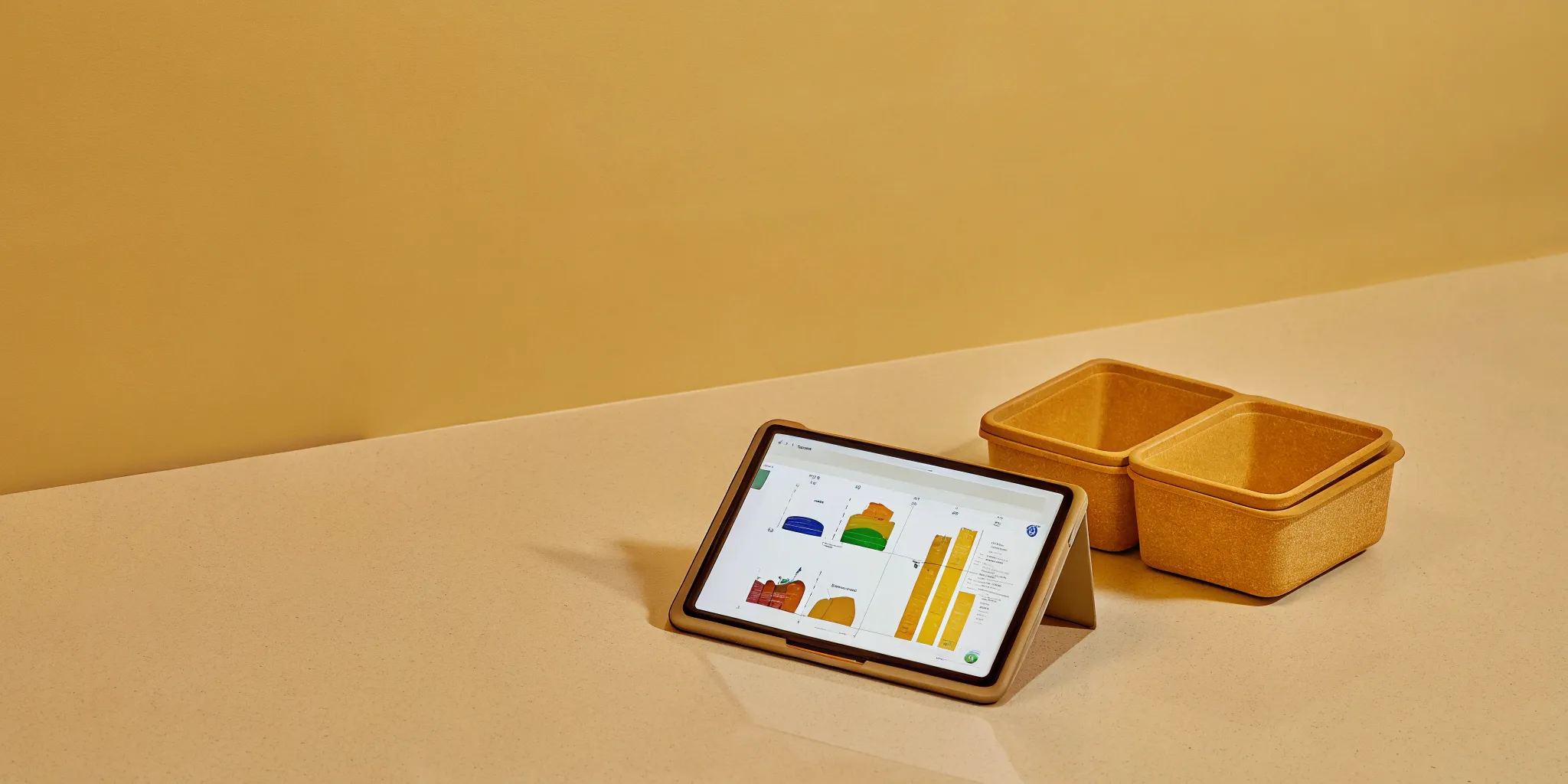
You can't fix a problem you can't see. The first step in any waste reduction strategy is to understand the scope of the issue. Digital tools make this process straightforward. Using a simple tablet or device, kitchen staff can quickly track and record food waste, noting the type, amount, and reason for disposal. Was it spoilage from over-purchasing? Plate waste from unpopular menu items? This detailed data gives you a clear picture of your waste hotspots, allowing you to make targeted changes to your purchasing, menu planning, and production processes for the biggest impact.
Leverage AI for Smarter Forecasting
Once you have good data, you can start making smarter predictions. This is where artificial intelligence (AI) comes in. AI-powered platforms can analyze your historical data, patient ordering patterns, and even menu management information to improve forecasting with incredible accuracy. By anticipating demand more effectively, you can significantly reduce overproduction, one of the largest sources of kitchen waste. This means you’re preparing just the right amount of food, cutting down on costs associated with excess ingredients and labor while still ensuring patients get the meals they want.
Automate Your Measurement and Reporting
To make waste reduction a sustainable practice, the process needs to be as seamless as possible for your team. Automating measurement and reporting is key. Modern online meal ordering solutions and point-of-sale (POS) systems can capture valuable data automatically, from patient meal choices to real-time consumption rates. This information feeds directly into dashboards that give you an at-a-glance view of your operations. With real-time data, you can spot trends as they happen and make immediate adjustments, rather than waiting for weekly or monthly reports to find out what went wrong.
How Reusable Packaging Transforms Hospital Dining
Tackling waste from single-use containers is one of the most direct ways to make a significant impact on your hospital's sustainability goals and budget. Shifting to a reusable packaging system does more than just reduce trash; it fundamentally changes your dining operations for the better. Instead of a linear model of buy, use, and toss, you create a circular system that saves money, streamlines inventory, and offers a higher-quality experience for patients and staff.
Modern reuse systems are built with the unique demands of a healthcare environment in mind. They are tech-forward, easy for staff to manage, and simple for diners to use. By pairing durable containers with smart tracking technology, you can maintain high standards of hygiene and accountability without adding a heavy operational lift for your team. This approach allows you to meet zero-waste targets while also cutting the recurring, and rising, costs of disposable packaging. It’s a practical strategy that delivers financial, environmental, and experiential benefits all at once, making it a cornerstone of any effective zero-waste initiative.
Moving Beyond Single-Use Containers
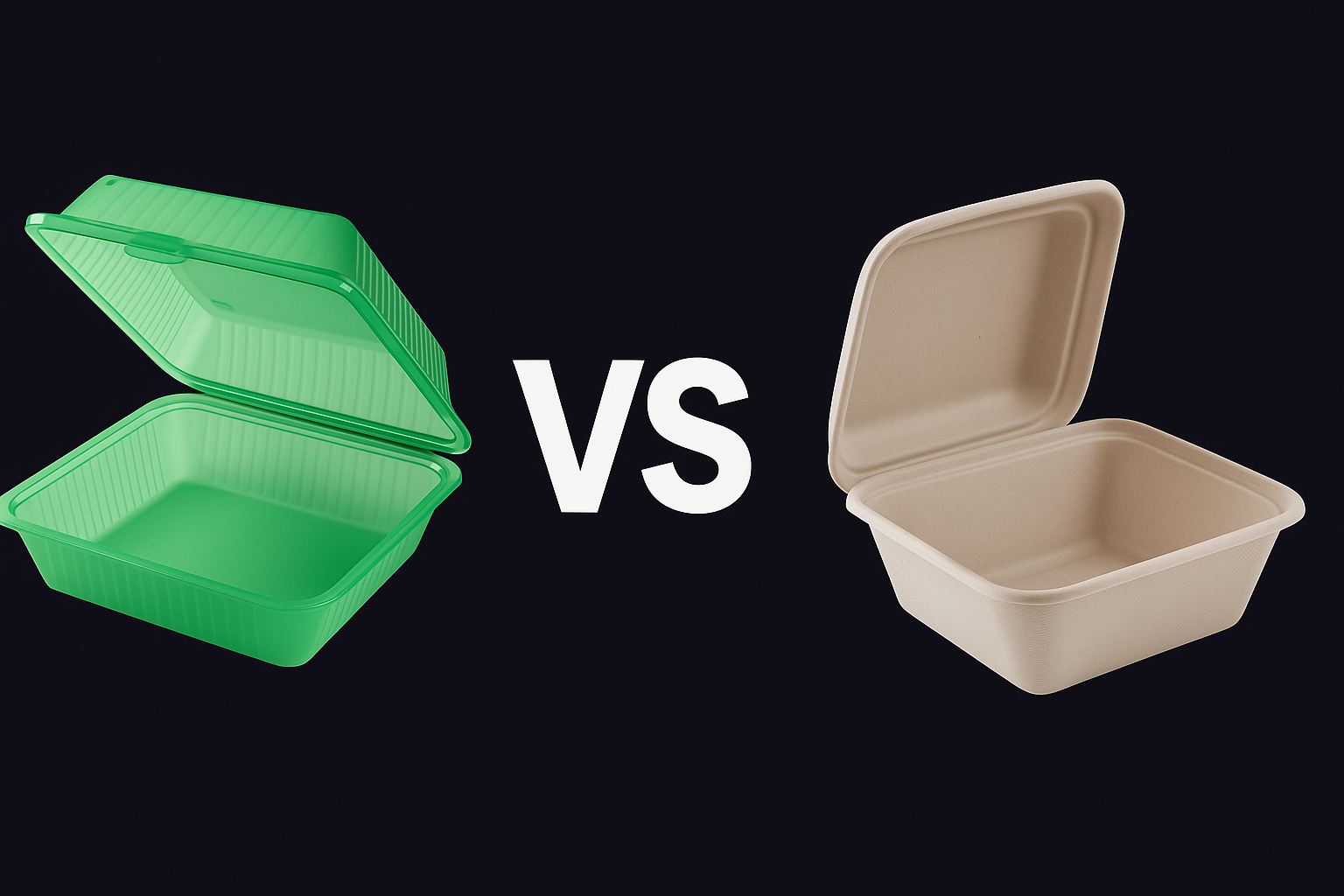
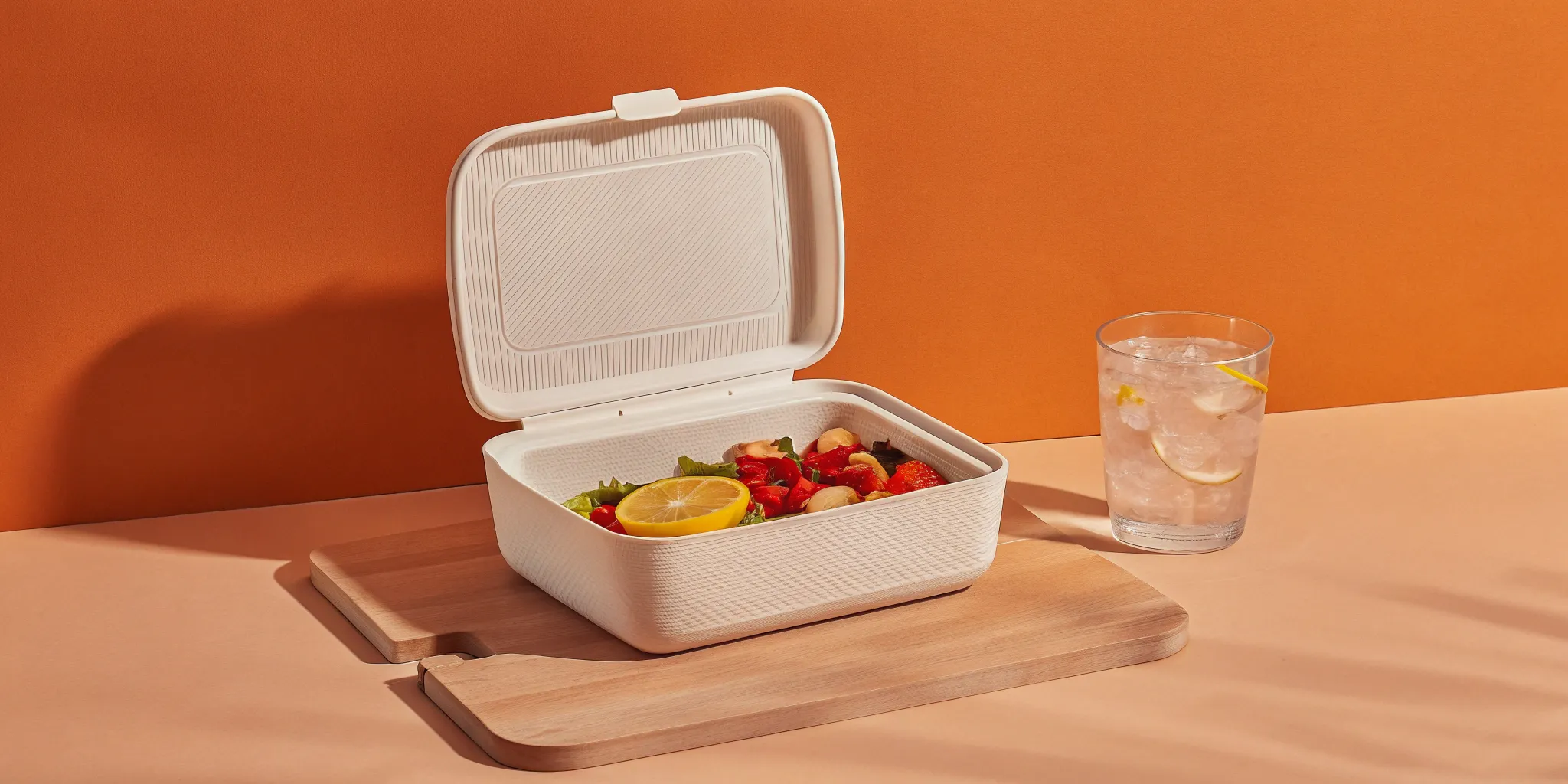
The first step in transforming your dining program is to replace disposable containers with a durable, reusable alternative. Single-use packaging is a constant drain on your budget, with costs that have risen dramatically in recent years. It also contributes significantly to your facility's waste stream. By moving to reusables, you invest in a long-term asset rather than a recurring expense. This shift not only supports your sustainability goals but also improves the dining experience. Serving meals in sturdy, high-quality containers feels more dignified for patients and more premium for staff, reflecting the level of care your hospital provides. Modern systems offer a variety of container options, from stainless steel to durable plastics, that are designed for commercial dishwashing and repeated use.
Implement Smart Reusables with Automated Tracking
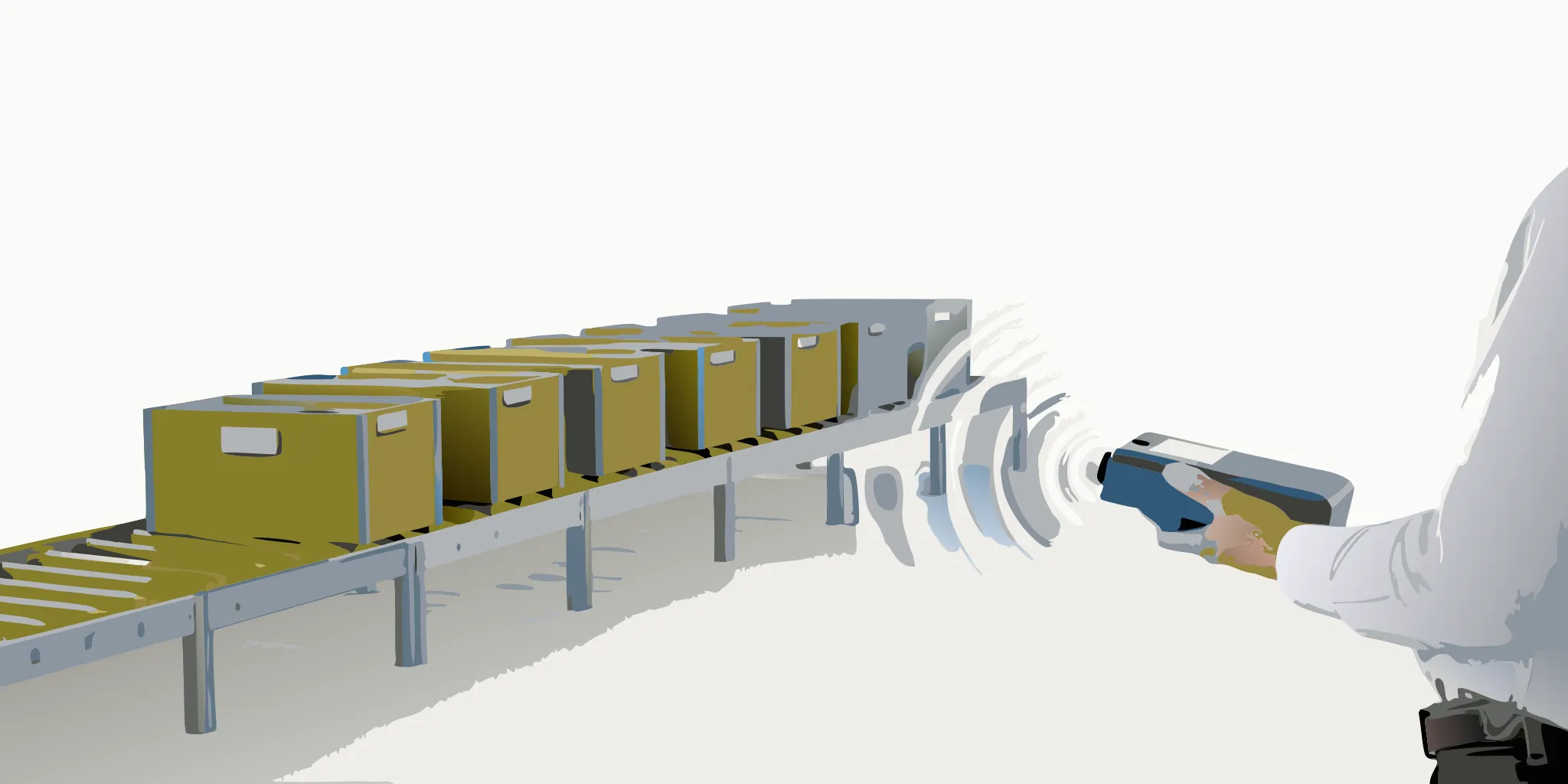
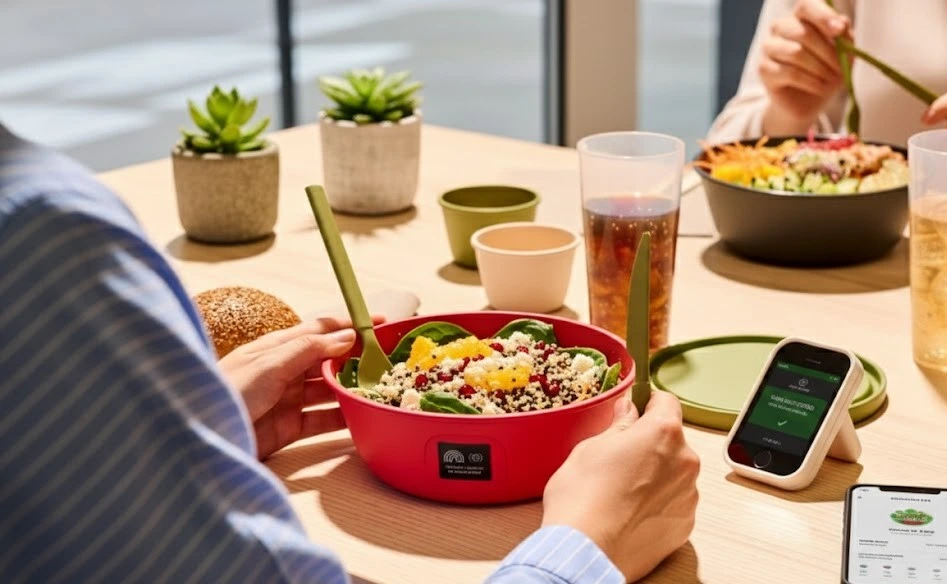
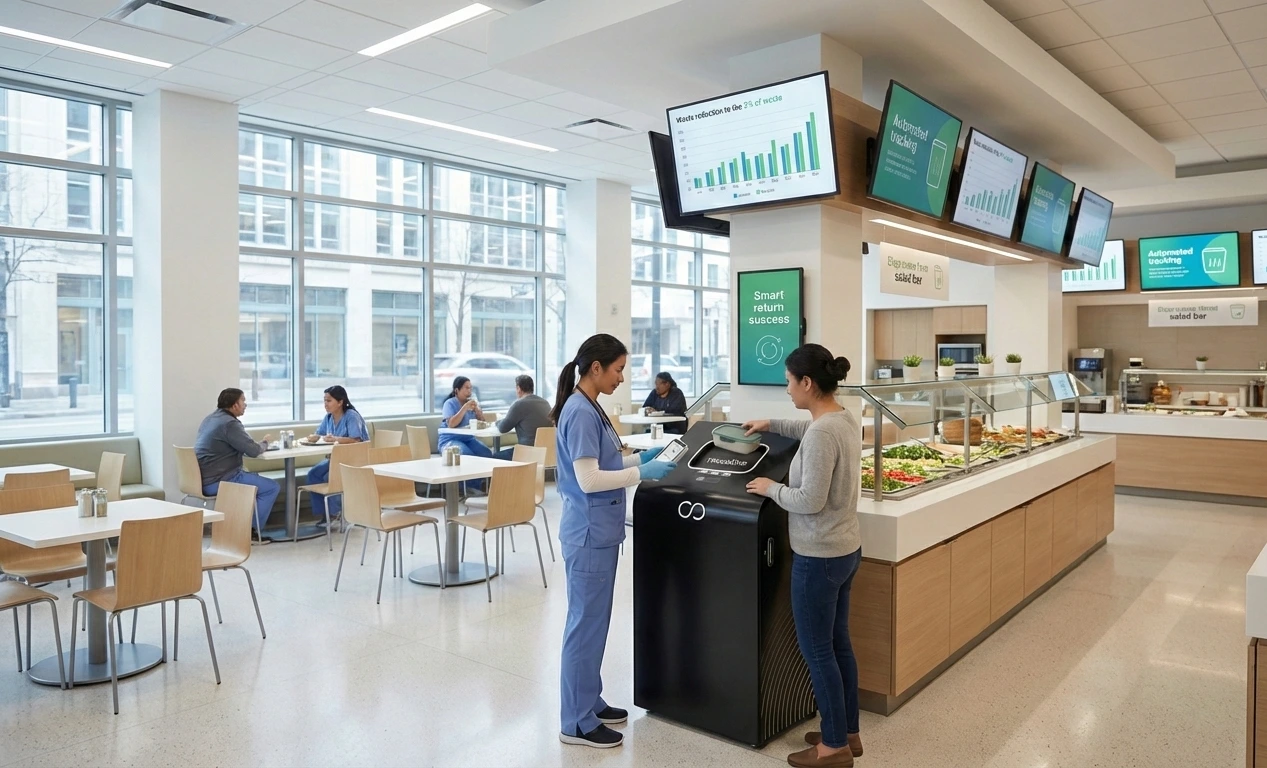
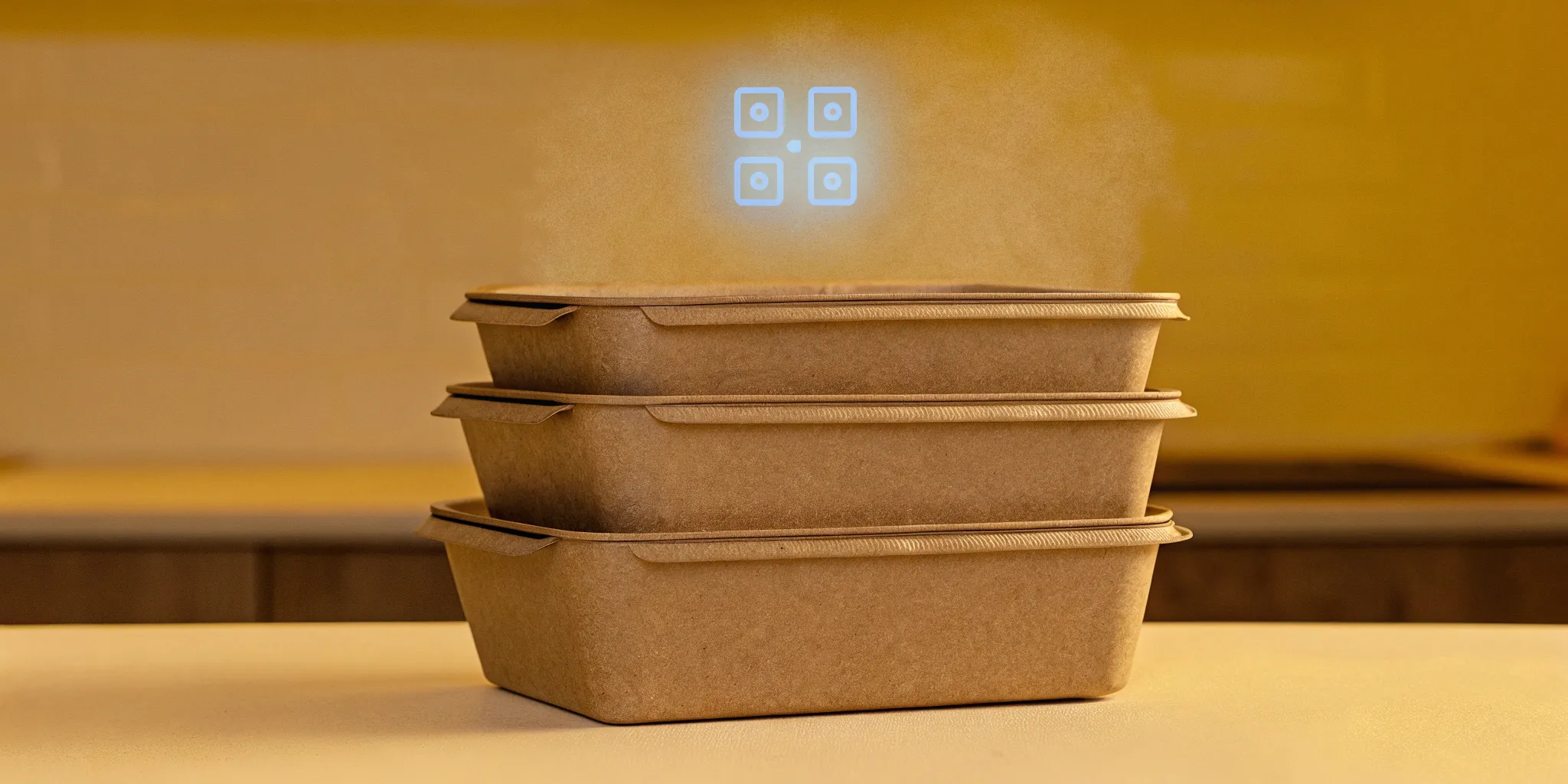
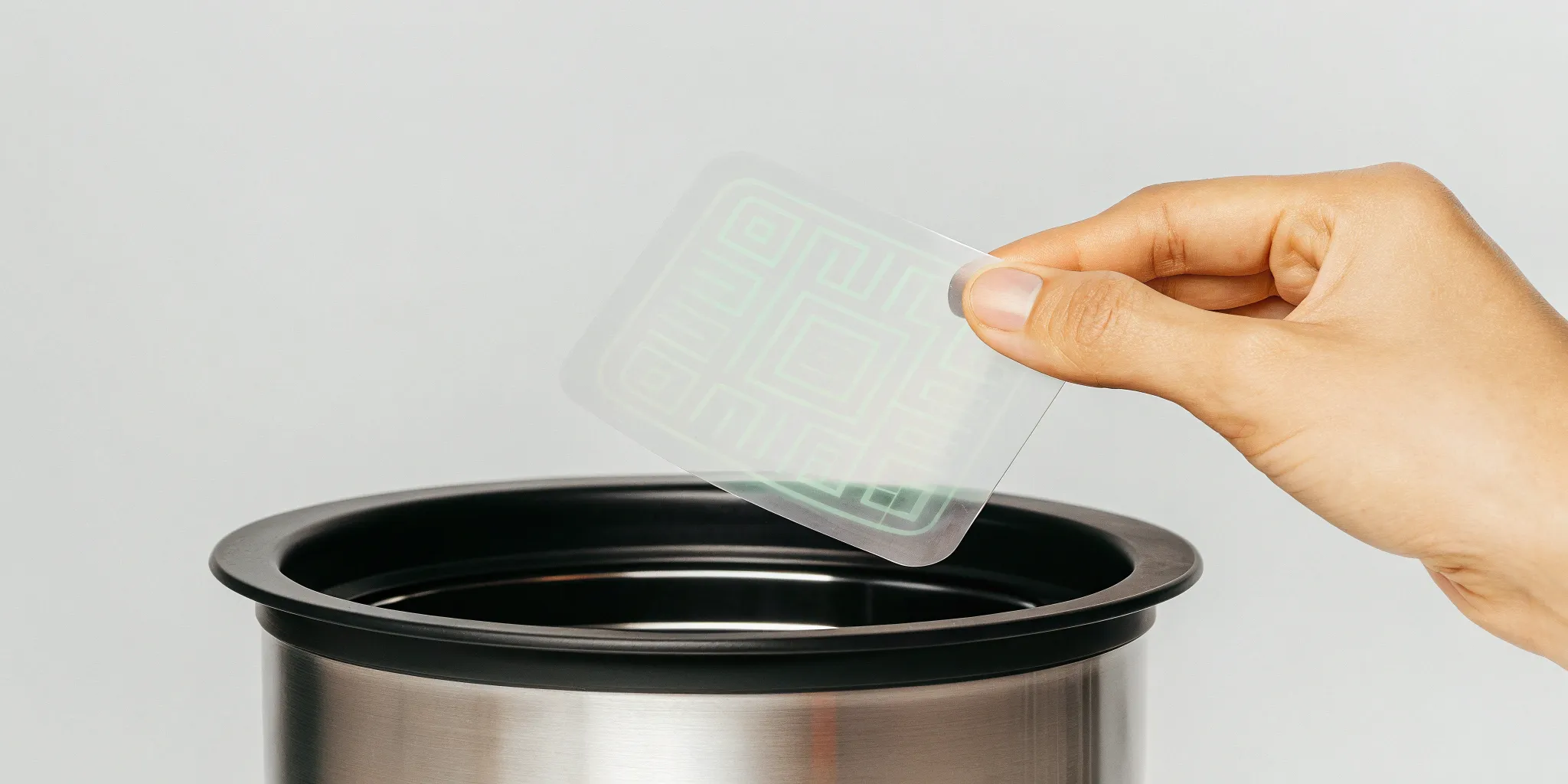
A successful reuse program hinges on getting your containers back. This is where technology makes all the difference. Smart reusable systems use unique QR codes or RFID tags on every container, creating a closed-loop system with built-in accountability. When a staff member or patient checks out a container, it’s scanned and linked to their account. This automated process encourages timely returns and helps you achieve return rates of 99% or higher. Just as some healthcare systems use technology to track and record food waste, this same principle can be applied to your packaging inventory. This digital tracking gives you real-time data on container usage and location, eliminating the guesswork and preventing inventory loss without adding manual work for your team.
Integrate Reusables into Your Current Workflow
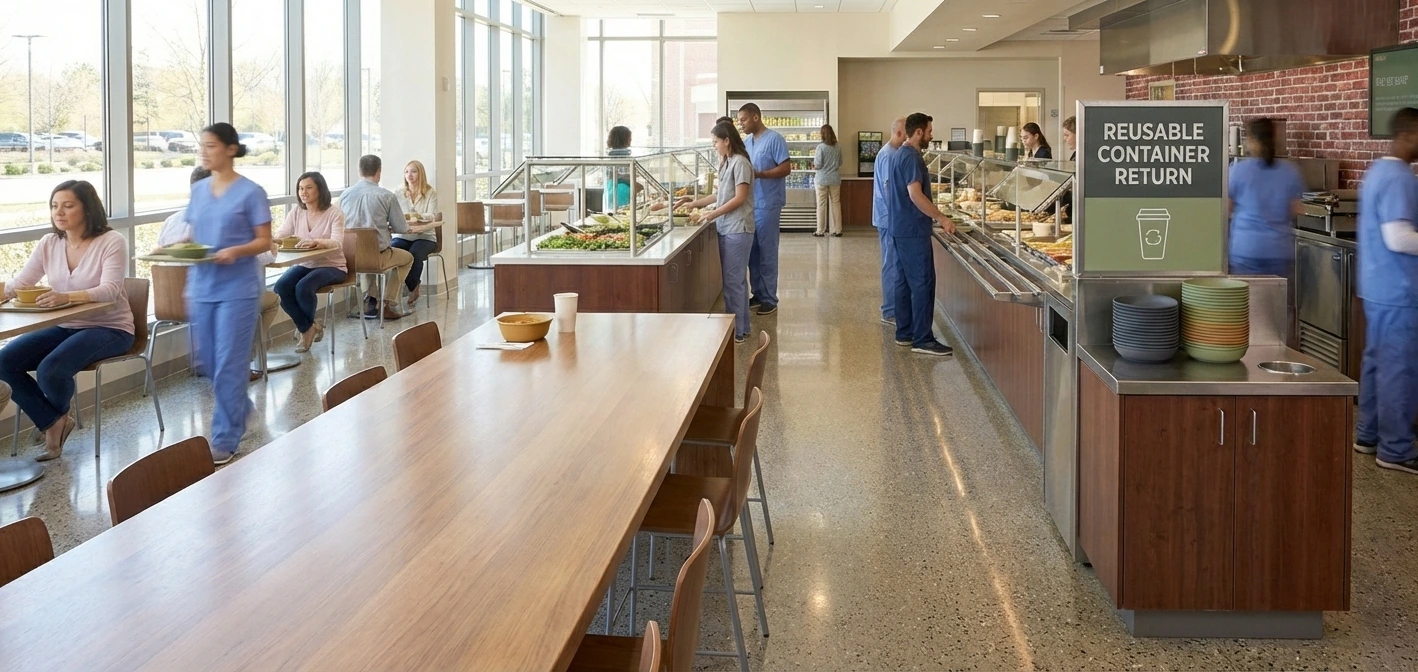
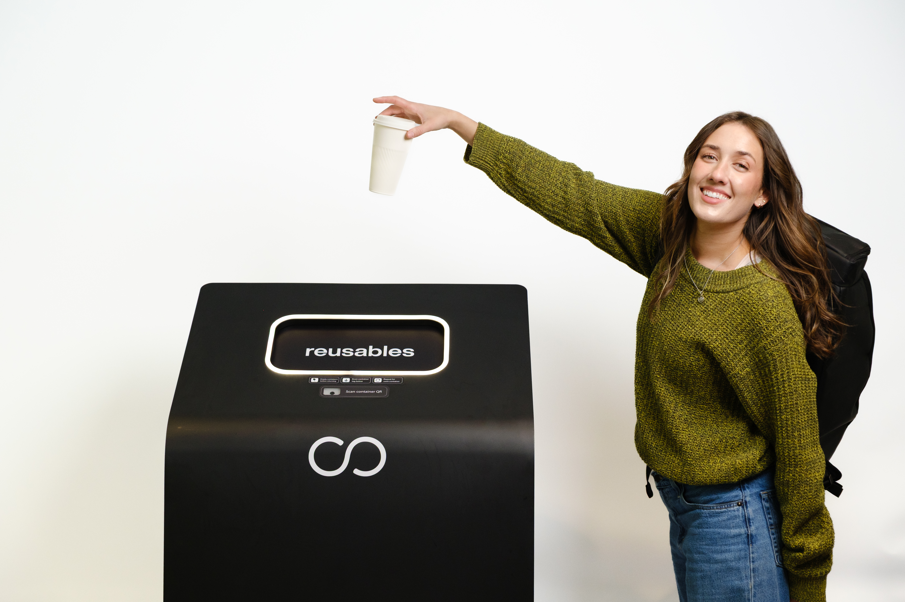
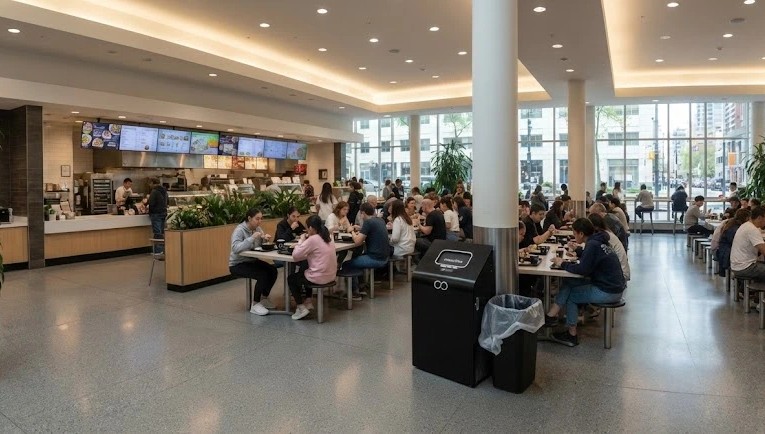
Adopting a new system shouldn't mean overhauling your entire operation. The best reusable packaging solutions are designed to fit right into your existing workflow. Look for a platform that integrates with your current point-of-sale (POS), hospital ID card, or payment systems. This makes the checkout process seamless for both cashiers and diners. For returns, strategically placed smart bins and scan stations make it easy for people to drop off used containers 24/7. This level of integration is key to making reuse the default, easy choice. As seen in other sectors, partnerships between reusable packaging platforms and existing service providers are crucial for creating a frictionless user experience that drives adoption and success.
The Financial Benefits of Going Zero-Waste
Adopting a zero-waste strategy is more than just an environmental initiative; it’s a powerful financial decision that directly impacts your bottom line. By rethinking how you manage resources, you can uncover significant savings that were previously lost to the landfill. This approach transforms your dining services from a cost center for waste into a model of efficiency. Instead of spending money on items that get thrown away, you invest in a system that pays for itself over time.
The financial case for zero waste is clear and compelling. It allows you to redirect funds from disposable inventory and waste hauling fees toward enhancing the patient dining experience, upgrading kitchen equipment, or investing in staff development. With the right systems in place, you can achieve impressive return rates on reusable containers, ensuring your initial investment continues to provide value. Let’s look at the specific ways a zero-waste program can strengthen your budget.
Cut Costs on Packaging and Supplies
Single-use packaging is a significant and recurring expense. With the cost of disposable containers and cutlery constantly rising, this budget line item can quickly become unmanageable. A zero-waste program built on reusable containers eliminates this dependency. By switching to a durable, reusable inventory, you stop the cycle of buying and discarding. This move provides immediate relief from volatile supply chain costs and reduces the administrative work of constantly reordering disposables. Our solutions for businesses are designed to replace this operational drain with a streamlined, cost-effective system.
Lower Your Waste Disposal Fees
Less waste means lower disposal costs. It’s that simple. Every single-use container, utensil, and napkin you eliminate is one less item you have to pay to have hauled away. These savings add up quickly, especially across a large hospital campus. For example, a typical 200-bed community hospital can save around $7,800 annually just by reducing its food waste. When you combine food waste reduction with the elimination of disposable packaging, the impact on your waste management budget is substantial. This allows you to reallocate funds to more productive areas of your dining program.
Achieve Long-Term Operational Savings
The financial advantages of a zero-waste system extend far beyond initial cost-cutting. Implementing a tech-enabled reuse program creates lasting operational efficiencies. With automated tracking, you gain clear insights into container usage, return rates, and inventory levels, which helps you optimize your operations and prevent loss. Some programs have successfully cut their food waste by as much as 50 percent by using data to inform their decisions. This creates a sustainable financial model where you continuously refine your processes, reduce waste, and improve your budget’s health year after year. You can learn more about how we build these systems by reading about Reusables.
Engage Your Community with Zero-Waste Initiatives
Your zero-waste strategy is more than just an operational shift; it’s a story that can bring your entire hospital community together. When you extend your efforts beyond the kitchen, you build a powerful culture of sustainability that resonates with staff, patients, and visitors alike. These initiatives demonstrate a commitment to community well-being that goes far beyond healthcare, strengthening your hospital's reputation as a responsible and forward-thinking institution. By involving everyone, you create a sense of shared ownership and pride in your hospital's environmental goals.
Engaging your community turns a behind-the-scenes goal into a shared mission. By making your sustainability efforts visible and accessible, you invite everyone to be part of the solution. This not only improves the effectiveness of your program but also creates a more positive and purpose-driven environment for everyone who walks through your doors. From partnering with local organizations to educating patients, community engagement is key to making your zero-waste vision a reality. It’s about creating a ripple effect that inspires action and reinforces your hospital’s role as a true community leader.
Partner with Food Recovery Programs
One of the most impactful ways to reduce waste is to ensure that surplus food reaches people, not landfills. By partnering with local food banks or recovery organizations, you can create a system for getting safe, unserved food to those in need. This approach directly tackles food insecurity in your area while cutting down on your disposal volume. For example, some healthcare systems have found success by creating programs focused on donating extra food that would otherwise be thrown away. It’s a clear win for both your community and your sustainability goals.
Collaborate on Local Composting
After you’ve reduced and recovered as much food as possible, you’ll still have unavoidable scraps like vegetable peels and coffee grounds. A strong composting program can transform this organic material from waste into a valuable resource. Look for local municipal or private composting facilities that can process your food scraps. This partnership diverts a significant amount of weight from your waste stream, which can lower your disposal fees and reduce landfill emissions. It’s a practical next step that closes the loop on your food cycle.
Educate Patients and Visitors
For your zero-waste initiatives to truly succeed, everyone needs to be on board. Education is essential for building a culture of sustainability throughout the hospital. Use clear signage, tray-liners, and digital displays to explain how patients and visitors can participate, whether it’s sorting their waste correctly or using reusable containers. You can also leverage national events like Stop Food Waste Day to raise awareness among patients and visitors and share the positive impact of your programs. When people understand the "why" behind your efforts, they are much more likely to become enthusiastic participants.
Common Challenges to Implementing Zero-Waste Dining
Making the switch to a zero-waste dining program is an exciting goal, but it’s not without its hurdles. Many directors face similar challenges that can make the transition feel complex. From navigating strict regulations to getting your team on board and working within your current operational footprint, these are valid concerns. But they aren't roadblocks. By understanding these common challenges, you can create a clear plan to address them and ensure your sustainability initiative is a success from day one.
Addressing Food Safety and Regulations
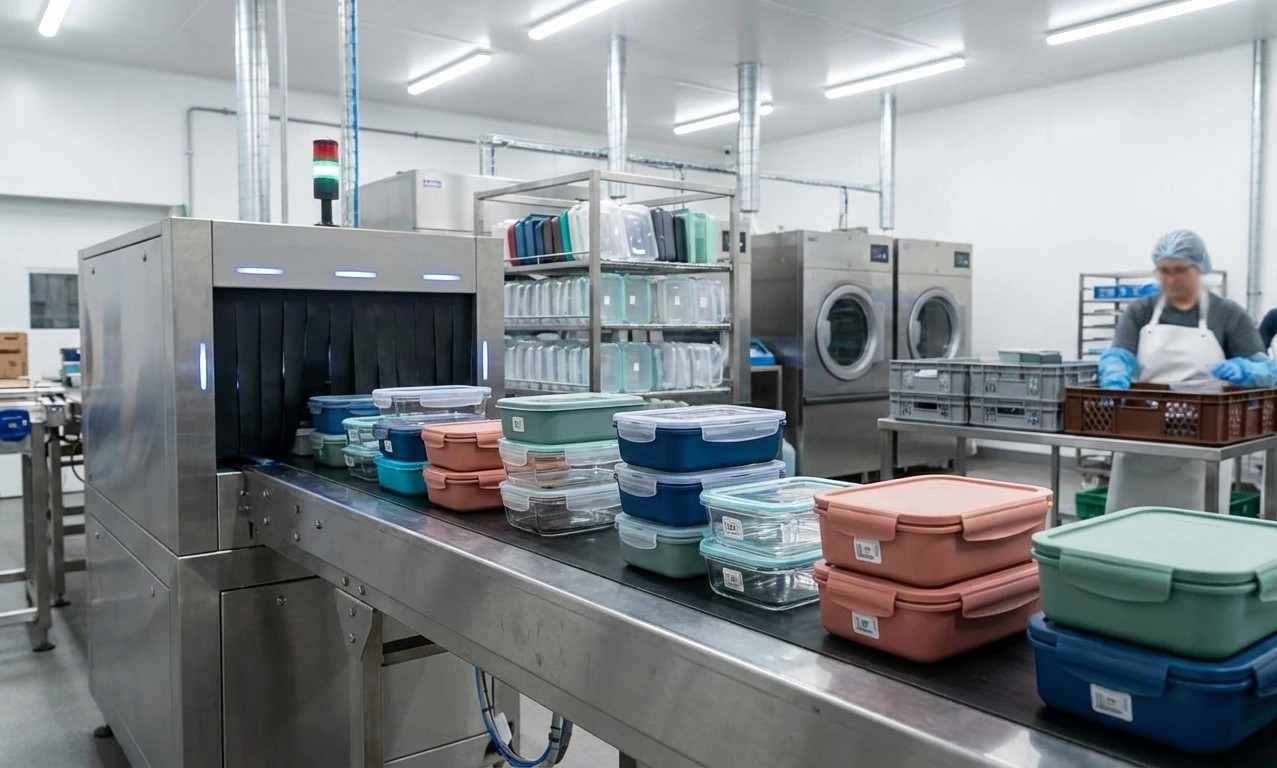
Let's be clear: food safety is non-negotiable. It’s understandable why strict health regulations can make zero-waste initiatives seem daunting, as single-use packaging has long been the default for hygiene. However, today’s reusable systems are built to meet these exact standards. With a professionally managed program and commercial-grade sanitation, reusable containers are just as safe as any other dish in your kitchen. The key is having a closed-loop system that ensures proper handling and sanitization, so every container is perfectly clean for its next use.
Overcoming Staff Resistance
Your team is on the front lines, so any change to their workflow needs to make sense for them. Resistance often stems from a fear that new processes will add more work to their busy schedules. The best way to get your team on board is to choose a system that simplifies their jobs. Look for solutions with automated tracking and return stations. When staff don't have to manually count containers or chase down fees, they can focus on providing great service. Clear communication and training are crucial for a smooth transition.
Working with Your Existing Infrastructure
You’ve already invested in your infrastructure, from the dish room to payment systems, and a zero-waste program shouldn't require a complete overhaul. Start by understanding what you're working with. A simple waste audit can reveal your biggest sources of single-use waste, showing you where to focus. From there, find a reuse platform that integrates with your current operations. The right technology can work with your existing campus card and POS systems, and flexible return options can fit into the spaces you already have. The goal is to enhance your workflow, not disrupt it.
How to Measure Your Zero-Waste Progress
You can’t improve what you don’t measure. Shifting to a zero-waste dining model is a significant operational change, and tracking your progress is the only way to know if your efforts are paying off. Measurement helps you demonstrate ROI, keep your team motivated, and make data-driven decisions to refine your strategy. By establishing clear metrics from the start, you create a roadmap for success and turn ambitious goals into achievable outcomes. It transforms "sustainability" into concrete numbers that show real-world impact on your budget and the environment.
Start with a Baseline Waste Audit
Before you can chart your path forward, you need to know exactly where you’re starting. A baseline waste audit is your first essential step. Conducting a waste audit is essential to understanding the current state of food and packaging waste in your hospital. This process involves getting a hands-on look at what’s ending up in your trash and recycling bins. You can start by separating and weighing waste from key areas like the kitchen and cafeteria over a set period, like one week. This gives you a clear snapshot of what’s being thrown away and where it’s coming from. This data is your foundation for setting meaningful goals.
Set Realistic Goals and Milestones
Once you have your baseline data, you can set clear targets for improvement. Vague ambitions won’t get you far, so it’s important to establish clear and achievable goals. For example, a specific goal could be to "reduce kitchen pre-consumer food waste by 25% in six months" or "divert 50% of cafeteria waste from landfill by the end of the year." Breaking down your long-term vision into smaller, time-bound milestones makes the process feel more manageable and creates opportunities to celebrate wins along the way. These focused goals provide a clear direction for your team.
Use Real-Time Monitoring to Stay on Track
A one-time audit is a great start, but continuous monitoring drives lasting change. Modern kitchens use technology to make this easier than ever. Some systems use tablets and analytics to track food waste types and amounts in real time. This ongoing data collection is crucial for staying on track with your waste reduction goals, allowing you to spot trends and adjust quickly. Similarly, a tech-enabled system like Reusables.com provides a robust dashboard with live data on container return rates, usage, and environmental impact, giving you the operational visibility you need to manage your reusable inventory effectively.
Related Articles
Frequently Asked Questions
This all sounds great, but where do I even begin with a zero-waste initiative? The best place to start is with a simple waste audit. Before you make any changes, you need a clear picture of what’s actually being thrown away in your facility. Spending a few days tracking and weighing the waste from your kitchen and dining areas will show you exactly where your biggest opportunities are, whether it's uneaten patient meals or single-use coffee cups from the cafeteria. This data gives you a solid foundation to build a targeted, effective plan.
How can I be sure that reusable containers meet our hospital's strict hygiene and safety standards? This is a critical question, and the answer is that modern reuse systems are designed specifically for environments with high safety standards. The containers are made from durable, commercial-grade materials built for high-temperature sanitization. A professionally managed program ensures that every container goes through a rigorous cleaning process, just like any other dishware in your kitchen, making them perfectly safe and ready for the next use.
My staff is already stretched thin. How can I implement this without adding more work for them? A well-designed reuse program should actually make your team's job easier, not harder. The key is to use technology that automates the manual work. With systems that have smart tracking and integrated return stations, your staff won't have to count containers, manage deposits, or chase down late fees. The technology handles the accountability, so your team can stay focused on preparing food and serving patients.
What kind of financial savings can I realistically expect, and how quickly? The most immediate financial benefit comes from stopping the constant purchase of disposable containers, which is a significant and rising operational expense. You'll also see a reduction in your waste hauling fees as you send less to the landfill. While the exact savings depend on your facility's size and volume, the goal is to replace a recurring cost with a long-term asset that provides a clear return on investment through these combined savings.
How do you prevent containers from getting lost or taken home by staff and visitors? Accountability is built directly into the system. Each container has a unique code that gets scanned and linked to a person’s account when they check it out, much like a library book. This simple step, combined with automated reminders, creates a strong incentive for people to return containers on time. It’s this seamless tracking that allows programs to achieve return rates of 99% or higher, ensuring your inventory stays intact.
Other stories you may find interesting
























.webp)
.webp)










.webp)
































Watch the Webinar
Learn How to Eliminate Single-Use Waste
Get instant access to our expert webinar and discover how leading institutions reach 99% return rates through smarter reuse systems.

© Reusables™. All rights reserved.