
7 Steps to Sustainable Dining for Universities

March 4, 2026
Let's be honest: managing the sheer volume of single-use packaging is a daily operational challenge. From overflowing bins to the constant need to reorder supplies, it’s a logistical headache that consumes staff time and resources. What if you could design most of that waste out of your system entirely? This is the practical promise of sustainable dining for universities. It’s not about adding more tasks to your team’s plate. It’s about implementing smarter, tech-enabled systems that reduce clutter, streamline workflows, and create a cleaner campus environment for everyone. It’s a strategic move toward a more efficient, less stressful operation.
Key Takeaways
- Frame sustainability as a financial win: Address the rising cost of disposables by investing in a reusable container system. This approach shifts spending from a recurring expense to a long-term asset, directly improving your department's bottom line.
- Make reuse the easiest option on campus: A program's success depends on high return rates, which you can achieve by removing all friction for students. Use technology like app-free checkouts and accessible smart bins to make participation seamless and intuitive.
- Build a culture of reuse with data: Get students excited by using gamification, clear communication, and peer-to-peer advocacy. Back up your efforts with a system that provides real-time data, allowing you to track progress, demonstrate your impact, and share compelling success stories.
What is Sustainable Dining (And Why Should Your Campus Care)?
Sustainability is no longer a fringe topic on college campuses. It’s a core expectation from students, a point of pride for faculty, and a critical component of a modern, efficient dining operation. For dining directors, building a sustainable program is about more than just meeting environmental goals. It’s about creating a better student experience, reducing operational headaches, and making smart financial decisions that benefit your entire department.
But what does "sustainable dining" actually look like in practice? It’s a holistic approach that touches every part of your service, from the food you source to the containers you serve it in. Understanding the key pillars of sustainability will show you why it’s not just the right thing to do, but also the smart thing to do for your campus. It’s about tackling the environmental cost of traditional dining while uncovering significant savings for your budget.
Defining Sustainable Dining on Campus
Sustainable dining goes far beyond placing a few recycling bins in the corner of the cafeteria. Think of it as a complete operational mindset. Experts note that effective sustainable dining projects seek to improve efficiency and reduce environmental impact across the board. This includes everything from creating a robust composting system and sourcing from local farms to retrofitting kitchen equipment for better energy efficiency.
It also means taking a hard look at your waste streams, especially single-use packaging. A truly sustainable program considers the entire lifecycle of the products it uses, aiming for a circular system where waste is designed out from the beginning. It’s a comprehensive strategy for running a cleaner, leaner, and more responsible dining service.
The Environmental Toll of Traditional Dining
The numbers behind campus waste can be staggering. With millions of students on campuses across the country, the daily impact of traditional dining services adds up quickly. Research shows that universities can generate around 3.6 million tons of food waste annually, with the average student contributing over 100 pounds of that waste each year. Every day, dining halls empty multiple large bins filled with leftover food and disposable packaging.
This waste doesn't just disappear. It ends up in landfills, contributing to greenhouse gas emissions. And that’s before you even consider the mountains of single-use containers, cups, and cutlery that are used for just a few minutes before being thrown away. These items consume resources to produce and create a massive disposal problem, making a clear case for finding better, reusable alternatives.
How Going Green Saves Your Budget
Shifting to sustainable practices isn't just about environmental stewardship; it’s a powerful financial strategy. Every single-use container you don't have to buy and every pound of food waste you avoid is a direct saving for your department. With the cost of disposable packaging rising more than 200% in recent years, reducing your reliance on these items can have a major impact on your bottom line.
As industry leaders have found, there is a huge opportunity for cost savings in the sustainable dining space. By tracking data and focusing on waste reduction, you can clearly demonstrate the financial return on your sustainability initiatives. Investing in systems that reduce waste, like reusable container programs or food pulpers, isn't an expense. It's a smart investment that pays for itself through lower purchasing and disposal costs.
How to Cut Packaging Waste in Your Dining Halls
Let’s be honest, the mountain of single-use containers leaving your dining halls each day is a huge challenge. With the growing popularity of grab-and-go meals, managing packaging waste has become a major operational headache and a significant budget line item. It’s not just an environmental issue; it’s a financial one. Shifting from a disposable model to a reusable one might seem daunting, but it’s one of the most impactful changes you can make for your campus and your bottom line. The key isn’t just swapping out containers; it’s implementing a smart, seamless system that makes reuse the easiest choice for everyone involved. By focusing on the right technology and making the process effortless for students and staff, you can dramatically cut waste, reduce long-term costs, and build a dining program that truly reflects your campus’s sustainability goals. It’s about creating a closed-loop system where convenience and responsibility go hand in hand.
The Rising Costs of Single-Use Packaging
If you’ve been wincing at your recent invoices for disposable containers, you’re not alone. The cost of single-use packaging has skyrocketed, with some reports showing increases of over 200% in just a few years. For many universities, this translates to spending more than $50,000 annually on items that are used once and then thrown away. The pandemic only intensified this issue, as many dining services had to make quick adaptations to COVID-19, leading to an even greater reliance on disposables. This isn't just a minor expense anymore; it's a significant financial drain that directly impacts your ability to invest in other areas of your dining program, from food quality to staff wages.
Introduce a Tech-Powered Reusable System
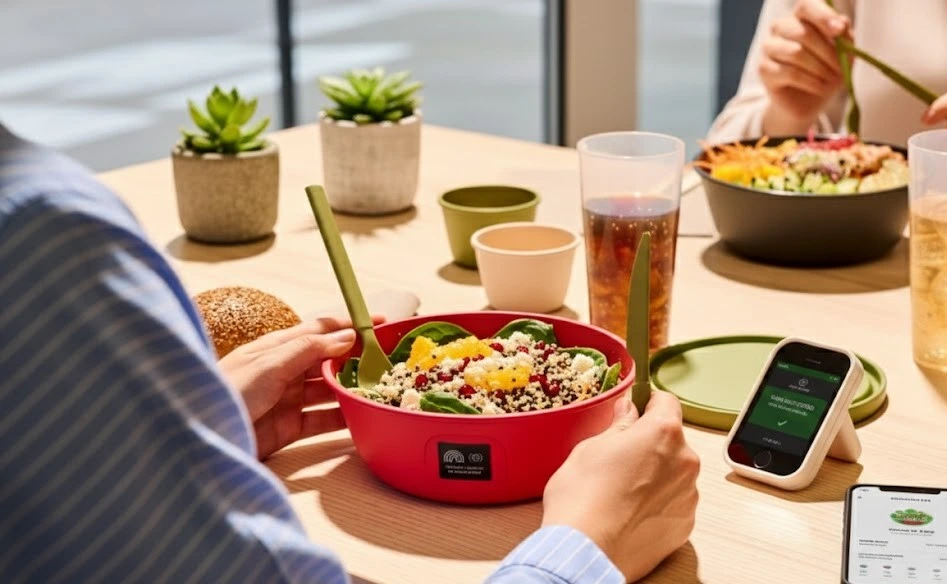
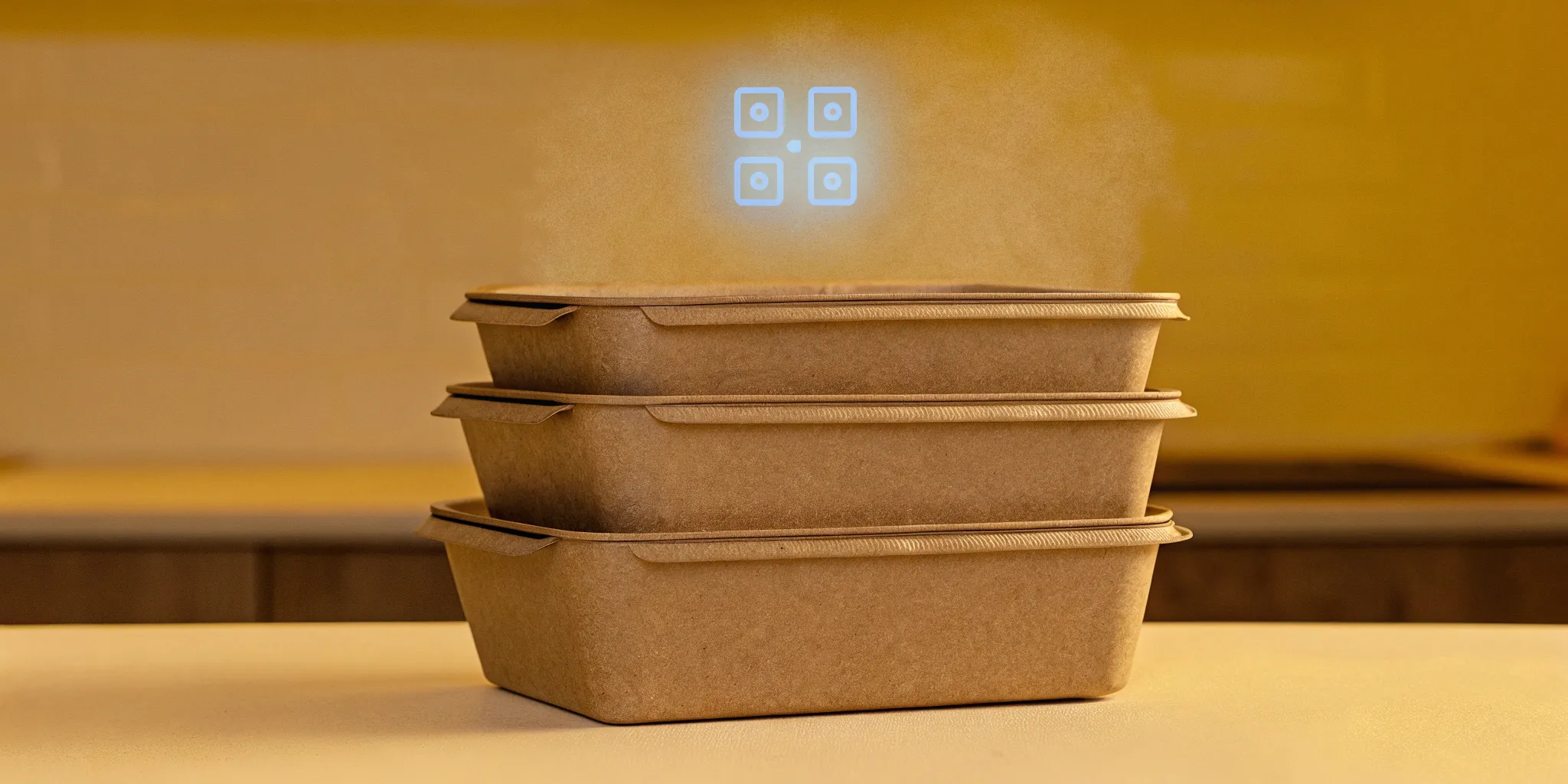
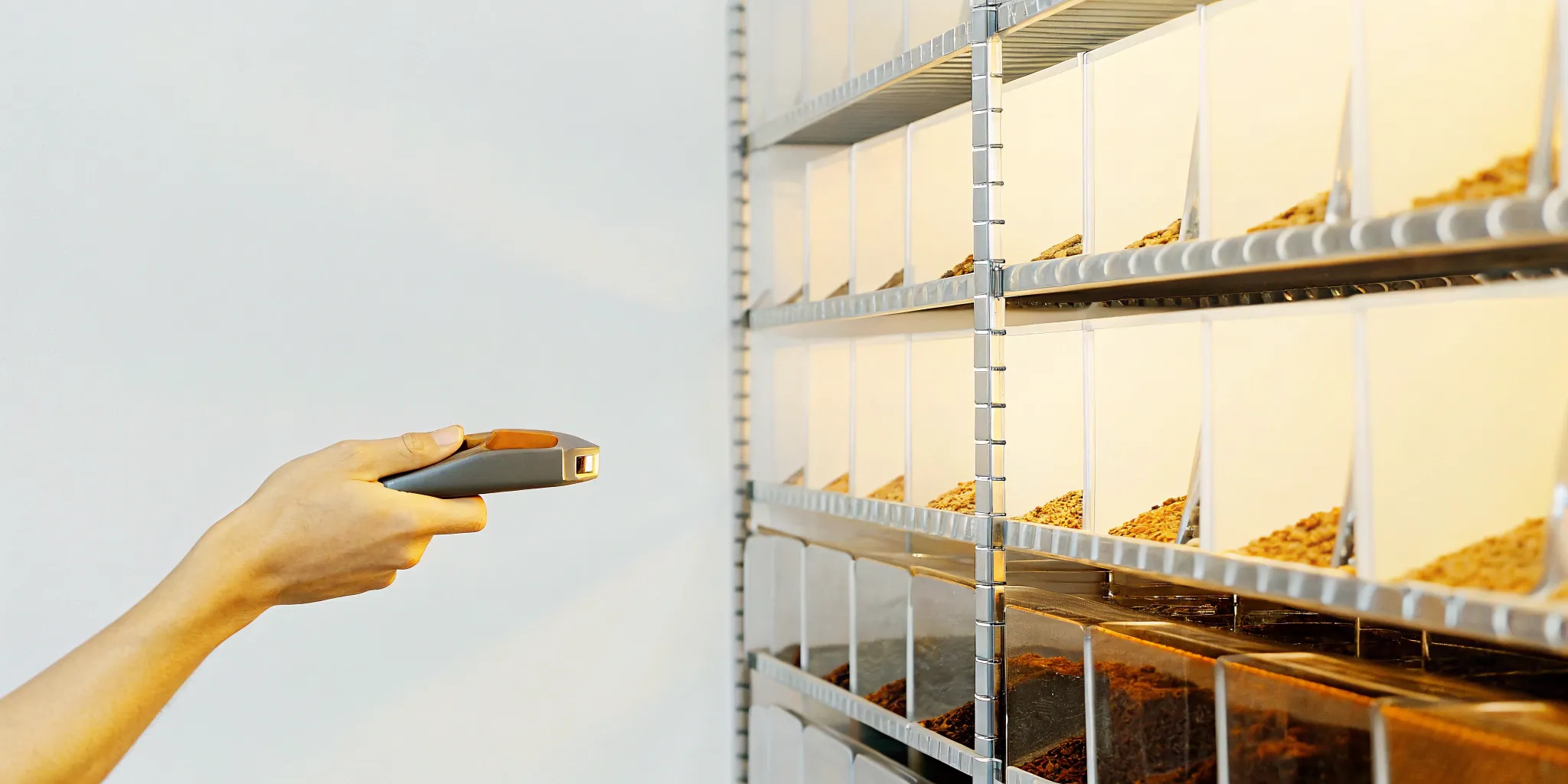
The most effective way to break the cycle of disposable spending is to introduce a tech-powered reusable system. This isn't about simply placing a stack of plastic containers at the counter and hoping for the best. Modern reuse programs use innovative kitchen technology to make the entire process frictionless. Imagine students checking out a container just by tapping their campus card, with no app download required. The system automatically tracks each container through a unique QR or RFID tag, creating accountability without adding work for your staff. By integrating directly with your existing POS and campus card systems, a tech-first approach makes participating in the reuse program as simple as buying a coffee.
Make Returns Easy with Smart Bins and Automated Tracking
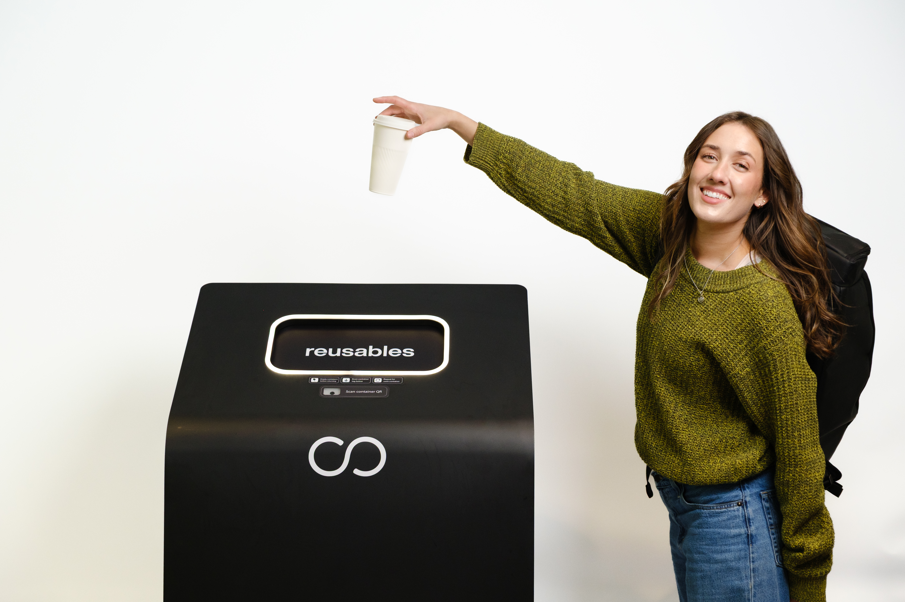
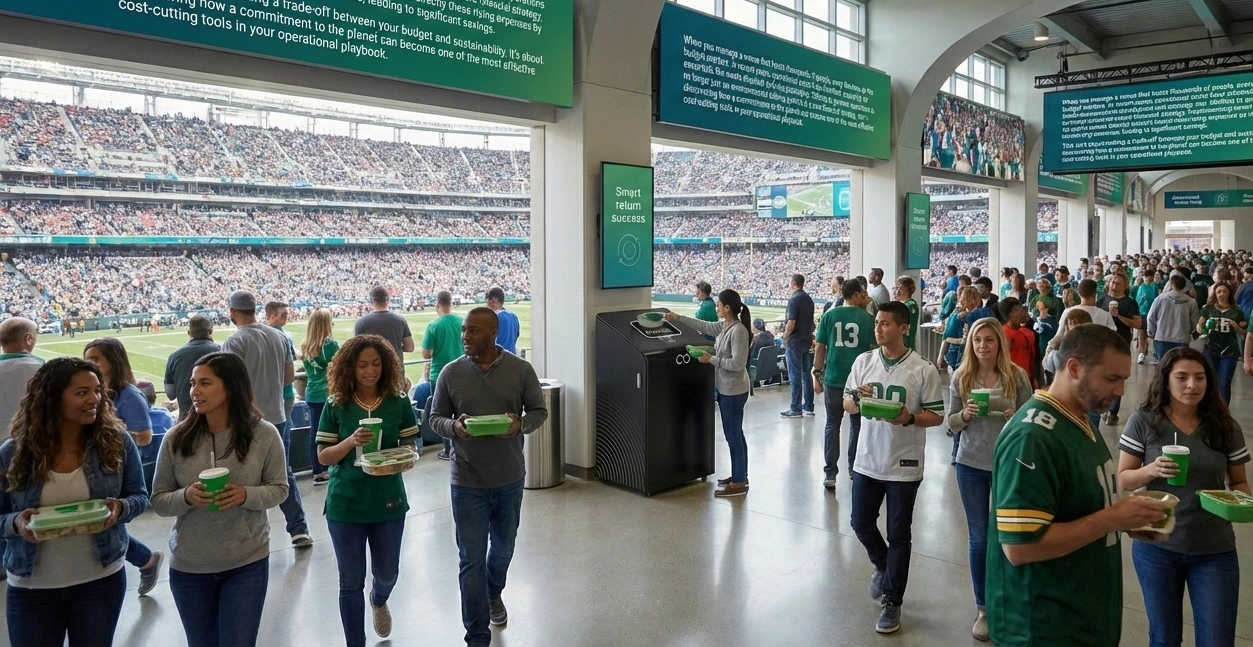
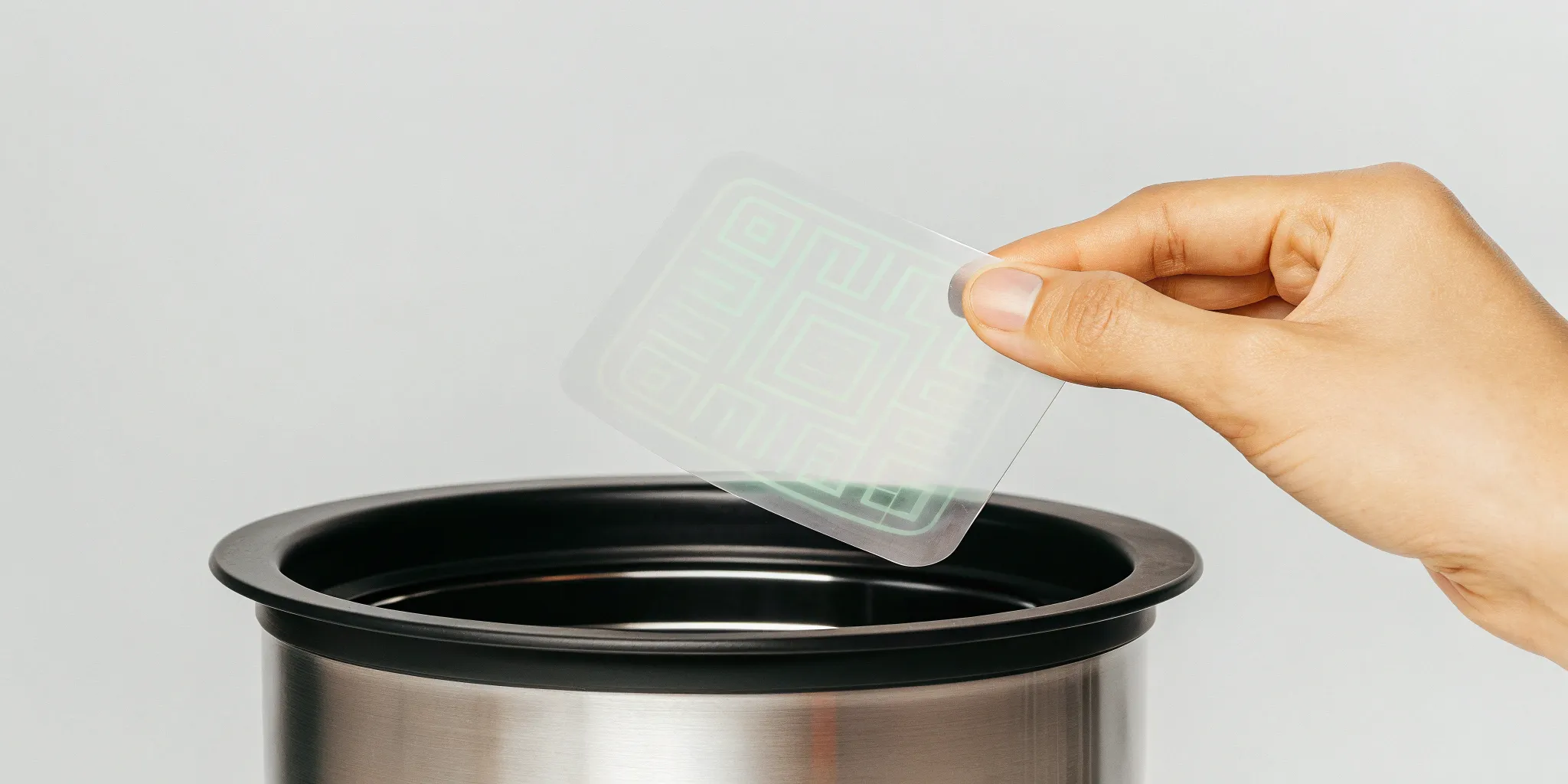
A reusable program is only as good as its return rate. The number one reason old-school programs fail is that returning containers is a hassle. Students are busy, and if the process isn’t incredibly simple, containers end up in dorm rooms or, worse, in the trash. This is where smart return bins and automated tracking change the game. Strategically placed, 24/7 accessible bins allow students to return containers on their own schedule with a quick scan. The system instantly registers the return, freeing the student from any responsibility. This automated accountability is crucial. The system can send gentle reminders and manage refundable late fees without any manual intervention from your team, driving return rates as high as 99%. This ensures your container inventory stays in circulation and your investment is protected.
Smart Strategies for Sustainable Food Sourcing
Once you’ve tackled packaging waste, the next big impact area is the food itself. Shifting your sourcing strategy can dramatically reduce your environmental footprint, support ethical practices, and even improve the quality of the meals you serve. It’s about making conscious choices that align with your campus’s sustainability goals from the farm to the fork. By focusing on where your food comes from and what kind of food you offer, you can create a dining program that truly nourishes both your students and the planet. These strategies don’t have to be complicated, but they do require a thoughtful approach to your supply chain.
Partner with Local Farms for Seasonal Menus
Building relationships with local farms is a powerful way to make your dining program more sustainable. When you source ingredients from nearby, you cut down significantly on transportation emissions, a major contributor to your carbon footprint. This approach also means you’re serving fresher, more nutritious food. As the team at the University of Wisconsin-Madison has shown, partnering with local producers supports the regional economy and allows you to build seasonal menus that are exciting for students. It’s a clear win for everyone involved: students get higher-quality meals, your campus reduces its environmental impact, and you invest directly in your local community.
Expand Your Plant-Based Offerings
You don’t have to eliminate meat from your menus to make a difference. Simply expanding your plant-based options can have a huge impact. Research from institutions like Yale University highlights that plant-forward diets have a much lower climate impact than diets high in meat consumption. By making delicious and creative plant-based dishes a core part of your offerings, you can meet the growing student demand for healthier, more sustainable food choices. This isn't about taking away options; it's about adding appealing new ones that encourage students to eat sustainably without even thinking about it.
Build Relationships with Organic and Fair-Trade Suppliers
Sustainable sourcing goes beyond just environmental impact; it also includes social and ethical responsibility. By choosing to work with suppliers who offer organic and fair-trade products, you support agricultural practices that are better for the earth and promote equity for farmers and workers. Integrating these products into your dining halls sends a strong message about your university's values. Building these supplier relationships ensures your food sourcing aligns with your broader sustainability commitments, demonstrating to students and staff that your institution is dedicated to making a positive impact on a global scale.
Get Students Excited About Sustainability
A successful reuse program doesn't just depend on the right technology; it hinges on student participation. After all, they’re the ones who will be checking out containers, enjoying their meals, and bringing them back. Getting students genuinely excited about your sustainability goals is the key to achieving the high return rates and waste reduction you’re aiming for. This isn't about forcing a new habit, but about inviting them to be part of a positive change on campus. When the program feels like it’s for them and with them, adoption rates soar.
When students understand the "why" behind the program and see their individual actions contributing to a larger, collective impact, they become your most powerful allies. The goal is to make participation feel easy, rewarding, and like a natural part of campus life. By creating a culture of reuse, you not only meet your operational and environmental targets but also empower a generation to carry sustainable habits forward. The following strategies focus on building that enthusiasm from day one and keeping it going all year long, turning a simple operational change into a celebrated campus-wide movement.
Launch Effective Awareness Campaigns
The first step to getting students on board is clear and consistent communication. Before you even launch, start building awareness around the problems with single-use waste and how your new reuse program offers a solution. Use posters, digital screens in dining halls, and social media to share compelling facts about your campus’s waste footprint. Research shows that enhanced sustainability education and transparency are key to fostering student engagement. Explain how the system works in simple terms, focusing on the convenience of a tap-to-reuse system. When students understand the positive impact they can make with one small change, they’re far more likely to participate.
Use Gamification and Rewards to Drive Action
A little friendly competition can go a long way. Turn reusing into a campus-wide challenge with gamification and rewards. You can use leaderboards to show which dorm or student group is leading in reuses, and offer prizes like gift cards or campus swag for top participants. Using real-time data allows you to communicate the impact of these efforts, showing students exactly how many single-use containers they’ve helped divert from the landfill. Platforms like Reusables.com have built-in features for gamification, making it easy to set up contests and automatically track progress, which keeps the momentum going long after the initial launch.
Empower Student Leaders and Peer Advocates
Your most influential messengers are often the students themselves. Partner with student government, environmental clubs, and resident advisors to create a team of peer advocates. These student leaders can help promote the program, answer questions, and model the behavior you want to see. As one resource notes, schools play a crucial role in supporting sustainable food systems through student education and engagement. Giving these groups ownership over aspects of the campaign, like running an info table or creating social media content, makes the initiative feel student-led rather than administration-enforced. This grassroots approach builds authentic enthusiasm and helps integrate reuse into the campus culture.
Overcome Common Sustainability Hurdles
Making the switch to a more sustainable dining program is a significant step, and it often comes with a few common questions. How will we afford it? How will our staff adapt? And how do we get students to participate? These are valid concerns, but they are far from insurmountable. With the right strategy and technology, you can address these challenges head-on and build a program that benefits your budget, your team, and your campus community.
Address Budget and Upfront Investment Concerns
Let’s talk about the number one concern for most dining directors: cost. While there’s an initial investment in any new system, it’s important to look at the bigger financial picture. The price of single-use packaging has skyrocketed, and those recurring costs add up quickly. A reusable container system can significantly cut your annual spending on disposables, often leading to cost savings of 30% or more. Instead of viewing it as an expense, think of it as a long-term investment that pays for itself by eliminating a major line item from your budget. The key is to shift from a cycle of constant purchasing to a one-time investment in a durable, long-lasting solution.
Prepare Your Staff for New Workflows
Introducing a new system can feel daunting for your team, but modern reuse programs are designed to simplify operations, not complicate them. Forget manual tracking or clunky processes. With automated systems, tasks like monitoring inventory, tracking returns, and managing late fees happen automatically, freeing up your staff’s time. Smart return bins even send alerts when they’re full, so your team isn’t wasting time on unnecessary checks. By choosing a system that reduces manual labor and integrates smoothly into your existing setup, you can make the transition a positive one. This approach helps avoid the ergonomic risks associated with heavy, traditional waste management and allows your staff to focus on what they do best: serving students.
Encourage Student Adoption and Lasting Habits
For any reuse program to succeed, you need students to get on board. The best way to do that is to make participation incredibly simple and rewarding. Students are busy, so a frictionless system is essential. Look for app-free solutions that let students check out a container with a simple tap of their student ID or credit card. When returning is just as easy, with accessible smart bins available 24/7, participation rates soar. You can also build excitement through gamification, like campus-wide leaderboards and rewards for top reusers. When students understand the perceived value of sustainability and see how easy it is to contribute, you create lasting habits that extend far beyond the dining hall.
How to Measure Your Sustainability Success
You’ve launched your initiatives, but how do you know if they’re actually working? A successful sustainability program isn’t just about good intentions; it’s about tangible results. Measuring your progress is the only way to understand your impact, justify your investment, and identify opportunities for improvement. Without clear data, you’re operating in the dark. By establishing a framework for measurement from the start, you can track your wins, make data-driven adjustments, and share compelling stories about your campus’s commitment to a greener future. This isn't just about reporting numbers; it's about building a program that lasts.
Set Key Metrics for Waste Reduction
To make meaningful progress, you need to define what success looks like. Start by setting clear, measurable goals for waste reduction. Instead of a vague goal like "reduce waste," aim for specifics like "divert 50,000 single-use containers from the landfill this semester" or "cut dining hall waste by 25% by weight." Research shows a need for more robust metrics, as few studies have directly measured waste changes from new strategies in university dining. This is your chance to lead. Key metrics to track include the total volume of waste reduced, the number of reusables in circulation, and the reduction in purchasing costs for disposable items. These figures give you a concrete way to evaluate your program's effectiveness and demonstrate its value.
Use Real-Time Data and Automated Reporting
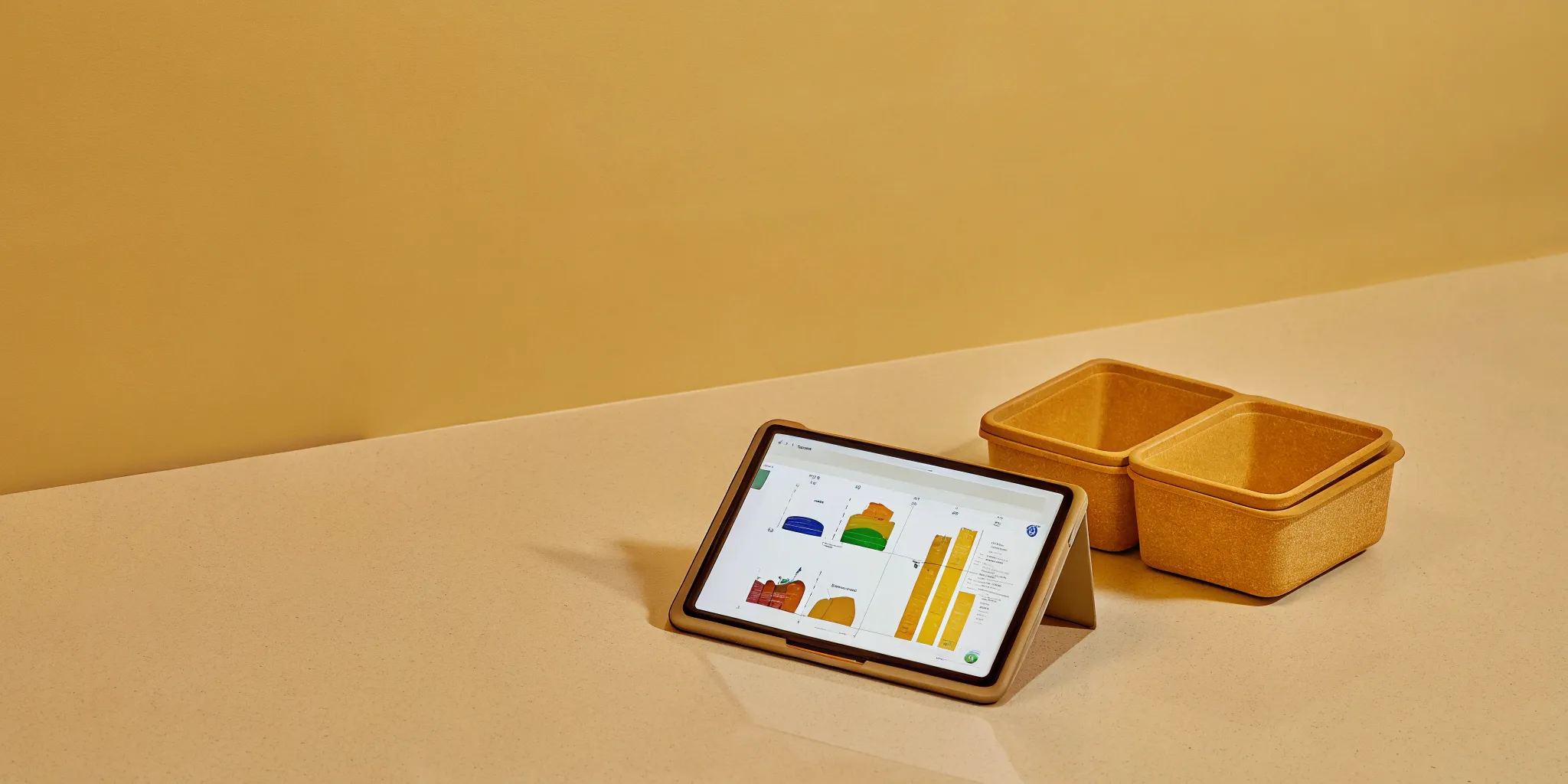
Once you’ve set your metrics, you need an efficient way to track them. Manual tracking is time-consuming and prone to error. This is where technology becomes your best friend. Using a system with real-time data and automated reporting allows you to monitor progress effortlessly. A dashboard can show you exactly how many containers are being used, where they are, and how full your return bins are at any given moment. This kind of automated reporting makes it simple to see what’s working and share updates with stakeholders. It replaces guesswork with hard data, giving you the insights needed to fine-tune your operations and communicate the positive impact of your sustainability efforts across campus.
Track Your Environmental Impact and Return Rates
Beyond waste reduction, it’s important to measure the broader environmental benefits of your program. Consistent measurement and feedback are key for universities looking to reduce their environmental footprint. For a reusable container program, the single most important metric is the return rate. A high return rate ensures your container inventory remains stable and the system is financially sustainable. It’s the foundation of a successful circular system. You can also track metrics like CO2 emissions avoided, water saved, and trees spared by switching from single-use packaging. These impact metrics tell a powerful story and connect your daily operations to larger global sustainability goals, inspiring even greater participation from the campus community.
Your Roadmap to a Sustainable Dining Program
Creating a lasting sustainability program doesn’t happen overnight. It requires a thoughtful approach that starts with a clear vision and evolves with your campus. By breaking the process down into manageable steps, you can build a program that reduces waste, saves money, and gets students genuinely excited. This roadmap will guide you through assessing your needs, implementing the right tools, and growing your initiative for long-term success.
Start with an Assessment and Strategic Plan
Before you change anything, you need a clear picture of where you stand. Begin by auditing your current operations to understand your waste streams. How many single-use containers do you use each week? What’s your volume of food waste? Gathering this baseline data is the first step. Research shows that developing sustainable interventions is most effective when based on solid data. Once you know your starting point, you can set specific, measurable goals, like cutting packaging waste by 80% in the first year. A clear strategy will keep your team focused and make it easier to track your progress.
Integrate the Right Technology and Infrastructure
The right tools can make or break your sustainability efforts. Manual tracking and clunky systems often lead to low participation and frustrated staff. Instead, look for modern solutions that make reuse simple and efficient. A fully integrated reuse system can automate tracking, manage inventory, and provide a frictionless experience for students with app-free checkouts. Paired with smart return bins that offer 24/7 access, you can achieve incredible return rates without adding work for your team. This infrastructure makes your program more effective and provides the data you need to improve it over time.
Scale Your Program and Aim for Continuous Improvement
Launching your program is just the beginning. The most successful initiatives are built to grow and adapt. Use data from your system to show students and stakeholders the real-world impact of their efforts. Sharing metrics on waste reduction and cost savings can build widespread support. According to industry operators, using data is key to communicating the "why" behind your initiatives. Set regular check-ins to review progress, gather student feedback, and identify new opportunities. A mindset of continuous improvement will ensure your program has a lasting positive effect.
Related Articles
- 7 Smart Eco-Friendly Initiatives for Campus Food
- Guide to Sustainable College Cafeterias
- Successful Zero Waste Initiatives for College Dining
Frequently Asked Questions
We're on a tight budget. Isn't switching to a reusable system a huge upfront cost? That's the number one question I hear, and it's a completely valid concern. It helps to think of it less as a cost and more as a shift in spending. You're already spending a significant amount on single-use containers, and those costs are only rising. A reusable system is an investment that eliminates that recurring expense. Many campuses find they save over 30% annually on packaging, meaning the system pays for itself much faster than you might think.
We've tried reusable programs before, but we lost most of the containers. How is this different? This is a common story, and it's usually because older programs relied on the honor system. The difference today is smart technology. Each container is tagged with a unique code, so the system knows exactly who has it. When students can check out a container with a simple tap of their campus card and return it to a 24/7 smart bin, the process becomes effortless. Automated reminders and accountability measures do the heavy lifting, which is how modern programs achieve return rates of 99%.
My staff is already stretched thin. Will this add more work for them? Not at all. In fact, a well-designed system should reduce your team's workload. The goal is automation. Your staff won't have to manually track inventory, charge students for unreturned items, or even check if return bins are full. The software handles all of that, sending alerts when a bin needs emptying. This frees up your team to focus on food service, not on managing containers.
How does a tech-powered system work with our existing campus card and payment platforms? Modern reuse platforms are designed to integrate seamlessly with the systems you already use. They can connect directly with major campus card and POS providers, so there’s no need for students to download a separate app or for you to manage a new payment system. The checkout process becomes as simple as a student tapping their card, just like they would for any other purchase.
What's the first practical step we should take to explore a reusable program? The best place to start is with a simple waste audit. Before you can plan for the future, you need a clear picture of your current situation. Figure out exactly how much you're spending on disposable containers and how much waste you're generating each week. This baseline data will build a powerful business case and help you set clear, measurable goals for your new program.
Other stories you may find interesting


























.webp)
.webp)







.webp)
























Watch the Webinar
Learn How to Eliminate Single-Use Waste
Get instant access to our expert webinar and discover how leading institutions reach 99% return rates through smarter reuse systems.

© Reusables™. All rights reserved.