
Your Guide to Sustainable Food Court Solutions

February 16, 2026
The push for sustainability on campus is stronger than ever, but getting students to participate can be a challenge. Past attempts at reusable container programs often failed because they were inconvenient, requiring app downloads, upfront deposits, or confusing return processes. This led to low adoption, lost inventory, and extra work for your staff. But technology has changed the game. Today’s sustainable food court solutions are built around a frictionless user experience. By integrating directly with existing campus card and payment systems, they make choosing to reuse as simple as a single tap, driving the high participation rates needed for a successful, long-term program.
Key Takeaways
- Treat Sustainability as a Financial Strategy: A modern reuse system directly combats the rising costs of single-use packaging. By cutting down on supply and waste-hauling expenses, you can improve your bottom line while meeting campus green initiatives.
- Use Technology to Make Reusing the Easiest Choice: A successful program depends on high participation. Integrated tech like app-free checkouts and automated smart return bins removes barriers for students and eliminates manual tracking for your staff, leading to high adoption and near-perfect return rates.
- Plan a Phased Rollout to Ensure Success: You don't have to transform your entire dining operation overnight. Start with a pilot program in one or two locations to test the system, gather feedback, and prove the concept to stakeholders before expanding campus-wide.
What Are Sustainable Food Courts (And Why Do They Matter Now)?
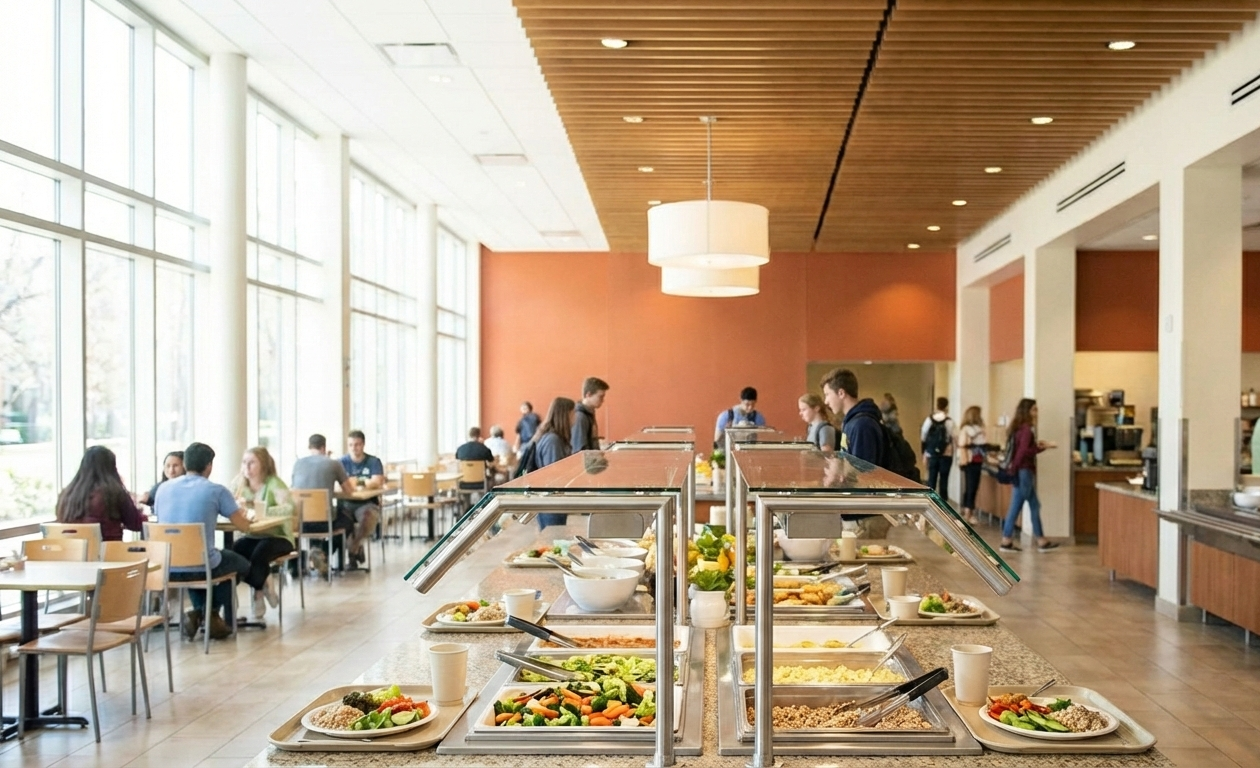
A sustainable food court is more than just a few extra recycling bins. It’s a dining environment designed to minimize waste, reduce its environmental footprint, and operate more efficiently. Think reusable containers instead of single-use plastics, smart systems for tracking inventory, and a noticeable reduction in overflowing trash cans. For colleges and universities, this shift is becoming less of a choice and more of a necessity.
Why now? Three key factors are at play. First, the cost of disposable packaging has skyrocketed, putting a serious strain on operational budgets. Second, students and staff are more environmentally conscious than ever and are actively seeking out institutions that share their values. Finally, many cities and campuses are adopting ambitious zero-waste mandates, pushing dining services to find smarter, long-term solutions. Moving toward sustainability isn't just about looking good—it's about building a resilient, cost-effective dining program that meets the demands of today and tomorrow.
The Environmental Toll of Single-Use Packaging
The convenience of single-use packaging comes at a high price. Every disposable cup, container, and fork contributes to a massive global waste problem, overwhelming landfills and polluting our environment. But the impact is also financial. Reusable alternatives can save food service businesses billions of dollars annually, not to mention the billions taxpayers spend managing the consequences of a throw-away culture. By switching to a reuse system, you’re not just cutting down on physical trash; you’re also reducing the hidden costs that come with it, from waste hauling fees to the constant need to reorder disposable inventory.
How Going Green Saves You Money
Many people assume that implementing sustainable practices is an expensive undertaking, but the opposite is often true. A well-designed reuse program can lead to significant cost savings. Instead of continuously buying disposable items, you invest in a durable inventory that pays for itself over time. Modern systems integrate directly with your existing POS and student ID card technology to automate tracking and reporting. This means you can deliver measurable environmental and financial benefits without adding a heavy operational lift for your team. It’s a strategic move that cuts waste and packaging costs, directly benefiting your bottom line.
The Problem with Rising Disposable Costs
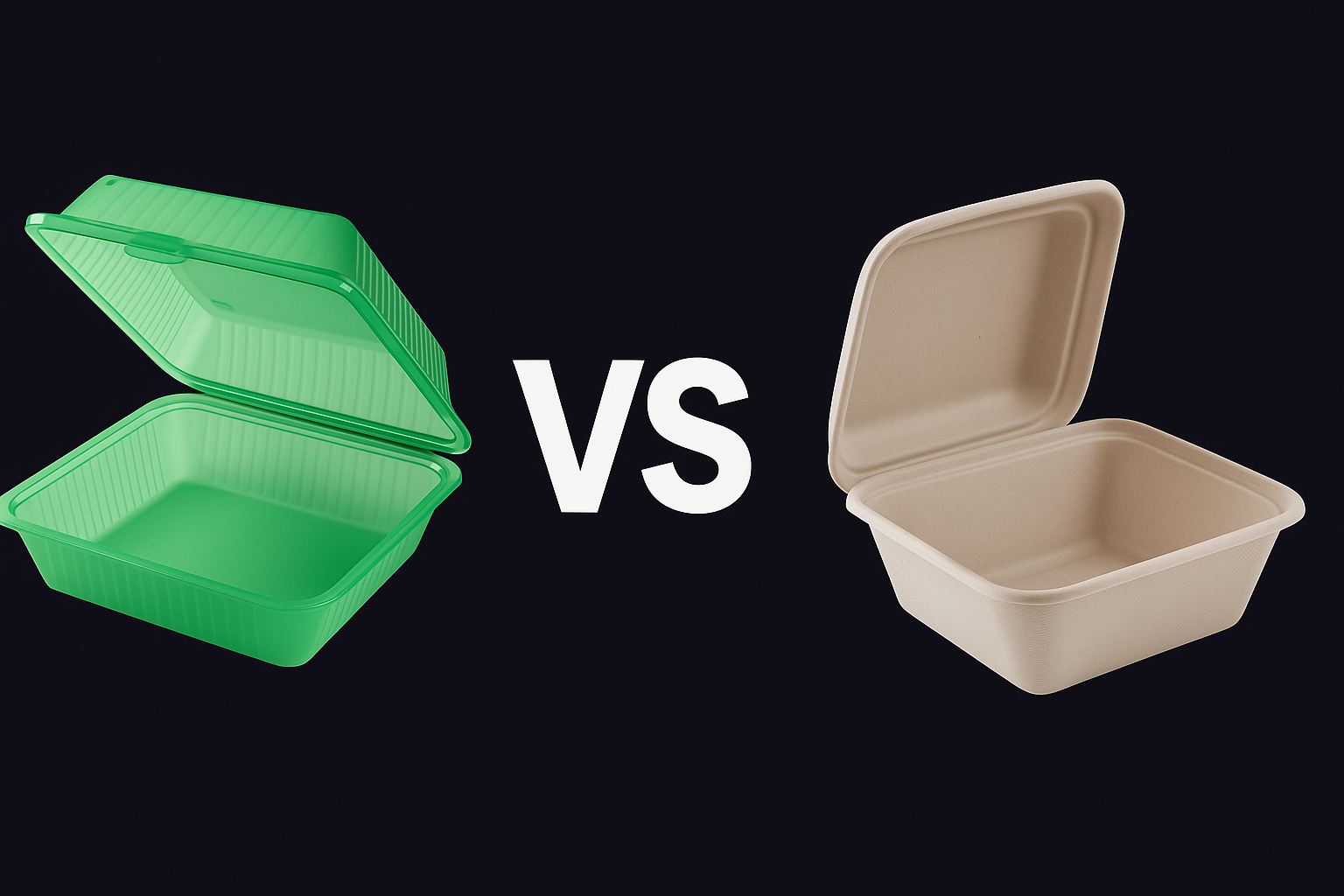
If you’re feeling the squeeze from your disposables budget, you’re not alone. The cost of single-use packaging has climbed more than 200% in recent years, forcing many dining programs to re-evaluate their spending. While some institutions have turned to compostable products as an alternative, these options are often more expensive and come with their own set of challenges. They require specific commercial composting facilities that aren't available everywhere and can contaminate recycling streams if disposed of incorrectly. Ultimately, they are still single-use items that you have to keep buying, offering a temporary patch rather than a permanent solution to rising costs and waste.
How to Reduce Waste in Your Food Court
Reducing waste in a busy food court can feel like a massive undertaking, but it’s entirely achievable with a strategic approach. The push for sustainability on campus is stronger than ever, driven by both student demand and institutional zero-waste goals. At the same time, the cost of disposable packaging has skyrocketed, putting a strain on already tight budgets. The good news is that you don’t have to choose between sustainability and your bottom line. Modern solutions are designed to make waste reduction simple, cost-effective, and even enhance the dining experience for students and staff.
The key is to move beyond old, manual systems that create extra work and instead embrace technology that makes doing the right thing the easiest option. By focusing on a few key areas—from the containers you use to the food that goes uneaten—you can create a circular system that significantly cuts down on what ends up in the landfill. This isn't just about placing a few more recycling bins around. It's about fundamentally rethinking your operations to build a more resilient and responsible food service program. The following steps offer a practical roadmap for transforming your food court into a model of sustainability that other institutions will want to follow.
Implement a Reusable Container Program
The single biggest source of waste in any food court is disposable packaging. Switching to a reusable container program is the most impactful change you can make. Modern reuse systems are designed for high-traffic environments, integrating directly with your existing POS and campus card systems to make checking out a container as simple as a tap. This eliminates the friction that often causes older programs to fail. A well-designed reusable packaging system not only cuts down on your supply costs for single-use items but also provides a better, more sustainable dining experience for everyone on campus. It’s a direct and effective way to tackle waste at its source.
Tackle Food Waste with Composting and Donations
Packaging is only part of the equation; food waste is another major challenge. Implementing a comprehensive composting program is a great way to divert organic waste from landfills. Start by placing clearly marked composting bins in both front-of-house and back-of-house areas. You can also partner with local organizations or student groups to establish a food donation program. Organizations like the Food Recovery Network specialize in helping college campuses redirect surplus food to those in need, reducing waste while supporting the community. This creates a closed-loop system where very little goes to the landfill and your campus makes a positive local impact.
Automate Returns with Smart Bins
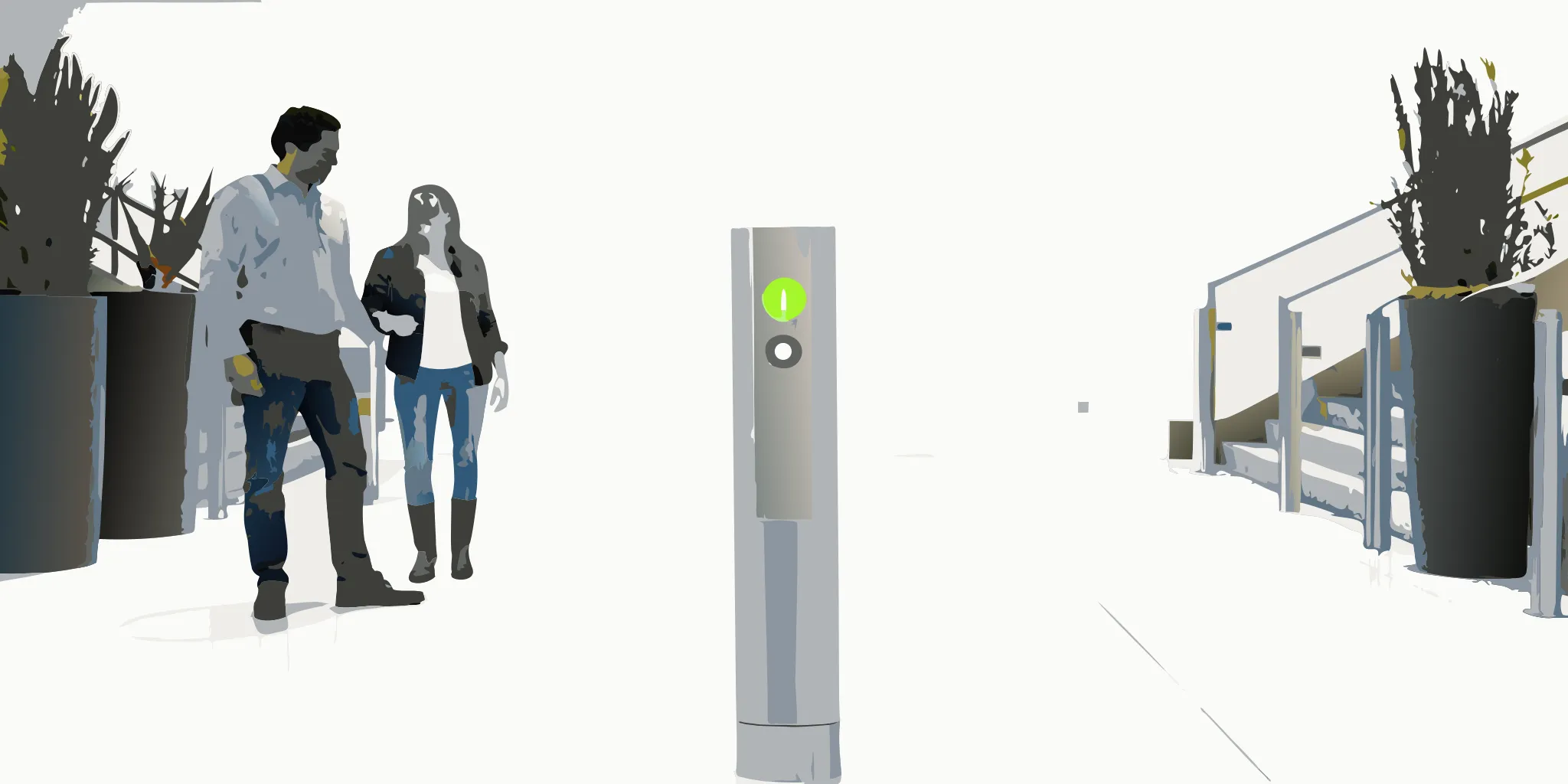
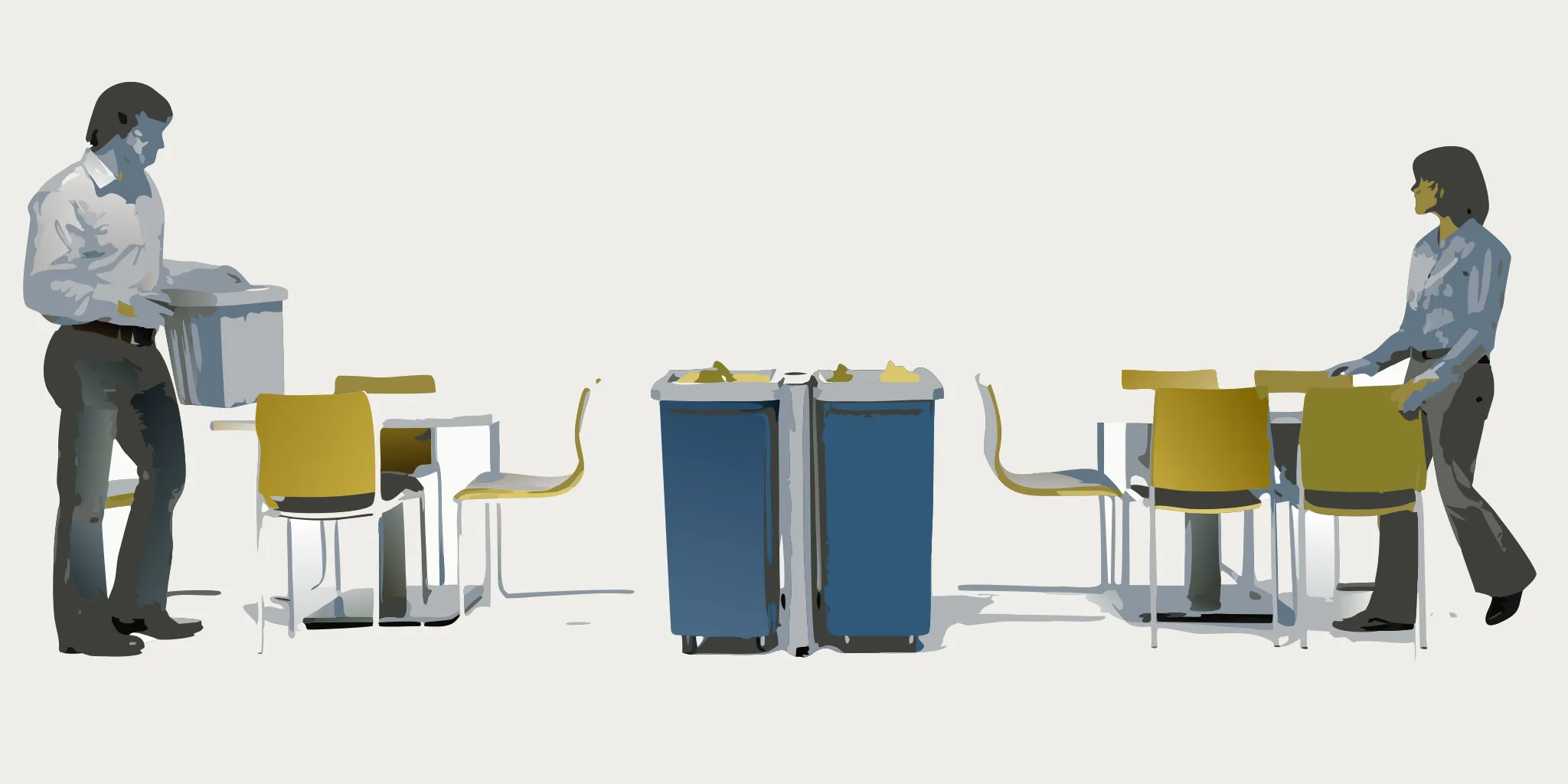
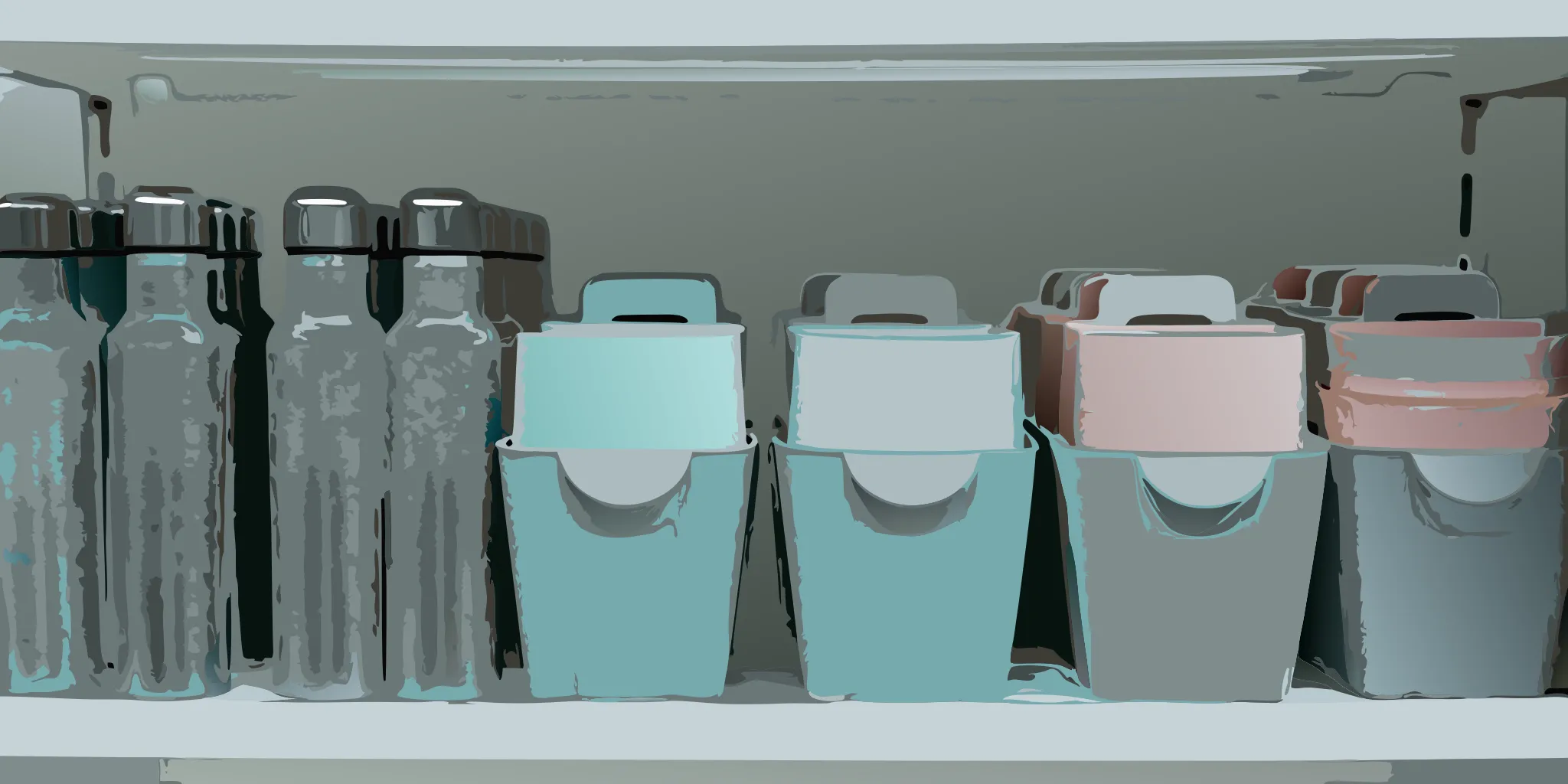
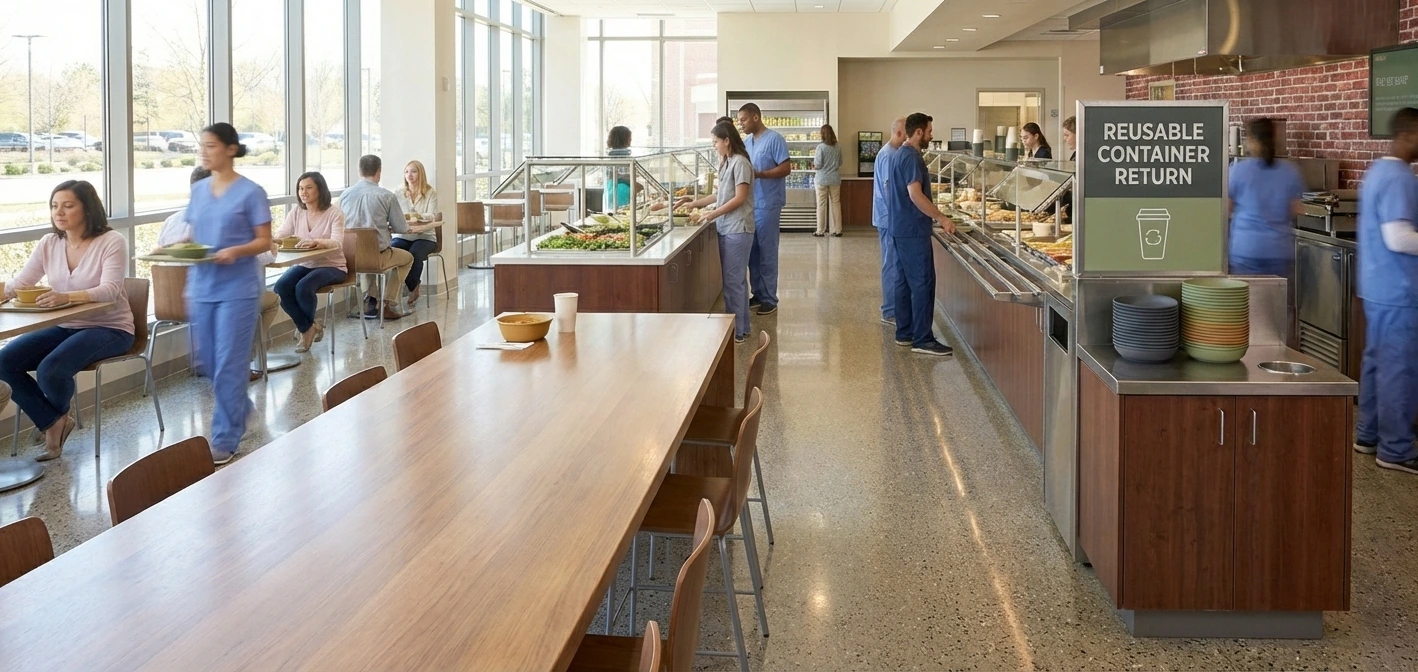
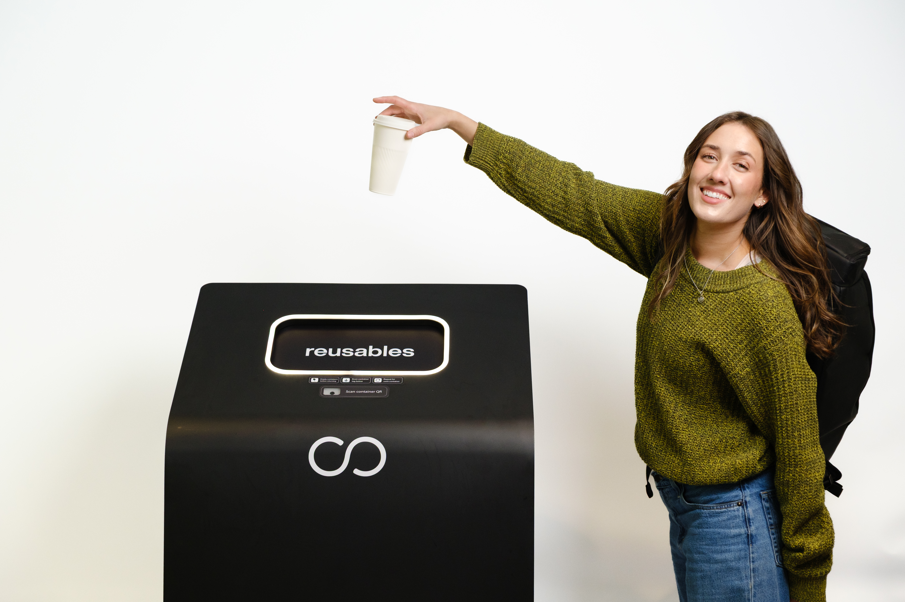
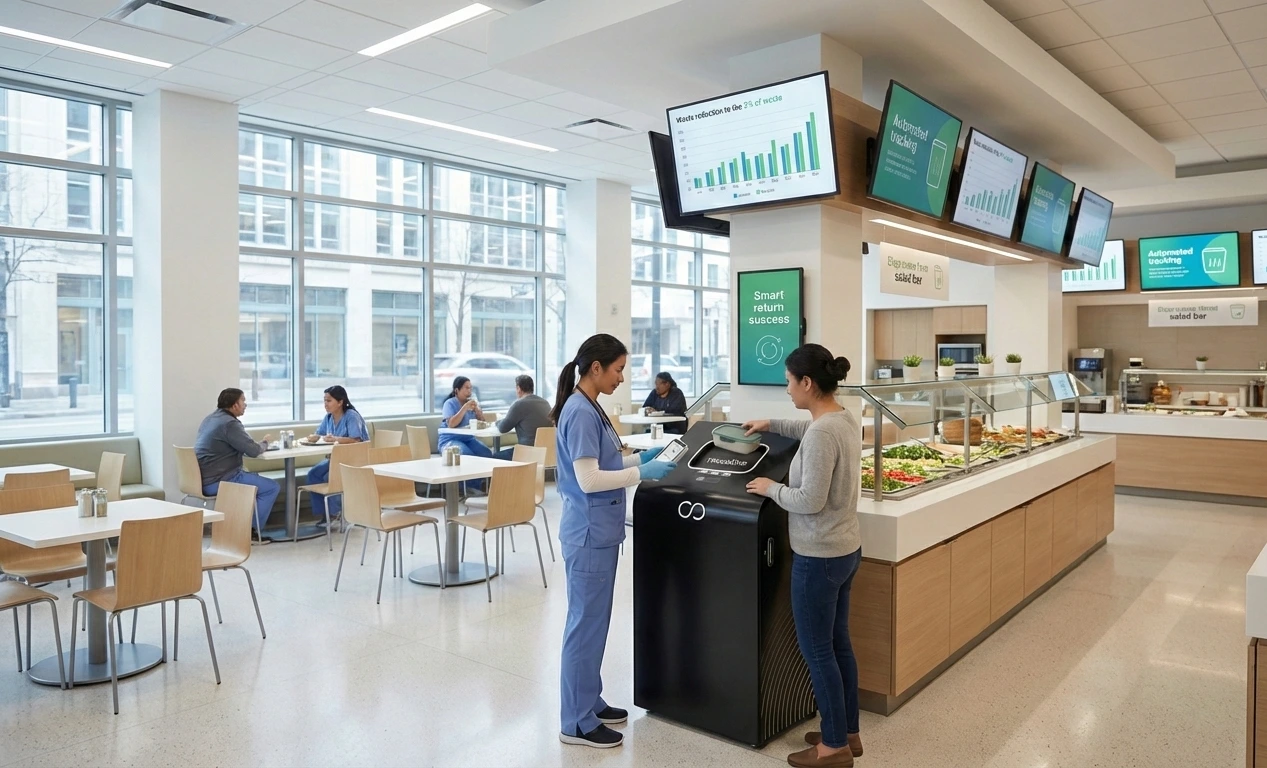
One of the biggest hurdles for any reusable container program is getting the containers back. This is where technology can make all the difference. Smart return bins provide a convenient, 24/7 drop-off point for students and staff, eliminating the need for them to return containers to a specific location during specific hours. These bins automatically scan and register each return, providing you with real-time data on your inventory. This automated, user-friendly approach is proven to work—campuses using this technology have achieved 99% return rates, ensuring your container inventory remains stable and your program is a long-term success.
Optimize Your Recycling Process
While the goal is to reduce single-use items, you’ll likely still have some recycling to manage. Optimizing your recycling process ensures that what little waste remains is handled correctly. Place recycling stations with clear, image-based signage next to every trash can to help users make the right choice. Conduct a waste audit to understand what materials are most common in your waste stream and tailor your recycling program accordingly. A strong recycling program is a foundational element of any sustainability plan and works hand-in-hand with a reuse system to minimize your campus’s landfill contributions.

Overcoming Common Sustainability Hurdles
Making the switch to a zero-waste food court is a significant step, and like any big project, it can come with a few challenges. The good news is that these hurdles are common, and with the right approach and technology, they are entirely manageable. Thinking through potential obstacles ahead of time helps you create a smoother, more successful rollout for everyone involved, from your staff to your students.
Encouraging Student and Staff Buy-In
Any new program's success hinges on whether people actually use it. The key to getting students and staff on board is to make the sustainable choice the easiest choice. If a reusable container program is complicated or inconvenient, adoption will lag. As the team at UCLA discovered, "Students quickly adopted the program, drawn by the simplicity and convenience." When the process is as simple as tapping a student card, there’s very little friction. A system that feels intuitive and integrates seamlessly into the daily campus routine will win over users quickly, turning a sustainability initiative into the new, preferred way of doing things.
Integrating New Tech with Existing Systems
Bringing in new technology can feel daunting, especially when you have established systems for payments, student IDs, and point-of-sale. The last thing you want is another disconnected piece of software for your team to manage. That’s why modern reusable packaging solutions are built to work with what you already have. The right platform will integrate directly with your existing POS and campus card systems, like Transact, CBORD, and others. This automates the entire process, from tracking containers to managing inventory, without requiring a massive overhaul of your current operations. It ensures a smooth transition and lets you focus on the big picture, not on manual data entry.
Aligning Vendors and Your Supply Chain
Switching from single-use to reusable containers changes your supply chain. Instead of constantly reordering disposables, you’ll be managing a durable inventory. This shift can dramatically cut down on costs and waste. In fact, choosing reusable alternatives can save food service businesses billions of dollars annually. To make this transition easier, look for a platform that offers flexibility. Being able to use your existing container inventory or choose from a list of approved partners gives you control. This allows you to maintain relationships with current vendors or select the best options for your specific needs, all while simplifying your procurement process.
Managing Operational Changes and Staff Training
Your dining staff is on the front lines, and their buy-in is just as important as the students'. A successful transition requires clear communication and a system that makes their jobs easier, not harder. The best reuse programs minimize the burden on staff by automating key tasks. Smart return bins that don't need constant monitoring and a dashboard that handles reminders and late fees automatically mean your team isn't stuck chasing down containers. As seen in the UCLA success story, having access to real-time data also allows your team to "monitor program data... to optimize return logistics and measure cost savings over time," ensuring the system runs efficiently with minimal staff intervention.
Using Technology to Simplify Sustainability
Let's be honest: the idea of launching a new sustainability program can feel overwhelming. You’re already managing daily operations, staffing, and budgets. The good news is that modern reuse systems are powered by smart, simple technology that does the heavy lifting for you. Instead of adding to your workload, the right tech automates tracking, simplifies checkouts, and gives you the data you need to run a successful program. It’s all about making sustainability seamless for your team and your diners.
Technology transforms a well-intentioned reuse program into a highly efficient, data-driven operation. It solves the classic problems of low return rates and lost inventory by building accountability directly into the system. This means less manual work for your staff and a more reliable, cost-effective solution for your campus. By integrating with your existing infrastructure, these tools make it easy for everyone to participate, turning sustainability from a chore into a simple, everyday choice.
Frictionless Checkouts: Tap-to-Reuse and Card Integration
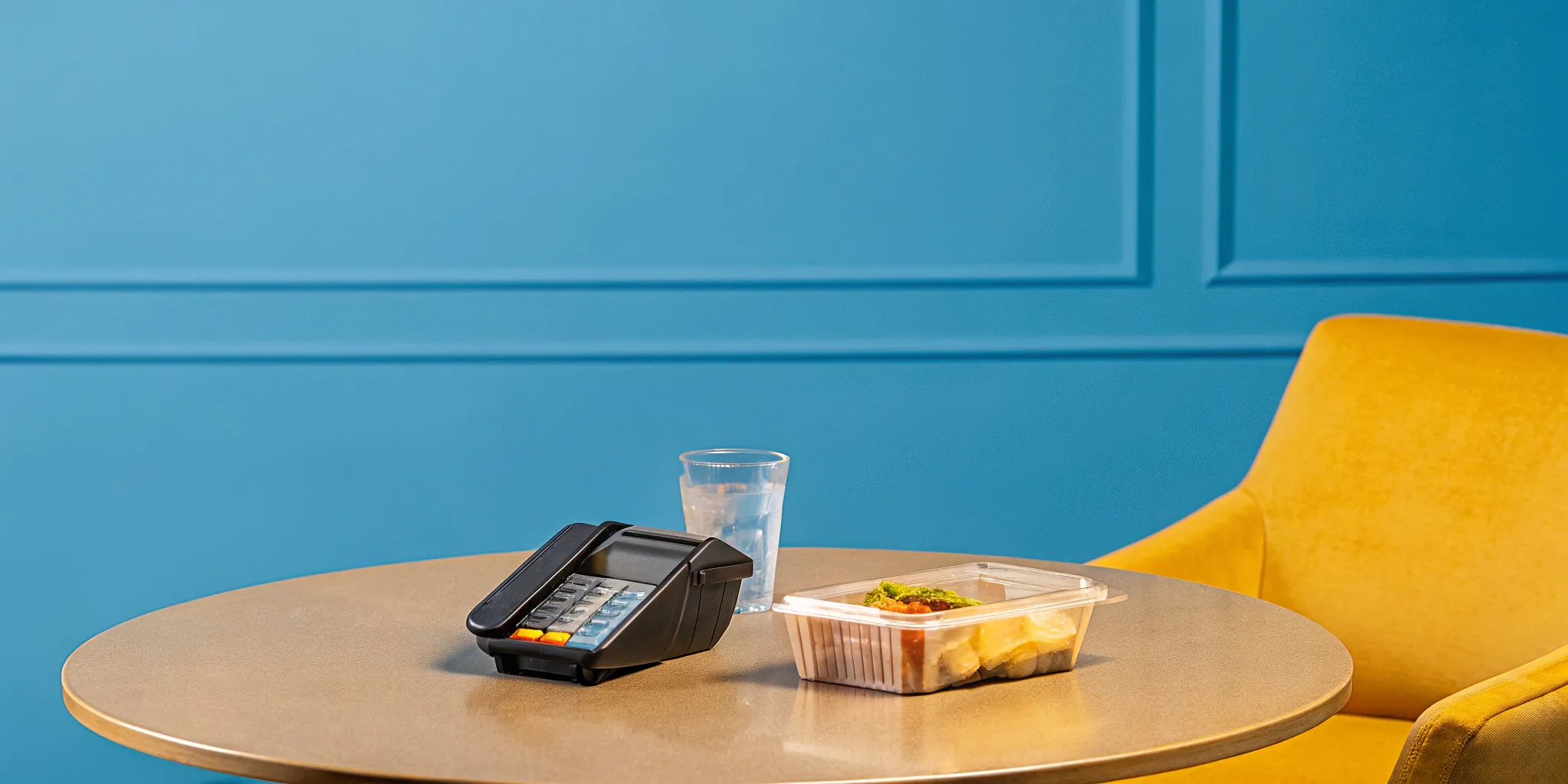
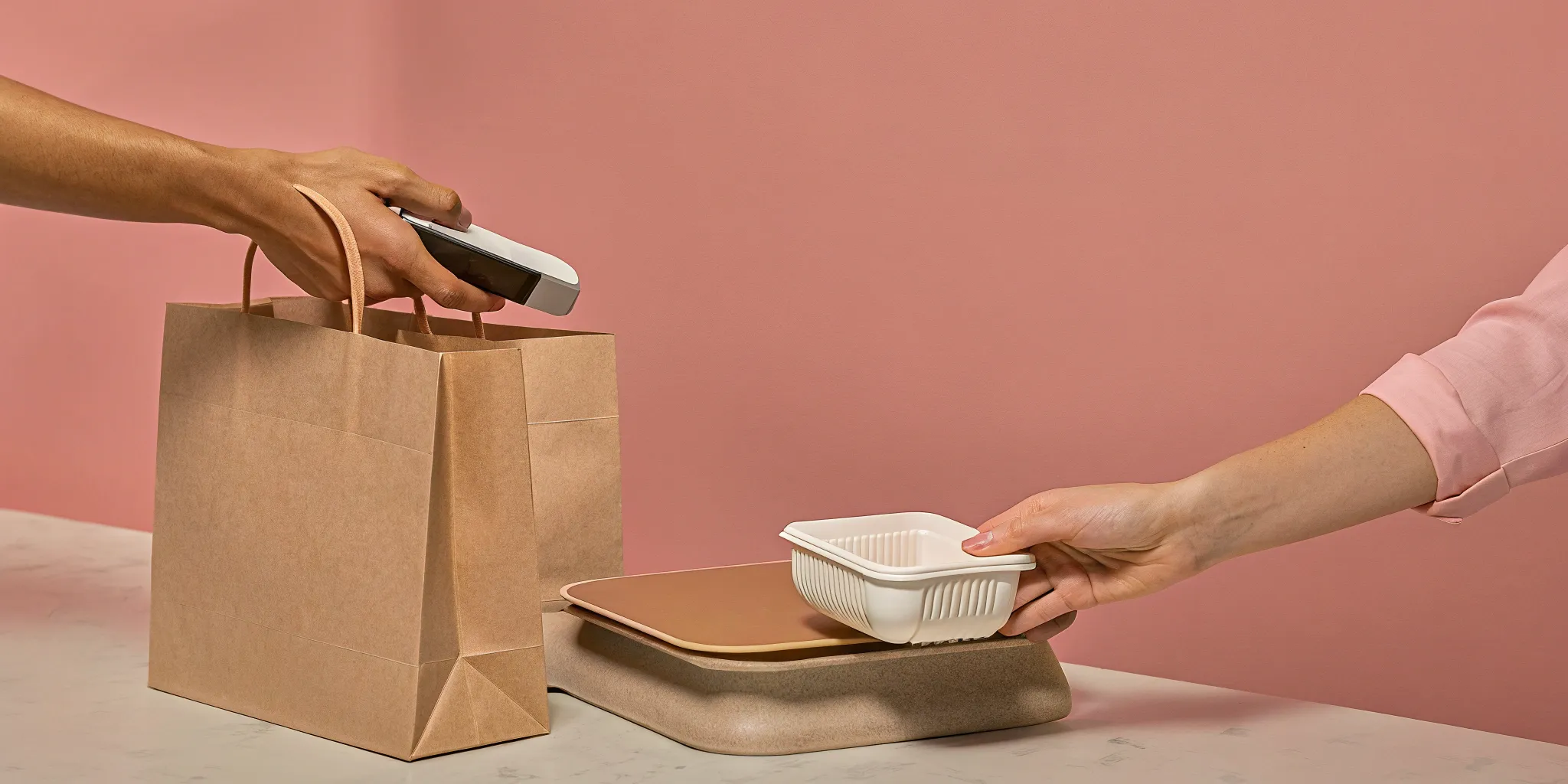
The best way to get students and staff on board is to make participation effortless. A frictionless checkout process is key. Systems that use Tap-to-Reuse™ technology allow diners to borrow a container simply by tapping their student ID, credit card, or mobile wallet. There’s no need to download a separate app or pay an upfront deposit, which removes common barriers to entry.
This approach integrates directly with the payment and credential platforms you already use, like Transact, CBORD, and TouchNet. When checking out is as easy as buying a coffee, students are far more likely to choose the reusable option. This seamless experience not only encourages participation but also keeps your lines moving, ensuring operational efficiency isn't sacrificed for sustainability.
Automated Tracking with QR and RFID
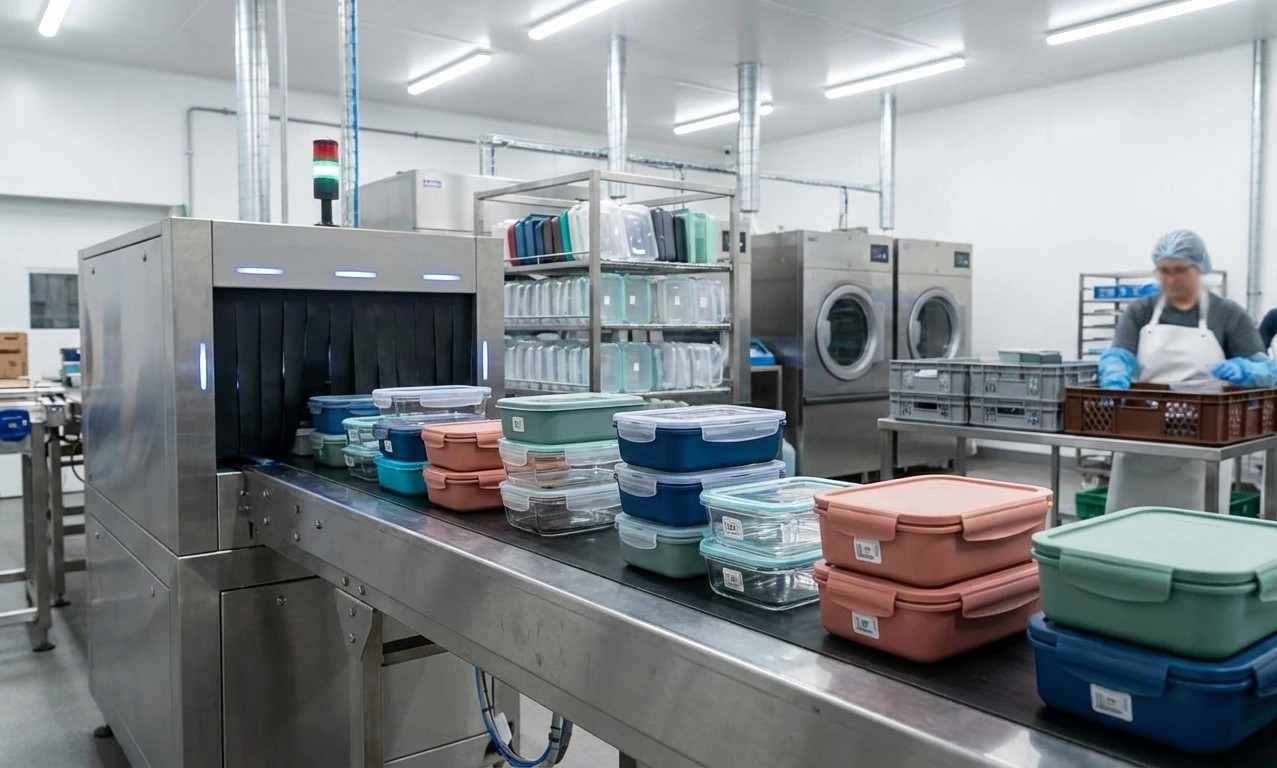
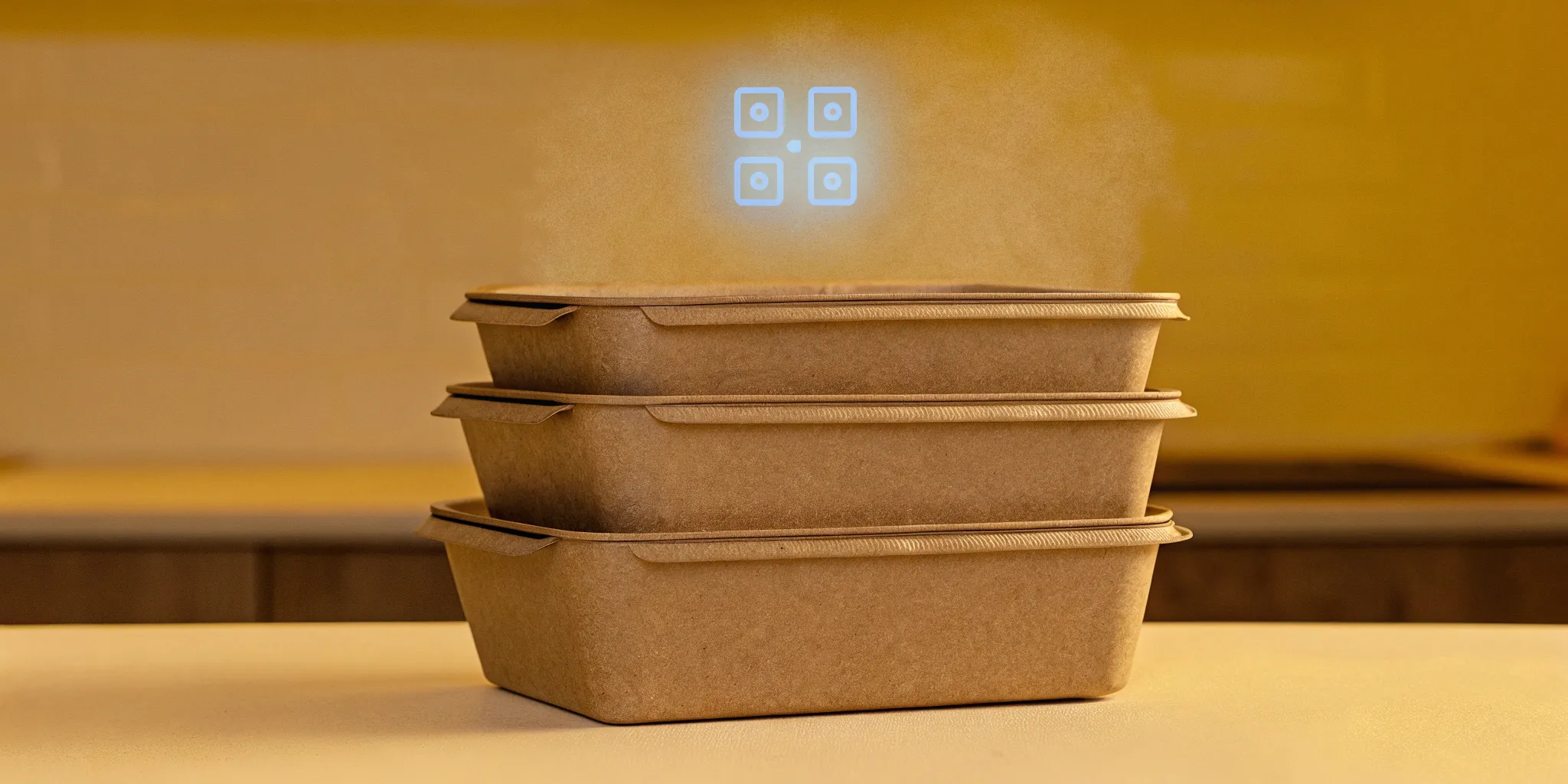
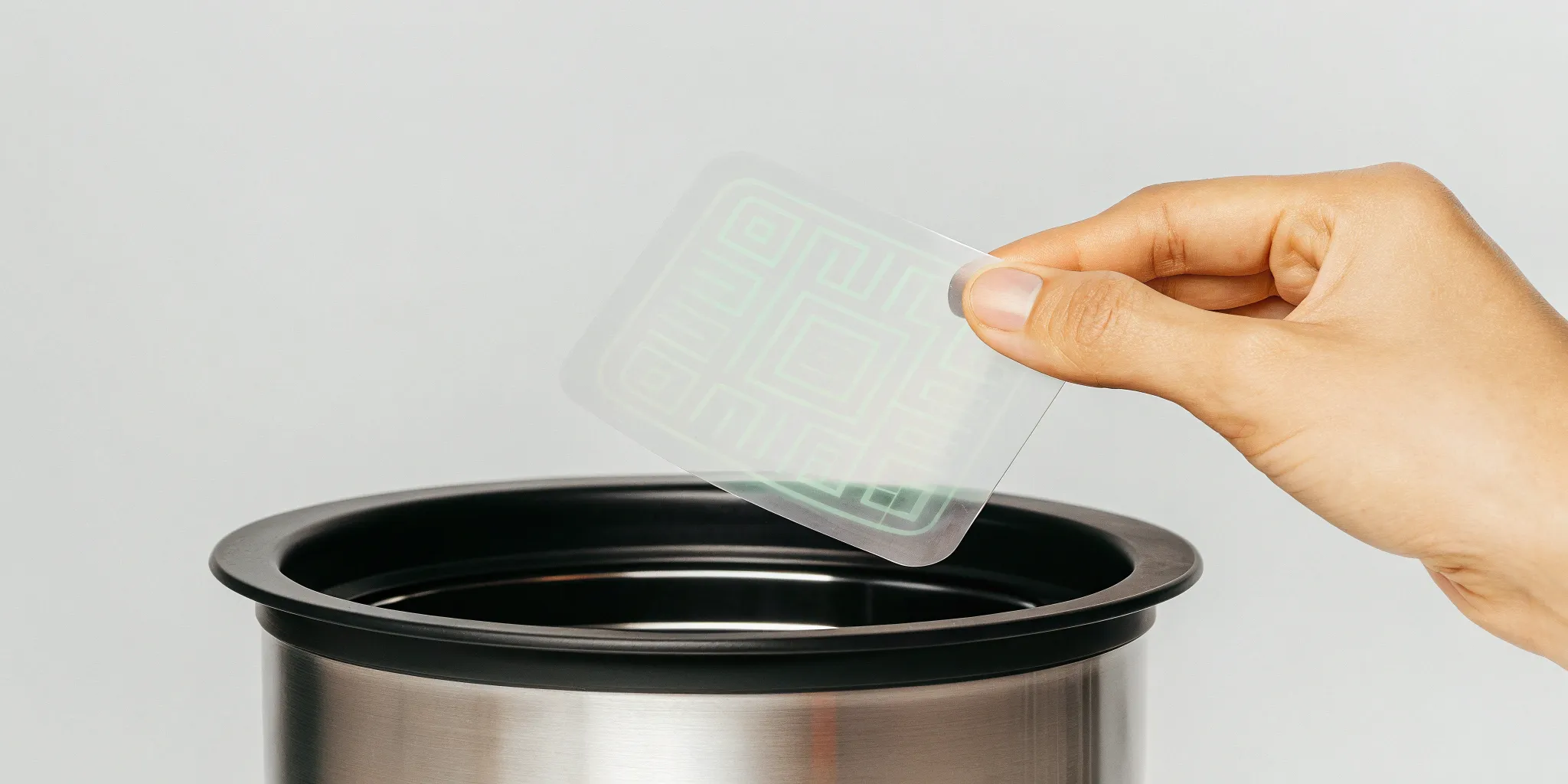
Wondering how you’ll keep track of thousands of containers? The answer is automated tracking. Every reusable container is tagged with a unique QR code or RFID chip. When a student checks out a container, it’s scanned and linked to their account. When they return it to a smart bin, it’s scanned again, closing the loop. This process is completely automated, so your staff doesn’t have to manually track inventory or chase down missing items.
This technology is proven to work. For example, Simon Fraser University uses an RFID-enabled system and has achieved an incredible 99.63% return rate. These successful programs demonstrate that when you have a reliable tracking system, you can maintain your inventory and ensure the long-term financial viability of your reuse program.
Get Real-Time Data on Inventory and Usage
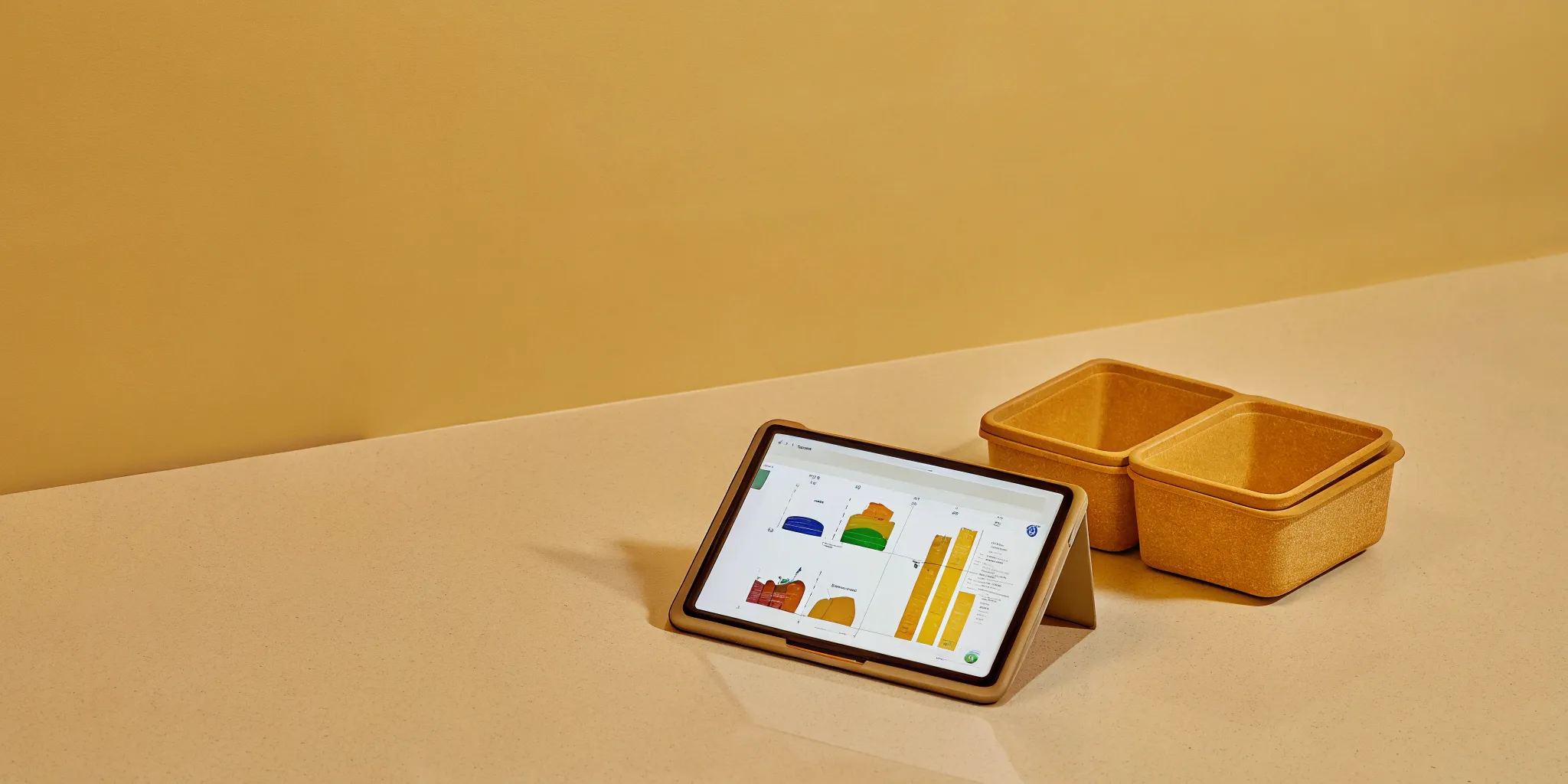
Making informed decisions requires good data. A tech-enabled reuse system gives you access to a dashboard with real-time information on your program's performance. You can see exactly how many containers are in circulation, monitor return rates, and even get alerts when return bins are getting full. This operational visibility helps you manage inventory and optimize logistics.
For instance, the team at UCLA actively monitors program data to fine-tune their return logistics and measure cost savings over time. With clear metrics on usage, environmental impact, and financial performance, you can easily demonstrate the value of your sustainability initiatives to stakeholders and identify opportunities for improvement.
Engage Users with Gamification and Digital Displays
Technology can also make participating in your reuse program more engaging and fun. You can introduce gamification elements like campus-wide leaderboards, contests, or rewards for frequent reusers to create a sense of community and friendly competition. This encourages consistent participation and reinforces positive habits.
Digital displays on smart return bins can share real-time impact metrics, like the number of single-use containers saved, or promote campus sustainability events. These screens can even become a source of revenue by displaying ads. As seen at UCLA, students are drawn to the simplicity and convenience of a well-run program, and adding these engaging elements helps build and sustain a strong culture of reuse on campus.
Building Local Partnerships for Success
Creating a truly sustainable dining program goes beyond your own four walls. When you build strong relationships with local partners, you extend your impact and create a more resilient, community-focused food system. These partnerships aren't just about checking a sustainability box; they’re about enriching the campus experience, improving food quality, and telling a powerful story that resonates with students, staff, and the wider community. By collaborating with local farms, waste management experts, and your own campus members, you can create a holistic program that addresses sustainability from every angle—from the food on the plate to the waste left behind. This approach fosters a sense of shared ownership and makes your sustainability goals a collective effort, which is always more effective in the long run.
Source from Local Farms and Suppliers
Connecting with local agricultural producers is one of the most impactful partnerships you can form. Choosing locally sourced, seasonal produce not only supports the regional economy but also significantly reduces the carbon footprint associated with long-haul food transportation. It also means you can offer fresher, more nutritious, and better-tasting food to your students and staff. Building these relationships allows you to tell a compelling farm-to-table story that highlights your commitment to quality and community. Start by reaching out to farms in your area or connecting with regional food hubs to learn how you can incorporate more local ingredients into your menus. It’s a tangible change that everyone can see, taste, and feel good about.
Partner with Community Composting Programs
Food scraps are an unavoidable part of running a large-scale dining operation, but they don’t have to end up in a landfill. Partnering with a local or municipal composting program provides an elegant solution to food waste. By setting up a system to separate and compost food scraps, you can divert tons of organic material from the waste stream, reducing methane emissions and creating nutrient-rich soil for local gardens and farms. This is a highly visible initiative that demonstrates a clear commitment to circularity. Work with a local partner to establish collection points, train your staff on proper sorting, and educate students on how they can participate. It’s a practical step that closes the loop on your food system.
Engage Your Campus Community
Your greatest partners are the people you serve every day: your students and staff. True success depends on their participation, so it’s essential to bring them into the process. Treat them as active collaborators in your sustainability mission. Share data on waste reduction, celebrate milestones, and ask for feedback on what’s working and what isn’t. As seen at UCLA, it’s important to continuously monitor program data to find opportunities for improvement and show the real-world impact of everyone's efforts. You can use leaderboards, contests, and rewards to make participation fun and engaging. When the campus community feels invested in the program’s success, you’ll see higher adoption rates and a stronger culture of sustainability.
Diversify Your Menu with Plant-Based Foods
The food you serve has a direct impact on the environment, and menu design is a powerful tool for change. Choosing plant-based foods more often is a simple yet effective way to reduce your food court’s carbon footprint, as plant-forward diets require significantly less land and water and produce fewer greenhouse gas emissions. This doesn’t mean you have to eliminate meat entirely. Instead, focus on adding creative, delicious, and appealing plant-based dishes to your menu rotation. This strategy meets the growing student demand for healthier and more sustainable options while making your dining program a leader in culinary innovation. It’s a win for your students’ palates and a win for the planet.

Your Roadmap to a Sustainable Food Court
Transitioning to a zero-waste dining operation might seem like a huge undertaking, but you can achieve it with a clear, step-by-step plan. Breaking the process down into manageable phases helps you build momentum, get your team on board, and ensure a smooth rollout. Think of this as your roadmap to cutting costs, reducing waste, and creating a dining experience that students and staff can feel good about. Here’s how to get started.
Step 1: Assess Your Needs and Set Clear Goals
Before you change anything, take stock of where you are right now. How many single-use containers do you go through in a typical week? What are your current waste management costs? Understanding your baseline is the first step toward improvement. A successful sustainability plan requires an integrated approach that considers everything from kitchen operations to the customer-facing experience. Your goals should be just as comprehensive. Instead of a vague target like "be more sustainable," aim for specific, measurable outcomes. For example, you could aim to reduce single-use plastic waste by 95% in 18 months or cut packaging costs by 30% in the first year. Clear goals will guide your decisions and make it easier to measure success later on.
Step 2: Get Stakeholder Buy-In
A reuse program is a team sport. To make it work, you need everyone on board, from your dishwashing crew to the university’s leadership. Start by identifying your key stakeholders: dining services staff, student government representatives, campus sustainability officers, and even your food and packaging vendors. Share your vision and, more importantly, listen to their feedback and concerns. As sustainability pioneers have found, talking to people on the ground is essential for making a vision realistic. Present a clear business case that outlines the financial benefits, operational efficiencies, and positive environmental impact. When everyone understands the "why" behind the change and feels included in the process, they become your program's biggest advocates.
Step 3: Plan a Phased Rollout
You don’t have to transform every dining hall overnight. In fact, it’s smarter not to. Starting with a pilot program in one or two locations is the best way to test your system, gather feedback, and work out any kinks before a campus-wide launch. Choose a high-traffic café or a popular food court vendor for your initial phase. This controlled rollout allows you to learn what works best for your specific environment—from container checkout to return logistics. It also builds excitement and social proof. Once students and staff see how easy the system is, they’ll be eager for it to expand. This approach minimizes risk and sets you up for long-term success with smart, scalable reuse technology.
Step 4: Monitor and Optimize Your Performance
Once your program is live, the real work of optimization begins. The launch isn't the finish line; it's the starting point for continuous improvement. Consistently tracking your performance is key to understanding what’s working and where you can make adjustments. Modern reuse platforms provide real-time data on key metrics like return rates, container usage, inventory levels, and cost savings. As one university partner found, it's essential to monitor program data to optimize return logistics and measure savings over time. Use this information to refine your operations, improve user communication, and demonstrate the program's value to stakeholders. This data-driven approach ensures your sustainability initiatives are not only effective but also financially sound.
Related Articles
- 7 Smart Eco-Friendly Initiatives for Campus Food
- Guide to Sustainable College Cafeterias
- Successful Zero Waste Initiatives for College Dining
Frequently Asked Questions
How can a reusable container program actually save my department money? While there's an initial investment in durable containers, the savings come from eliminating the recurring expense of single-use packaging, which has seen dramatic price increases. A well-run program pays for itself by cutting your supply budget and reducing waste hauling fees. The key is a system that ensures high return rates, so you aren't constantly replacing lost inventory.
We've struggled with getting containers back in the past. How is this different? Older reuse programs often failed because they relied on manual processes and the honor system. Modern systems solve this with technology. Each container is uniquely tracked, and automated reminders and late fees create accountability without staff intervention. Convenient, 24/7 smart return bins also make it incredibly easy for students to do the right thing, which is why campuses using this tech see return rates above 99%.
My team is already stretched thin. Will this add a lot of extra work for them? This is a common concern, but modern reuse systems are designed to reduce your team's workload. The entire process, from checkout to return tracking and fee management, is automated. Your staff won't have to manually count containers, chase down students for returns, or manage complicated spreadsheets. The technology handles the operational details so your team can focus on providing great service.
Will this technology work with our existing campus card and POS systems? Yes, compatibility is a core feature of a modern reuse platform. These systems are built to integrate directly with the major campus card and point-of-sale providers you already use, such as Transact, CBORD, and TouchNet. This ensures a smooth experience where students can check out a container with a simple tap of their card, just like any other transaction.
This sounds promising. What is the best first step to take? The best place to start is by understanding your current situation. Conduct a simple audit to figure out how much you're currently spending on disposable containers and what your waste hauling costs are. Having these numbers will help you build a clear business case for making the switch and set specific, measurable goals for your program.
Other stories you may find interesting

















.webp)
.webp)







.webp)





















Watch the Webinar
Learn How to Eliminate Single-Use Waste
Get instant access to our expert webinar and discover how leading institutions reach 99% return rates through smarter reuse systems.

© Reusables™. All rights reserved.