
How RFID Tracking for Beer Cups at Stadiums Works

December 16, 2025
The rising cost of single-use packaging is a major pain point for any large venue. Every event means spending thousands on disposable cups that are used once and thrown away. Shifting to a reusable system is the obvious answer, but only if you can protect your investment and ensure your containers come back. This is where data and automation become critical. By providing a unique digital identity for every asset, RFID tracking for beer cups at stadiums ensures near-perfect return rates. This allows you to move from a recurring operational expense to a one-time capital investment with a clear and predictable return, saving you money while meeting sustainability goals.
Key Takeaways
- Streamline operations with automated tracking: RFID technology removes the manual work of tracking containers and managing fees, which frees up your staff and prevents costly inventory loss.
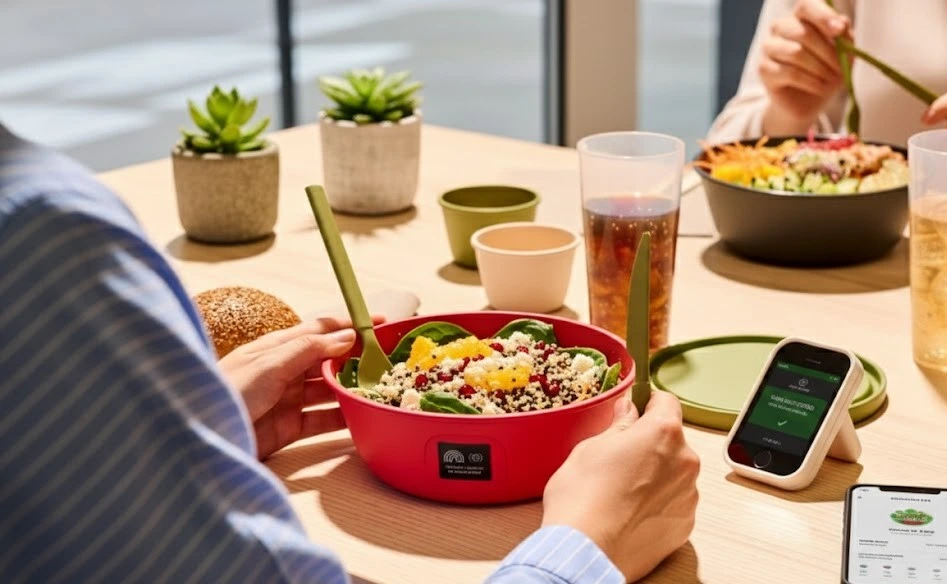
- Make reusing the easiest choice on site: A frictionless system with tap-to-use checkouts and simple drop-off returns is the key to driving reuser adoption and achieving industry-leading return rates.
- Use data to prove your program's value: Real-time insights into usage, return rates, and cost savings allow you to manage your program effectively and clearly demonstrate its financial and environmental ROI.
How Does RFID Tracking for Reusable Cups Work?
If you've ever wondered how a large venue can manage thousands of reusable cups without losing track of them, the answer often lies in a powerful and surprisingly simple technology: RFID. Unlike manual tracking or basic QR codes, an RFID system automates the entire process, giving you a real-time view of your inventory. It’s a system built on tiny tags, smart readers, and intuitive software that work together to make your reuse program seamless for both your staff and your guests. Let's break down exactly how it works.
What is RFID Technology?
RFID stands for Radio-Frequency Identification. At its core, it’s a technology that uses radio waves to automatically identify and track special tags attached to objects. Think of it as a supercharged barcode. While a barcode needs to be scanned directly with a clear line of sight, an RFID tag can be read from a distance, through other materials, and even when multiple tags are stacked together. This makes it perfect for fast-paced environments like stadiums and campus dining halls, where speed and efficiency are critical for a great guest experience. The technology removes friction, allowing for quick checkouts and returns without slowing down service.
The Key Components of an RFID System
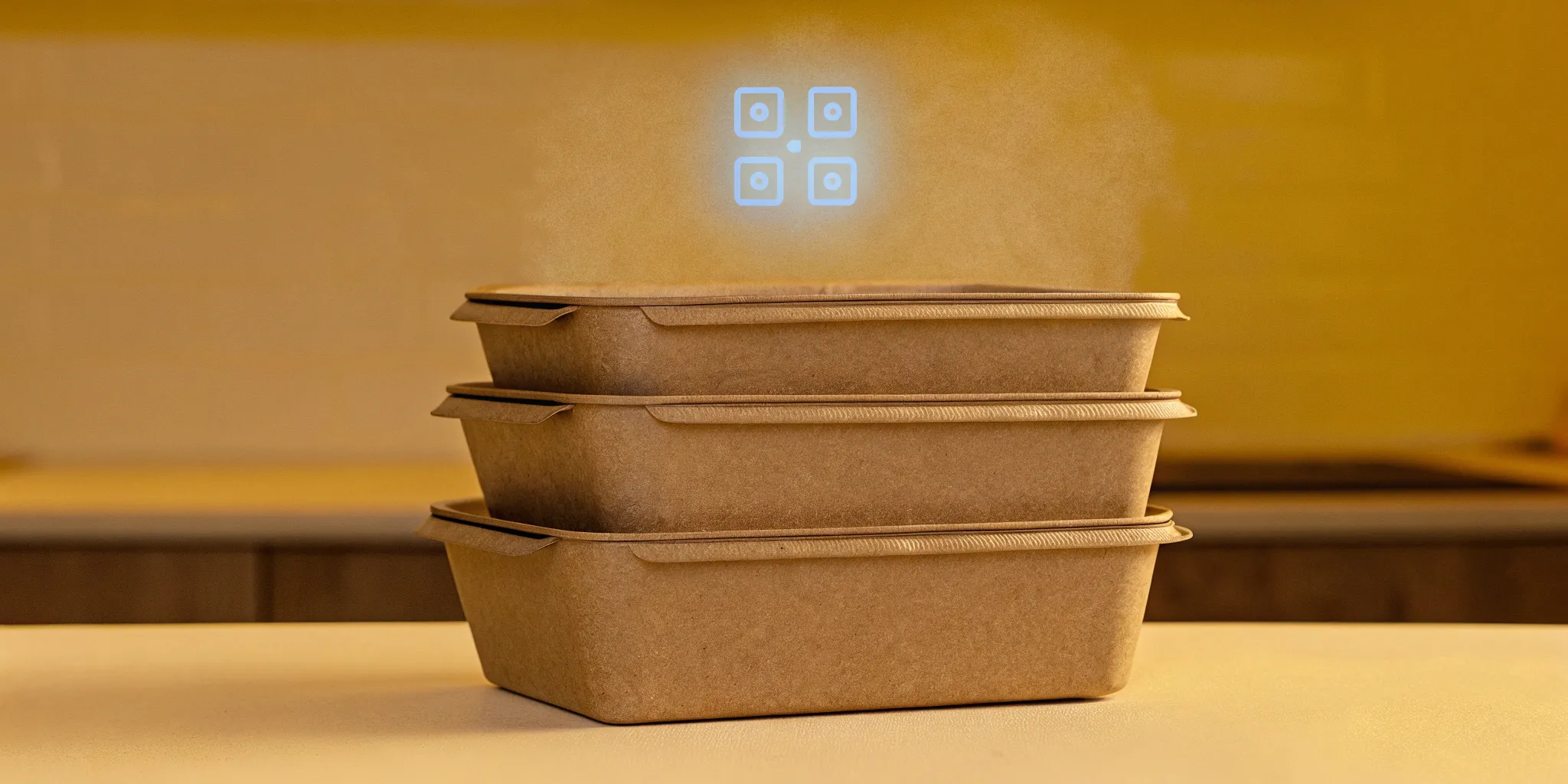
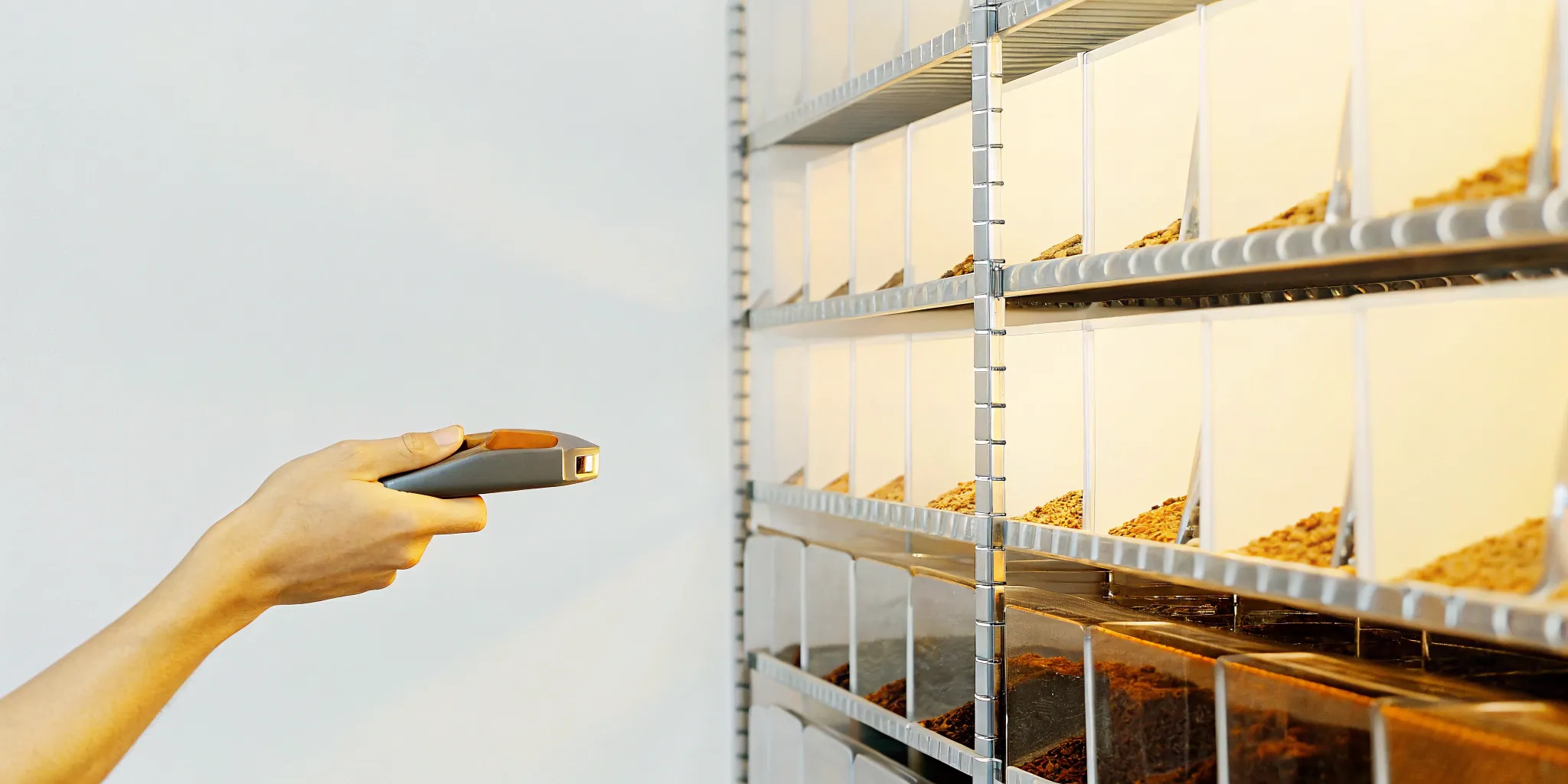
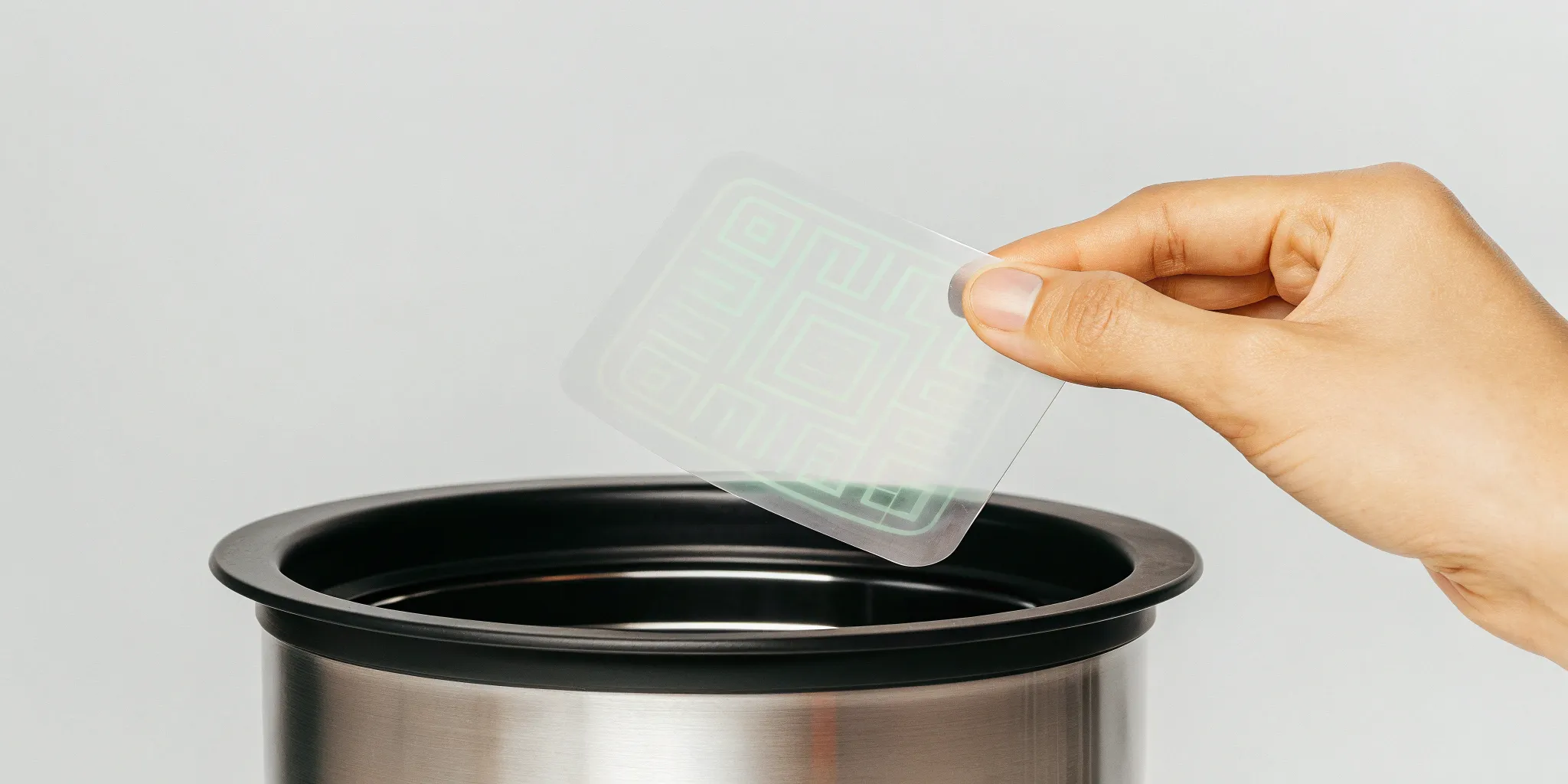
An effective RFID tracking system is made up of three main parts that work in harmony. First are the RFID tags, which are small, durable chips embedded directly into each reusable cup. Each tag contains a unique identification number, essentially giving every cup its own digital identity. Second are the RFID readers. These devices are installed at checkout points and inside smart return bins. They emit low-power radio waves that "wake up" the tags and read their unique information. Finally, the software platform acts as the central hub, processing all the data from the readers to give you a live look at your operations.
How Tags and Readers Communicate
The communication between an RFID tag and a reader is what makes the whole system feel like magic. When you bring a cup near a reader—whether at a concession stand or a return bin—the reader sends out a radio signal. The antenna in the cup's tag picks up this signal and uses its energy to send back its unique ID number. This entire exchange happens in a fraction of a second. Because the readers can scan many cups at once, this technology dramatically speeds up transactions and returns, eliminating lines and making the process frictionless. This seamless interaction is the foundation of modern reusable packaging systems.
Key Benefits of RFID for Reusable Cups
Switching to a reusable container system is a big step, and RFID technology is what makes it run smoothly and successfully. By tagging each cup or container, you get a complete picture of your inventory and can automate tasks that would otherwise require a lot of manual effort. This isn't just about tracking assets; it's about creating a system that’s easy for everyone to use and simple for your team to manage. The right technology removes the friction that causes older reuse programs to fail, ensuring high return rates and a positive experience for everyone involved. Let's look at the specific advantages RFID brings to your operations.
Improve Operational Efficiency
RFID gives you a bird's-eye view of your entire reusable container system. Think of it as gaining operational intelligence: you know exactly where your cups are, how they’re moving through different dining halls, and when they’re returned. This real-time tracking means you can manage your inventory with precision, preventing shortages in one location and overstock in another. It also helps you optimize staffing for collection and washing, as you’ll have clear data on peak return times and bin fullness. Instead of guessing, you can make informed decisions that save time, reduce labor costs, and keep your program running like a well-oiled machine.
Automate Deposits and Refunds
One of the biggest headaches with traditional reuse programs is managing deposits. RFID technology completely automates this process. When a customer buys a drink, a small, refundable hold can be placed on their linked payment method. The cup's unique RFID tag is tied to that specific transaction. Once the customer drops the cup into a bin or station, a reader instantly scans the tag and the system automatically releases the hold. This system of automated accountability ensures high return rates without your staff ever having to manually track cups or chase down fees.
Integrate with Existing Payment Systems
Adopting new technology shouldn't require overhauling your entire operational infrastructure. A major advantage of modern RFID tracking systems is their ability to integrate directly with the payment and credential platforms you already use. Reusables.com is fully compatible with leading card systems. This seamless integration makes implementation straightforward and provides a familiar experience for customers from day one.
Speed Up Transactions with Batch Scanning
During peak hours, every second counts. Unlike QR codes, which require a direct line of sight and must be scanned one by one, RFID readers can scan multiple tags at once. This batch-scanning capability dramatically speeds up both checkouts and returns. This efficiency reduces lines, frees up your staff to focus on other tasks, and creates a much smoother experience for everyone involved.
What Stadium Challenges Does RFID Tracking Solve?
Stadiums and large venues operate on a massive scale, which means even small inefficiencies can lead to big problems. From mountains of trash after a single game to the high costs of disposable cups and containers, the operational challenges are significant. Many venues have tried reusable programs only to be frustrated by low return rates, lost inventory, and the heavy manual workload required to keep track of it all. This is where a smart, tech-enabled approach changes the game. RFID tracking provides the data and automation needed to overcome these long-standing hurdles, turning a logistical headache into a streamlined, cost-effective, and sustainable system. By embedding a tiny tag in each reusable cup or container, you gain complete visibility into your inventory, making it possible to build a reuse program that actually works for your staff and your fans.
Cut Costs on Single-Use Packaging
The most immediate and tangible benefit of an RFID-powered reuse system is the dramatic reduction in spending on single-use packaging. The cost of disposable cups, containers, and cutlery has skyrocketed, eating into your bottom line event after event. Consider the scale: some European football clubs were using over 1.5 million single-use plastic cups every year before making a change. An RFID system allows you to invest in a durable fleet of containers that can be used hundreds of times. This shifts your spending from a recurring operational expense to a one-time capital investment with a clear return, directly impacting your budget and reducing procurement headaches.
Meet Sustainability Mandates
Across the country and around the world, governments are implementing new regulations to curb single-use plastic waste. The European Union, for example, has already banned many single-use plastic items in venues like stadiums. These sustainability mandates are becoming the norm, not the exception. Implementing an RFID-based reusable system helps your venue get ahead of the curve and ensures compliance with current and future environmental laws. More than just checking a box, it positions your organization as a leader in sustainability, a value that resonates strongly with fans, sponsors, and the wider community. It’s a powerful way to demonstrate your commitment to a greener future.
Solve Low Return Rates and Manual Work
If you’ve ever tried a basic deposit-based reuse program, you know the frustration of low return rates and lost assets. RFID tracking solves this by creating a system of seamless accountability. Because each cup is uniquely identified, you can easily track its journey from the concession stand to the return bin. This automation eliminates the need for staff to manually count, scan, or manage returns, freeing them up for more valuable tasks. Our systems at Reusables.com are designed to achieve near-perfect return rates by making the process effortless for fans and staff alike, ensuring your inventory stays in circulation and not in the landfill.
Address Hygiene and Adoption Barriers
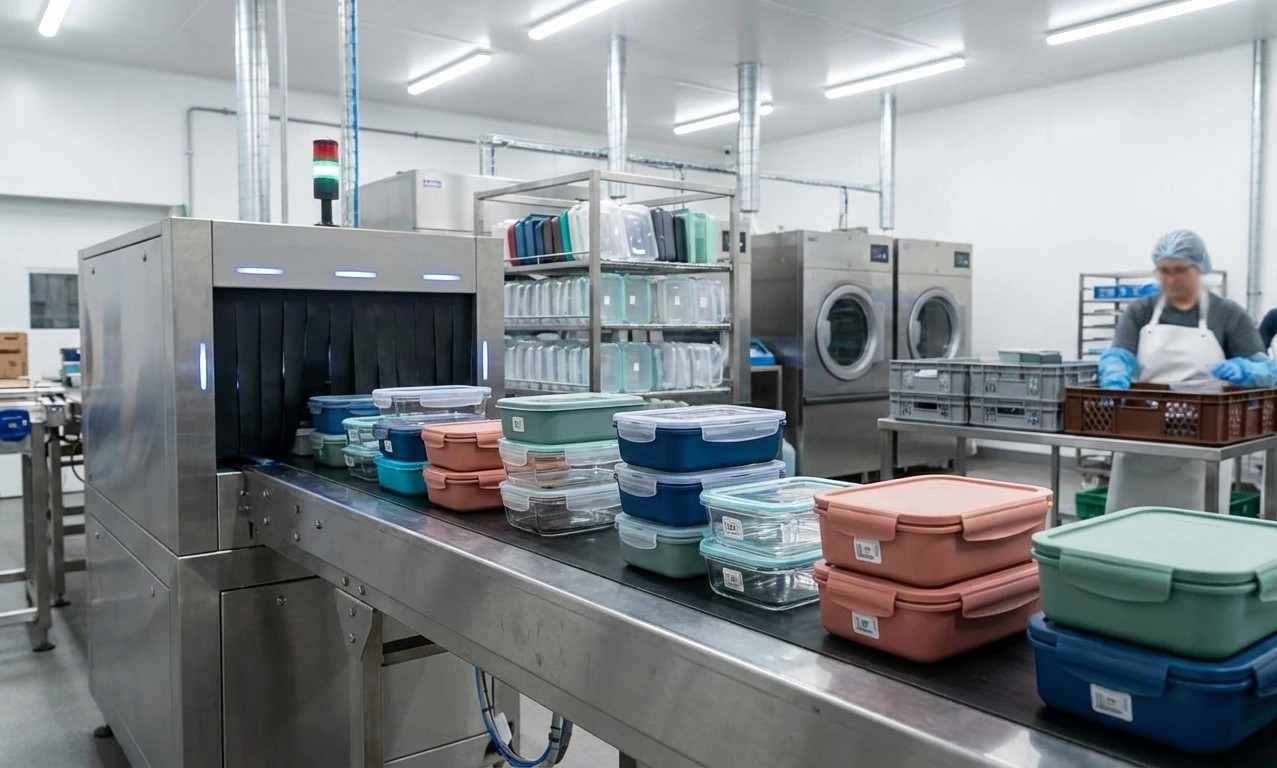
For any reuse program to succeed, fans have to trust it. A primary concern is always hygiene—is this cup really clean? RFID technology helps build that trust. The durable tags are designed to withstand high-temperature commercial washing and sanitization processes, so you can track each cup through the entire cleaning cycle. This data provides auditable proof that every container meets health and safety standards before it’s put back into service. When fans see a modern, efficient, and transparent system in place, their confidence grows, which is key to driving widespread adoption and making your sustainability initiatives a resounding success.
How to Implement an RFID Reusables Program
Putting a new reuse program in place might seem like a huge undertaking, but it’s a straightforward process when you break it down into clear steps. A successful launch isn’t just about installing new tech; it’s about thoughtfully integrating it with your current operations to create a system that works for your staff and your customers. The goal is to make reuse the easiest and most obvious choice for everyone.
Thinking through your needs, choosing the right gear, and preparing your team are the keys to a smooth transition. By focusing on these core areas, you can build a program that not only meets your sustainability goals but also delivers a fantastic dining experience and a solid return on investment. A great partner can guide you through each stage, ensuring your program is set up for success from day one. Let’s walk through the four main steps to get your RFID reusables program up and running.
Assess Your Infrastructure Needs
Before you can roll out a new system, it’s important to take stock of your current setup. Think about the physical flow of your events. You’ll also want to consider your dishwashing capacity and how clean containers will get back into circulation, or in an outsourced option is required. On the tech side, you’ll need to ensure you have the right connectivity for readers and stations to communicate. The good news is that modern reuse solutions are designed to integrate with existing payment systems, making this part much simpler. This initial assessment gives you the "operational intelligence" needed to optimize how containers and glasses move through your stadium.
Choose the Right Containers and Tags
Your reusable containers and the RFID tags attached to them are the heart of the system, so it’s crucial to choose wisely. You’ll want containers that are durable, easy to clean, and a good fit for the food you serve. Options range from stainless steel to high-quality, BPA-free plastic. The RFID tags need to be just as tough. Look for tags designed to withstand up to 1,000 industrial washes, ensuring they last as long as the container itself. Some providers, like Aucxis, have developed systems using RAIN RFID technology specifically for managing reusable assets. A flexible platform will work with a variety of container types, including any you may already own.
Prepare Your Staff and Operations
A smooth launch depends on your team feeling confident with the new system. Training is key, but it doesn’t have to be complicated. Focus on teaching staff the simple steps for checking containers out and handling returns from scan stations. It’s also helpful to map out the new operational workflow: How will staff be notified when a return bin is full? What is the process for collecting, washing, and restocking containers? The best reuse platforms are designed to be intuitive and reduce manual work. For example, with automated reminders and late fees, your staff won't have to spend time chasing down unreturned containers. This lets them focus on what they do best: providing great service.
Measure Success and ROI
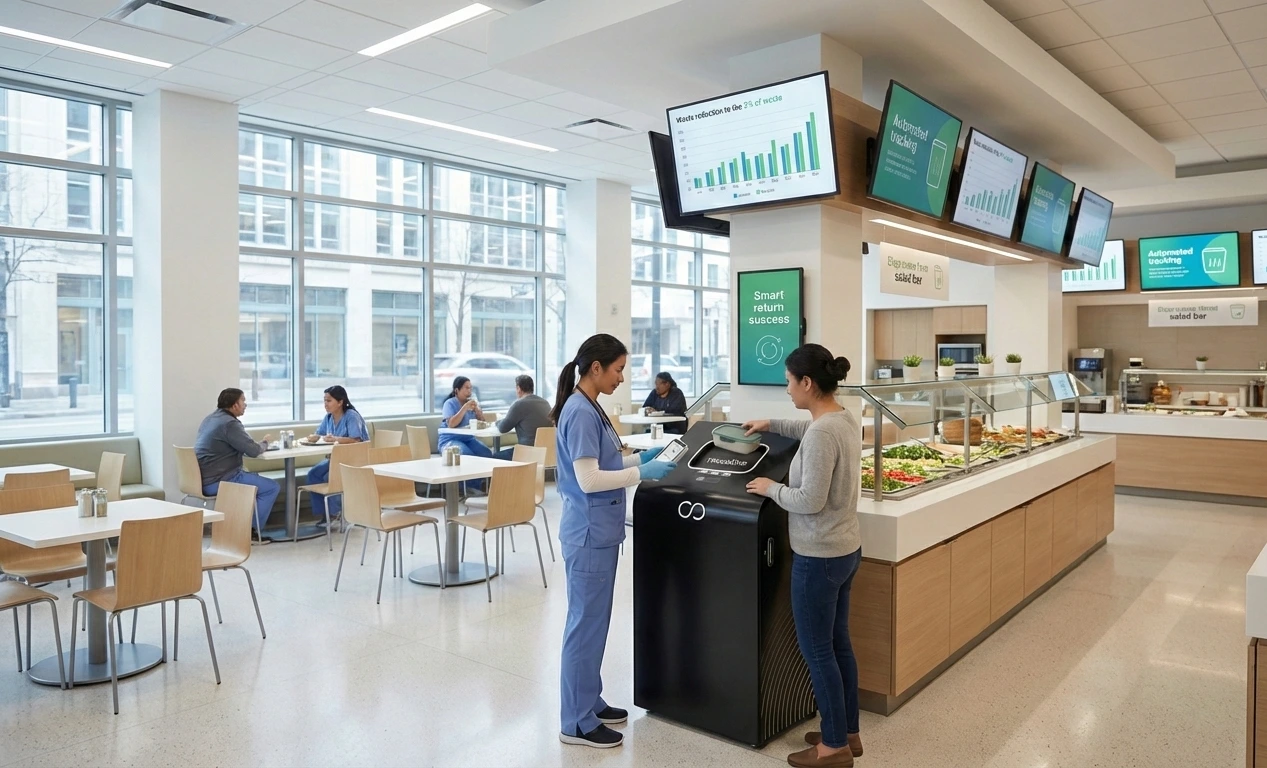
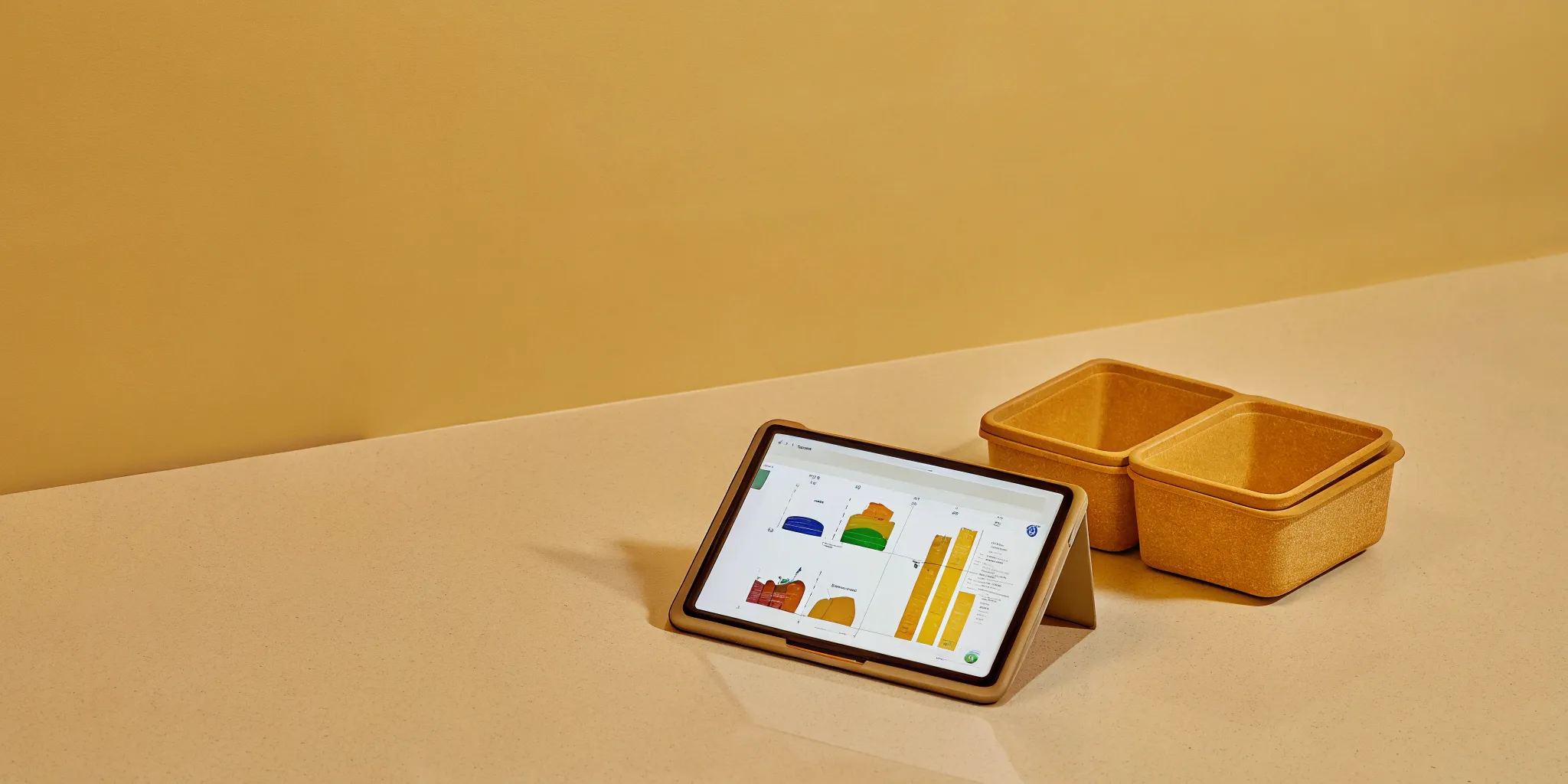
How do you know if your program is working? By tracking the right data. From day one, you should be able to see key metrics like your container return rate, total number of reuses, and cost savings compared to single-use packaging. A robust system gathers data on where containers are checked out and returned, how many times they’ve been washed, and their overall usage. This information is invaluable for managing your inventory and making smart decisions. With a real-time dashboard, you can easily track your progress, see your environmental impact grow, and demonstrate a clear return on investment to stakeholders. If you'd like to see what this could look like for your stadium, we can help you build a projection.
Frequently Asked Questions
What’s the real difference between using RFID and a QR code system? Think of it in terms of speed and convenience. While QR codes work, they need to be scanned individually with a clear line of sight, which can slow down lines during busy lunch rushes. RFID is much faster because readers can scan multiple tags at once without direct contact. This means a customet can check out several items instantly, and your staff can process a whole tray of returned cups in a single pass, making the entire experience smoother for everyone.
How much extra work does this system create for my staff? It’s actually designed to reduce their workload. The system automates the most time-consuming parts of managing a reuse program. Tracking, reminders for unreturned items, and processing late fees are all handled by the software, so your team doesn't have to chase down containers or manage spreadsheets. Smart bins even send alerts when they need to be emptied, which means your staff can focus on service instead of constantly checking stations.
Can we use our existing inventory of reusable containers with your system? Yes, that's often a possibility. Our platform is designed to be flexible. We can retrofit your current inventory of durable containers with our specialized, wash-proof RFID tags. This allows you to integrate your existing assets into our tracking system, which can be a cost-effective way to launch your program and maximize the investments you've already made.
Other stories you may find interesting















.webp)
.webp)








.webp)





























Watch the Webinar
Learn How to Eliminate Single-Use Waste
Get instant access to our expert webinar and discover how leading institutions reach 99% return rates through smarter reuse systems.

© Reusables™. All rights reserved.