
7 of The Best Reuse Companies Redefining Waste

February 5, 2026
Let's be direct. You need to reduce waste, but you can't afford a solution that creates operational headaches or a poor student experience. You’re looking for a system that saves money, simplifies logistics for your staff, and is easy for students to adopt. This is precisely the challenge that modern reuse systems are designed to solve. Forget about chasing down deposits or asking students to download yet another app. The best reuse companies have engineered these friction points out of the system entirely, creating a seamless "tap-and-go" experience that integrates directly with your existing technology. This is about making the sustainable choice the easiest choice for everyone.
Key Takeaways
- View reuse as a cost-control strategy: A modern reuse system directly tackles the rising costs of disposable packaging and waste removal. By choosing a partner that delivers a clear ROI, you can meet your sustainability goals while making a smart financial decision for your organization.
- Prioritize a frictionless experience for everyone: High return rates are essential for success, and they depend on making participation effortless. The best systems eliminate barriers with app-free checkouts, convenient return bins, and automated tracking that simplifies operations for your staff.
- Vet partners on their tech integration and proven data: The right partner provides a solution that works with your existing POS systems from day one. Insist on seeing verifiable data, like case studies with high return rates, to ensure their system is scalable and can deliver on its promises.
What is a Reuse Company (and Why Should You Care)?
If you’re managing food services, you’ve seen the costs of disposable packaging climb. You’re also likely facing pressure to meet ambitious zero-waste goals. This is where a reuse company comes in. Simply put, a reuse company is a partner that provides the products, technology, and operational support to replace single-use items with a system of smart, trackable alternatives. Instead of constantly reordering containers that end up in a landfill, you implement a system where high-quality containers are used, returned, washed, and put back into circulation. It’s about building an entire ecosystem that saves money, reduces waste, and improves the dining experience for your students and staff.
Moving from a throwaway culture to a circular one
For decades, our economy has been mostly linear: we take resources, make products, and then throw them away. A reuse company helps you shift to a different model. The goal is to create what’s known as a circular economy, a system that prevents waste by design. Instead of disposing of items after one use, a circular approach focuses on "reusing, repairing, and recycling materials to keep them in use for as long as possible." In a dining halls, this means transforming your takeout program from a source of waste into a closed-loop system. Reuse companies provide the infrastructure—like smart return bins, QR-coded containers, and integrated payment options—that makes this circular flow possible.
The real-world impact of choosing to reuse
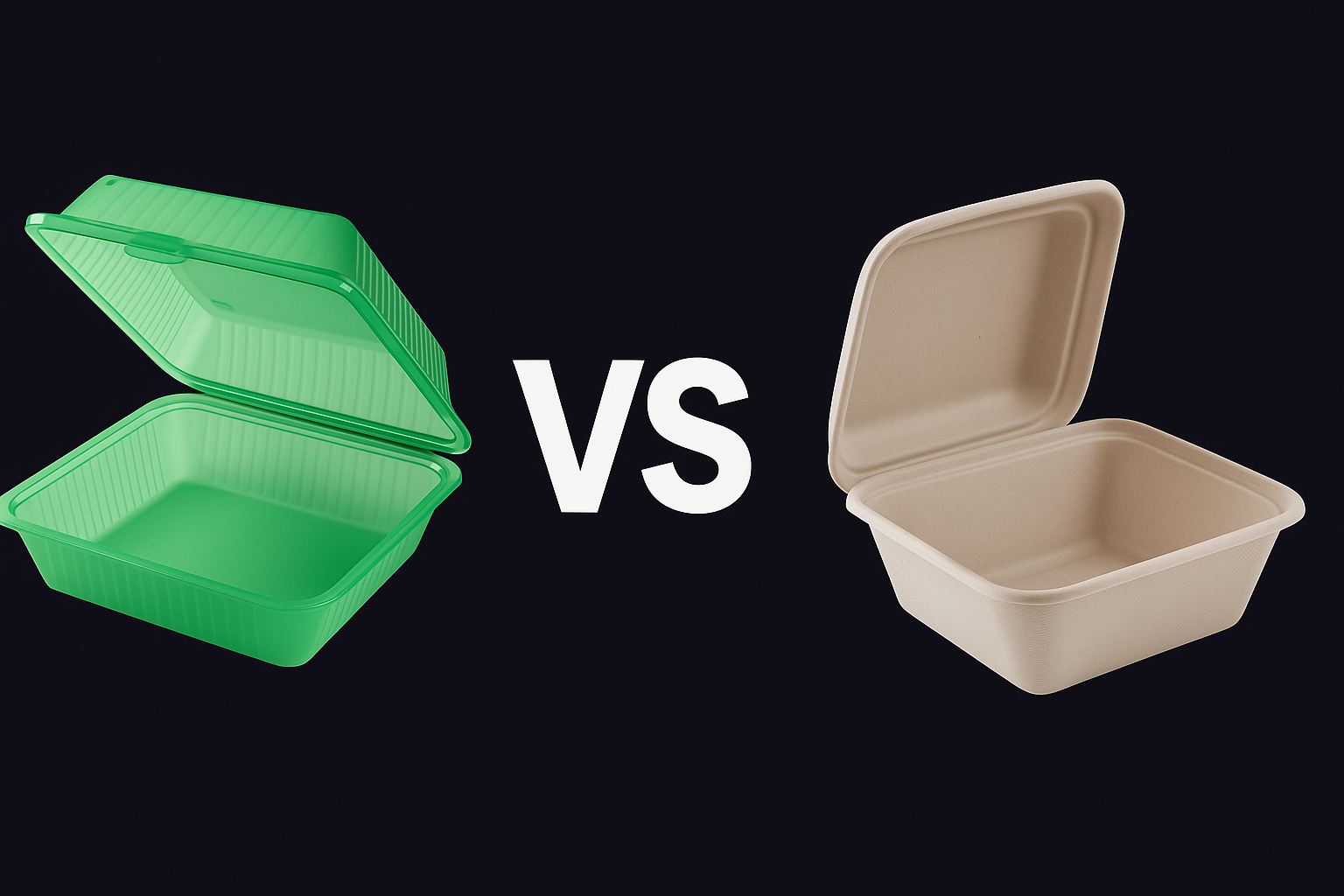
Choosing to work with a reuse partner has a tangible and immediate effect. On a global scale, adopting reusables in the food industry could eliminate 841 billion disposable packages and prevent 7.5 million tons of trash annually. Studies consistently show that reusables are better for the environment than single-use options, even compostable ones, across nearly every environmental metric. For your campus, this translates into hitting sustainability targets and significantly cutting operational costs. Companies like Reusables.com help organizations replace single-use packaging with smart, trackable systems that automate returns and make the entire process scalable. By implementing a well-designed reuse program, you’re not just making an environmental statement—you’re making a smart business decision that reduces waste and improves your bottom line.
How Top Reuse Companies Create Value from Waste
The most successful reuse companies don’t just replace a disposable item with a durable one—they rethink the entire system. By looking at waste as a design flaw, they find opportunities to create value where others see trash. These companies are building smarter, more efficient systems that make reusing items easier and more appealing than throwing them away. From food packaging to fashion, they prove that a circular model can be good for the planet and for business. They do this by focusing on user experience, leveraging technology for tracking and returns, and creating clear economic and environmental benefits.
Smart systems for packaging and containers
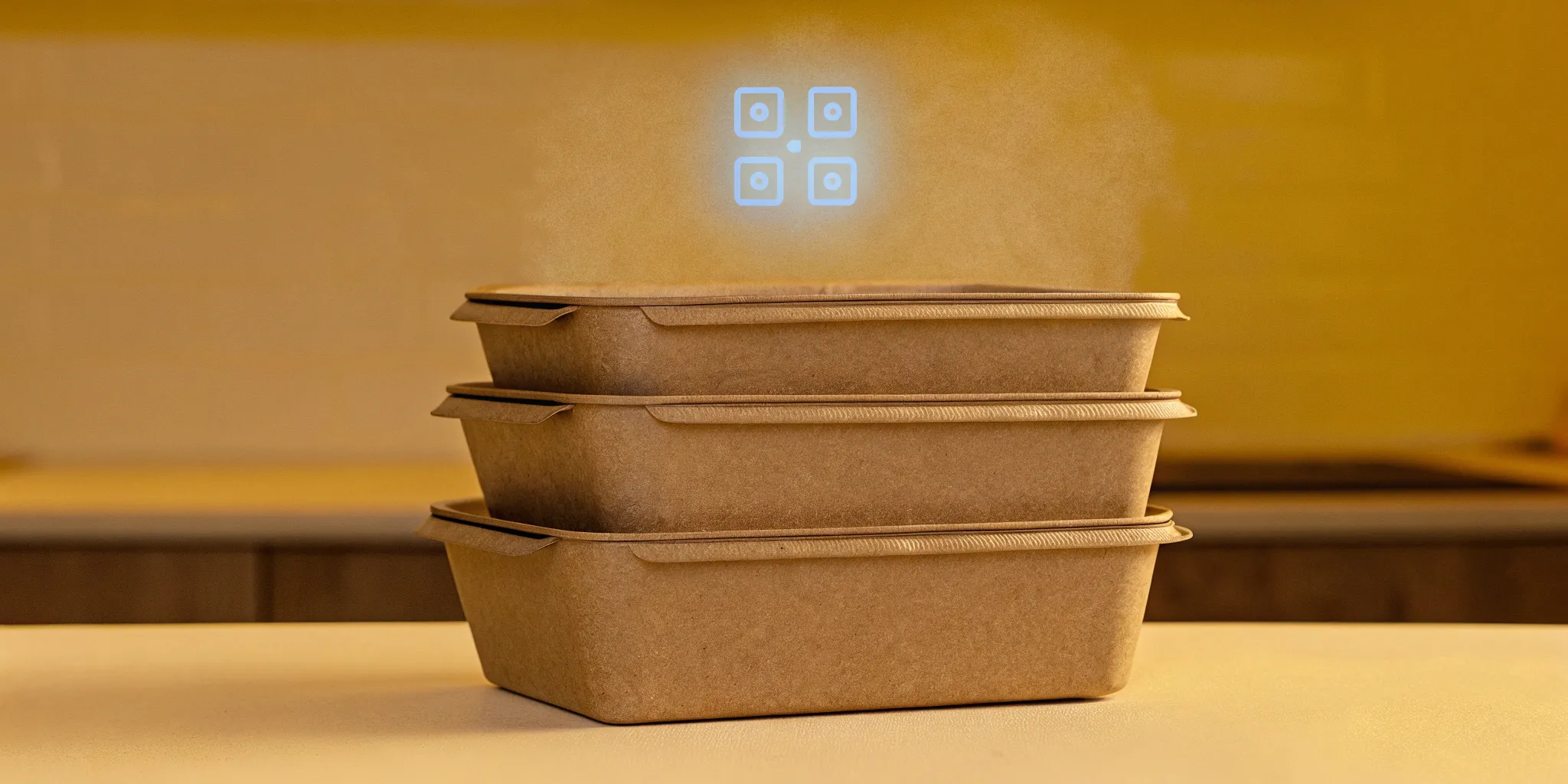
Single-use packaging is one of the most visible sources of waste on any campus. The solution isn’t just a better container; it’s a smarter system. Companies are now using technology to create smart, trackable reusable systems that replace disposables entirely. By tagging each container with a unique QR code or RFID chip, operators can track inventory in real-time, automate the return process, and gather data on usage and environmental impact. This approach transforms packaging from a costly waste stream into a manageable, circular asset. It makes reuse scalable and provides the operational visibility needed to manage a campus-wide program without adding extra work for staff.
Giving electronics a second life
Electronic waste, or e-waste, is a massive global problem, filled with both valuable materials and hazardous components. Instead of letting old devices pile up in landfills, innovative companies are giving them a second life. Organizations like Human-I-T refurbish and redistribute used electronics, providing affordable technology to students, families, and nonprofits who need it most. This creates incredible social and environmental value by diverting millions of pounds of e-waste from landfills while bridging the digital divide. It’s a powerful example of how reuse can solve multiple problems at once, turning discarded items into essential tools for communities.
Refill stations for everyday products
From coffee to cleaning supplies, many daily essentials come in single-use plastic packaging. Refill models tackle this problem head-on by separating the product from its container. Companies like Algramo are pioneering this space by installing smart dispensing stations in stores and offering home delivery services that use durable, returnable containers. This approach makes it easy for people to adopt sustainable habits without sacrificing convenience. By making refills accessible and affordable, these companies are changing consumer behavior and proving that we don’t need to own the package to enjoy the product inside it.
Closing the loop on fashion and textiles
The fashion industry has long operated on a linear "take-make-waste" model. But a new wave of companies is working to close the loop by making secondhand the first choice. Online marketplaces like Thrilling connect hundreds of local vintage shops with a national audience, making it easier than ever to buy unique, pre-loved clothing. This not only keeps textiles out of landfills but also supports small, local businesses. By extending the life of garments and promoting a more mindful way of shopping, these platforms are helping build a circular economy for fashion where style and sustainability go hand-in-hand.
7 Companies Defining the Future of Reuse
The shift from a linear, "take-make-waste" economy to a circular one is picking up speed, and it’s being driven by innovators who see value where others see trash. These companies are rethinking everything from our daily coffee run to the technology we use and the furniture in our homes. They prove that reuse isn't just an environmental ideal; it's a practical, scalable, and often more cost-effective way of doing business. By building smart systems that make it easy for people and organizations to participate, they are creating a new standard for consumption.
The best reuse models are built on convenience, accountability, and smart technology. They integrate seamlessly into our lives, making the sustainable choice the easy choice. From tech-enabled campus dining programs to city-wide delivery services, the companies on this list are tackling the waste crisis from different angles. Each one offers a unique blueprint for how we can close the loop and build a more resilient future, one reusable container, cup, or computer at a time. Let's look at seven companies leading the charge.
Reusables.com: Zero-waste packaging for campuses and businesses
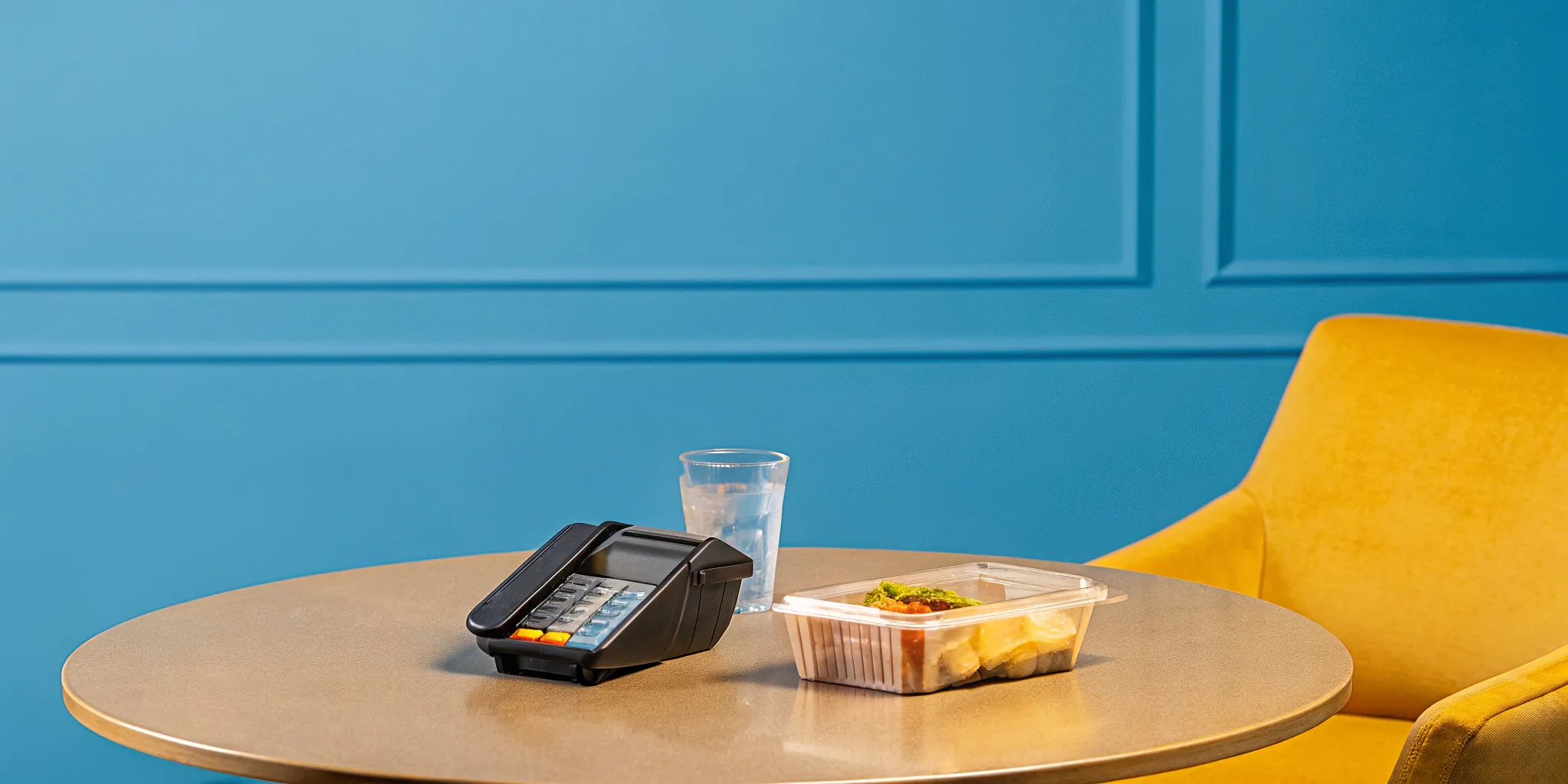
For college campuses, organisations and businesses looking to ditch single-use takeout packaging, Reusables.com offers a complete, tech-powered system. Their approach is built around making reuse simpler and more affordable than disposables. Students, members, staff and customers can check out a container with a simple tap of their student/member card, credit/debit card or phone—no app download required. This frictionless experience is key to driving adoption.
Behind the scenes, a robust tracking system with QR and RFID technology ensures every container is accounted for, leading to industry-leading return rates of over 99%. Smart return bins notify staff when they’re full, streamlining operations for your team. By providing solutions for businesses that integrate directly with existing payment and POS systems, Reusables.com makes it easy for any food service operator to cut waste, reduce packaging costs, and meet sustainability goals.
Algramo: Smart dispensing for product refills
Algramo is tackling single-use plastic at the source with smart dispensing technology for everyday household products. Born from a mission to make sustainable choices more affordable, Algramo allows customers to buy products like soap and cleaning supplies by weight, paying only for the product itself, not the packaging. Their IoT-powered vending machines and mobile refill stations bring the bulk aisle directly into neighborhoods and apartment buildings.
Customers use their own smart reusable containers, which are tracked to make refills quick and easy. This model not only eliminates packaging waste but also helps families save money. By focusing on accessibility and cost-effectiveness, Algramo is proving that a zero-waste lifestyle can be for everyone, not just a select few.
The Rounds: Zero-waste delivery for city dwellers
Imagine the convenience of weekly deliveries combined with the sustainability of a zero-waste store. That’s the model behind The Rounds, a modern-day "milkman" service for city residents. They deliver over 100 household staples—from pantry goods and cleaning supplies to personal care items—in reusable containers right to your door. When you’re done, you simply leave the empty containers out for pickup on your next delivery day.
What makes The Rounds stand out is its commitment to local communities. They partner with local makers and businesses to stock their inventory and use e-bikes for their delivery routes to keep their carbon footprint low. It’s a holistic system that reduces packaging waste while supporting local economies and creating a more sustainable urban lifestyle.
r.Cup: Reusable cup systems for large venues
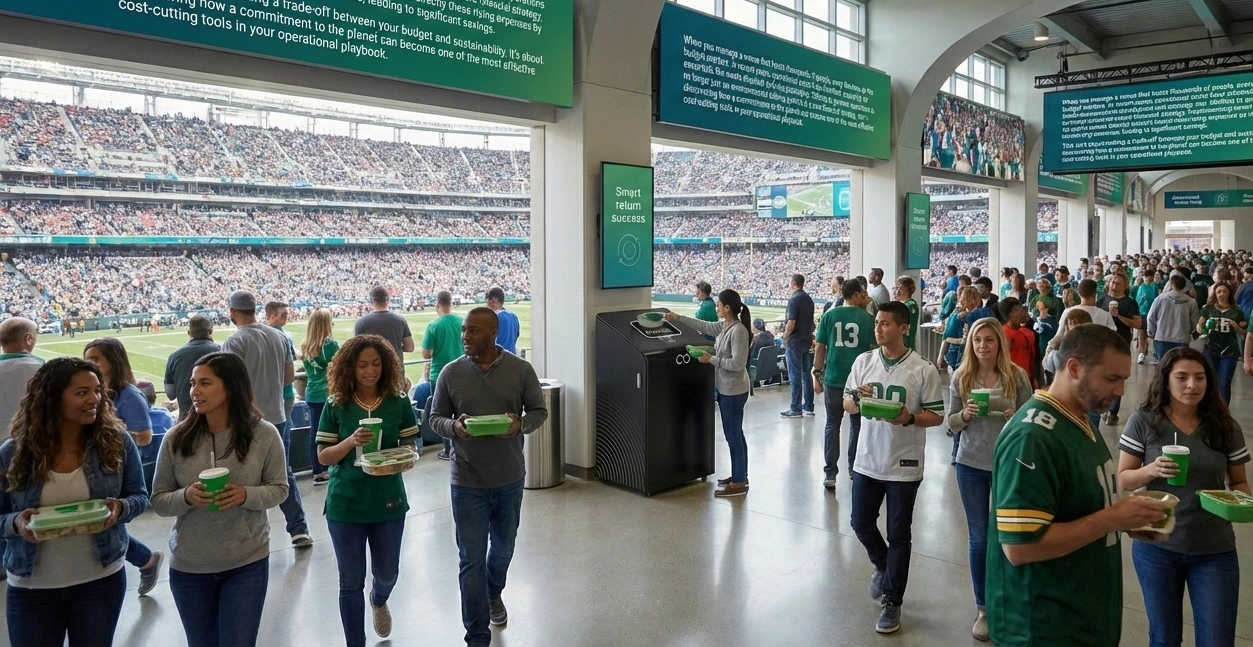
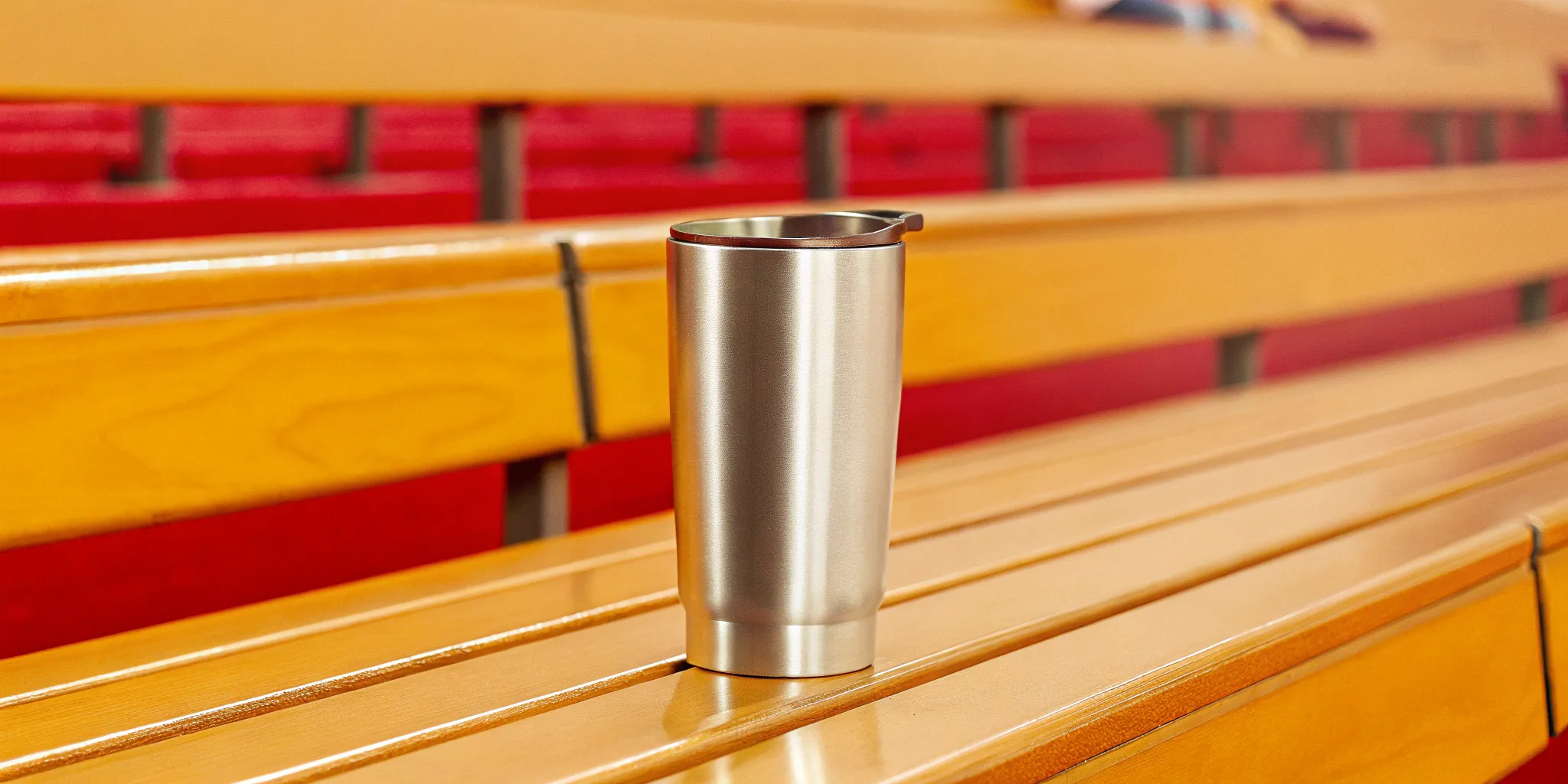
Concerts, festivals, and sporting events generate mountains of single-use plastic cup waste. r.Cup is on a mission to change that. They partner with large venues and event organizers to replace disposable cups with a durable, reusable alternative. The system is simple for attendees: you get your drink in an r.Cup and drop it in a designated bin before you leave.
r.Cup handles all the logistics, from delivery and collection to washing and sanitizing the cups for the next event. They are also helping build city-wide reuse infrastructures to support multiple venues, making reuse the new norm for live events. By creating a closed-loop system at scale, r.Cup is making it easy for fans and venues to be part of the solution.
Human-I-T: Refurbishing and redistributing technology
Reuse isn’t just about packaging; it’s also about extending the life of our electronics. Human-I-T tackles the massive problem of e-waste by collecting unwanted technology from businesses and individuals, refurbishing it, and redistributing it to communities in need. Their work keeps tons of hazardous materials out of landfills while also bridging the digital divide.
By providing low-income families, veterans, and students with computers, internet access, and digital literacy training, Human-I-T creates opportunities that last. This model is a powerful example of how environmental sustainability and social equity can go hand-in-hand. They transform what one person considers waste into a life-changing tool for someone else, giving both technology and people a second chance.
Loop: Partnering with major brands on reusable packaging
Loop is bringing the reuse model to the mainstream by partnering with some of the world's largest consumer brands, from Häagen-Dazs to Tide. Their platform allows you to buy your favorite products in durable, reusable containers. You can shop through partner retailers online or find Loop products in dedicated aisles at major grocery stores.
Once you’ve finished the product, you return the empty container to a collection tote or an in-store drop-off point. Loop then takes care of the professional cleaning and sends the containers back to the manufacturers for refilling. By integrating with brands people already know and trust, Loop is making it incredibly easy for the average consumer to reduce their packaging footprint without changing their shopping habits.
IKEA: Buying back and reselling used furniture
As one of the world’s largest furniture retailers, IKEA has a huge influence on consumer behavior. With its Buy Back & Resell program, the company is taking a major step toward a more circular business model. The program allows customers to sell their gently used, fully assembled IKEA furniture back to the store in exchange for store credit.
This furniture is then sold in the store’s "As-Is" section, giving it a second life with a new owner. This initiative encourages customers to see their furniture as a long-term asset rather than a disposable item. By creating a formal marketplace for its own used goods, IKEA is making sustainable choices more accessible and keeping bulky items out of the landfill.
What Technology Powers Modern Reuse Systems?
The most successful reuse programs run on more than just good intentions—they’re powered by smart, integrated technology. Gone are the days of clunky honor systems or manual tracking. Today’s leading platforms use a full-stack approach to make reuse seamless for both the user and the operator. This technology is what makes a circular system scalable, accountable, and convenient enough to compete with the ease of single-use disposables. From tracking individual containers to providing real-time impact data, technology is the engine that drives a modern reuse system.
Tracking every item with RFID and QR codes
To run a successful reuse program, you need to know where your containers are. Attaching a unique digital identity to every cup, bowl, and clamshell is the first step. This is typically done with small, durable RFID tags or QR codes. When a student checks out a container, a quick scan links it to their account. This creates accountability and provides a real-time view of your inventory. These smart, trackable reusable systems help organizations replace single-use packaging by enabling the precise tracking of every item, which is key to reducing waste and improving operational efficiency. This simple step prevents inventory loss and ensures everyone participates fairly.
Making returns easy with smart bins
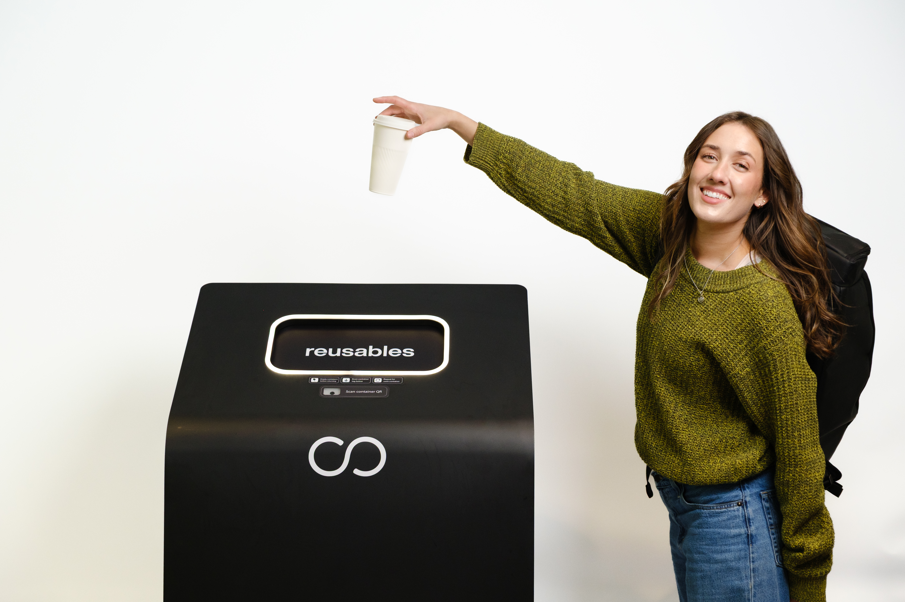
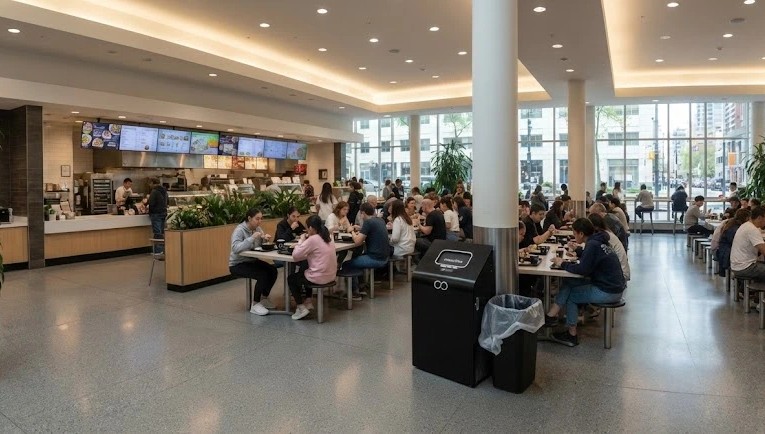
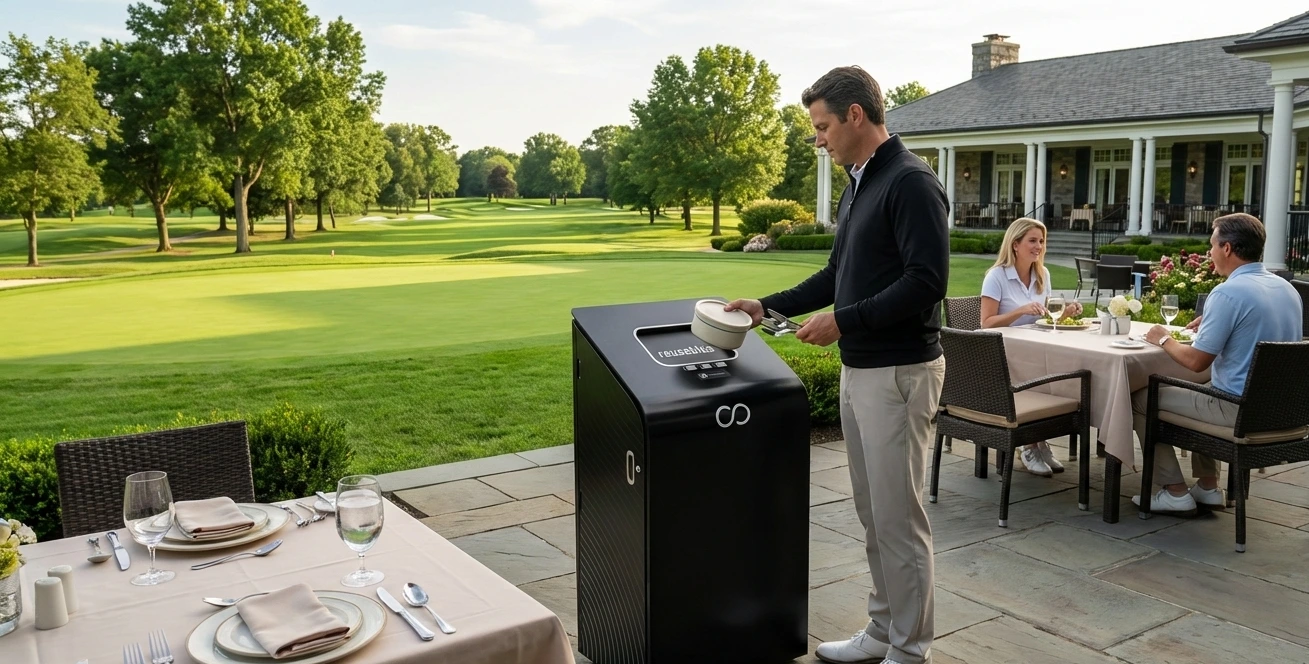
A reuse system is only as good as its return rate, and convenience is everything. If returning a container is a hassle, students won’t do it. That’s where smart return bins come in. These stations are designed for a simple, 24/7 drop-off experience. Users scan their container, drop it in the bin, and are instantly credited for the return. Behind the scenes, these innovative smart bins can notify staff when they’re getting full, streamlining collection logistics. By making the return process as easy as finding a trash can, campuses can achieve the high return rates needed to make the system sustainable and cost-effective.
Integrating app-free checkout and payments
One of the biggest hurdles for any new campus program is getting students to download another app. The best reuse systems avoid this completely by integrating directly with the tools students already use. The goal is to seamlessly integrate reusable asset tracking with existing campus card, point-of-sale, and payment systems. This allows for a frictionless "Tap to Reuse" checkout where a student simply taps their student ID or credit card to borrow a container. This approach removes a major barrier to adoption and makes participating in the reuse program a natural part of the campus dining experience, without requiring deposits or storing sensitive payment information.
Using data to measure your impact
How do you know if your reuse program is actually working? The answer is in the data. Because every container is tracked, modern reuse platforms can provide a wealth of information through a central dashboard. You can see real-time return rates, inventory levels, and usage patterns. More importantly, this technology captures valuable sustainability data, allowing you to measure your impact in clear, reportable metrics. You can track exactly how many single-use items you’ve avoided and calculate the corresponding reduction in waste and CO2 emissions. This data is crucial for demonstrating ROI and sharing your campus’s sustainability success story with stakeholders.
How Do You Measure the Impact of a Reuse Program?
Launching a reuse program is a big step toward your campus's sustainability goals, but how do you know if it's actually working? Measuring your impact goes beyond simply counting how many reusable containers are in circulation. It’s about understanding the full environmental picture and seeing a clear return on your investment. The right data tells a powerful story about cost savings, waste reduction, and your commitment to a greener environment. A great reuse partner won’t just provide the containers; they’ll provide the clear, real-time data you need to track your success and share it with stakeholders. This transparency is key to building momentum and proving the value of your program from day one. By focusing on a few core metrics, you can get a precise understanding of your program's performance and its contribution to your zero-waste targets.
Calculating the true carbon footprint
To truly grasp the environmental benefits of your reuse program, you need to look at the big picture. This is where a life-cycle analysis (LCA) comes in. An LCA assesses the environmental impact of a product throughout its entire life, from manufacturing to disposal. A successful reuse system should demonstrate significant savings across key areas like greenhouse gas emissions, water consumption, and material usage when compared to its single-use counterparts. This comprehensive view ensures that your efforts are making a genuine positive impact, not just shifting the environmental burden from one area to another. It’s the most effective way to validate that your reusable packaging is the superior choice for the planet.
Tracking waste reduction and diversion
One of the most straightforward ways to measure success is by tracking how much single-use waste you’ve eliminated. This is about quantifying the volume of products sold through your reuse program. Think of it in concrete terms: how many disposable cups, containers, and cutlery sets did your organisation avoid sending to the landfill this month? This metric directly translates into cost savings on purchasing disposables and waste hauling fees. A robust platform should provide you with a dashboard that shows exactly how many single-use items have been displaced, making it easy to report on your progress toward waste reduction goals and celebrate milestones with your campus community.
Why high return rates are critical
The success of all reusable packaging programs depends on one crucial factor: getting the containers back. High return rates are non-negotiable. When containers aren't returned, the environmental and financial benefits quickly diminish, and you’re essentially left with a very expensive disposable item. A system with consistently high return rates ensures that each container can be used hundreds of times, maximizing its value and minimizing its environmental footprint. This is why automated accountability, convenient return options, and student engagement are so important. They work together to create a reliable closed-loop system where nearly every container makes its way back to be washed and reused.
Optimizing logistics for a lighter footprint
An effective reuse program considers its own operational footprint. The process of collecting, washing, and redistributing containers—often called reverse logistics—needs to be as efficient as possible. This means minimizing transport distances and using smart, streamlined processes. For example, having strategically placed smart return bins across campus and an efficient on-site washing system reduces the carbon emissions associated with transportation. When evaluating a reuse partner, ask how their system is designed for optimizing logistics. A well-designed program is not only better for the planet but also simpler and more cost-effective for your team to manage.
How to Choose the Right Reuse Partner for Your Business/Organisation
Making the switch to a reusable packaging system is a big step, and finding the right partner is key to your success. The ideal partner won’t just sell you containers; they’ll provide a comprehensive solution that fits your business, simplifies your operations, and delivers real results. As you evaluate your options, focus on a few critical areas to ensure you’re making a smart, future-proof investment for your institution. A true partner will work with you to meet your sustainability goals while making life easier for your staff and students.
Will it work with your existing systems?
A new reuse program shouldn't create operational headaches. The last thing you need is a system that requires manual workarounds or forces reusers and staff to learn a complicated new process. Look for a partner whose technology integrates smoothly with the systems you already use every day, from your POS to your card providers like Square, Squirrel, Stripe, Transact, CBORD, or TouchNet. The best solutions are turn-key enterprise reuse systems that feel like a natural extension of your current dining services, not a clunky add-on. This ensures a frictionless experience for everyone and makes adoption much more likely.
Can they back up their claims with data?
Every company will tell you their solution is sustainable, but it's crucial to look for proof. Ask potential partners for hard data on their environmental impact. The gold standard is a life-cycle analysis (LCA), which provides a comprehensive look at a product's footprint from creation to disposal. According to the Ellen MacArthur Foundation, this kind of evidence is essential for verifying environmental savings. Your partner should be able to provide clear, transparent metrics on everything from return rates and waste diversion to GHG emissions reductions, so you can confidently report on your program's success.
What is the total cost and potential ROI?
While there's an upfront investment in any reuse program, the goal is to save money in the long run. With the cost of disposable packaging continuing to rise, a well-run reuse system can deliver significant savings. Ask for a clear breakdown of all costs, including containers, technology, and any ongoing service fees. A great partner will help you build a business case by modeling your potential return on investment. Their approach should be simple: make reuse more cost-effective and convenient than waste. Look for systems with high return rates and automated accountability to protect your investment and maximize savings.
Can the system grow with you?
Your campus's needs will evolve, and your reuse program should be able to adapt. You might start with a pilot in one dining hall and expand across campus later. The right partner will offer a flexible and scalable solution that can grow with your ambitions. This means having options for different types of containers, various return point styles (like smart bins and scan stations), and a technology platform that can handle increasing volume. A system designed to scale circular operations ensures that you can build on your success year after year without having to start over.
Overcoming the Common Hurdles of Implementing a Reuse System
Switching from single-use packaging to a reusable system is a powerful move for any campus, but it’s natural to have questions about the transition. Let's be honest: new initiatives can feel daunting. You might worry about getting students to participate, adding more work for your already busy staff, or wrestling with new technology. These are all valid concerns, but they are far from insurmountable. With the right strategy and partner, these challenges become simple steps in your journey toward a zero-waste campus.
The key is to choose a system designed to solve these problems from the start. A successful reuse program isn't just about providing durable containers; it's about creating a seamless experience for everyone involved. It should feel effortless for students, provide clear data and simple workflows for your team, and integrate smoothly with the payment and operational systems you already have in place. By focusing on a frictionless user experience and smart, automated logistics, you can sidestep the common pitfalls and build a program that people are excited to be a part of.
Getting students and staff on board
The biggest question for any new program is, "Will people actually use it?" Getting buy-in is crucial, and it often comes down to making participation as easy as possible. If a reuse system involves downloading an app, paying a deposit, or following a complicated set of rules, you’ll lose people before they even start. The most effective approach removes every bit of friction.
That’s why an app-free checkout is a game-changer. When reusers can simply tap their card to borrow a container—with no upfront cost—the barrier to entry disappears. Adding elements like campus-wide leaderboards and rewards for reusing also turns participation from a chore into a fun, engaging activity. Clear messaging and an intuitive process are the final pieces, ensuring everyone understands how to participate and why it matters.
Simplifying operational logistics
A reuse program can quickly become an operational headache if it relies on manual tracking, clunky return processes, and guesswork. Your team doesn't have time to count containers, chase down late fees, or manually check return bins. A modern reuse system should reduce your team's workload, not add to it. This is where technology designed for a turn-key enterprise reuse system makes all the difference.
Imagine having a real-time dashboard showing your exact inventory levels, return rates, and even how full your smart return bins are. With automated tracking on every container, you get precise data without the manual effort. Smart return stations that are open 24/7 and send alerts when they need service mean your staff can focus on their core responsibilities. This level of automation and operational visibility transforms reuse from a logistical challenge into a streamlined, efficient part of your dining services.
Integrating new technology smoothly
Introducing any new technology on campus can feel like a massive project, especially when it needs to work with your existing infrastructure. The last thing you want is a system that operates in a silo or forces students and staff to juggle multiple platforms. The goal is seamless integration that makes the technology feel almost invisible. A system that works with the tools you already use is essential for a smooth rollout and long-term success.
This is why direct integrations with card and payment platforms are so important. When a reuse program can plug directly into your existing credential and POS systems, it becomes a natural extension of the dining experience. Members don't need a new account or payment method; they just use the card that's already in their pocket. This approach eliminates both consumer friction and operational complexity, making the transition smooth for everyone.
Meeting compliance and industry standards
As more organisations and cities set ambitious zero-waste goals, the pressure to reduce single-use plastics is growing. A reuse program is a fantastic way to meet these mandates, but its success depends on creating a truly circular system. This means ensuring containers are consistently returned, cleaned, and put back into circulation. A leaky system with low return rates doesn't solve the waste problem and can become a financial drain.
A well-designed program with automated accountability is the solution. By making it easy to borrow and return containers, and by sending automated reminders, you can achieve industry-leading return rates—often as high as 99%. This not only keeps your inventory in circulation but also provides the verifiable data you need for sustainability reporting. Effective collaboration with a partner who can provide robust impact metrics helps you demonstrate your commitment to sustainability and confidently meet compliance standards.
Related Articles
- Smart Reuse Programs for Campuses, Private Clubs, Offices & More
- Successful Zero Waste Initiatives for College Dining
- What Is a Circular Economy in Healthcare? A Guide
- 7 Smart Eco-Friendly Initiatives for Campus Food
- A Guide to Sustainable College Cafeterias
Frequently Asked Questions
What happens if people don't return the containers? This is one of the most common concerns, and it's why modern reuse systems are built on smart, automated accountability. Instead of relying on an honor system, each container is linked to a user's account when they check it out. If a container isn't returned within a set period, the system automatically sends friendly reminders. This gentle nudge, combined with incredibly simple return options like 24/7 smart bins, results in return rates of over 99%, protecting your inventory and ensuring the system runs smoothly. Also, if they don't have an account and just used a payment card, a fully automatic refundable deposit is charged several days after the container was due to be returned, this charge is stopped or refunded automatically once it is returned within 30 days.
Will a reuse system create more work for my dining staff? Quite the opposite. A well-designed system should actually reduce your team's workload. Think about the time your staff currently spends ordering, stocking, and managing the inventory of disposable containers. A tech-enabled reuse program automates tracking, so you always have a real-time view of your inventory. Smart return bins even send alerts when they're full, which means your staff can collect containers efficiently instead of constantly checking bins across the location.
We're on a tight budget. How does a reuse program actually save money? While there is an initial investment, a reuse program is designed to deliver significant long-term savings. The cost of single-use packaging has been rising sharply, and it's a line item you have to pay for year after year. By switching to a durable inventory that can be used hundreds of times, you drastically cut down on those recurring purchasing costs. You also reduce waste hauling fees, creating a clear return on investment that improves your bottom line.
Does our campus need to download another app for this to work? No, and that’s one of the most important features. We all have enough apps on our phones. The best reuse systems integrate directly with the technology your students already use every day, like their campus card or mobile wallet. This allows for a simple "Tap to Reuse" checkout that takes seconds and removes the biggest barrier to participation, making the sustainable choice the easiest choice.
How do we handle the washing and sanitizing of all these containers? This process is designed to fit right into your existing operations. The system works with your current commercial dishwashing facilities, so you don't need to invest in new, specialized equipment. A good partner will work with your team to establish an efficient workflow for collecting containers from return stations, running them through your dish room, and restocking them at service points, making the entire process a seamless part of your daily routine.
Other stories you may find interesting











.webp)
.webp)




















Watch the Webinar
Learn How to Eliminate Single-Use Waste
Get instant access to our expert webinar and discover how leading institutions reach 99% return rates through smarter reuse systems.

© Reusables™. All rights reserved.