
How to Build a Sustainability Budget in Universities

February 25, 2026
Let's be honest: managing a campus dining budget is a constant balancing act. You're facing skyrocketing costs for single-use packaging while also hearing loud and clear from students and faculty that they want more sustainable options. It can feel like you’re caught between a rock and a hard place. The solution isn't about making painful cuts; it's about making a strategic shift. A formal sustainability budget in universities provides the framework to move from reactive spending on disposables to a proactive investment in systems that save money. This article will show you how to build that budget and use it to reduce operational costs, improve the student experience, and meet your campus's environmental goals.
Key Takeaways
- Shift the conversation from cost to ROI: Frame your sustainability budget as a strategic tool for reducing operational expenses, like the ever-rising cost of single-use packaging, to secure buy-in from financial decision-makers.
- Invest in smart systems for seamless adoption: Prioritize funding for tech-enabled solutions, such as a reusable container program, that make sustainable choices easy for students and provide automated tracking for your team.
- Use clear metrics to justify your budget: To protect and expand your funding, regularly report on your program's performance. Hard data on cost savings, waste diversion, and return rates demonstrates tangible value and builds a strong case for future investment.
What is a Sustainability Budget? (And Why Your Campus Needs One)
Let's talk about sustainability budgets. It's a term that can feel a bit vague, but it's one of the most powerful tools your campus can have. A sustainability budget isn't just a column in a spreadsheet for recycling bins and Earth Day posters. Think of it as a strategic financial plan that maps out your campus's commitment to long-term environmental and fiscal health. It’s the tool that turns your sustainability goals from ideas on a whiteboard into tangible, impactful projects that resonate with your community.
With growing pressure from students, faculty, and governing bodies to reduce environmental impact, having a dedicated budget is no longer a nice-to-have. It’s a necessity for future-proofing your institution. This budget allows you to proactively invest in solutions that cut operational costs, improve the student experience, and build a reputation as a forward-thinking campus. It’s about making smart, deliberate choices that pay off for years to come, both for your bottom line and for the planet. By formalizing your financial commitment, you create accountability and a clear path forward. This ensures that sustainability is woven into the very fabric of your campus operations, from the dining hall to the administrative offices, rather than being treated as an afterthought.
Defining Your Campus Sustainability Budget
So, what does a sustainability budget actually look like? At its core, it's a dedicated pool of funds earmarked for initiatives that support your environmental goals. This isn't about pulling from other departments' pockets; it's about creating a formal part of your institution's overall financial planning. A strong budget is developed with input from multiple stakeholders, including dining services, facilities, student groups, and academic departments. This collaborative approach ensures the funds are directed toward projects that have broad support and a real chance of success. It formalizes sustainability as a campus-wide priority, giving it the legitimacy and resources needed to move beyond volunteer efforts and create lasting change.
Making the Financial Case for Sustainability
Let's be clear: a sustainability budget is an investment, not just an expense. The key to getting buy-in is to frame it around financial benefits. A strategic approach to sustainability focuses on optimizing resources and cutting long-term costs. For example, investing in a reusable container system in your dining halls directly reduces the massive, recurring expense of single-use packaging, which has skyrocketed in recent years. These initiatives do more than save money; they meet a growing demand from students for greener campus living. By showing a clear return on investment, whether through lower utility bills or reduced waste management fees, you can prove that sustainability is one of the smartest financial decisions your campus can make.
Aligning Your Budget with Institutional Goals
Your sustainability budget shouldn't exist in a silo. To be truly effective, it must align with your university's broader strategic goals. Is your institution focused on enhancing the student experience? A project that reduces campus waste and offers a convenient reusable option does just that. Is the goal to build a national reputation for innovation? Leading the charge on sustainability is a powerful way to stand out. By connecting your budget proposals to these larger objectives, you demonstrate that sustainability isn't a separate agenda but a vehicle for achieving core institutional priorities. This alignment makes your financial plan more resilient and helps position your campus as an agile leader in a rapidly changing higher education landscape.
Key Components of a University Sustainability Budget
A strong sustainability budget is more than just a line item for recycling bins. It’s a strategic plan that allocates funds across several key areas to create a comprehensive, campus-wide program. Think of it as a portfolio of investments, where each component works together to reduce your environmental footprint and improve operational efficiency. By earmarking funds for specific initiatives, you can ensure a balanced approach that tackles everything from energy consumption and waste reduction to infrastructure and student engagement. This structure helps you build a resilient program that delivers measurable results and aligns with your institution's long-term goals.
Investing in Energy Efficiency and Renewables
One of the most impactful areas of a sustainability budget is energy. Allocating funds for efficiency projects often yields significant cost savings with relatively short payback periods. In dining services, this could mean retrofitting kitchen equipment with energy-efficient models or installing smarter lighting in dining halls. Beyond the kitchen, campuses are finding creative ways to reduce energy use, like creating a composting system to handle organic waste or even converting campus vehicles to run on recycled vegetable oil from meals. These energy efficiency initiatives not only lower utility bills but also provide tangible proof of your commitment to sustainability.
Funding Waste Reduction and Reuse Programs
Moving from a disposable to a reusable model is a cornerstone of any zero-waste goal, but it requires dedicated funding. Operators often point to cost and diner education as major hurdles, so your budget needs to address these directly. Investing in a comprehensive reuse system can dramatically cut down on the ever-rising costs of single-use packaging, turning a recurring expense into a smart, one-time investment. Your budget should cover the initial setup of the program, including containers and return technology, which ultimately creates a more streamlined and cost-effective operation for your dining services team.
Upgrading to Sustainable Campus Infrastructure
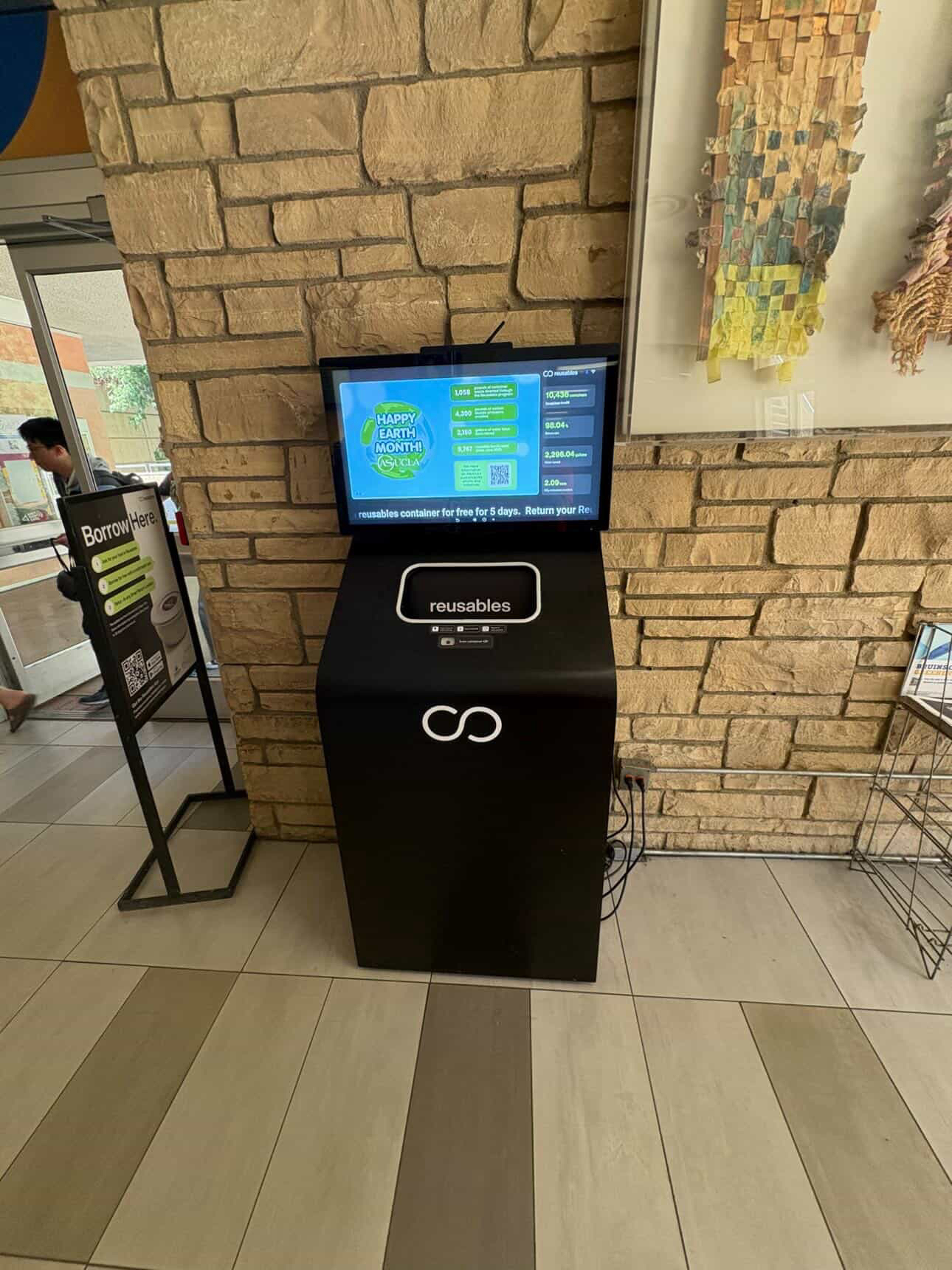
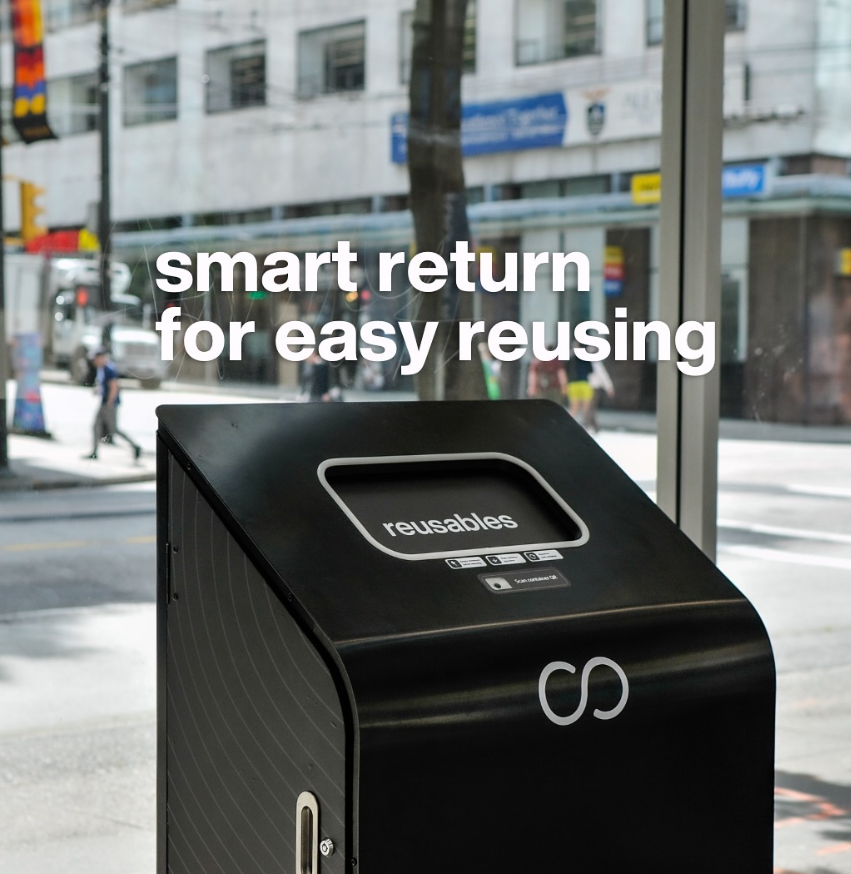
Modernizing your campus infrastructure is essential for supporting long-term sustainability. This goes beyond just new buildings; it includes the systems that make green practices possible. Think smart return bins that are available 24/7, tracking technology that ensures container accountability, and integrations that make reuse seamless for students. These infrastructure upgrades are what make sustainability convenient and effective. By investing in smart, tech-enabled solutions, you not only reduce your environmental impact but also meet the increasing demand from students and faculty for a more sustainable campus environment.
Budgeting for Student Education and Outreach
Even the best infrastructure won't succeed without student buy-in. That’s why a portion of your sustainability budget must be dedicated to education and outreach. This isn't just about posters and emails; it's about creating engaging campaigns that clearly communicate the "why" behind your initiatives and make it easy for students to participate. Funding should support clear signage, launch events, and maybe even gamification or rewards to encourage adoption. Involving students in the process and making them feel like part of the solution is crucial for achieving high participation and ensuring the long-term success of your programs.

How to Allocate Sustainability Funds for Maximum Impact
Once you have a budget, the next step is to spend it wisely. A strategic approach ensures every dollar contributes to your campus's environmental goals while also supporting its financial health. It’s not just about funding projects; it’s about investing in solutions that deliver measurable returns, whether in cost savings, student engagement, or operational efficiency. Think of your sustainability budget as a portfolio. You want to diversify your investments, balance short-term wins with long-term goals, and continuously evaluate performance to make sure you’re getting the best possible outcomes.
This means looking at the full picture. A project might seem expensive upfront, but if it drastically cuts annual operational costs, it's a smart investment. Another project might be low-cost but highly visible, creating a culture of sustainability that inspires further action. The key is to find the right mix of initiatives that align with your institution's specific priorities. By focusing on data-driven decisions, high-impact projects, and strategic partnerships, you can stretch your budget further and create a campus environment that is both green and financially sound. This approach transforms sustainability from a cost center into a value driver for the entire university.
Analyze the Economics of Each Program
Before committing funds, it’s essential to evaluate the financial viability of each potential sustainability project. This goes beyond simply comparing initial costs. A truly strategic approach to financial sustainability involves analyzing the complete economic picture of a program, including long-term savings and potential revenue. For example, a reusable container system requires an initial investment in inventory and technology. However, it can eliminate the recurring, and rising, cost of disposable packaging, leading to significant annual savings. By calculating the return on investment (ROI) for each initiative, you can clearly demonstrate its value and make a stronger case for funding.
Prioritize High-Impact Investments
With limited funds, it’s smart to focus on projects that deliver the most significant results. These high-impact investments often address major sources of waste or energy consumption and are highly visible to the campus community. For instance, reducing single-use plastics is a straightforward and effective way to make a tangible difference. A successful reuse program not only cuts waste management costs but also enhances the student dining experience, showing that the university is committed to modern, sustainable solutions. Prioritizing these types of projects helps build momentum and support for your broader sustainability agenda across campus.
Partner with Businesses and Community Organizations
Your campus doesn't have to tackle sustainability alone. Forming university and community partnerships can bring invaluable expertise, technology, and resources to the table. Collaborating with a specialized business, for example, can give you access to a proven, turnkey system that would be difficult and expensive to develop in-house. A partner can provide the technology, operational support, and data tracking needed to ensure a program's success. These collaborations allow your team to focus on core responsibilities while leveraging external expertise to achieve your sustainability goals more efficiently and effectively.
Leverage Grants and External Funding
Look beyond your institution's operational budget to expand your financial resources. Many external funding opportunities are available specifically for sustainability initiatives in higher education. It's important to find different ways to make money and not rely solely on internal budgets. Research federal, state, and foundation grants focused on waste reduction, renewable energy, and environmental education. Having a well-defined project with clear metrics and a strong business case can make your grant applications much more competitive. Securing external funding can help you launch larger projects sooner and demonstrate a proactive approach to achieving your campus's sustainability targets.
Common Challenges in Sustainability Budgeting (and How to Solve Them)
Building a sustainability budget is a powerful step, but it often comes with its own set of hurdles. From tight finances to getting everyone on board, these challenges can feel daunting. The good news is that they are entirely solvable with the right approach. Let's walk through some of the most common obstacles and discuss practical ways to clear them, turning potential roadblocks into stepping stones for a greener, more efficient campus.
Juggling Competing Priorities and Limited Resources
It’s no secret that university budgets are stretched thin. With so many departments vying for a limited pool of funds, it can be tough to secure the resources needed for sustainability projects. As financial pressures mount, many institutions are looking for new ways to make money beyond student tuition. This is where you can strategically position your sustainability budget. Instead of presenting it as another expense, frame it as a solution to financial strain. A program that reduces waste, like a reusable container system, directly cuts operational costs on disposable packaging, freeing up funds for other critical areas.
Overcoming Common Cost Misconceptions
One of the biggest myths in sustainability is that it’s always expensive. Many campus operators see cost as a primary barrier to implementing green initiatives. While some projects require an upfront investment, the focus should be on the long-term return. Modern sustainability solutions are designed for efficiency and cost-effectiveness. For example, switching to a reusable packaging system can reduce annual packaging expenses by over 30%. By presenting clear data on cost savings and ROI, you can shift the conversation from perceived expense to proven financial benefit, making it an easier decision for budget approvers.
Balancing Initial Investment with Long-Term Savings
Even with clear long-term benefits, a significant initial investment can be a tough sell. The key is to demonstrate a quick and compelling payback period. Many sustainable dining projects offer quantifiable savings that allow them to pay for themselves relatively quickly. When building your budget, create a clear financial model that outlines the initial cost, projected annual savings, and the breakeven point. Highlighting how an investment today will lead to a more resilient and cost-effective operation tomorrow makes the upfront cost much more palatable for financial decision-makers.
Getting Stakeholder Buy-In
A sustainability budget doesn’t exist in a vacuum. To succeed, it needs broad support from across the university, including finance, operations, student affairs, and senior leadership. As noted by higher education experts, multiple constituents should be involved in the financial planning process. Start by building a coalition of champions from different departments. Tailor your pitch to each stakeholder’s priorities: focus on ROI for the finance team, improved student experience for student life, and enhanced brand reputation for leadership. When everyone sees how sustainability aligns with their own goals, you create a powerful, unified front.
Solving Data Collection and Measurement Hurdles
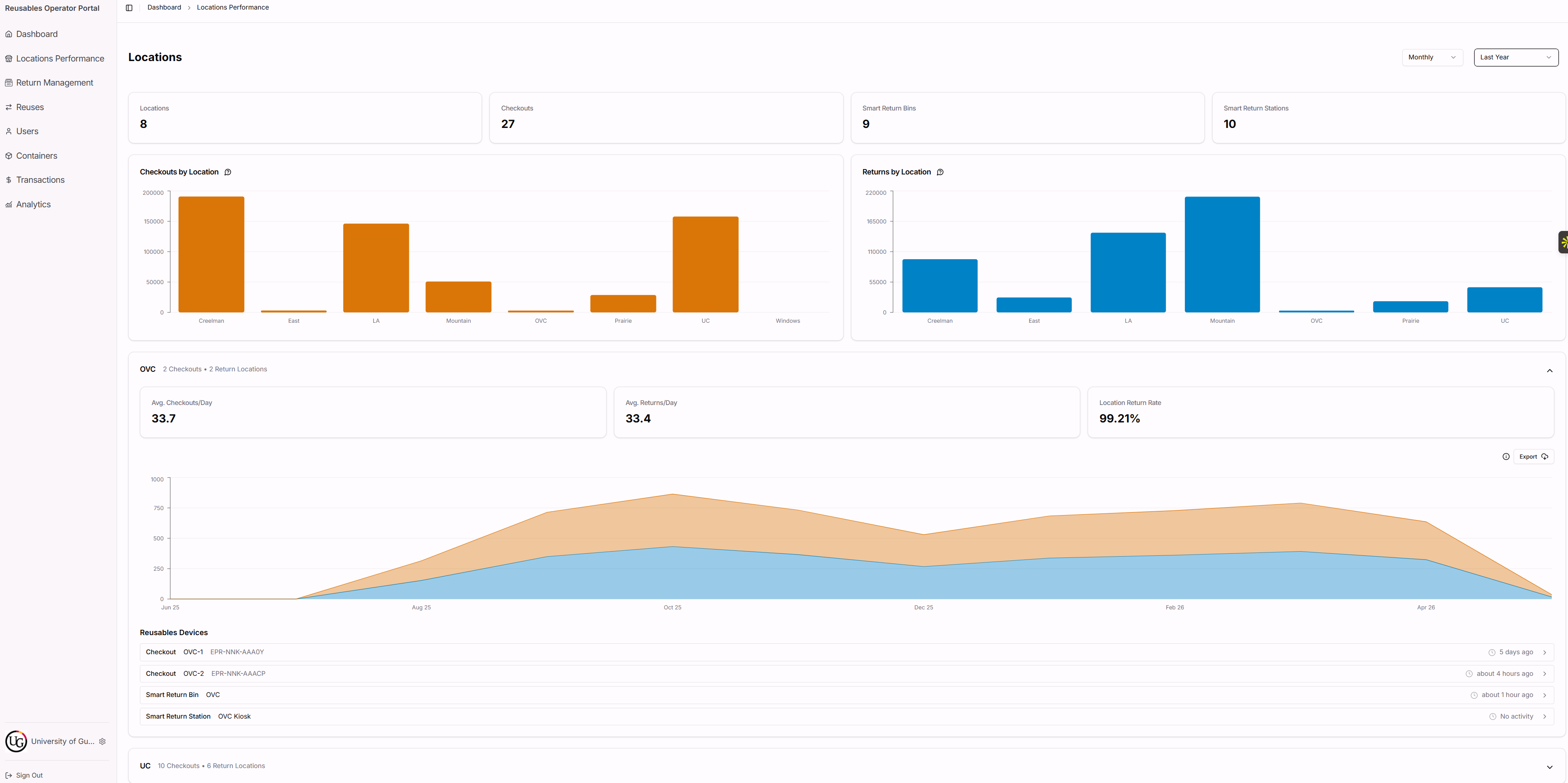
You can’t manage what you don’t measure. Without solid data, it’s nearly impossible to prove the value of your sustainability programs or make a compelling case for future funding. A lack of clear metrics can stop a budget proposal in its tracks. The solution is to implement systems that offer automated, real-time tracking. A platform that provides a dashboard with live data on usage rates, return rates, waste diversion, and financial savings is invaluable. This kind of benchmarking data makes it easy to report on your impact and demonstrate tangible results.
How a Sustainability Budget Reduces Long-Term Operational Costs
Shifting your perspective on a sustainability budget is key. Instead of viewing it as a cost center, think of it as a strategic investment in your campus's financial health. The initial outlay for green initiatives often pays for itself, leading to significant long-term operational savings. When you allocate funds to sustainability, you’re not just helping the planet; you’re building a more resilient and cost-effective operation for years to come.
These savings aren't abstract. They show up in very real ways on your balance sheet. By focusing on key areas like energy use, waste management, and resource efficiency, you can directly lower monthly utility bills and reduce supply chain expenses. Furthermore, a strong sustainability program can open up new revenue streams and help you avoid costly regulatory fees down the road. It’s about playing the long game, where smart, sustainable choices today create a more financially stable tomorrow for your institution.
Lowering Energy Bills with Efficiency Upgrades
One of the quickest ways to see a return on your sustainability budget is by reducing energy consumption. Simple upgrades can have a massive impact on your utility bills. Think about retrofitting kitchen equipment with Energy Star-rated appliances or switching to LED lighting across your dining halls. These projects often have surprisingly short payback periods. Some campuses even get creative by converting maintenance vehicles to run on recycled vegetable oil from their kitchens. By investing in energy efficiency, you cut operational costs and demonstrate a tangible commitment to resource conservation.
Cutting Waste Management Costs with Reuse Systems
Every single-use container you throw away comes with a cost, first to purchase it and then to haul it away. A dedicated budget for waste reduction, particularly through reuse programs, can dramatically cut these recurring expenses. Implementing a comprehensive reusables program for takeout containers eliminates the need to constantly repurchase disposable packaging, which has seen costs skyrocket. Modern, tech-enabled systems ensure high return rates, making reuse a reliable and financially sound alternative. This shift not only reduces landfill fees but also streamlines your inventory management, freeing up funds for other priorities.
Generating New Revenue from Sustainable Practices
Your sustainability initiatives can do more than just save money; they can create new income. A well-funded program opens doors to innovative revenue streams that contribute to your institution's overall financial stability. For example, a campus composting system can turn food waste from dining halls into valuable compost sold to local farms or landscaping companies. Some campuses can even sell energy credits back to the grid. Even the infrastructure itself can generate income; smart return bins for reusable containers can feature ad screens, creating a new source of passive revenue for your department.
Avoiding Future Compliance and Regulatory Fees
Staying ahead of environmental regulations is a smart financial move. Cities and states are increasingly passing legislation to ban single-use plastics and enforce zero-waste mandates. Campuses that wait to adapt may face steep fines and the high cost of scrambling to comply at the last minute. By proactively investing in sustainable infrastructure now, you can avoid these future penalties. A sustainability budget allows you to thoughtfully transition your operations, ensuring you meet or exceed environmental standards without disrupting service or incurring unexpected costs. This foresight protects your budget and solidifies your campus’s reputation as a leader.

Strategies to Maintain and Grow Your Sustainability Budget
Securing your initial sustainability budget is a huge win, but the work doesn’t stop there. To create lasting change, you need a strategy to protect that funding and help it grow year after year. This means proving its value, embedding it into your campus culture, and planning for the future. By showing that sustainability is a smart investment, not just an expense, you can build a program that stands the test of time and makes a real difference.
Plan for the Long Term and Engage Stakeholders
A sustainable budget requires a long-term vision. Instead of planning for a single year, create a multi-year roadmap that outlines your goals and the resources needed to achieve them. This approach demonstrates foresight and commitment. It’s also crucial to involve key groups across campus. As experts note, there are increasing demands from students, faculty, and governing bodies to reduce environmental impact. Form a sustainability committee with representatives from dining, facilities, student government, and academic departments. When everyone feels a sense of ownership, they become advocates for the budget and its long-term success.
Measure and Report on ROI and Environmental Impact
To keep your budget secure, you need to speak the language of results. Track both the financial return on investment (ROI) and the environmental impact of your initiatives. A strategic approach focuses on resource allocation and revenue generation, not just cutting costs. Use a dashboard to monitor metrics like waste diversion rates, cost savings from eliminating single-use packaging, and reductions in your carbon footprint. Presenting this data in clear, compelling reports shows leadership that sustainability programs are effective financial tools. A tech-enabled reuse system can provide the hard data you need to build a powerful case for continued investment.
Secure Ongoing Support from Leadership
Consistent support from university leadership is essential for your budget’s survival and growth. Schedule regular meetings to share your progress, highlighting key wins and data-backed results. Frame your updates around how sustainability aligns with the institution's broader strategic goals, like enhancing the campus experience or building a reputation for innovation. To truly set your campus up for success, leadership may need to rethink funding sources and operating models. By demonstrating that your programs deliver tangible value, you position sustainability as a core institutional priority worthy of ongoing financial commitment, rather than a project that can be cut when times get tough.
Integrate Sustainability into Core Campus Operations
The most resilient sustainability initiatives are those woven into the daily life of the campus. Instead of being a separate, isolated effort, sustainability should become part of how core departments operate. For example, many successful sustainable dining services projects focus on improving operations in kitchens and dining halls. Implementing a campus-wide reusable container program is a perfect example. It directly replaces a major operational expense (disposable packaging) with a system that saves money, reduces waste, and visibly improves the student dining experience. When sustainability becomes standard operating procedure, its budget becomes an essential part of the institution’s operational plan.
Related Articles
- University of Guelph Processing Over 500k Reuses Per Year with a 99% Return Rate - Case Studies
- The Real Cost of Disposable Containers for Universities
- Your Guide to Smart Takeout Containers for Universities
- University of Victoria Food Services Modernizes Reusable Dining
- Successful Zero Waste Initiatives for College Dining
Frequently Asked Questions
How can I justify a new sustainability budget when our overall budget is so tight? The key is to frame it as a cost-reduction strategy, not an added expense. A sustainability budget is a plan to invest in programs that lower your long-term operational costs. For example, funding a reusable container system directly attacks the massive, recurring expense of single-use packaging. By presenting clear financial models that show how an initial investment leads to significant annual savings, you can prove that this budget is a solution to financial strain, not a contributor to it.
What's the most effective first project to fund for a quick, visible win? Focus on a high-impact project that is visible to the entire campus community every day. Waste reduction in dining services is a perfect place to start. Implementing a modern reuse program not only provides a strong return on investment by cutting packaging costs, but it also tangibly improves the student dining experience. It’s a win that builds momentum and makes a clear statement about your campus's commitment to practical, sustainable solutions.
My biggest concern is student participation. How does a budget help with that? A dedicated budget allows you to invest in the two things that drive participation: great systems and effective communication. You can fund infrastructure that makes reuse incredibly simple, like convenient 24/7 return bins and app-free checkout technology. It also gives you the resources for outreach campaigns, launch events, and clear signage that help students understand the program and feel like they are part of a positive change on campus.
How do I track the success of these investments to prove their value? You can’t prove value without good data. When allocating your budget, prioritize solutions that come with automated, real-time tracking. A strong technology partner can provide a dashboard showing you key metrics like usage and return rates, waste diversion numbers, and, most importantly, your exact cost savings. This data makes it easy to generate compelling reports for leadership and build an undeniable case for maintaining and growing your budget.
Beyond cost savings, what other benefits can I highlight to get leadership on board? While the financial case is powerful, you should also connect your budget to the university's broader strategic goals. Highlight how these initiatives enhance the student experience, a top priority for any institution. You can also frame it as a way to build the university's reputation as an innovative leader in higher education. A strong sustainability program is a powerful differentiator that attracts prospective students and faculty who value environmental responsibility.
Other stories you may find interesting


.png)


.avif)












.webp)











Watch the Webinar
Learn How to Eliminate Single-Use Waste
Get instant access to our expert webinar and discover how leading institutions reach 99% return rates through smarter reuse systems.

© Reusables™. All rights reserved.