
Are Ball Aluminum Cups Worth the High Price?

April 8, 2026
Ball aluminum cups have become a popular choice for consumers and institutions looking to ditch single-use plastic. With their sleek metallic finish and "infinitely recyclable" branding, they promise a guilt-free alternative to red Solo cups.
But at roughly $1.50 to $2.00 per cup, ball aluminum cups cost five to ten times more than their plastic counterparts. For a university serving 5,000 students daily, that price difference adds up fast.
So are ball aluminum cups actually worth the investment? In this review, we break down the real costs, examine the environmental claims, and compare them against true reusable solutions that deliver measurable savings.
What Are Ball Aluminum Cups?
Ball Corporation, the same company behind Ball mason jars and aluminum cans, launched their aluminum cup line as a direct replacement for plastic party cups. Available in 16 oz and 20 oz sizes, these cups are designed for cold beverages and marketed as a sustainable single-use option.
The key selling points include:
- Infinitely recyclable aluminum material
- No plastic lining (unlike many coated paper cups)
- Premium look and feel that keeps drinks colder longer
- Widely available at Target, Walmart, Amazon, and wholesale distributors
Ball aluminum cups have earned strong consumer reviews, with a 4.8-star rating on Target from over 1,500 reviews. People genuinely like the feel and the recyclability angle.
Ball Aluminum Cups: The Real Cost Breakdown
Here is where the math gets uncomfortable for institutions with high-volume food service operations.
Consider the numbers for an institution using 5,000 cups per day:
- Plastic disposable cups: $0.05 to $0.15 per unit, or $91,000 to $274,000 per year
- Ball aluminum cups (16 oz): $1.00 to $1.50 per unit, or $1.8M to $2.7M per year
- Ball aluminum cups (20 oz): $1.50 to $2.00 per unit, or $2.7M to $3.6M per year
- Reusable container system: $2.00 to $5.00 per container (one-time), or $50,000 to $100,000 total system cost
For a single campus event or tailgate, the premium is manageable. For daily institutional food service, ball aluminum cups would increase packaging costs by 1,000% or more compared to plastic.
Are Ball Aluminum Cups Actually Sustainable?
The "infinitely recyclable" claim is technically accurate. Aluminum can be recycled indefinitely without losing quality, unlike plastic which degrades with each cycle.
However, the sustainability picture is more complex:
The recycling reality. According to the EPA, only about 50% of aluminum cans get recycled in the United States. In institutional settings like stadiums, events, and campus dining halls, that rate can drop below 30% when cups end up in general waste bins.
The energy factor. Manufacturing new aluminum from bauxite ore requires enormous energy. While recycling aluminum uses 95% less energy than producing it from raw materials, that benefit only applies when the cups actually get recycled.
Still single-use. Even though they are recyclable, ball aluminum cups remain a single-use product. Each cup gets used once, then enters the waste stream. The most sustainable cup is one that gets used hundreds of times before recycling.
Carbon footprint comparison. A 2020 life cycle assessment commissioned by Ball Corporation found that aluminum packaging performs well compared to glass and PET plastic in terms of global warming potential, but this analysis focused on beverage cans rather than cups and assumed high recycling rates.
Ball Aluminum Cups vs. Reusable Systems: A Side-by-Side Comparison
For dining directors and sustainability officers evaluating options, the comparison between disposable aluminum and true reusable systems reveals a clear cost winner.
- Cost per use: Ball aluminum cups cost $1.00 to $2.00 per use. Reusable systems cost $0.02 to $0.10 per use (amortized over hundreds of uses).
- Waste generated: Aluminum cups produce one cup of waste per use. Reusable systems achieve near-zero waste with 99%+ return rates.
- Recycling dependency: Aluminum requires proper sorting and recycling infrastructure. Reusable systems need no recycling during the container's use life.
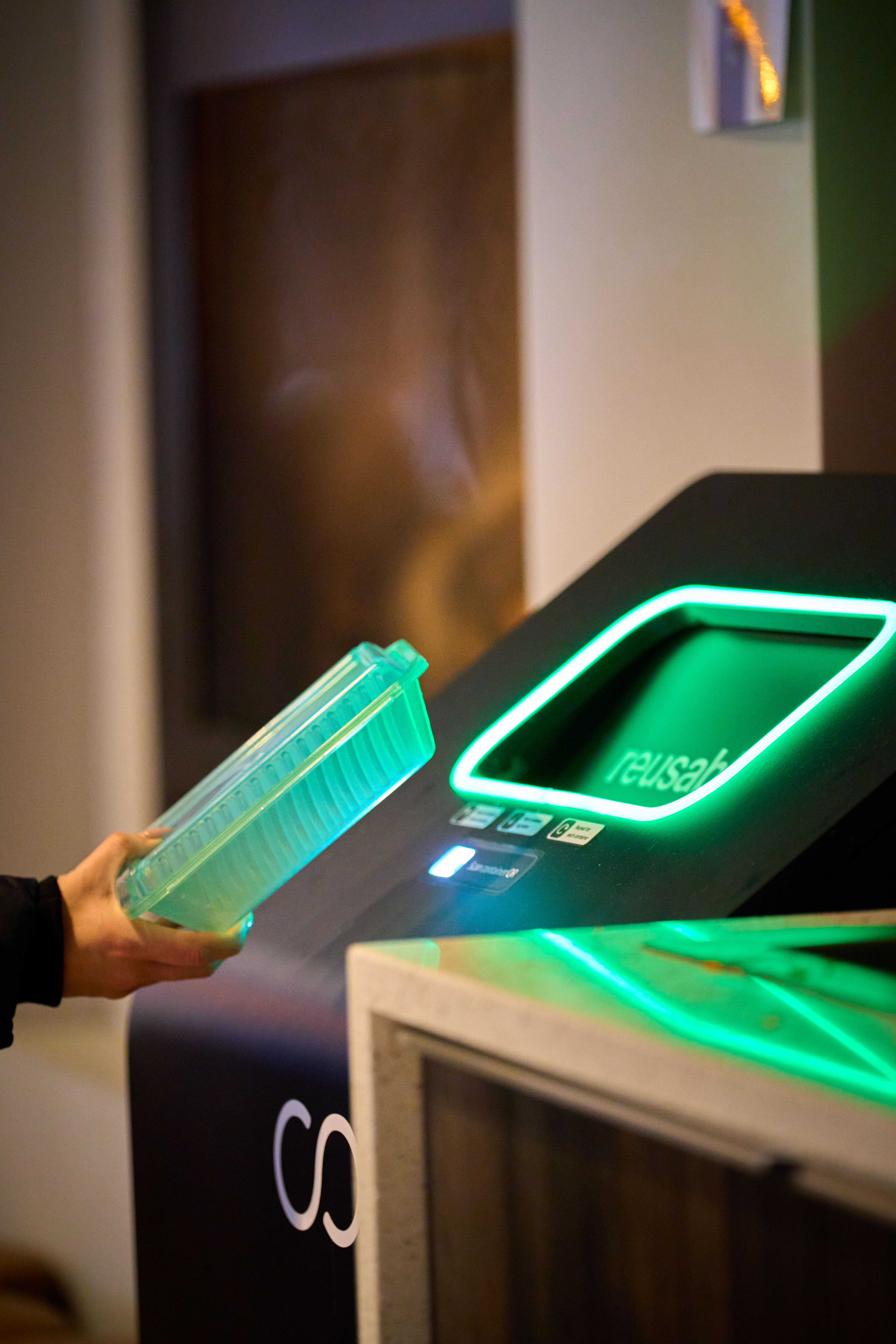
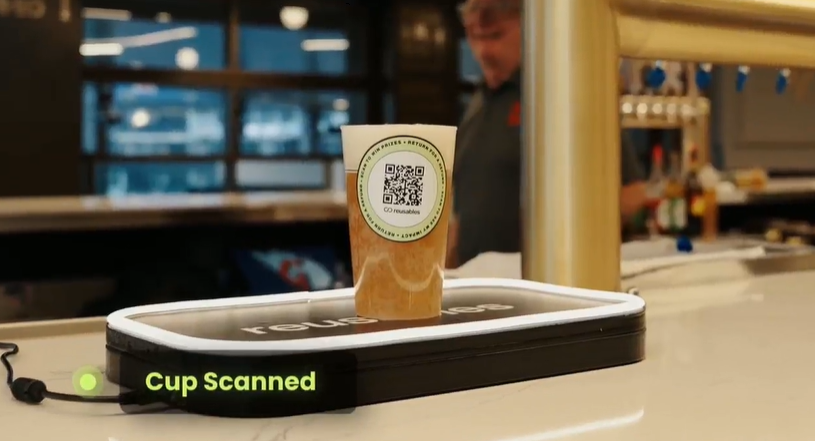
- Staff involvement: Disposables require purchasing, stocking, and disposal. Modern reusable systems offer automated tracking and returns.
- Data and analytics: Disposable cups provide no usage data. Reusable platforms deliver real-time usage, return rates, and environmental impact metrics.
- Annual cost at scale (5,000 uses/day): Ball aluminum cups cost $1.8M to $3.6M. A reusable system costs $50K to $100K including containers and infrastructure.
Reusable systems achieve their low per-use cost because each container gets used hundreds of times. A durable reusable cup that costs $3.00 and gets used 300 times costs just $0.01 per use.
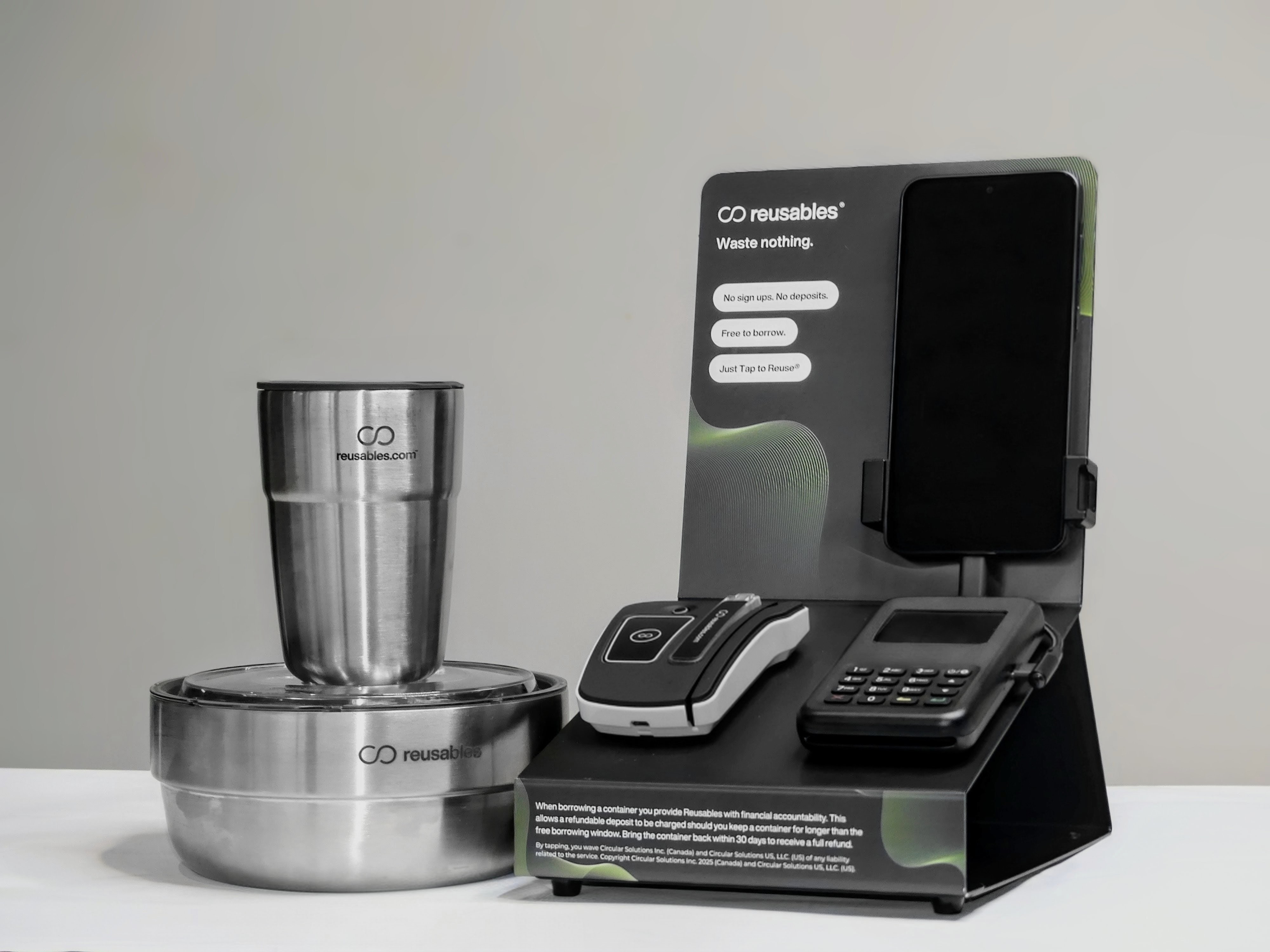
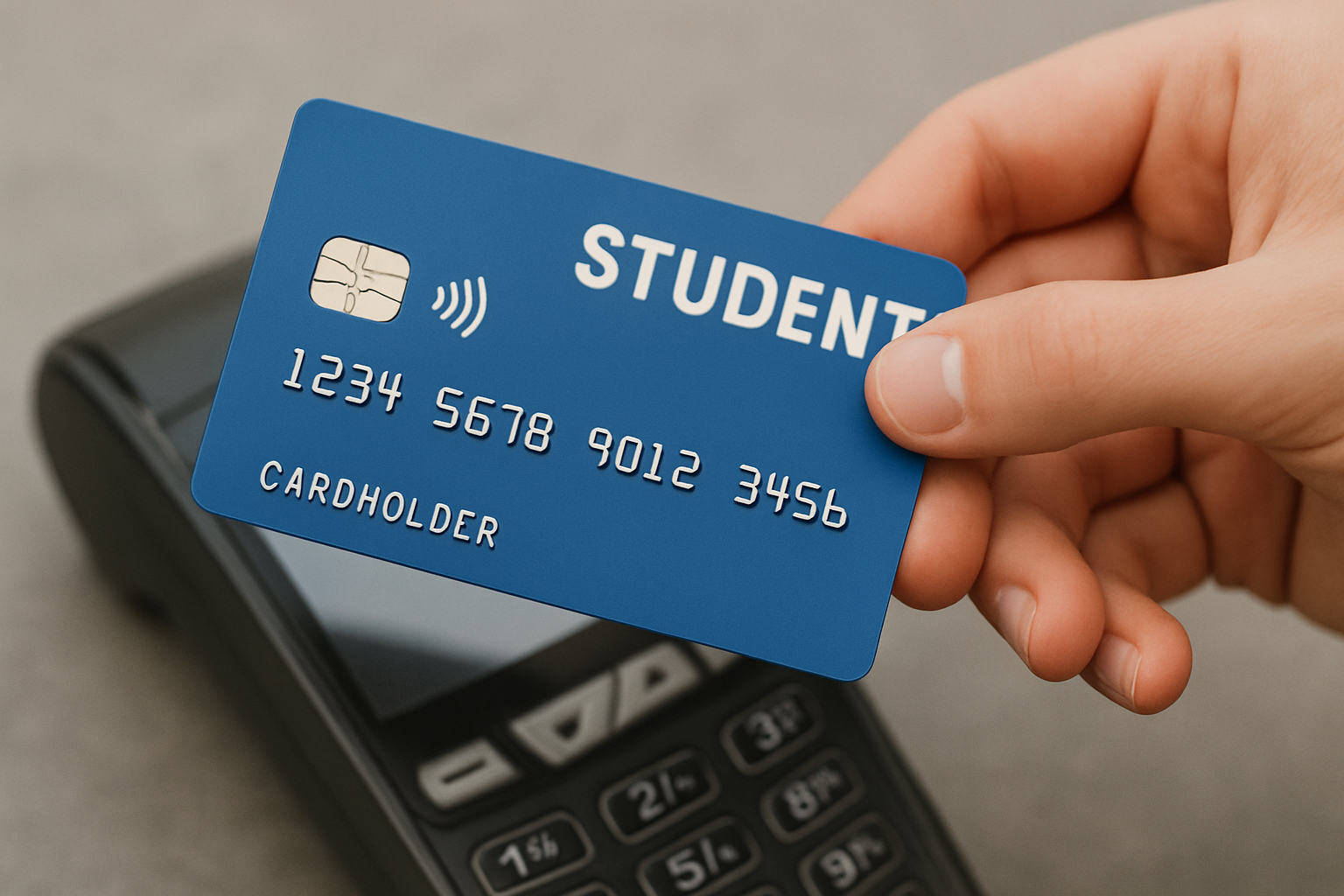
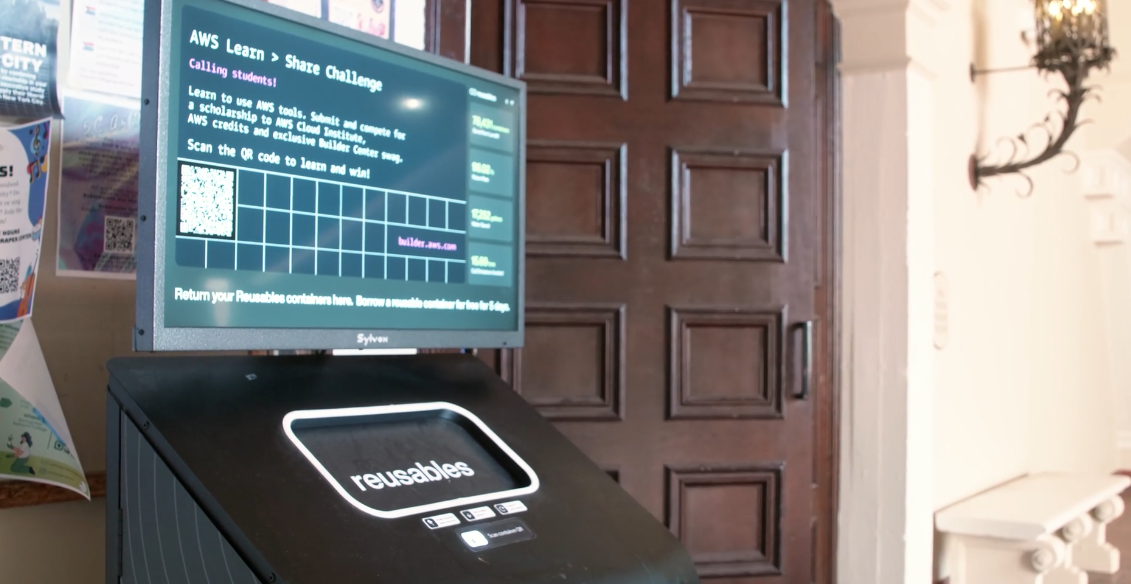
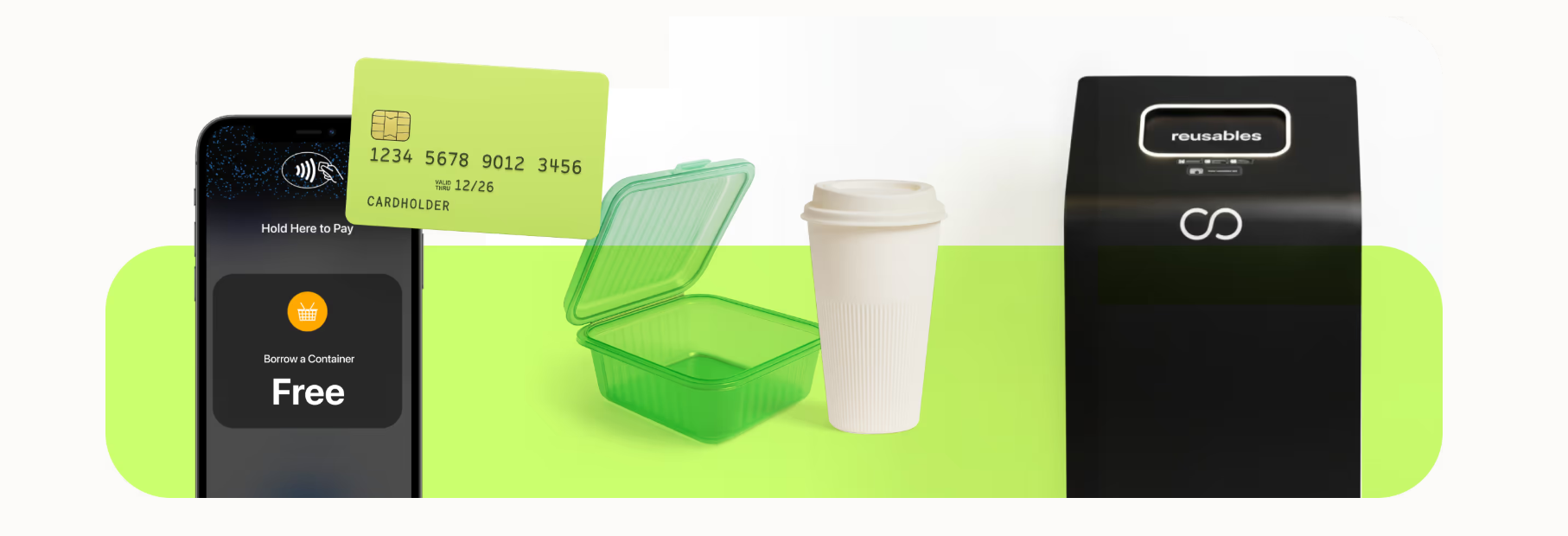
Modern reusable systems eliminate the biggest historical barriers: manual tracking, low return rates, and operational complexity. Platforms that integrate with campus card systems like Transact, CBORD, and TouchNet make borrowing and returning containers as simple as tapping a student ID.
When Ball Aluminum Cups Make Sense
Ball aluminum cups are not a bad product. They have legitimate use cases:
- One-time events like weddings, parties, and tailgates where reusable infrastructure is not practical
- Outdoor festivals where recycling infrastructure exists but dishwashing does not
- Consumer retail for households looking to reduce plastic without a major lifestyle change
- Brand activations where the premium look matters for marketing
For these scenarios, ball aluminum cups offer a meaningful improvement over plastic with their recyclability and non-toxic material.
When Reusable Systems Are the Better Investment
For institutions with daily, high-volume food service operations, the economics clearly favor reusable systems:
- Universities and colleges serving thousands of meals daily across multiple dining locations
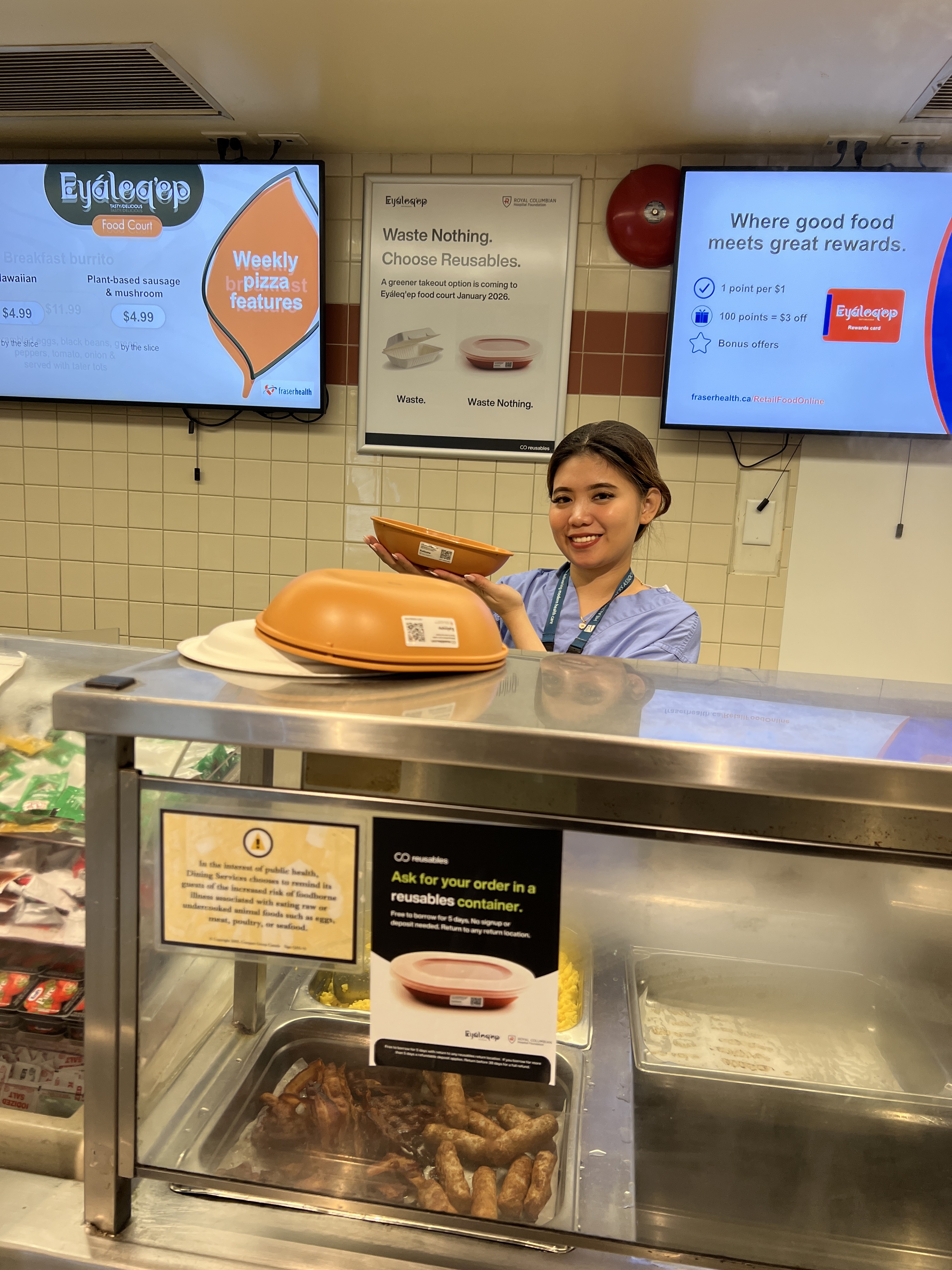
- Hospitals with cafeteria operations serving staff, patients, and visitors
- Corporate campuses with on-site dining programs
- Stadiums and arenas with high per-event cup volumes
These settings share common traits that make reusables the clear winner: predictable daily volume, existing payment infrastructure (campus cards, employee badges), sustainability mandates with measurable targets, and budget pressure to reduce operational costs.
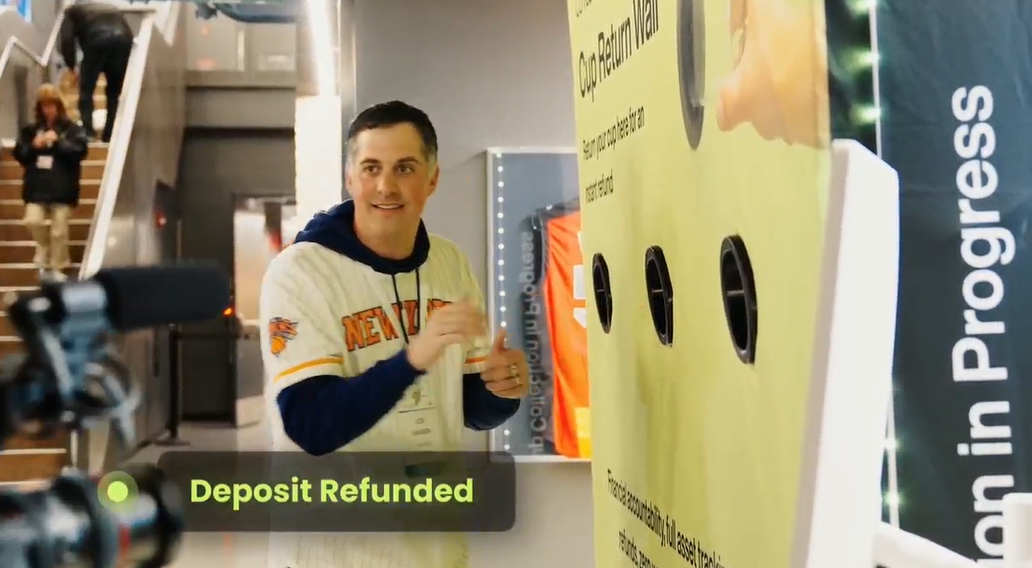
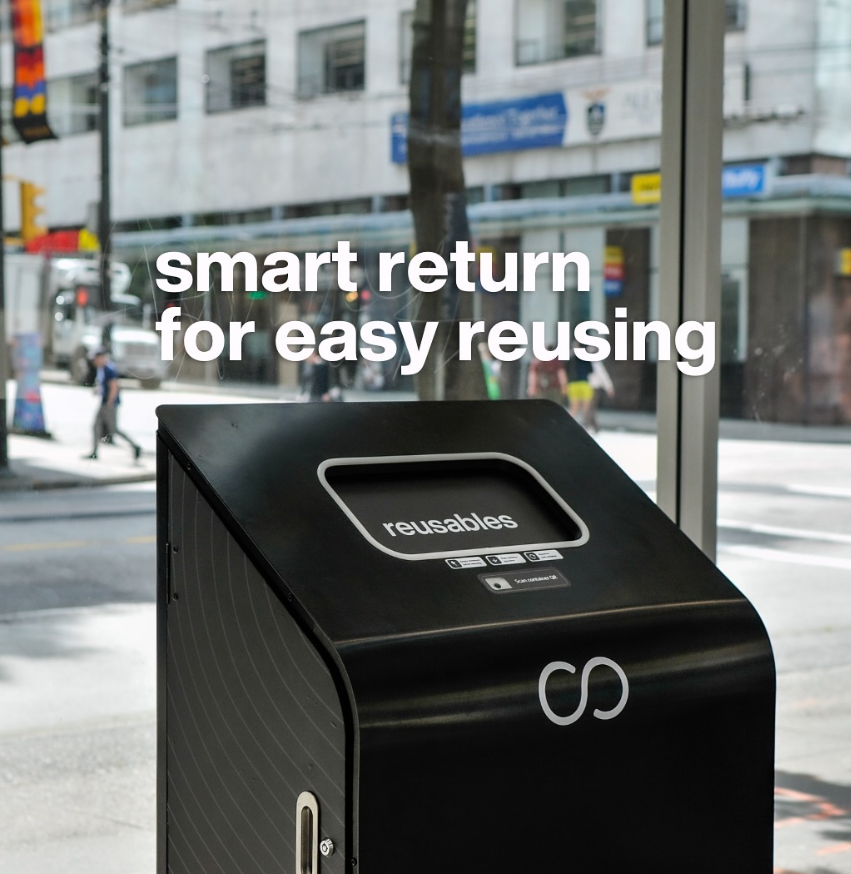
Institutions that switch from disposables to reusable systems typically save over 50% on packaging costs while meeting zero-waste goals. Features like automated return bins, real-time dashboards, and no-app-required participation remove the friction that held back earlier reusable programs.
5 Questions to Ask Before Choosing Cups for Your Institution
If you are evaluating cup and container options for your campus or facility, ask these questions:
- What is your daily volume? At fewer than 100 cups per day, disposable options (including aluminum) may be simpler. Above 500 cups per day, the economics of reusables become hard to ignore.
- Do you have sustainability mandates? If your institution has committed to zero-waste targets or carbon reduction goals, single-use products of any material work against those commitments.
- What payment infrastructure exists? Campus card systems, employee badges, or tap-to-pay terminals make reusable system adoption seamless for users.
- Can you measure your environmental impact? Reusable systems with built-in analytics provide auditable sustainability data. Disposable products rely on estimates and assumptions.
- What is your total cost of ownership? Include purchase costs, waste disposal fees, labor for restocking, and the hidden cost of sustainability reporting when disposables provide no data.
The Bottom Line on Ball Aluminum Cups
Ball aluminum cups are a genuine step up from plastic for consumers and occasional-use settings. They look great, keep drinks cold, and the recyclability is real (when cups actually get recycled).
But for institutions managing daily food service at scale, the math does not work. At $1.00 to $2.00 per cup, ball aluminum cups would cost an institution 10 to 30 times more than a reusable system over a year.
The future of institutional food service packaging is not a better disposable. It is a system that eliminates disposables entirely, cuts costs by 50% or more, and delivers the sustainability data that boards and stakeholders demand.
Ready to see how a reusable system compares to your current packaging costs? Book a Discovery Call to get a custom ROI analysis for your campus or facility.
Frequently Asked Questions
Are ball aluminum cups dishwasher safe?
Ball aluminum cups are not designed for dishwasher use. The manufacturer recommends hand washing if you plan to reuse them. The thin aluminum can warp, discolor, or develop pitting in a commercial dishwasher. For institutions needing dishwasher-safe drinkware, purpose-built reusable cups made from durable stainless steel or thick-walled plastic are the better choice.
Can you reuse ball aluminum cups?
You can hand wash and reuse ball aluminum cups a few times, but they are engineered as single-use products. The thin aluminum walls dent easily, and the cups lose their structural integrity after several washes. They lack the durability needed for institutional reuse programs that require hundreds of use cycles per container.
How much do ball aluminum cups cost?
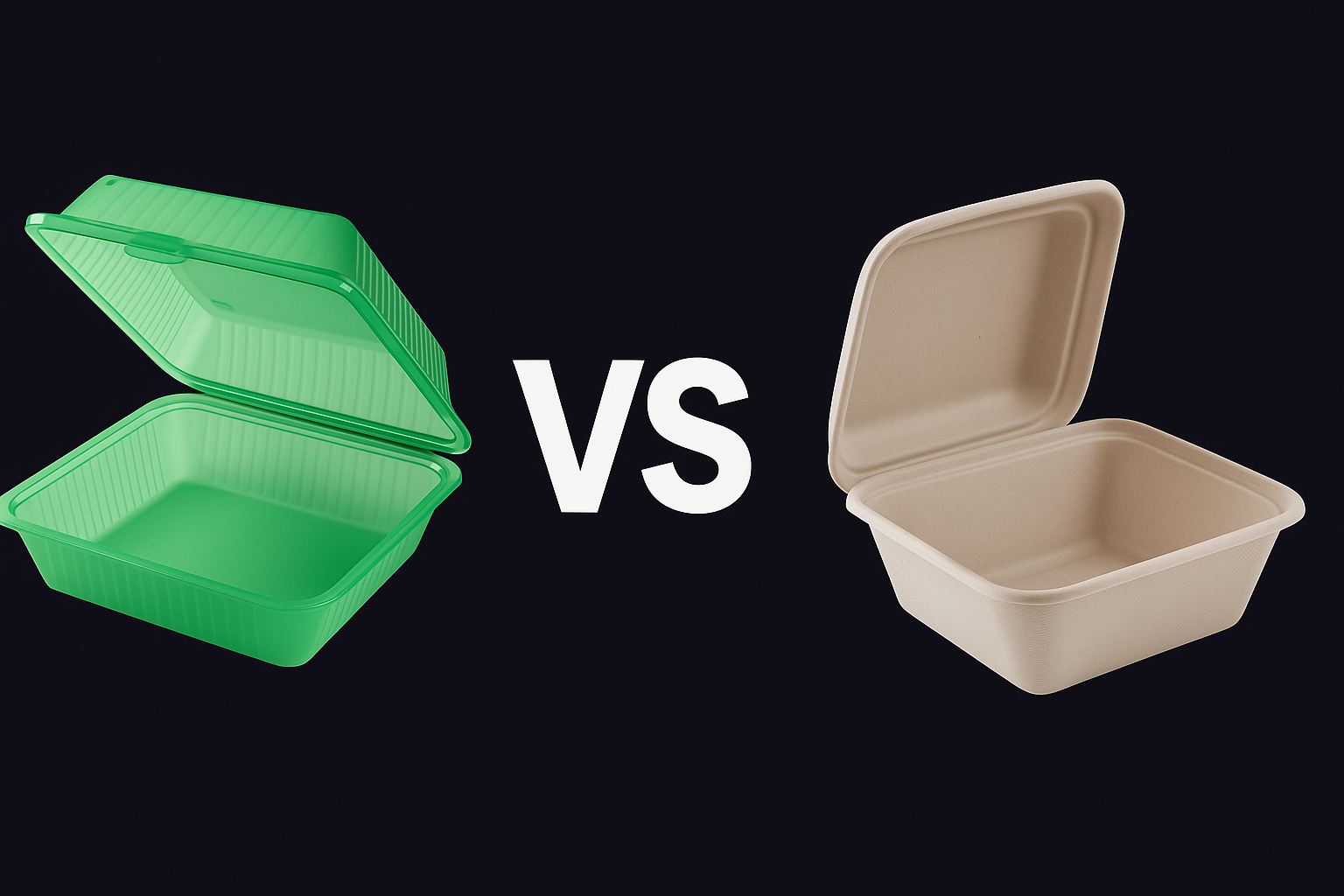
Ball aluminum cups typically retail for $1.00 to $2.00 per cup depending on the size and where you buy them. A 10-pack of 20 oz cups costs around $6.99 at major retailers like Target and Walmart. Bulk pricing for institutional buyers can bring costs down slightly, but they remain significantly more expensive than plastic or compostable alternatives on a per-unit basis.
Are ball aluminum cups better for the environment than plastic?
Aluminum is infinitely recyclable and does not break down into microplastics, giving ball aluminum cups a clear environmental advantage over plastic in terms of end-of-life. However, aluminum production is energy-intensive, and the sustainability benefit depends heavily on actual recycling rates. For maximum environmental impact, reusable containers that eliminate single-use waste entirely outperform both aluminum and plastic disposables.
Where are ball aluminum cups made?
Ball Corporation manufactures their aluminum cups in the United States. The company opened a dedicated aluminum cup manufacturing facility in Rome, Georgia, with production capacity designed to meet growing demand for plastic-free disposable alternatives.
Other stories you may find interesting


.png)
.avif)



.webp)



Watch the Webinar
Learn How to Eliminate Single-Use Waste
Get instant access to our expert webinar and discover how leading institutions reach 99% return rates through smarter reuse systems.

© Reusables™. All rights reserved.