
Returnable Packaging 101: A Director's Guide

April 9, 2026
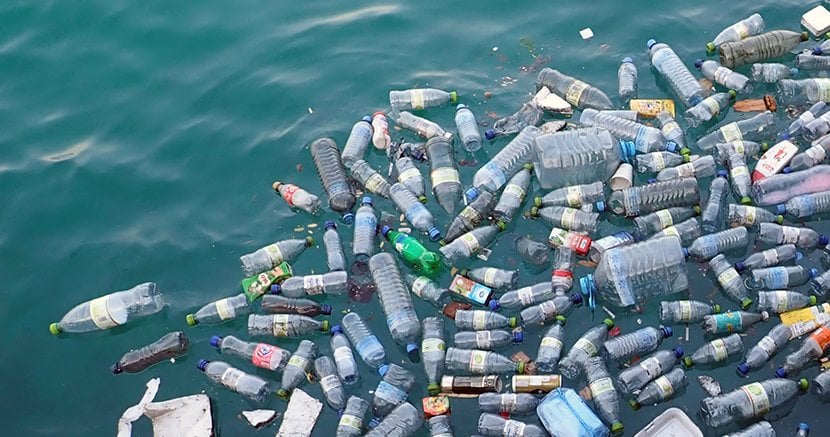
Disposable packaging costs have surged over 200% in the past three years. For dining directors managing high-volume food service operations at universities, hospitals, and corporate campuses, the math no longer works.
Returnable packaging offers a proven alternative: durable containers that circulate through a closed-loop system, getting used dozens or hundreds of times before replacement. The result is lower per-meal packaging costs, dramatically less waste, and measurable progress toward sustainability mandates.
This guide breaks down exactly how returnable packaging works, what it costs, and how to evaluate whether it fits your operation.
What Is Returnable Packaging?
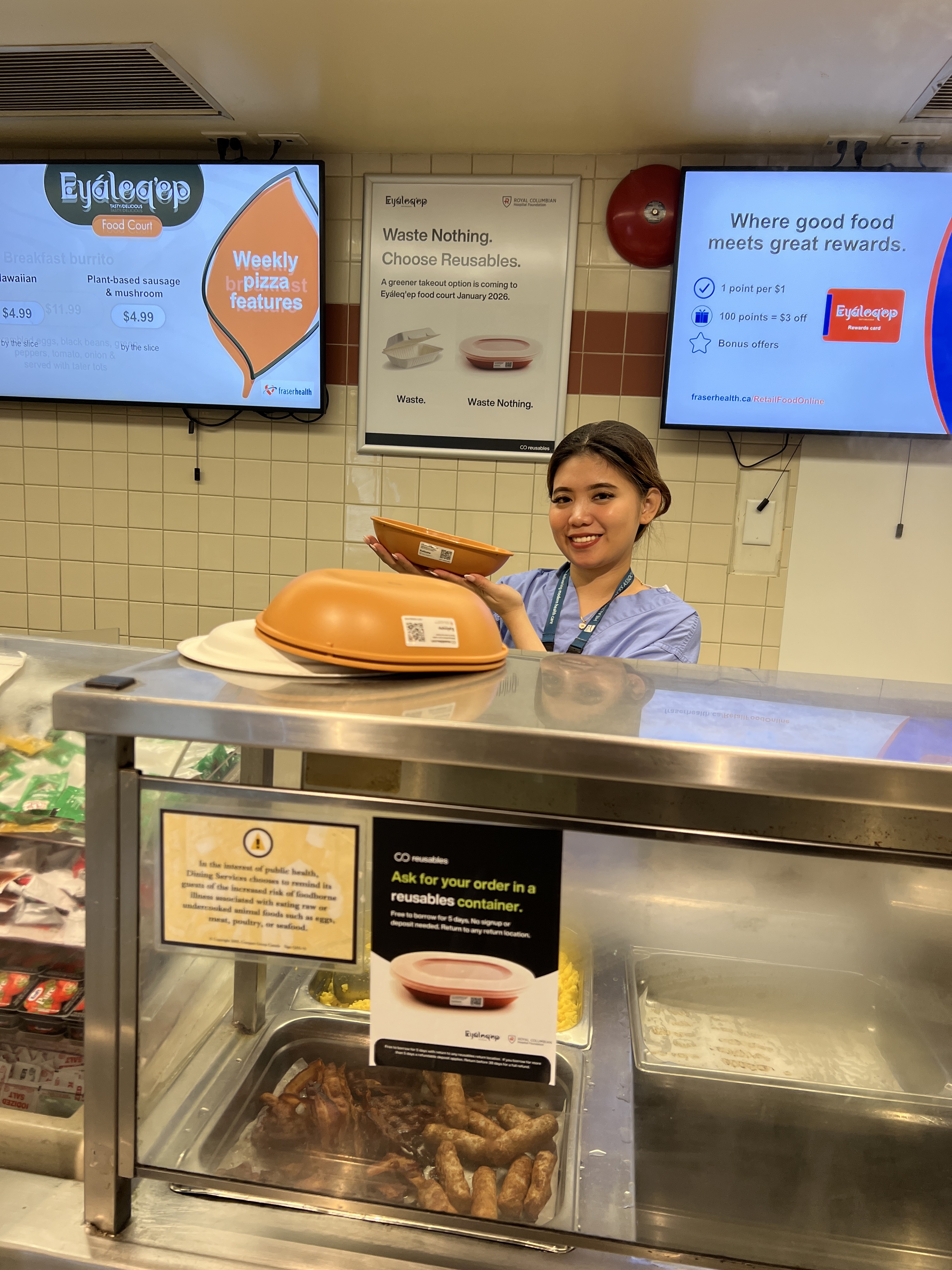
Returnable packaging refers to containers, cups, and other food service packaging designed to be used, returned, cleaned, and reused many times. Unlike single-use disposables that go to landfill after one meal, returnable containers stay in circulation through a managed system.
The concept is simple: instead of buying thousands of disposable containers each semester, you invest in a fleet of durable containers that circulate continuously. Each container might serve 200 or more meals before needing replacement.
Returnable packaging systems for institutional food service typically include:
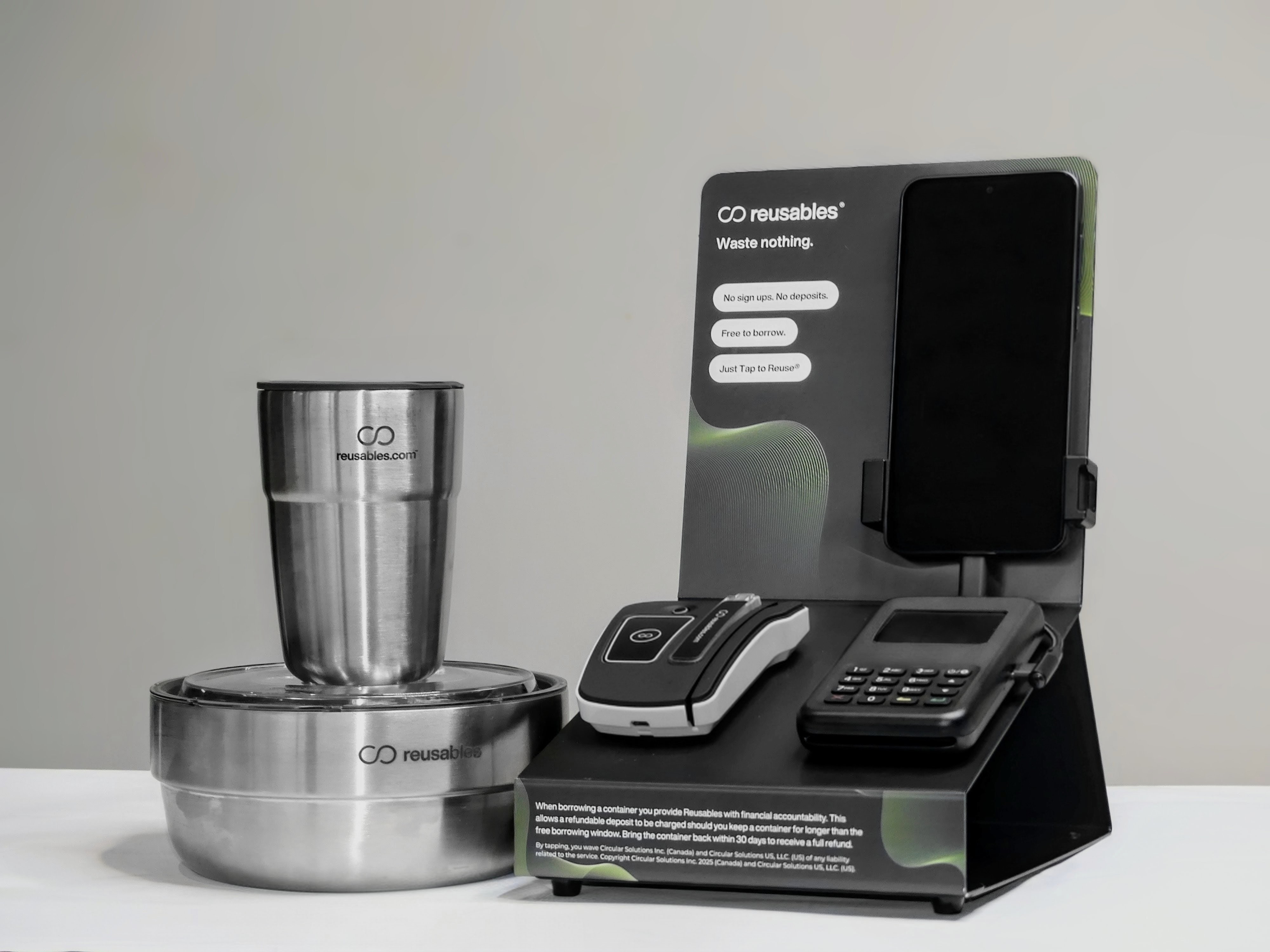
- Durable containers made from stainless steel or food-grade plastic
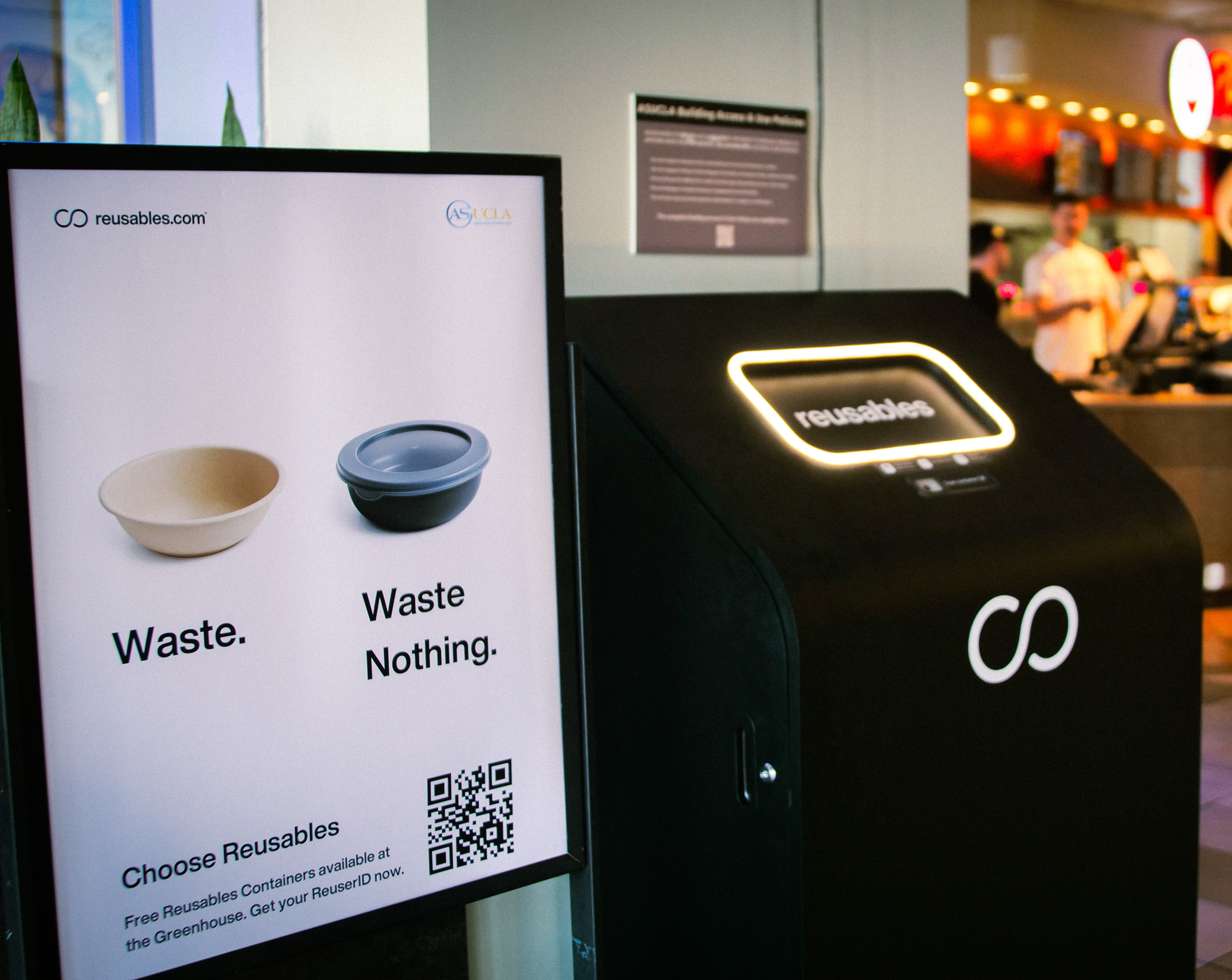
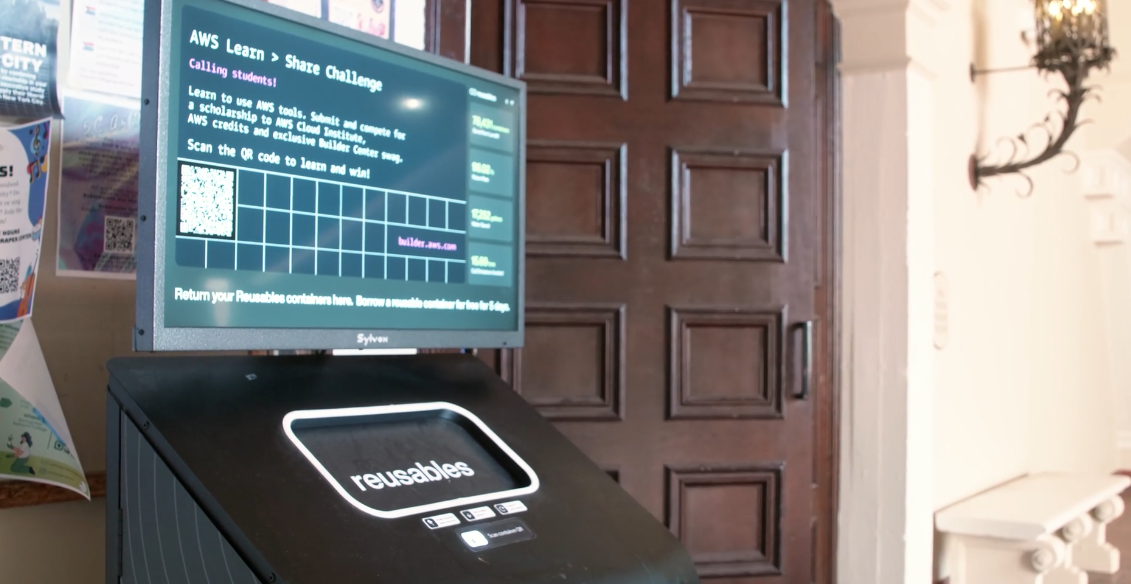
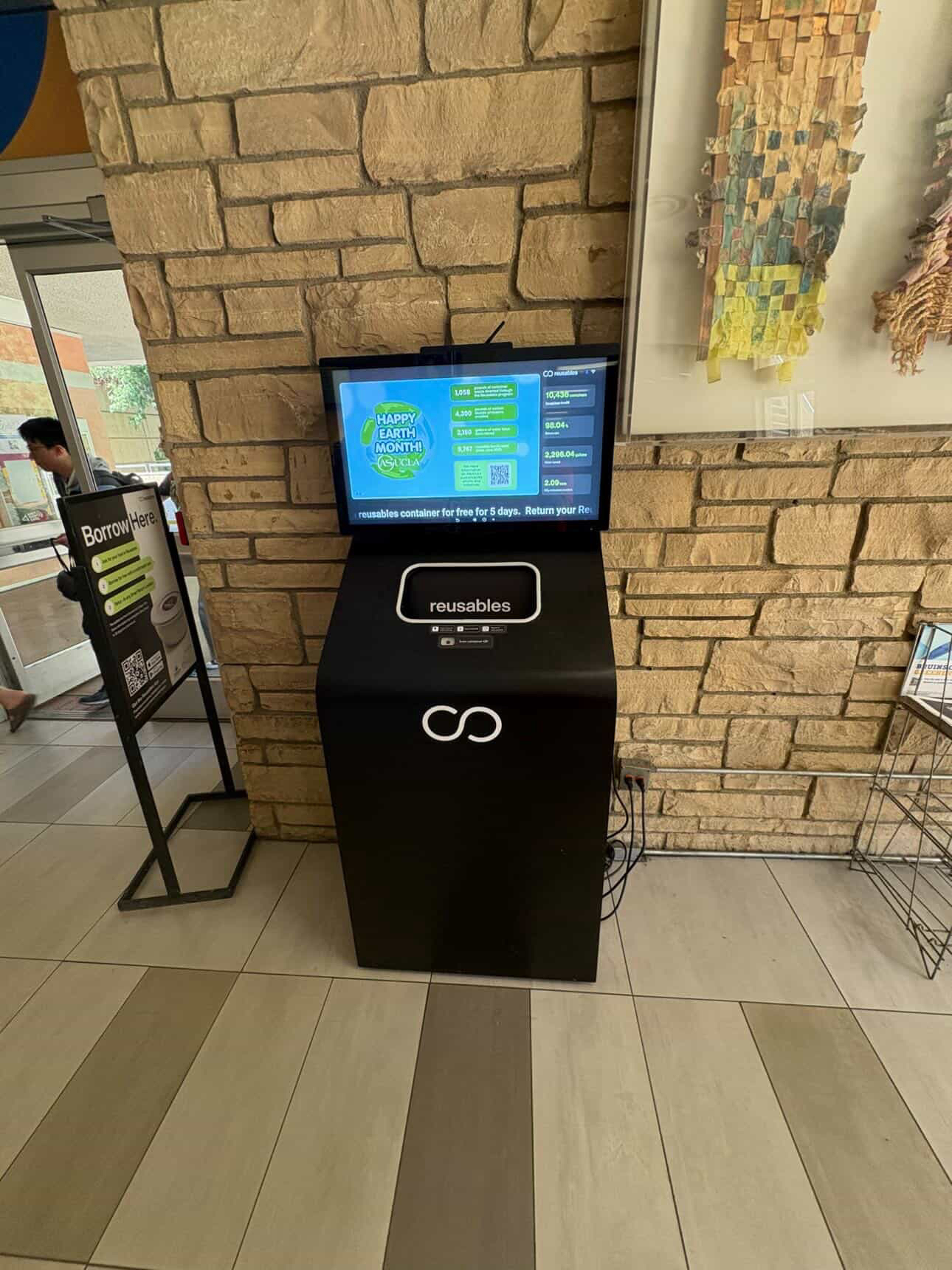
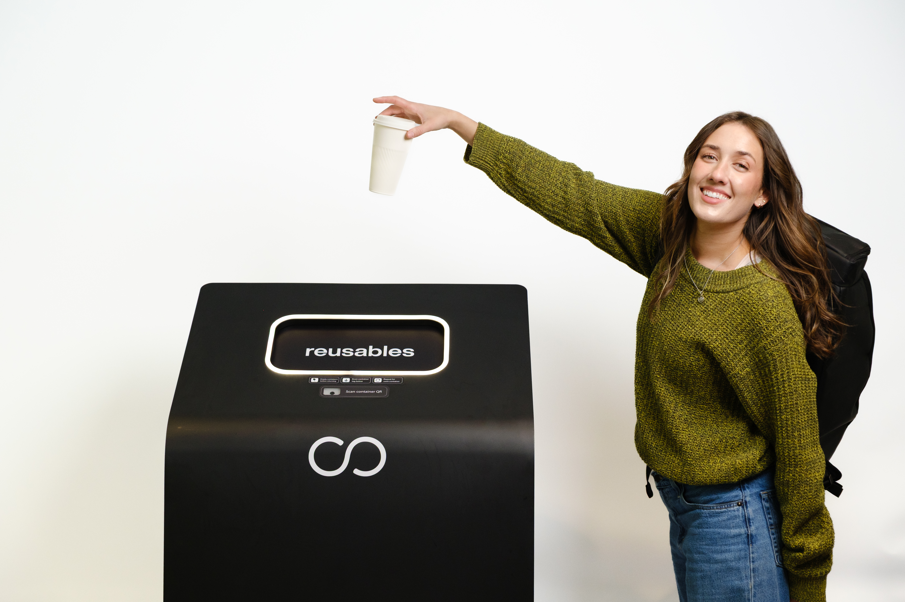
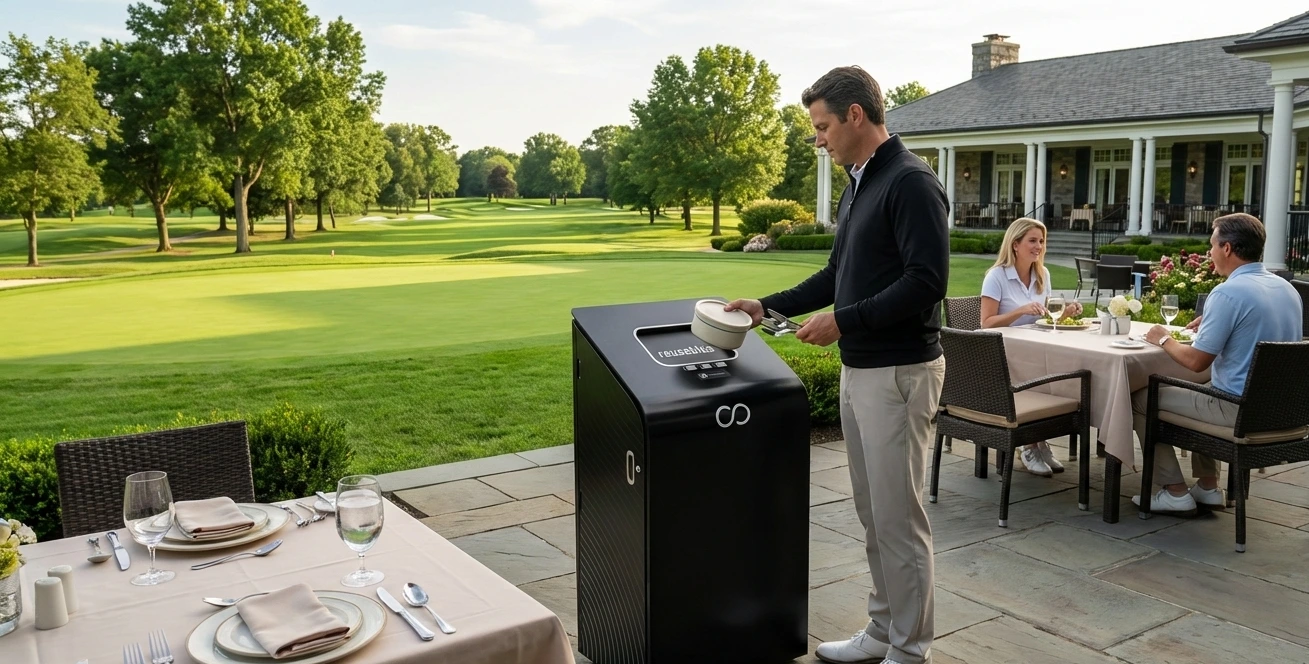
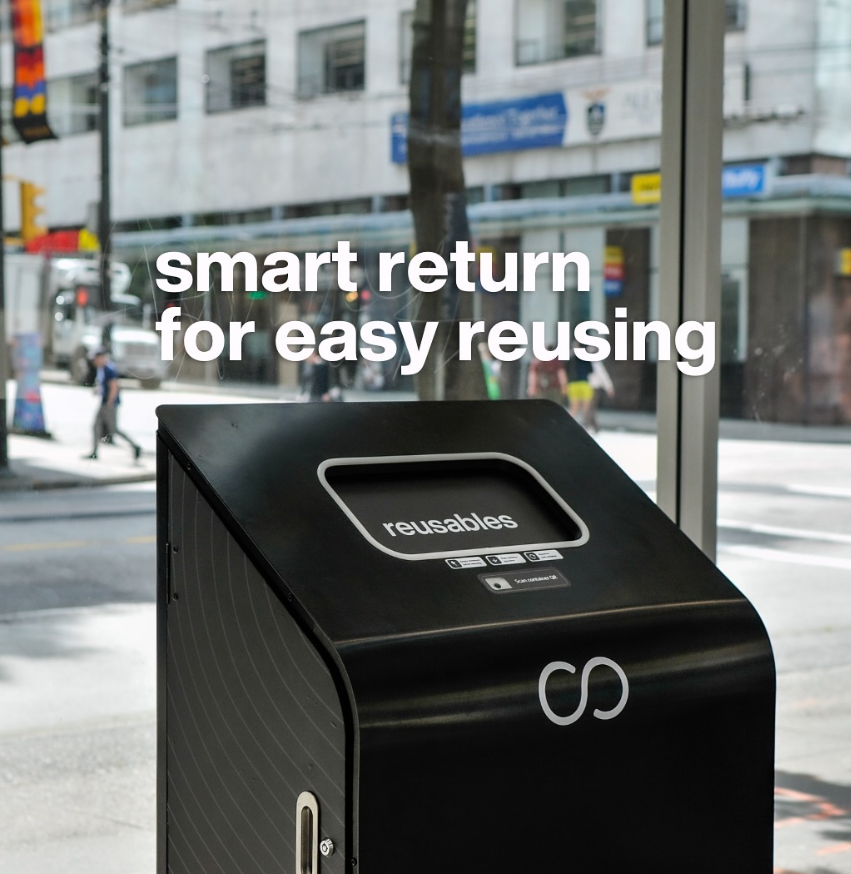
- Return infrastructure such as collection bins or automated return stations
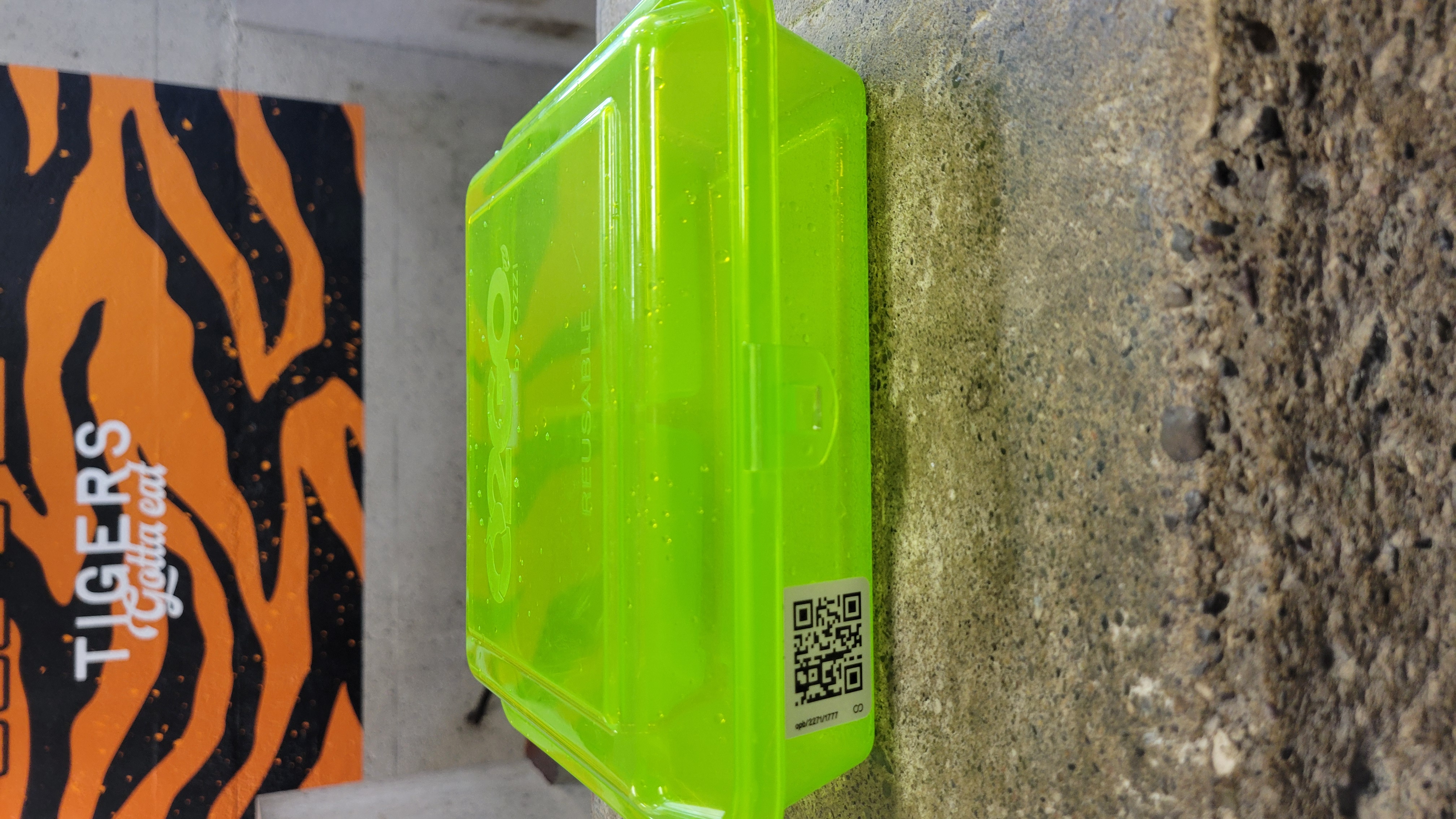
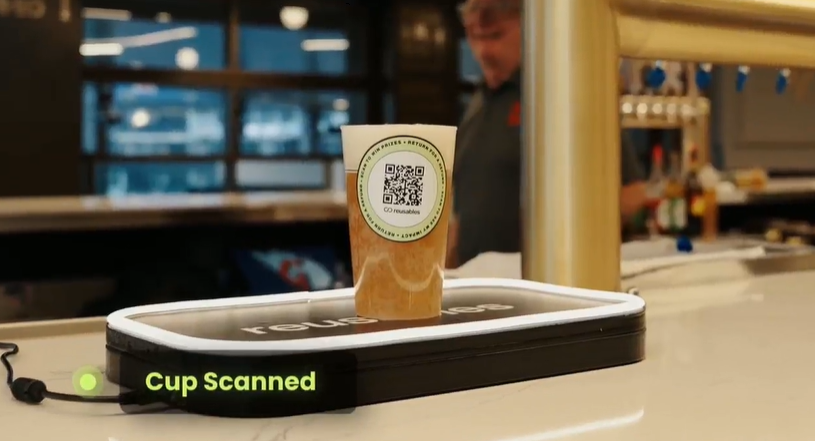
- Tracking technology (RFID, QR codes, or campus card integration) to monitor container movement
- Cleaning and sanitization processes that meet food safety standards
- Accountability systems that encourage timely returns
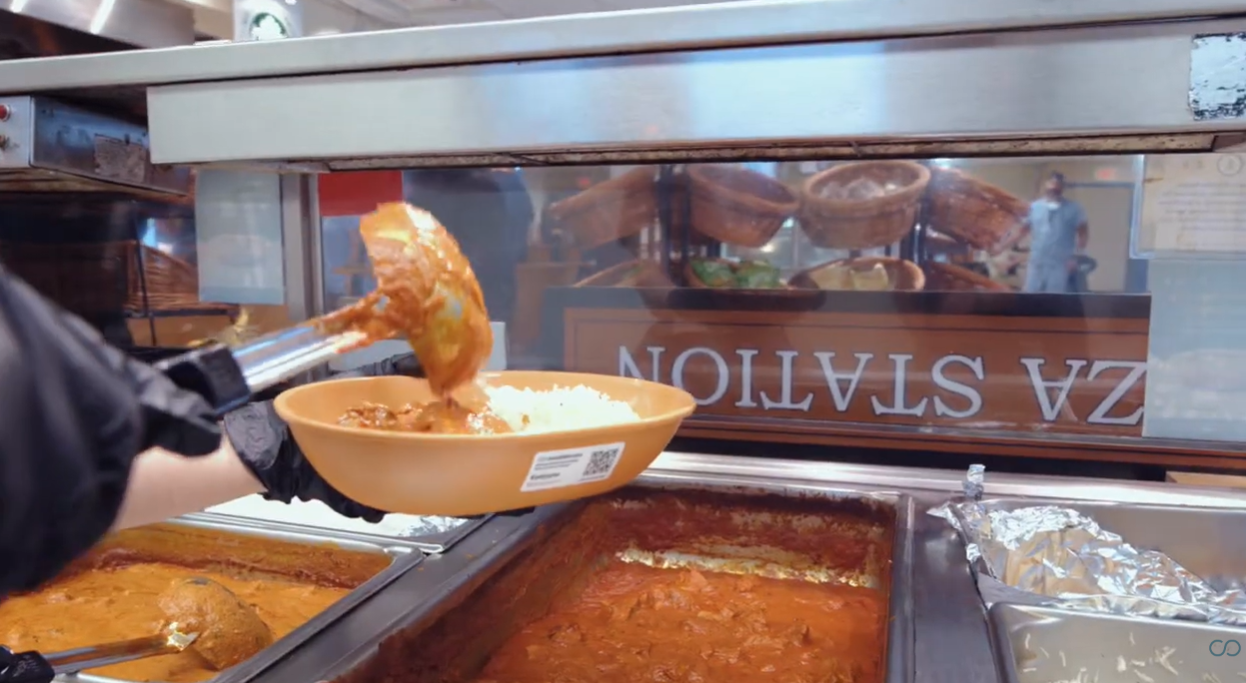
The key difference between returnable packaging and traditional reuse (like ceramic plates in a sit-down cafeteria) is that returnable systems are designed for takeout. Students, employees, or patients can take food to go and return the container later at a convenient drop point.
How Does a Returnable Packaging System Work?
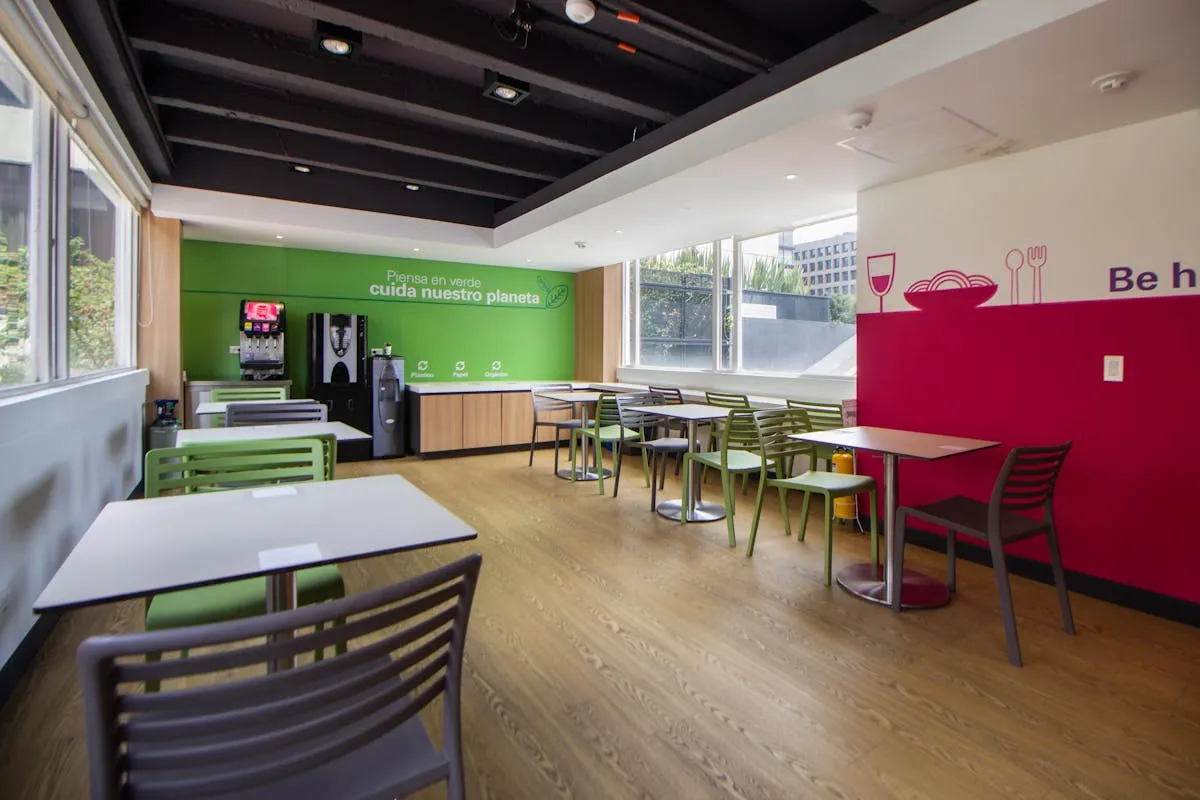
A well-designed returnable packaging system operates as a closed loop with four stages:
1. Checkout
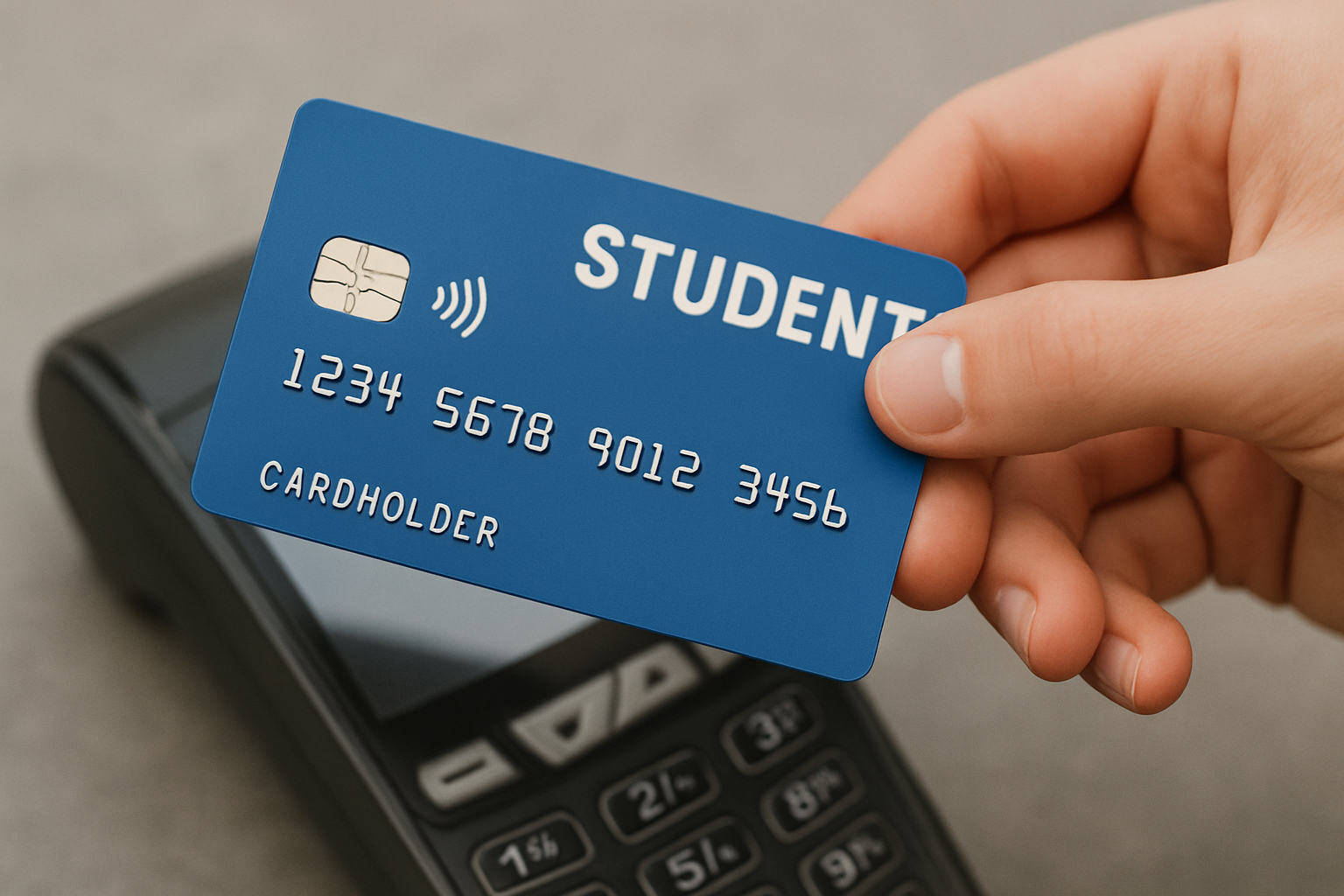
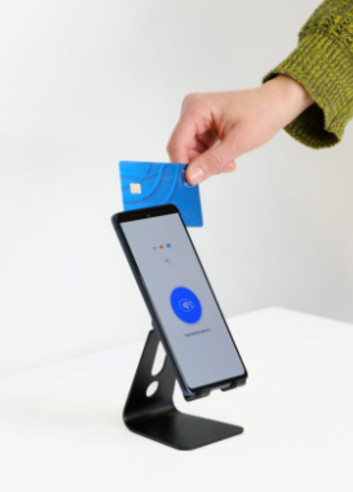
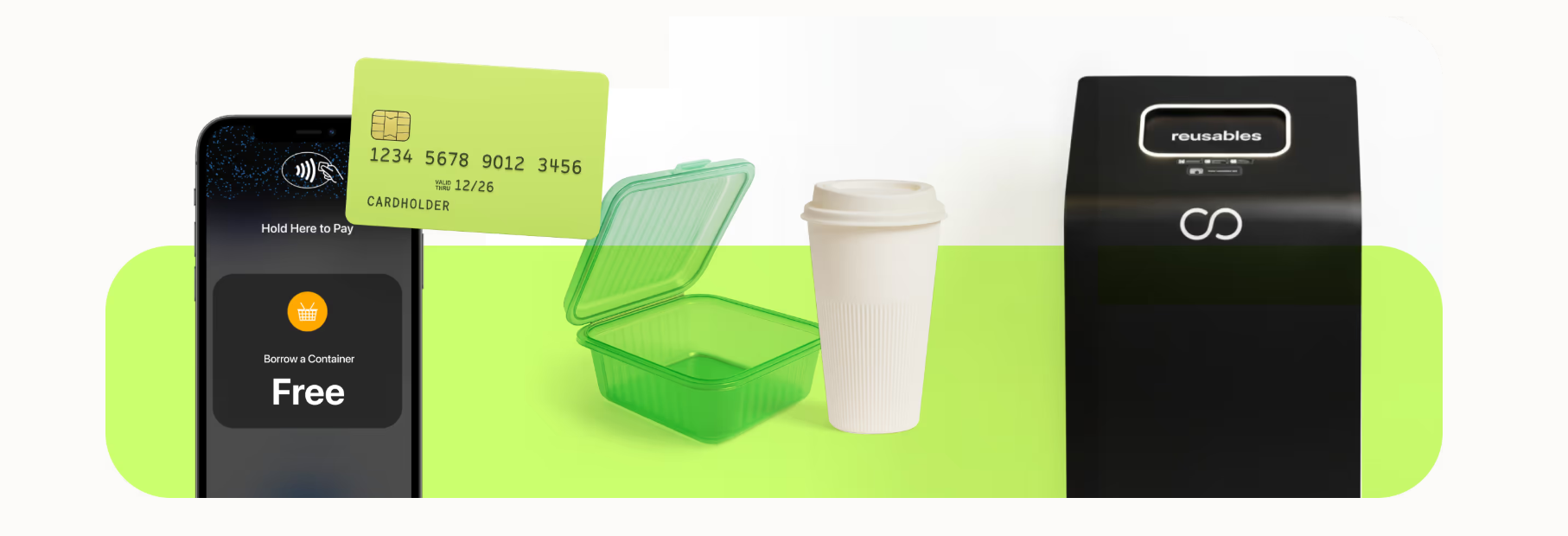
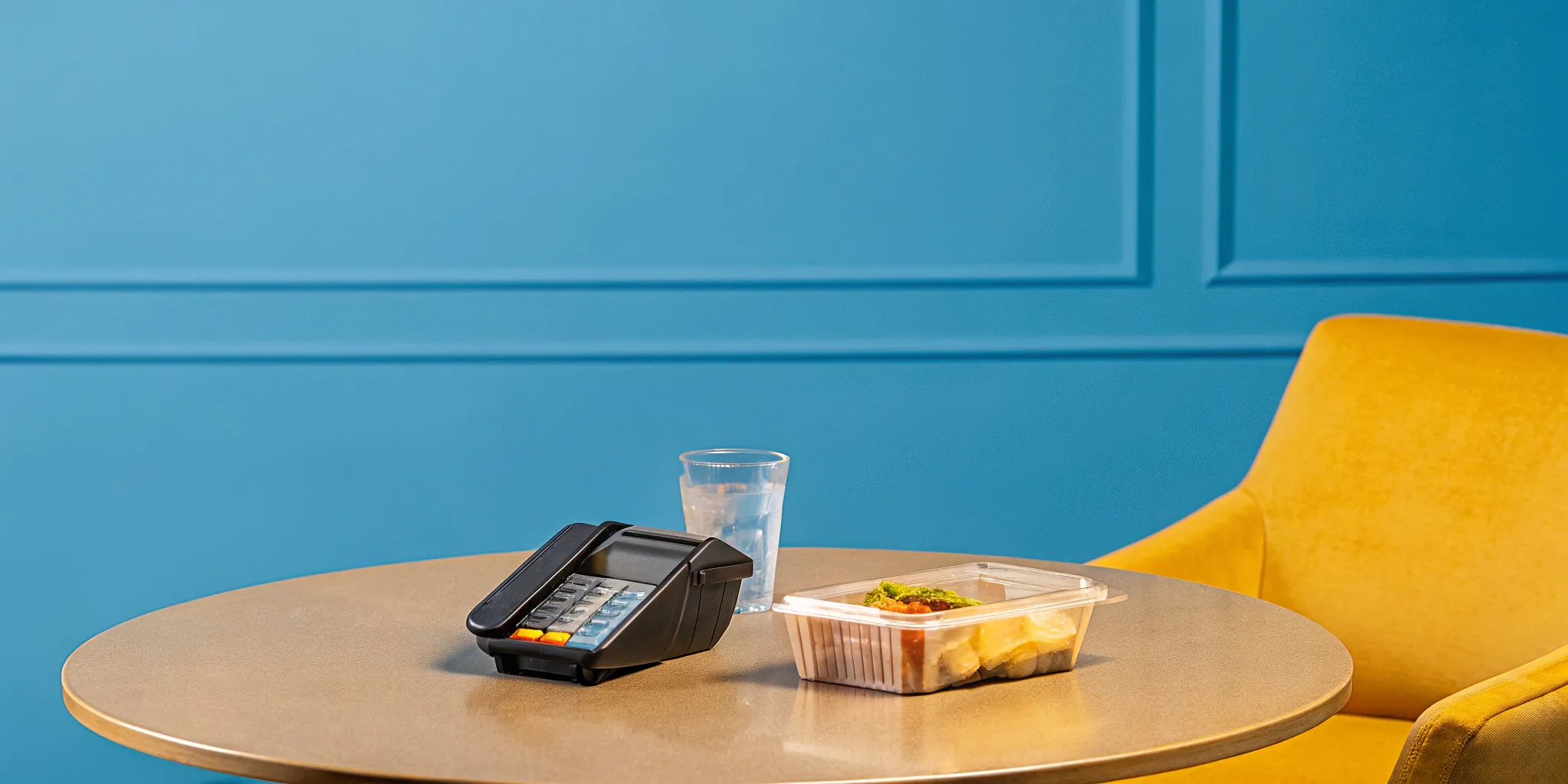
A user picks up food in a returnable container. Modern systems make this frictionless: the user taps their campus card or credit card at a checkout station, and the system links that specific container to their account. No app download required, no deposit to fumble with.
2. Use and Return
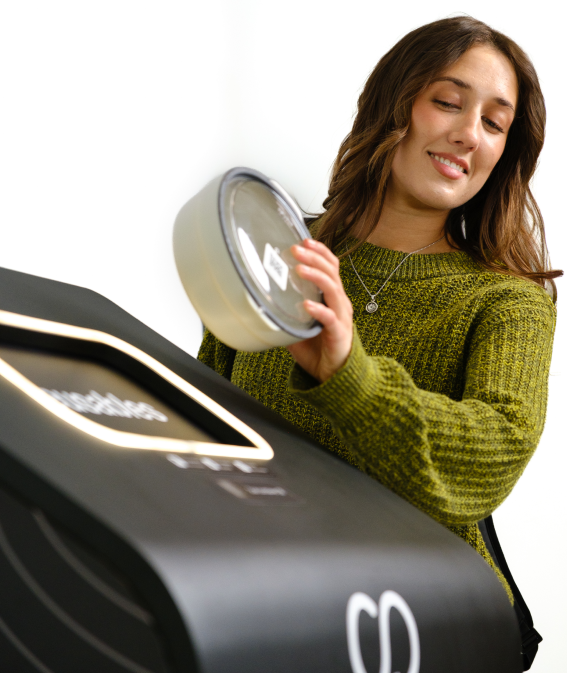
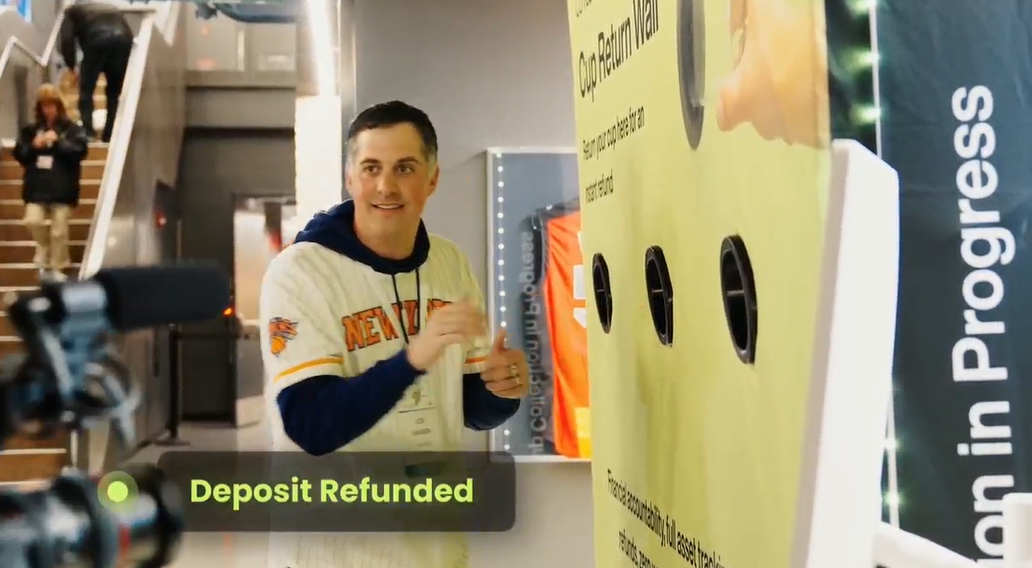
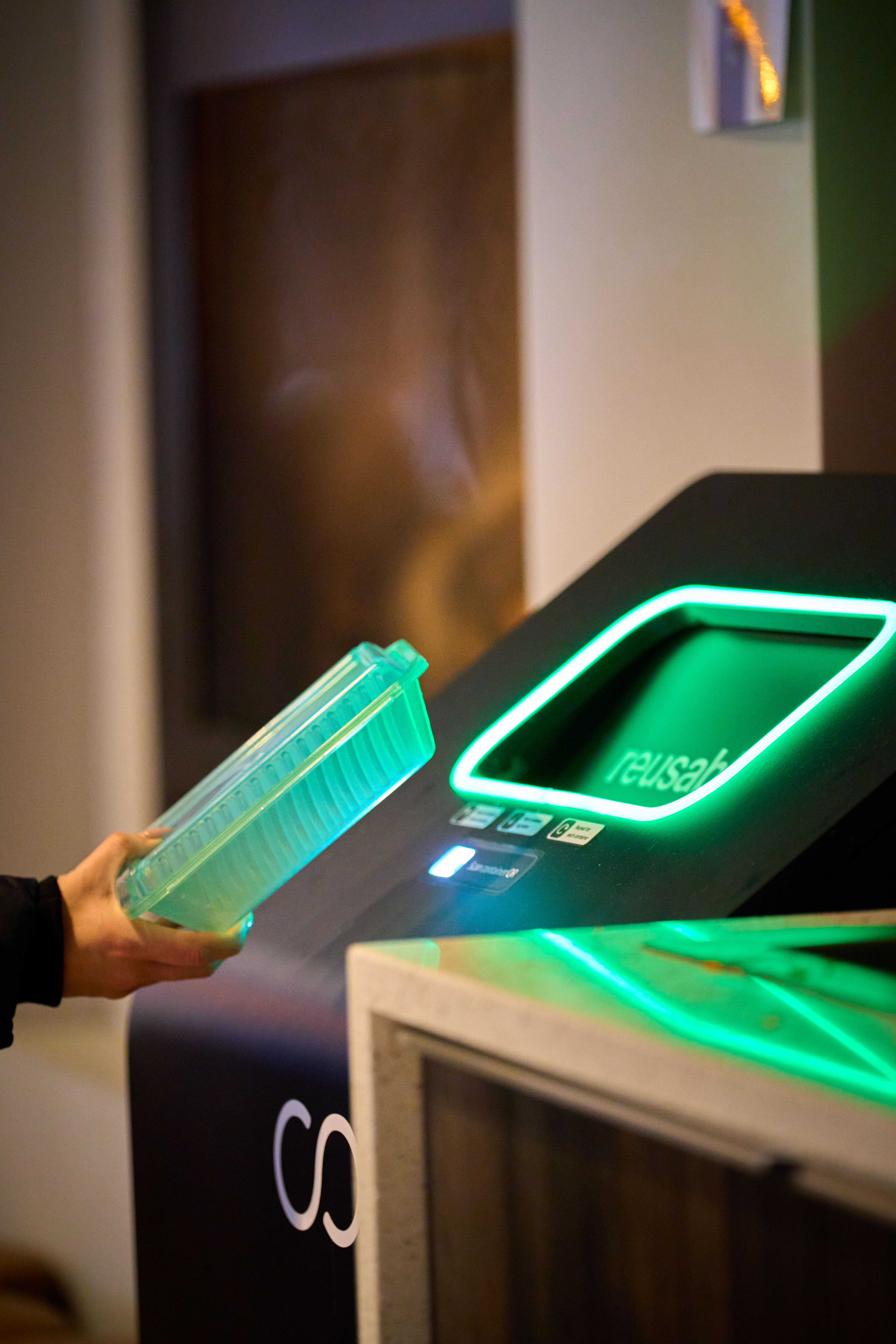
The user eats their meal wherever they want and returns the empty container to a designated return point. The best systems offer automated return bins that are available 24/7, not just during dining hall hours. The bin confirms the return and releases the user from accountability.
3. Cleaning and Sanitization
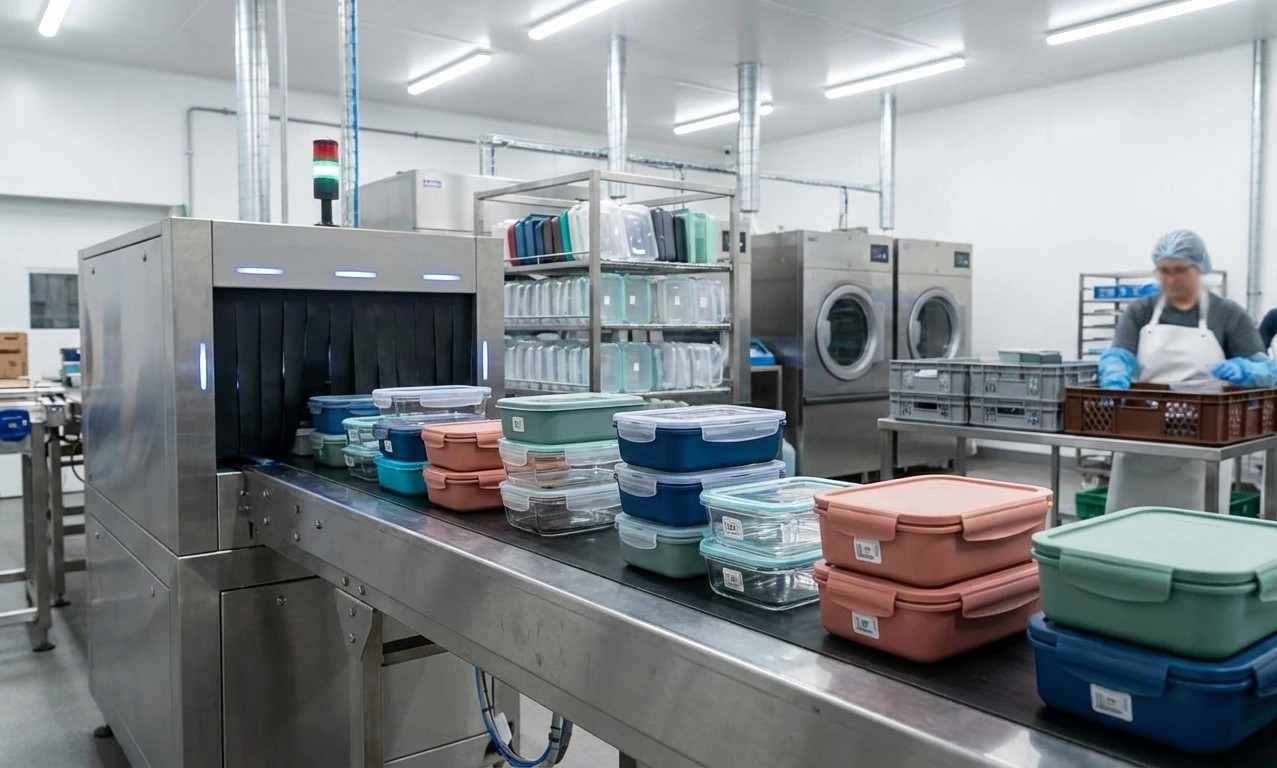
Returned containers enter the commercial dishwashing cycle alongside other dining ware. Because returnable containers are designed for institutional cleaning, they withstand high-temperature sanitization repeatedly without degrading. Most food-grade returnable containers meet the same hygiene standards as the plates and silverware already in your kitchen.
4. Restocking
Clean containers are redistributed to food service stations, ready for the next meal cycle. A good inventory management system tracks container counts at every stage so you know exactly how many are in circulation, in use, being cleaned, or available for service.
Returnable vs. Disposable Packaging: A Cost Comparison
The economics of returnable packaging become compelling quickly, especially at scale.
| Factor | Disposable | Returnable |
|---|---|---|
| Per-unit cost | $0.15-0.50 per container | $3-8 per container (amortized over 200+ uses) |
| Cost per meal served | $0.15-0.50 | $0.02-0.04 |
| Annual spend (10,000 meals/week) | $78,000-260,000 | $10,400-20,800 + system costs |
| Waste generated | 520,000 containers to landfill | Near zero packaging waste |
| Supply chain risk | Vulnerable to price spikes | Stable, reusable fleet |
A campus serving 10,000 takeout meals per week can spend over $50,000 annually on disposable containers alone. A returnable system, after accounting for container purchases, infrastructure, and operating costs, typically reduces packaging costs by 50% or more within the first year.
The savings compound over time. Disposable costs recur every semester. Returnable container fleets last years, and the per-meal cost drops further with each additional use cycle.
5 Benefits of Returnable Packaging for Institutional Food Service
1. Significant Cost Reduction
The math is straightforward. When a $5 container lasts 200 meals, the cost per meal is $0.025. Even factoring in cleaning, infrastructure, and container replacement, most institutions see 30-50% savings compared to disposables. Those savings free budget for food quality, staff, or other dining improvements.
2. Measurable Sustainability Impact
Each returnable container that replaces a disposable eliminates waste at the source. A mid-size university program can divert 25 tons or more of packaging waste from landfill annually. For institutions with 2030 zero-waste goals, returnable packaging is one of the highest-impact changes available.
3. Compliance with Regulations
Legislation targeting single-use packaging is accelerating. Multiple states and municipalities have enacted bans or fees on disposable food service packaging. Returnable systems ensure compliance while positioning your institution ahead of future regulations rather than scrambling to react.
4. Better Student and Staff Experience
Modern returnable containers are purpose-built for food service: leak-proof, microwave-safe, and visually appealing. Students and staff prefer eating from quality containers over flimsy disposables. Gamification features and rewards programs can further boost participation and engagement.
5. Real-Time Operational Visibility
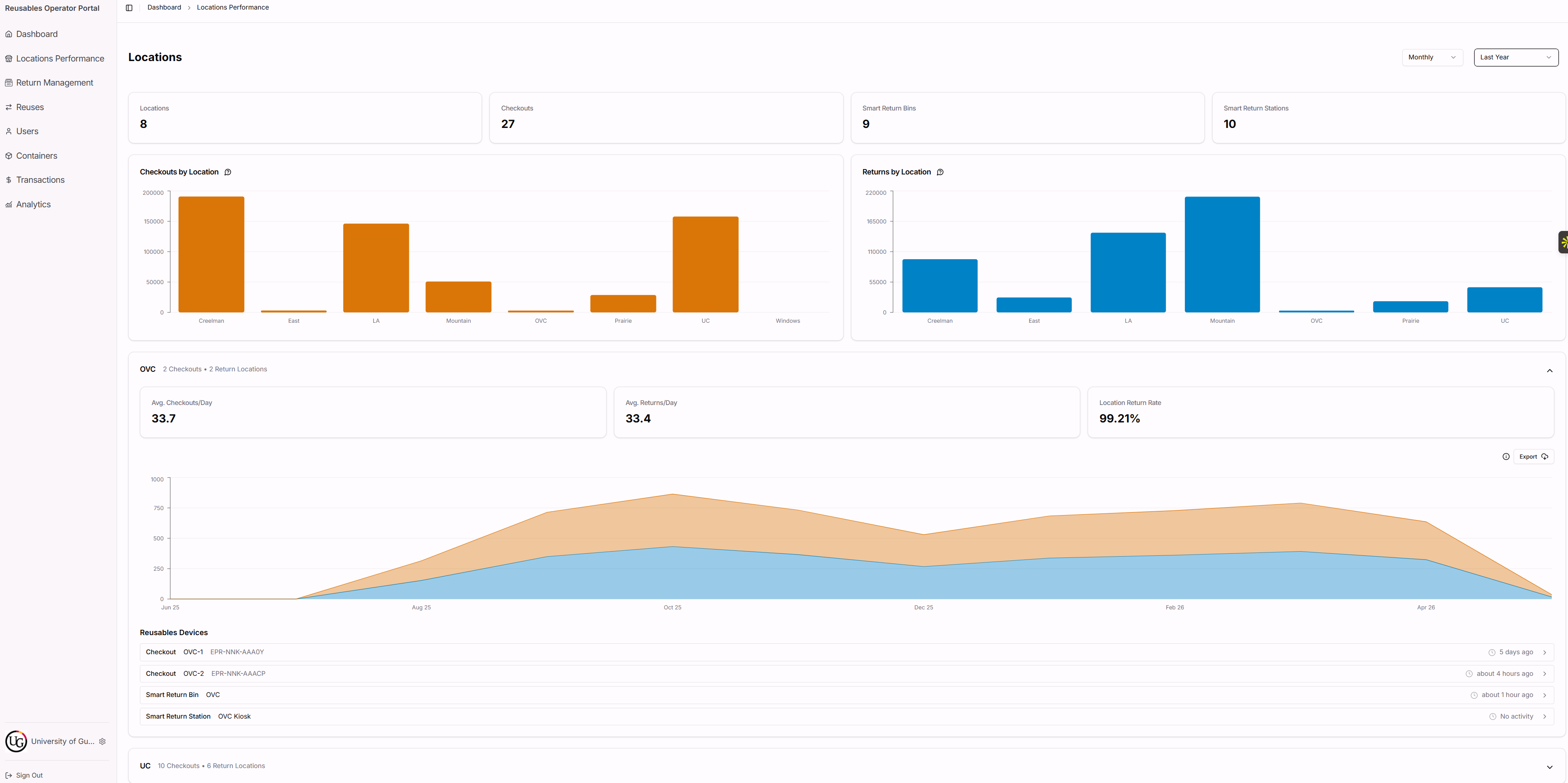
Unlike disposables (which offer zero data after purchase), returnable packaging systems generate valuable operational data. You can track return rates, peak usage times, container loss, and environmental impact in real-time dashboards. This data supports better procurement decisions, staffing, and reporting to stakeholders.
What to Look for in a Returnable Packaging Solution
Not all returnable packaging systems are equal. When evaluating solutions, prioritize these capabilities:
Frictionless User Experience
The single biggest predictor of program success is ease of use. If checkout requires downloading an app, fumbling with tokens, or waiting in a separate line, adoption will suffer. Look for systems that integrate with existing payment infrastructure like campus card systems so users can check out a container with a simple tap.
Automated Accountability
High return rates do not happen by accident. Automated accountability systems that handle holds, reminders, and charges without manual staff intervention are essential. The best systems achieve 99% return rates by making accountability seamless and fair.
Container Tracking Technology
Whether your system uses RFID, QR codes, or a combination, container-level tracking is critical. It enables accurate inventory management, loss prevention, and usage analytics. Compare RFID and QR approaches to determine what fits your operation.
Container Flexibility
Your returnable packaging provider should support multiple container types and sizes, and ideally work with containers you may already own. A container-agnostic platform avoids vendor lock-in and lets you choose the best containers for your menu and food types.
Integration with Existing Infrastructure
A returnable packaging system should plug into your existing operations, not require a complete overhaul. Check for compatibility with your campus card system, POS infrastructure, and commercial kitchen workflow. The less disruption to current processes, the faster your rollout.
How to Implement Returnable Packaging: A Step-by-Step Approach
Step 1: Audit Your Current Packaging Spend
Document your current disposable container costs, volumes, and waste. This baseline data quantifies the opportunity and builds the business case. Most directors are surprised to find their true disposable packaging costs are 2-3x what they estimated when factoring in storage, delivery, and waste disposal.
Step 2: Define Your Scope
Start with a pilot location or meal period. A single dining hall or a takeout-only service point makes an ideal starting point. Pilots let you test operations, train staff, and measure results before expanding campus-wide.
Step 3: Select Your Technology Partner
Evaluate returnable packaging providers based on the criteria above. Request references from peer institutions and ask for pilot performance data. The best reuse systems combine hardware, software, and support into a turnkey solution that minimizes your team's implementation burden.
Step 4: Plan Your Container Fleet
Work with your provider to size your initial container fleet based on daily meal volumes, expected return cycles, and buffer stock. A general guideline is 2-3x your peak daily meal count, accounting for containers in use, in cleaning, and in reserve.
Step 5: Set Up Return Infrastructure
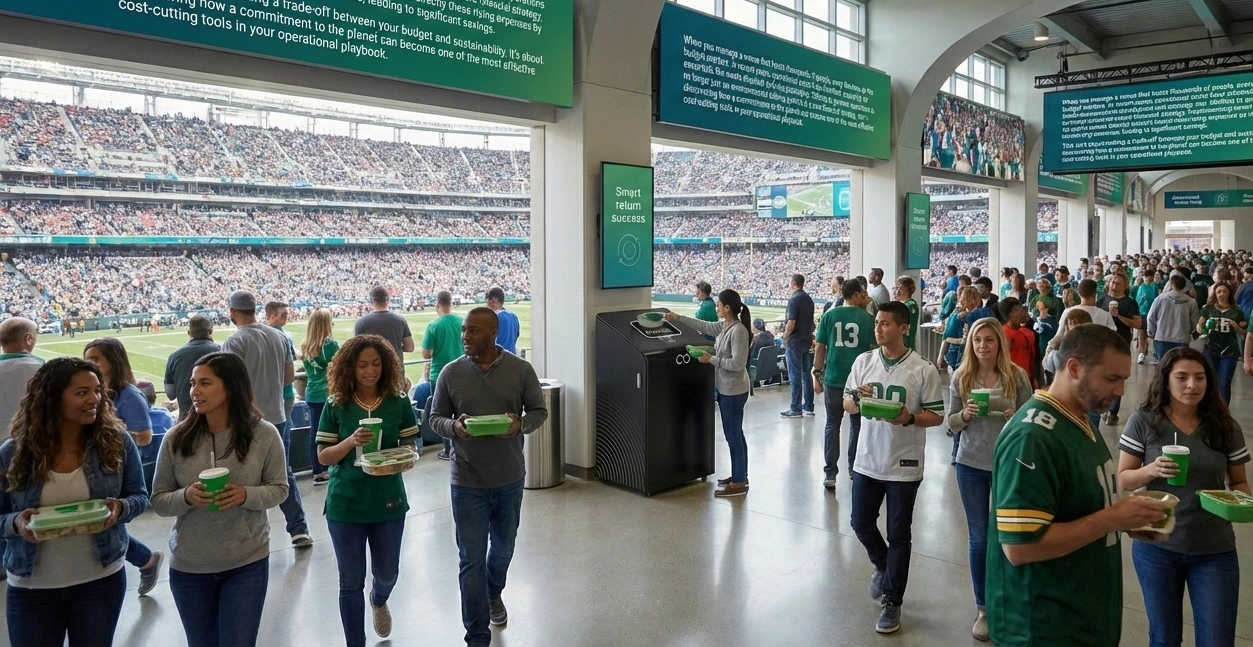
Position return stations in high-traffic areas where students naturally pass after eating: dining hall exits, residence halls, library entrances, and student centers. Convenient return locations are the single most important factor in driving high return rates.
Step 6: Launch and Communicate
Roll out with clear signage, orientation sessions, and student ambassador support. First impressions matter. A well-communicated launch builds enthusiasm, while a confusing one creates resistance. Student engagement strategies can accelerate adoption significantly.
Step 7: Monitor, Optimize, and Expand
Use your system's analytics to track return rates, container utilization, and cost savings. Share wins with stakeholders. Once your pilot demonstrates results, expand to additional locations and meal periods.
Ready to see how returnable packaging could work at your campus?
Frequently Asked Questions
How many times can a returnable container be used?
Most food-grade returnable containers are rated for 200-1,000 wash cycles depending on material and design. Stainless steel containers tend to last longer than plastic options. Even at the low end, 200 uses means a $5 container costs just $0.025 per meal.
What return rates can I expect?
Well-designed systems with automated accountability routinely achieve 95-99% return rates. The key factors are convenient return locations, automated reminders, and fair accountability policies. Systems that rely on voluntary returns without accountability typically see rates below 70%.
Is returnable packaging sanitary?
Yes. Returnable food containers go through the same commercial dishwashing and sanitization processes as plates, utensils, and other dining ware in your kitchen. They meet all applicable food safety regulations. Many institutions find returnable containers are actually cleaner than disposables, which can sit in warehouses for months before use.
How does returnable packaging handle loss and theft?
Modern systems use container-level tracking to identify unreturned items and assign accountability to the last user. Automated charge policies (typically $5-8 per container) incentivize returns while covering replacement costs. Most programs find that once the accountability system is understood, loss rates drop to 1-5%.
What is the ROI timeline for returnable packaging?
Most institutional programs reach breakeven within 6-12 months, depending on meal volume and current disposable costs. Higher-volume operations see faster ROI because the fixed infrastructure costs are spread across more meals. After breakeven, the ongoing savings compound semester over semester.
Ready to see how returnable packaging could work at your campus or facility? Get a demo and we will walk you through the numbers for your specific operation.
Ready to see how returnable packaging could work at your campus?
Other stories you may find interesting
.png)
.avif)


.webp)


Watch the Webinar
Learn How to Eliminate Single-Use Waste
Get instant access to our expert webinar and discover how leading institutions reach 99% return rates through smarter reuse systems.

© Reusables™. All rights reserved.