
A Guide to Smart Reusable Container Inventory Management

January 22, 2026
Your budget is already stretched thin, and the rising cost of single-use packaging isn't helping. While a reusable container program promises significant savings, it can quickly become a financial drain if not managed properly. Every lost container is a direct hit to your bottom line, and the staff hours spent manually tracking inventory add up. A tech-enabled approach to reusable container inventory management transforms your containers from a potential liability into a protected asset. By automating tracking and accountability, you gain full visibility over your fleet, slash replacement costs, and free up your team. Ahead, we’ll explore how the right system delivers a clear return on investment and makes your reuse program financially sustainable.
Key Takeaways
- Protect Your Investment with Technology: Manual tracking with spreadsheets inevitably leads to lost containers and rising replacement costs. A tech-enabled system gives each container a unique digital ID, providing the real-time visibility needed to manage your assets and stop unnecessary spending.
- Make Returns Effortless to Ensure Success: A successful reuse program depends on high return rates. Achieve this by choosing a system that integrates with campus cards for a frictionless checkout and uses automated reminders and smart bins to make returning containers simple and convenient for students.
- Use Data to Prove Your Program's Value: A smart system provides clear metrics on cost savings, return rates, and environmental impact. Use this data to demonstrate your return on investment to stakeholders, optimize inventory levels, and make informed decisions that improve your dining operations.
What Is Reusable Container Inventory Management?
At its core, reusable container inventory management is the system you use to keep track of every container in your dining program. Think of it as the answer to the questions, "Where are all our containers right now?" and "How many do we have ready for service?" When you switch from single-use packaging to reusables, your containers become valuable assets that need to be managed just like any other piece of equipment. The main challenge is that you don’t always know how many containers students will check out or when they’ll bring them back.
Without a solid system, you’re left guessing. This uncertainty can lead to running out of containers during the lunch rush or over-ordering to compensate, which ties up your budget in inventory that’s just sitting on a shelf. A smart management system gives you a clear, real-time picture of your container fleet—what’s in the dining hall, what’s with students, and what’s in the wash. It’s about creating a smooth, circular flow that ensures you always have clean containers ready for the next meal service, all while protecting your investment.
Why Traditional Tracking Methods Fall Short
If you’ve ever tried to manage reusables with manual counts, sign-out sheets, or spreadsheets, you already know the headaches. These traditional methods are time-consuming, prone to human error, and simply can’t keep up with the fast pace of a campus dining environment. Staff members are busy serving students, not chasing down containers or updating logs. This approach often leads to a frustrating cycle of problems.
Without good management, containers inevitably get lost, creating stock shortages that can delay service and force you to spend more on replacements. Many dining programs struggle with managing containers, leading to wasted time, expensive reorders, and a tracking system that’s never quite accurate. It’s nearly impossible to hold users accountable, and you’re left with a system that costs more than it saves.
How Technology Modernizes Container Tracking
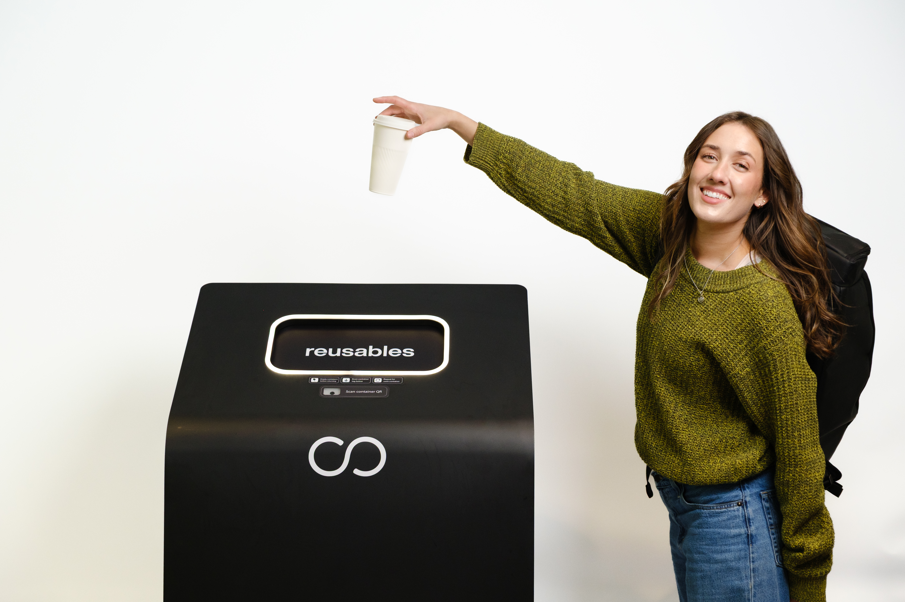
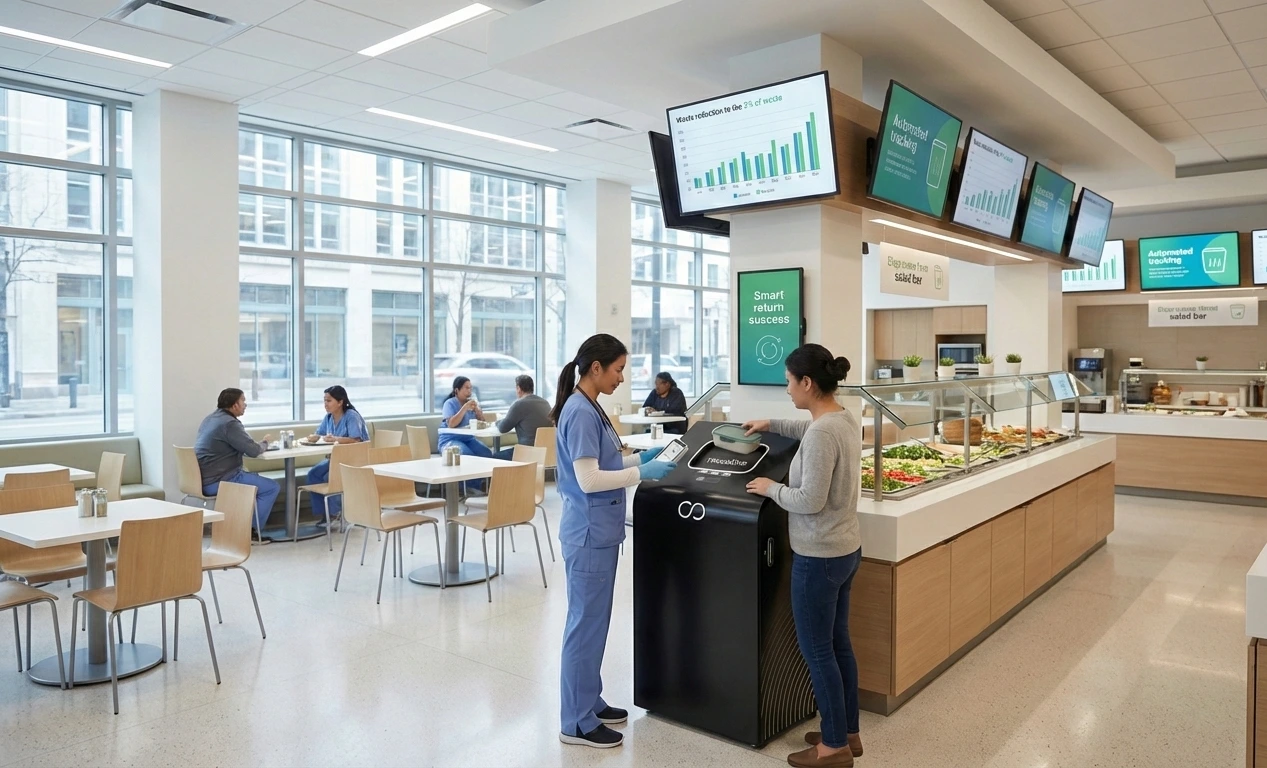
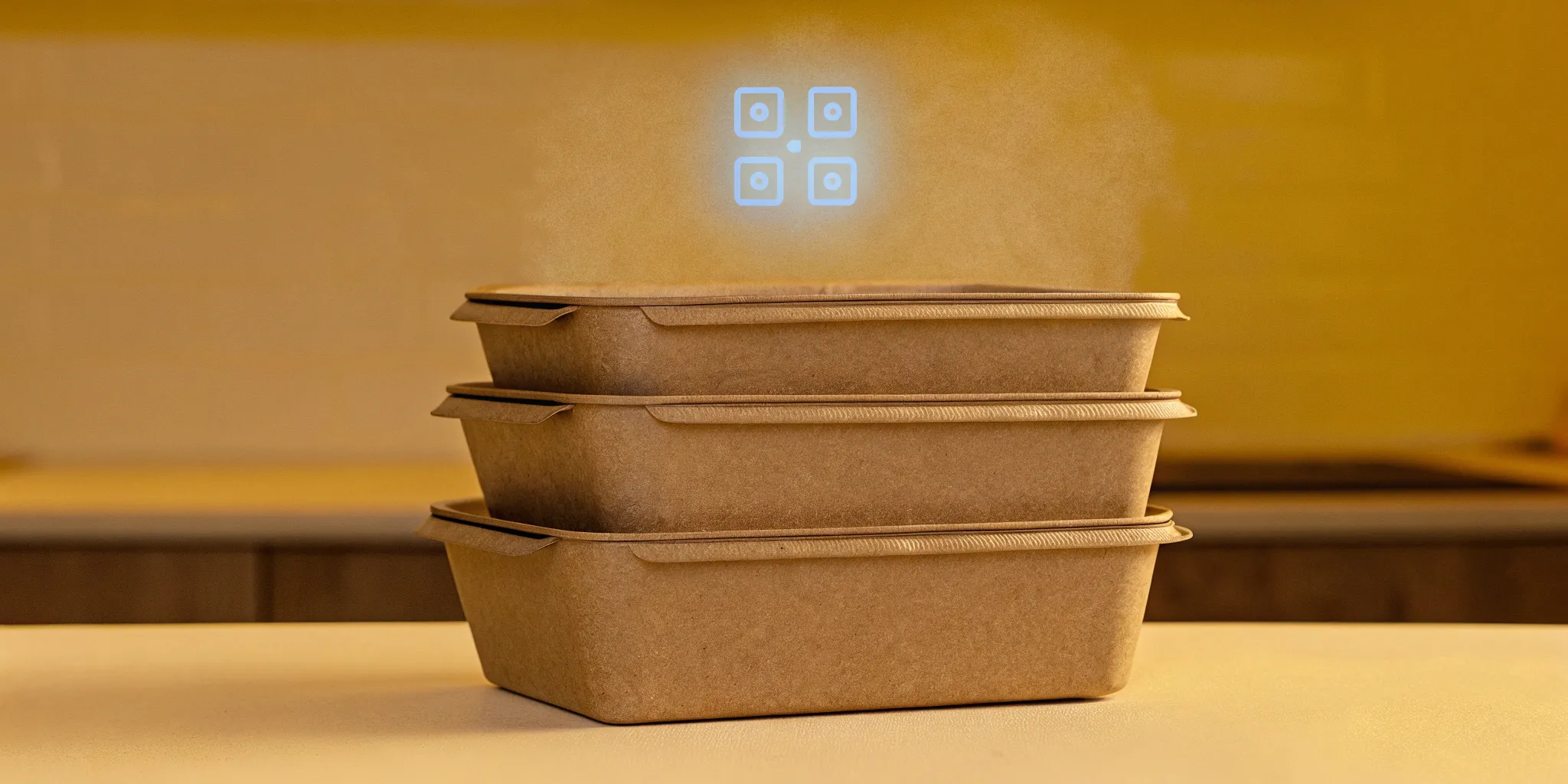
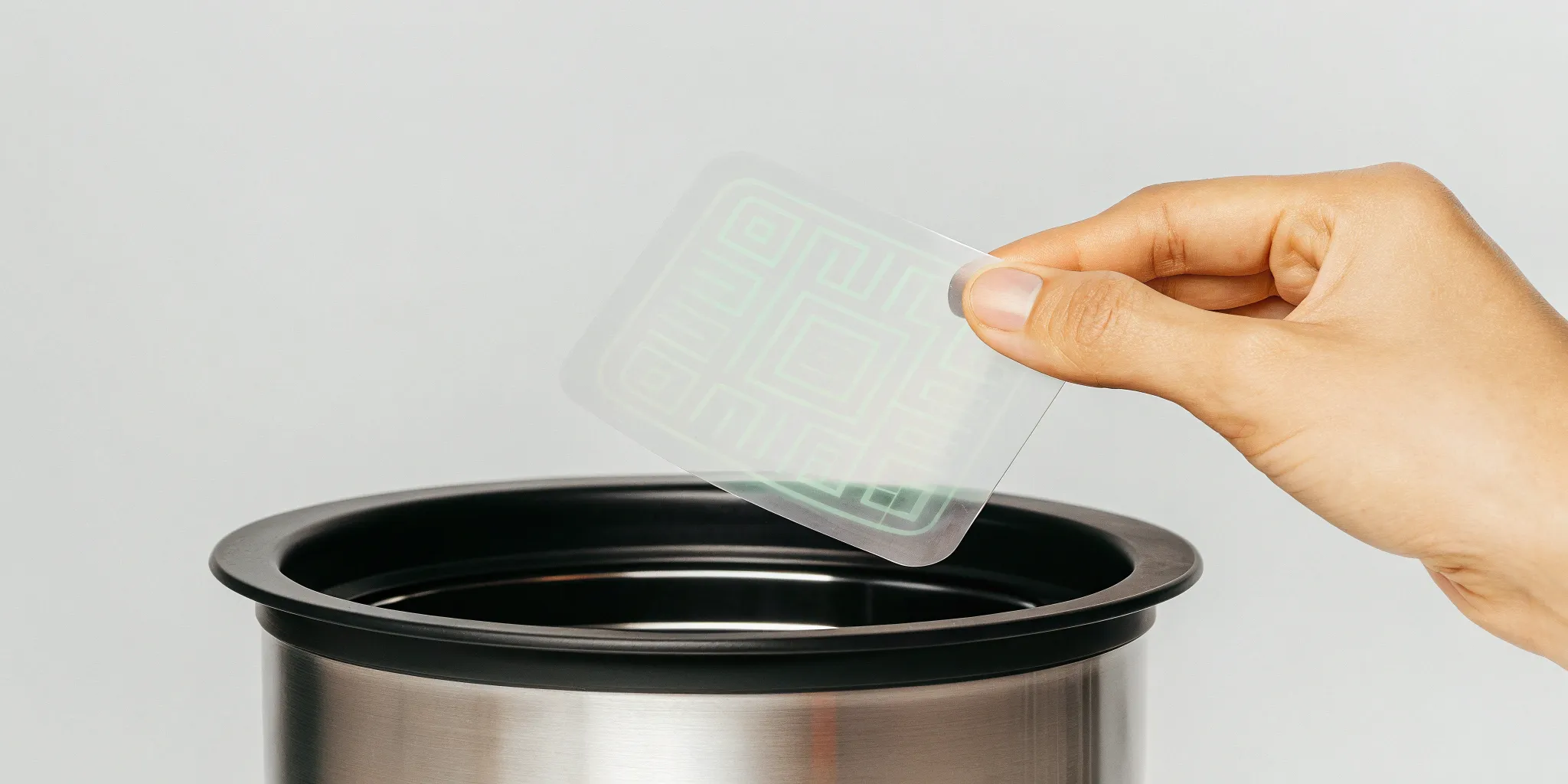
This is where modern technology changes the game. Instead of relying on manual counts, a tech-enabled system uses tools like unique QR codes or RFID tags on every container to automate the entire tracking process. When a student checks out a container, a quick scan logs it to their account. When they return it to a smart bin or drop-off station, another scan checks it back in. It’s seamless, accurate, and requires almost no effort from your staff or students.
This digital approach gives you a live, accurate count of your entire inventory at all times. You can see exactly where your containers are—whether they’re in circulation, ready for use, or waiting to be washed. An effective reusable container tracking system helps you get the most out of your assets, ensuring a strong return on your investment while making your reuse program run smoothly.
What Problems Does Poor Container Inventory Create?
When you switch to a reusable container program, the goal is to cut costs and reduce waste. But without a smart way to manage your inventory, you can end up creating a new set of problems that undermine your efforts. From lost assets to operational bottlenecks, poor container management can quickly turn a well-intentioned sustainability initiative into a source of frustration for your team and your customers. Understanding these challenges is the first step toward finding a system that actually works for your campus.

Lost Containers and Rising Replacement Costs
When you don’t have a solid system for managing your reusable containers, they have a tendency to walk away. Each lost container is a direct hit to your budget, and these replacement costs add up quickly. Without good management, containers get lost, leading to unexpected expenses that chip away at your bottom line. This issue is compounded by rising packaging costs. Many institutions spend tens of thousands annually on disposables; losing your reusable inventory on top of that creates a significant financial strain. It’s a constant cycle of reordering that eats into funds that could be better used elsewhere on campus.
Inefficient Operations and Tracking Headaches
Beyond the financial cost, poor container management creates major operational hurdles. Your staff ends up spending valuable time manually counting containers, chasing down missing items, and dealing with outdated spreadsheets. This struggle often leads to wasted time, expensive reorders, and difficult tracking. When you don't have enough clean containers for a lunch rush because your inventory is scattered across campus, it slows down service and frustrates students. This manual approach also puts the burden of accountability on your team, turning them into detectives instead of focusing on providing a great dining experience. It’s an inefficient process that drains resources and morale.
Challenges with Sustainability Reporting
One of the main reasons for launching a reuse program is to meet sustainability goals, but without accurate data, how can you prove your impact? Poor inventory management leaves you without the numbers you need to report on key metrics like return rates or waste diverted from landfills. While the goal of reusable container programs is to significantly decrease overall waste, you can’t demonstrate that success to stakeholders without reliable tracking. This makes it difficult to justify the program's budget, celebrate wins with the campus community, or make data-driven decisions to improve your environmental footprint.
Key Features of a Modern Container Management System
If you’ve ever tried to manage a reusable container program with spreadsheets and manual counts, you know the headache. Containers disappear, staff spend hours tracking inventory, and you’re never quite sure if the program is actually saving money. Modern container management systems are designed to solve these exact problems. They move beyond simple tracking to offer a complete, tech-enabled solution that makes reuse easy for everyone.
The right platform gives you a bird's-eye view of your entire inventory while automating the tedious tasks that bog down your team. It’s about creating a self-sustaining ecosystem where containers flow smoothly from your dining hall to the student and back again. These systems integrate directly into your existing operations, making the switch from disposables to reusables a seamless transition. By focusing on a few key technological features, you can build a program that not only meets your sustainability goals but also improves your bottom line and enhances the student dining experience. The goal is a zero-waste packaging system that works so well you forget it’s even there.
Real-Time Tracking and Visibility
Do you know where all your containers are right now? With a modern system, the answer is always yes. Each container is tagged with a unique identifier, like a QR code or an RFID chip, allowing for real-time asset tracking. This gives you complete visibility into your inventory, showing you how many containers are in circulation, at cleaning stations, or ready for use. This track-and-trace technology allows you to measure key metrics like return rates and reuse cycles directly from a dashboard. This means no more guessing games or surprise shortages during the lunch rush—just clear, actionable data at your fingertips.
Automated Accountability and Returns
Getting containers back is one of the biggest challenges of any reuse program. Instead of relying on staff to manually chase down missing inventory, a smart system builds accountability directly into the process. It creates a "closed-loop" system that manages containers from checkout to return. When a student borrows a container, it’s checked out to their account. The system can then send automated reminders and, if needed, apply fully refundable late fees to encourage timely returns. This automated process frees up your staff, reduces container loss, and helps achieve the high return rates needed for a successful program.
Seamless POS and Payment Integrations
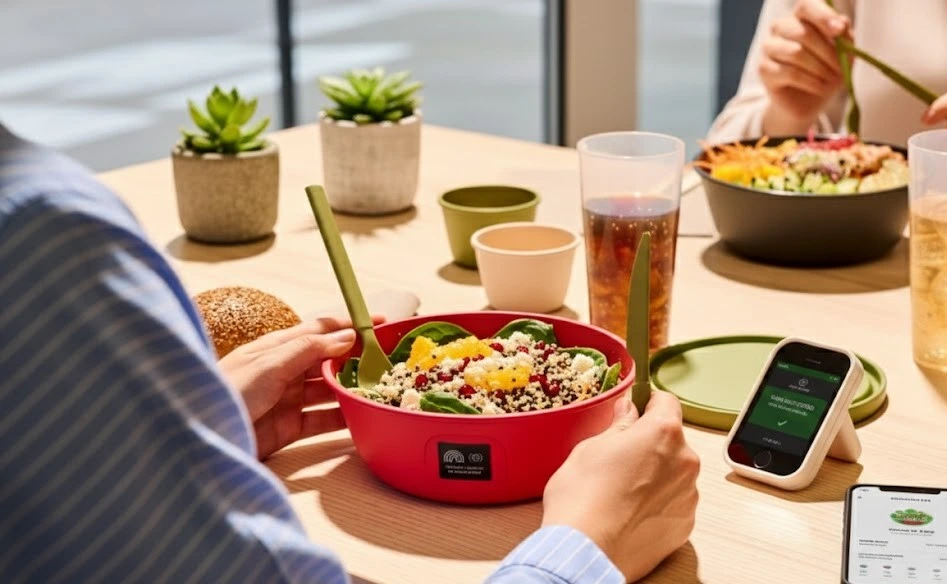
For any reuse program to succeed, it has to be incredibly simple for students to use. The best systems offer seamless point-of-sale integrations that work with your existing campus card, meal plan, and credit/debit terminals. This allows students to check out a container with a simple tap of their card—no need to download a separate app or fumble with a new payment method. By removing friction at the point of sale, you make choosing the reusable option the easiest and most convenient choice, which is key to driving widespread adoption across campus.
Smart Analytics and Reporting
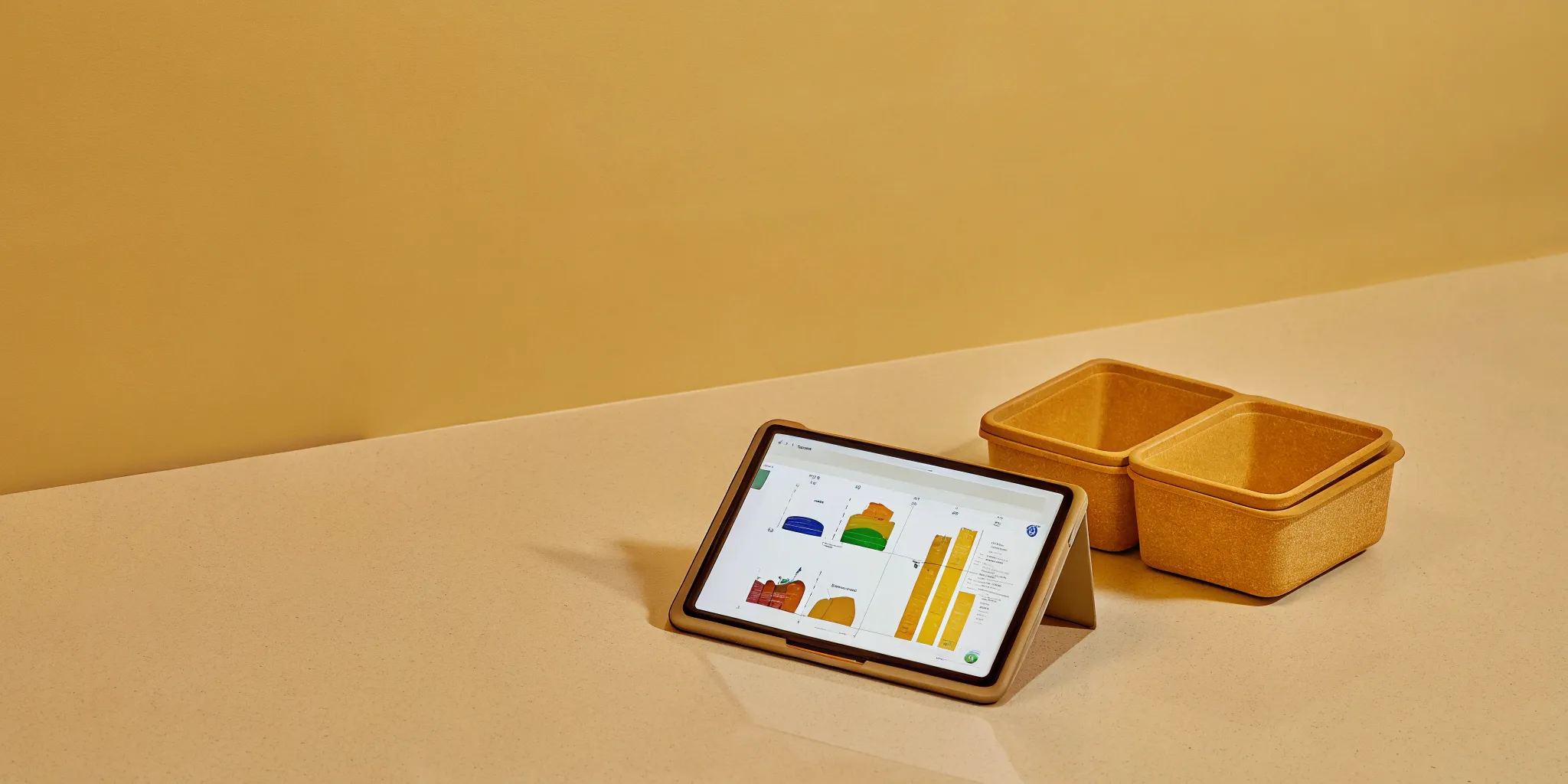
A modern container management system doesn't just track containers; it provides the data you need to prove the program's value. Effective and clear reporting is essential for showing stakeholders your return on investment. Your dashboard should give you instant access to key performance indicators, including inventory levels, return rates, total cost savings, and your environmental impact. This data helps you make informed decisions to optimize your operations and provides the concrete numbers needed to showcase your program's success in sustainability reports and budget meetings.
A Look at Top Inventory Management Solutions
Once you start exploring technology for your reusable container program, you'll find several types of solutions. Some are comprehensive platforms designed for specific environments like yours, while others are powerful software tools that can be adapted for various logistics operations. The right choice depends on your specific needs, from the user experience to back-end operational control. Let's look at a few of the leading options available so you can get a feel for the landscape. Each offers a different approach to tracking, management, and accountability, giving you a clearer picture of what’s possible for your campus dining services.
Reusables.com - The Complete Tech-Enabled Reuse Platform
Reusables.com offers a full-stack system built specifically for closed-loop environments like college campuses and corporate dining. The platform focuses on making reuse effortless for both students and staff. With features like app-free "Tap to Reuse" technology and full integration with campus cards and payment systems, it removes common participation barriers. An effective reusable container tracking system helps you optimize your valuable assets, providing a maximum return on your investment. By combining smart return bins, dual QR and RFID tracking, and an operator dashboard with real-time data, Reusables.com provides a complete solution that handles everything from checkout and returns to automated accountability and reporting, helping you achieve impressive 99% return rates.
SYNCROTESS - AI-Powered Tracking Software
For organizations managing complex logistics across multiple sites, SYNCROTESS offers an AI-powered software to manage reusable containers and packaging like pallets and crates. This type of system is designed to make operations smoother, lower costs, and support environmental goals by optimizing the entire supply chain. The software uses artificial intelligence to forecast demand, automate scheduling, and provide deep insights into your container pool. While it's a powerful tool for large-scale industrial or logistics companies, it may require more customization to fit the specific front-end user experience needed on a university campus. It’s a strong choice for operations focused heavily on reusable packaging management at the logistics level.
INFORM - Container and Packaging Management
Similar to SYNCROTESS, INFORM provides software that uses sophisticated algorithms to manage reusable assets. The core strength of this system is its data-driven approach to inventory control. Its algorithms work to ensure that each site has the right amount of assets at the right time, making pooling operations more cost-efficient and sustainable. This is particularly useful for preventing shortages or overstocking of containers, which can disrupt service and increase costs. For a dining director, this means having a system that can predict needs based on historical data and trends. This solution is ideal for those who need a robust, data-heavy system to manage a large and complex inventory of reusable assets across various locations.
Other Notable Providers
The market for reusable asset management is growing, with various companies offering specialized services. For example, some logistics providers offer a service for "Reusable Container Management" that helps businesses track and manage the containers they use to move parts and products. These services are often focused on the B2B supply chain, where containers are used for shipping and transport rather than consumer-facing takeout. While not a direct fit for a campus dining program's unique needs, they show the broader trend toward specialized systems for tracking reusable assets. These solutions highlight the importance of having a dedicated system in place to maintain control over your inventory and avoid the high costs of lost containers.
Comparing Systems: Pricing and Value
When you're evaluating different reusable container systems, it’s easy to focus on the initial price tag. But the true cost—and the real value—goes much deeper. A lower upfront cost might hide significant long-term expenses from lost containers, staff time spent on manual tracking, and a clunky user experience that discourages participation. The smartest investment isn't always the cheapest one; it's the one that delivers the best return by solving your biggest operational headaches.
To make a confident decision, you need to look beyond the quote and consider the total cost of ownership. This means thinking about how a system will reduce your spending on disposables, cut down on replacement container orders, and free up your staff's time. A comprehensive platform that integrates smoothly with your existing operations will deliver value that far outweighs its initial cost.
Understanding Pricing Models and Total Cost
Pricing for reuse systems can vary, from per-container fees to monthly subscriptions. But the most important number to consider is the one you’re already spending on the problem. Without a solid management system, reusable containers often get lost or damaged, leading to constant and expensive reorders. Many dining programs struggle with managing containers, which creates a cycle of wasted time and money.
Think about the staff hours spent manually tracking inventory or the budget allocated to replacing lost assets. These are the hidden costs of an inefficient system. A platform with automated tracking and accountability turns these unpredictable expenses into a fixed, manageable cost. It provides the operational visibility you need to protect your investment and ensure your container fleet is actually being used, not just disappearing.
Calculating Your Return on Investment
Your return on investment (ROI) is where the value of a smart system really becomes clear. The calculation is simple: compare the cost of the platform against the money it saves you. The biggest savings often come from two areas: a drastic reduction in single-use packaging purchases and the elimination of container replacement costs. With disposable packaging costs on the rise, this alone can justify the investment.
High return rates are the engine of a successful reuse program. When you achieve near-perfect returns, you stop losing assets and can serve more people with a smaller, more efficient container fleet. This is how you generate a significant return on your inventory. Add in the savings from automated accountability—no more staff time spent chasing down late fees—and you have a powerful financial case for a tech-enabled solution.
Essential Technology Integrations
A reusable container system should make your life easier, not add another layer of complexity. That’s why seamless technology integrations are non-negotiable. The best platforms work directly with the systems you already use, including your campus card and POS providers like Transact, CBORD, and TouchNet. This creates a frictionless experience for both students and staff, which is key to driving adoption.
Beyond payments, look for a system that provides robust data and analytics. Clear, accurate reports are essential for demonstrating the program's success and proving its ROI to stakeholders. The right platform gives you a real-time dashboard showing everything from inventory levels and return rates to your environmental impact. This data empowers you to make informed decisions and fine-tune your operations for maximum efficiency. You can learn more about how Reusables.com approaches this with a tech-first mindset.
The Benefits of a Smart Container Inventory System
Switching to a smart inventory system isn't just about getting new tech—it's about fundamentally changing how your dining program operates for the better. When you know exactly where your containers are at all times, you can make smarter decisions that save money, reduce stress for your team, and help you hit those ambitious campus sustainability targets. It moves your reusable program from a well-intentioned idea to a streamlined, data-driven operation. A modern system gives you the tools to not only manage your inventory but also to create a smoother, more reliable dining experience for students and staff. It's the difference between hoping for high return rates and actually achieving them, and between estimating your environmental impact and proving it with hard data. This shift provides the operational clarity needed to run a successful, long-term reuse program that benefits everyone. By automating the tedious parts of tracking and accountability, you empower your team to focus on service and strategy, rather than chasing down lost containers or manually counting inventory. It transforms your reusables from a potential liability into a valuable, manageable asset.
Cut Costs and Streamline Operations
Let's talk about the bottom line. Lost containers mean lost money, and inefficient workflows drain your budget and your team's time. A smart inventory system tackles these issues head-on. By carefully planning your container stock levels and the frequency of supplier orders, you can significantly reduce overall costs. When you can track every container, you lose fewer of them to forgetfulness or misuse. This means fewer replacement orders and more predictable spending. Plus, automating the tracking process frees up your staff from tedious manual counts, allowing them to focus on what they do best: serving students. A well-managed system can save a lot of money on operations by cutting down on lost assets and idle inventory.
Reduce Waste and Meet Sustainability Goals
Your campus has sustainability goals, and a reusable container program is a huge step in the right direction. But without an effective tracking system, it’s hard to prove your impact or even keep the program running. Smart inventory management is crucial for cutting down on the massive amount of single-use packaging waste generated by food service. By ensuring containers are consistently returned and reused, you maximize their lifespan and the return on your investment. This isn't just good for the planet; it provides you with concrete data—like return rates and waste diversion numbers—that you can use for sustainability reporting and to show students and stakeholders the real-world impact of your efforts.
Gain Full Visibility and Control of Your Supply Chain
Do you know where all your reusable containers are right now? If the answer is "not really," you're not alone. Traditional methods leave huge blind spots in your supply chain. A smart system provides 24/7 container visibility, so you can see the real-time location of every asset, whether it’s in a dining hall, with a student, or in a return bin. Using technology like QR codes or RFID, you can track the entire lifecycle of each container. This complete oversight allows you to identify bottlenecks, understand usage patterns, and make informed decisions about inventory levels and distribution across different campus locations, giving you true control over your operations.
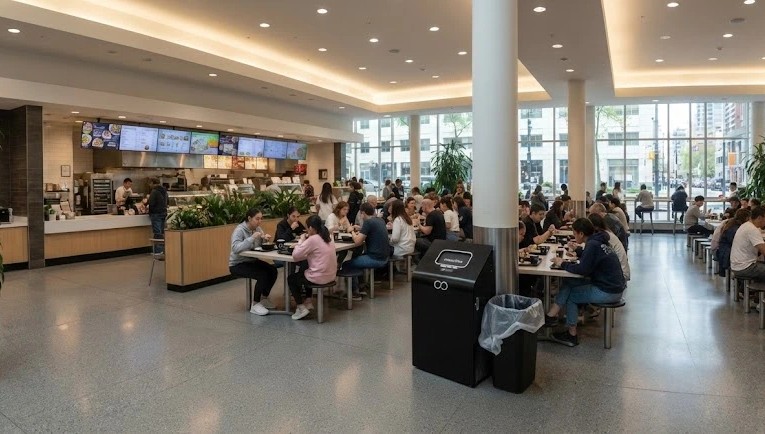
Improve the Customer Experience
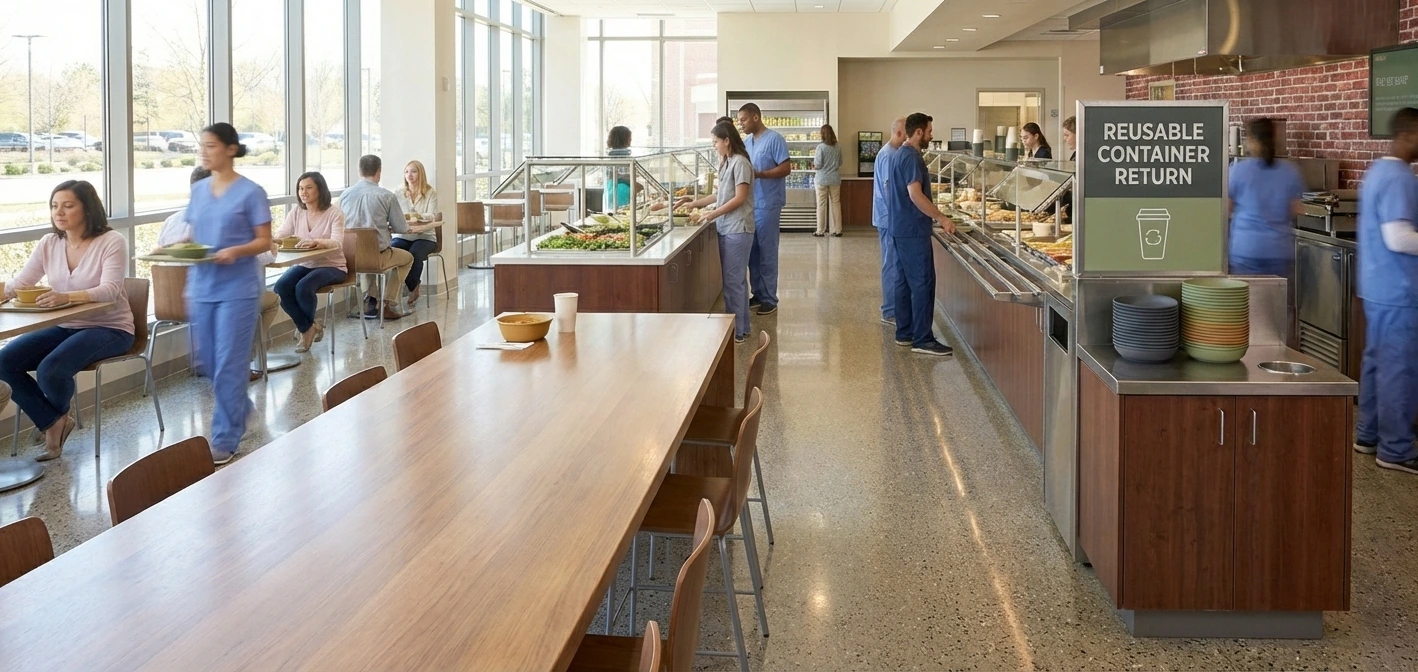
A successful reuse program has to be easy for students. If returning a container is a hassle, participation will drop, and your inventory will disappear. A smart system creates a frictionless experience. By making it simple for students to check out a new container while returning a used one, you can keep inventory levels stable and costs down. When the return process is automated and convenient—think smart bins that don't require staff interaction—students are more likely to participate. This also means your team can focus on inventory management and service through a central dashboard instead of manually tracking returns, which ultimately creates a better, faster experience for everyone.
Metrics That Matter: How to Measure Success
Switching to a reusable container system is a big step, but how do you know if it’s actually working? The right data makes all the difference. Without clear metrics, you’re just guessing about your impact and your return on investment. A smart inventory management system moves you beyond assumptions by providing real-time data on what’s working and where you can improve.
Tracking the right key performance indicators (KPIs) helps you justify the program to stakeholders, optimize your operations, and prove you’re hitting your sustainability targets. It’s about turning your operational data into a clear story of success. Instead of wondering how many containers are in circulation or how much money you’re saving, you’ll have precise answers at your fingertips. This visibility allows you to fine-tune your inventory, reduce waste, and create a better experience for everyone on campus. Let’s look at the specific metrics that truly show the health and effectiveness of your reuse program.
Container Utilization and Turnaround Time
To run an efficient reuse program, you need to know how hard your containers are working. That’s where utilization and turnaround time come in. Utilization tells you how often each container is checked out, while turnaround time measures how quickly a container is returned, washed, and ready for its next use. A fast turnaround means you need fewer containers to serve the same number of people, which keeps your initial investment down. You can measure inventory usage by analyzing return and cycle rates in your dashboard. Tracking these metrics helps you find the sweet spot for your inventory levels, ensuring you always have enough containers during peak lunch hours without having too many sitting on shelves.
Lost Container Rates and Inventory Accuracy
Lost containers are a direct hit to your bottom line. Every container that disappears is one you have to replace, adding unnecessary costs and waste. Without good management, "these containers can get lost, cause delays... and cost companies more money." A modern tracking system with unique identifiers for each container, like QR codes or RFID tags, gives you a precise, real-time count of your inventory. This level of accuracy helps you pinpoint where containers are going missing so you can address the issue directly. Lowering your lost container rate is one of the fastest ways to improve the financial performance of your reuse program.
Cost Savings and Efficiency Metrics
Ultimately, your reusable container program needs to make financial sense. The most direct way to measure this is by tracking your reduction in spending on single-use packaging. You can then calculate your return on investment by comparing these savings against the cost of implementing and running the reuse system. But the savings don’t stop there. Consider the operational efficiencies you gain, such as reduced waste hauling fees and less staff time spent managing garbage and recycling. A robust dashboard can display these financial wins clearly, making it easy to report on the program's value and demonstrate its positive impact on your budget.
Return Rates and Customer Engagement
High return rates are the backbone of a successful reuse program. If containers aren’t coming back, the whole system falls apart. That’s why tracking your return rate is critical—it’s a direct reflection of how easy and appealing your system is for students and staff. As experts point out, "high return and reuse rates are the keys to program success." This metric is closely tied to customer engagement. When you make returns effortless with convenient smart bins and add fun incentives like leaderboards or rewards, you encourage participation. By monitoring return rates, you can see which engagement strategies are most effective and continue to build a campus culture that embraces reuse.
How to Choose the Right System for Your Campus
Selecting a reusable container system is a significant decision that impacts your budget, operations, and sustainability goals. The right platform should feel like a natural extension of your dining services, not a clunky add-on. As you evaluate your options, think beyond the containers themselves and focus on the technology and support that will make your program a long-term success. Consider how each system integrates with your existing infrastructure, how easy it is for students and staff to use, and whether it can grow with your campus. A thoughtful choice here sets the foundation for a program that students embrace and that delivers real cost savings and environmental benefits.
Ensure It Works With Your Existing Containers
If you’ve already invested in a supply of reusable containers, the last thing you want is to be told you have to start over. A truly flexible platform should be container-agnostic, meaning it can work with your current inventory, whether it’s durable plastic or stainless steel. This approach saves money and prevents vendor lock-in. Many campuses struggle with managing container fleets, leading to lost assets and expensive reorders. The right technology partner provides a system that tracks any container you choose by attaching a unique digital identity to each one. This ensures you can maintain accountability and visibility, no matter what containers you have on hand.
Prioritize Ease of Use and Staff Training
For any reuse program to succeed, it needs to be incredibly simple for everyone involved. Students won't adopt a system that requires downloading an app or navigating a complicated sign-up process. Look for a frictionless experience, like a simple tap of a student card to check out a container. Similarly, your staff is already busy. A new system shouldn't add to their workload. Choose a platform with an intuitive interface that requires minimal training and automates tasks like tracking returns and sending reminders. Without good management and an easy-to-use system, containers get lost and operations are delayed, so prioritize a solution that makes everyone’s life easier.
Check for Supplier Coordination and Scheduling
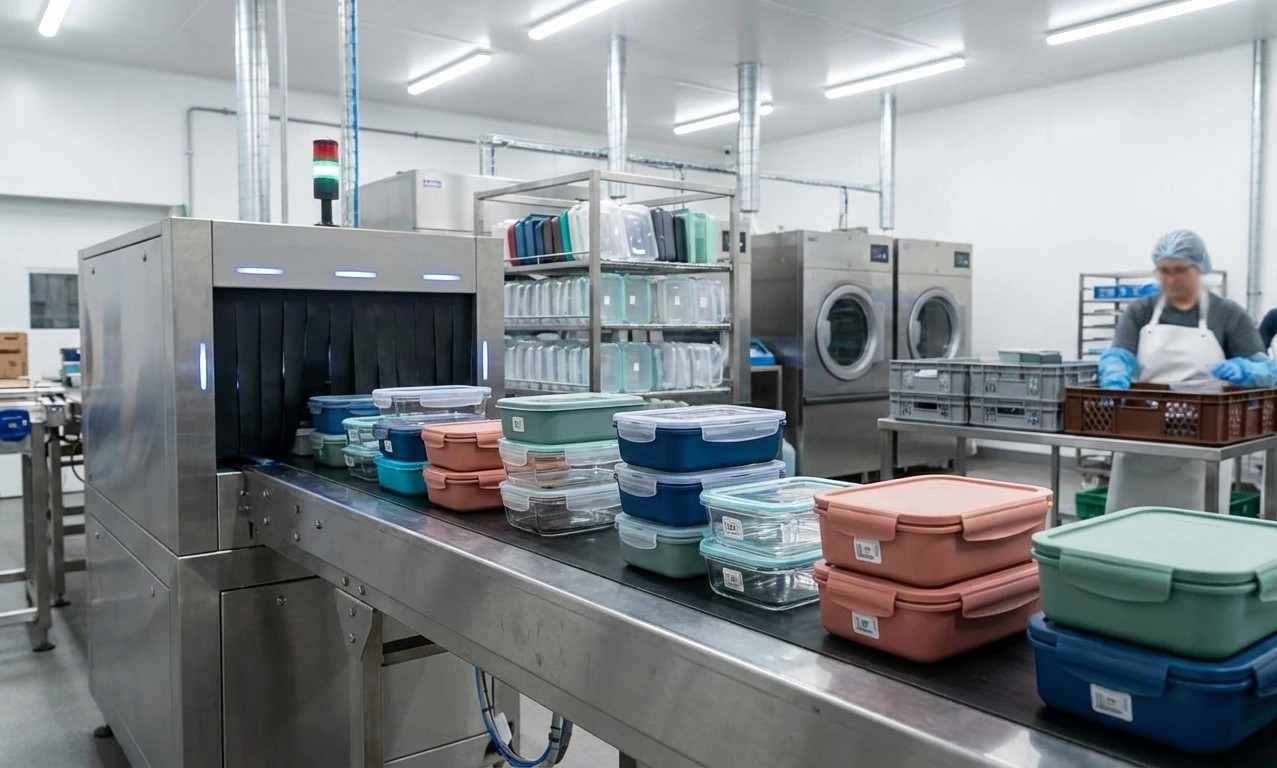
Managing the flow of clean containers is critical to keeping your dining operations running smoothly. A smart inventory system should give you the real-time data you need to coordinate with your washing provider or in-house dish room. Look for features like live alerts on return bin fullness and dashboards that show current inventory levels across all locations. This visibility allows you to optimize your supply chain logistics. You can schedule pickups and deliveries precisely when they’re needed, ensuring you always have the right amount of clean containers ready for service without creating storage bottlenecks or running out during a lunch rush.
Plan for Scalability and Future Growth
Your campus’s needs will evolve, and your reuse program should be able to adapt without missing a beat. Whether you’re starting with a pilot program in one dining hall or planning a campus-wide rollout, choose a system built to scale. The platform should seamlessly handle an increase in users, transaction volume, and dining locations. It’s also important that it can integrate with your current systems and is flexible enough to accommodate future technology upgrades. A scalable solution ensures that as your sustainability initiatives grow, your container management system can support that expansion, providing a solid foundation for years to come.
Best Practices for a Successful Rollout
Launching a reusable container program is an exciting step toward your sustainability goals. But a successful rollout goes beyond just having the containers available. It requires a thoughtful strategy to ensure the system runs smoothly for your staff, your students, and your budget. By focusing on a few key areas from the start, you can create a seamless transition that encourages adoption and delivers immediate results. These best practices cover everything from the technology you use to the people who use it, setting your program up for long-term success and making single-use waste a thing of the past on your campus.

Set Up Effective Tracking Protocols
If you can't track your containers, you can't manage them. Without a solid system in place, you’ll find yourself dealing with "wasted time, lost containers, expensive reorders, and difficult tracking." An effective protocol starts with giving each container a unique digital identity, usually through a QR code or RFID tag. This allows you to follow its journey from the dining hall to the student and back to a return bin. The best systems automate this process, eliminating manual entry and reducing human error. This is where a platform with real-time data becomes essential, giving you a live look at your inventory levels, return rates, and container locations so you can manage your assets without the guesswork.
Optimize Stock Levels and Supplier Coordination
Running out of containers during the lunch rush is a nightmare, but having too many sitting in storage is a waste of capital. The key is finding the right balance. Research shows that you can "greatly reduce... overall costs by carefully planning both... container stock levels... and how often the supplier comes." Use the data from your tracking system to understand usage patterns. When are your peak times? How quickly do containers turn around? This information helps you create a smart schedule for washing and redistribution, ensuring clean containers are always where they need to be. Coordinating this with your suppliers and dishwashing staff prevents bottlenecks and keeps the entire system flowing efficiently.
Encourage Returns and Engage Customers
Your reusable program is only as good as your return rate. The goal is to make returning a container a natural, easy part of the dining experience. One of the most effective strategies is to encourage students to "both take a new container and return an old one at the same time, as this helps keep your container levels steady and lowers costs." You can drive this behavior with conveniently located return bins and clear instructions. Modern reuse platforms also build in features like automated reminders, gamification, and leaderboards to make participation fun. When returning is simple and even rewarding, you’ll see compliance skyrocket, which is exactly how our partners achieve industry-leading return rates.
Onboard Your Staff for Smooth Adoption
Your dining staff are the frontline ambassadors for your reuse program, and their buy-in is critical. "Without good management, these containers can get lost, cause delays... and cost companies more money." Before you launch, hold training sessions to walk your team through the new process. Explain how the system works, what their role is, and—most importantly—how it makes their jobs easier. When staff understand the benefits, like no more manual fee-chasing or messy bin-counting, they become champions for the program. Provide them with simple talking points to answer student questions and empower them to help make the transition a success for everyone on campus.
Common Implementation Mistakes to Avoid
Launching a successful reuse program is about more than just choosing the right technology; it’s about thoughtful implementation. Even the most advanced system can falter if the rollout isn’t handled correctly. By anticipating common challenges, you can create a program that delivers on its promises of cost savings and waste reduction from day one. Let’s walk through the four most common mistakes we see and, more importantly, how you can avoid them.
Inadequate System Setup
A reuse program built on a weak foundation will quickly run into problems. When your tracking system isn’t fully integrated or relies on manual processes, you create friction for both your staff and your students. As one logistics expert notes, "Without good management, these containers can get lost, cause delays... and cost companies more money." An inadequate setup leads to inaccurate inventory counts, frustrating checkout experiences, and ultimately, a low ROI. To avoid this, ensure your system is fully integrated with your campus card and POS systems from the start. A truly smart reusable container management program should feel like a seamless part of your existing dining operations, not a complicated add-on.
Poor Supplier Coordination
Managing the flow of reusable containers requires a delicate balance. You need enough clean containers on hand to meet demand during peak hours, but you don’t want to tie up capital and space with excess inventory. This is where many programs stumble. Without real-time data on container usage and return rates, it’s nearly impossible to coordinate effectively with your cleaning services or container suppliers. Research shows that dining programs can reduce costs by "deciding the right amount of clean containers to have after a supplier visit and how often the supplier should visit." A modern inventory system gives you the data to make these decisions confidently, helping you optimize stock levels and streamline your entire supply chain.
Weak Customer Incentives
You can’t expect students to consistently return containers out of goodwill alone. A successful program needs a system of accountability and engagement that makes participation easy and rewarding. Simply charging punitive late fees can create a negative experience and discourage adoption. Instead, focus on a balanced approach. Automated reminders and holds are effective, but positive reinforcement can be even more powerful. One study suggests you should "encourage customers to both take a new container and return an old one at the same time," as this helps stabilize inventory. Features like campus-wide leaderboards, rewards for reuse streaks, and contests can transform participation from a requirement into a fun, engaging part of campus culture.
Lack of Staff Training
Your frontline staff are the champions of your reuse program. If they aren’t confident using the system or can’t explain its benefits to students, adoption will suffer. Training should cover more than just the operational steps; it should empower your team with the "why" behind the program. When your staff understands the positive impact on both the budget and the environment, they become more effective advocates. It’s also crucial that they know how to use the system’s reporting tools. Access to "effective, clear, accurate reports" not only helps with daily operations but also makes it easier to demonstrate the program's success to campus leadership and secure ongoing support for your sustainability goals.
Related Articles
- How Student Card Reusable Container Checkout Works
- How to Encourage Reusable Container Returns on Campus
- The Right Way to Buy Reusable Food Containers for College
- QR Code Reusable Packaging: A Campus Guide
- Is RFID Tracking for Better Inventory Management Worth It?
Frequently Asked Questions
We already have a stock of reusable containers. Can we use those with your system? Absolutely. A flexible system should adapt to your operations, not the other way around. If you've already invested in a fleet of containers, the right technology can make them smarter. Our platform is designed to be container-agnostic, meaning we can apply our unique tracking tags to your existing inventory, whether it's durable plastic or stainless steel. This saves you from having to start from scratch and allows you to get a better return on the assets you already own.
How do you ensure students actually bring the containers back? This is the million-dollar question for any reuse program, and the answer lies in making returns effortless and accountability automatic. Instead of relying on staff to chase down containers, our system builds accountability directly into the checkout process. When a student borrows a container, it's linked to their account. The system then sends friendly, automated reminders. For containers that are long overdue, a fully refundable late fee is applied automatically, which encourages timely returns without creating a negative experience or extra work for your team.
Will my staff have to spend a lot of time managing this new system? Not at all. In fact, a smart system is designed to give your staff time back. It automates the most time-consuming parts of managing reusables, like manual inventory counts, tracking down missing containers, and handling late fees. With a central dashboard that shows real-time data on inventory and returns, your team can manage the entire program efficiently. The goal is to free them up to focus on providing great service, not on being container detectives.
How do we justify the cost of a tech-enabled system to our stakeholders? The best way to frame the conversation is around the return on investment. Start by calculating what you're currently spending on single-use packaging and the hidden costs of a manual reuse system, like staff hours and constant container reorders. A tech-enabled platform provides clear data on your savings, showing a direct reduction in packaging expenses and waste hauling fees. With industry-leading return rates, you stop losing assets and can prove the program's financial and environmental value with concrete numbers.
Do students need to download another app to participate? No, and this is a key part of making the program successful. We know that students are tired of downloading a new app for everything. Our system is designed to be completely app-free for the user. It integrates directly with your existing campus card and payment systems, so students can check out a container with a simple tap of their card or phone. By removing that friction, we make choosing to reuse the easiest and most convenient option available.
Other stories you may find interesting

























.webp)
.webp)









.webp)






























Watch the Webinar
Learn How to Eliminate Single-Use Waste
Get instant access to our expert webinar and discover how leading institutions reach 99% return rates through smarter reuse systems.

© Reusables™. All rights reserved.