
7 Benefits of Reusable Food Containers for Your Campus

April 10, 2026
You’ve probably heard the stories—or maybe even experienced them firsthand. Reusable container programs that start with good intentions but end with low return rates, lost inventory, and frustrated staff. It’s easy to become skeptical. But what if the problem wasn’t the idea of reuse, but the outdated technology behind it? Modern, tech-enabled systems have completely changed the game, making the benefits of reusable food containers—from major cost savings to dramatic waste reduction—finally achievable at scale. This article will debunk the common myths and show you how smart features like automated tracking and seamless integrations are solving the old problems for good.
Key Takeaways
- Treat Reusables as a Cost-Saving Investment: A reusable container program replaces the endless, rising cost of disposable packaging with a long-term asset, directly reducing your operational budget and waste management fees.
- Technology Drives Participation: A frictionless user experience is non-negotiable. A system with app-free checkouts, smart return bins, and automated tracking makes it easy for students to participate, which is essential for achieving high return rates.
- Demand Seamless Integration: Your reuse program should simplify operations, not complicate them. Choose a partner that integrates directly with your existing campus card, payment, and dishwashing systems to ensure a smooth rollout and minimal staff burden.
What Are Modern Reusable Food Containers?
When you think of reusable containers, you might picture the mismatched collection in your kitchen cabinet. But in a campus dining setting, modern reusables are part of a sophisticated, tech-enabled system designed for scale, efficiency, and a seamless user experience. These aren’t just boxes; they are durable, trackable assets that integrate directly into your operations.
Today’s reusable containers are built to withstand the rigors of commercial dishwashers, constant handling, and hundreds of use cycles. They are designed to be used many times before they’re retired. More importantly, they are the physical component of a larger digital ecosystem. Paired with smart technology, these containers provide valuable data that helps you manage inventory, understand student habits, and ensure the program runs smoothly. This combination of durable hardware and intelligent software is what transforms a simple container into a powerful tool for reducing waste and operational costs on your campus.
Explore Container Types and Materials
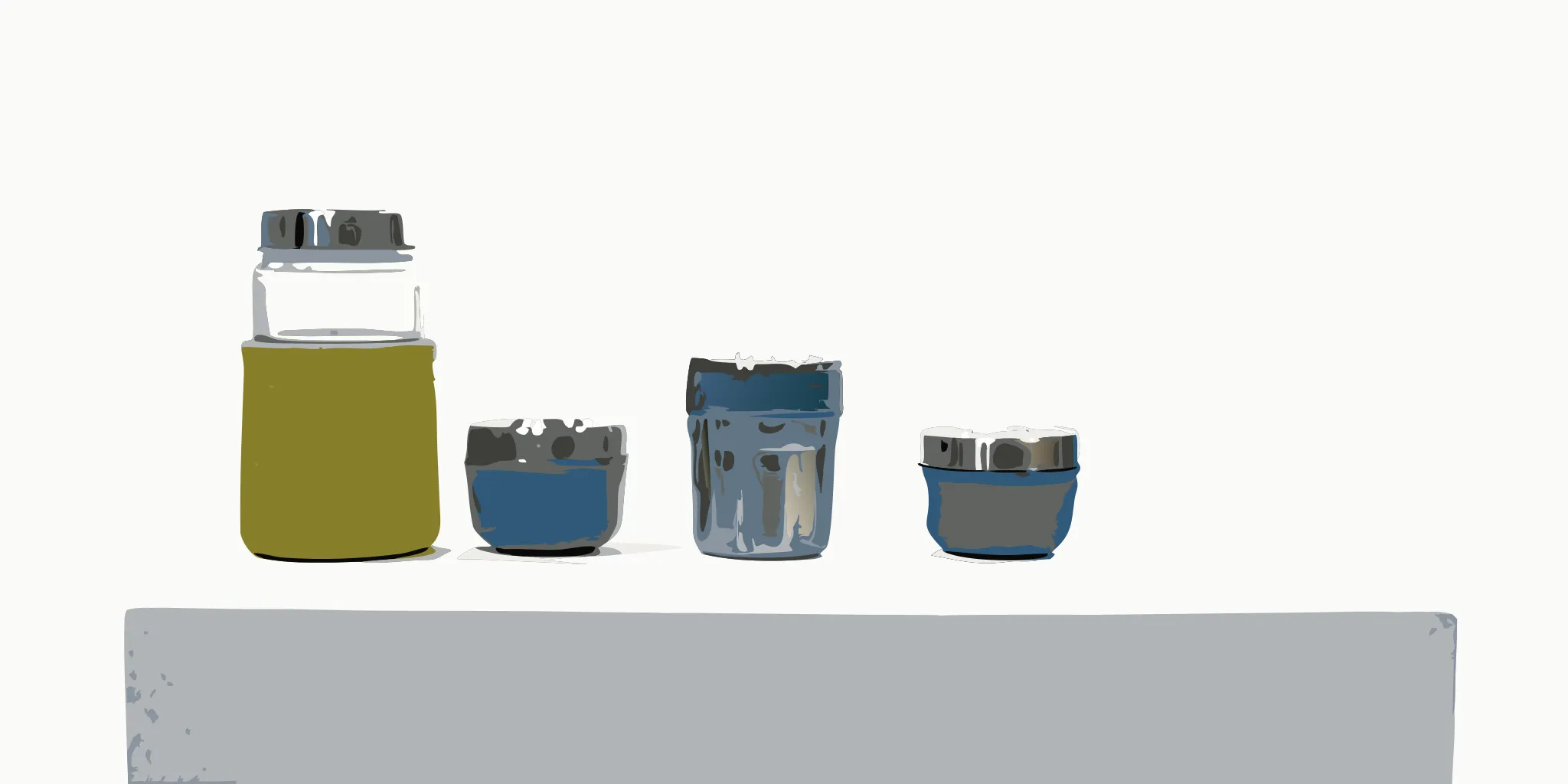
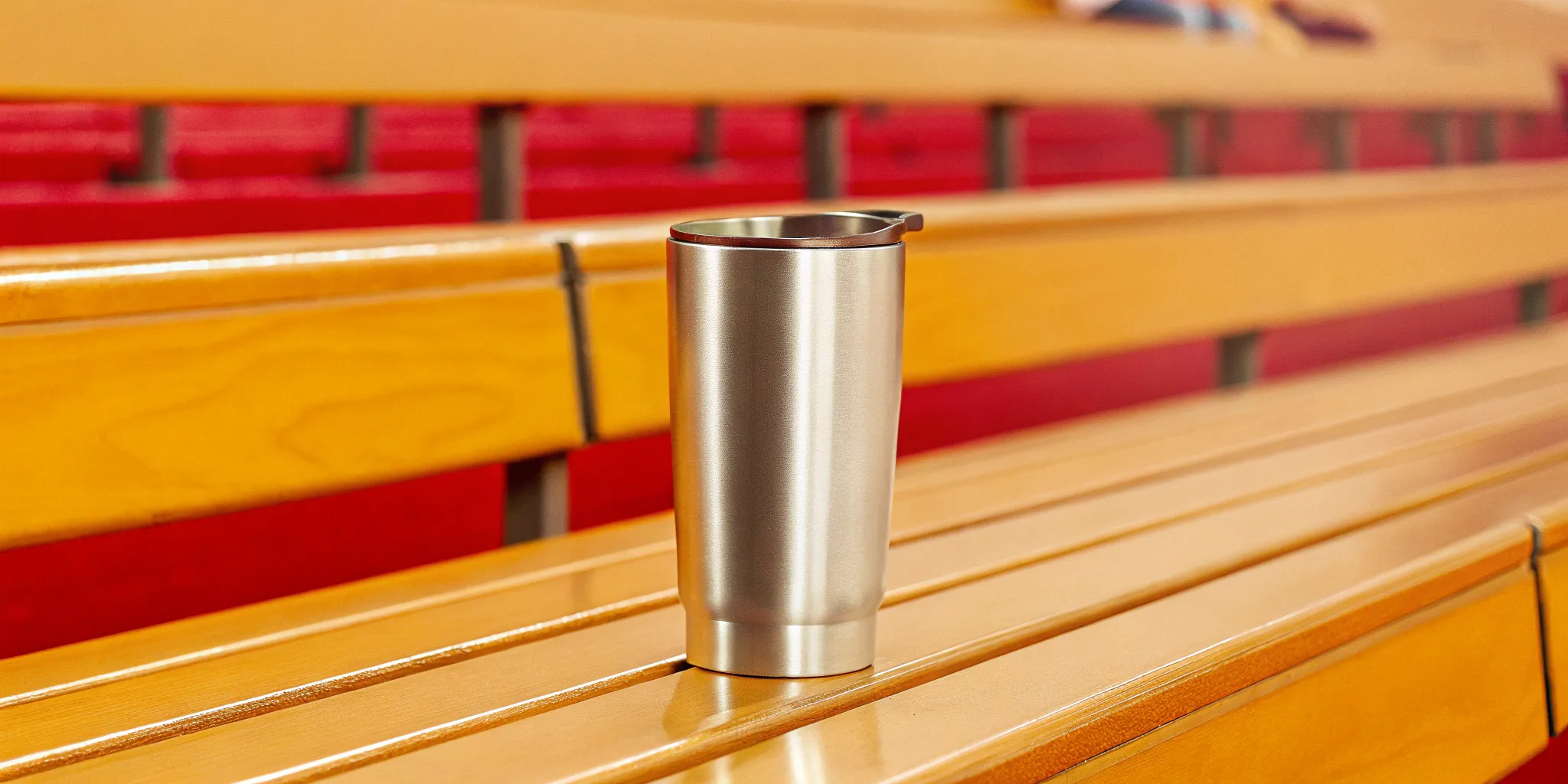
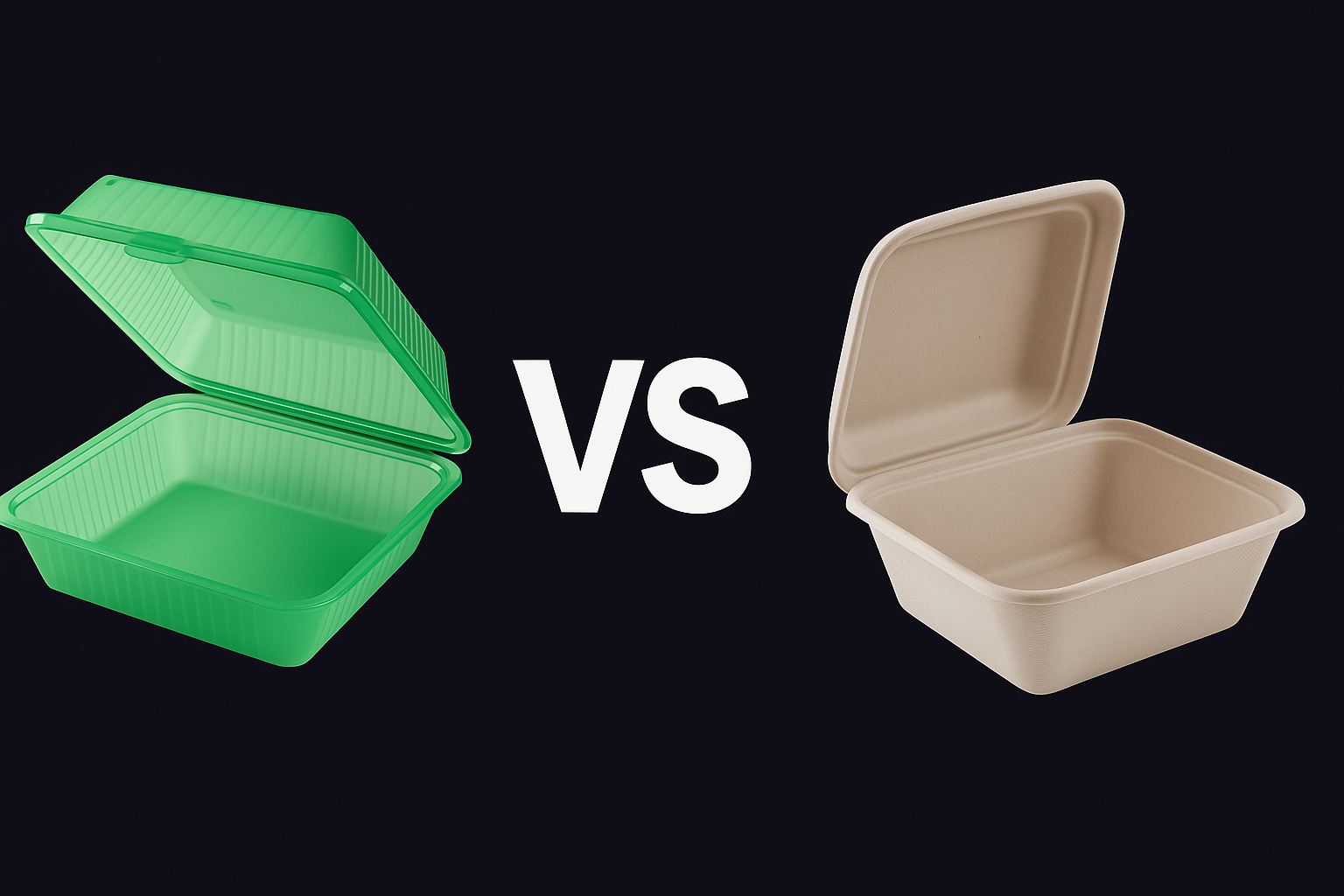
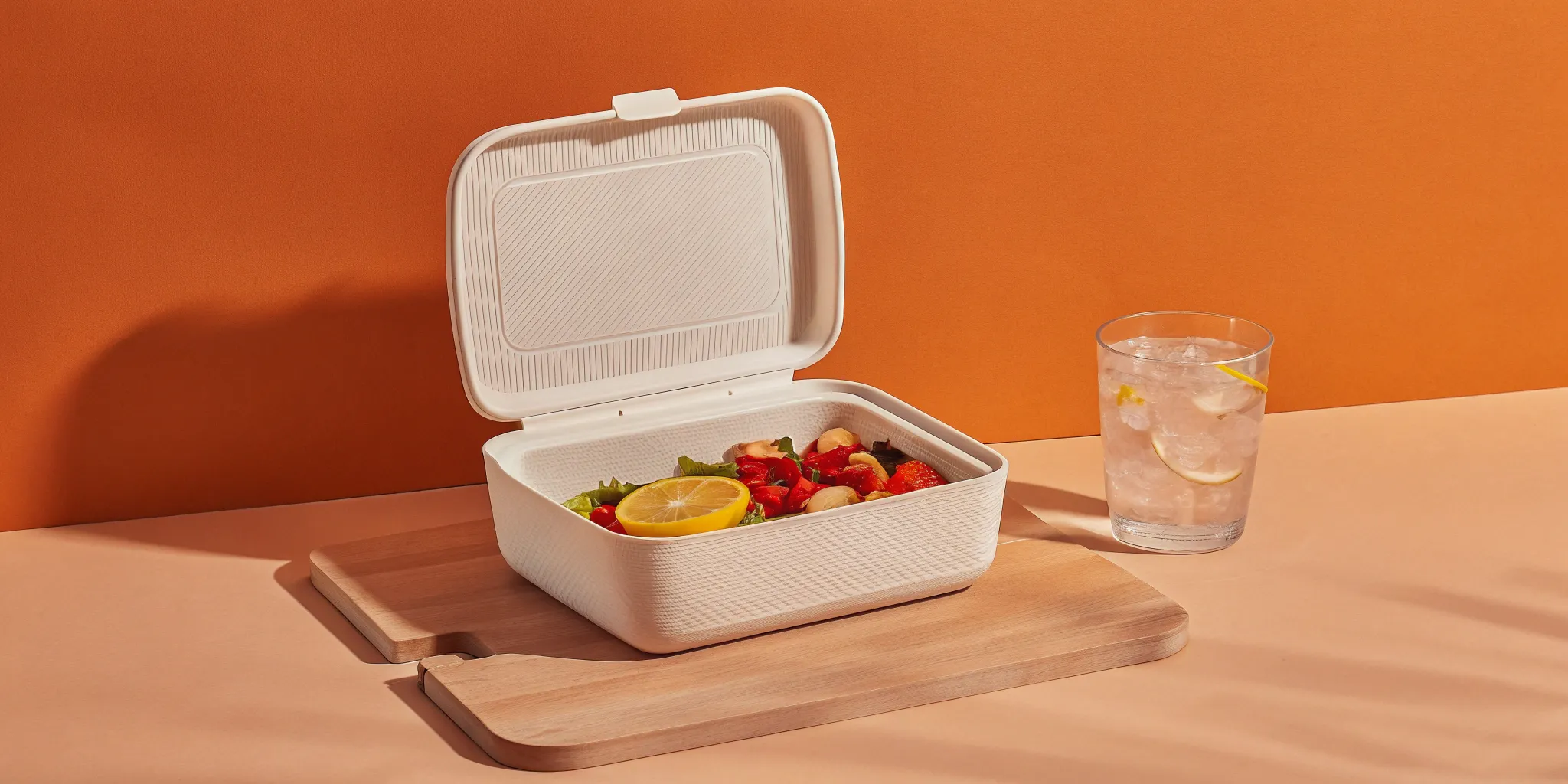
The best reusable systems offer flexibility, because what works for a hot bar might not be ideal for a grab-and-go salad. Modern containers are typically made from strong materials like stainless steel or tough, BPA-free plastic. Stainless steel is incredibly durable, retains temperature well, and has a premium feel. High-quality, food-grade plastics are lightweight, versatile, and can be a cost-effective choice. A great reuse partner will work with you to select from a list of approved container options that fit your specific menu items, operational flow, and budget, ensuring you have the right tools for the job.
Discover Key Smart Technology Features
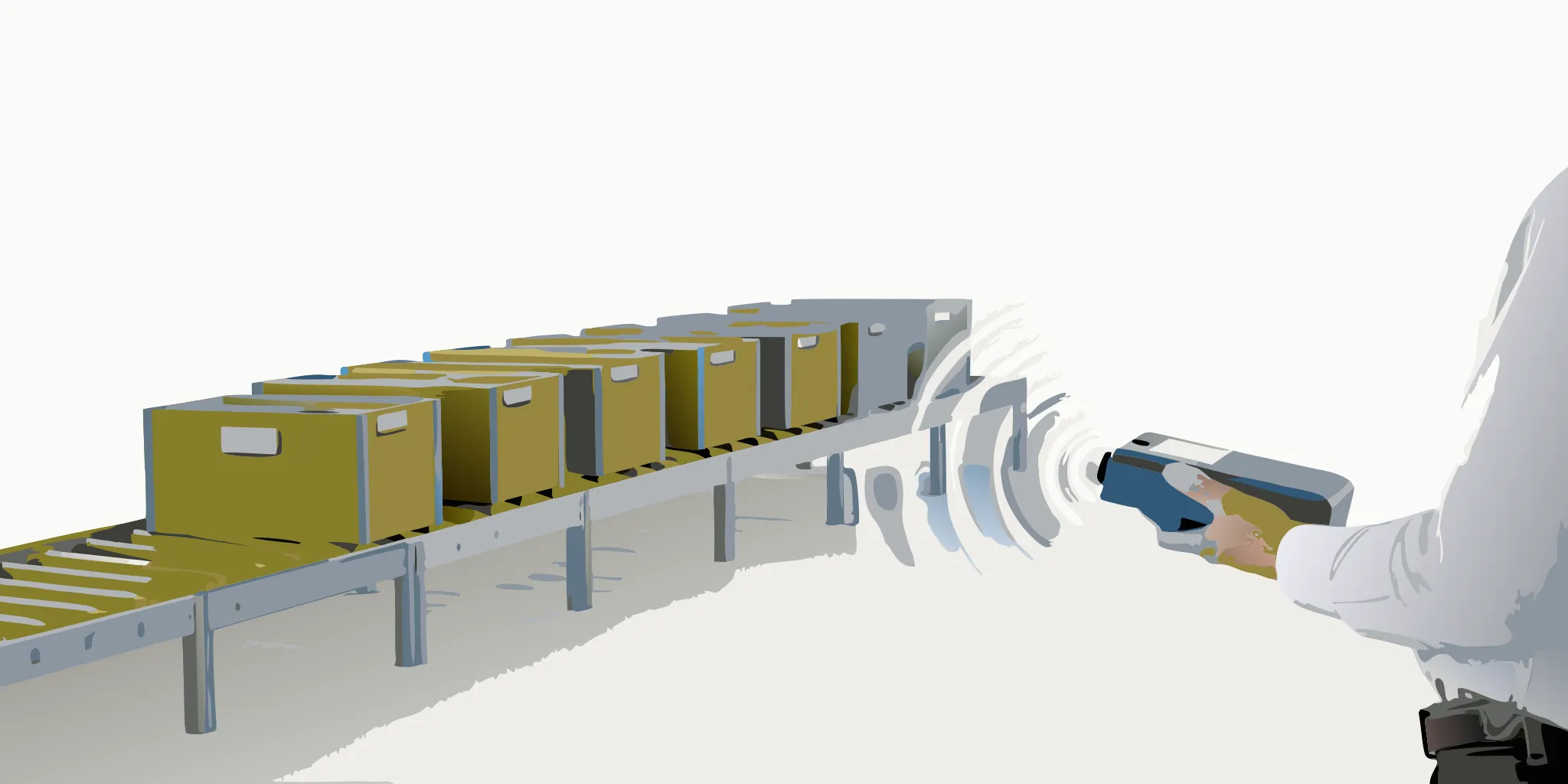
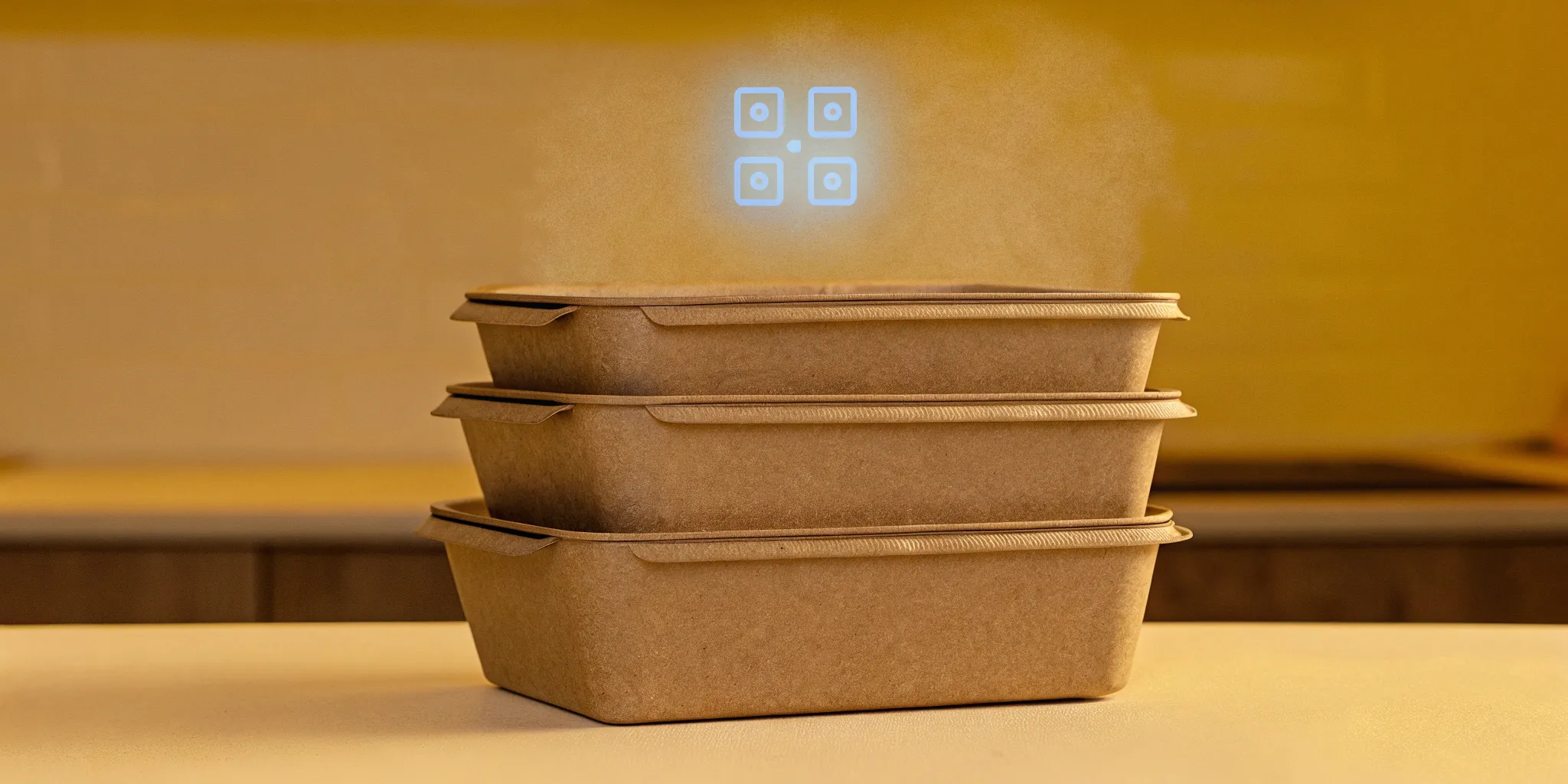
What truly sets modern reusable containers apart is the smart technology embedded within them. Each container is equipped with a unique digital identifier, usually a QR code or an RFID tag. This simple addition turns every container into a trackable asset within your dining program. This dual-mode digital tracking allows you to see exactly how many containers are in circulation, where they are, and when they’re returned. This technology is the engine behind automated checkouts, smart return bins, and the data analytics that give you a clear view of your program’s performance, from return rates to environmental impact.
Meet Safety Standards and Certifications
Health and safety are non-negotiable in food service, and modern reusable containers are designed to meet the strictest standards. Reputable providers only use containers made from high-quality, food-grade materials that are free from harmful chemicals like BPA. To ensure compliance, look for containers that are certified by organizations like NSF International and are labeled as FDA-approved for food contact. These certifications guarantee that the materials are safe for repeated use with food and can withstand commercial sanitization temperatures, so you can confidently serve students while upholding your commitment to safety.
How Reusable Systems Reduce Your Environmental Footprint
Many campuses have ambitious sustainability goals, and dining services are a huge part of that equation. Switching to a reusable container system is one of the most visible and impactful changes you can make. It directly addresses waste and resource consumption, showing students and faculty that the university is committed to its environmental promises. This change goes beyond just optics; it creates a tangible, measurable reduction in your campus’s environmental footprint, contributing to a healthier planet and a more sustainable campus community. A well-designed reuse program makes it easy for everyone to participate in building a greener campus.
Cut Down on Single-Use Waste
Think about the sheer volume of single-use containers your campus goes through in a single day. It adds up to a mountain of trash over a semester. Introducing a reusable program for food and beverage containers is a great step towards reducing that waste—and it’s a change many campuses are making. This single shift can eliminate thousands of disposable items from your waste stream every week. By providing a durable, convenient alternative, you make it simple for students and staff to make a more sustainable choice. This not only helps clean up campus but also simplifies waste management for your team, making it a straightforward strategy to meet zero-waste targets.
Lower Your Carbon Footprint
The story of a disposable container doesn’t end when it’s thrown away. The energy used to produce, transport, and ultimately dispose of it contributes significantly to your campus’s carbon footprint. While washing reusables also requires energy, the overall environmental cost is far lower. A comprehensive University of Michigan study confirmed that reusable containers can outperform single-use in all impact categories. The one-time impact of manufacturing a durable container is spread out over hundreds or even thousands of uses. This makes switching to reusables a clear winner for reducing the greenhouse gas emissions associated with your dining operations over the long term.
Conserve Natural Resources
Every paper cup, plastic fork, and styrofoam clamshell starts as a raw material—trees, oil, or natural gas. The production process also consumes vast amounts of water and energy. By implementing a reuse system, you drastically reduce your campus’s demand for these finite resources. This choice aligns perfectly with broader campus sustainability initiatives that aim for quantifiable resource and cost savings. Choosing durable containers that last for years means you are opting out of a linear cycle of constant extraction and consumption. Instead, you’re investing in a circular system that preserves natural resources for the future.
Keep Waste Out of Landfills
For most disposable items, the final destination is a landfill, which can be a significant source of pollution and methane gas. By preventing single-use containers from being used in the first place, you ensure they never end up in the trash. The impact of this shift can be massive. For example, a pilot program at UCLA led to a solid waste reduction of 27.5 metric tons. Imagine diverting that much waste from your local landfill each year. A reusable system is a proactive way to manage your waste stream, reduce your disposal fees, and contribute to a cleaner, healthier local environment for everyone.
See the Financial Benefits of Switching to Reusables
While the environmental benefits of reusable containers are clear, the financial case is just as compelling. With the cost of disposable packaging rising over 200% in the last few years, many campuses spend tens of thousands of dollars annually on single-use items. Switching to a reusable system isn’t just an environmental initiative; it’s a strategic financial decision that directly impacts your bottom line. By reducing your reliance on disposables, you can cut significant recurring costs from your budget.
A well-designed reuse program creates a positive feedback loop of savings. You spend less on purchasing containers, less on hauling away trash, and less staff time managing inventory and waste. These savings free up resources that can be reinvested into other areas of your dining program, from improving food quality to enhancing the student experience. Let’s break down how these financial advantages add up and what you can expect from making the switch.
Calculate Your Long-Term Savings
The initial investment in a reusable container system quickly pays for itself. Think about your current annual spend on disposable cups, clamshells, and cutlery—that’s a recurring line item you can drastically reduce or eliminate. While families can save nearly $2,000 a year by switching to reusables at home, a campus dining service can see savings on a much larger scale. By replacing endless purchases of single-use items with a durable, long-lasting inventory, you convert a perpetual expense into a one-time capital investment with a clear return on investment. Over a few semesters, these accumulated savings can lead to substantial cost reductions that strengthen your department’s financial health.
Lower Waste Management Expenses
Fewer disposables mean less trash, and less trash means lower waste management bills. Every single-use container that’s avoided is one less item your team has to collect, bag up, and pay to have hauled away. Reducing the sheer volume of your waste stream can lead to direct savings on disposal fees, landfill taxes, and the frequency of waste pickups. A well-structured reusable program is key to maximizing these benefits. With a system that ensures high return rates, like the 99% seen with Reusables.com, you can confidently project a significant decrease in your campus’s overall waste output and its associated management costs.
Improve Operational Efficiency
A smart reusable system does more than just replace containers; it streamlines your entire operation. Instead of constantly ordering, stocking, and restocking disposable inventory, your team can focus on core dining services. Modern reuse platforms provide clear, real-time data on your container inventory, so you always know where your assets are. This level of insight helps you maintain optimal stock levels and prevents the frantic last-minute orders that happen when you unexpectedly run low on disposables. This operational visibility, a core feature of our business solutions, reduces administrative overhead and allows your staff to work more effectively.
Understand Your Return on Investment
Investing in a reusable system delivers quantifiable returns that go beyond just packaging costs. Much like other campus sustainability initiatives—such as composting programs or equipment retrofits—reusables offer a relatively short payback period. The ROI is calculated from a combination of factors: direct savings on disposable packaging, reduced waste hauling fees, and improved labor efficiency. When you present the case for reusables, you’re not just talking about an environmental project; you’re presenting a sound financial plan that cuts operational costs, meets institutional goals, and ultimately improves the dining experience for everyone on campus.
Prioritize Health and Safety with Reusables
When you’re running a campus dining program, the health and safety of your students and staff are non-negotiable. It’s natural to wonder how a reusable container system fits into your stringent food safety protocols. The good news is that modern reuse systems aren’t just designed to be sustainable; they’re built to meet and even exceed the hygiene standards of your current operations. A well-managed reusable program gives you more control over the entire packaging lifecycle, from distribution to collection, cleaning, and redistribution.
Unlike single-use containers, which can be exposed to contaminants during shipping, storage, and handling, reusable containers exist in a controlled, closed-loop system. They are handled by trained staff and cleaned in commercial-grade facilities that already meet health code requirements. By integrating a smart reuse system, you’re not compromising on safety—you’re creating a more transparent and reliable process that ensures every meal is served in a clean, safe, and high-quality container. This approach allows you to confidently stand behind both your sustainability goals and your commitment to campus wellness.
Uphold Food Safety Standards
A common question about reusables is whether they can truly be as clean as a fresh disposable container. The answer is a definitive yes. With proper cleaning, reusable containers are just as hygienic as single-use options. Your campus dining facilities are already equipped with commercial dishwashers that use high temperatures and sanitizing agents to meet public health standards. These same systems are perfectly suited for cleaning reusable containers. A closed-loop program ensures that every returned container goes through this rigorous sanitization process before it’s put back into circulation, guaranteeing a consistently safe and clean product for every student.
Choose Safe, High-Quality Materials
The materials used in reusable containers are a significant upgrade from typical single-use plastics. Our tech-enabled reuse system is container-agnostic, meaning you can choose from options like food-grade stainless steel or durable, BPA-free polymers. These high-quality materials are specifically chosen for their safety and durability. Unlike some disposables, they are non-toxic and don’t leach harmful chemicals into food, especially when holding hot or acidic items. This gives you peace of mind that you’re providing a safer dining experience for students while also making a choice that’s better for the planet.
Maintain Food Temperature and Quality
Beyond hygiene, reusable containers offer a clear advantage in preserving food quality and safety. Think about the flimsy foam or thin plastic containers often used for takeout—they do little to maintain temperature. In contrast, durable reusable containers, particularly those made from stainless steel or insulated polymers, provide superior insulation. This helps keep hot meals hot and cold items cold for longer periods. Maintaining proper food temperature is a critical component of food safety, as it prevents the growth of harmful bacteria. By using reusables, you’re not just reducing waste; you’re delivering a better, safer meal to your students.
Follow Sanitization Best Practices
A successful reusable program hinges on a seamless and reliable cleaning process. The key is integrating the system with your existing sanitization best practices. Smart reuse platforms are designed to do just that. With features like smart return bins and digital tracking, you always know how many containers have been returned and are ready for washing. This allows your team to manage inventory efficiently and run the commercial dishwasher in full, optimized loads. It creates a predictable workflow that ensures a steady supply of professionally cleaned and sanitized containers is always ready for service, without adding complexity to your operations.
How Smart Technology Simplifies Reusables
When you think about reusable containers, you might picture a simple cup or clamshell. But a successful campus-wide program is powered by much more than durable materials. Modern reuse systems rely on smart technology to make the entire process smooth for students and effortless for your staff. Forget clunky manual tracking and lost inventory—the right tech platform automates the hard parts, from checkout to return, so you can focus on serving great food. This technological backbone is what separates a well-intentioned pilot from a scalable, long-term solution that delivers real financial and environmental results.
Technology transforms a simple container into a trackable asset, giving you a clear view of your entire operation. It also creates a frictionless experience for students, which is the key to getting them on board and keeping return rates high. With features like app-free borrowing, automated reminders, and smart return bins, you can run a program that saves money, reduces waste, and actually works for the long haul. A well-designed system provides the data you need to manage inventory, understand usage patterns, and demonstrate your campus’s commitment to sustainability. It’s about making the sustainable choice the easiest choice for everyone involved.
Track Containers with Digital Systems
An effective reusable program gives you clear, real-time insights into its performance and helps you keep tabs on your container inventory. Without a reliable tracking system, containers can easily go missing, leading to replacement costs and shortages during peak hours. Digital tracking, using unique QR codes or RFID tags on every container, solves this problem. This technology allows you to see how many containers are in circulation, where they were last checked out, and how long they’ve been gone. This level of visibility helps you maintain optimal inventory levels and understand the flow of containers across different dining halls and cafes on campus.
Streamline Your Return Process
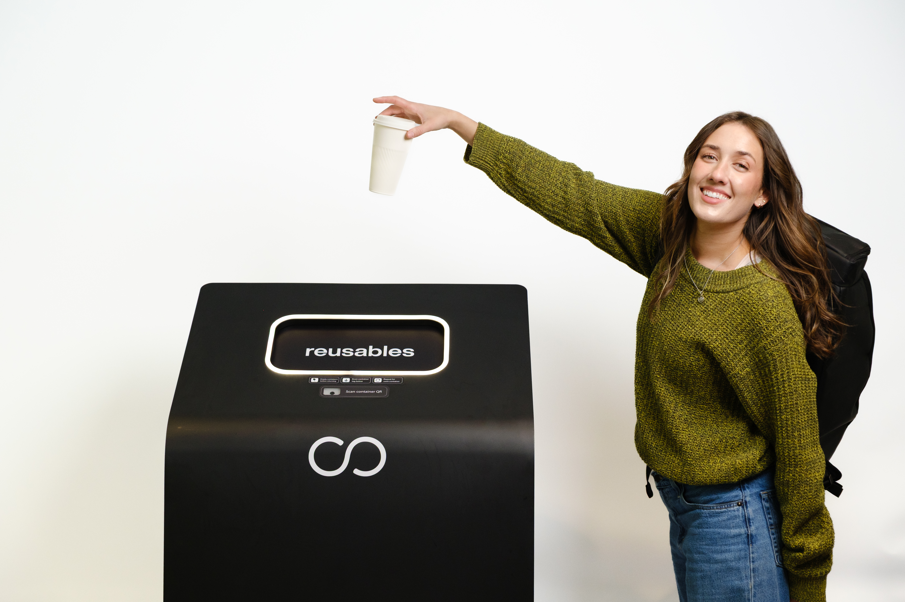
The easier it is for students to return containers, the more likely they are to do it. A complicated or inconvenient return process is a primary reason why many reuse programs struggle with low return rates. Smart technology streamlines this step with strategically placed return stations and smart bins that are available 24/7. Students can simply scan their container to complete the return in seconds, without needing staff assistance. This automated process, combined with gentle reminders for overdue items, encourages participation and helps achieve industry-leading return rates of over 99%. It makes reusing as easy as—or even easier than—tossing a disposable container in the trash.
Gain Insights with Usage Analytics
Introducing a reusable container program is a fantastic step toward reducing waste, and the right data can help you make it even more effective. A robust analytics dashboard gives you a window into how your program is performing. You can track key metrics like usage rates, return times, and peak demand periods. These insights help you make informed decisions to optimize your operations, such as where to place new return bins or when to run engagement campaigns. Understanding these patterns allows you to refine your program, improve the student experience, and clearly report on your environmental impact and cost savings.
Integrate with Existing Payment Systems
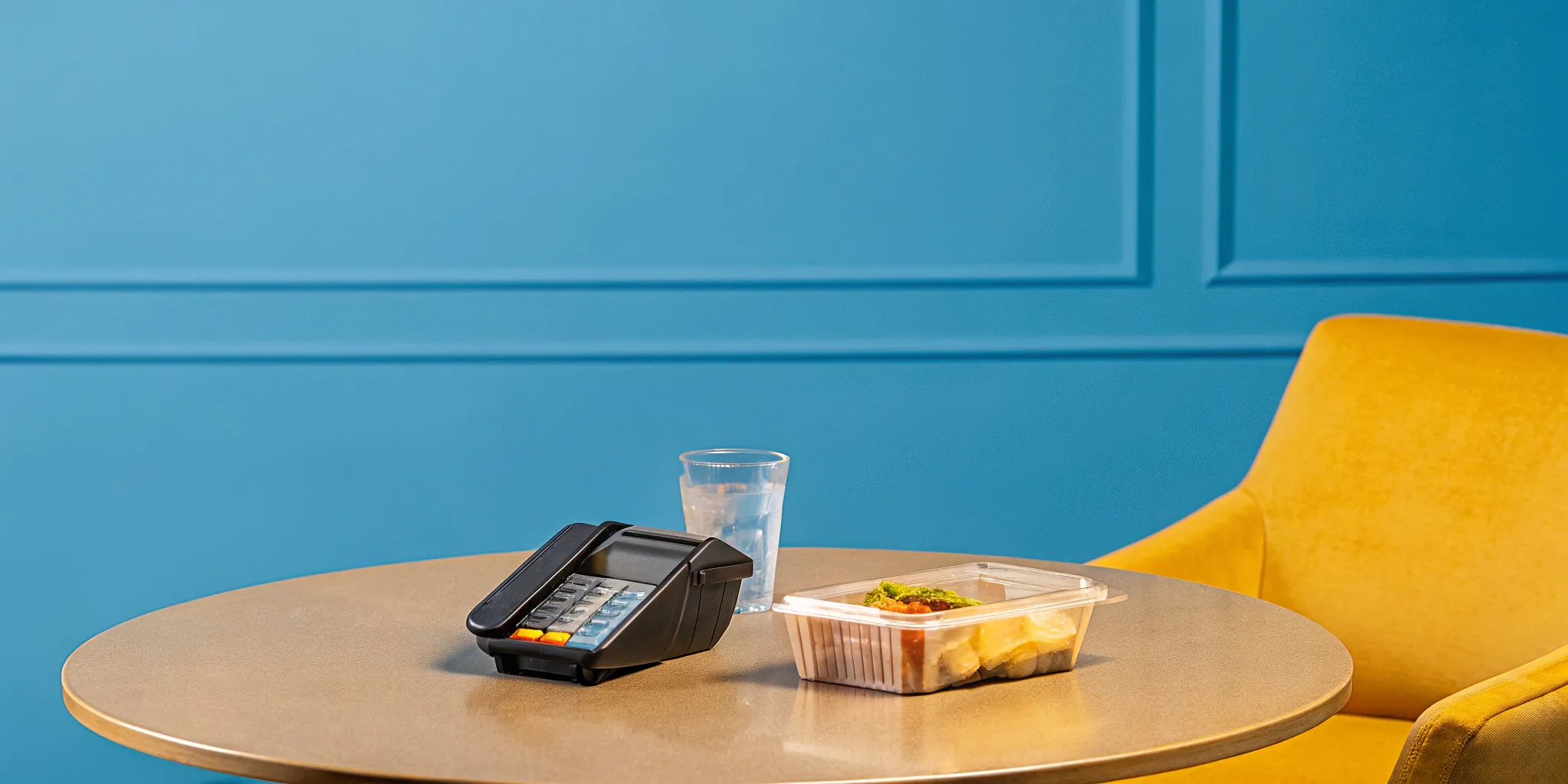
The last thing your team needs is another complex system to manage at the point of sale. The best reusable platforms integrate directly with the campus card and payment systems you already use, like Transact, CBORD, and TouchNet. This means students can check out a container simply by tapping their student ID or credit card, with no need to download a separate app. This seamless Tap to Reuse™ technology makes the process quick and intuitive for both students and cashiers, which is essential for keeping lines moving during busy lunch rushes. Full integration removes friction and makes participating in your reuse program a natural part of the campus dining experience.
Debunking Common Myths About Reusables
Making a significant operational change, like switching from single-use to reusable containers, naturally comes with questions. It’s a big step, and you want to be sure it’s the right one for your campus, your staff, and your students. Unfortunately, a lot of outdated ideas and misconceptions about reusables can cloud the conversation and make the decision feel more complicated than it needs to be.
Let’s clear the air and tackle some of the most common myths head-on. When you look at modern reuse systems, you’ll find that technology and smart design have solved many of the challenges that might have been true a decade ago. By separating fact from fiction, you can get a clearer picture of how a reusable container program can benefit your dining services. We’ll walk through the four biggest myths we hear and show you how today’s solutions are designed to make reusables a simple, cost-effective, and safe choice for your campus.
Myth: Reusables Aren’t Hygienic
This is probably the most common concern we hear, and it’s completely understandable—food safety is non-negotiable. The myth that reusables are less clean than disposables often comes from imagining students rinsing containers in their dorm sinks. But that’s not how a managed reuse program works. In reality, reusables are cleaned to the same high standards as the ceramic plates and metal cutlery you already use in your dining halls. When a container is returned through a smart return system, it’s sent to your dishwashing facility to be sanitized in commercial-grade machines, following the same health and safety protocols you have for all your serviceware. With proper, professional cleaning, reusables are just as hygienic as single-use options.
Myth: The Environmental Impact is the Same
Some people believe that producing a durable container creates a bigger carbon footprint than making a disposable one, canceling out the benefits. While it’s true that manufacturing a reusable container requires more energy upfront, that’s only a tiny piece of the story. The environmental breakeven point is reached after just a handful of uses. From there, every single time that container is used, it’s one less disposable item being produced, transported, and thrown away. A well-managed program with high return rates, like the 99% rate seen with Reusables.com, ensures each container is used hundreds of times, significantly reducing your campus’s overall waste and environmental impact over its lifecycle.
Myth: Reusables Are Too Expensive
The sticker price of a durable container is higher than a single disposable one, which leads to the myth that reusables are a costly investment. However, this view misses the bigger financial picture. Think about the thousands of dollars you spend every month on single-use packaging—a number that keeps climbing as material costs rise. A reusable system replaces that recurring expense with a one-time investment that pays for itself. In fact, many of our partners see more than 30% in annual savings on packaging costs alone. When you factor in reduced waste hauling fees and operational efficiencies, the long-term financial benefits become clear. It’s a shift from a constant operational cost to a valuable, long-lasting asset.
Myth: Maintenance is a Hassle
The thought of tracking, collecting, and washing thousands of containers can sound like a logistical nightmare. This is where the “system” part of a reusable system becomes so important. Modern programs are designed to make maintenance anything but a hassle. Smart technology automates the entire process. Students check out containers with a simple tap of their campus card, and return them to smart bins that track inventory and even alert your staff when they’re getting full. This eliminates manual tracking and reduces staff workload. With a partner that provides the right technology and streamlined workflows, you’re not just buying containers; you’re adopting an efficient, automated system that makes the entire process smooth and manageable.
Implement a Reusable System on Your Campus
Making the switch to a campus-wide reusable container system is a powerful move toward your sustainability goals. It might seem like a huge undertaking, but with a clear plan, you can create a program that reduces waste, cuts costs, and enhances the student dining experience. The key is to break the process down into manageable steps, from initial planning to launch day and beyond.
A successful reuse program isn’t just about swapping out disposable containers; it’s about implementing a smart, integrated system that works for your staff and is effortless for students. This involves choosing the right containers and return stations, creating a seamless workflow for cleaning and redistribution, and encouraging campus-wide participation. By focusing on a frictionless user experience and leveraging technology to automate tracking and accountability, you can achieve return rates of over 99% and make single-use packaging a thing of the past. Let’s walk through the essential steps to get your program up and running.
Your Step-by-Step Guide to Getting Started
Before you roll out a single container, it’s important to lay a solid foundation. Start by assessing your current operations. How much are you spending on disposable packaging annually? Which dining halls and retail locations have the highest takeout volume? Answering these questions will help you identify the areas where a reusable system can make the biggest impact. Next, define clear, measurable goals. Are you aiming to eliminate single-use plastics by a certain date, reduce packaging costs by 30%, or meet a campus-wide zero-waste mandate? Having specific targets will guide your decisions and help you demonstrate the program’s success. Finally, get key stakeholders on board by sharing your vision and data. A strong plan shows you’ve done your homework and are ready to lead a successful initiative.
Find the Right Storage Solutions
Your physical infrastructure—the containers and return points—is the backbone of your reuse system. When it comes to containers, you have options. You can choose durable plastic or stainless steel, or even use your existing inventory. The best systems are container-agnostic, giving you the flexibility to pick what works for your budget and operations. Just as important are your return solutions. To make returning containers easy for students, you need accessible and intuitive options. Look for a mix of smart return bins for 24/7, tamper-proof drop-offs and smaller scan stations for high-traffic areas like dining halls. This flexible approach ensures you can build a convenient network that fits your campus layout and encourages high return rates without adding work for your staff.
Establish a Cleaning and Maintenance Plan
A common question from dining directors is how to handle the cleaning. The good news is that a reusable system is designed to integrate with your existing dishwashing facilities. You don’t need to build a separate cleaning operation. The key is having a clear plan for collecting used containers, running them through your dish room, and redistributing them to your dining locations. A tech-enabled system helps immensely by providing real-time data on inventory levels. Your dashboard can show you how many containers are in circulation, how many are in return bins, and when you’re running low at a specific location. This operational visibility allows you to manage your inventory efficiently and ensure you always have a steady supply of clean, sanitized containers ready for use.
Encourage Students to Build New Habits
For any reuse program to succeed, students need to participate. The best way to ensure high adoption is to make the experience completely frictionless. Students are busy, so a system that requires them to download an app or pay an upfront deposit creates barriers. Instead, look for a simple “tap to borrow” checkout process that integrates directly with student cards, credit/debit, and mobile wallets. Automated reminders and late fees also help encourage timely returns without requiring manual follow-up from your staff. You can also add fun incentives like leaderboards and rewards for frequent reusers to build a campus culture around sustainability. When the system is easy and engaging, reusing becomes a natural habit. You can talk to an expert to learn more about designing a student-centric program.
How to Choose the Right Reusable System
Switching to a reusable container system is a big move, and choosing the right partner is key to making it a success. It’s about more than just the containers themselves; you’re adopting a whole new operational workflow that impacts everyone from your kitchen staff to your students. The best system is one that fits seamlessly into your campus life, making things easier for everyone, not more complicated. A great program should feel like a natural extension of your dining services, not a clunky add-on that creates friction.
As you evaluate your options, think about the entire lifecycle of the container. How do students check it out? How do they return it? What happens behind the scenes to track inventory and ensure containers come back? The right system provides clear answers and simple processes for everyone involved. It should not only help you achieve your sustainability goals but also save you time and money in the long run. A well-chosen program can even improve the student dining experience, making them feel good about their choice to reuse. Let’s walk through the four main areas to consider so you can find the perfect fit for your campus.
Identify Essential Features
First, let’s talk about what your system absolutely needs to do. An effective reusable program should give you clear, real-time insights into its performance. You need to know your return rates, track container inventory, and understand usage patterns. A system with a robust dashboard that shows you this data is essential for managing your inventory and proving the program’s value. Look for features that automate accountability, like gentle reminders for students and automated late fees, which help achieve high return rates without adding work for your staff. The goal is a system that runs smoothly in the background, not one that requires constant manual oversight.
Consider Your Material Options
The containers are the star of the show, so their material matters. You’ll generally choose between durable, BPA-free plastic and stainless steel. Both are great options, and a recent University of Michigan study found that reusable containers can outperform single-use in all environmental impact categories. Stainless steel is incredibly durable and retains temperature well, while modern plastics are lightweight and often stackable. The best choice depends on your specific needs, from the types of food you serve to your dishwashing capabilities. Some platforms are container-agnostic, giving you the flexibility to use your existing inventory or select from a list of approved partners.
Define Your Technology Needs
Technology is what makes a modern reuse system work so well. Think about what will create the most frictionless experience for your students. A program that integrates easily with student life—like allowing students to check out containers with a tap of their campus ID card—improves the dining experience without disrupting it. Some systems require students to download an app, while others offer app-free solutions that use QR codes or RFID tags. Consider what will be easiest for your community to adopt. The technology should also simplify returns, with smart bins that track when a container is returned and alert your staff when they’re getting full.
Check for Integration Capabilities
For your reusable program to succeed, it must work with the systems you already have in place. Before committing to a provider, confirm that their technology can integrate with your campus card and point-of-sale (POS) systems. A seamless connection with platforms like Transact, CBORD, or TouchNet is critical for a smooth checkout process. As one school district learned on its journey to reducing waste, strong coordination is essential to keeping everything on track. A system that works in harmony with your existing infrastructure will save your team from operational headaches and ensure a smooth rollout from day one.
What’s Next for Reusable Containers?
Switching to reusable containers is a huge step forward, but it’s just the beginning. The future of reuse isn’t just about swapping a disposable cup for a durable one; it’s about building smarter, more efficient, and completely seamless systems that make sustainability the easiest choice for everyone. As student expectations evolve and campus-wide green initiatives become standard, the technology and materials behind reuse programs are advancing right alongside them.
For dining and auxiliary services leaders, staying on top of these changes is key. The next wave of innovation is focused on solving the practical challenges of running a large-scale reuse program—think tracking inventory, ensuring high return rates, and integrating with the campus tech you already use. It’s about moving from a simple container replacement to a fully optimized, data-driven operation. By understanding what’s on the horizon, you can build a program that not only meets today’s sustainability goals but is also ready for the demands of tomorrow.
Look Out for Emerging Technologies
Many campuses are making the move to reusable containers, which is a fantastic start. The next evolution is integrating smart technology to perfect the process. Forget manual sign-out sheets or clunky token systems. The future is about using features like QR codes and RFID tags to track every container automatically. This gives you a real-time view of your inventory and helps pinpoint where containers are at all times. A tech-enabled reuse system also automates accountability, sending reminders to students and handling late fees without adding work for your staff. This approach makes the entire system run smoothly, ensuring containers come back and your program remains sustainable in every sense of the word.
Explore Innovations in Materials
The containers themselves are also getting a major upgrade. While early programs might have used basic plastic, the industry is now moving toward more durable and specialized materials. You’ll see options like lightweight stainless steel and advanced, BPA-free polymers designed to withstand hundreds of cleaning cycles without degrading. These innovations mean each container has a much longer lifespan, which improves your return on investment and further reduces its environmental footprint per use. Creating more durable containers also enhances the student dining experience, giving them a high-quality vessel that feels like a true upgrade from flimsy disposable packaging.
Stay Ahead of Industry Trends
The push for sustainability is only getting stronger. More cities and institutions are setting ambitious zero-waste goals, and students are actively choosing campuses that reflect their environmental values. As schools like Humber College have shown, a successful reusable container program can become a point of pride for the entire community. Staying ahead of this trend means looking for a system that doesn’t just reduce waste but also engages students with features like rewards and leaderboards. By implementing a modern reuse program, you can position your campus as a leader in sustainability and create a dining experience that truly stands out.
Related Articles
- Deposit-Free Reuse Systems and their Impact for On-Campus Dining – Reusables.com
- SFU and Reusables – Reusables.com
- Catalog : Explore Reusables’ Sustainable Product Catalog – Reusables.com
Frequently Asked Questions
What happens if students don’t return the containers? This is a common concern, but modern systems are designed to make returns almost automatic. Instead of relying on students to remember on their own, the technology does the heavy lifting. Each container is linked to a student’s account, and the system sends out gentle, automated reminders if an item is overdue. This, combined with strategically placed 24/7 return bins, creates a process so convenient that we see return rates of over 99%. It’s less about chasing down containers and more about creating a smart, accountable system that encourages participation.
How much extra work will this create for my dining staff? A well-designed reusable system should actually reduce your team’s workload, not add to it. Think about the time your staff currently spends ordering, receiving, stocking, and managing the inventory of disposable containers. A smart reuse program automates inventory tracking and eliminates those recurring tasks. The checkout process integrates directly into your existing POS, so it doesn’t slow down lines, and smart return bins alert your team when they need service. This allows your staff to focus on food and service rather than managing packaging.
We already have an inventory of reusable containers. Can we use those? Yes, absolutely. The best tech platforms are container-agnostic, which means the tracking and management system can work with the containers you already own. As long as your containers can be fitted with a unique identifier like a QR code or RFID tag, you can integrate them into the smart system. This flexibility allows you to leverage your previous investments while still getting all the benefits of automated tracking, seamless checkout, and detailed analytics.
How does the checkout process keep lines moving during peak hours? The checkout process is designed to be as fast as any other transaction. Because the system integrates directly with your existing campus card and payment platforms, there’s no separate app for students to download or open. They simply tap their student ID, credit card, or mobile wallet to borrow a container. For your cashiers, it’s just one quick scan or tap that adds a few seconds to the transaction. This seamless experience is key to high adoption and ensures you can maintain speed and efficiency, even during the busiest lunch rush.
What’s the typical payback period for investing in a system like this? While the exact timeline depends on the scale of your dining operations, many campuses see a clear return on their investment within just a few semesters. The savings come from multiple areas at once. You’ll see an immediate and significant reduction in your spending on disposable packaging, which has become a major budget item. You’ll also lower your waste management costs as you send less trash to the landfill. When you combine these direct cost reductions with improved operational efficiency, the financial case becomes very compelling.
Other stories you may find interesting












.webp)
.webp)



















Watch the Webinar
Learn How to Eliminate Single-Use Waste
Get instant access to our expert webinar and discover how leading institutions reach 99% return rates through smarter reuse systems.

© Reusables™. All rights reserved.