
How Automated Reusable Container Return Systems Work

April 13, 2026
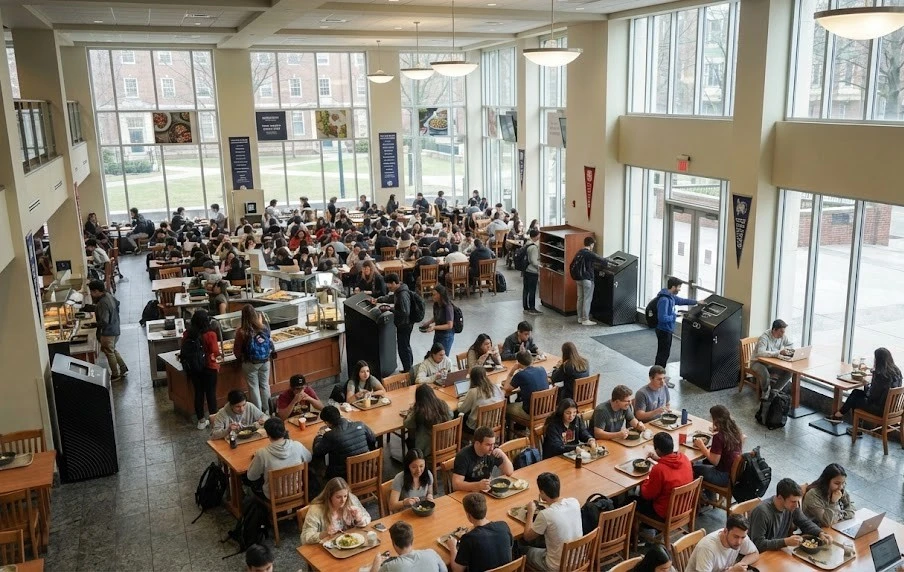
Running a reusable container program without automation is like running a modern kitchen with a handwritten ledger. It technically works until it doesn't. Manual checkouts, paper-based tracking, and staff-dependent returns introduce errors, slow down service, and cap your program at a scale that never justifies the investment. Automated reusable container return systems replace every manual touchpoint with technology that works faster, more accurately, and around the clock. This guide breaks down how these systems work from end to end, what makes them different from manual programs, and what to look for when choosing one for your campus, hospital, or corporate dining operation.
Key Takeaways
- Automate the full loop, not just returns: The best systems automate checkout, tracking, returns, accountability, and reporting as a single integrated workflow.
- Integration is non-negotiable: Your return system must connect to your container tracking platform, campus card system, and operator dashboard to deliver real value.
- Frictionless beats punitive: Programs that make returning easy (app-free, 24/7, no scanning required) consistently outperform programs that rely on penalties to motivate behavior.
What Is an Automated Reusable Container Return System?
An automated reusable container return system is the complete technology stack that manages the lifecycle of every container in your program, from the moment a user checks one out to the moment it comes back clean and ready for reuse. It includes the hardware (return bins, scan stations), the software (tracking platform, operator dashboard), and the integrations (campus cards, payment systems, automated notifications) that tie everything together.
The key word is "system." A smart return bin is one piece of hardware. An automated return system is the entire workflow that makes reuse operationally invisible to your staff and effortless for your users. When fully implemented, no one on your team manually scans containers, chases down unreturned items, or reconciles inventory counts. The system handles it all.
How the Full Automated Loop Works
Every automated return system follows the same fundamental loop. Understanding each step helps you identify where your current program breaks down and where automation delivers the biggest gains.
Checkout: Tap and Go
The loop starts when a user borrows a container. In a fully automated system, checkout happens with a single tap of a student ID, employee card, or credit card. The system links the specific container (identified by its RFID tag or QR code) to the user's account. No app download required, no deposit slip, no staff interaction. The entire transaction takes under five seconds.
This speed matters operationally. During peak lunch service, you cannot afford to add 30-60 seconds per transaction for manual container registration. Automated checkout maintains your speed of service while ensuring every container is tracked from the moment it leaves your facility.
In-Circulation Tracking
Once a container is checked out, the system monitors it. Each container has a unique digital identity (RFID or QR) that persists through its entire lifecycle. The tracking platform knows which user has which container, when it was checked out, and how long it has been in circulation. This data feeds your inventory management dashboard in real time.
If a container is not returned within your configured window (commonly 3-7 days), the system automatically escalates. This can mean a courtesy reminder, a late fee applied to the user's account, or a replacement charge, all without any staff action.
Return: Drop and Done
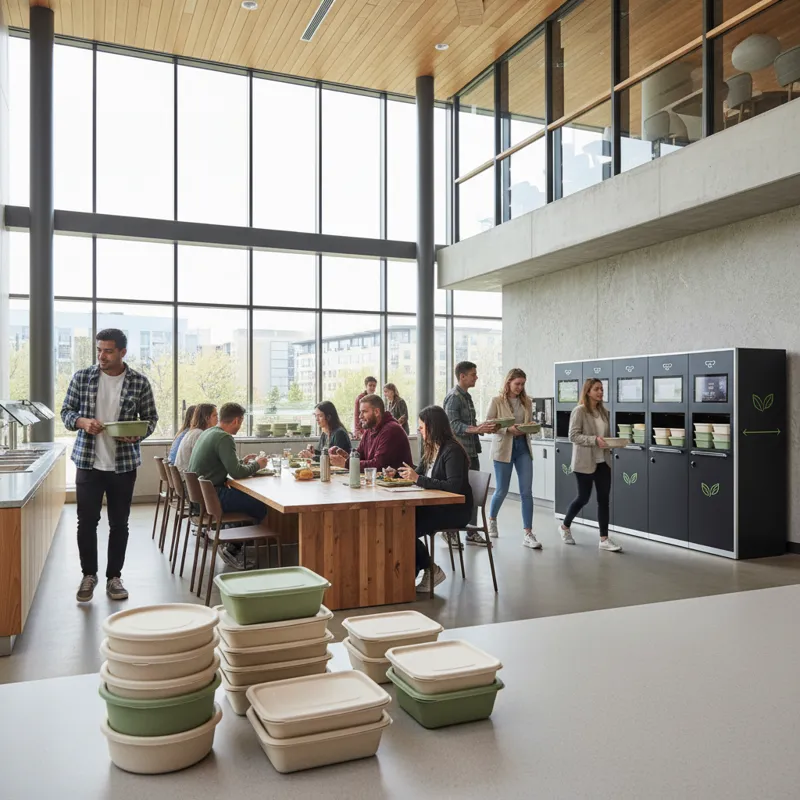
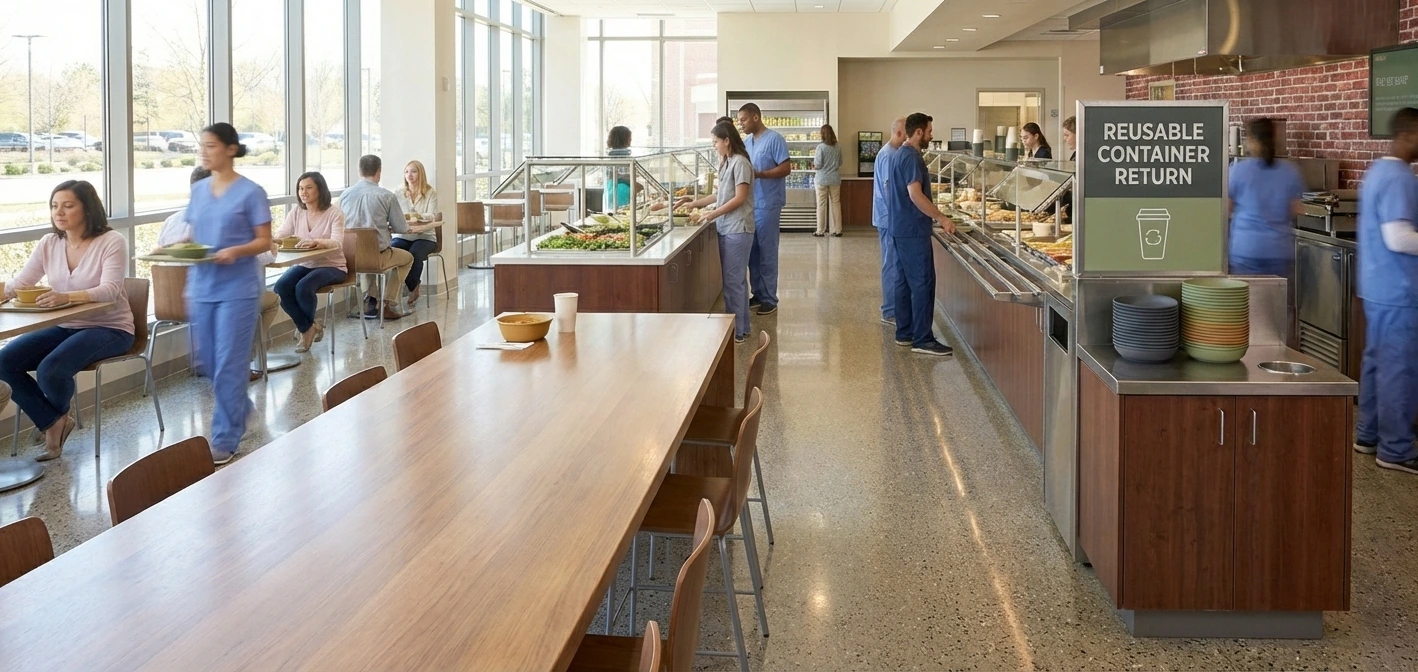
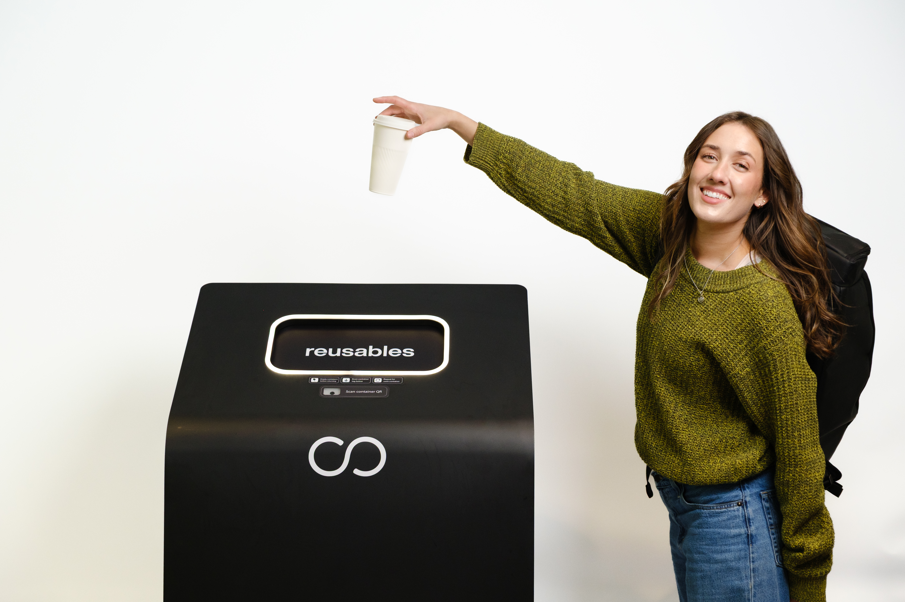
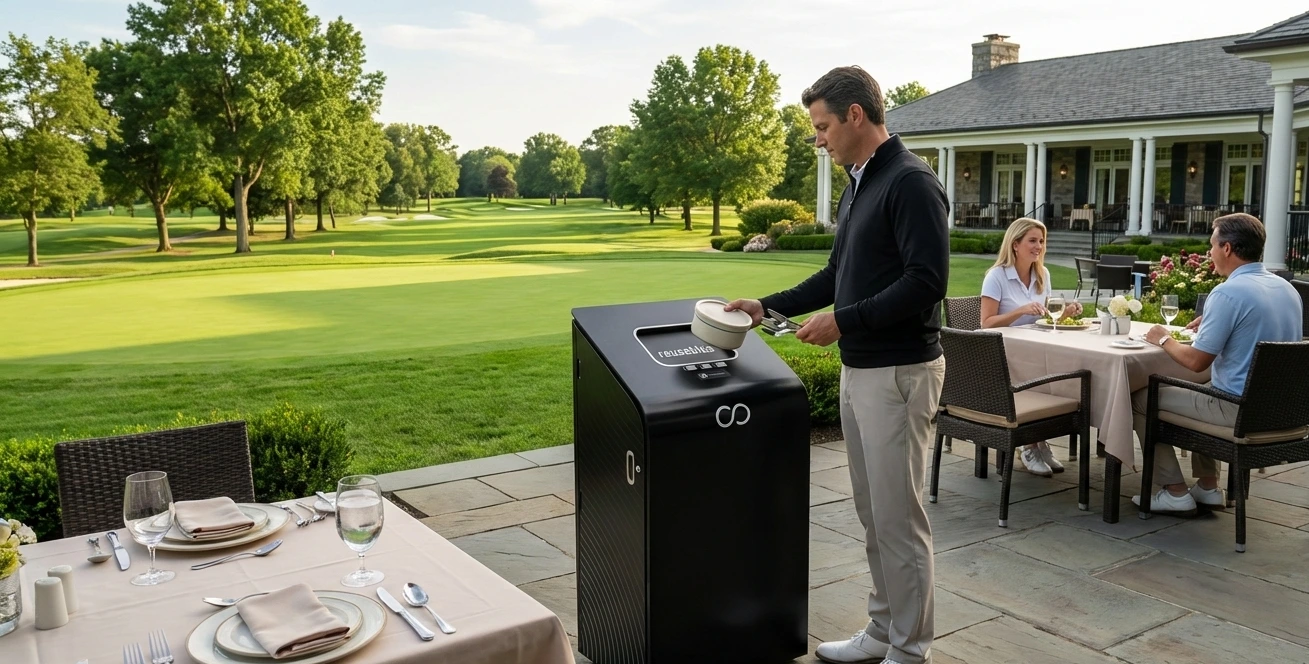
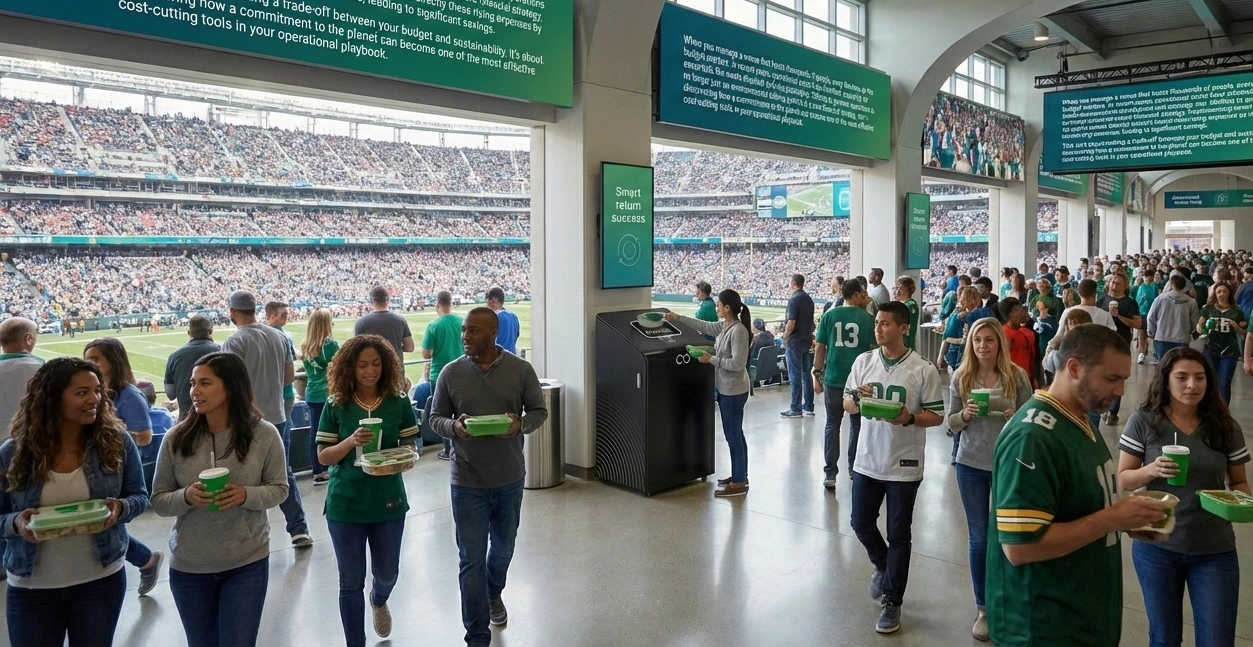
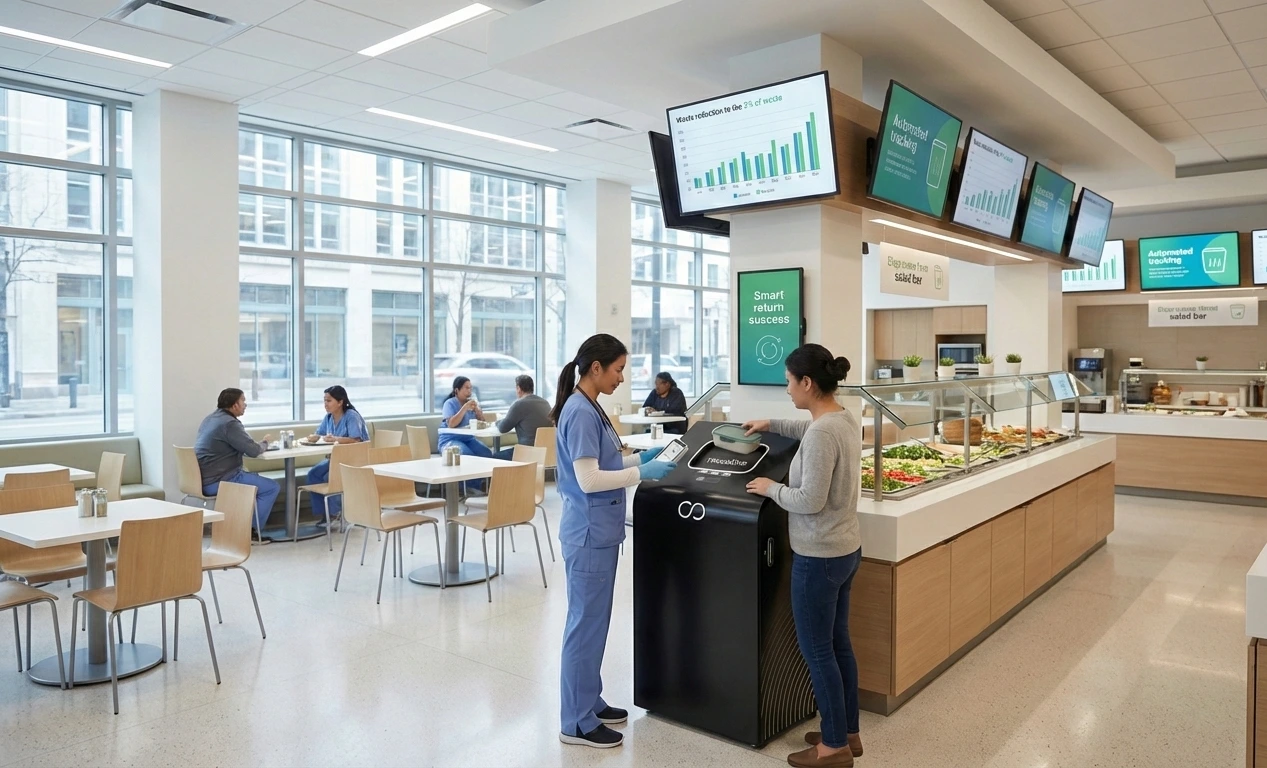
Returns happen at automated collection points: smart return bins placed across campus or return scan stations in dining halls. The user drops the container in (or scans it at a station), and the system instantly verifies the return, clears the user's account, and updates your live inventory count. No staff member needs to be present, and the bin operates 24/7.
The return step is where most manual programs fail. If returning a container requires finding a specific location during specific hours and interacting with a staff member, a significant percentage of users simply will not do it. Automation removes every one of those barriers.
Collection, Wash, and Restock
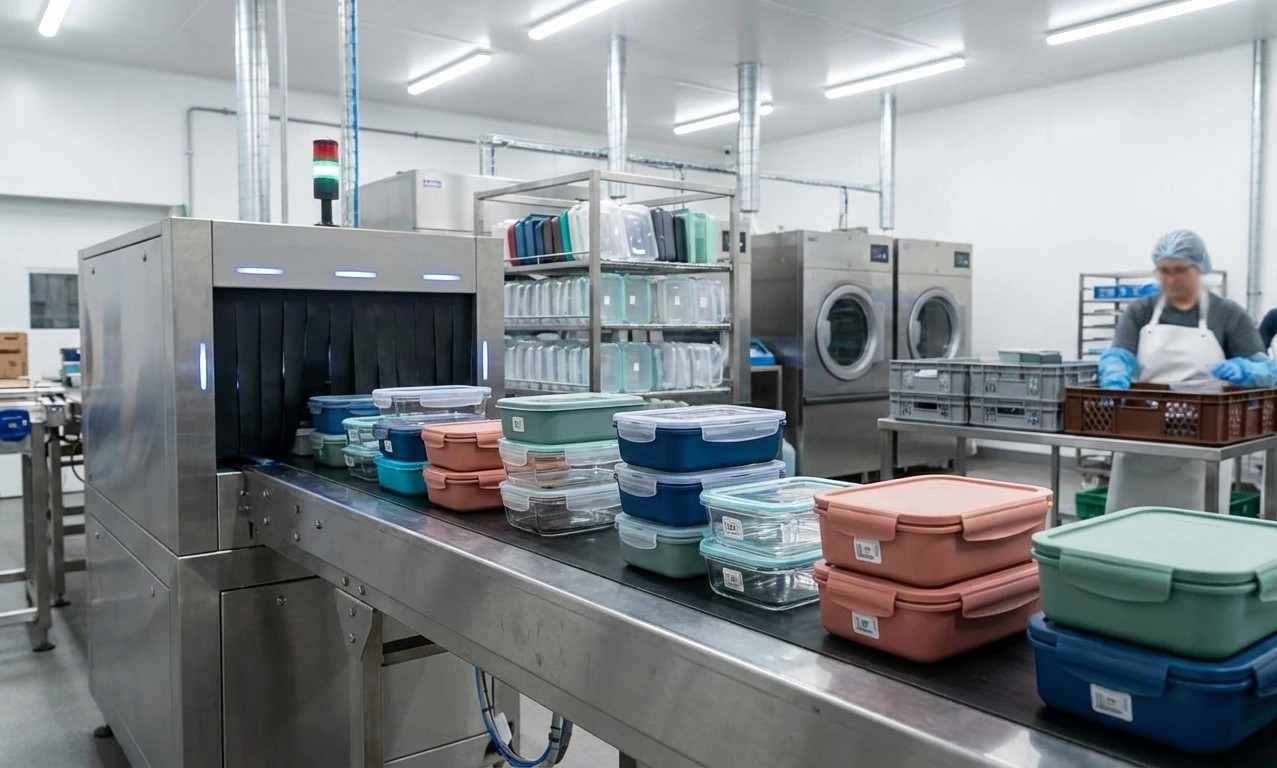
When a return bin reaches its capacity threshold, the system sends an automatic alert to your operations team. Staff collect the containers, run them through your commercial dishwasher, and restock them at checkout points. The system tracks containers through this cycle too, so you always know how many are clean and ready versus in circulation versus in the wash queue.
This visibility lets you forecast demand. If your Tuesday lunch service consistently depletes your clean container stock by 1 PM, you can adjust wash schedules or container quantities proactively rather than reactively.
Core Components of an Automated System
A complete automated return system includes several integrated components. Missing any one of them creates gaps that typically get filled by manual workarounds.
RFID and QR Container Tags
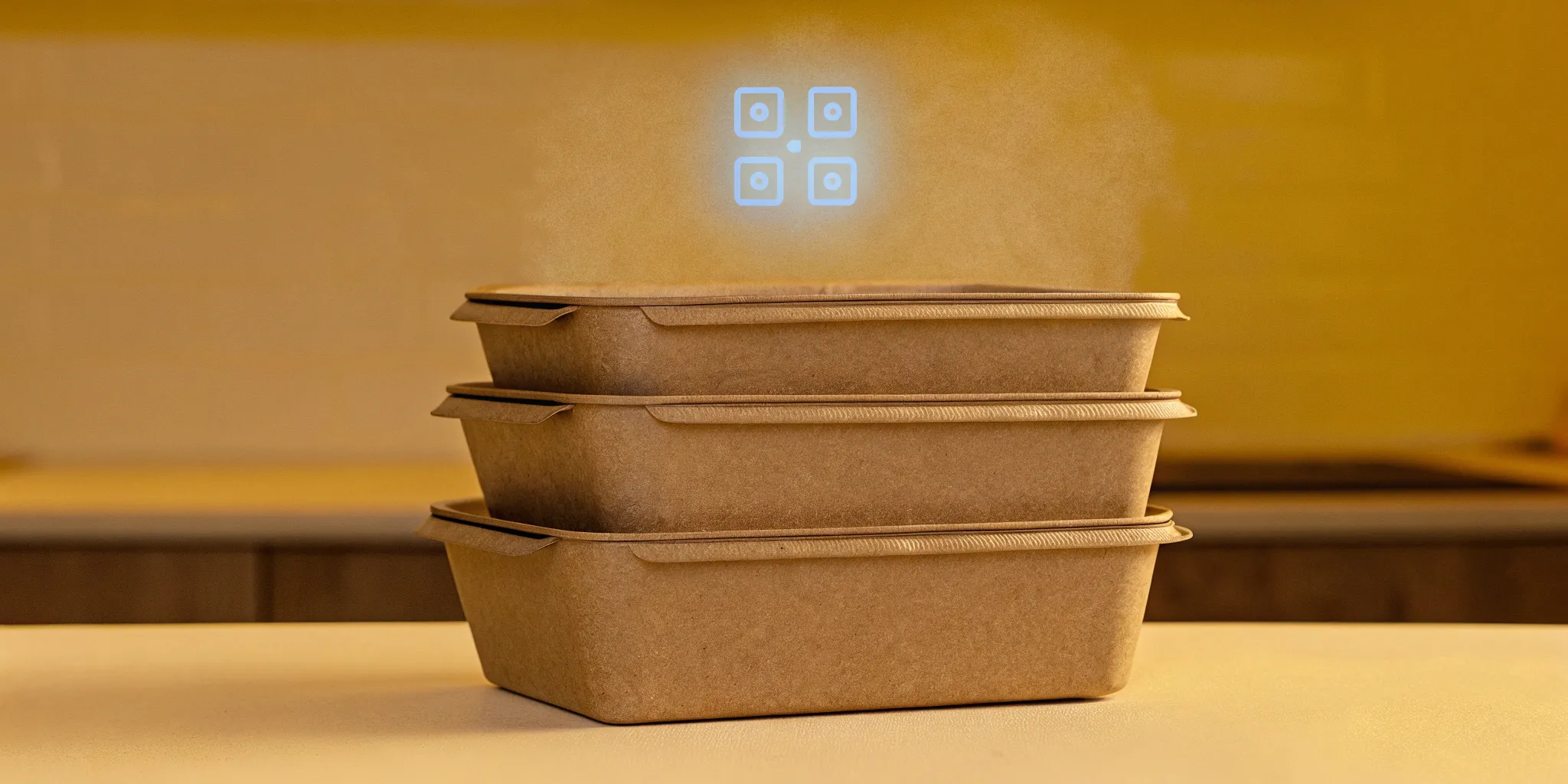
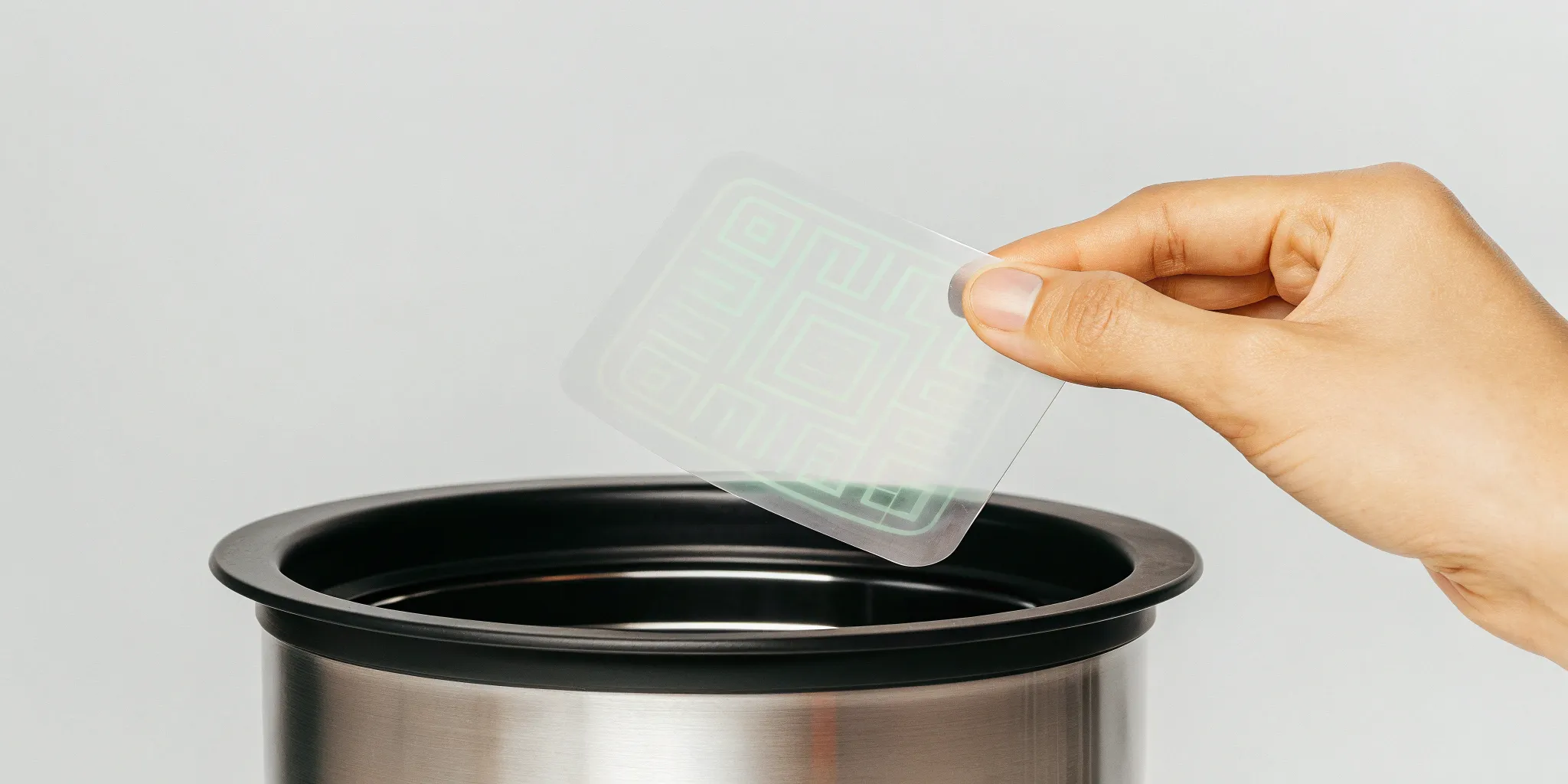
Every container needs a unique, machine-readable identifier. RFID tags work best for metal containers and enable touchless scanning at return bins. QR codes work well on plastic containers and allow visual verification. The most flexible systems support both, which is critical if your program uses multiple container types across different dining venues.
Checkout Stations
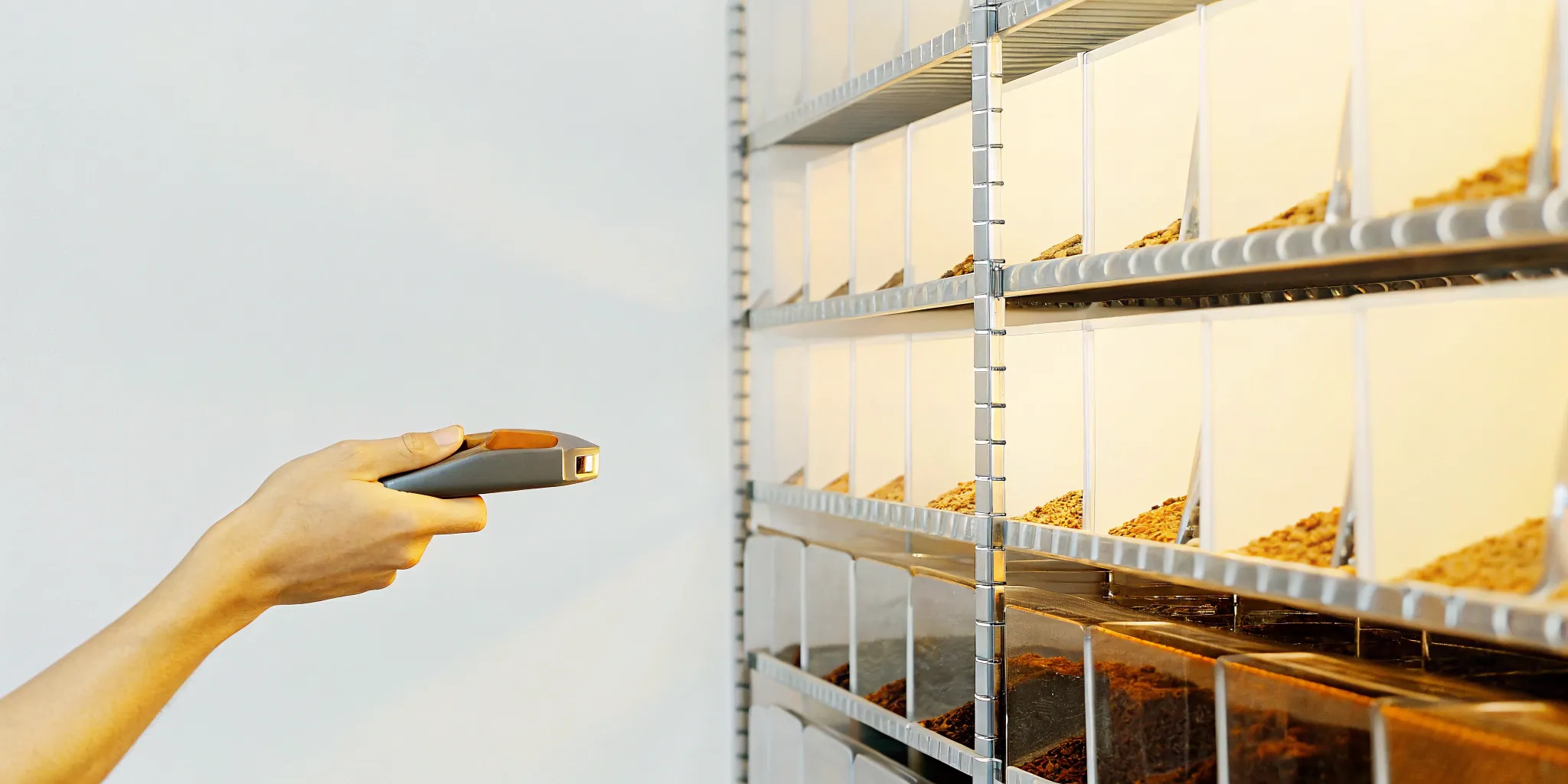
These are the point-of-service hardware where users borrow containers. They integrate with your existing campus card systems (Transact, CBORD, Atrium, TouchNet) so users pay for their meal and check out a container in a single transaction. No additional hardware beyond a card reader and scanner is needed at most sites.
Smart Return Bins and Scan Stations
Return hardware is deployed at high-traffic locations throughout your facility or campus. Smart bins handle fully automated, unattended returns. Scan stations work in staffed areas like dish rooms where containers are returned alongside trays and dishes. Both feed data into the same central tracking platform.
Tracking and Accountability Software
The software layer ties all hardware together. It maintains the real-time database of every container's status, processes automated late fees, sends user notifications, and generates the operational reports your team needs. Look for platforms that provide a single dashboard covering checkout activity, return rates, container utilization, and user compliance.
Operator Dashboard
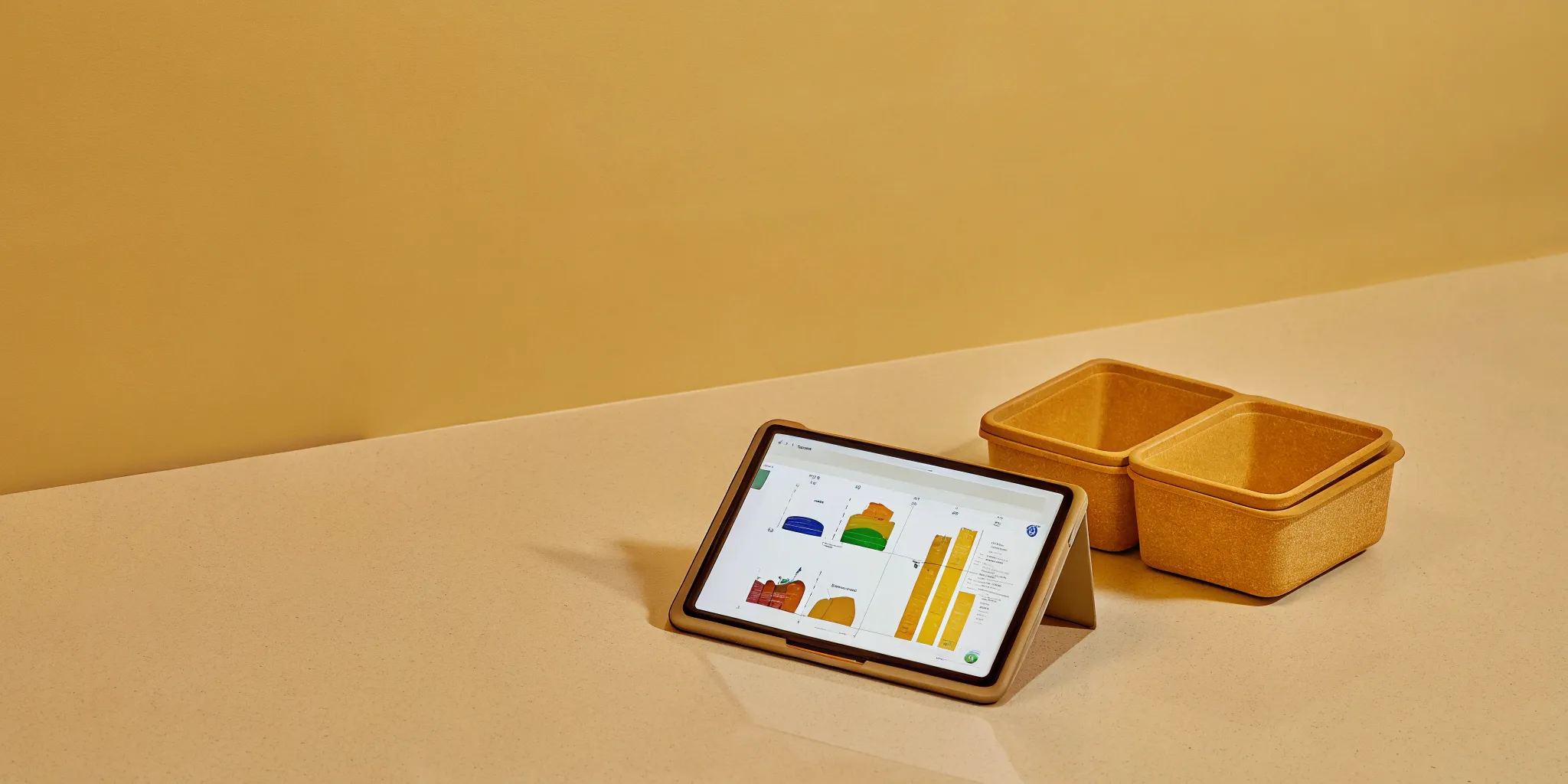
Your operations team needs a centralized view of the entire program. The dashboard should show live bin fullness levels, current circulation numbers, historical return rate trends, and alerts for any issues (bins nearing capacity, containers overdue, hardware offline). This is where you measure your program's success and identify areas for improvement.
Why Automation Beats Manual Programs
The numbers tell the story. Programs with full end-to-end automation consistently achieve 95-99% container return rates. Programs relying on manual tracking and staffed return points typically plateau at 60-80%. Here is why:
- Availability: Automated returns work 24/7. Manual returns are limited to staff schedules and operating hours.
- Consistency: A machine processes every return identically. Human staff have varying levels of diligence, especially during rush periods.
- Accountability: Automated systems enforce accountability (fees, holds, reminders) without requiring any staff member to have an awkward conversation with a student about an overdue container.
- Data accuracy: Manual counting and reconciliation introduces errors. Automated scanning is precise to the individual container level.
- Scalability: Adding a new return location means deploying a bin, not hiring and training additional staff.
The behavioral impact compounds over time. When users learn that returning is genuinely easy and that the system reliably tracks their activity, compliance becomes habitual rather than something they have to consciously decide each time. Encouraging returns through convenience is far more effective than encouraging them through penalties.
Choosing the Right System for Your Operation
Not every automated system is built the same. When evaluating options, prioritize these criteria:
No-App Requirement
Any system that requires users to download an app is introducing unnecessary friction. The best systems work with credentials users already carry: student IDs, employee badges, or standard payment cards. App-free operation is especially critical in campus environments where adoption needs to be immediate and universal.
Campus Card Integration
Your system should integrate directly with your existing campus card provider. If your institution uses Transact, the reuse system should process transactions through Transact. Asking users to create separate accounts or carry additional credentials will reduce participation.
Container Agnosticism
Your containers may come from multiple manufacturers, or you may want to switch suppliers in the future. Choose a platform that tracks any container with an RFID tag or QR code, regardless of manufacturer. Being locked into a single container brand limits your options and negotiating leverage.
Real-Time Data and Reporting
If your dashboard updates in batches (daily or weekly), you are flying blind during the periods that matter most. Real-time data lets you respond to issues as they happen: a bin filling up faster than expected, a sudden drop in return rates at a specific location, or an inventory shortfall before tomorrow's lunch rush.
Proven Return Rates
Ask for documented return rate data from comparable deployments. A vendor claiming "high return rates" without sharing specific numbers and methodology should be a red flag. Look for case studies from institutions similar to yours in size and program scope. Programs at universities like UCLA and Pomona College have published results showing return rates above 95% with fully automated systems.
Common Implementation Pitfalls
Even the best technology can underperform if implementation is mishandled. Watch for these common mistakes:
- Insufficient return points: Deploying too few bins forces users to go out of their way to return containers. Aim for one return point per 500-800 program participants.
- Poor placement: Bins hidden in back hallways or inside dining halls (where users already returned trays) miss the highest-value locations: building exits, residence lobbies, and common areas.
- Skipping the accountability layer: Automation without enforcement is expensive generosity. If there is no consequence for keeping a container, a subset of users will treat them as free takeout boxes.
- Manual workarounds: If your automated system still requires staff to manually enter data, reconcile counts, or process returns at certain locations, you have not fully automated. Each manual step is a point of failure.
- Ignoring the data: The system generates rich operational data. If you are not reviewing return rate trends, bin utilization patterns, and user compliance metrics weekly, you are leaving optimization on the table.
Frequently Asked Questions
How long does it take to implement a fully automated return system?
Most campus deployments take 4-8 weeks from contract signing to first container checkout. This includes hardware installation, system integration with your campus card provider, staff training, and a soft launch period. Larger multi-site deployments may take longer, but individual locations can go live in phases.
What is the typical cost of an automated return system?
Costs vary based on the number of locations, container volume, and integration requirements. Most systems operate on a SaaS subscription model with hardware included, so you avoid large upfront capital expenditures. The savings from eliminating disposable packaging typically exceed the system cost within the first year.
Can an automated system work with our existing containers?
Yes, if your containers can be tagged with RFID or QR identifiers. Most modern reusable containers are compatible, and tagging existing inventory is straightforward. Container-agnostic platforms support multiple manufacturers and materials, so you are not forced to replace your current stock.
What happens during a power or network outage?
Well-designed systems include offline capabilities. Return bins can store transaction data locally and sync when connectivity is restored. Checkout stations with cached user databases can continue processing transactions during brief outages. For extended outages, temporary manual procedures can bridge the gap without losing data.
How do automated systems handle damaged or retired containers?
When a container reaches the end of its useful life, staff flag it in the system during the collection and wash cycle. The container's digital identity is retired, and the system removes it from active inventory counts. This keeps your tracking data accurate and prevents ghost containers from inflating your circulation numbers.
Do automated return systems work for food courts and multi-vendor environments?
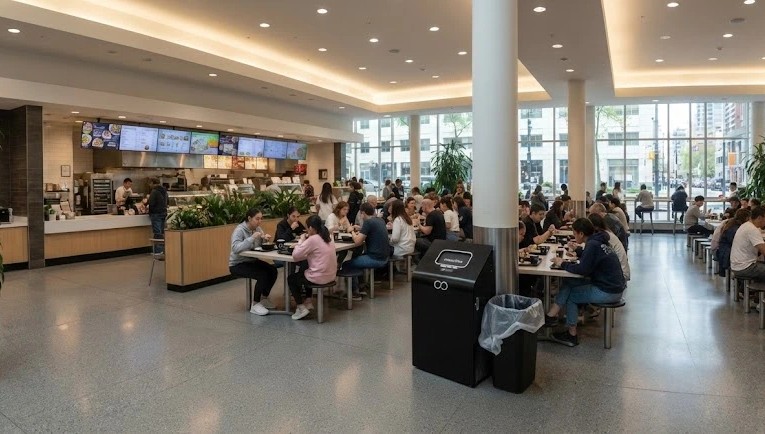
Yes. In fact, automation is even more critical in multi-vendor settings where no single operator controls the full container flow. A centralized automated system handles returns from containers checked out at any vendor, with usage data attributed correctly. This is essential for reusable packaging in food courts and shared dining facilities.
Ready to see what a fully automated return system looks like for your operation? Book a demo to see how automation can deliver 99% return rates and eliminate manual tracking from your program.
Other stories you may find interesting

























.webp)
.webp)









.webp)






























Watch the Webinar
Learn How to Eliminate Single-Use Waste
Get instant access to our expert webinar and discover how leading institutions reach 99% return rates through smarter reuse systems.

© Reusables™. All rights reserved.