
How to Manage Reusable Container Inventory & Cut Costs

January 21, 2026
You’ve seen the rising costs of single-use packaging and the growing demand from students for more sustainable options. Moving to a reusable container system is the clear solution, but simply placing a bulk order for reusables isn't a strategy—it's a recipe for lost assets. The difference between a successful program and a failed one comes down to one critical question: how to manage reusable container inventory effectively? This is where technology and process come together. In this guide, we’ll explore the essential components of a smart, automated system that prevents loss, drives student participation, and turns your sustainability goals into a measurable financial success.
Key Takeaways
- Protect your investment with tracking technology: Your reusable containers are valuable assets. A system using QR codes and RFID automates tracking and accountability, which prevents costly losses and saves your staff from manual oversight.
- Make participation effortless to drive high return rates: The success of your program depends on student adoption. A frictionless system with app-free checkouts and convenient 24/7 return bins makes reuse the easiest choice, ensuring your containers stay in circulation.
- Use real-time data to prove ROI and optimize operations: A robust dashboard provides the numbers you need to demonstrate cost savings to stakeholders. Tracking metrics like return rates and bin fullness allows you to make informed decisions that improve efficiency and ensure long-term success.
Why You Need a System for Your Reusable Containers
Switching to reusable containers is a fantastic move for your campus's sustainability goals. But simply buying a stock of reusables isn't a complete solution. Without a solid plan to manage them, you risk trading the high cost of disposables for the high cost of lost assets. A dedicated system for tracking and managing your containers is what turns a well-intentioned program into a smart, cost-effective, and truly sustainable operation. It’s the difference between just having reusables and having a reuse program that actually works for your staff, your students, and your budget.
The Benefits of a Well-Managed System
Think of your reusable containers as valuable assets, because that's exactly what they are. A robust tracking system protects that investment. It gives you a clear view of your inventory, which helps reduce waste and makes your entire dining operation more efficient. When you know where your containers are, you can ensure they're being used, returned, and cleaned effectively. This isn't just about being organized; it's about the bottom line. A well-managed reusable program can deliver significant cost savings on single-use packaging, turning your sustainability initiative into a financial win. It keeps your supply chain running smoothly and ensures you always have containers ready for service.
The Hidden Costs of a Broken One
On the flip side, a lack of management can create some serious headaches. When containers aren't tracked, they disappear. They get left in dorm rooms, accidentally thrown away, or simply walk off campus. This constant loss costs money and slows down your team, who now have to deal with shortages. Companies often lose reusable containers as they move between different locations, creating a constant drain on the budget. Without accountability, your investment in durable, high-quality containers is literally walking out the door. A broken system means you're constantly spending money to replace lost assets instead of reaping the financial and environmental benefits of reuse.
What Are the Common Challenges in Managing Reusables?
Switching to a reusable container system is a fantastic goal, but making it work smoothly across a busy campus comes with a unique set of hurdles. If you’ve tried to launch a program only to see it stall, you’re not alone. The most common issues aren't a lack of good intentions; they're operational gaps that can turn a cost-saving initiative into a logistical headache. Without a solid management system, you risk losing containers, overwhelming your staff with manual tracking, and failing to get the buy-in you need from students and faculty.
The good news is that these challenges are entirely solvable with the right approach and technology. The key is to anticipate them from the start. From containers disappearing into dorm rooms to the sheer complexity of tracking inventory across multiple dining halls and cafes, every problem has a streamlined solution. Understanding these potential pitfalls is the first step toward building a reuse program that not only meets your sustainability targets but also improves the dining experience and protects your bottom line.
Lost and Stolen Containers
When you invest in a fleet of reusable containers, each one is a valuable asset. The biggest and most immediate challenge many programs face is simply losing them. Containers get left in lecture halls, taken off-campus, or accidentally thrown away, and this shrinkage directly impacts your budget. When companies lose reusable containers, "it costs money and slows down work." This isn't just about the replacement cost; a dwindling inventory can disrupt your entire dining operation. If you don't have enough clean containers ready during the lunch rush, you might be forced to fall back on disposables, undermining the whole point of the program.
Tracking Across Multiple Locations
A college campus is a complex ecosystem. You have multiple dining halls, cafes, and grab-and-go spots, with thousands of people moving between them every day. Trying to keep tabs on where your containers are at any given moment is a massive logistical challenge. Without a reliable tracking system, you're flying blind. You won't know which locations are running low on inventory or where returned containers are piling up. This lack of visibility makes it impossible to manage your supply chain efficiently. Effective asset tracking is essential for keeping your operations smooth and ensuring containers are where they need to be, when they need to be there.
The Pitfalls of Manual Processes
Many early-stage reuse programs rely on manual tracking methods like spreadsheets or paper sign-out sheets. While this might seem simple at first, it quickly becomes a major drain on your staff's time and energy. These processes are not only tedious but also highly susceptible to human error, leading to inaccurate inventory counts and misplaced assets. Your team has more important responsibilities than chasing down students for late returns or spending hours reconciling spreadsheets. Manual systems simply don't scale, and the administrative burden they create often leads to the program being abandoned altogether. It's a classic case of a well-intentioned plan failing due to operational friction.
Low Return Rates and Engagement
Ultimately, the success of any reuse program depends on one thing: getting people to bring the containers back. If the return process is inconvenient, confusing, or punitive, students and staff simply won't do it. This is often the single biggest point of failure. According to the Sustainable Packaging Coalition, high return rates are a critical pillar for a successful program. Low participation means you're constantly losing inventory and your cost-per-use skyrockets, defeating the financial and environmental benefits. To get the buy-in you need, the user experience has to be completely frictionless—as easy as, or even easier than, using a disposable container.
What's the Best Technology for Tracking Reusables?
Choosing the right technology is the foundation of a successful reusable container program. The goal is to get a clear, real-time picture of your inventory without creating extra work for your staff or a clunky experience for your diners. The best system for your campus will depend on your operational scale, container types, and budget. While manual check-sheets might seem simple, they quickly fall apart, leading to lost containers and fuzzy data. To achieve the high return rates and cost savings you’re looking for, you need a dedicated tracking technology.
The main options are RFID tags, QR codes, or a combination of both. Each has its own strengths. QR codes are incredibly accessible and low-cost, making them easy to roll out. RFID offers powerful, automated tracking that can streamline your back-of-house operations. For most large-scale dining programs, the most effective solution combines the strengths of both. Let’s look at how each technology works so you can find the right reuse solution for your campus.
RFID for Seamless, Automated Tracking
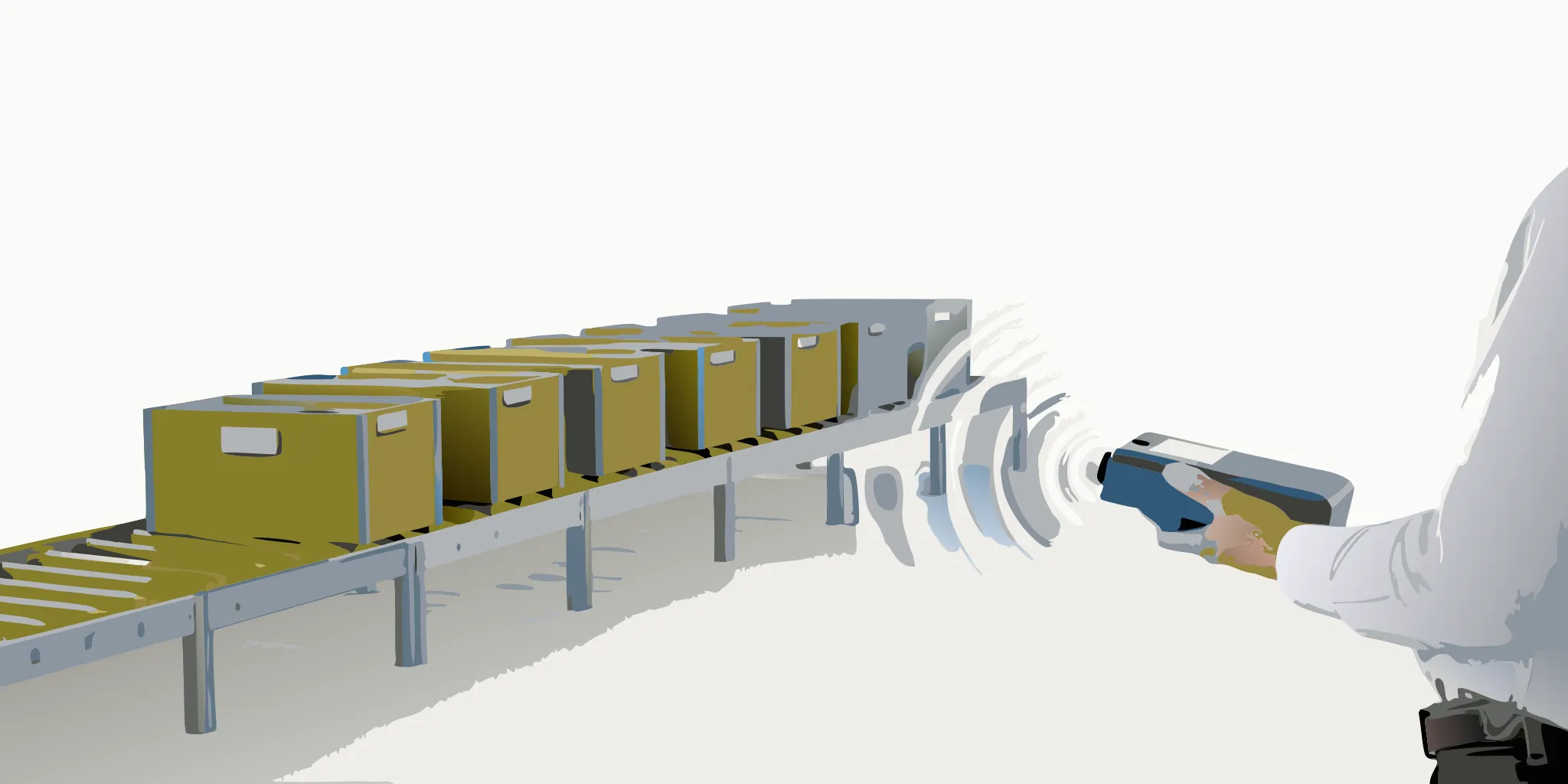
Think of RFID (Radio-Frequency Identification) as an automatic attendance taker for your containers. Each item gets a small tag that a scanner can read with radio waves, often from a distance and without a direct line of sight. This is a game-changer for back-of-house efficiency. Instead of an employee scanning every single container that comes back to the dish room, an RFID reader can register an entire bin of returned items in seconds. This is especially useful for tracking durable stainless steel containers where printed codes might wear off. For large-scale operations, this level of automation is key to managing returnable assets effectively and keeping labor costs down.
QR Codes for Simplicity and Scale
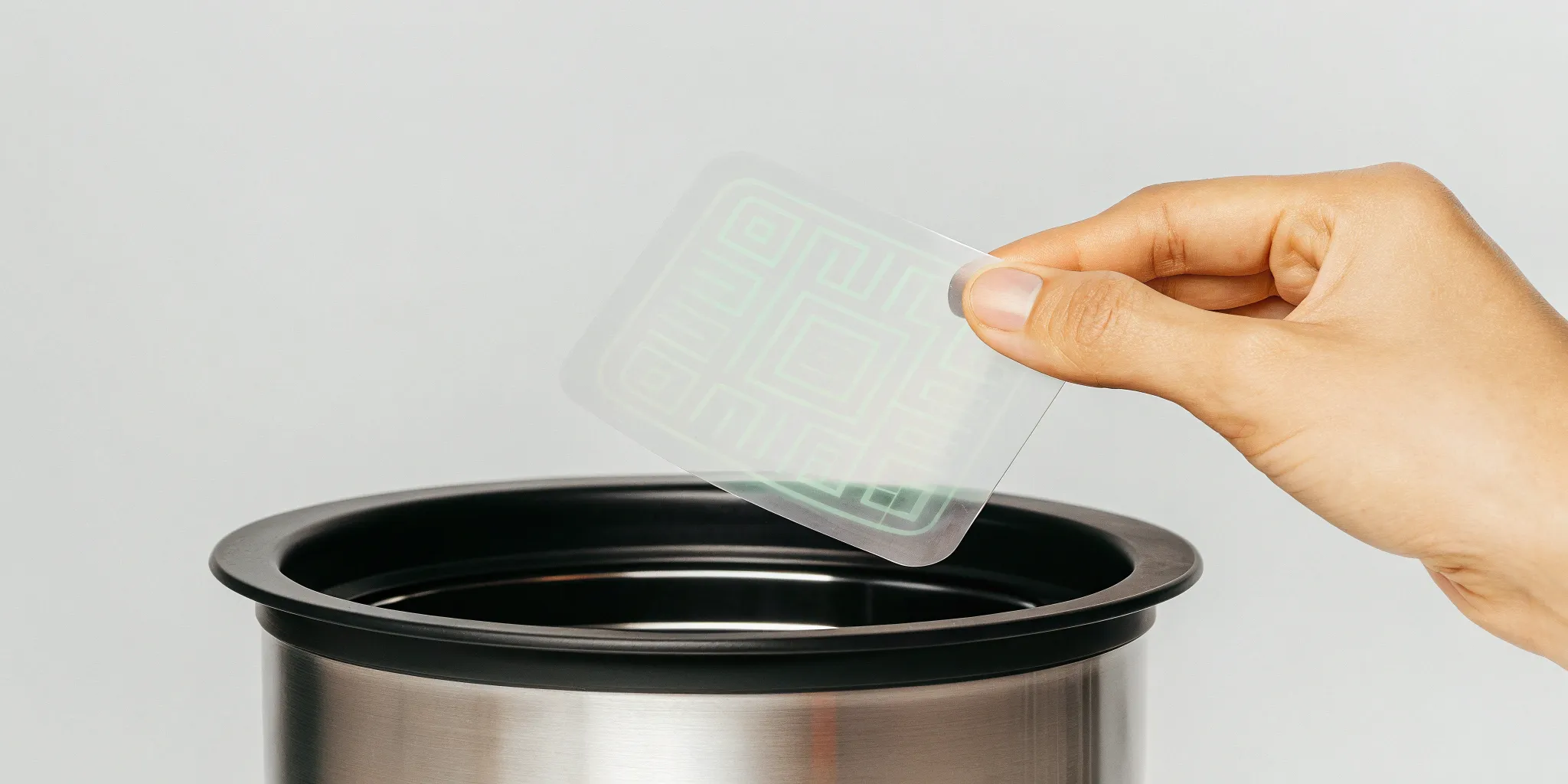
QR codes are the most straightforward and cost-effective way to give each container a unique digital identity. Because students and staff are already familiar with scanning QR codes with their phones, the learning curve is practically zero. This makes them perfect for the checkout process—a quick scan of the container and the user’s card is all it takes. This simplicity makes it easy to give each container a unique ID and get a program running quickly. The main drawback is that QR codes require a direct line of sight to be scanned, which can slow down the process of checking in large batches of returned containers.
Dual-Mode for Maximum Accuracy
Why choose one when you can have the best of both? A dual-mode system that puts both a QR code and an RFID tag on every container offers the ultimate in flexibility and accuracy. You get the user-friendly simplicity of QR codes for fast, frictionless checkouts at the register. Then, you get the powerful, automated efficiency of RFID for your back-of-house operations, allowing staff to process returns and take inventory in a fraction of the time. This hybrid approach ensures you can track each individual item with precision, which is essential for maintaining accountability and achieving the 99% return rates that make a reuse program financially sustainable.
GPS for High-Value Assets
While you might see GPS used to track shipping fleets or expensive equipment, it’s generally not the right tool for managing individual food containers. GPS trackers are more expensive, require battery power, and provide a level of location detail that is simply overkill for a campus dining program. The technology is best suited for tracking very high-value, mobile assets over large geographic areas—think delivery vehicles or large rolling racks of inventory that move between different campus facilities. For the containers your students use every day, a combination of QR and RFID provides all the data you need without the unnecessary cost and complexity of GPS.

How to Choose the Right Management Software
The reusable containers are the face of your program, but the management software is the brain. It’s the invisible force that turns a simple inventory of cups and clamshells into a smart, efficient, and cost-effective system. Choosing the right software is one of the most critical decisions you’ll make, as it directly impacts everything from student adoption and staff workload to your overall return on investment. A clunky, complicated platform can doom a reuse program before it even gets off the ground, leading to frustrated users and lost assets.
On the other hand, the right software partner provides a seamless experience that integrates perfectly into your existing operations. It should make life easier for your team, not add another layer of complexity. Think of it as your central command center, giving you the visibility and control needed to run a successful program. When evaluating your options, focus on platforms designed specifically for reuse systems, as they will have the features and integrations necessary to handle the unique challenges of a circular economy on campus. The goal is to find a solution that works so well, your students and staff barely notice it’s there.
Key Features to Look For
Your software needs to be incredibly easy for everyone to use—from students grabbing lunch on the go to your dining hall staff and the administrators overseeing the program. If the system is too complicated, you’ll face low adoption rates and constant troubleshooting. Look for a platform with a frictionless user experience, like an app-free checkout that lets students borrow a container with a simple tap of their campus card.
Beyond ease of use, seek out features that drive engagement and accountability automatically. A system that handles late fee reminders and charges without staff intervention will save your team countless hours. Features like gamification, leaderboards, and rewards can also encourage students to participate and keep return rates high. A robust operator dashboard is non-negotiable; you need to see real-time data on inventory, return rates, and bin fullness at a glance.
Integration with Your Existing Systems
Before you commit to any software, you have to ensure it can integrate smoothly with the technology you already use every day. A standalone system that doesn’t communicate with your campus card or point-of-sale (POS) setup will create data silos and operational headaches. The best reuse platforms are built to plug directly into existing campus infrastructure.
Ask potential providers if they offer proven integrations with key systems like Transact, CBORD, Atrium, and TouchNet. This allows students to use their existing campus cards or payment methods, making the experience feel like a natural part of campus life. A fully integrated solution saves your IT team significant time and resources while ensuring a cohesive and professional experience for your diners.
Cloud-Based vs. On-Premise Solutions
When it comes to software deployment, you’ll generally choose between a cloud-based solution or an on-premise one. An on-premise system is hosted on your institution's own servers, which requires your IT team to handle maintenance, security, and updates. A cloud-based platform, often called Software-as-a-Service (SaaS), is hosted by the provider and accessed through the internet.
For nearly all campus dining operations, a cloud-based solution is the superior choice. It eliminates the burden on your IT department, ensures you always have the latest software version without manual updates, and allows your team to access the dashboard from anywhere. Modern tracking technologies like RFID and QR scanning rely on this connectivity to deliver the real-time data you need to manage your container inventory effectively.
Real-Time Data and Reporting
A great management system does more than just track containers; it provides actionable insights that help you run a smarter, more efficient program. The ideal platform should give you real-time updates and automatic notifications, alerting you to potential issues before they become major problems. This capability is vital for maintaining efficiency and keeping costs down.
Look for a dashboard that gives you a live view of key performance indicators. You should be able to instantly see your current inventory levels, monitor return rates, and check the fullness of your smart return bins. This data allows you to optimize container collection schedules, identify locations with low return rates, and accurately calculate your cost savings and environmental impact. This level of transparency is essential for demonstrating the program's success to stakeholders and making data-driven decisions for the future.
How to Implement Your Container Tracking System: A 4-Step Guide
Putting a successful reusable container program in place doesn’t have to be complicated. While it might seem like a huge operational lift, a well-designed system for tracking and managing your containers can be broken down into four main steps. This structured approach ensures your program is built on a solid foundation, making it easier for your team to run and for students to adopt. Think of it as building a house: you need a solid blueprint and foundation before you can put up the walls. By getting these core pieces right from the start, you can avoid the common pitfalls of low return rates and lost inventory that plague many reuse initiatives. A thoughtful implementation sets your campus up for long-term success, allowing you to significantly reduce single-use waste, cut packaging costs, and provide a modern, sustainable dining experience that students appreciate. The key is to focus on creating a seamless loop—from checkout to return to cleaning—that feels effortless for everyone involved. The following steps will walk you through creating that blueprint for a system that not only works, but thrives.
Step 1: Set Up Your Tracking Infrastructure
First, you need to build the physical and digital framework for your program. This means deciding where students will check out and return containers and what technology you’ll use to process those transactions. Will you use existing POS systems or dedicated scan stations? Where will you place return bins for maximum convenience? A partner can help you design a fully integrated system that works with your campus card programs and dining hall layouts. The goal is to create a frictionless experience that fits naturally into a student's daily routine, making reuse the easiest choice.
Step 2: Tag Every Container
To track your containers, each one needs a unique identity. This is typically done by applying a durable QR code or embedding a small RFID tag. Giving each cup, bowl, and clamshell a unique ID turns it from a simple piece of inventory into a specific, trackable asset. This allows your system to know exactly which container a student has checked out and when it’s been returned. Using a dual-mode system with both QR and RFID ensures maximum accuracy, whether you’re using stainless steel or durable plastic containers, and eliminates the need for manual counts or paper slips.
Step 3: Train Your Team and Users
The best technology only works if people know how to use it. Before you launch, make sure everyone understands their role in the system and recognizes that the containers are valuable assets, not disposable items. Your dining staff will need simple training on how to manage checkouts and handle returns. For students, a clear and simple onboarding process is key. A quick tap of their student card is all it should take. When you partner with campuses, a good provider will help you create straightforward training materials and launch communications to ensure everyone feels confident from day one.
Step 4: Test and Optimize the System
Once your program is live, use the data from your tracking system to find ways to improve. Your work isn’t over at launch—it’s just beginning. A robust dashboard will give you real-time insights into return rates, container locations, and bin fullness. Are certain return stations more popular than others? Could a few more bins in a high-traffic area increase returns? Regularly checking your data and conducting periodic inventory counts will help you spot trends, solve small problems before they become big ones, and continuously refine your system for better performance and higher cost savings.
How to Establish an Effective Inventory Process
Once you have the right technology, your next step is to build a process that makes reuse the easiest choice for everyone. A strong inventory process isn't just about tracking containers; it's about creating a seamless, self-sustaining loop. It should feel effortless for students and staff, require minimal oversight from your team, and deliver clear data on your impact and savings. The goal is to integrate reusables so smoothly into your dining operations that they become the new normal. This involves designing a user-friendly flow from checkout to return, automating accountability to ensure containers come back, and defining a clear workflow for cleaning and redistribution. When these pieces work together, you create a system that runs itself, saves money, and keeps your inventory in circulation.
Design a Frictionless Checkout and Return Flow
The success of your reuse program hinges on how easy it is for people to participate. If borrowing a container is complicated, students and staff will stick with disposables. The key is to eliminate as much friction as possible. An ideal system allows users to check out a container in seconds without downloading an app or paying an upfront deposit. Our Tap to Reuse™ technology integrates directly with campus cards, credit/debit, and mobile wallets, making the process as simple as buying a coffee. By making reuse the most convenient option, you drive adoption and ensure your containers are constantly in use rather than sitting on a shelf.
Automate Accountability and Fee Management
Manually tracking down lost containers and chasing late fees is a non-starter for busy dining teams. Your system needs to handle accountability automatically to maintain high return rates without adding to your staff's workload. By uniquely tagging each container, you can link it to a user's account upon checkout. The system can then send automated reminders if a container isn't returned on time and apply a fully refundable late fee if needed. This gentle, automated nudge is incredibly effective. In fact, campuses using this model achieve industry-leading return rates of over 99%, protecting your inventory investment and ensuring the program's financial viability.
Define Your Cleaning and Maintenance Workflow
A reliable cleaning process is the backbone of any successful reuse system. Before you launch, you need a clear, documented workflow for collecting, washing, and sanitizing your containers. Your tracking software can support this by providing real-time data on when return bins are full, helping your team create efficient collection schedules. While some providers require you to use their specific cleaning services, a flexible platform allows you to manage sanitization in-house or with a local partner. This gives you full control over hygiene standards and operational costs, ensuring your program fits perfectly within your existing infrastructure.
Implement Smart Bins and Return Stations
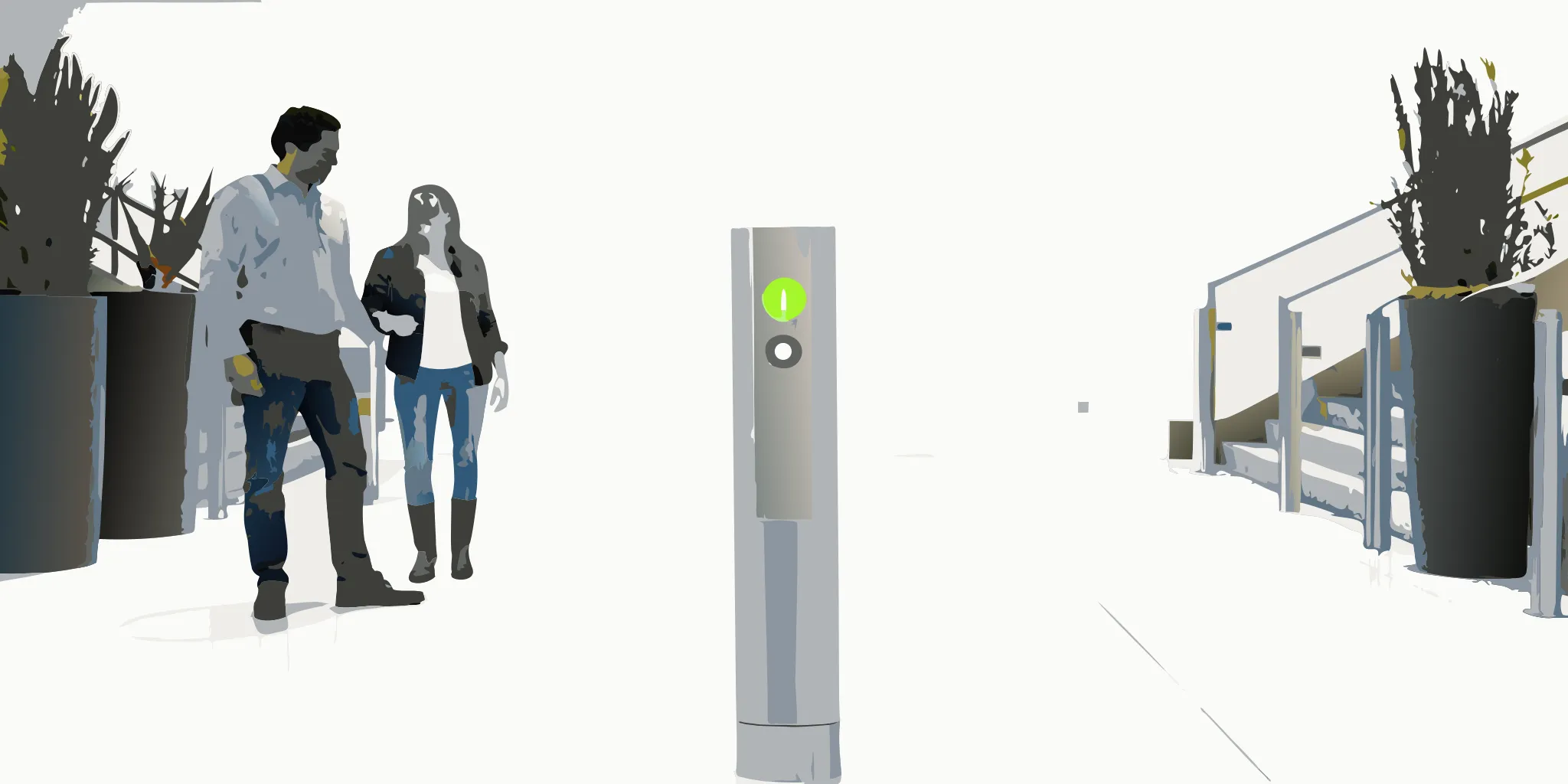
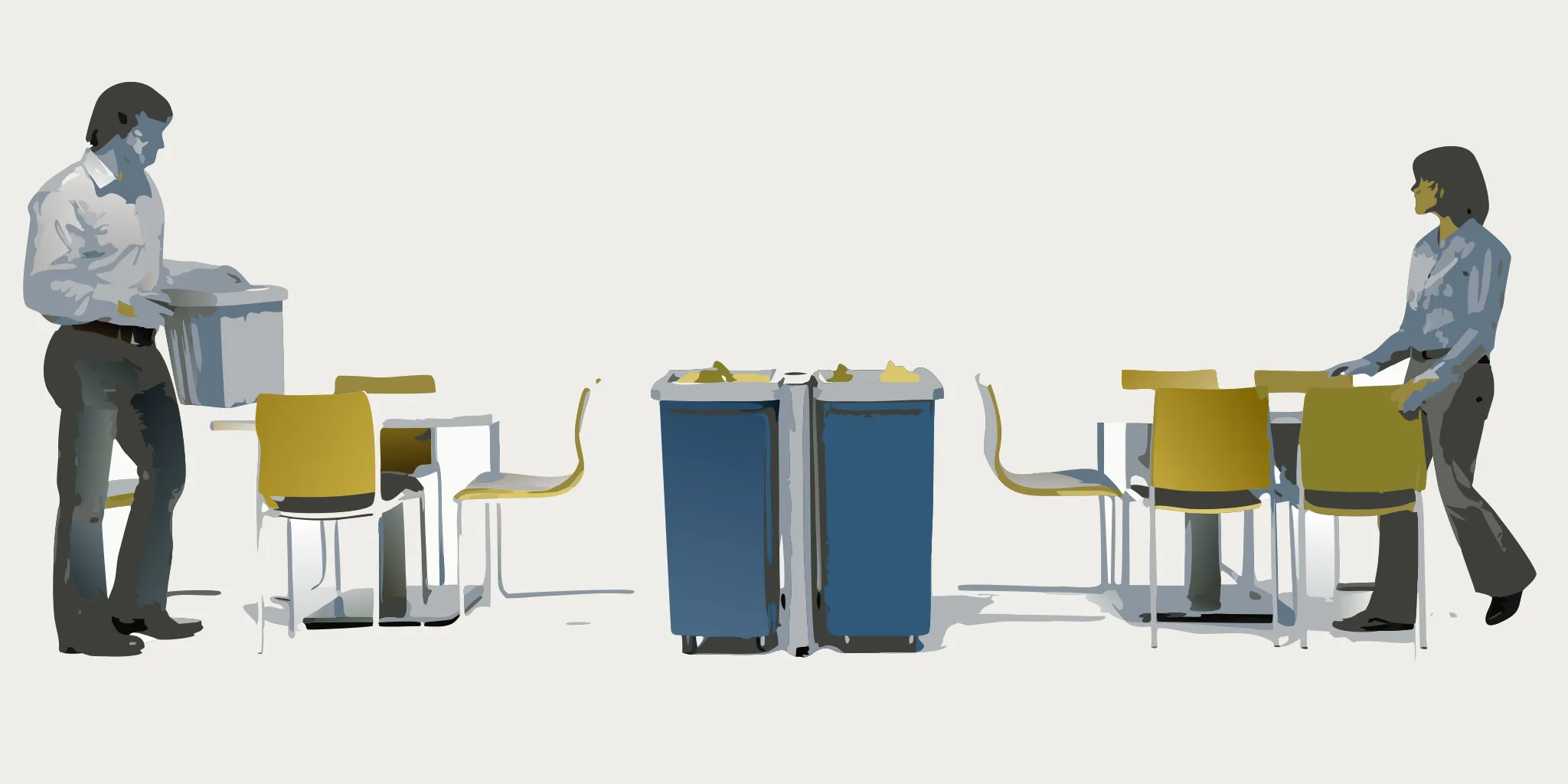
To encourage high return rates, you need to make returning a container just as easy as borrowing one. Placing smart bins and return stations in high-traffic areas across campus—like residence halls, libraries, and student centers—provides 24/7 convenience. These stations automatically scan the container's tag upon return, instantly crediting the user's account and removing any holds. This touch-free process is quick and confirms the return immediately, giving users peace of mind. For your team, these smart bins provide valuable data, sending alerts when they're getting full and giving you a real-time view of your entire reusable packaging system.
Best Practices for Long-Term Success
Once your reusable container system is up and running, the work shifts from implementation to optimization. A successful program isn't just about having the right tech; it's about building smart, sustainable habits into your daily operations. Maintaining high return rates and user satisfaction requires a long-term strategy. By focusing on a few key areas, you can ensure your program not only meets its sustainability goals but also continues to deliver financial and operational benefits for years to come. These practices will help you keep your inventory secure, your users happy, and your system running smoothly.
Conduct Regular Inventory Audits
Think of inventory audits as a regular health check for your container fleet. By scheduling a physical count of all your containers—those in circulation, in storage, and at cleaning facilities—on a monthly or quarterly basis, you can catch discrepancies early. This isn't just about accounting for lost assets; it's about understanding your program's real-world performance. An audit can reveal if you have enough containers to meet peak demand or if a specific location is experiencing higher-than-average loss. This data allows you to make informed decisions, adjust your inventory levels, and address potential issues before they impact your budget or the student dining experience.
Keep Your Users Engaged and Informed
Your reusable container program is only as strong as the people who use it every day. That’s why clear and continuous training is so important for both your staff and the students you serve. For your team, this means ensuring everyone understands how the system works and their role in its success. For students, it’s about making the process intuitive and communicating the positive impact they’re making. You can keep engagement high with campus-wide leaderboards, contests, or rewards for consistent reuse. When everyone understands the "why" behind the program and finds it easy to participate, you create a campus culture that values sustainability.
Simplify Your Return Protocols
The easier it is for a student to return a container, the more likely they are to do it. A complicated or inconvenient return process is one of the biggest barriers to a successful reuse program. The goal should be a frictionless experience. Systems that allow users to simply tap a card and drop a container into a smart bin remove the hassle of downloading apps or paying upfront deposits. By making the return process as seamless as the checkout, you can achieve the near-perfect return rates needed to make your program financially and environmentally sustainable for the long haul.
Optimize Your Supplier Relationships
Managing your relationship with your cleaning provider or container supplier is key to operational efficiency. It’s important to find the right balance in your service schedule. You need to have enough clean containers on hand to meet demand without paying for unnecessary deliveries or holding excess inventory that just sits on a shelf. Analyze your usage data to determine the optimal number of containers you need between service visits and the ideal frequency for those visits. This strategic approach to supplier management helps you maintain a lean, efficient inventory while keeping your operational costs in check.
How to Measure Your Program's Success
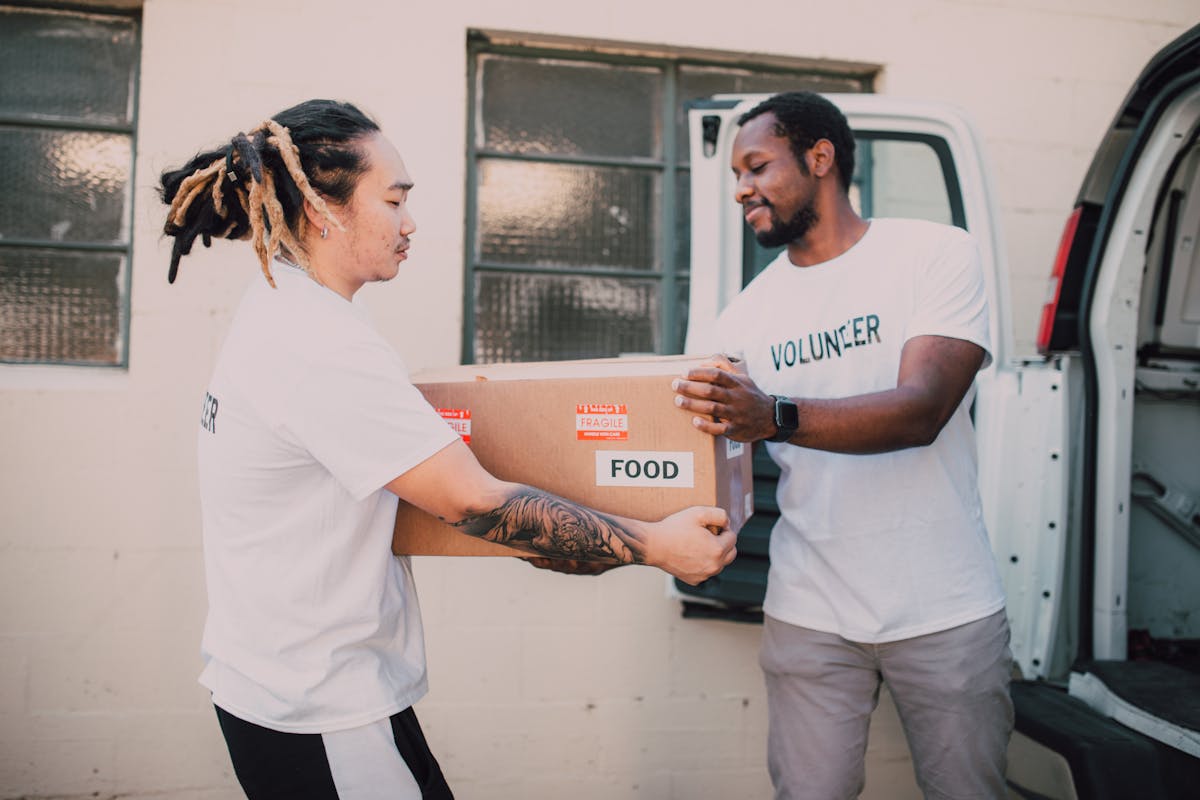
Launching a reusable container program is a great first step, but the real work lies in making sure it’s actually working. How do you know if you’re hitting your sustainability goals and, just as importantly, saving money? The answer is in the data. A solid tracking system gives you clear, real-time insights into your program’s performance, moving you from guesswork to confident, data-backed decisions. By focusing on a few key metrics, you can prove the program's value, identify areas for improvement, and ensure its long-term health. This isn't about creating more work for your team; it's about using smart data to make your operations more efficient and effective. Let's look at the essential numbers you should be watching.
Track Key Metrics: Return and Utilization Rates
Your container return rate is the single most important indicator of your program's health. A high return rate means your inventory is secure, your users are engaged, and you’re successfully displacing single-use packaging. On the other hand, a low return rate signals a problem that needs immediate attention. Equally important is the utilization rate, which tells you how often each container is being used. This metric helps you understand if you have the right amount of inventory. Are some containers sitting on the shelf while others are constantly in circulation? Successful reusable packaging programs depend on high return rates and consistent use to deliver environmental and financial benefits.
Monitor Container Loss and Recovery
Every container that doesn’t come back is a direct hit to your budget and sustainability goals. Monitoring container loss is about protecting your investment. A robust tracking system allows you to see exactly which containers are missing and identify patterns in their disappearance. Are they vanishing from a specific dining hall or failing to return from a particular dorm? This information helps you pinpoint the root cause of the problem so you can fix it, whether that means adding a new return station or clarifying instructions for users. By actively tracking loss and recovery, you can keep your container fleet intact and your program running smoothly.
Calculate Your Cost Savings and ROI
For any campus initiative to succeed, it needs to make financial sense. Calculating your return on investment (ROI) is essential for demonstrating the value of your reuse program to key stakeholders. The math is simple: compare what you would have spent on disposable containers to the operational costs of your reusable system. With a high-performing program, the savings can be substantial. For example, a campus program with a 99% return rate can save over $22,000 in packaging costs in a single academic year. Your tracking data provides the accurate usage numbers you need to build a clear and compelling financial case for reuse.
Analyze User Compliance
Your reusable container program is only as strong as the user habits that support it. Are students and staff returning containers on time and to the proper locations? Analyzing user compliance helps you understand how people are interacting with the system. A good management platform can automatically flag non-compliance, showing you who isn't following the rules without requiring manual oversight from your staff. This insight allows you to address issues proactively, whether through targeted reminders, educational campaigns, or adjustments to the return process. Getting everyone on board is crucial for preventing asset loss and ensuring the program’s integrity.
How to Optimize Your System for the Future
Launching your reusable container system is a huge accomplishment, but the work doesn’t stop there. The best programs are dynamic, evolving with your campus needs and new technological advancements. Optimizing your system for the future ensures it remains efficient, cost-effective, and well-loved by your community for years to come. It’s about creating a sustainable process, not just a sustainable product. By continuously refining your approach, you can prevent container loss, keep users engaged, and maximize your return on investment.
This forward-thinking mindset transforms your reuse program from a simple operational task into a strategic asset. It helps you anticipate challenges, adapt to changing demands, and solidify your institution's reputation as a leader in sustainability. Let's walk through how to keep your system running smoothly and ready for whatever comes next.
Use Data to Drive Improvements
Your tracking system is a goldmine of information. Don't let that data sit untouched. Regularly review your dashboard to understand not just the basics, like checkout and return rates, but also the deeper story. Look for patterns in how long containers sit idle, which locations have the highest loss rates, and how well users are following the rules. This information helps you pinpoint exactly where to focus your efforts. For instance, if you notice a drop-off in returns at a specific dining hall, you can investigate whether a return bin is poorly placed or if signage is unclear. Using data this way allows you to make targeted, effective changes instead of guessing what might work.
Refine Your Processes and Upgrade Technology
What works today might not be the most efficient solution tomorrow. It’s important to periodically review your operational flow and the technology that powers it. While simple systems like paper records can get you started, they often create bottlenecks and are prone to human error. To truly scale and automate, you need to choose the right technology for your needs. Technologies like RFID and dual-mode QR and RFID tagging offer automated, real-time tracking that eliminates manual scanning and provides far more accurate inventory data. Upgrading your tech can dramatically reduce staff workload, improve the user experience, and give you the precise data needed for better decision-making.
Gather Continuous Feedback
The people using your system every day—both your staff and the students—are your best source of insight. Create simple, accessible channels for them to share feedback, whether it's through a QR code on a return bin that links to a survey or regular check-ins with your dining hall teams. This feedback is invaluable for identifying friction points you might not see in the data. It also helps users feel heard and invested in the program's success. When people feel like they are part of the solution, they are more likely to participate actively and encourage others to do the same, creating a positive cycle of engagement and improvement.
Plan Your Strategy for Growth
A successful reusable container program does more than just cut down on waste; it can deliver cost savings and even open up new revenue streams. As you optimize, think about your long-term strategy. A well-managed system prevents costly operational hiccups, like running out of containers during a lunch rush. By proving the financial benefits, you can make a strong case for expanding the program across campus or into new areas like catering and events. A high-performing program becomes a powerful tool that not only supports your sustainability goals but also strengthens your bottom line, turning a cost center into a strategic advantage.
Related Articles
- How to Encourage Reusable Container Returns on Campus
- How Student Card Reusable Container Checkout Works
- RFID vs QR Code for Reusable Tracking: Which is Best?
- The Right Way to Buy Reusable Food Containers for College
- QR Code Reusable Packaging: A Campus Guide
Frequently Asked Questions
How can I guarantee students will actually return the containers? The key isn't a guarantee, but a system that makes returning containers the easiest and most logical choice. Success comes from a combination of convenience and automated accountability. Placing smart, 24/7 return bins in high-traffic areas like dorms and libraries removes the friction. When that’s paired with a system that automatically links each container to a user and sends gentle reminders or applies a refundable late fee, you create a powerful incentive. This approach shifts the responsibility from your staff to an automated system, consistently achieving return rates of over 99%.
Will a tracking system create more work for my dining staff? Quite the opposite. A well-designed system should significantly reduce your team's workload. Manual tracking with spreadsheets or sign-out sheets is what creates tedious, error-prone work. A smart system automates the entire process, from app-free checkouts using student cards to tracking inventory and managing late fees. Your staff is freed from chasing down containers or manually charging students, allowing them to focus on their core responsibilities in the dining hall.
We use stainless steel containers. Will QR codes work, or do we need something else? This is a great question because container material definitely matters. While QR codes are excellent for user-facing checkouts on any container type, they can be less efficient for back-of-house processing, especially with durable materials like stainless steel where codes can wear over time. The most robust solution is a dual-mode system that uses both a QR code and an embedded RFID tag. This gives you the best of both worlds: easy QR scanning for students at the register and fast, automated RFID scanning for your staff when containers are returned in bulk to the dish room.
Is a full tracking system really worth the investment? When you look at the numbers, the answer is a clear yes. The cost of constantly replacing lost reusable containers can quickly surpass the expense of disposables, defeating the purpose of the program. A tracking system protects your investment by keeping your container fleet in circulation. It provides the data you need to run an efficient operation, preventing shortages and optimizing cleaning schedules. More importantly, it allows you to accurately calculate your savings on single-use packaging, proving a strong return on investment to stakeholders.
How does a system like this fit in with our existing campus card and POS systems? A modern reuse platform should integrate seamlessly with the technology you already have. The goal is to avoid creating a separate, clunky process for students and staff. Look for a solution that offers proven, direct integrations with major campus card and payment providers like Transact, CBORD, and TouchNet. This allows students to check out a container with a simple tap of the same card they use for everything else on campus, making the experience feel like a natural and cohesive part of campus life.
Other stories you may find interesting






















.webp)
.webp)








.webp)




























Watch the Webinar
Learn How to Eliminate Single-Use Waste
Get instant access to our expert webinar and discover how leading institutions reach 99% return rates through smarter reuse systems.

© Reusables™. All rights reserved.