
Why Compostable Cups Rarely Get Composted

December 29, 2025
"Compostable" is one of those words that just feels good. It suggests a clean, green solution where a used cup returns to the earth, leaving no trace. For campus dining programs trying to meet sustainability goals, it seems like an easy win. But the idea that these products are a simple, eco-friendly replacement for plastic is one of the biggest myths in waste management today. They come with a very specific set of disposal requirements that are almost never met, which is why compostable plastic cups rarely get composted. In fact, they often create more environmental and operational problems than they solve. Let's look at what it really takes for them to break down and why a reuse system is a far more effective solution.
Key Takeaways
- Compostable cups aren't a simple fix: They require industrial composting facilities to break down properly—infrastructure that is missing in most areas. Without access to these rare sites, these cups end up in landfills where they can release harmful methane gas.
- You're likely paying more for a product that fails: Compostable packaging costs significantly more than traditional options, yet sorting challenges and contamination mean it often ends up as landfill waste anyway, offering no real environmental return on your investment.
- Focus on reuse, not better disposables: The most effective way to reduce waste and operational costs is to eliminate single-use items. A smart reuse system with trackable containers and automated returns makes sustainability the easiest choice for everyone on campus.
What Are Compostable Cups, Really?
"Compostable" is one of those words that just feels good. It suggests a clean, green solution where a used cup returns to the earth, leaving no trace. For campus dining programs trying to meet sustainability goals, switching to compostable cups seems like an easy win. But what does "compostable" actually mean in practice? The reality is far more complicated than the label suggests. These products aren't a simple, one-for-one replacement for single-use plastics. They come with a very specific set of requirements for disposal—requirements that are rarely met, leading to more waste, not less. Let's look at what these cups are made of and what it really takes for them to break down.
Plant-Based vs. Petroleum-Based Materials
First, it’s helpful to know that not all compostable plastics are created equal. The term itself can be a bit misleading. While many are made from renewable, plant-based sources like cornstarch or sugarcane, others are still derived from fossil fuels. These materials are engineered to break down under certain conditions, but their origin isn't always as "green" as the label implies. This distinction is important because it challenges the assumption that all compostable products are inherently better for the environment from the start. Understanding the materials science behind these cups is the first step in seeing why they often fail to deliver on their environmental promise. It’s less about the source and more about the end-of-life journey.
The Ideal (But Unlikely) Breakdown
Here’s the biggest catch: for a compostable cup to actually compost, it needs to end up in a very specific environment. These products don't break down in a landfill or a backyard compost pile. They require an industrial composting facility, where they can be exposed to sustained high temperatures and specific microbes to trigger decomposition. The problem? These specialized facilities are incredibly rare across the country. Even when these cups make it to the right place, studies show they can leave behind microplastics, contaminating the final compost. So, the perfect, circular breakdown we imagine is more of a marketing ideal than a practical reality for most institutions.
The Specific Conditions Compostables Need to Break Down
"Compostable" sounds simple, suggesting a cup will naturally return to the earth. But the reality is much more complex. For a compostable cup to break down as intended, it needs a highly specific and controlled environment. It’s less like an apple core decomposing in a garden and more like a delicate scientific process that requires the perfect recipe of heat, moisture, and microbes—conditions that are incredibly difficult to achieve outside of a specialized facility.
The Requirement for Industrial Composting
Most compostable cups, especially those made from bioplastics like PLA, can't just be tossed into any green bin. They require processing in an industrial composting facility to break down properly. These are large-scale operations that create the perfect, high-heat environment needed to decompose these materials. Unlike a simple compost pile, these facilities are carefully managed to handle materials that won't break down otherwise. Without access to one of these specialized sites, a "compostable" cup is just another piece of trash, which is why many rarely get composted.
Why Heat, Moisture, and Microbes Are Essential
So, what makes these industrial facilities so special? It's all about creating the perfect conditions for decomposition. Bioplastics need sustained heat—often above 130°F—along with the right balance of moisture, oxygen, and microorganisms to break apart. This controlled environment activates microbes that consume the material, turning it into soil, water, and carbon dioxide. Products labeled as compostable plastic simply will not break down without this precise, science-backed process. The material itself isn't magical; the highly controlled environment is what makes the breakdown possible.
Why Backyard Composting Falls Short
If your campus has a small-scale composting program for its gardens, it’s important to know that it won't work for compostable serviceware. A backyard or campus compost pile rarely reaches the high temperatures needed to break down bioplastics. These smaller piles are designed for organic waste like food scraps and leaves, which decompose slowly over months. Industrial facilities, on the other hand, are designed for speed and efficiency, breaking materials down much faster. Trying to dispose of compostable packaging in a standard compost pile means it will likely sit there for years, fully intact.
The Missing Piece: Why Industrial Composting Is So Rare
Even with the best intentions and a perfectly educated campus community, compostable packaging programs often fail. The reason usually has little to do with your students or staff and everything to do with a system that is fundamentally broken. The infrastructure required to properly process these materials is simply not in place.
For compostable cups and containers to break down as designed, they need to end up in an industrial composting facility. Unfortunately, these facilities are few and far between, and the logistical challenges of getting materials to them—clean and uncontaminated—are immense. This gap between the promise of compostables and the reality of our waste infrastructure is where most programs fall apart, costing you time, money, and goodwill. Understanding these systemic failures is the first step toward finding a solution that actually works.
High Costs and Lack of Infrastructure
The biggest hurdle for any compostables program is the severe lack of processing facilities. It’s a startling fact, but only a tiny fraction of the country has access to the industrial composting sites needed to break down bioplastics like PLA. These facilities are complex operations that require significant investment in land, specialized equipment, and trained staff to manage the precise conditions for decomposition. Because they are so expensive to build and run, they are incredibly rare.
This scarcity creates a massive logistical bottleneck. Your campus could be hundreds of miles from the nearest facility, making transportation costs prohibitive. For most institutions, this means that even if you collect compostable materials perfectly, there is simply nowhere to send them. This lack of available infrastructure is the primary reason why the compostable dream rarely becomes a reality, leaving you with a pile of expensive cups that are destined for the landfill.
The Challenge of Sorting and Collection
Let's say your campus is one of the lucky few located near an industrial composting facility. The next major challenge is ensuring your compostable items actually make it through the sorting process. Compostable plastics look and feel almost identical to their petroleum-based counterparts. This similarity makes it nearly impossible for workers and even automated sorting machines at material recovery facilities to tell them apart.
To protect their equipment and the quality of their final compost product, facility operators often take a cautious approach. They will frequently pull out any items that resemble plastic and send them to the landfill to avoid contamination. This means the compostable cup you paid a premium for is discarded before it ever has a chance to break down. The entire system is set up to reject the very materials you’re trying to divert from the waste stream, undermining your sustainability efforts at a critical step.
How Contamination Shuts Down the System
Contamination is the Achilles' heel of composting. A single non-compostable item—a plastic fork, a glass bottle, or even a conventional plastic lid—can ruin an entire batch of organic material. When a truckload of compost arrives at a facility, it undergoes inspection. If the contamination level is too high, the entire load is rejected and sent directly to the landfill. This is a common and costly problem that plagues municipal and institutional composting programs.
Even worse, when compostable plastics are mistakenly sent to a landfill, they can cause more harm than good. Trapped in an oxygen-free environment, they break down and release methane, a greenhouse gas far more potent than carbon dioxide. The reality is that a poorly executed compostables program doesn't just fail to deliver on its promise; it can actively contribute to more environmental and operational problems than it solves.

The Landfill Problem: Where Compostables Actually End Up
So, what happens when those well-intentioned compostable cups don't make it to a special facility? The unfortunate reality is that most end up in the landfill, right alongside traditional trash. This isn't just a missed opportunity for composting; it actually creates a new set of environmental problems. Instead of breaking down cleanly, these plant-based materials can cause more harm than good when they're buried under piles of garbage, undoing the very sustainability goals you're working so hard to achieve.
Releasing Methane Without Oxygen
Landfills are packed tight, creating an environment with virtually no oxygen. When compostable materials are trapped here, they can't break down as intended. Instead, they undergo anaerobic decomposition. The result? "If compostable cups end up in a landfill... they can create harmful gases like methane." This is a serious issue because methane is a greenhouse gas over 25 times more potent at trapping heat in the atmosphere than carbon dioxide. So, a product designed to be eco-friendly ends up contributing significantly to climate change when disposed of incorrectly—which, unfortunately, is most of the time.
Lasting for Years, Just Like Plastic
It's a common misconception that "compostable" means an item will simply biodegrade wherever it lands. The truth is, without the high heat of an industrial facility, a compostable cup can sit in a landfill for years, much like its plastic counterpart. Even worse, as these items slowly degrade under the wrong conditions, they don't just disappear. According to StopWaste, "Compostable plastics don't always break down completely. They can leave behind tiny plastic pieces (microplastics) in the soil, which can then get into our food and water." This means that instead of solving a waste problem, these products can contribute to a more persistent and widespread pollution issue.
The Surprising Environmental Cost
When you add it all up, the environmental cost of compostables is surprisingly high. Because commercial facilities are so rare, "most 'compostable' plastics end up in landfills or incinerators, just like regular plastic, causing pollution." This means your campus is likely paying a premium for a product that ultimately has a similar—or even worse—environmental footprint than the cheaper alternative. You're caught in a difficult position: investing in what seems like a sustainable solution, only to have it generate harmful methane in landfills or release pollutants when incinerated. It's a frustrating cycle that highlights the deep flaws in a disposal-based system.
How Good Intentions Go Wrong: Common Composting Mistakes
Switching to compostable cups and containers feels like a clear win for sustainability. You’re actively trying to reduce plastic waste on campus, and that’s a fantastic goal. The problem is, the system surrounding compostable products is deeply flawed. Even with the best intentions and clear instructions for students and staff, these items often cause more problems than they solve, from operational headaches to environmental harm.
The journey of a compostable cup from the dining hall to the compost pile is filled with potential pitfalls. Vague labeling can confuse even the most eco-conscious student, leading to improper disposal. Many people believe "compostable" means an item can be tossed into any garden compost bin, which simply isn't true. And when these look-alike plastics end up in the wrong stream, they can contaminate entire batches of recycling or compost, forcing everything to be sent to the landfill anyway. It’s a frustrating cycle that undermines your campus’s sustainability efforts and wastes resources.
Decoding Confusing Labels and Certifications
One of the biggest hurdles is the confusing language used on packaging. Terms like "bioplastic," "biodegradable," and "compostable" are often used interchangeably, but they mean very different things. Unfortunately, there are no federal standards that clearly define these labels, leaving room for greenwashing that misleads consumers.
This ambiguity creates a major sorting challenge. To a student rushing to class, a compostable plastic cup looks and feels just like a regular plastic one. Even at a materials recovery facility, workers and machinery struggle to tell them apart. As a result, many composting facilities treat all plastic-like items as contamination and pull them out, sending your well-intentioned compostable cups straight to the landfill to be safe.
The Myth of Backyard Composting
Many people assume that "compostable" means an item will naturally break down in a standard compost pile, like the one in a community garden. This is a common and costly misconception. The reality is that most compostable plastics require the specific, high-temperature environment of an industrial composting facility to decompose.
Your campus garden or a small-scale compost tumbler simply can't generate the sustained heat—often above 131°F (55°C)—needed to break down these materials. Without those precise conditions, a "compostable" fork or cup will sit there for years, just like its petroleum-based plastic counterpart. This means that unless you have access to one of the rare industrial facilities that accepts them, these products won't fulfill their environmental promise.
When "Compostable" Contaminates Recycling
What happens when a student tosses a compostable cup into the recycling bin? It becomes a contaminant. Because they are made from different materials (like PLA, a corn-based plastic), compostable plastics cannot be recycled with traditional plastics like PET (#1) or HDPE (#2). When mixed in, they can lower the quality of the recycled material, making the entire batch less valuable or even unusable.
The reverse is also true. If regular plastics end up in the compost bin, they contaminate the organic material. As a result, many composting facilities are forced to screen out and landfill anything that resembles plastic to protect the quality of their final compost product. This contamination issue creates a lose-lose situation where your investment in sustainable packaging ends up as landfill waste.
The Hidden Financial Drain of Compostable Cups
Switching to compostable cups might seem like a simple way to meet sustainability goals, but it often introduces financial challenges that can strain your budget. Beyond the environmental promises that often fall short, the economic reality of compostables is a critical factor for any dining service director. When you look closely at the numbers—from initial purchase to final disposal—the costs can quickly spiral, offering a poor return on your investment. This hidden financial drain can undermine both your budget and your green initiatives, leaving you with a more expensive problem than the one you tried to solve.
Higher Upfront and Processing Costs
The most immediate budget impact comes from the price tag. On average, compostable plastic products cost two to three times more than their conventional plastic counterparts. For a large campus serving thousands of students daily, this price difference isn't trivial—it translates into tens of thousands in additional spending on disposables each year. This premium price pays for a specific disposal path that is rarely available. You're essentially paying more for an item that requires a specialized, and often inaccessible, end-of-life solution, which adds another layer of processing costs if you can even find a facility.
The Need for Specialized Infrastructure
Compostable cups can't just be tossed into a standard compost bin. Most require commercial composting facilities where they can be broken down under specific high-heat conditions. The problem is that these facilities are incredibly rare across the country. This means that even with the best intentions, your campus is left with a logistical puzzle: where do these cups actually go? Without a local industrial composter willing to accept them, you’re paying a premium for a product your waste management system can't handle. This lack of infrastructure is the critical missing link that turns a well-meaning purchase into a significant operational burden.
Why the Economics Don't Add Up
When you combine the high upfront cost with the lack of proper disposal facilities, the financial case for compostable cups collapses. The reality is that most of these expensive "green" products end up in landfills or incinerators, just like regular trash. In a landfill, they can release methane, a potent greenhouse gas, defeating their environmental purpose. This means your dining program is paying a 2-3x premium for a disposable cup that provides no environmental benefit. You're left with a higher line item in your budget without achieving the sustainability goals that justified the expense in the first place.
Why Education Alone Can't Solve the Disposal Problem
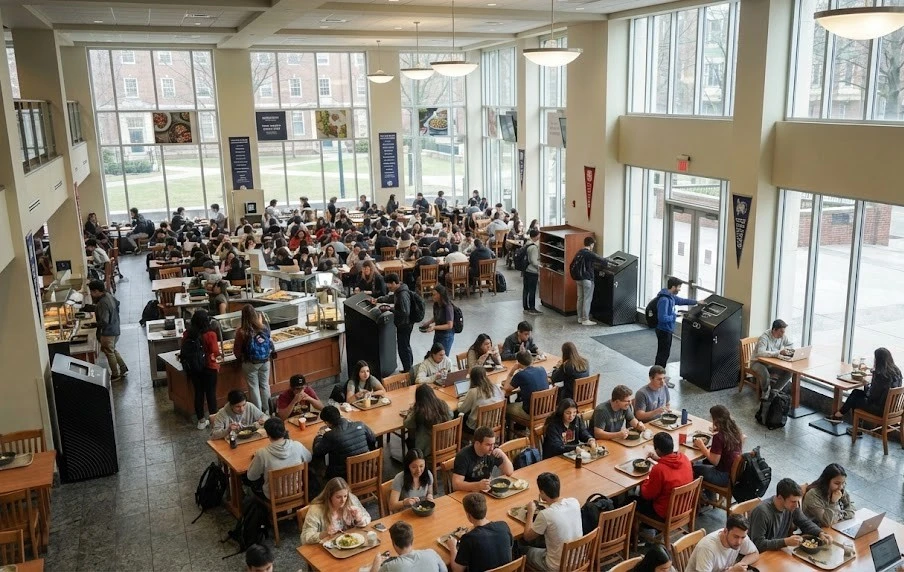
Even the most well-funded educational campaigns fall flat if the right systems aren't in place. You can spend months creating posters, sending emails, and hosting events about proper waste sorting, but you’re still asking your community to manage a problem that shouldn't exist in the first place. The real issue isn't a lack of awareness; it's a lack of better options. When students and staff are handed single-use containers for every meal, the waste is already guaranteed. True change requires a shift in focus from managing disposables to eliminating them entirely. By providing a convenient and accessible reuse system, you move beyond simply telling people what to do and give them the tools to make a real difference.
The Difficulty of Changing Campus-Wide Behavior
Expecting thousands of students and staff to perfectly sort their waste every single time is an uphill battle. People are busy, distracted, and often confused by complex sorting rules. Even with the best intentions, contamination happens. More importantly, individual actions can only go so far when the system itself is the problem. As one student publication noted, "Students cannot lessen their plastic waste in dining halls because reusable containers are prohibited." When the only choice available is a disposable one, education about waste reduction becomes pointless. Instead of placing the burden of sustainability on individual choices, institutions can implement system-level changes that make the sustainable option the easiest one.
Promoting a System That Barely Exists
Many campuses have tried to solve the waste problem by switching to compostable packaging, but this often creates more confusion than clarity. You might be educating your campus community to place these items in a special bin, but where do they go from there? The reality is that very few facilities can actually process them. According to waste management experts, "most composting places can't tell them apart from regular plastic. They often remove all plastic-like items, including compostable ones, and send them to the landfill." Promoting a disposal method that barely exists in practice undermines your sustainability goals and can erode trust within your community.
Shifting the Focus from Disposal to Reuse
Instead of trying to perfect a broken disposal system, the most effective approach is to move away from single-use items altogether. The goal shouldn't be to find a "better" disposable cup; it should be to eliminate the need for one. As sustainability advocates often say, "The best solution is to avoid single-use items completely and use reusable things instead." This shift in thinking moves the responsibility from the consumer to the operator. By implementing a campus-wide reuse program, you provide a durable, convenient, and genuinely sustainable alternative. This is how you create measurable change, reduce operational costs, and build a campus culture centered on true circularity.

A Smarter Solution That Actually Works for Campuses
Instead of searching for a better disposable cup, the most effective approach is to eliminate single-use items altogether. Moving away from the "throwaway" mindset requires a system that makes reuse simple, scalable, and sustainable for your campus. The good news is that modern technology has made this more achievable than ever. A successful reuse program isn't just about providing durable containers; it's about building an integrated system that works for students and, just as importantly, for your operational staff.
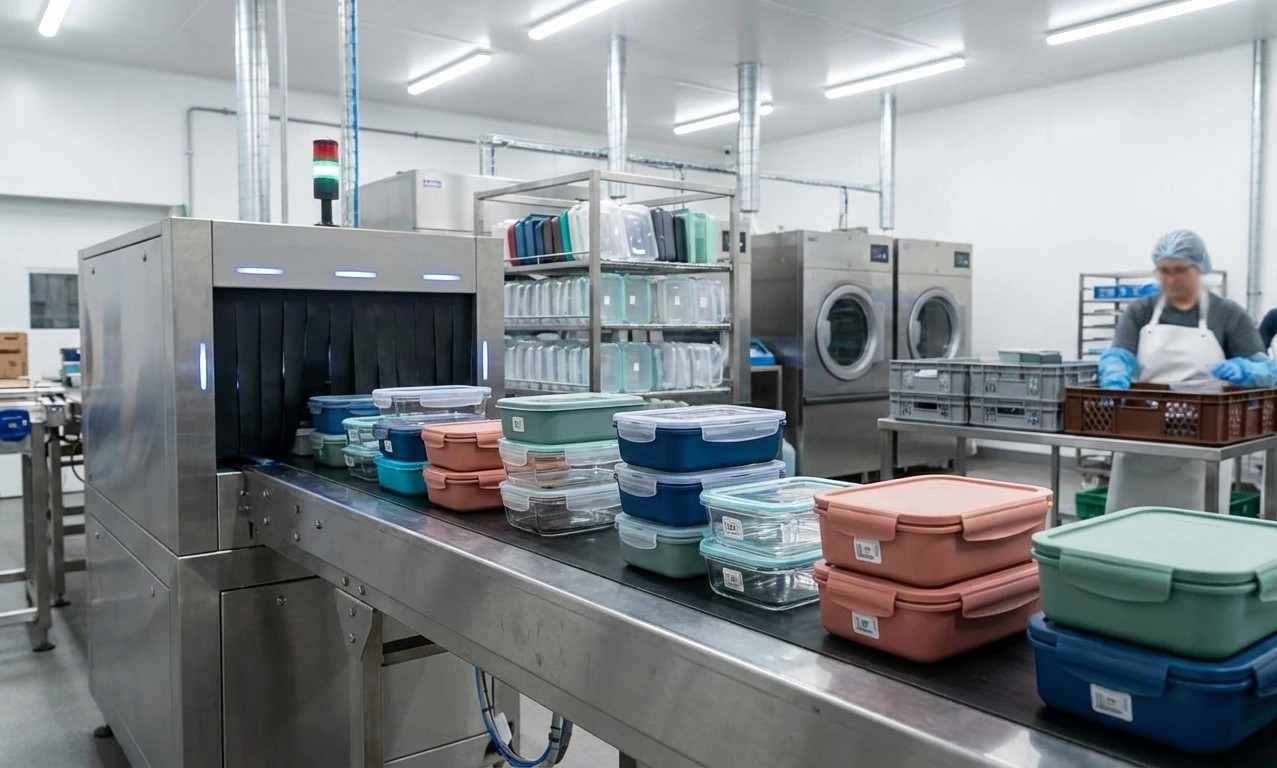
The key is to create a closed-loop system where containers are easily checked out, tracked, and returned. This removes the guesswork and manual effort that caused older reuse programs to fail. When students can grab a reusable container as easily as a disposable one, and your team has full visibility into inventory and return rates, you create a culture of reuse that sticks. This shift not only helps you meet ambitious sustainability goals but also streamlines operations and can significantly reduce your annual spending on single-use packaging. A well-designed reuse system is one of the most impactful solutions for businesses looking to make a real environmental and financial difference.
Implement Smart Reusable Containers with Tracking
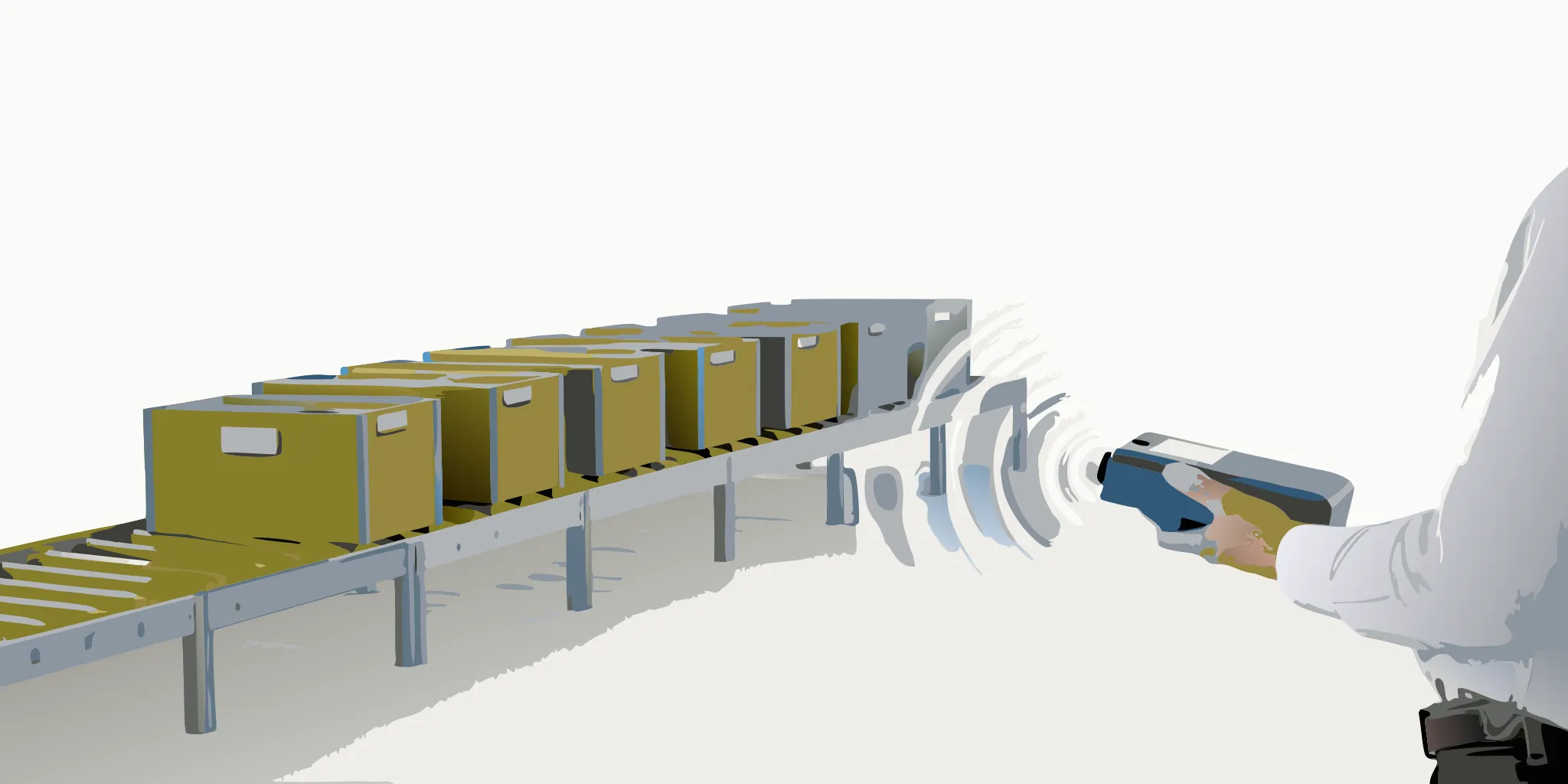
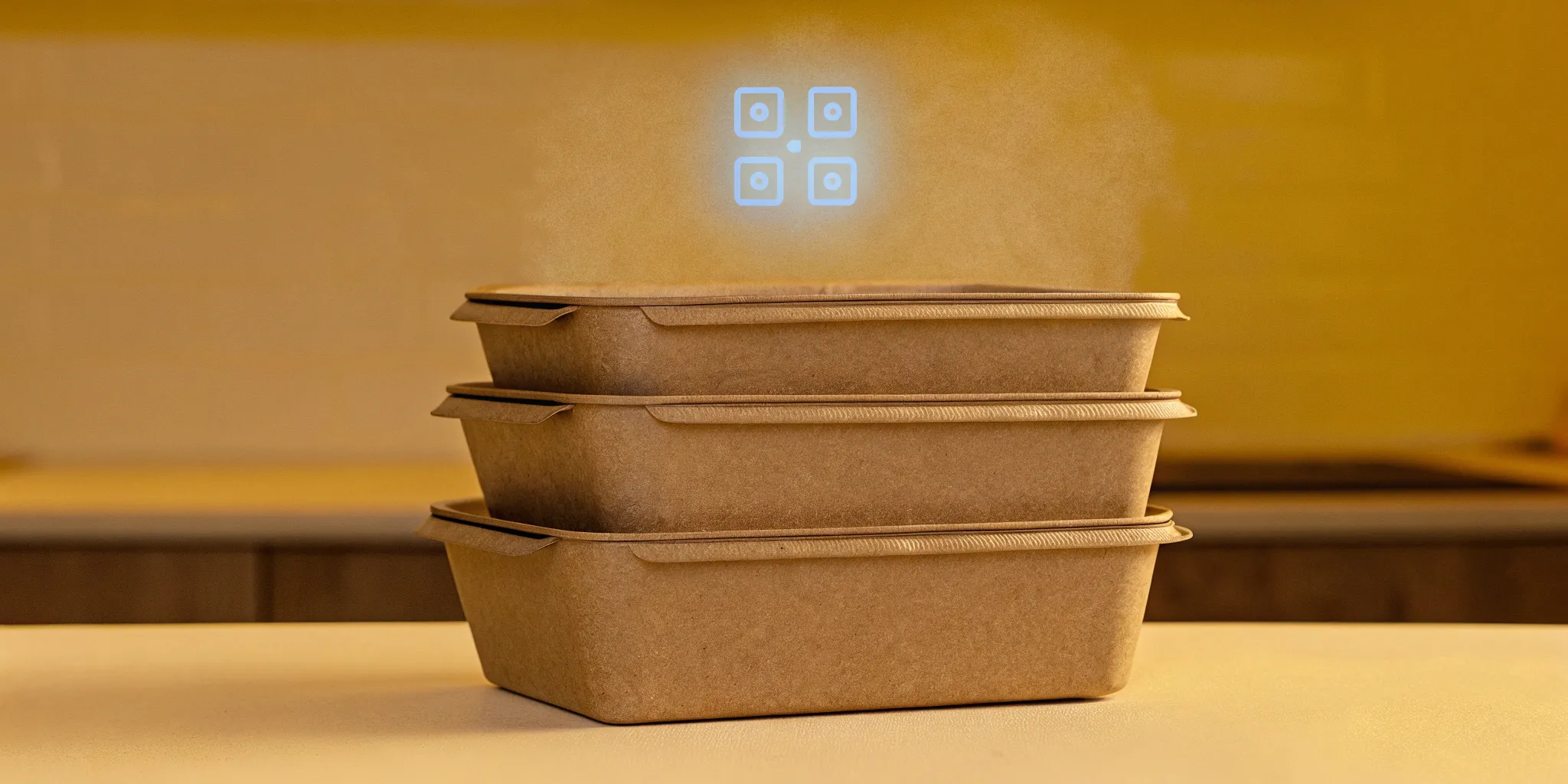
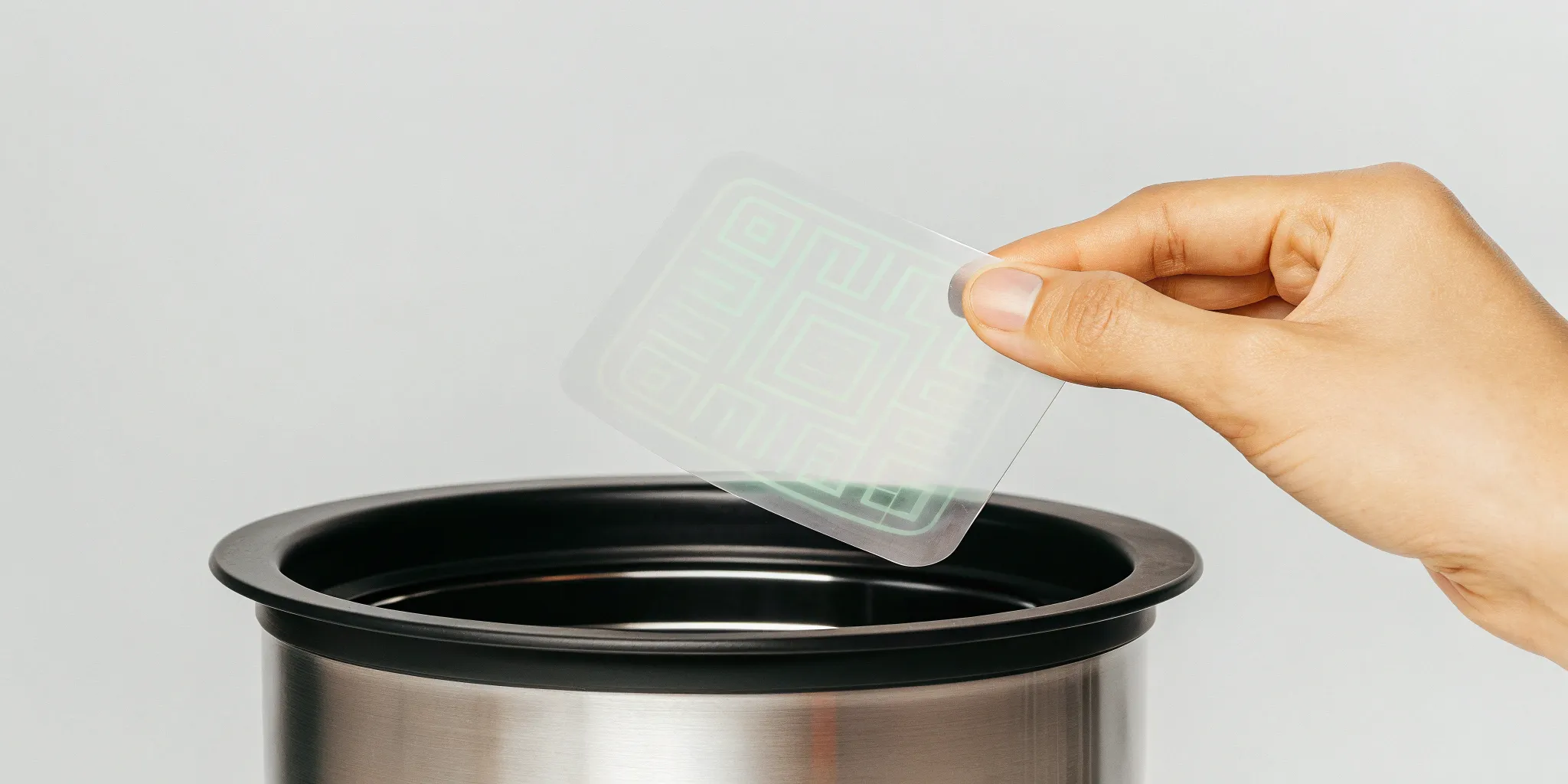
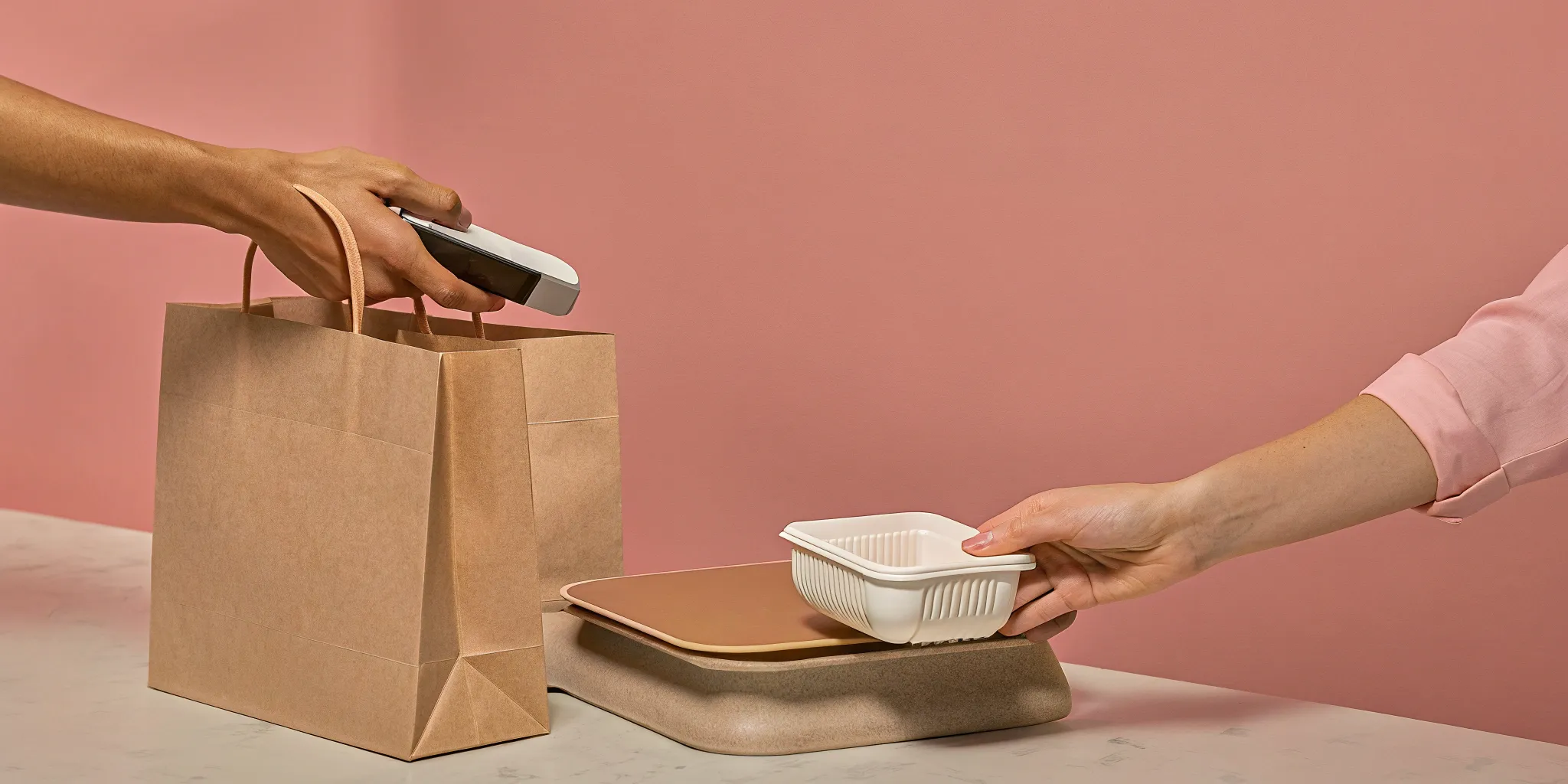
Many campuses prohibit students from bringing their own reusable containers for valid health and operational reasons. As one student publication noted, "Students cannot lessen their plastic waste in dining halls because reusable containers are prohibited." The solution isn't to give up on reusables, but to implement a managed system. By providing smart containers equipped with unique QR or RFID tags, you gain complete control over your inventory. This technology allows for seamless, app-free checkouts where students can simply tap their campus card to borrow a container. It transforms reusables from a logistical challenge into a trackable asset, ensuring every container is accounted for and properly sanitized between uses.
Automate Returns and Accountability
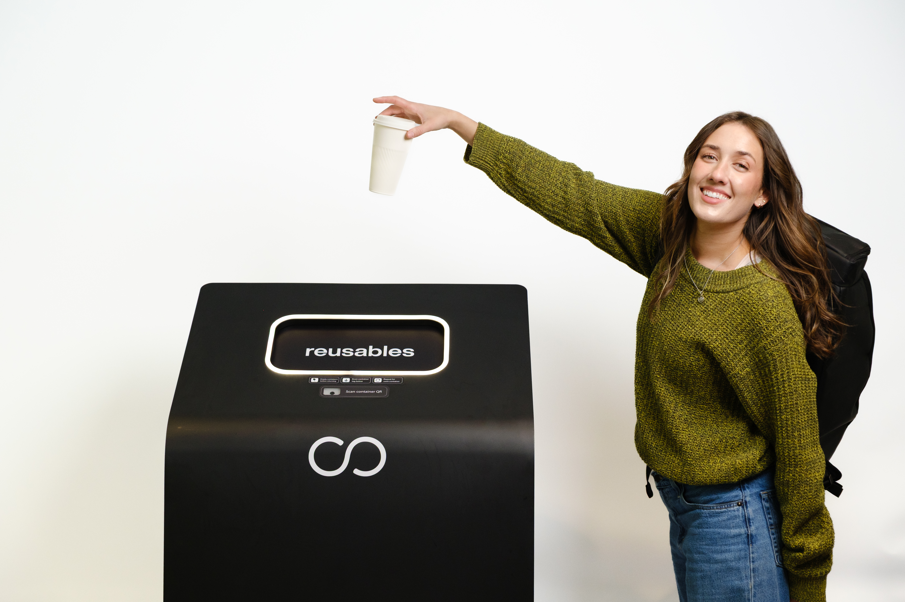
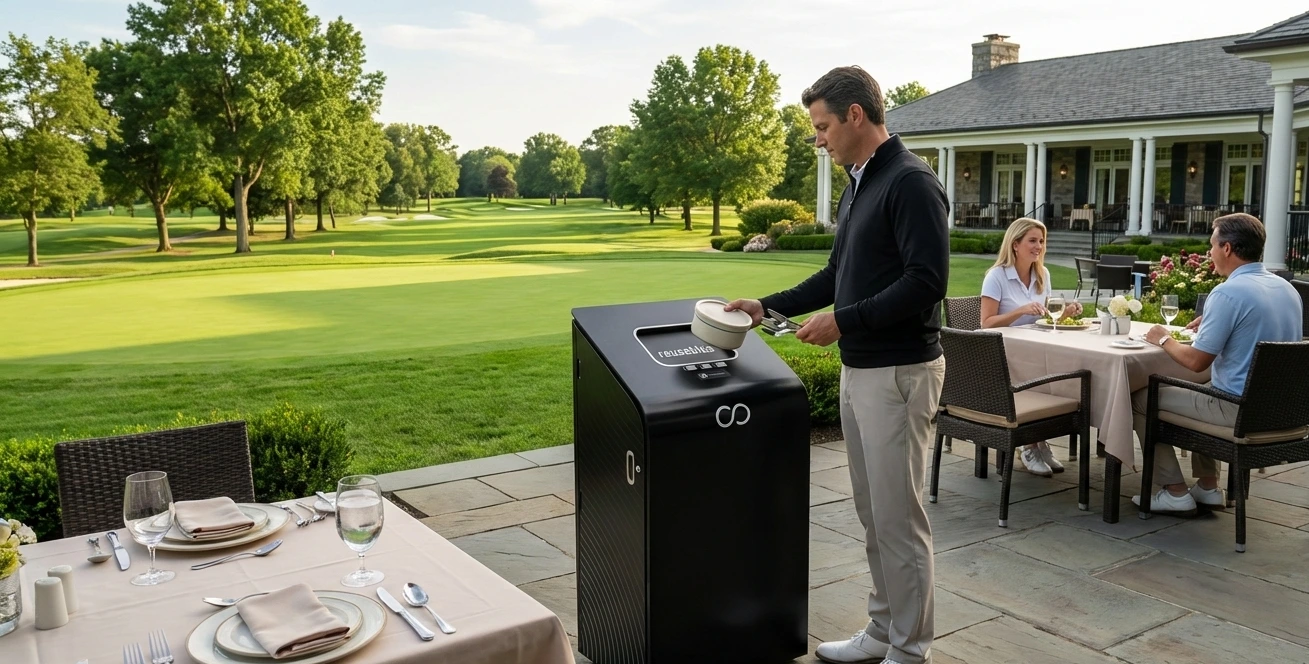
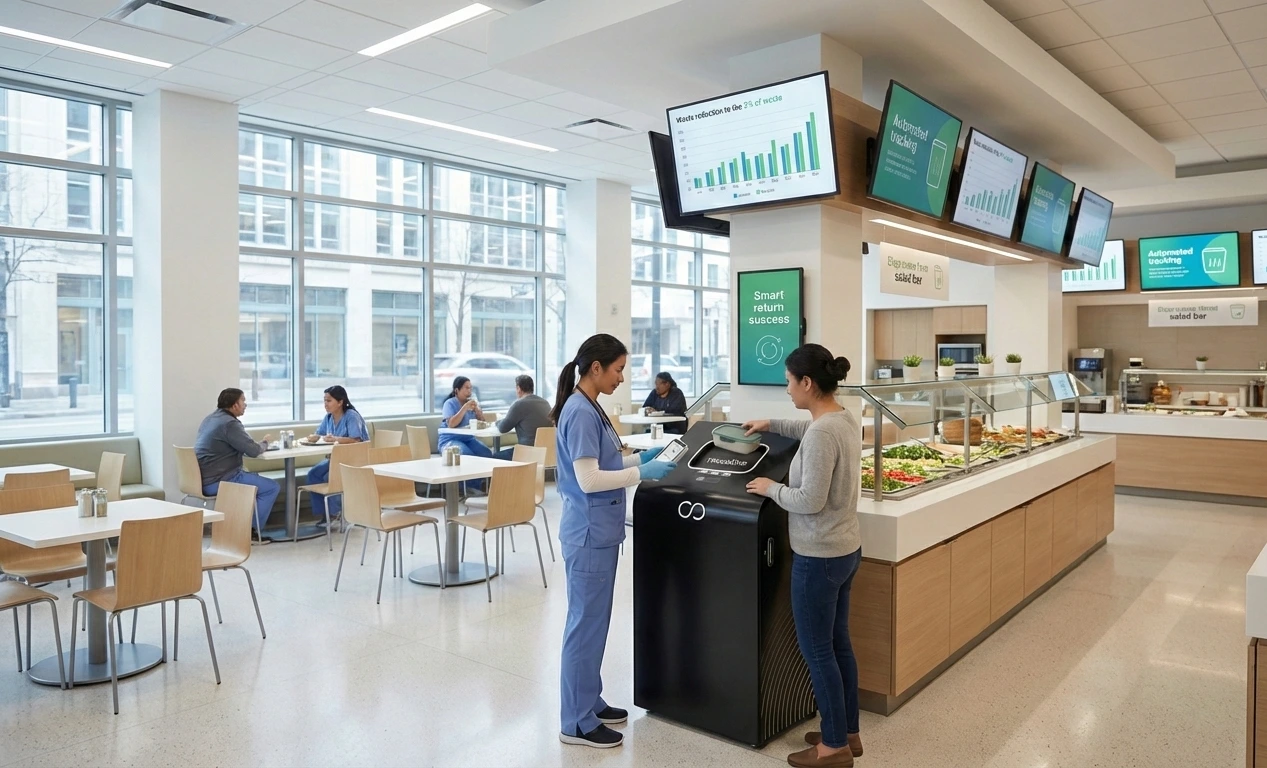
Simply handing out reusable cups and hoping for the best is a recipe for low return rates. We’ve all seen how "disposable cups can be seen stacked up on multiple pickup counters and trash bins across campus," a clear sign that convenience often wins. A successful program makes returning items just as easy as borrowing them. This is where automation comes in. With smart return bins placed in convenient, high-traffic locations, students can return containers 24/7. The system can automatically send reminders to students who have overdue items and even apply a refundable late fee if needed. This builds accountability without adding a single task to your staff’s plate, driving the high return rates needed for a program to be successful and financially viable.
Cut Costs and Generate New Revenue
Switching to a reuse system is a powerful financial decision. The cost of single-use packaging has skyrocketed, and many institutions spend tens of thousands of dollars annually on items that are used once and thrown away. While there's an initial investment in durable containers and technology, the long-term savings are substantial. As one university found, making "small changes such as swapping reusable metal or compostable cups" can be a quick and effective move. A well-run reuse program can reduce your packaging and waste costs by 30% or more. Plus, innovative systems can create new income streams. For example, smart return bins can feature digital screens for campus messaging or paid advertising, generating revenue that can help fund the program itself.
Your Next Steps to Reduce Single-Use Waste
After seeing the challenges and hidden costs of compostable packaging, it’s clear that a different approach is needed. Shifting focus from disposable items to a circular system of reuse is the most effective way to cut down on waste, reduce long-term costs, and meet your campus sustainability goals. Instead of investing in a disposal system that rarely works as intended, you can implement a solution that prevents waste from being created in the first place. Here’s how you can start making a real impact.
Choose a Proven Reuse System
The most direct path to reducing waste is to eliminate single-use items altogether. A well-designed reuse system replaces the endless cycle of purchasing and disposing of containers with a durable, closed-loop inventory. For a campus dining program, this means finding a system that integrates smoothly into your existing operations without causing friction for students or staff. Look for solutions for your business that offer features like app-free checkouts, smart return bins, and automated tracking. This technology ensures the program is convenient and easy to adopt, which is the key to achieving the high return rates needed for long-term success and cost savings.
Partner with a Reuse Expert
Implementing a reuse program isn't just about buying a new set of containers; it's about adopting a new operational model. Partnering with an expert who understands the campus environment is critical. A good partner will help you integrate the system with student cards and payment platforms, provide real-time data on usage and inventory, and automate accountability to keep containers in circulation. By working with a team that specializes in reuse, you can avoid common pitfalls and build a program that students are excited to use. Learn more about Reusables and how our expertise can support your campus.
Lead the Charge for True Sustainability
By moving away from single-use packaging, you position your institution as a genuine leader in sustainability. This is more than just a line item in a report; it’s a visible commitment that resonates with students, faculty, and the wider community who increasingly expect meaningful environmental action. A successful reuse program demonstrates that your campus is taking effective steps to solve the waste crisis, setting a new standard for what’s possible and inspiring others to follow. It’s a powerful way to enhance your brand and show that you value both the student experience and the planet. If you’re ready to build a waste-free future for your campus, let’s start the conversation about how to make it happen.
Related Articles
- Guide to Sustainable College Cafeterias
- Smart Reuse Programs for Campuses, Private Clubs, Offices & More
- A Guide: How to Use Transact Card for Reusables
Frequently Asked Questions
We have a campus composting program for food scraps. Can't we just add compostable cups to that? This is a great question because it highlights a common and critical misunderstanding. Most campus or small-scale composting setups are designed for organic waste like coffee grounds and food scraps, which break down at lower temperatures over time. Compostable plastics, however, require the sustained, high heat of an industrial composting facility to decompose properly. Without that specific environment, they will remain intact for years, essentially acting as a contaminant in your finished compost.
Even if they end up in a landfill, aren't plant-based compostable cups still better than plastic? It seems like they would be, but unfortunately, that's not the case. When compostable materials are buried in a landfill, they are deprived of oxygen. As they slowly break down in this oxygen-free environment, they release methane, a greenhouse gas that is significantly more potent than carbon dioxide. So, a product intended to be an environmental solution can actually contribute more to climate change than its traditional plastic counterpart when disposed of incorrectly.
What happens if compostable cups get mixed in with our recycling? This is a major operational headache for waste management systems. Compostable plastics are made from different materials than recyclable plastics like PET or HDPE. When they get mixed into the recycling stream, they are treated as a contaminant. This can lower the quality of an entire batch of recycled material, sometimes making it unusable and forcing the whole lot to be sent to the landfill.
We tried a basic reusable mug program before and lost most of them. How is a modern system different? Many institutions have been in this exact position. Older reuse programs often failed because they relied on the honor system, which led to high loss rates and a poor return on investment. Modern reuse systems solve this by integrating technology. Each container has a unique code that is scanned at checkout, linking it to a user's account. Automated reminders and smart return bins make it simple for students to return items and create accountability, ensuring you maintain your inventory.
Is switching to a full reuse system more expensive than just buying compostable cups? While there is an upfront investment in durable containers and the system to manage them, a reuse program is designed to deliver significant long-term savings. Compostable cups can cost two to three times more than conventional plastics, and that's a cost you pay with every single order. A reuse system eliminates that recurring expense. Over time, you dramatically reduce your annual spending on single-use packaging and waste hauling, making it a financially sound decision.
Other stories you may find interesting





















.webp)
.webp)







.webp)



























Watch the Webinar
Learn How to Eliminate Single-Use Waste
Get instant access to our expert webinar and discover how leading institutions reach 99% return rates through smarter reuse systems.

© Reusables™. All rights reserved.