
Campus Dining Zero Waste: A Practical Guide

December 25, 2025
The cost of disposable packaging has more than doubled in recent years, turning a line item into a major budget headache. Many dining directors are spending over $50,000 a year on single-use containers alone. This isn't just an environmental issue; it's a financial one. Implementing a campus dining zero waste program is one of the most effective strategies to reclaim that budget. It’s about shifting from a model of constant purchasing to a smarter, circular system of reuse. This guide breaks down how a well-designed reuse program can deliver significant cost savings—often between 30% and 50%—while streamlining your operations and reducing waste disposal fees.
Key Takeaways
- Treat Zero Waste as a Budget Solution, Not an Expense: Implementing a reusable container program directly tackles rising operational costs. By cutting annual spending on disposable packaging and waste fees, you can achieve significant savings and create a more financially sustainable dining program.
- Choose a Reusables System That Solves Old Problems: A successful program requires more than just containers; it needs smart technology. An integrated system automates accountability and tracking, which is the key to achieving high return rates and simplifying workflows for your staff.
- Make Participation Effortless for Students and Staff: The key to high adoption is convenience. A system that uses existing student IDs for checkout and provides automated returns removes barriers for students and eliminates manual tracking for your team, ensuring the program runs smoothly.
Why Go Zero Waste in Your Campus Dining Hall?
Switching to a zero-waste model in your dining operations might seem like a huge undertaking, but the benefits go far beyond just helping the environment. It’s a strategic move that can cut significant costs, streamline your operations, and build a campus culture that students are proud to be a part of. Let’s break down what going zero waste really means and why it’s one of the smartest decisions you can make for your campus.
What "Zero Waste" Means for Food Service
When we talk about "zero waste," we're not just talking about adding more recycling bins. Zero Waste is a philosophy that encourages a complete redesign of how resources flow through your dining hall. The goal is to prevent waste from being created in the first place. Instead of a linear "take, make, dispose" model, you create a circular system where everything is reused, composted, or recycled. For food service, this means looking at everything from how you source ingredients to the containers you serve food in, aiming to divert as much as possible from landfills and incinerators. It’s a fundamental shift from managing waste to eliminating it.
The Environmental and Financial Toll of Dining Waste
The status quo is becoming increasingly costly. Disposable packaging costs have skyrocketed over 200% in the last few years, with many universities spending over $50,000 annually on single-use containers alone. Beyond the budget, there's the environmental price. Food waste is a major issue on campuses, and when it ends up in a landfill, it decomposes and produces methane, a potent greenhouse gas. The sheer volume of single-use plastics and food scraps from dining halls contributes to greenhouse gas emissions and resource depletion, an impact that today’s students are keenly aware of and pushing institutions to address.
How a Zero Waste Program Saves Your Budget
Implementing a zero-waste program is a direct path to significant savings. By focusing on reuse, you can dramatically reduce purchasing costs for disposable items. In fact, schools using reusable food containers report annual packaging cost savings of 30 to 50 percent, since each container can be used hundreds of times. This approach also cuts down on waste disposal fees, which can be a major line item in any operational budget. A well-run reuse system doesn't just reduce waste; it creates a more efficient and financially sustainable dining program for the long term.
4 Key Strategies for a Zero Waste Dining Program
A successful zero-waste program is more than just putting out a few new bins. It’s a multi-faceted approach that addresses waste at every point in your operation, from purchasing to disposal. By focusing on four key areas, you can build a comprehensive system that significantly reduces your environmental footprint and operational costs. These strategies work together to create a circular system where waste is minimized, resources are conserved, and your dining program becomes a campus leader in sustainability. Let's walk through the practical steps you can take in each area.
Manage Organic Waste with Composting
Food scraps and other organic materials are some of the heaviest and most voluminous components of dining hall waste. When sent to a landfill, they produce methane, a potent greenhouse gas. A campus composting program is a powerful way to divert this waste and turn it into a valuable resource. For example, NC State University’s "Zero Waste Workplace" initiative uses designated bins in dining areas to collect everything from coffee grounds to food scraps and paper towels. By making composting just as easy as throwing something in the trash, you can dramatically reduce your landfill contributions and associated hauling fees.
Set Up Food Donation and Recovery
It’s an unfortunate reality that even the most efficient dining operations have leftover food. Instead of letting it go to waste, you can establish a food recovery program to support your community. This involves safely collecting unserved, edible food and donating it to local food banks or shelters. The University of Pittsburgh has a great model for this, with sustainability initiatives in dining that include partnerships to recover leftover food. This not only keeps perfectly good food out of the compost or landfill but also addresses food insecurity, creating a positive social impact that resonates deeply with students and staff.
Source and Procure Sustainably
Your zero-waste efforts can start long before any food is served. By making conscious choices in your procurement process, you can prevent waste from ever entering your dining halls. This means prioritizing suppliers who use minimal or recyclable packaging, buying in bulk to reduce packaging per unit, and choosing ingredients with a lower environmental impact. The University of Pittsburgh, for instance, signed the CoolFood Pledge to actively reduce greenhouse gas emissions from the food they serve. This kind of sustainable sourcing shows a deep commitment to environmental stewardship that goes beyond just managing waste on-site.
Implement a Reusable Packaging System
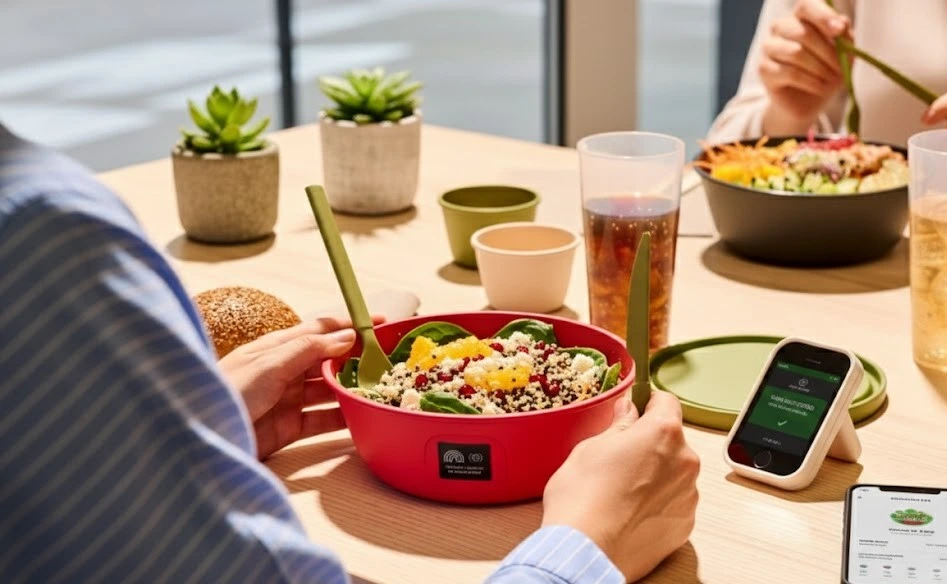
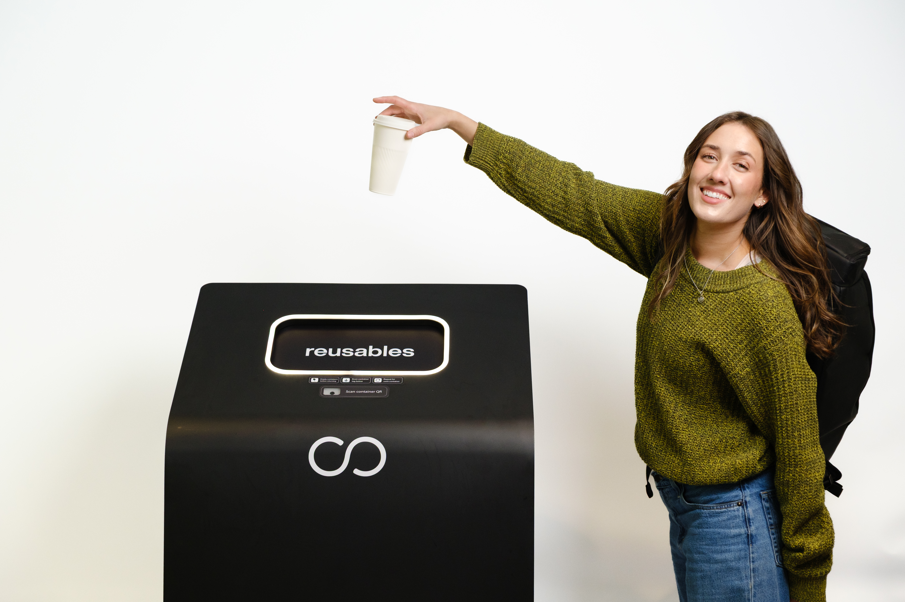
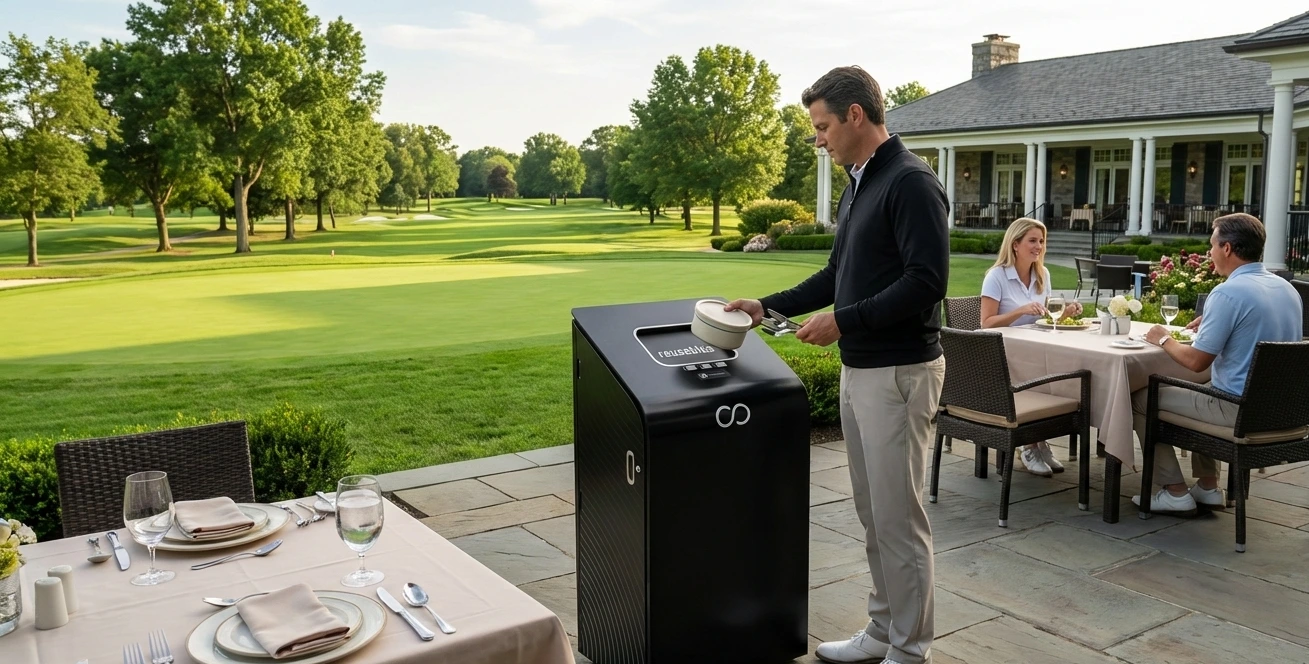
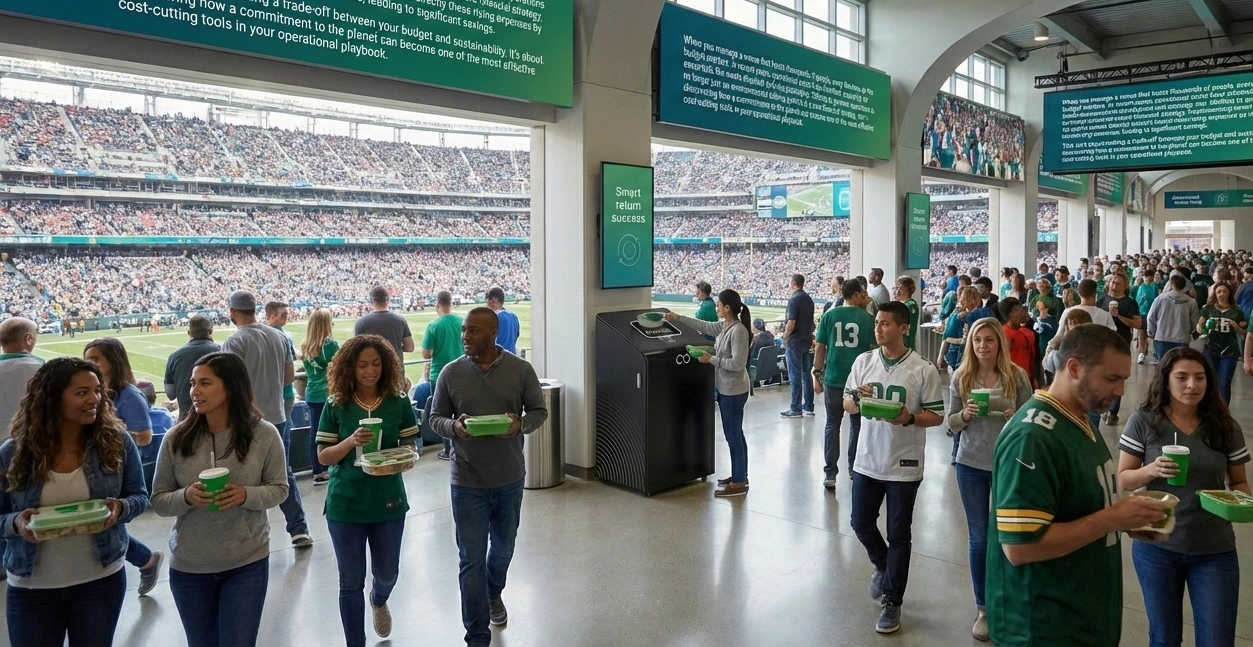
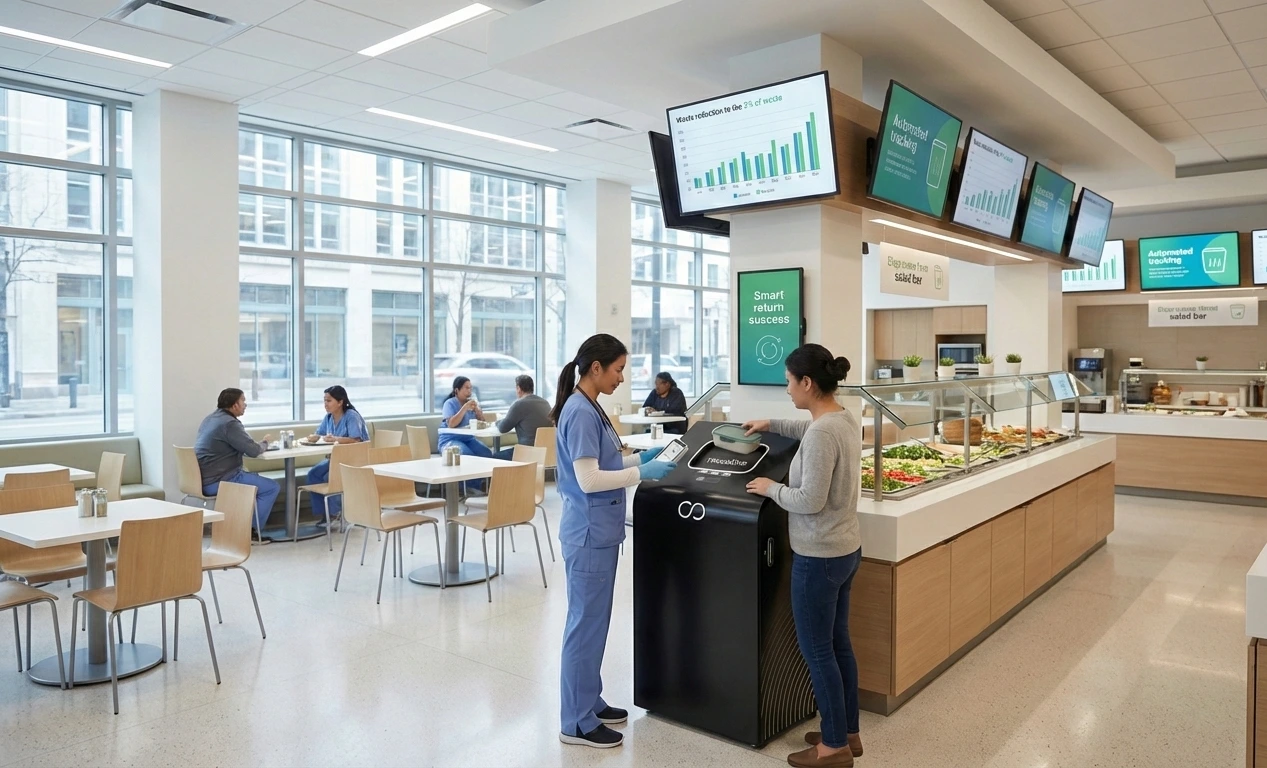
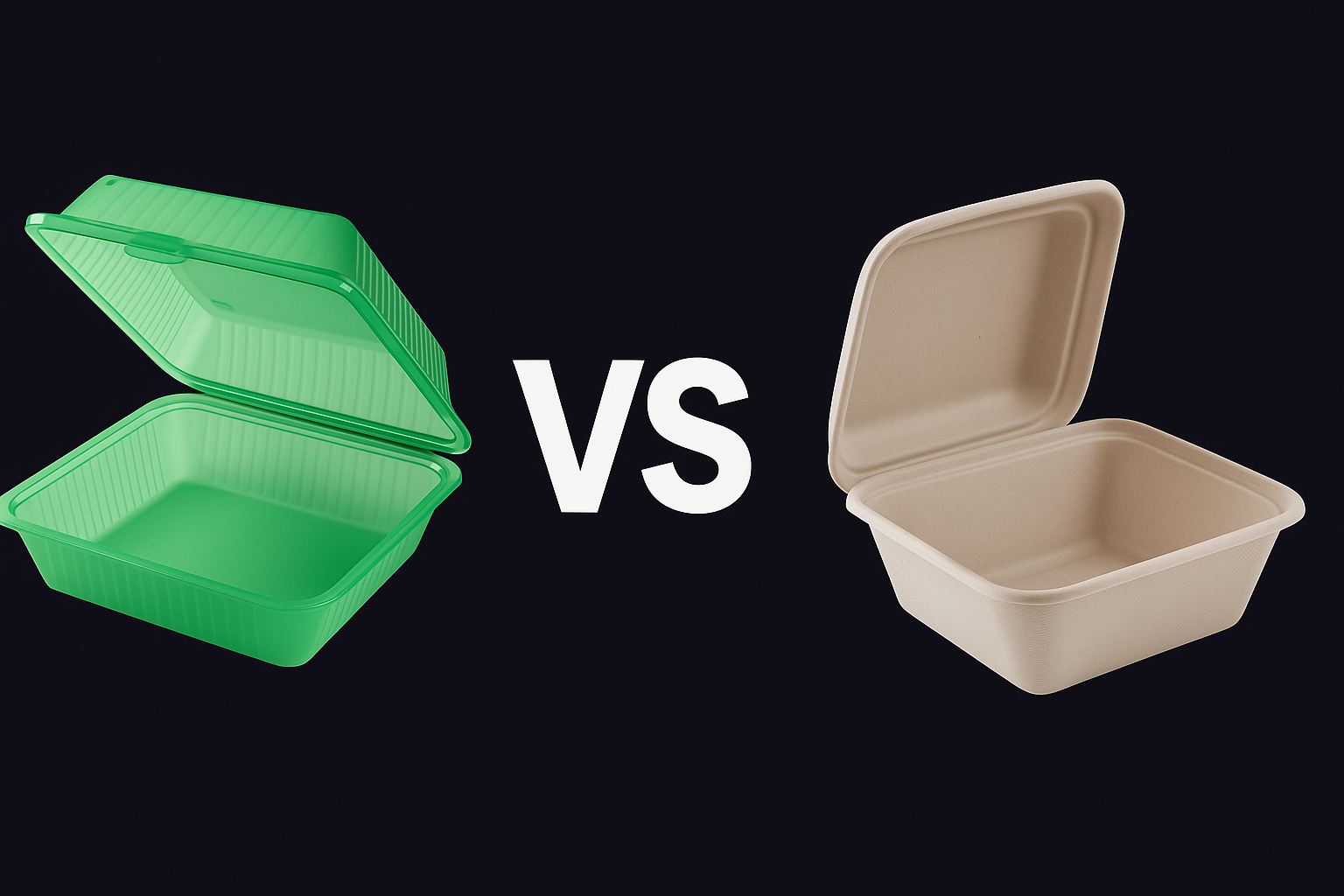
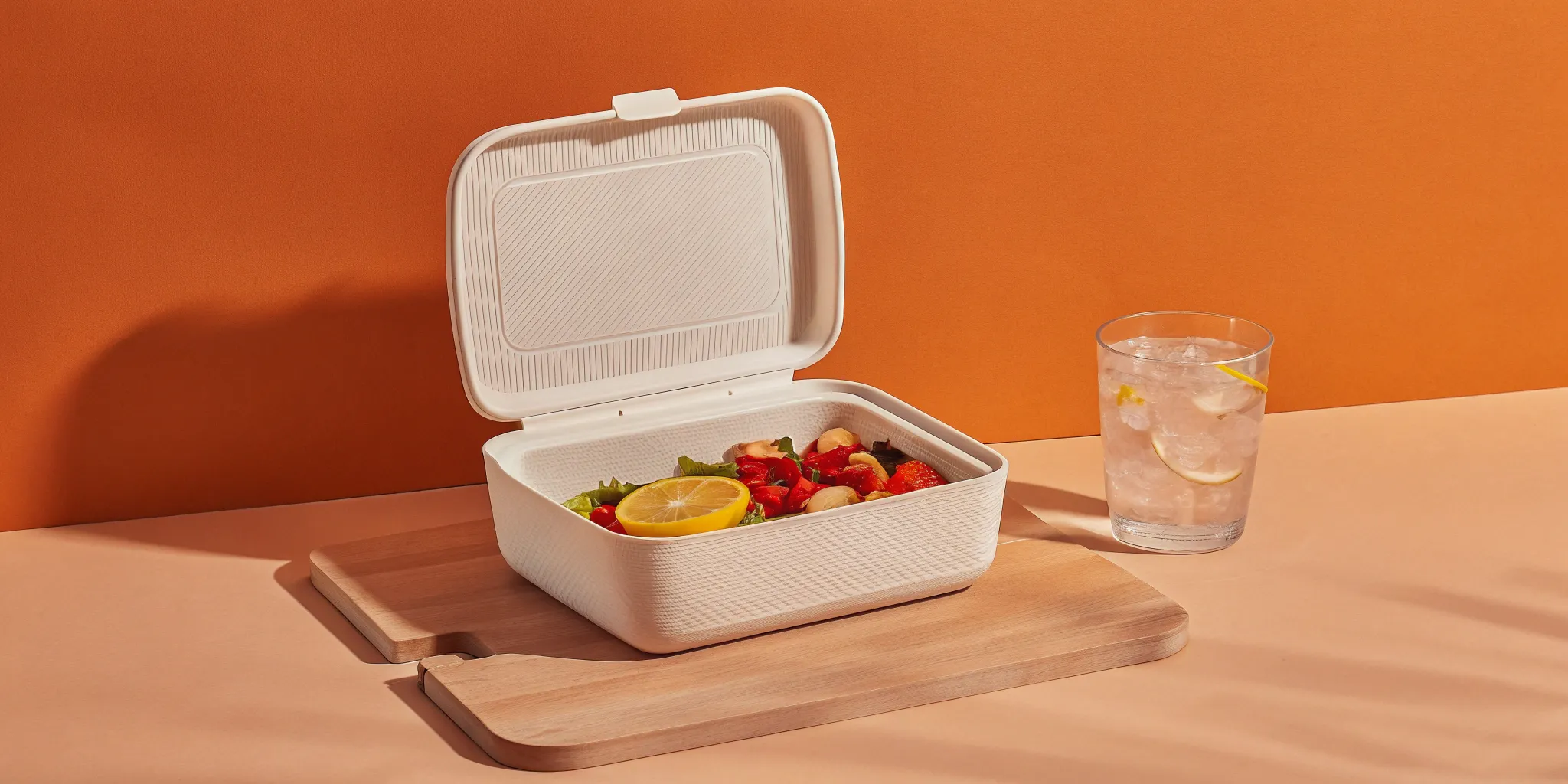
Single-use containers for takeout are a massive source of waste and a growing expense for campus dining. Shifting to a reusable packaging system is one of the most impactful changes you can make. Modern reuse platforms are designed to make this transition seamless for both your team and your students. Tech-enabled systems, like those from Reusables.com, use smart containers and convenient return stations to eliminate disposable packaging without creating extra work. As campuses across the country adopt these innovative sustainability initiatives, they’re proving that you can cut packaging costs and meet student demand for convenience and sustainability at the same time.

The Campus-Wide Benefits of Going Zero Waste
A zero-waste program does more than just reduce trash. It creates a ripple effect of positive change across your entire campus, from your budget and operational efficiency to student life and your institution's public image. When you move away from single-use packaging, you’re not just making an environmental choice—you’re making a smart, strategic investment in your campus community's future. Let's look at the key benefits you can expect.
Cut Costs and Streamline Operations
With the cost of disposable packaging on the rise, switching to a reusable system is one of the most effective ways to protect your budget. Campuses that implement reusable container programs often see annual packaging cost savings between 30% and 50%. By using each container hundreds of times, you drastically cut purchasing needs and reduce landfill fees. This shift also simplifies your daily workflow. Modern reuse systems eliminate the need to manage clunky deposits or token programs, freeing up your staff to focus on what they do best: providing an excellent dining experience for your students.
Improve Student Satisfaction and Well-being
Today’s students are passionate about sustainability, and they expect their university to share those values. A well-designed zero-waste program can significantly improve the student dining experience. At UCLA, for example, students quickly adopted a reusable container system because it was convenient and aligned with the university’s commitment to the environment. Offering a simple, sustainable choice shows you’re listening to what students care about. This shared purpose fosters a stronger sense of community and pride, making the dining hall a place where students feel good about their impact.
Build Your Reputation as a Sustainability Leader
A visible commitment to zero waste is a powerful statement about your institution's values. Adopting innovative practices like a reusable packaging system positions your campus as a forward-thinking leader in sustainability. This reputation is a major draw for prospective students and faculty who prioritize environmental responsibility. When you showcase your efforts—much like the University of Pittsburgh does by focusing on reducing food waste and lowering emissions—you build a compelling story. This commitment demonstrates that your institution is not just educating the next generation but is actively creating a better, more sustainable future for everyone.
How to Engage Students as Zero Waste Champions
Your zero-waste program's success hinges on student participation. But students can be more than just participants—they can be your most passionate advocates. When you tap into their energy for sustainability, you create a powerful, campus-wide movement. The key is to empower them to lead, build lasting habits, and have some fun along the way. By making students active partners, you build a culture of reuse that lasts long after they graduate.
Support Student-Led Advocacy and Education
Student-led environmental groups are a powerful resource on your campus, so partner with them. Give them a platform to share ideas and a seat at the table when making decisions about your dining program. These students are your most effective peer-to-peer educators, helping explain the "why" behind your reuse program. As campus initiatives have shown, students can effectively advocate for reducing plastic waste and collaborate with administrators on sustainability goals. Support their campaigns and provide them with data on your program's impact. When students feel heard and valued, they become invested in the program's success.
Encourage Daily Sustainable Habits
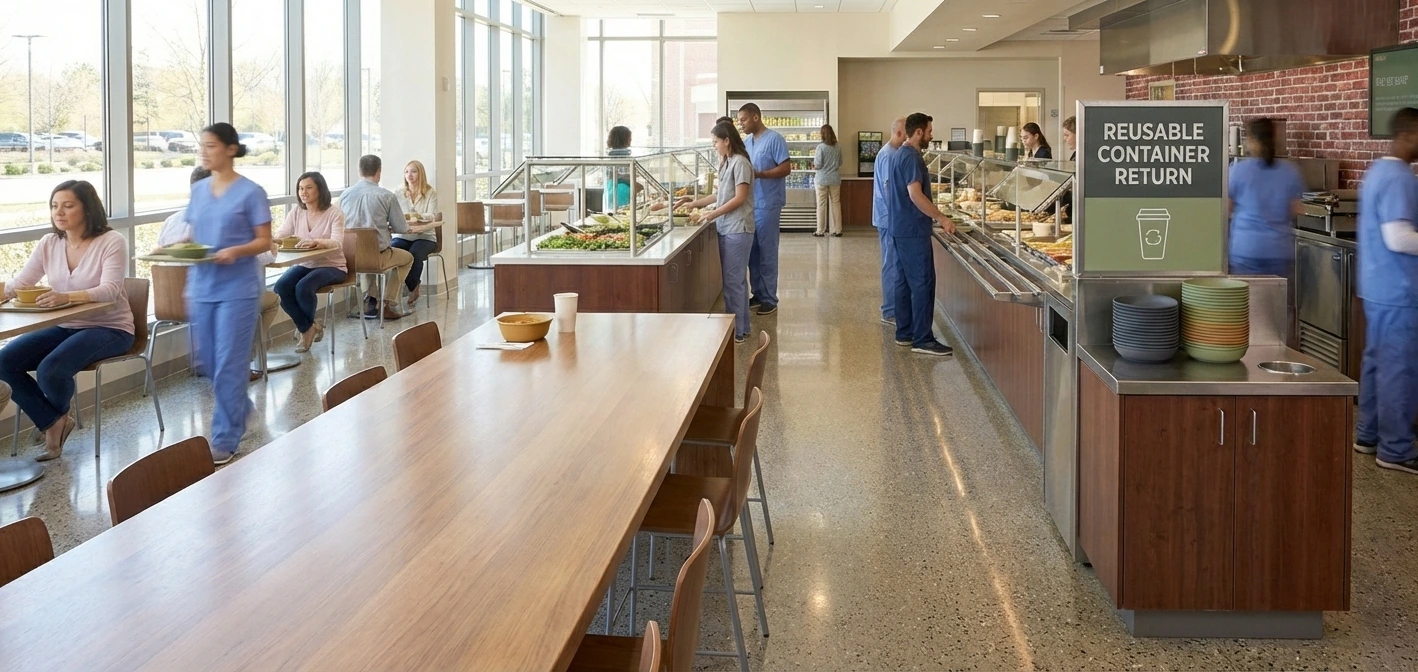
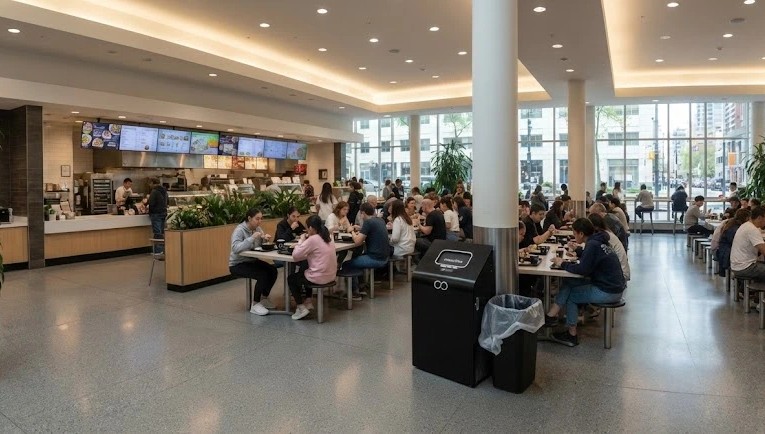
For zero-waste practices to stick, they need to be simple. Your goal is to make reusing a container as easy as throwing one away. This starts with a frictionless user experience, like strategically placed smart return bins and clear signage. A successful program needs everyone to work together and keep learning about waste reduction. By making students more aware of their choices and providing easy alternatives—like a simple tap-to-reuse system that doesn't require an app—you lower the barrier to entry. The easier it is for students to participate, the more likely they are to build lasting sustainable habits.
Launch Campus-Wide Challenges and Contests
A little friendly competition can go a long way. Gamification turns the daily act of reusing into a shared, engaging experience. Launch campus-wide challenges that pit dorms against each other to see who can achieve the highest reuse rates. Displaying real-time leaderboards in dining halls can spark excitement. Programs like the Campus Race to Zero Waste show how competition rallies a community around a common goal. Offer prizes for top participants or host events to celebrate milestones. These contests create buzz, foster a sense of community, and make sustainability a fun and visible part of campus culture.
Overcoming Common Zero Waste Challenges
Launching a zero-waste initiative is a significant step, and like any major operational change, it comes with its own set of challenges. You might be worried about securing the budget, getting students and staff on board, or adding more work for your already busy team. These are valid concerns that nearly every dining director faces when considering a shift to reusables. The good news is that these hurdles are entirely manageable with a smart strategy and the right tools.
The key is to anticipate these obstacles and choose a system designed to solve them from the start. A successful program isn't just about having reusable containers; it's about having an integrated system that makes participation easy for students, simplifies workflows for your staff, and provides a clear return on investment. By addressing potential issues like budget constraints, behavioral change, and staff training head-on, you can build a program that not only meets your sustainability goals but also enhances your entire dining operation. Let's walk through some of the most common challenges and how to approach them effectively.
Working with Budget and Infrastructure Limits
Financial and infrastructure constraints are often the first hurdles to clear. Many campuses operate with tight budgets, and the idea of a large capital investment can be a non-starter. Common obstacles to sustainable waste management often include insufficient funding and the high cost of new infrastructure. However, a modern reuse program should be viewed as a cost-saving investment, not just an expense. With the cost of disposable packaging rising sharply, switching to reusables can generate significant annual savings. A tech-first system like Reusables.com is asset-light, integrating with your existing campus card and payment systems to avoid a costly infrastructure overhaul. This approach allows you to cut packaging costs and achieve a positive ROI without a massive upfront investment.
Tackling Behavioral Change and Contamination
Getting thousands of students to adopt a new habit can feel like a monumental task. The success of any reuse program hinges on making it incredibly simple for users to participate. If the process is clunky or inconvenient, students will revert to old habits, and return rates will suffer. That’s why focusing on behavioral change is so critical. The best systems remove friction entirely. For example, an app-free "Tap to Reuse" checkout that works with a student ID card makes borrowing a container effortless. To ensure containers come back, automated accountability and conveniently placed smart return bins are essential. This combination of ease and accountability drives the high return rates needed for a program to be successful and financially viable.
Training Staff and Adjusting Workflows
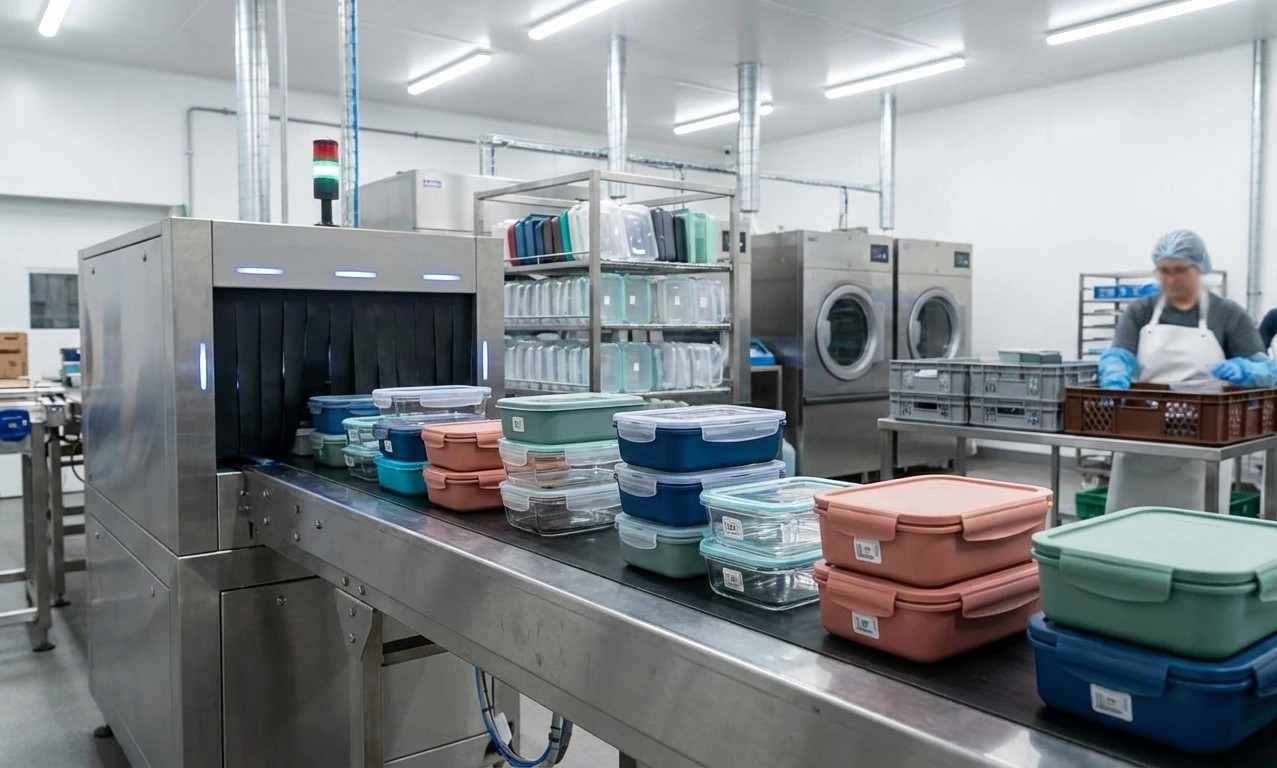
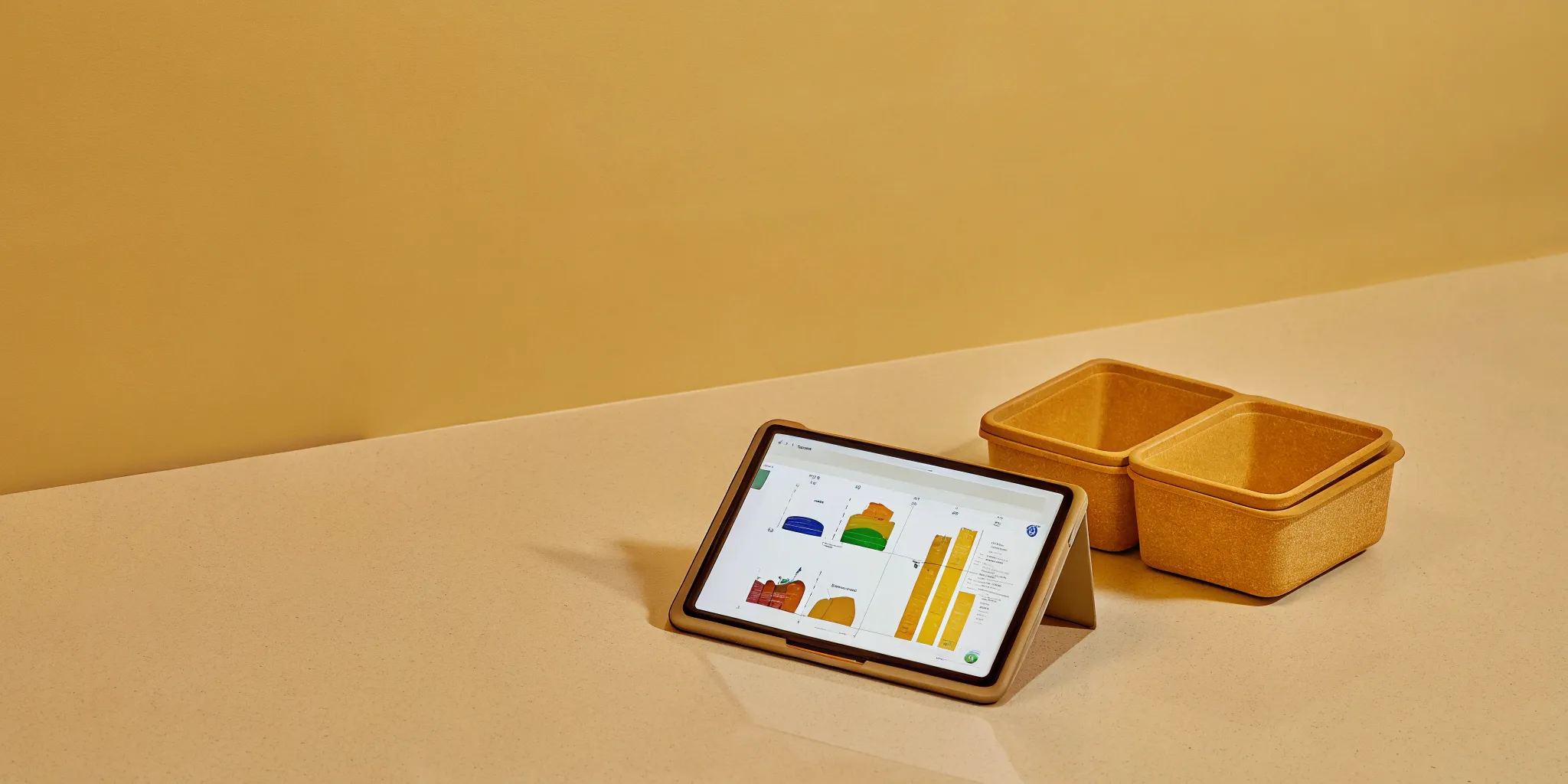
A new system is only as good as the team that runs it, which makes staff training and seamless workflow integration crucial. Your team is already managing complex daily operations, and the last thing you want is to introduce a program that adds to their workload. Implementing a reuse system requires clear communication and training so everyone understands the new processes and their role in the program's success. The right technology partner can make this transition smooth. Look for a system with an intuitive operator dashboard that provides real-time data on inventory and bin fullness. Features like automated reminders and late fees also remove the burden of enforcement from your staff, allowing them to focus on providing great service instead of chasing down containers.

How to Measure Your Program's Success
Launching a zero-waste initiative is a huge accomplishment, but the work doesn’t stop there. To keep the momentum going, you need to show that your efforts are making a real difference. Measuring your program's success isn't just about numbers on a spreadsheet; it's about telling a powerful story of impact. Solid data helps you justify your budget, get buy-in for future projects, and fine-tune your strategy to make it even more effective.
Think of it as your program’s report card. Are you hitting your waste reduction targets? Is the campus community on board? Are you saving money? Answering these questions with clear metrics turns your sustainability goals from abstract ideas into tangible achievements. When you can point to specific data—like a 40% drop in landfill waste or a 99% container return rate—you build a compelling case for why zero waste is not just good for the planet, but also great for your campus operations and bottom line. Tracking your progress gives you the insights needed to celebrate wins, address challenges, and keep everyone motivated on the path to zero waste.
Track Waste Diversion Rates
One of the most straightforward ways to measure your impact is by tracking your waste diversion rate. This metric shows you exactly how much of your campus waste is being diverted from the landfill through recycling, composting, and reuse. Many U.S. colleges are making huge strides by implementing strategies like reusable food container programs and food waste reduction efforts. To see how effective your program is, you need to track these diversion rates consistently. Start with a baseline waste audit before you launch your program, then conduct regular audits to monitor your progress. This data will clearly show how your initiatives are reducing your landfill footprint over time.
Measure Community Participation and Engagement
A zero-waste program is only successful if people actually participate. That’s why measuring community engagement is just as important as tracking waste. You can have the best system in the world, but it won’t make a dent without student and staff buy-in. Engaging the campus community is crucial, and you can learn from your peers who have run successful social marketing campaigns to increase awareness. Track metrics like the number of students signed up for your reusable container program, participation in waste-sorting games, or engagement with your sustainability-focused social media posts. These numbers give you a clear picture of how well your message is resonating and where you might need to focus more outreach efforts.
Monitor Container Return Rates and Accountability
If you’ve implemented a reusable container program, the return rate is your north star metric. It directly impacts your financial savings and the overall sustainability of the system. With a platform like Reusables.com, you can easily track borrowing and return rates in real-time. Monitoring these numbers helps you assess the program's financial impact and ensures accountability. Schools using this technology have reported packaging cost savings of 30% to 50% annually. For example, by continuously monitoring program data, UCLA’s dining team was able to optimize their logistics and measure cost savings, achieving an impressive 99% return rate. High return rates mean fewer containers get lost, which keeps your costs down and your program running smoothly.
Your First Steps to a Zero Waste Campus
Ready to start your campus on the path to zero waste? It’s a big goal, but breaking it down into clear, manageable steps makes it achievable. Instead of trying to change everything at once, focus on building a solid foundation for your program. A thoughtful approach will set you up for long-term success, creating a more sustainable and cost-effective dining experience for everyone. Here are the first three steps to take.
Start with a Comprehensive Waste Audit
Before you can reduce waste, you need to know exactly what you’re dealing with. A comprehensive waste audit is the essential first step to understand the types and quantities of waste generated on campus. This process involves sorting and weighing trash from different areas, like dining halls and cafes, to get a clear picture of your waste streams. The data you collect will pinpoint your biggest problem areas—like single-use takeout containers—and help you develop targeted, effective strategies for waste reduction. This data-driven approach ensures your efforts are focused where they’ll have the greatest impact.
Get Buy-In from Key Stakeholders
A zero waste program isn’t a solo project; it’s a campus-wide movement. Engaging key stakeholders—including students, faculty, and dining staff—is crucial for the success of your initiatives. Start by forming a committee or task force with representatives from each group. Share your waste audit findings and listen to their ideas and concerns. When people feel involved in the process, they become champions for the cause. Their support is what drives participation, encourages new habits, and ultimately fosters a lasting culture of sustainability across campus.
Set a Clear Timeline and Define Success
With data in hand and your team assembled, it’s time to create a roadmap. Establishing a clear timeline and defining what success looks like are vital steps in your journey toward a zero waste campus. This means setting specific, measurable goals. For example, you might aim to divert 75% of dining hall waste from the landfill within three years or achieve a 99% return rate on reusable containers in the first semester. These targets create accountability and give everyone a shared objective to work toward. Regularly assessing your progress against these goals will keep your program on track and show stakeholders the real-world impact of their efforts.
Related Articles
- Guide to Sustainable College Cafeterias
- Deposit-Free Reuse Systems and their Impact for On-Campus Dining
- A Guide: How to Use Transact Card for Reusables
Frequently Asked Questions
This sounds expensive. What's the real financial impact of switching to a reusable system? That's a fair question, as budget is always a top concern. It’s helpful to think of this as a shift in spending rather than a new cost. You're already spending a significant amount on single-use containers, and those costs are only going up. A reusable system replaces that recurring expense with an investment that pays for itself. Most campuses see packaging cost savings of 30-50% annually because each container replaces hundreds of disposables. The right tech-enabled system is designed to be asset-light, integrating with your existing campus card and payment platforms to avoid a major infrastructure overhaul.
How can we be sure students will actually return the containers? We don't want to lose our entire inventory. This is the number one reason older reuse programs failed, and it's a problem modern systems are built to solve. Success isn't about relying on goodwill alone; it's about making returns incredibly easy and creating gentle accountability. With strategically placed smart return bins and an app-free checkout using student IDs, the process becomes frictionless. The system handles accountability automatically with reminders and refundable late fees, so your staff doesn't have to. This combination of convenience and automation is why programs see return rates as high as 99%.
Will my staff have to spend all their time tracking containers and chasing down students for fees? Absolutely not. A well-designed reuse program should actually reduce your team's administrative burden. The technology is designed to handle the heavy lifting for you. The system automates everything from checkout and inventory tracking to sending return reminders and processing late fees. Your staff won't have to manually check containers in or out, nor will they be put in the uncomfortable position of policing students. Instead, they can focus on providing great food and service, while the operator dashboard gives you all the real-time data you need.
We're interested, but our campus is huge. Can we start small with a pilot program? Yes, and that’s often the smartest way to begin. Starting with a pilot program in one or two high-traffic dining halls or cafes is a great way to introduce the concept to your campus. It allows you to gather data, get feedback from students and staff, and demonstrate the program's value to key stakeholders before committing to a campus-wide rollout. This phased approach makes the transition manageable and helps you build momentum for a successful, large-scale launch.
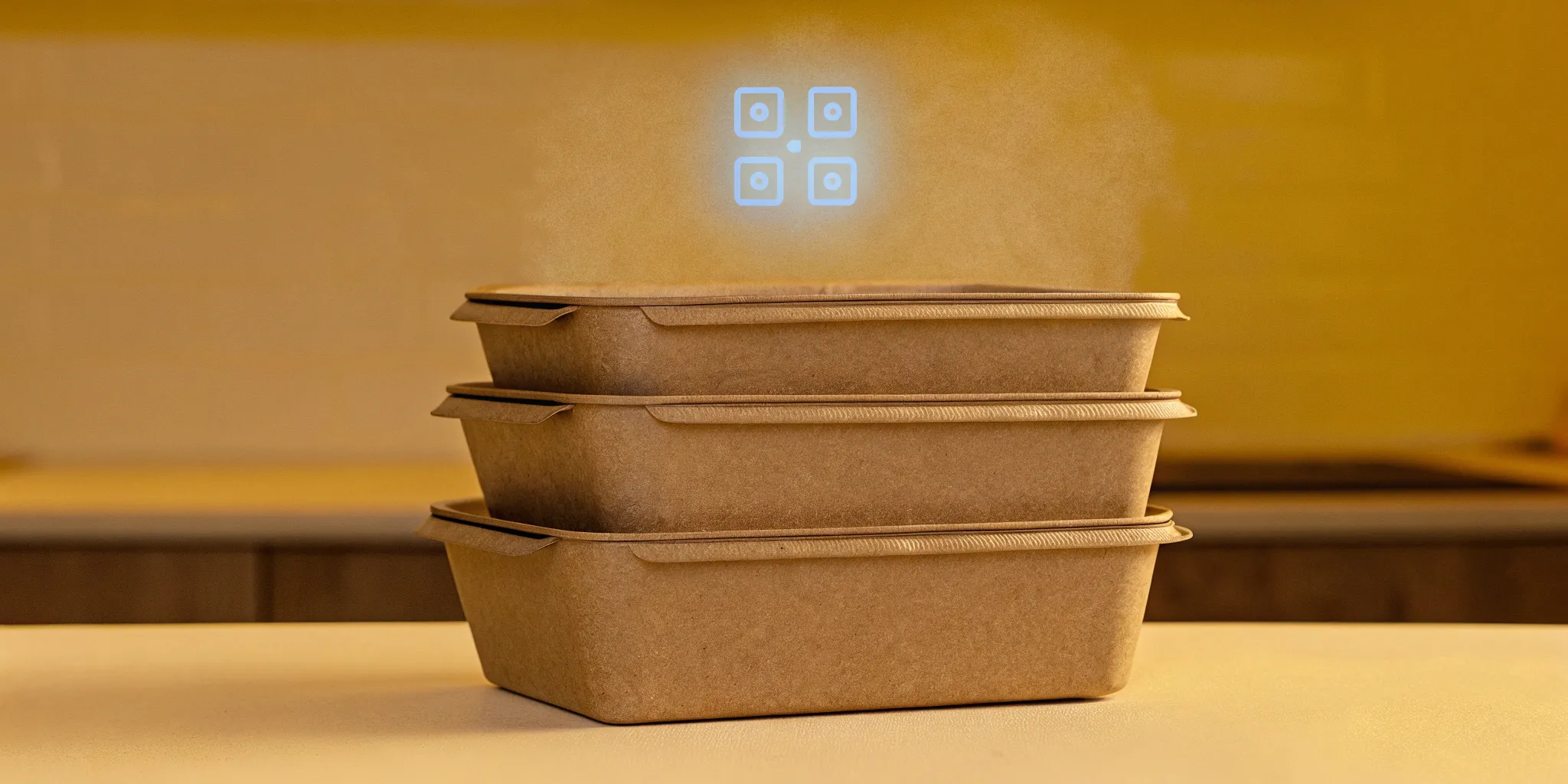
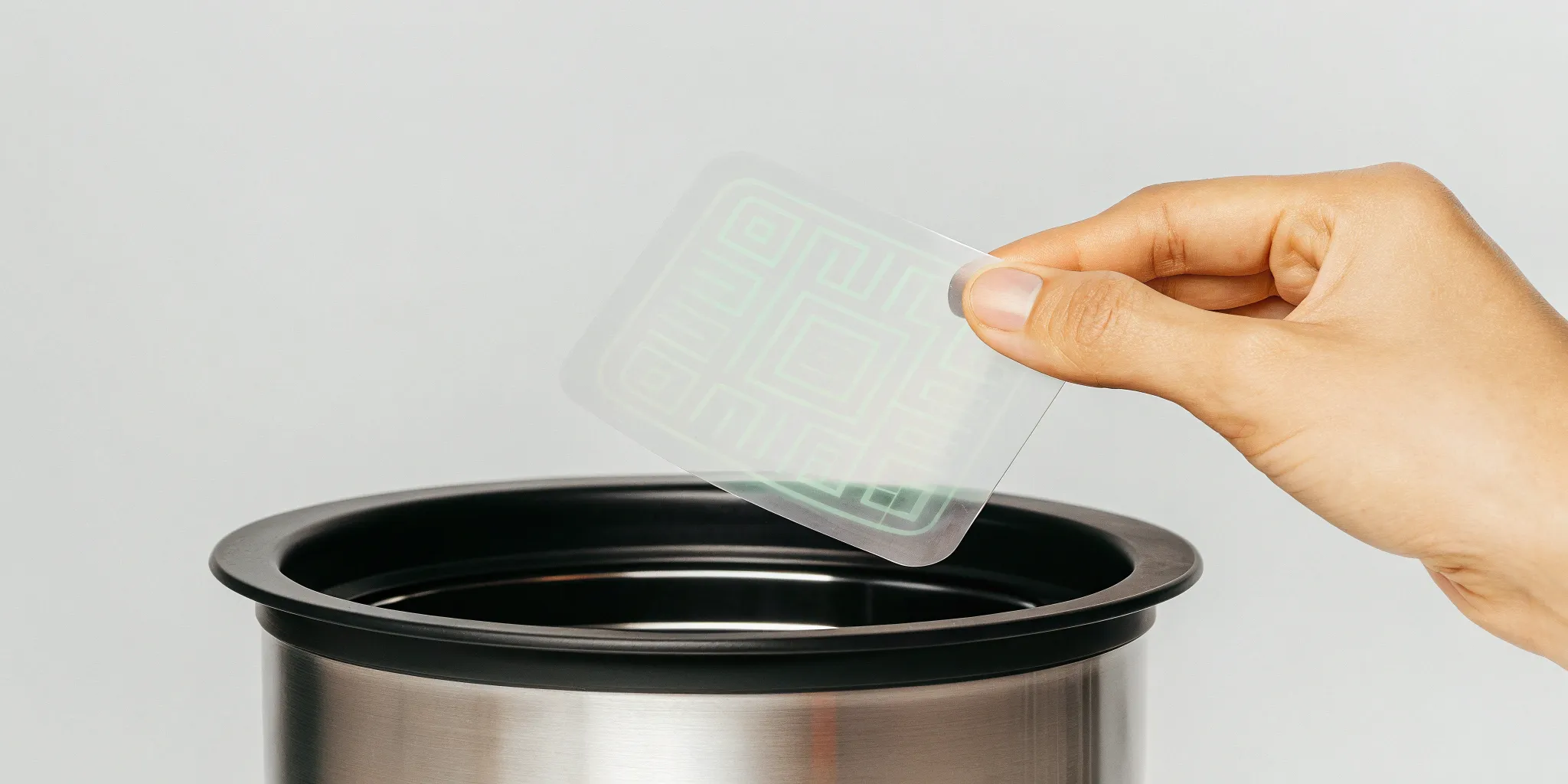
Are we locked into using one specific type of container? Not at all. Flexibility is key because every campus has different needs and preferences. A modern reuse platform should be container-agnostic, meaning it can work with your existing inventory of durable containers or help you choose from a variety of approved options, including both stainless steel and durable plastic. The technology, which uses QR and RFID tracking, can be adapted to the containers that best fit your operational workflow and budget.
Other stories you may find interesting



























.webp)
.webp)








.webp)





























Watch the Webinar
Learn How to Eliminate Single-Use Waste
Get instant access to our expert webinar and discover how leading institutions reach 99% return rates through smarter reuse systems.

© Reusables™. All rights reserved.