
How to Reduce Disposable Container Costs at Your University

February 17, 2026
What if you could significantly cut your annual packaging budget while simultaneously hitting your campus sustainability targets? A modern, tech-enabled reuse program makes this possible, turning a major expense into a smart investment. It’s about more than just swapping out containers; it’s about implementing a seamless system that students actually enjoy using. By eliminating the endless cycle of purchasing and disposing of single-use items, you can achieve remarkable savings. For any dining director looking to reduce disposable container costs university operations face, this shift offers a powerful financial advantage. This article explores how the right technology not only makes reuse work but also enhances the dining experience and provides a clear return on investment.
Key Takeaways
- Calculate the Full Cost of Disposables: The sticker price on single-use containers is just the beginning. When you factor in rising waste disposal fees and operational burdens, the financial case for switching becomes clear, with many campuses saving over 30% on annual packaging costs.
- Make Reusing Easier Than Tossing: Student adoption depends on convenience. A successful program uses technology like app-free campus card checkouts and 24/7 smart return bins to make participation frictionless, driving the near-perfect return rates needed for the system to pay for itself.
- Start Smart with a Pilot Program: A smooth, campus-wide rollout begins with a focused pilot in a high-traffic dining hall. This allows you to gather direct feedback, use real-time data to refine your process, and build momentum for a successful expansion.
How Much Are Disposable Containers Really Costing Your Campus?
When you look at your budget, the line item for single-use containers probably stands out—and not in a good way. The price of disposable packaging has skyrocketed, with costs rising more than 200% in the last three years alone. Many institutions spend over $50,000 annually on disposable takeout containers, a number that continues to climb. This direct expense is the most visible part of the problem, but it’s only the beginning of the story.
Beyond the purchase price, you have to factor in the operational costs of waste management. Every disposable cup, clamshell, and fork has to go somewhere, and your campus pays to haul it all away. These disposal fees add up quickly, creating a significant and often overlooked financial drain. The more single-use items you provide, the more you pay to get rid of them.
Then there’s the environmental toll. Single-use plastics create a massive waste problem and have the highest environmental impact across the board. For universities committed to sustainability, this creates a direct conflict between daily operations and long-term institutional goals. Making a switch can drastically cut down on waste and align your dining services with the broader mission of creating a greener campus. The true cost of disposables is a combination of rising material prices, ever-increasing disposal fees, and the environmental price of landfill contributions.
What's the Environmental Cost of Single-Use Packaging?
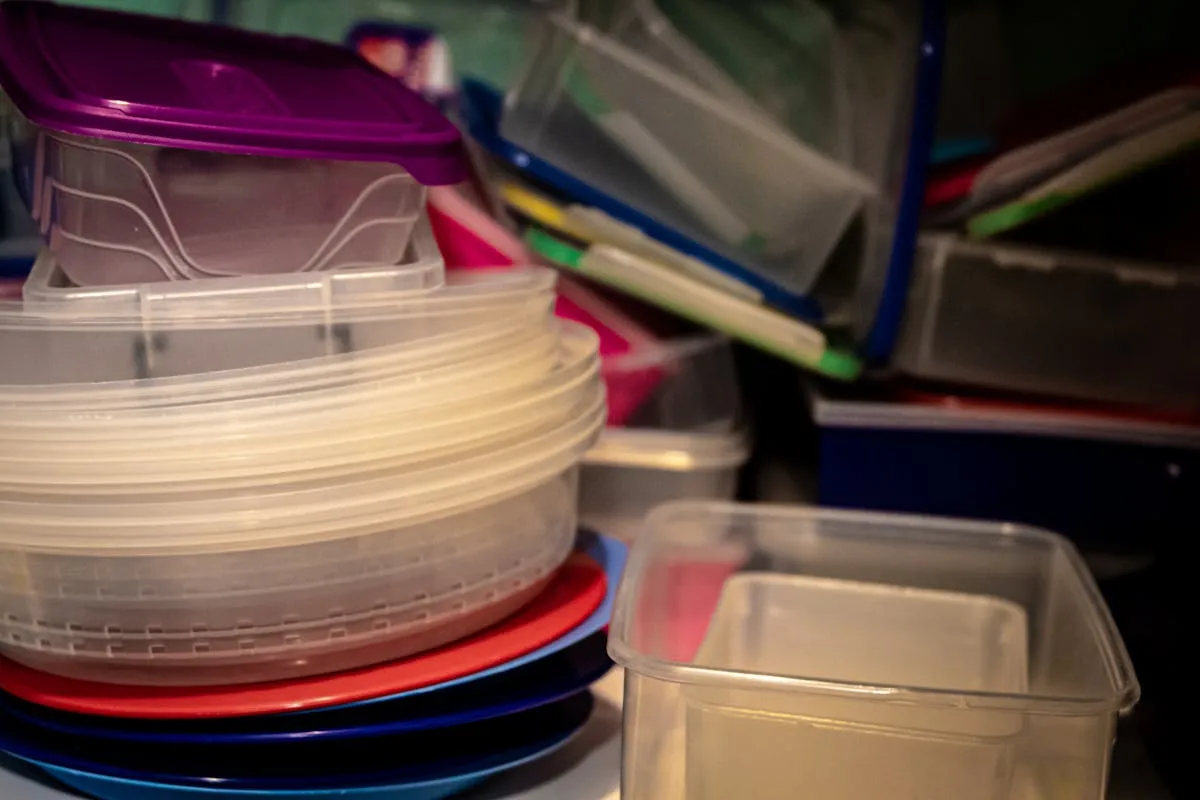
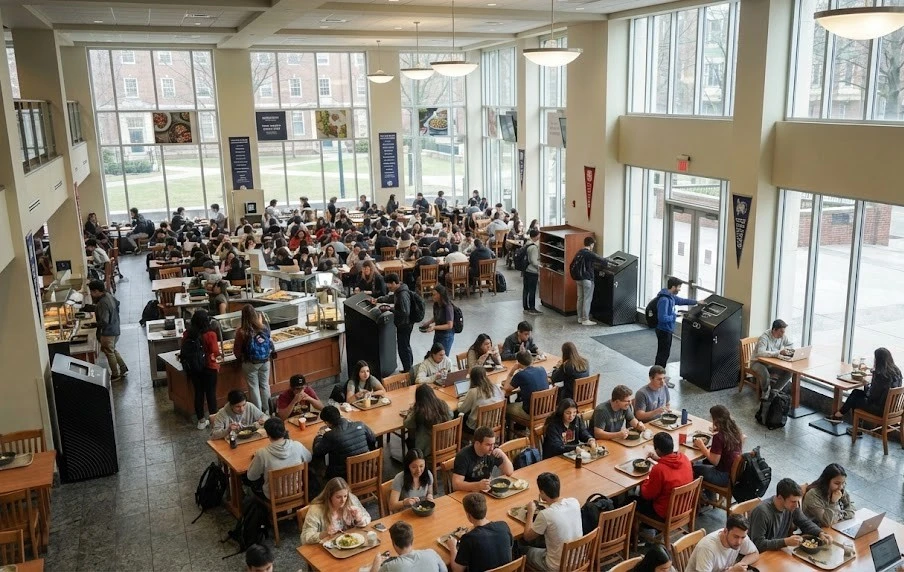
Walk through any campus dining hall during the lunch rush, and you'll see them everywhere: stacks of single-use containers. While they offer convenience for students on the go, their journey often ends in an overflowing trash bin just minutes after being used. This cycle, repeated thousands of times a day across campus, adds up to a significant environmental toll. These disposable plastics contribute to a growing waste problem for the environment and human health, creating challenges that extend far beyond campus grounds.
The impact isn't just about landfill space. The entire lifecycle of a single-use container—from manufacturing to disposal—consumes energy and resources. Research consistently shows that single-use plastic containers have the highest environmental impacts across nearly every category evaluated. This means a higher carbon footprint, more water usage, and greater pollution compared to sustainable alternatives. For universities committed to sustainability goals, addressing single-use packaging is a critical and highly visible step.
By replacing disposables with a system of durable, reusable containers, universities can directly reduce their environmental footprint. This shift does more than just cut down on trash; it helps create a more sustainable and efficient waste management system overall. It’s a practical change that demonstrates a real commitment to environmental stewardship, turning a daily point of waste into an opportunity for positive impact.

How to Save Money by Switching to Reusable Containers
Switching to a reusable container system is one of the most effective ways to reduce operational spending and meet your campus sustainability goals. With the cost of disposable packaging rising, the financial case for reuse has never been stronger. The savings aren't just about cutting one line item from your budget; they come from a combination of direct cost reduction, long-term value, and even new revenue opportunities. Let's look at how these benefits add up.
Breaking Down the Savings
The most immediate financial win you'll see is the drastic reduction in spending on single-use containers. Many schools find they can save between 30% and 50% on packaging costs annually. To put that in perspective, consider that Wesleyan University spent nearly $52,000 on disposable containers in a single school year. A reusable system would have required just a fraction of that inventory. By replacing an endless purchasing cycle with a durable, circulating fleet of containers, you can reallocate significant funds to other areas of your dining program.
Calculating Long-Term Financial Benefits
While there is an initial investment in durable containers, they deliver substantial savings over time. Think of it as shifting from a recurring operational expense to a one-time capital investment with a clear return. High-quality stainless steel or durable plastic containers are built to last for hundreds of uses, making their per-use cost far lower than any disposable alternative. This transition is a powerful step toward not only financial health but also reducing your environmental impact. The long-term financial stability and alignment with campus-wide green initiatives make reuse a smart, forward-thinking strategy for any dining services department.
Generating New Revenue with Smart Technology
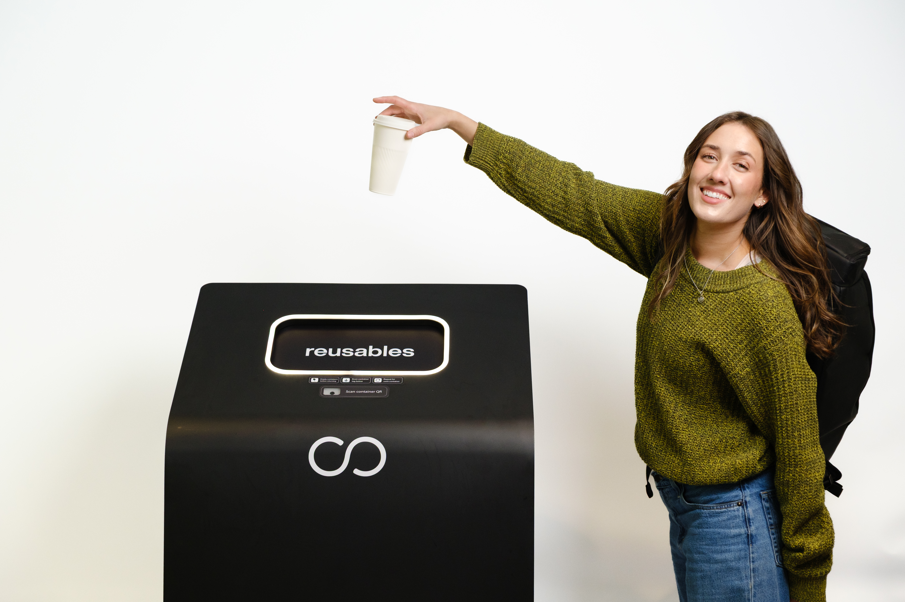
A modern reuse system does more than just cut costs—it can also create new income streams. Reusables.com’s Smart Return Bins are equipped with digital screens that can be used for campus messaging or third-party advertising, generating thousands in passive revenue per year without adding work for your staff. Furthermore, the technology that powers the system ensures accountability. Automated reminders and small, refundable late fees encourage students to return containers on time, which helps maintain a near-perfect 99% return rate. This automated process protects your inventory and eliminates the administrative headache of manually tracking down missing items.
What Tech Powers a Successful Reusables Program?
The difference between a reuse program that struggles and one that thrives often comes down to technology. Clunky, manual systems create friction for students and headaches for your staff, leading to low return rates and lost inventory. The right tech, however, makes reusing as easy as—or even easier than—throwing something away. A successful system automates the tedious parts of tracking and returns, integrates smoothly into your existing campus operations, and gives you the data you need to manage your program effectively. It’s not just about having reusable containers; it’s about having a smart, seamless system that powers the entire experience from checkout to return. This technology is what turns a well-intentioned idea into a cost-saving, waste-reducing reality for your campus.
Smart Bins and Automated Tracking
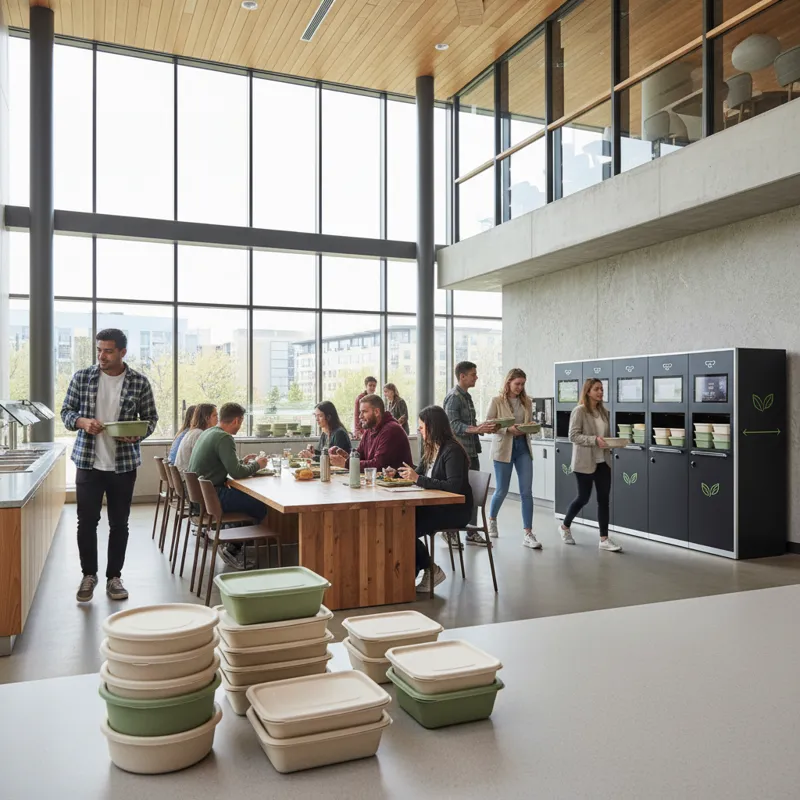
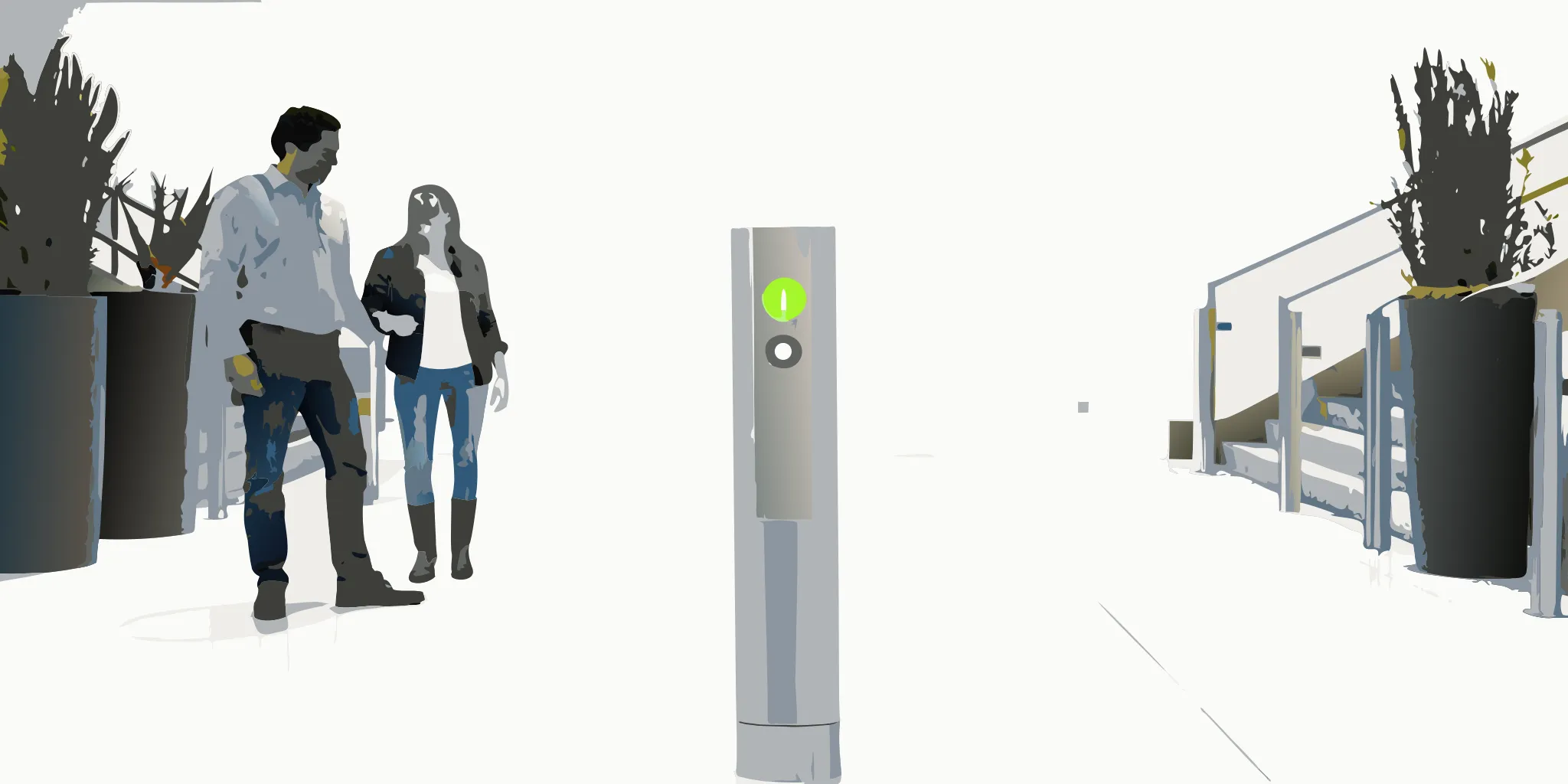
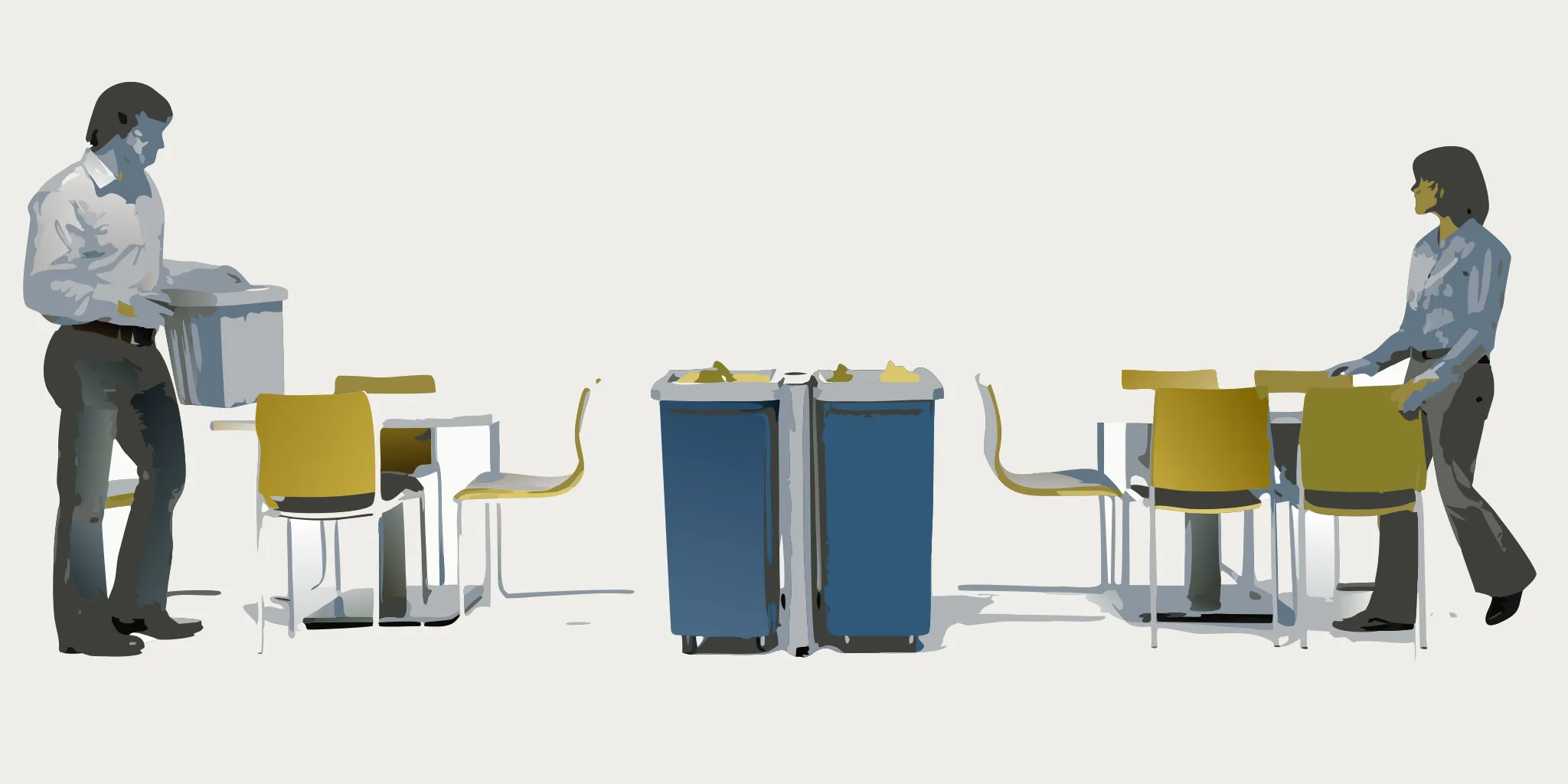
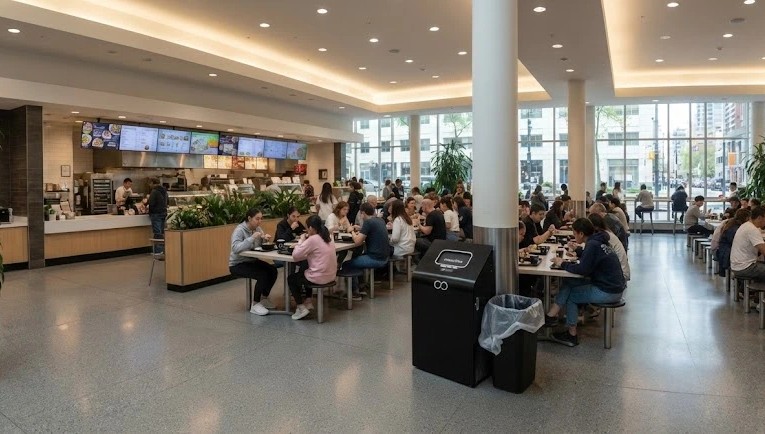
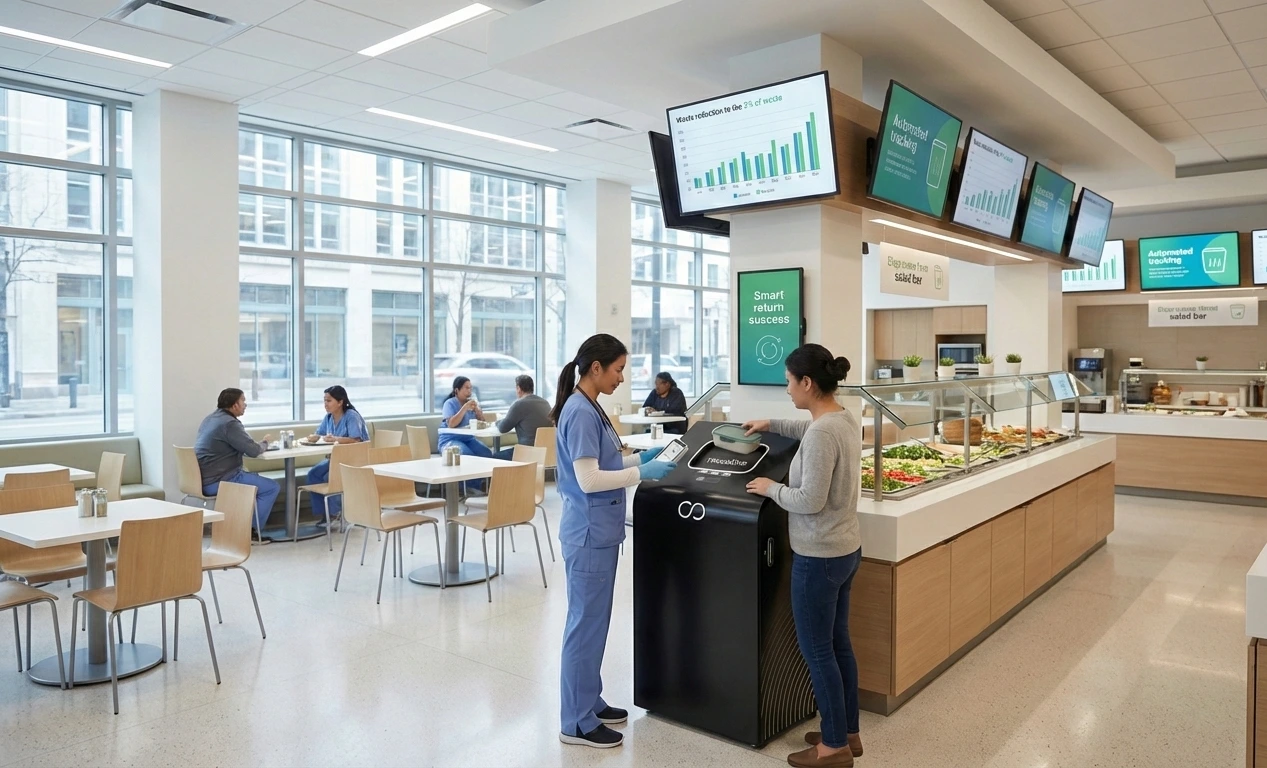
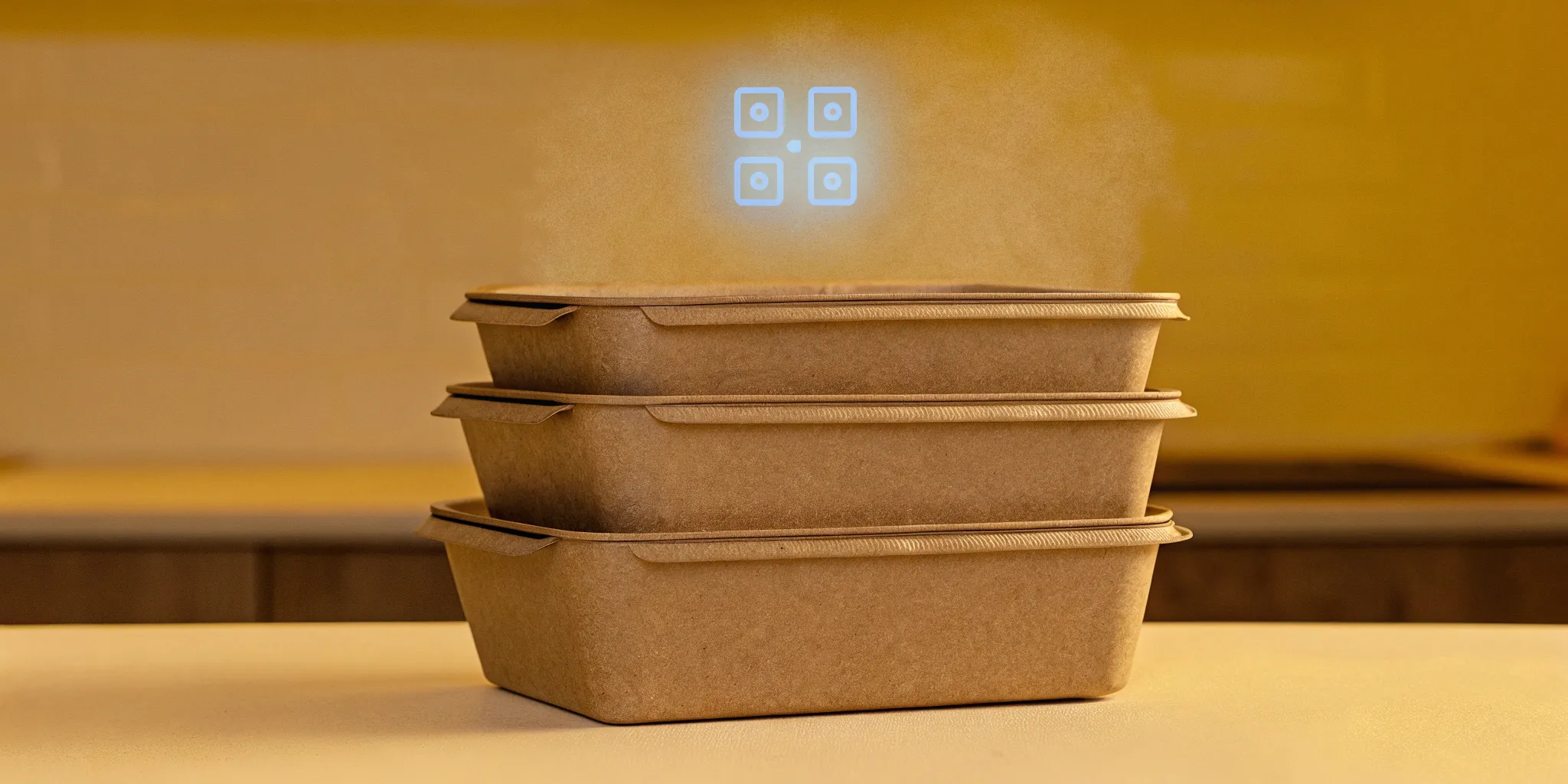
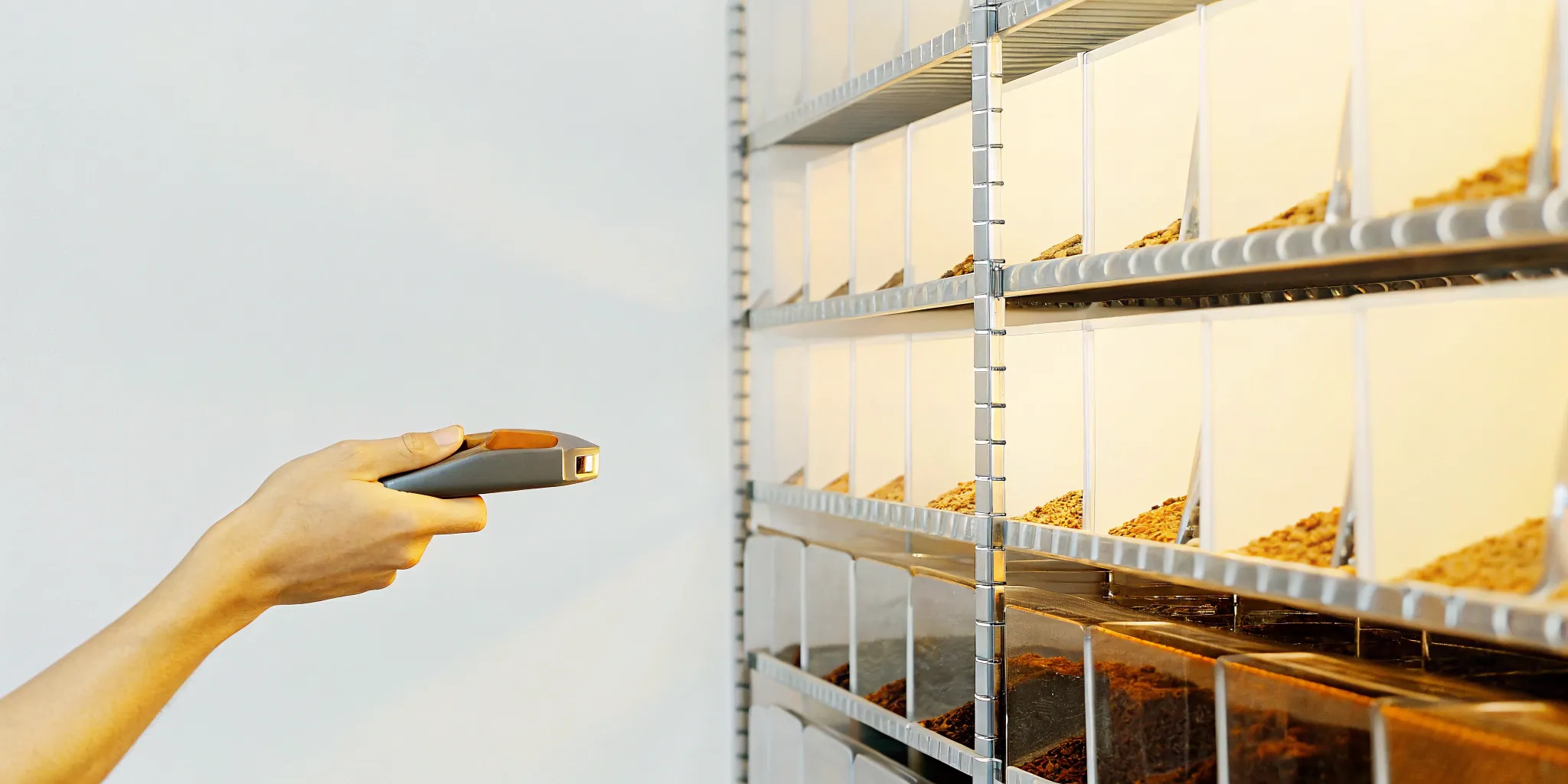
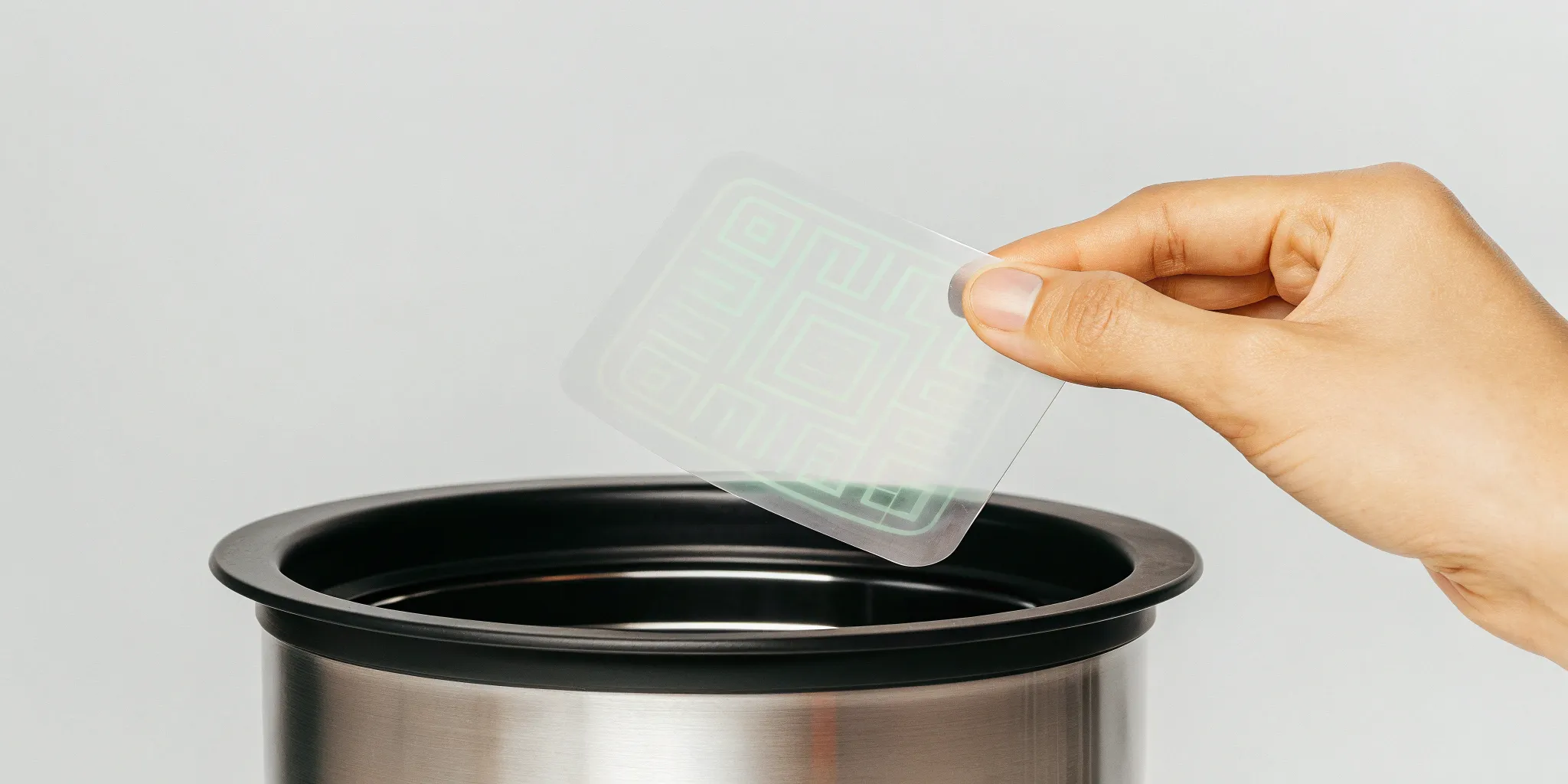
The best reuse programs make returning a container effortless. This is where smart return bins and automated tracking come in. Instead of relying on staff to manually check in containers, students can simply drop them into a bin anytime. Each container is tagged with a unique QR code or RFID chip, so when it’s returned, the system automatically scans it and updates the student's account. This dual-mode digital tracking provides accurate, real-time inventory data without any paper slips or manual work. It ensures every container is accounted for and gives you a clear picture of your inventory levels across campus, which is a core part of the Reusables.com system.
Frictionless Checkout with Campus Card Integration
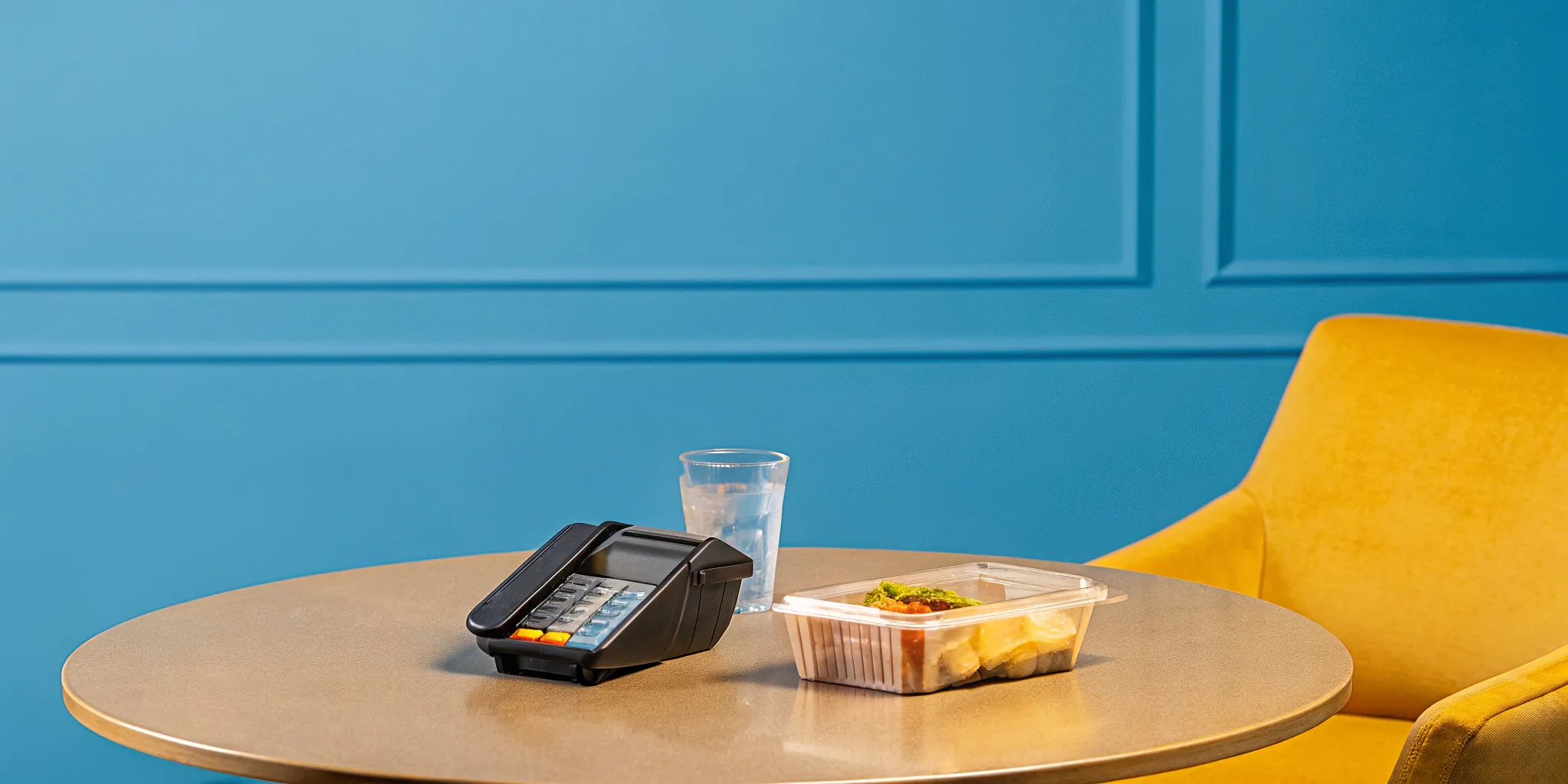
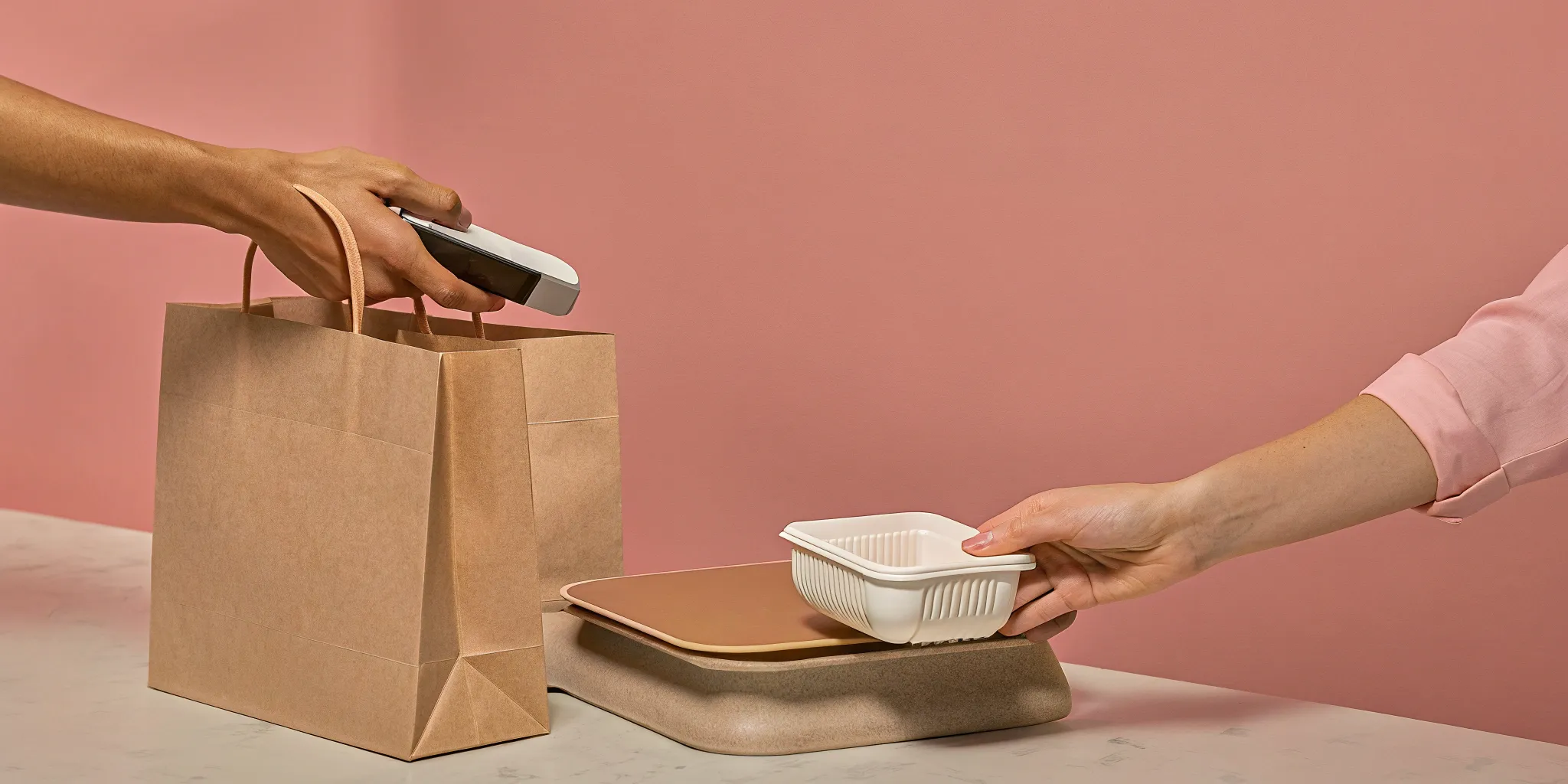
To get students on board, the checkout process has to be incredibly simple. Requiring them to download another app creates a barrier that many won’t cross. That’s why direct integration with existing campus card systems is a game-changer. With a "Tap to Reuse" approach, students can borrow a container just by tapping their student ID, credit card, or mobile wallet. This leverages the payment and credential platforms you already use, like Transact, CBORD, and TouchNet. It’s a familiar, frictionless action that makes participation second nature and is a key feature of our business solutions.
Real-Time Data and Analytics Dashboards
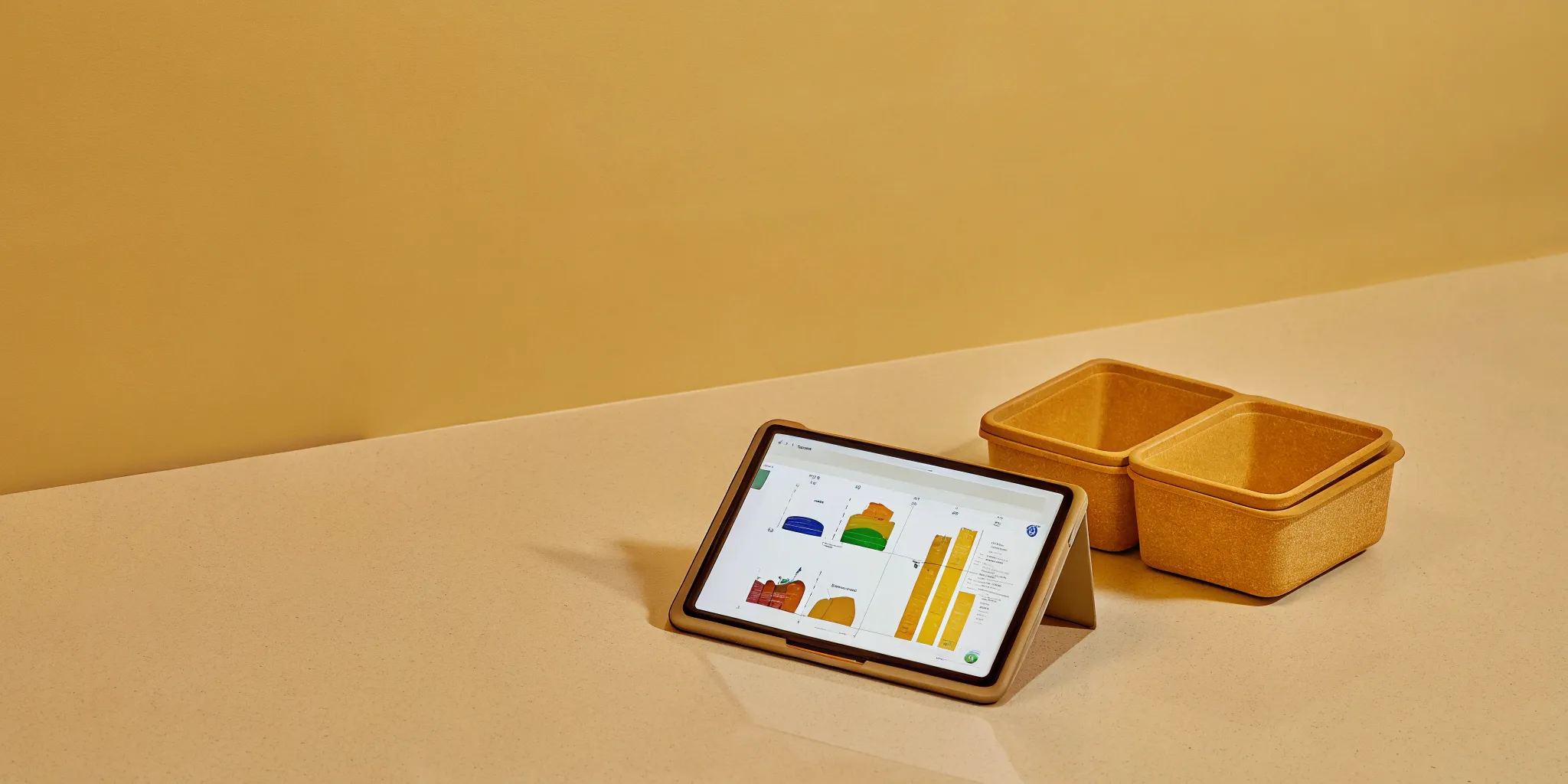
Running a successful reusables program requires good data. A robust operator dashboard gives you a live look at everything you need to know. You can see real-time return rates, track inventory levels at each dining hall, and monitor the fullness of your smart bins so you know when they need to be serviced. More importantly, you can instantly see your financial savings and measure your environmental impact with metrics like waste diverted from landfills. This transparency allows you to make informed decisions, prove the program's value to stakeholders, and fine-tune your operations for the best results.
Flexible Container and Inventory Management
Your program should adapt to your needs, not the other way around. A tech-forward system offers flexibility in your container choices, allowing you to use your existing inventory or select from various options like stainless steel or durable plastic. Beyond the containers themselves, the system’s software automates accountability. It sends friendly return reminders to students and can be configured to handle refundable late fees automatically. This process encourages high return rates—often over 99%—without adding the burden of chasing down fees to your staff’s workload, freeing them up to focus on providing great service.
What Are the Common Hurdles to a Reusables Program?
Switching from single-use packaging to a reusable system is a significant operational change, and it’s natural to anticipate a few challenges. The good news is that with the right technology and a clear plan, these hurdles are entirely manageable. Most concerns fall into a few key areas: getting students on board, managing the new logistics, handling the budget, and putting a solid strategy in place. Let's walk through each of these common questions and look at the straightforward solutions that make a reuse program successful.
Encouraging Student Adoption
A successful reusables program hinges on student participation. If the system is clunky or inconvenient, students simply won’t use it. The key is to make reusing easier than throwing away. Getting students excited from the start is crucial for building momentum. Instead of adding another app to their crowded phones, modern systems use frictionless technology like "Tap to Reuse," allowing students to check out a container with their existing campus card or phone. By integrating gamification, leaderboards, and rewards, you can transform sustainability from a chore into a fun, engaging campus-wide activity. When the process is seamless and even rewarding, high adoption rates will follow.
Addressing Infrastructure and Logistics
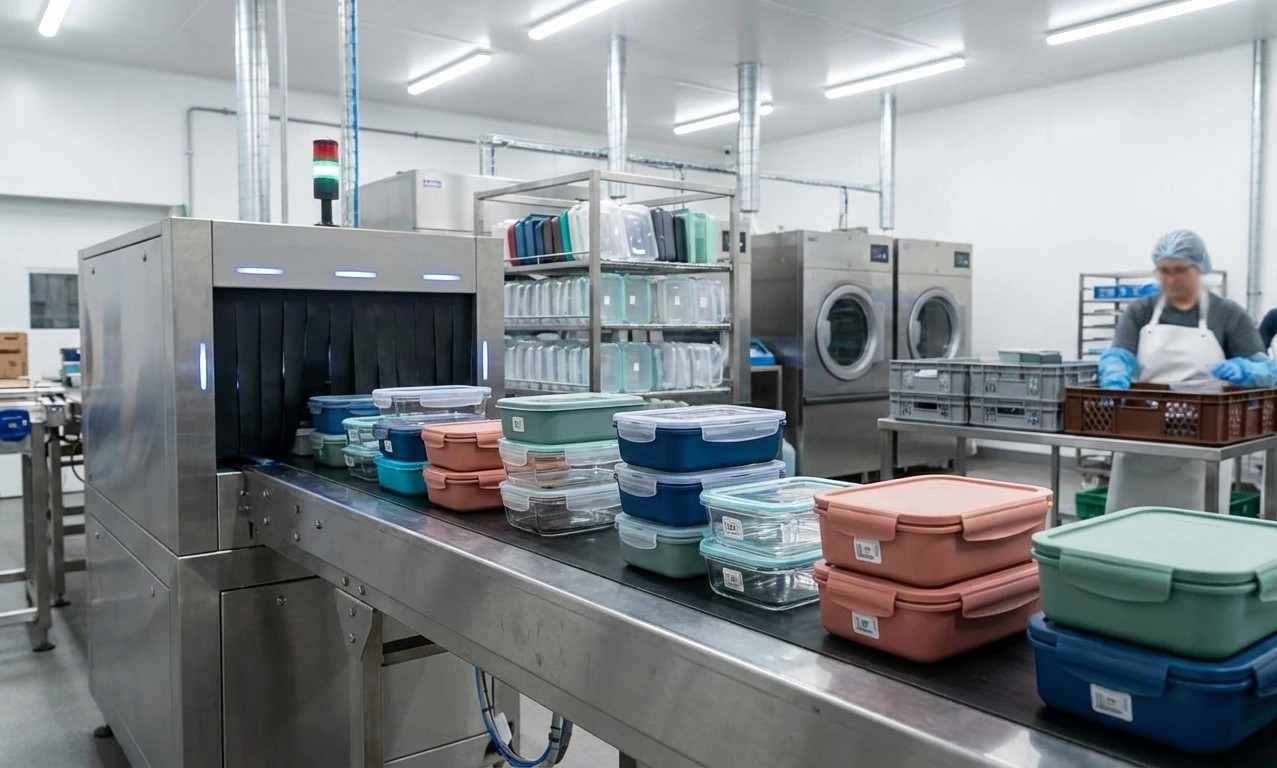
Managing a fleet of reusable containers can seem daunting. How do you track them all? What happens if you run out during the lunch rush? These are valid logistical concerns that older, manual systems struggled with. Today, technology provides the answer. Smart return bins offer 24/7 access and automatically notify your team when they’re getting full, preventing overflow. Dual QR and RFID tracking on every container gives you a real-time inventory count, so you always know your stock levels. This automation not only prevents shortages but also frees up your staff from tedious manual counting, giving them more time to focus on providing a great dining experience.
Planning Your Budget and Initial Investment
The upfront cost of durable containers and new technology is a primary consideration for any dining director. However, it's essential to weigh this one-time investment against the ever-increasing annual expense of disposable packaging. Many universities spend tens of thousands of dollars each year on single-use containers—a number that continues to rise. A reusable system can reduce packaging costs by over 30% annually, offering a clear return on investment. Furthermore, some tech-enabled solutions, like smart bins with digital screens, can even create new revenue streams through on-campus advertising, helping to offset the initial costs even faster.
Creating a Strategy to Overcome Obstacles
A successful transition requires more than just new containers and bins; it requires a thoughtful strategy. The most effective programs involve collaboration with students from the very beginning to ensure the system meets their needs and that they feel a sense of ownership. Your strategy should include clear communication about how the program works, its environmental benefits, and any incentives for participation. By partnering with a provider that offers robust data and analytics, you can track key metrics like return rates and container usage. This allows you to make informed adjustments and demonstrate the program's positive financial and environmental impact to stakeholders across campus.

Your Roadmap for a Successful Transition to Reusables
A successful reuse program doesn’t happen by accident. It’s the result of a thoughtful strategy that considers everything from student buy-in to the technology that powers it. A clear plan ensures a smooth rollout, high adoption rates, and the long-term cost savings and waste reduction you’re aiming for. This roadmap outlines the key phases for launching, measuring, and growing a program that becomes a celebrated part of your campus culture. By following these steps, you can build a system that not only meets your sustainability goals but also enhances the dining experience for everyone.
A Step-by-Step Implementation Plan
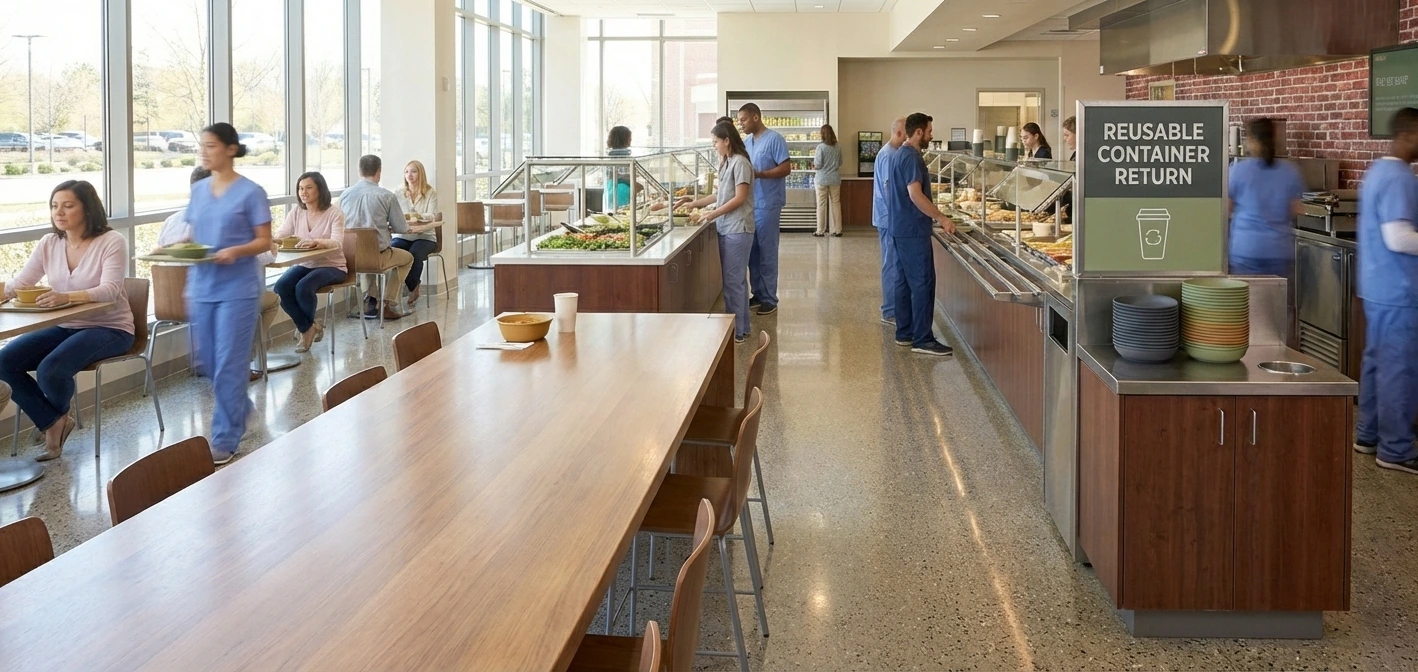
The best way to ensure a smooth launch is to build excitement and start smart. Begin by engaging students from day one; their support is essential for the program to work well. Create a student advisory committee or run surveys to get their input on container types and return locations. It’s also a good idea to begin with a pilot program in one high-traffic area, like a central dining hall. This allows you to gather feedback and refine your process before expanding to other campus spots like coffee shops and retail locations. Clear communication through signs, social media, and student groups will help everyone understand how to participate.
How to Measure Your Program's Success
Success is more than just launching—it's about tracking your progress with clear data. The most critical metric is your container return rate. With automated accountability and convenient return options, you can achieve rates of 99% or higher, which is key to your program's financial viability. You should also track direct cost savings from reduced spending on disposable packaging and waste hauling. A robust data dashboard can show you these financial wins in real time, alongside key environmental impact metrics, like the amount of waste diverted from landfills. Finally, keep an eye on student participation rates and satisfaction to ensure the program remains a positive campus feature.
Scaling and Improving Your Program Over Time
Your initial launch is just the beginning. Once your pilot program is running smoothly, you can use the data and feedback you’ve collected to scale effectively. A phased rollout allows you to expand to satellite cafes, athletic venues, and other food service locations with confidence. Use your analytics dashboard to make informed decisions, like adding more return bins in popular spots or identifying which locations have the highest adoption rates. To keep momentum high, continue to engage students with fun initiatives like campus-wide leaderboards or rewards for frequent reusers. This creates a cycle of continuous improvement that solidifies the program’s long-term success.
Related Articles
- The Real Cost of Disposable Containers for Universities
- A Guide: How to Use Transact Card for Reusables
- Guide to Sustainable College Cafeterias
- 7 Smart Eco-Friendly Initiatives for Campus Food
Frequently Asked Questions
How much extra work does this create for my dining staff? This is a common concern, but the system is designed to reduce your staff's workload, not add to it. The entire process, from checkout to return, is automated. Staff members don't have to manually track containers, chase down students for returns, or handle late fees. Smart bins even send alerts when they need to be emptied, so your team can focus on food and service instead of managing inventory.
What happens if students don't return the containers? We’ve found that making the process easy and accountable is the key to getting containers back. The system automatically sends friendly reminders to students if a container is overdue. You can also set up a system of small, refundable late fees that are charged automatically, which encourages timely returns without any manual intervention from your staff. This automated accountability is why programs using this technology see return rates of 99%.
How does this system work with our existing campus card and POS technology? The platform is built to integrate smoothly with the systems you already have in place. It works directly with major campus credential and payment platforms like Transact, CBORD, and TouchNet. This allows for a simple "Tap to Reuse" checkout where students can use their existing campus card or mobile wallet, eliminating the need for them to download a separate app.
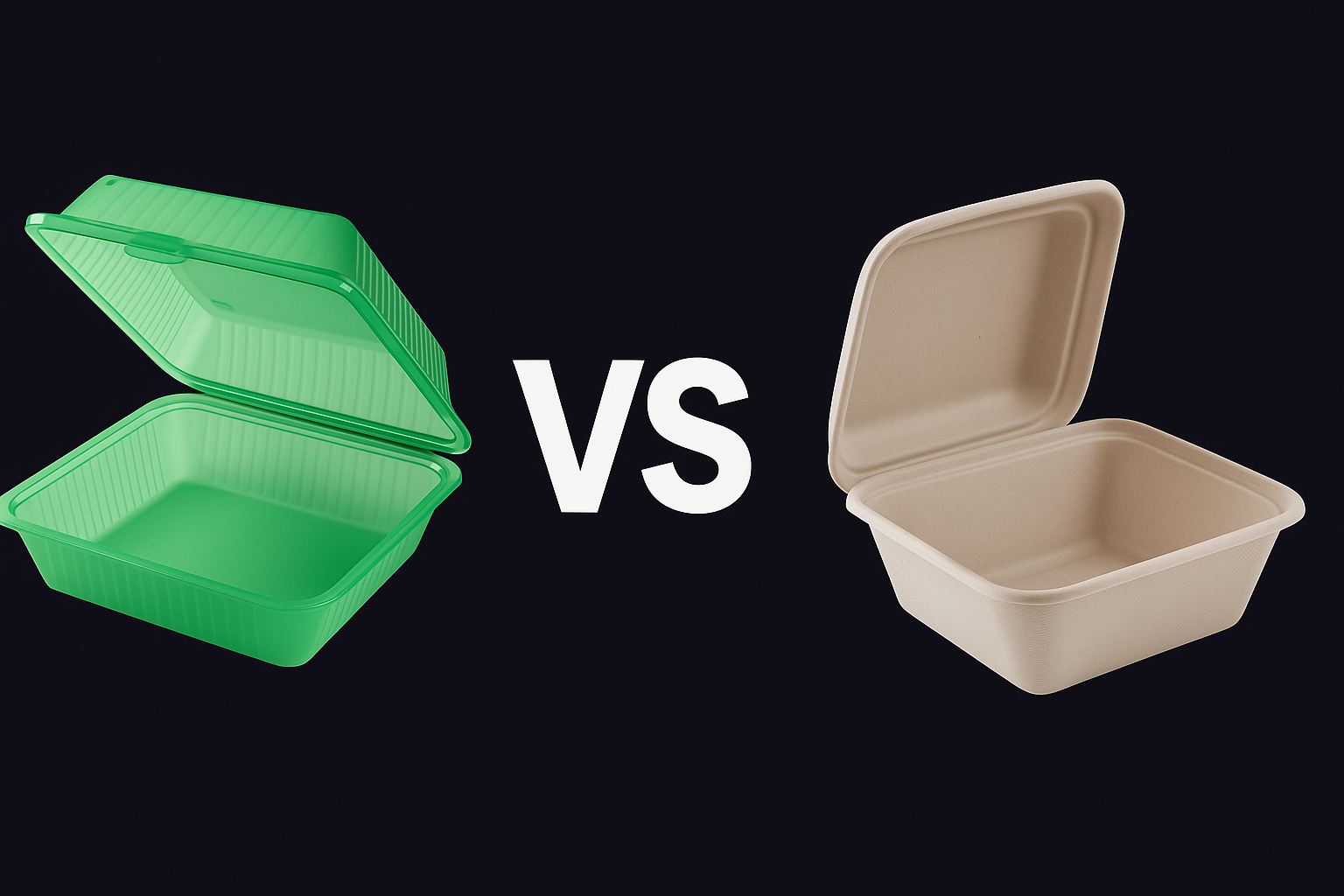
Can we use our existing inventory of reusable containers with your system? Yes, absolutely. The technology is flexible and can be adapted to work with the durable containers you may already own. If you're looking to start fresh or expand your inventory, we can also connect you with our partners who offer a variety of approved options, including both stainless steel and durable plastic containers.
What kind of return on investment can we realistically expect? The primary return comes from significantly cutting your spending on disposable packaging, with many schools saving over 30% annually on this line item alone. You also reduce waste hauling fees. While there is an initial investment, you're shifting from a constant operational expense to a long-term asset. Plus, the digital screens on the smart return bins can generate new advertising revenue, helping you see a return even faster.
Other stories you may find interesting

















.webp)
.webp)







.webp)






















Watch the Webinar
Learn How to Eliminate Single-Use Waste
Get instant access to our expert webinar and discover how leading institutions reach 99% return rates through smarter reuse systems.

© Reusables™. All rights reserved.