
The Complete Guide to Reusable Containers for College Dining

April 12, 2026
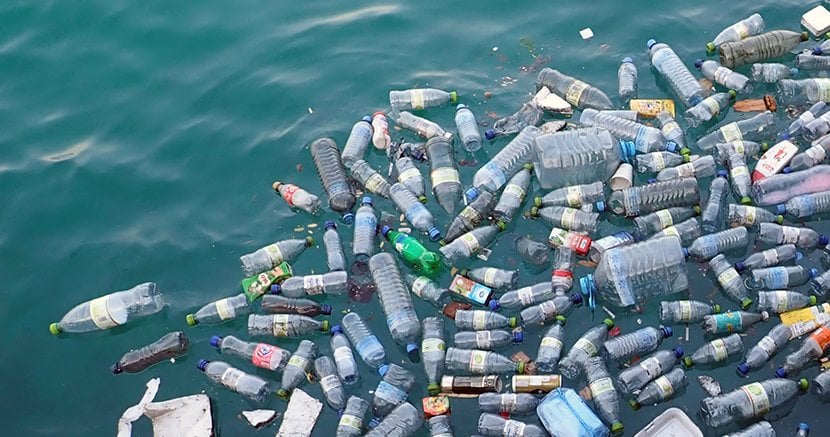
Single-use takeout containers cost the average university $50,000 or more each year and generate thousands of pounds of landfill waste every semester. Reusable container programs offer a proven alternative: durable containers that students borrow, return, and reuse hundreds of times, cutting costs and waste at the same time.
This guide covers everything a dining director or sustainability officer needs to know about launching, running, and scaling a reusable container program on a college campus.
Why Colleges Are Switching to Reusable Containers
Campus dining has changed. More students eat on the go than ever before. Harvard University distributed over 600,000 compostable clamshells from undergraduate dining halls in a single academic year. That volume of disposable packaging is expensive to purchase, adds to waste hauling costs, and works against the zero-waste commitments that most institutions have made.
Reusable containers address all three problems:
- Lower per-meal cost. A durable container that costs $5 and lasts 500 cycles works out to about one cent per use. Disposable clamshells cost $0.15 to $0.30 each, every time.
- Less waste. A single reusable container replaces hundreds of disposables over its lifetime, diverting thousands of pounds from landfills each semester.
- Sustainability reporting. Reusable programs generate measurable data (containers reused, waste diverted, carbon avoided) that institutions can report to stakeholders, accreditors, and sustainability ranking bodies.
How a College Reusable Container Program Works
Modern reusable container programs follow a straightforward cycle that mirrors how a library lending system works. Here is each step.
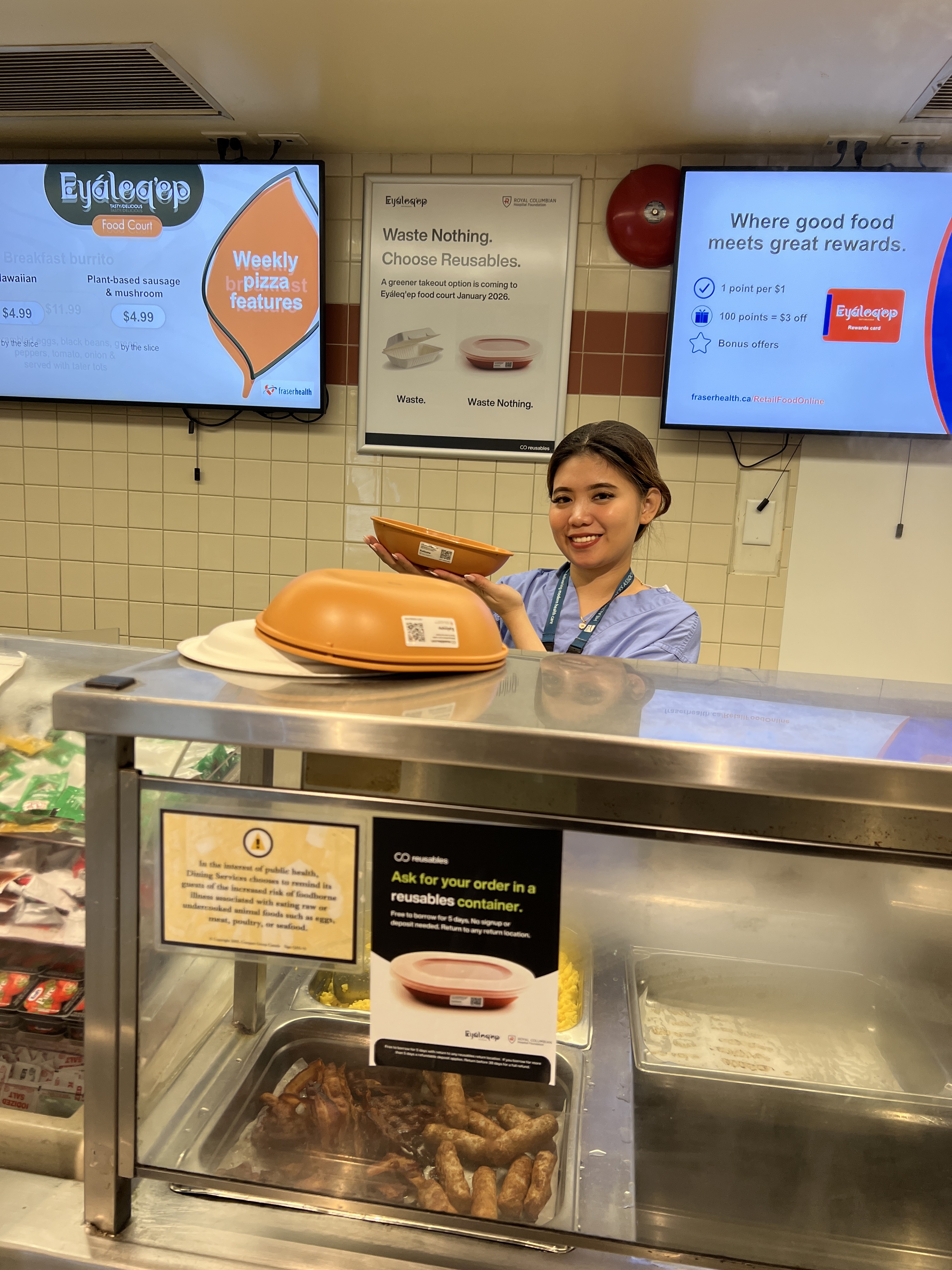
1. Student Checkout
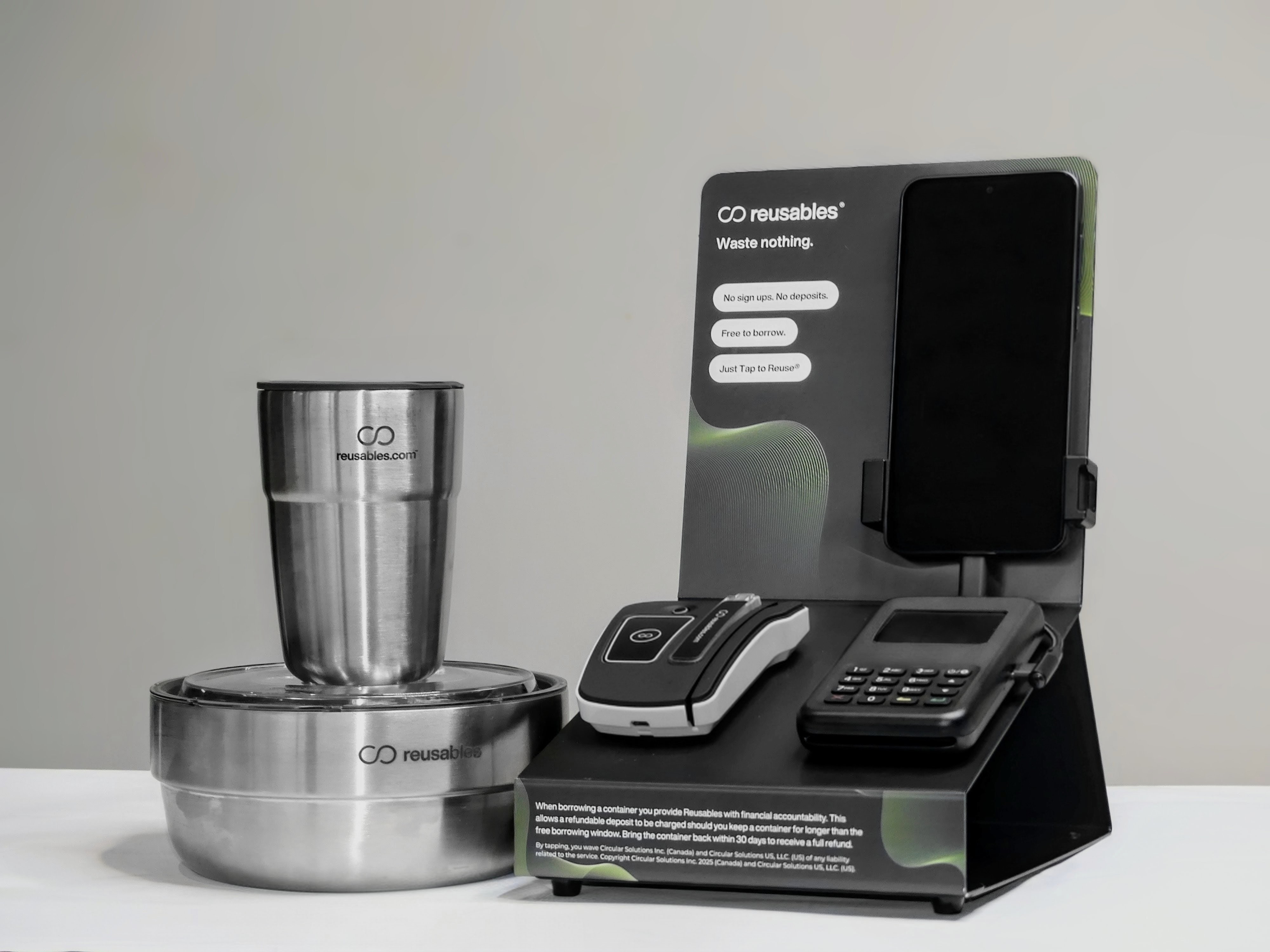
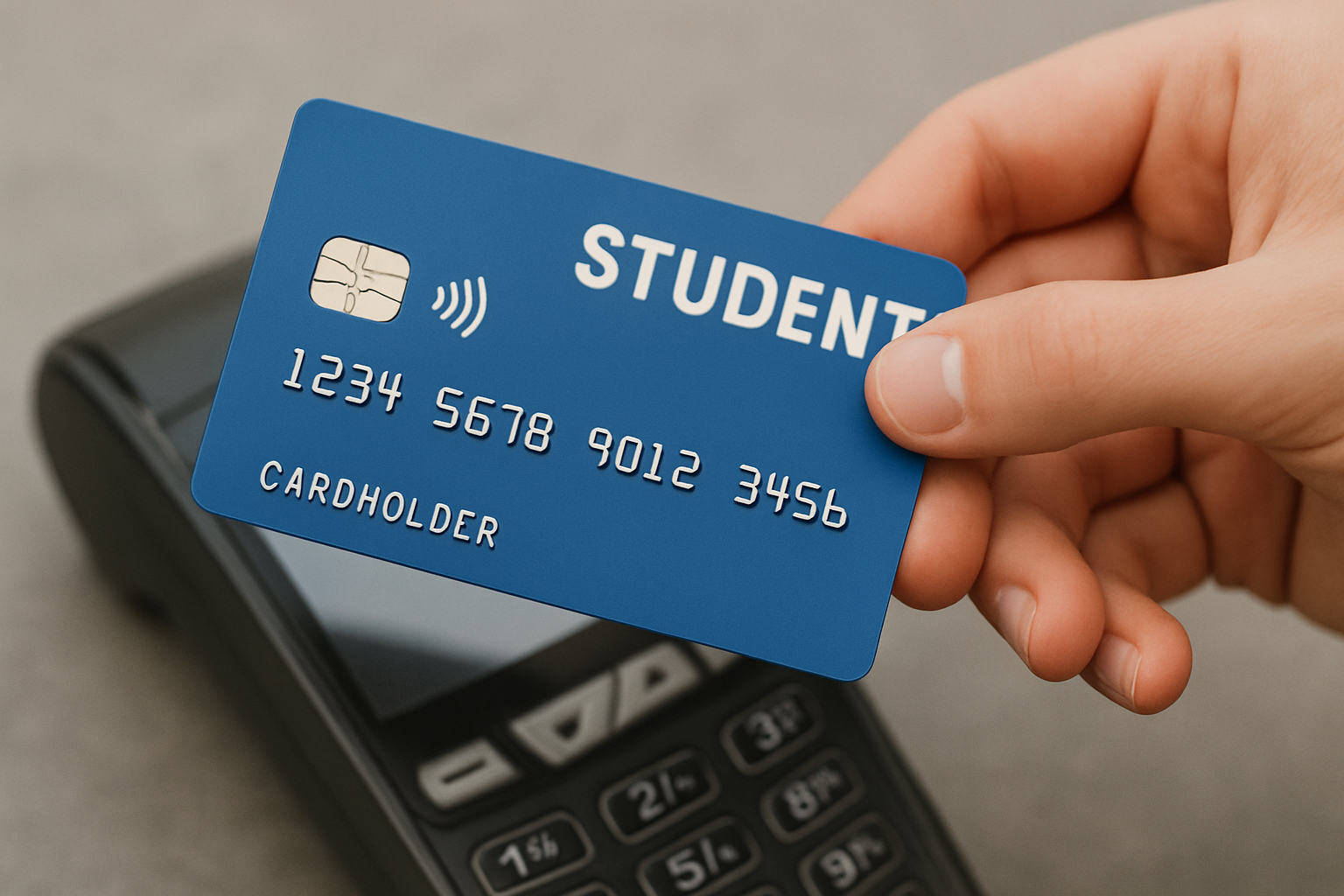
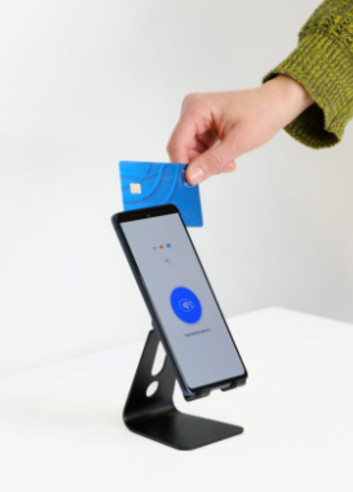
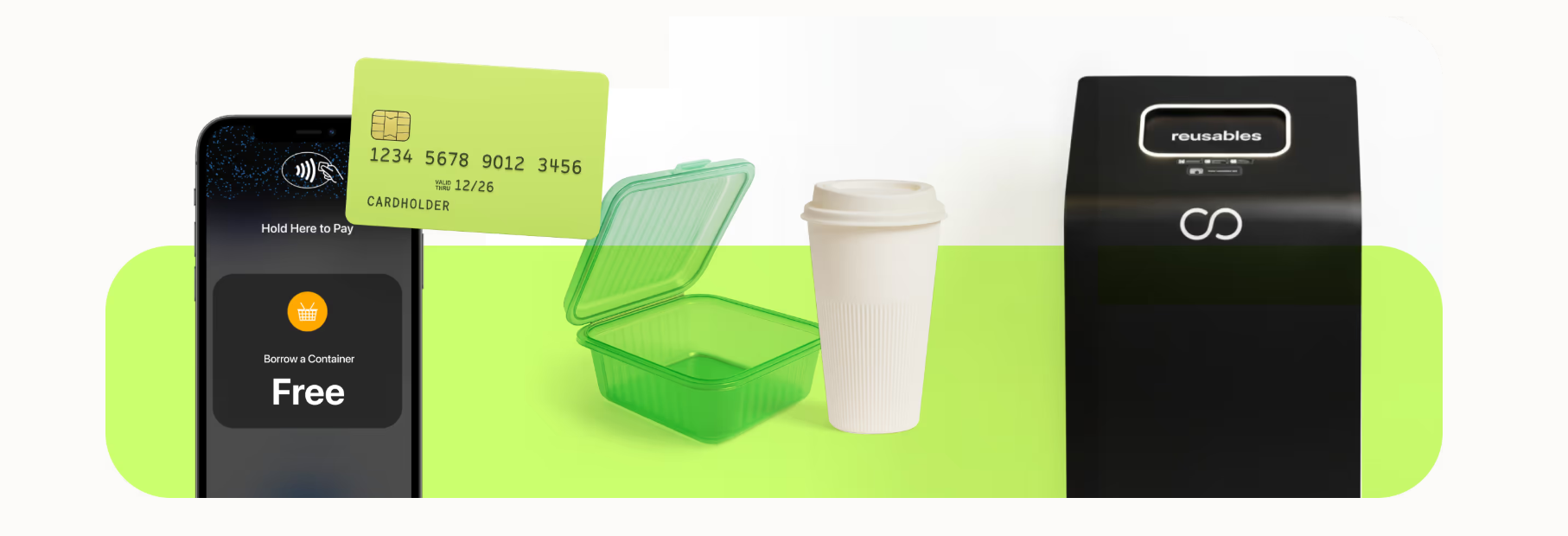
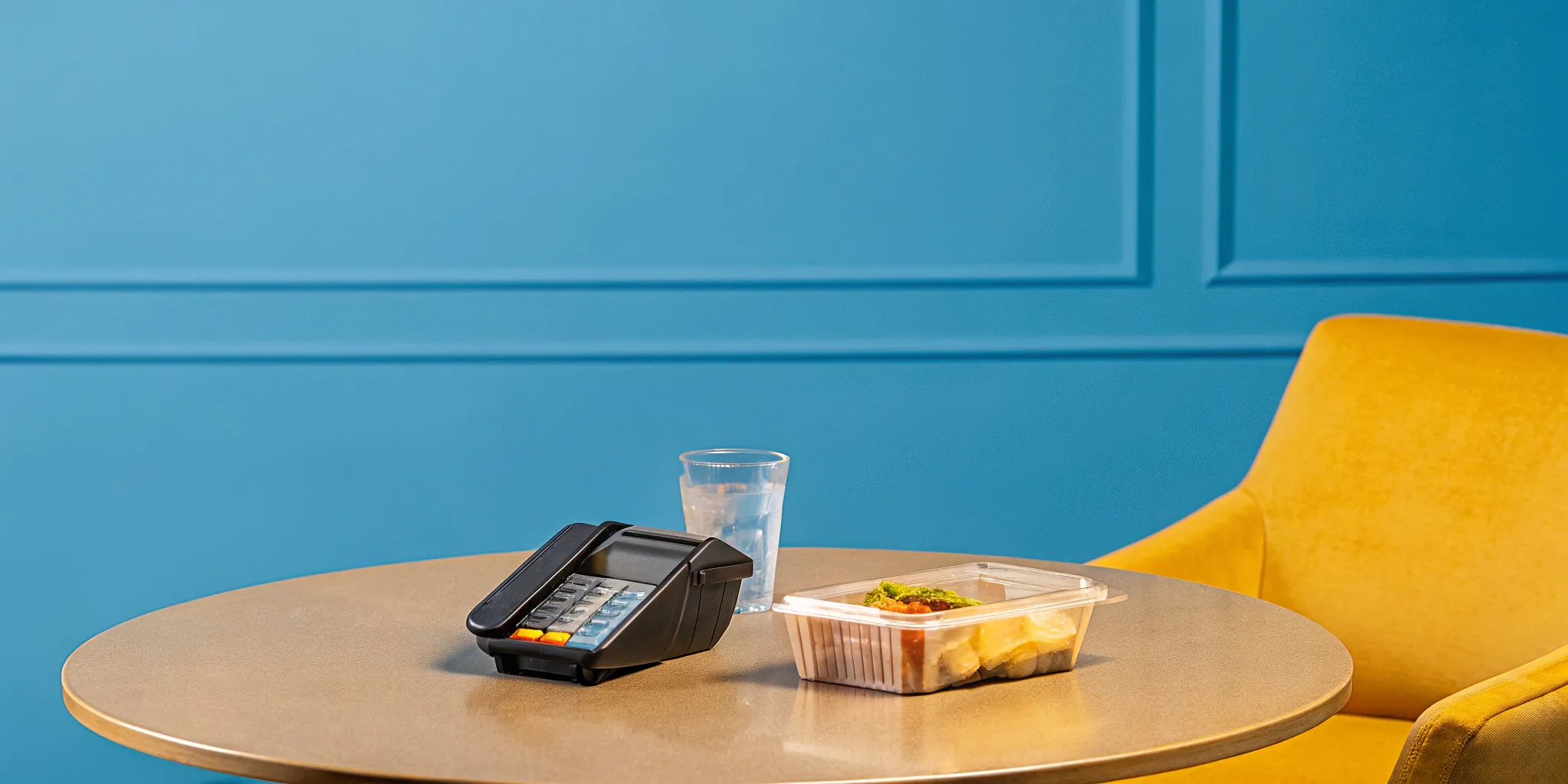
Students pick up a reusable container at any participating dining location. Instead of downloading an app or paying a deposit, they tap their campus card (or a credit/debit card) at a checkout station. The system links the container to their account in seconds.
This frictionless checkout is critical. Programs that require app downloads or large upfront deposits see significantly lower adoption. The best systems make reuse feel as easy as grabbing a disposable box.
2. Container Tracking
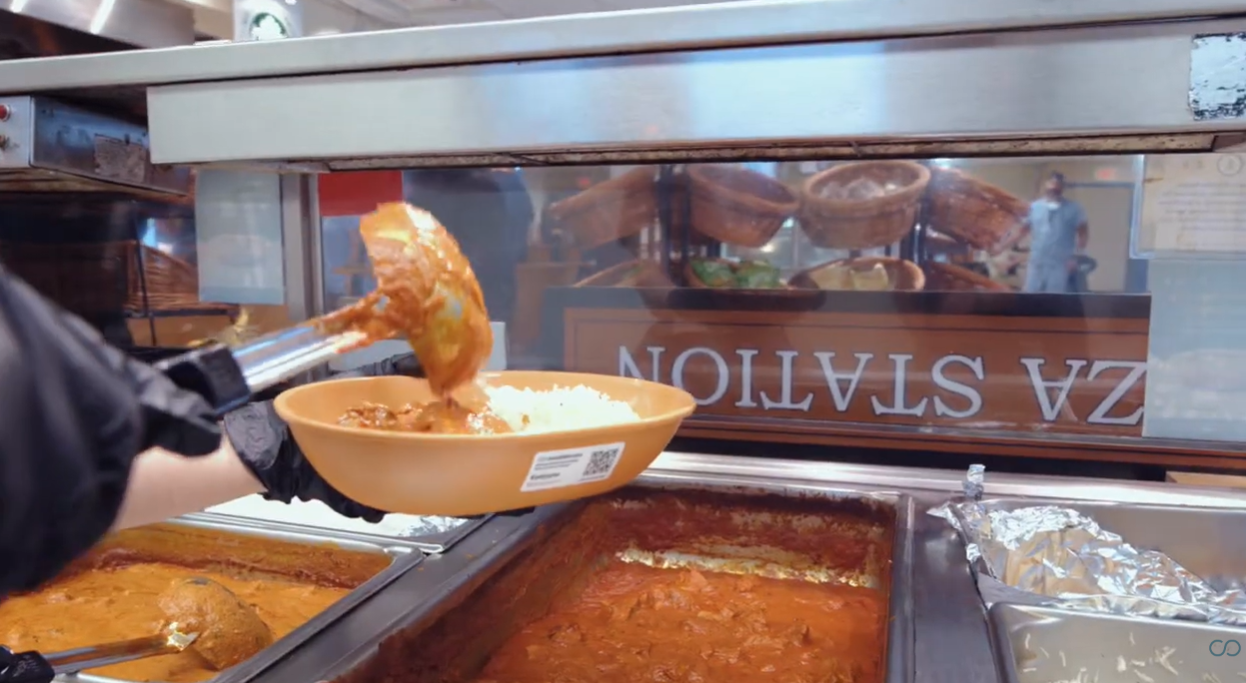
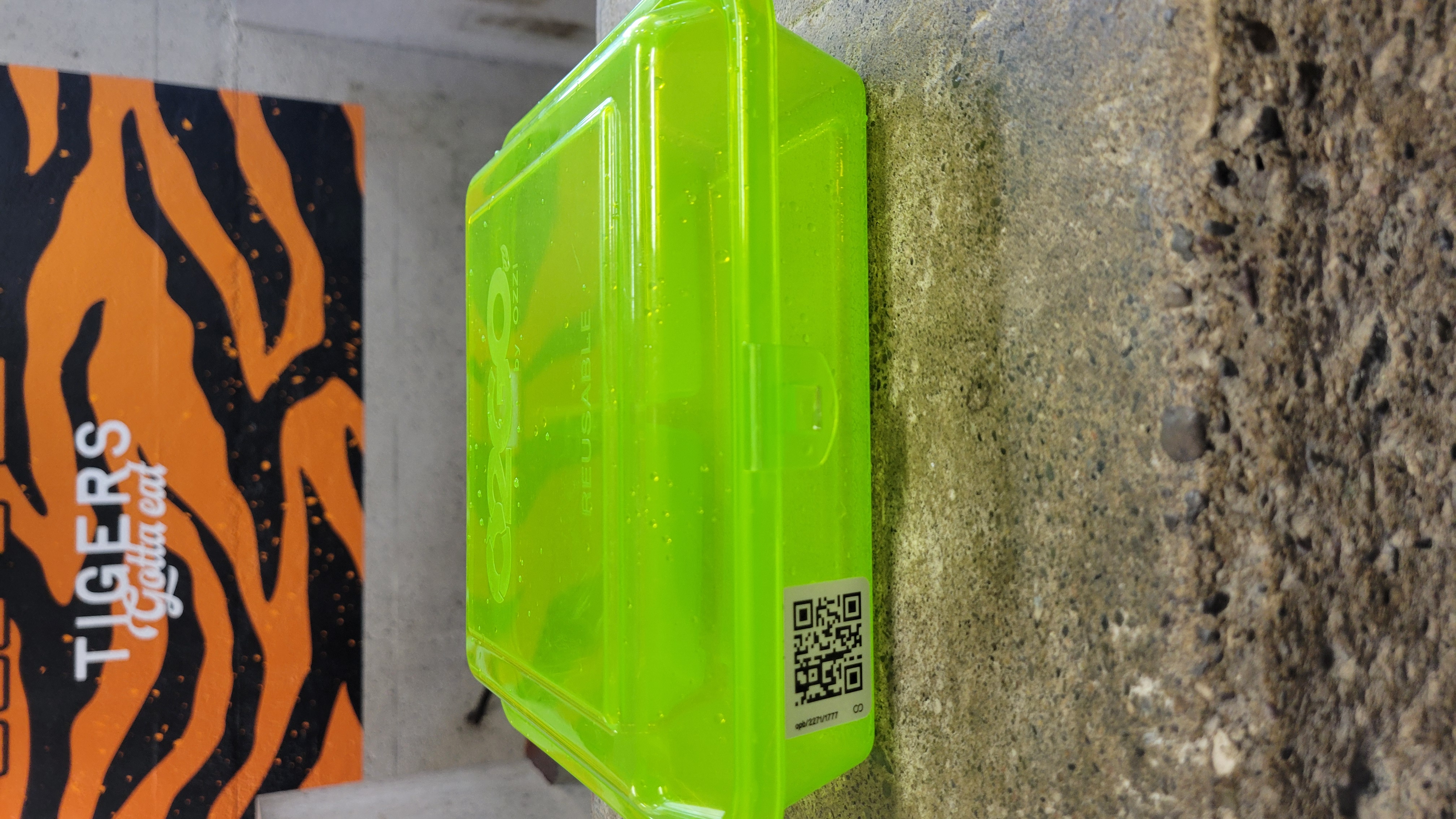
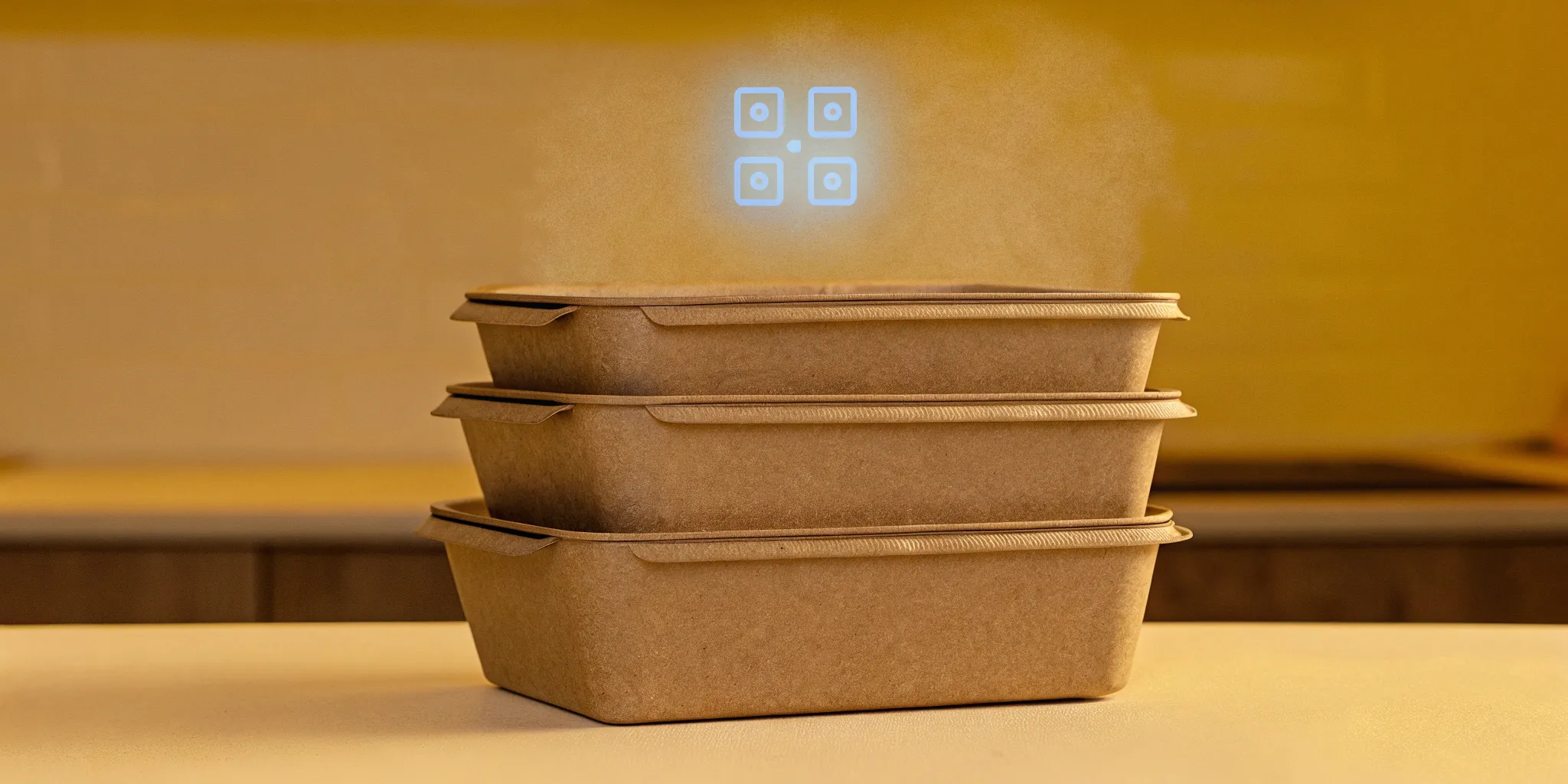
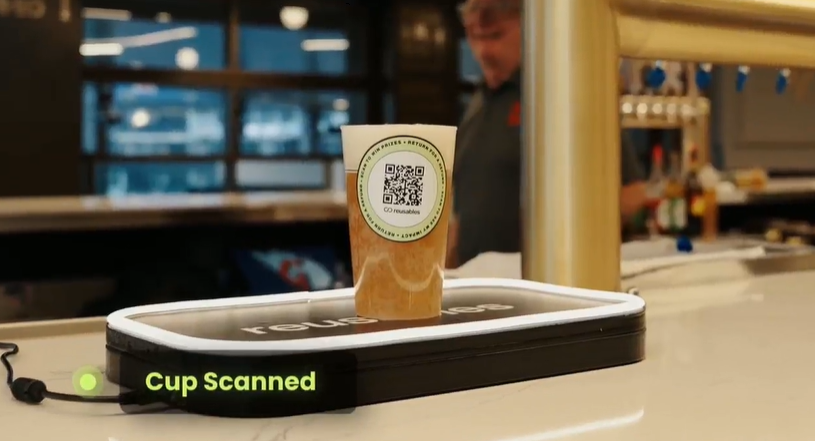
Every container carries a unique identifier, either an RFID tag, a QR code, or both. When a student checks out a container, the system records which container they have, when they took it, and where it was picked up.
This tracking data powers everything else: automated reminders, accountability charges, inventory management, and impact reporting. Without it, programs rely on the honor system and typically see return rates below 60%.
3. Return
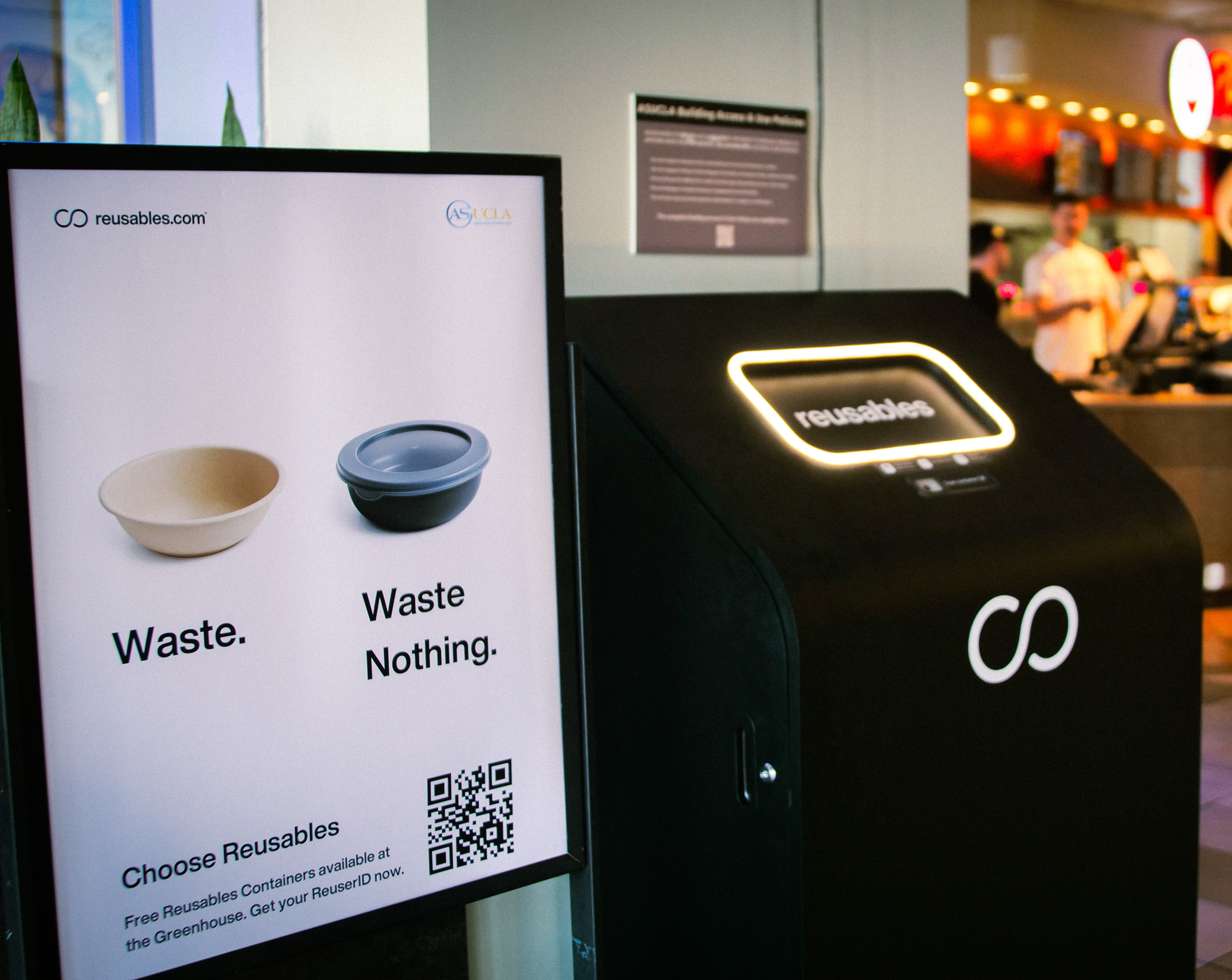
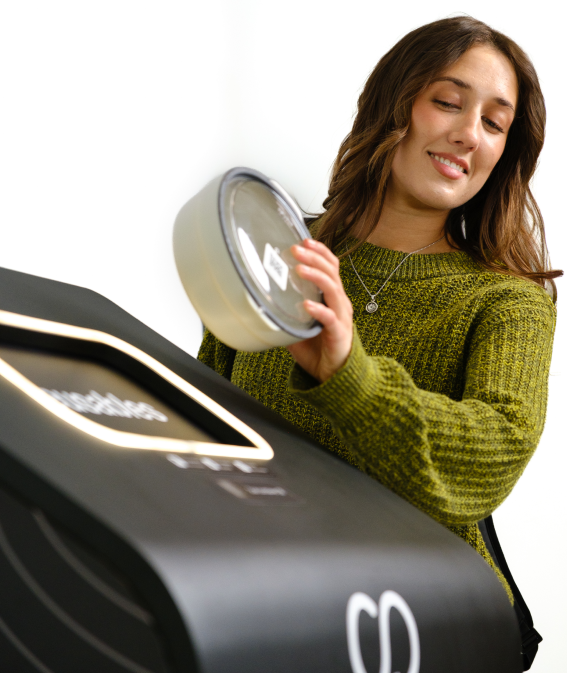
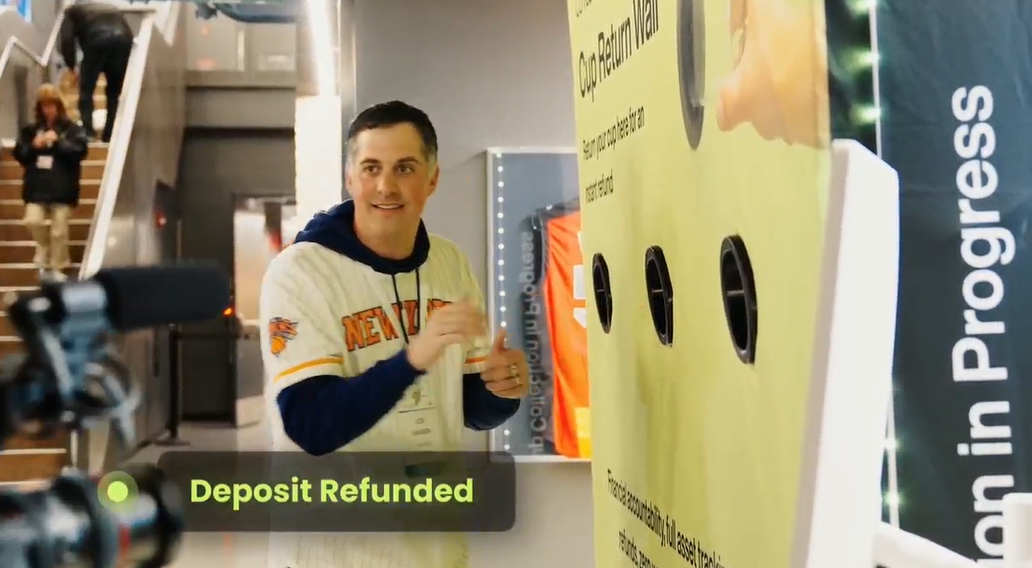
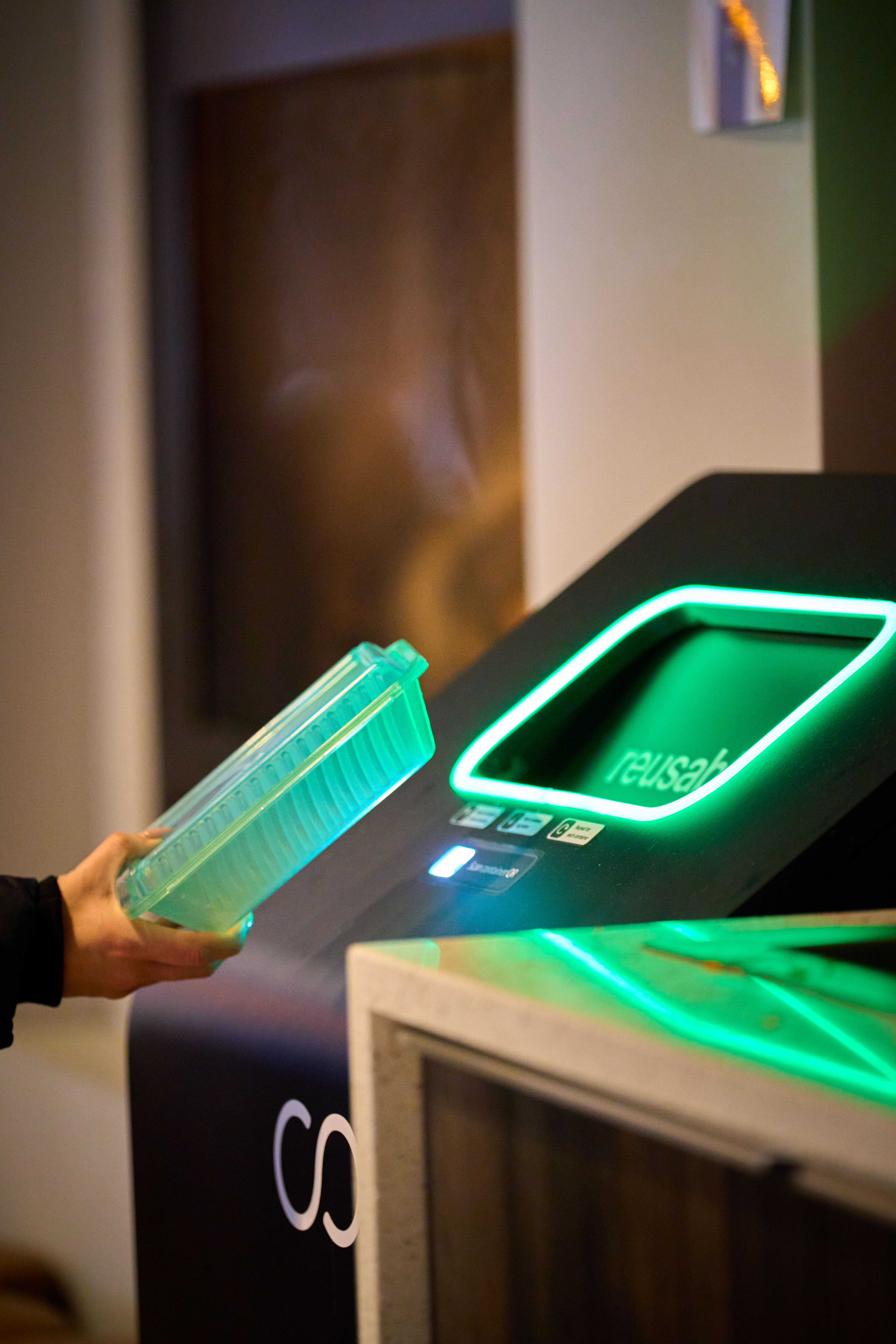
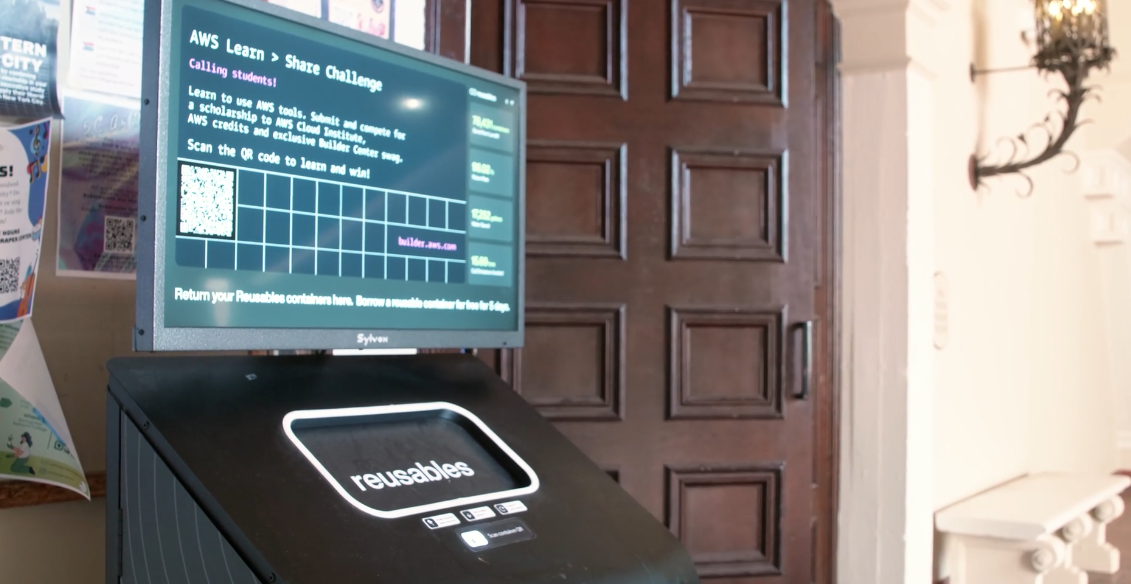
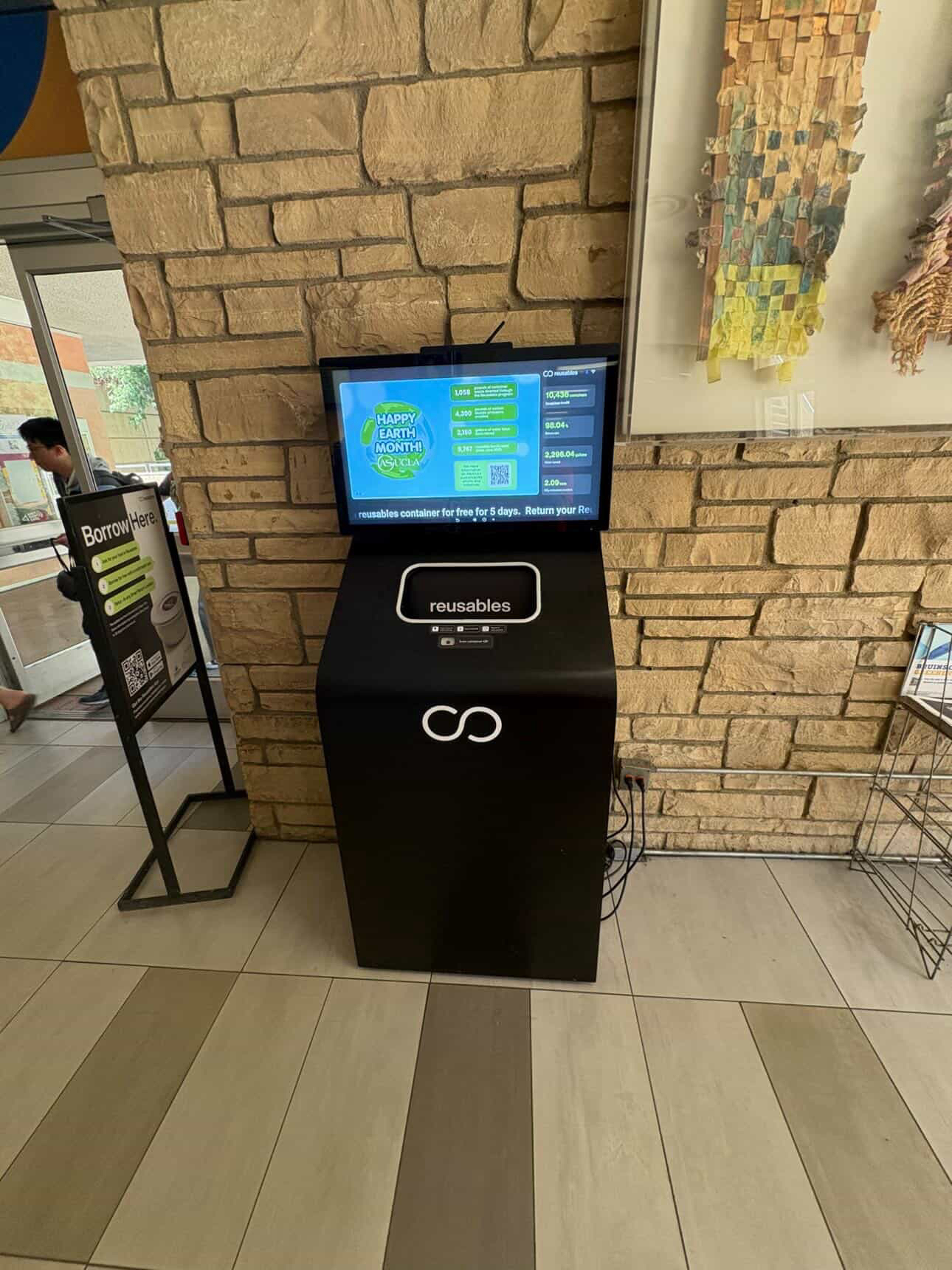
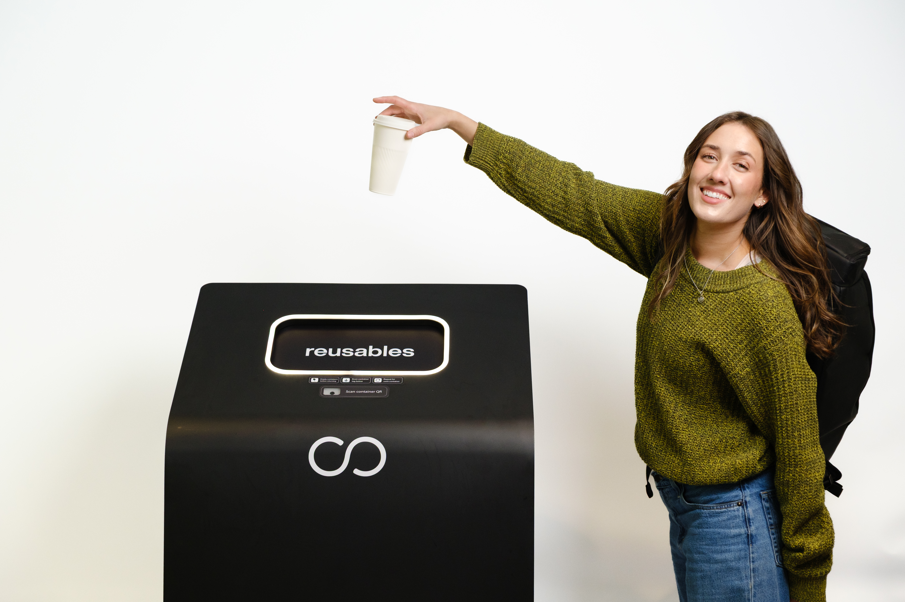
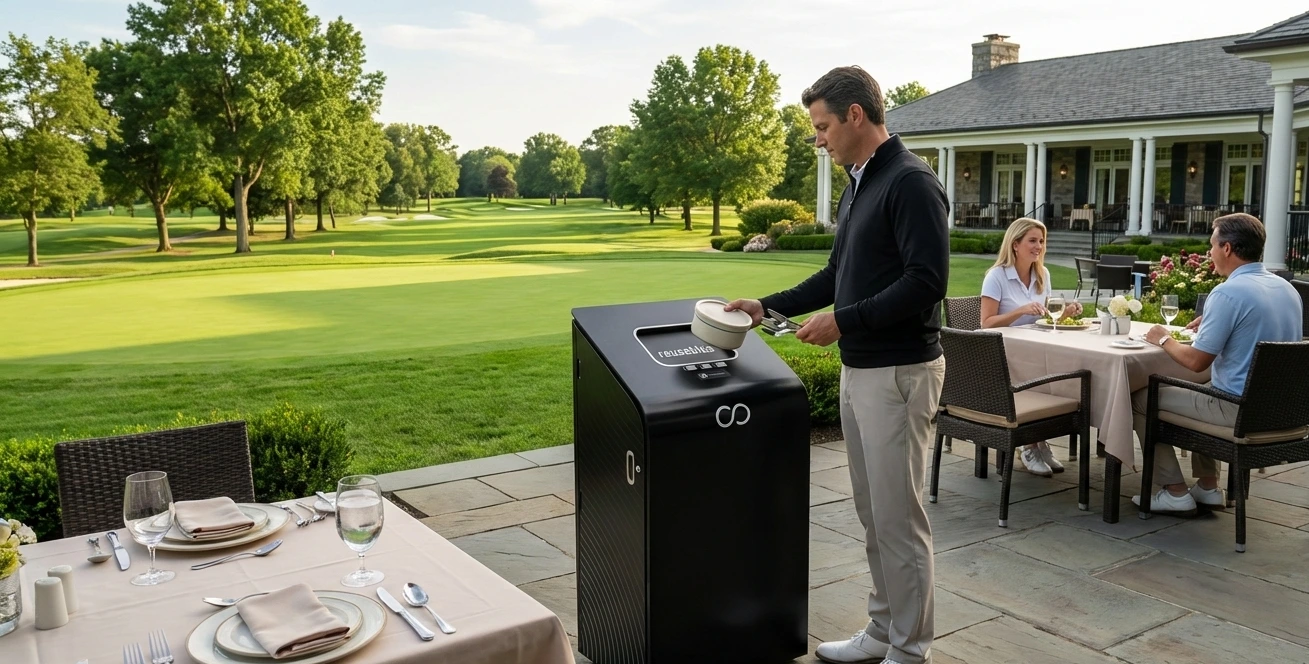
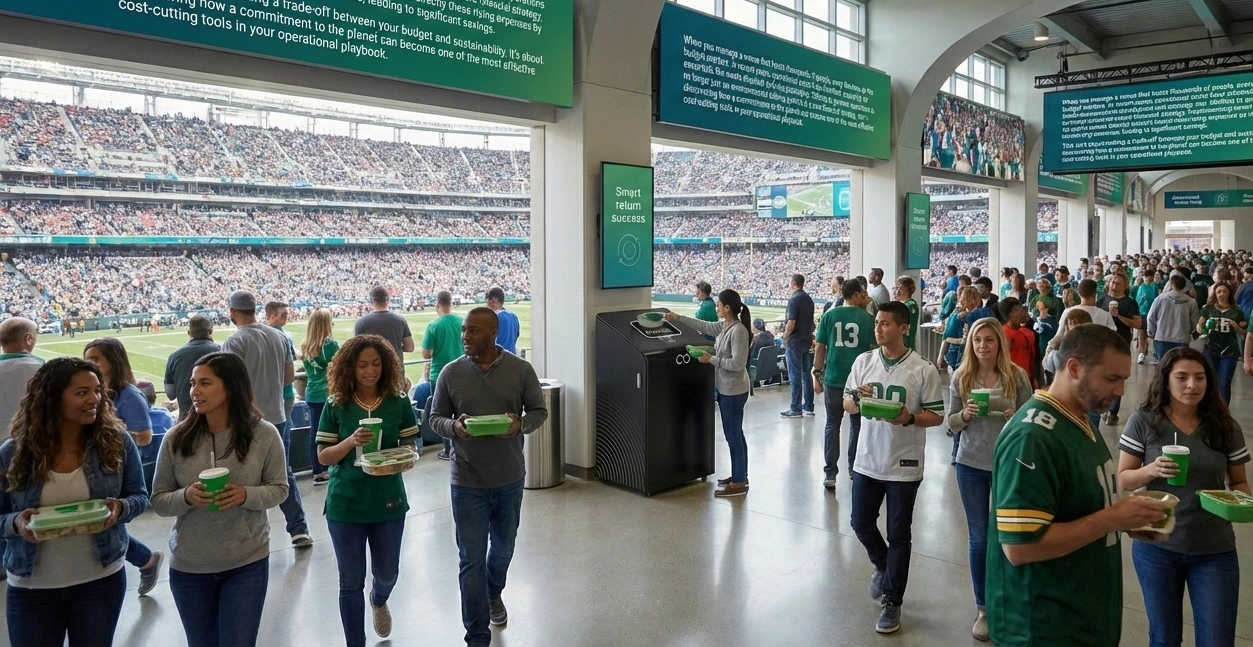
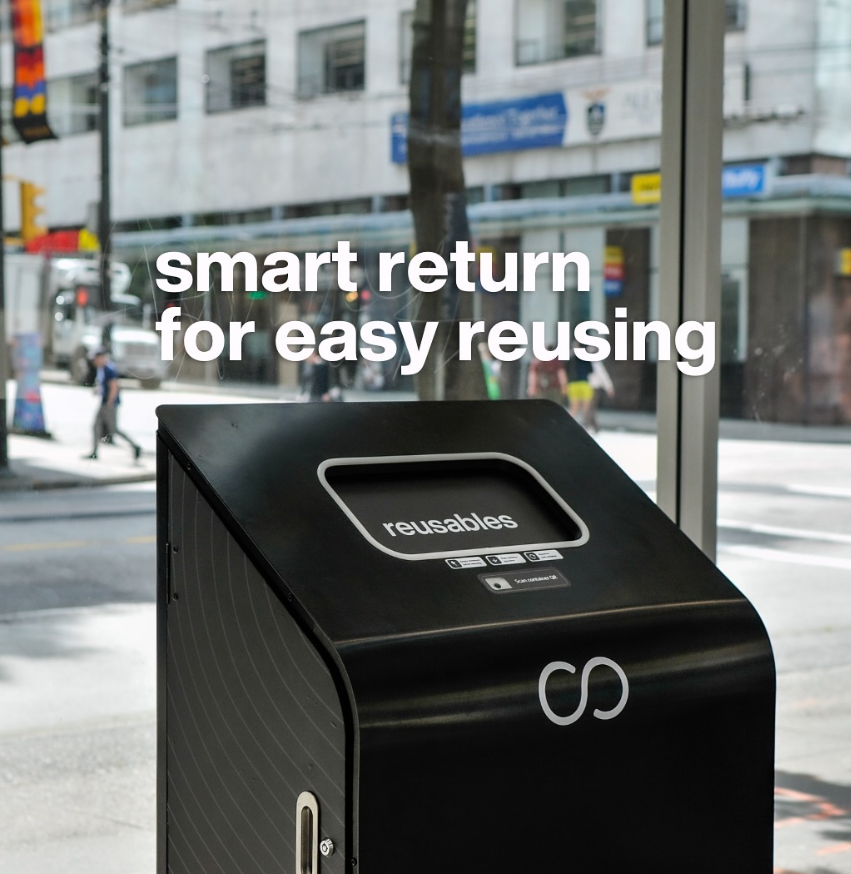
Students return containers to designated drop-off points. The most effective programs use smart return bins, automated stations that accept containers 24/7 without requiring staff. The bin scans the container, credits the student's account, and sends a fullness alert to operations when it needs to be emptied.
Return bins placed at high-traffic locations (dining hall entrances, residence hall lobbies, student union buildings) consistently drive return rates above 95%.
4. Cleaning and Sanitization
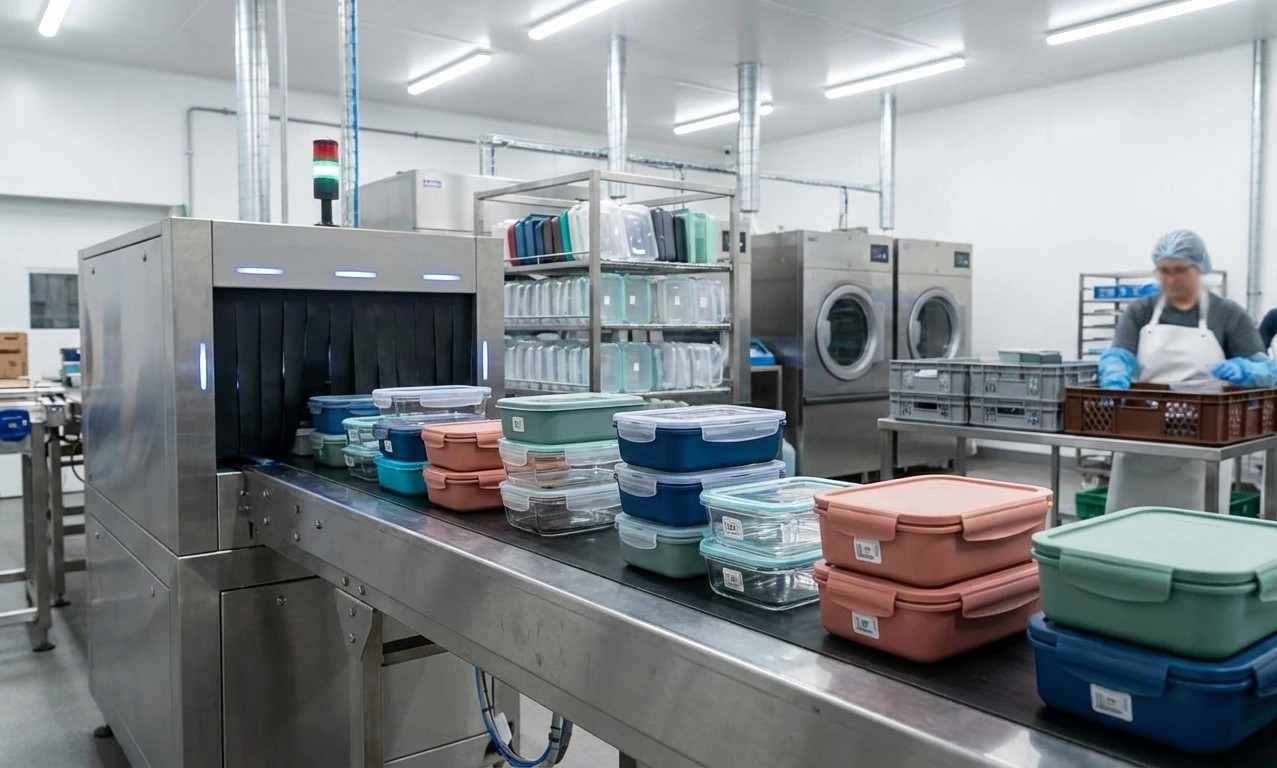
Returned containers go through commercial dishwashing with high-temperature sanitization. Durable materials like stainless steel and food-grade polypropylene are designed to withstand hundreds of wash cycles without degrading.
5. Restocking
Cleaned containers are redistributed to dining locations based on real-time inventory data. The system tracks how many containers are in circulation, checked out, in the wash cycle, and available at each location. This prevents shortages at busy dining halls and reduces unnecessary container purchases.

What Makes a Reusable Container Program Succeed on Campus
Not all reusable programs deliver the same results. The difference between a program that achieves 95%+ return rates and one that struggles comes down to a few factors.
Frictionless Enrollment
The fewer steps between a student and their first reuse, the higher the adoption rate. Programs that work with existing campus card systems (Transact, CBORD, Atrium, TouchNet) eliminate the need for separate accounts, app downloads, or cash deposits.
Automated Accountability
When a container is not returned within the borrowing window (typically 3 to 5 days), the system automatically sends reminders and, if necessary, charges a small fee to the student's account. This accountability loop keeps containers circulating without requiring manual follow-up from dining staff.
Convenient Return Infrastructure
Return rates correlate directly with how easy it is to drop off a container. Smart return bins that operate around the clock, accept containers without staff interaction, and confirm returns instantly outperform manual drop-off systems.
Real-Time Visibility
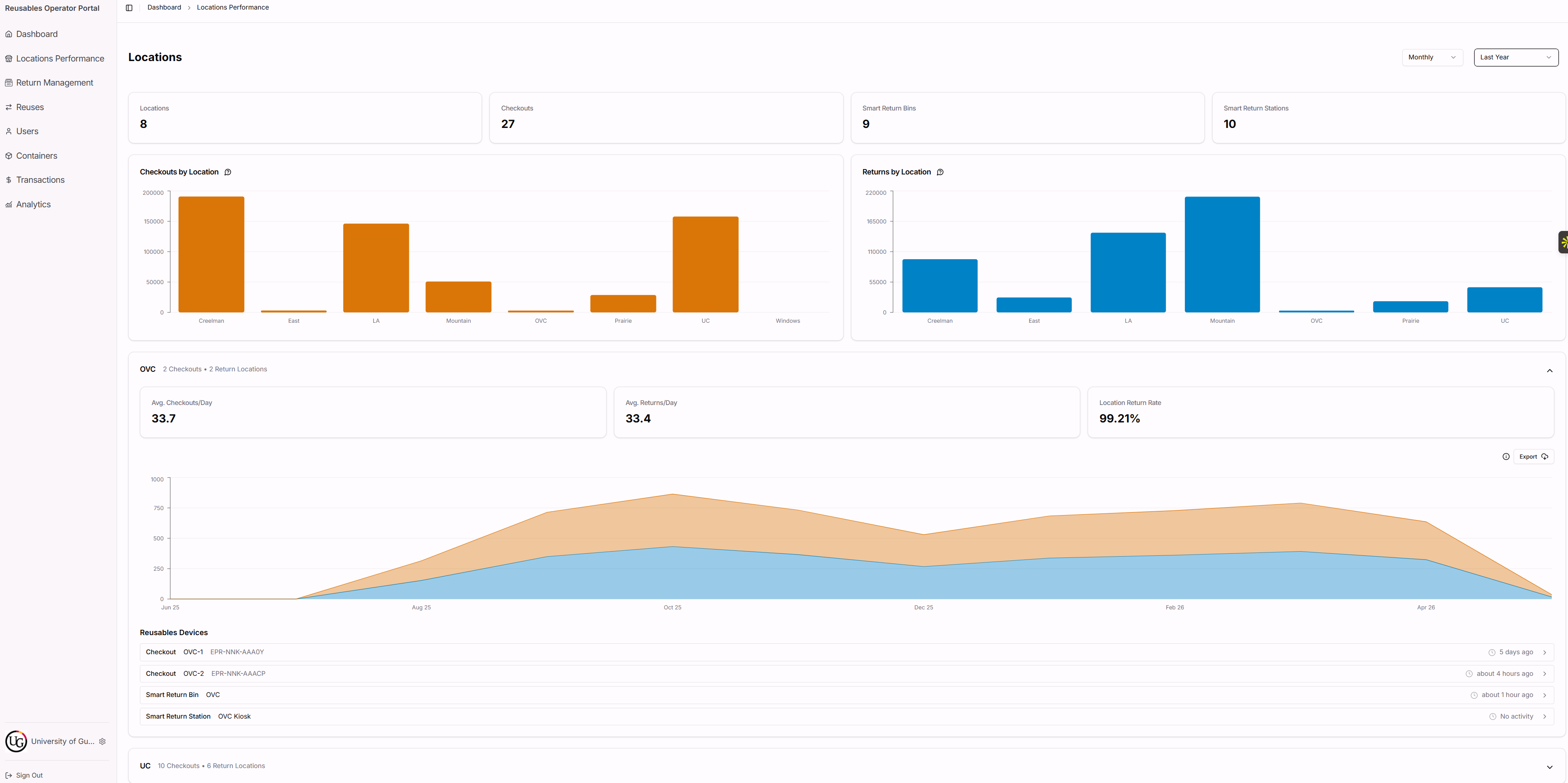
A dashboard that shows container inventory by location, return rates, overdue counts, and environmental impact metrics gives dining directors the data they need to optimize the program and justify it to administrators.
Choosing the Right Containers
The containers themselves matter. Here is what to evaluate.
Material options:
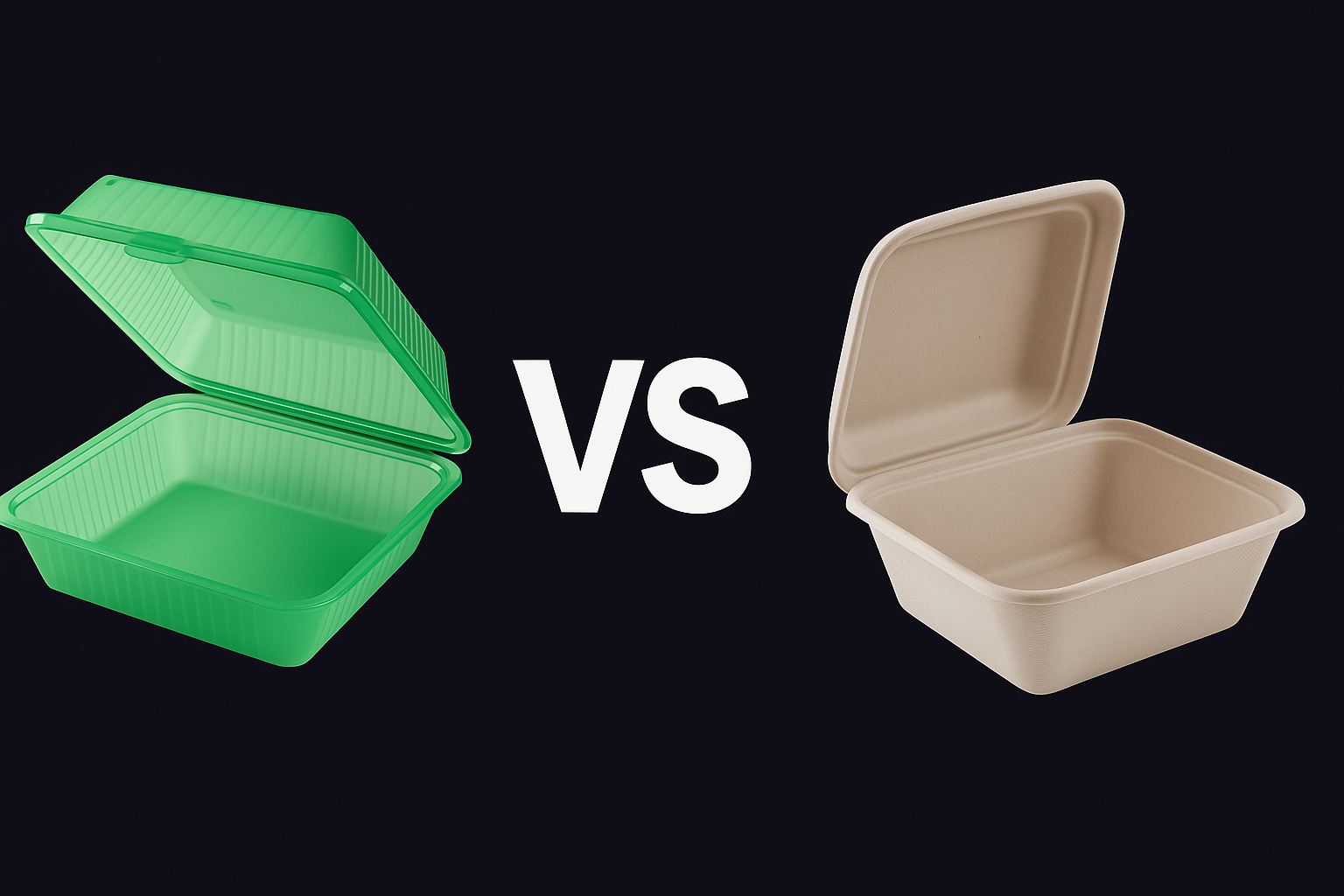
- Stainless steel: Extremely durable, easy to sanitize, premium feel. Lasts 1,000+ cycles. Higher upfront cost but lowest cost per use over time.
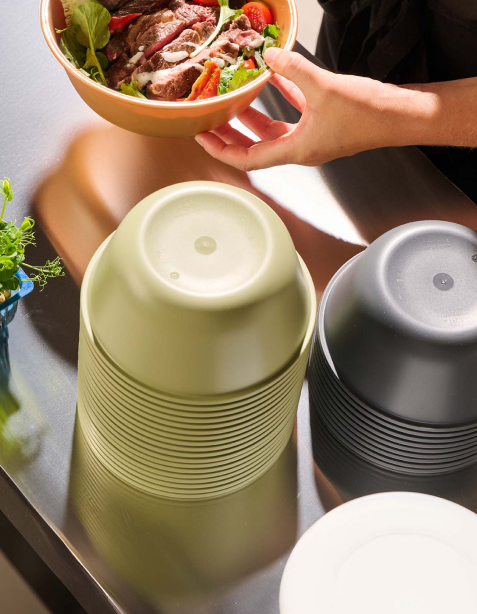
- Food-grade polypropylene: Lightweight, shatter-resistant, microwave-safe. Lasts 500+ cycles. Lower upfront cost, still durable enough for high-volume campus use.
Key features to look for:
- Leak-resistant lids for takeout and transport
- Stackable design for efficient storage and dishwashing
- Embedded tracking (RFID tag or QR code) for automated checkout and return
- Compatibility with commercial dishwashers (temperature-rated for 180°F+ cycles)
- BPA-free, food-safe certification
Container-agnostic platforms work with both material types and even with an institution's existing container inventory, which avoids the cost of replacing an entire fleet.
Technology That Powers Modern Programs
Campus Card Integration
The most effective systems plug directly into the campus card infrastructure students already use for meals, building access, and laundry. Integration with platforms like Transact, CBORD, Atrium, and TouchNet means students do not need to carry anything extra or create a new account.
Dual-Mode Tracking (RFID + QR)
RFID tags enable bulk scanning at return stations. QR codes serve as a backup and allow individual container lookups. Running both modes ensures reliability even if one tag is damaged or unreadable.
Operator Dashboard
A centralized dashboard gives operations teams real-time visibility into container inventory by location, return rates and overdue counts, fullness levels of return bins, usage patterns by time of day and location, and environmental impact metrics (waste diverted, carbon avoided).
This data drives operational decisions and provides the evidence needed for sustainability reports, grant applications, and budget justifications.
Costs and ROI for Campus Reusable Programs
Understanding the economics makes the case for administrators.
Typical cost structure:
- Containers: $3 to $8 each depending on material and size
- Return infrastructure: Smart return bins and scan stations
- Software platform: Subscription for tracking, accountability, and reporting
- Implementation: Integration with campus card systems and staff training
Savings and payback:
- A mid-size university serving 10,000 meals per day can spend $50,000 or more annually on disposable containers. A reusable system cuts that spend by 50% or more.
- With 95%+ return rates, container replacement costs stay low. Most programs achieve full payback within one to two academic years.
- Some platforms include revenue-generating advertising screens on return bins, creating an additional income stream of approximately $5,000 per screen per year.
Beyond direct savings, institutions also reduce waste hauling costs and can count container reuse toward sustainability mandates and zero-waste certification goals.
Overcoming Common Challenges
Low Initial Adoption
Solution: Integrate with campus cards for frictionless enrollment. Run a launch campaign with student sustainability ambassadors. Offer incentives during the first few weeks (gamification, leaderboard contests, prize drawings).
Container Loss
Solution: Automated accountability (fees for unreturned containers) keeps loss rates below 5%. Real-time tracking identifies patterns so you can address root causes.
Cleaning Logistics
Solution: Partner with your existing dish room operations. Reusable containers are designed for commercial dishwashers. Most dining halls already have the capacity; the containers simply enter the existing wash cycle.
Stakeholder Buy-In
Solution: Present the financial case alongside the sustainability data. Programs at peer institutions provide powerful social proof for administrators and board members.
How to Launch a Reusable Container Program: A Step-by-Step Checklist
- Audit current disposable spend. Calculate annual costs for single-use containers, waste hauling, and disposal.
- Assess infrastructure. Confirm commercial dishwashing capacity, high-traffic return locations, and campus card system compatibility.
- Select a platform. Choose a system that offers frictionless checkout, automated tracking, accountability, and real-time reporting.
- Pilot at one or two locations. Start with your highest-volume dining hall to gather data and refine operations before expanding.
- Train staff. Ensure dining and facilities teams understand container flow, return bin maintenance, and dashboard monitoring.
- Launch with student engagement. Partner with student government and sustainability organizations to drive awareness and adoption.
- Measure and optimize. Use dashboard data to track return rates, identify bottlenecks, and report impact to stakeholders.
- Scale campus-wide. Expand to additional dining locations, retail outlets, and campus events based on pilot results.
Frequently Asked Questions
Do students need to download an app to participate?
No. The best reusable container programs work with existing campus card systems. Students tap their student ID or a credit/debit card at checkout. No app, no separate account, no deposit required.
What happens if a student does not return a container?
The system sends automated reminders. If the container is not returned within the borrowing window (typically 3 to 5 days), a small fee is charged to the student's account. This keeps return rates above 95% without manual follow-up.
How long do reusable containers last?
Stainless steel containers last 1,000 or more wash cycles. Food-grade polypropylene containers last 500 or more cycles. Either option delivers hundreds of reuses before replacement.
Are reusable containers safe and sanitary?
Yes. Containers go through commercial dishwashing with high-temperature sanitization after every use. The materials are food-safe, BPA-free, and designed to maintain integrity through repeated wash cycles.
How do you track which student has which container?
Each container carries a unique RFID tag or QR code. When a student checks out a container, the system links that specific container to their account. Returns are tracked the same way, creating a complete chain of custody.
What kind of ROI can a college expect?
Most programs achieve full payback within one to two academic years. A university spending $50,000 annually on disposables can reduce that by 50% or more, while also cutting waste hauling costs and generating sustainability metrics.
Start Your Reusable Container Program Today
Colleges across North America are already saving thousands of dollars per year and diverting tons of packaging waste by switching to reusable containers. The technology exists today to make reuse as simple as grabbing a disposable box.
Ready to see how a reusable container program works at your campus? Book a discovery call to learn how the system fits your dining operations, or explore our solutions to see the technology in action.
Other stories you may find interesting

.png)
.avif)


.webp)


Watch the Webinar
Learn How to Eliminate Single-Use Waste
Get instant access to our expert webinar and discover how leading institutions reach 99% return rates through smarter reuse systems.

© Reusables™. All rights reserved.