
How to Pay for Reusables with Student ID Systems

March 23, 2026
Running a campus dining program means constantly balancing budgets, operational demands, and sustainability goals. You've likely seen the cost of single-use packaging climb while well-intentioned green initiatives fall flat due to low student participation. The problem isn't the idea of reuse; it's the execution. A successful program can't rely on clunky apps or manual tracking. The key is to make it completely effortless. By integrating with your existing campus infrastructure, you can create a system where students can essentially pay for reusables with student ID cards, making checkout and accountability seamless. This guide explains how linking containers to student IDs is the single most important step to building a program that actually works, saving your institution money and drastically cutting waste.
Key Takeaways
- Integrate with Student IDs for Easy Adoption: The most successful reuse programs work with the systems students already use. Linking containers to campus cards removes friction like app downloads or cash deposits, making participation effortless for students and simplifying operations for your staff.
- Automate Accountability to Reduce Costs: A system that handles return reminders and refundable late fees on its own is essential for financial success. This approach ensures high return rates, which protects your container inventory and directly cuts your spending on single-use packaging.
- Make Returns Convenient to Ensure Success: A program is only effective if containers come back. Placing smart, 24/7 accessible return bins in high-traffic locations makes the process fit seamlessly into a student's daily routine, keeping your containers in circulation.
Why Link Reusable Containers to Student IDs?
Connecting reusable containers to student IDs is the key to a successful campus reuse program. It transforms a great idea into a practical, everyday reality that works for both your operations and your students. Think of it like checking out a library book; linking a container to an ID creates a simple, automated system of accountability. This single step is what ensures containers actually come back, preventing inventory loss and keeping the system running smoothly without adding work for your staff.
More importantly, this approach makes participation effortless for students. They don't need to download a new app, create another password, or carry a separate payment card. They just use the ID that's already in their pocket for everything from dorm access to meal plans. This integration is the bridge between your campus's sustainability goals and a system that students will actually adopt and use, day in and day out. It's about removing every possible barrier and making the sustainable choice the easiest and most convenient choice on campus. When reuse is this simple, high participation and high return rates follow naturally.
Reduce Your Campus's Environmental Footprint
Every container that gets returned is one less disposable item in the trash. Linking reusables to student IDs is the most effective way to guarantee high return rates, which directly slashes your campus's waste output. This isn't just a small change; it has a massive collective impact. For example, Washington State University found that by using reusable containers, their "students have saved nearly 65,000 single-use containers and over 6,000 pounds of waste from entering the landfill." This is how your dining program becomes a visible leader in achieving your institution's zero-waste mandates and sustainability goals, turning a cost center into a point of pride.
Cut Operational Costs for Your Institution
The cost of single-use packaging has skyrocketed, putting a major strain on dining budgets. A well-managed reusable container program offers a powerful alternative that can lead to substantial savings. The key is preventing container loss, and linking each one to a student ID is the best way to protect your inventory. The financial results can be impressive. At Northern Arizona University, switching to reusables is now saving them "$104,400 annually compared to their single-use container costs." Imagine what your program could do with those reallocated funds, all while improving your operational efficiency and reducing budget uncertainty.
Offer a Seamless and Convenient Student Experience
For any campus initiative to succeed, it has to be easy for students. Linking reusables to their existing student ID card removes all the friction. There's no app to download, no new account to create, and no cash deposit to manage. They simply tap their card and go. This familiar process makes participation feel natural and effortless. As seen at the University of Pittsburgh, which introduced a reusable system with stainless steel containers, this approach works. By integrating with the technology students already use every day, you make reuse a simple, convenient part of the campus dining experience.
Why Students Embrace Reusable Container Programs
For a campus initiative to reach its potential, it needs to align with what students genuinely care about. The good news is that well-designed reusable container programmes tend to do exactly that. Students are frequently the most vocal supporters of sustainability efforts on campus, and a programme that makes participation easy gives them a concrete, daily way to act on those values. Understanding what motivates student participation helps you build a programme—and communicate it—in ways that resonate.
The Environmental Impact Students Care About
For many students, sustainability is a core value, not a trend. They are aware of environmental issues and actively look for ways to make a meaningful contribution through everyday choices. A reusable container programme offers one of the most direct and visible options: with every meal, they actively divert a container from the waste stream. Research from institutions like Towson University shows strong student engagement when sustainability initiatives are clearly structured and easy to participate in. This sense of active contribution—rather than passive compliance—is a significant driver of consistent use over time.
The Financial Incentive
While environmental values motivate many students, personal budgets are never far from mind. Programmes that operate on a completely free-to-use model, with no upfront deposits and no new accounts to create, make the sustainable choice financially straightforward. When participation costs students nothing and the checkout is built into the existing meal transaction, the programme removes any financial hesitation. Even small cost incentives—such as a discount on a coffee for consistent reusers—meaningfully reinforce the habit, particularly among students who are budget-conscious.
Convenience as a Deciding Factor
A programme can have strong environmental credentials, but if it is not easy to use, students will not maintain the habit. Integrating directly with the campus card students already carry means there is no new app to download, no separate account to create, and no cash to manage. Paired with 24/7 smart return bins placed in high-traffic locations like residence halls and libraries, the entire process—checkout and return—requires no more effort than using a disposable container. When convenience matches values, the behaviour becomes self-sustaining.
How Does the Student ID Checkout Work?
For any reuse program to succeed, the checkout process has to be completely effortless for students and staff. If it's complicated, requires a separate app, or slows down the lunch line, adoption rates will suffer. The ideal system works with the tools and habits your students already have. By linking reusable containers directly to student IDs, you create a checkout experience that is as simple as buying a coffee. This approach removes friction, encourages participation, and gives you a reliable way to track your container inventory without adding extra work for your team. It's about making the sustainable choice the easiest choice.
A Look at "Tap to Reuse" Technology
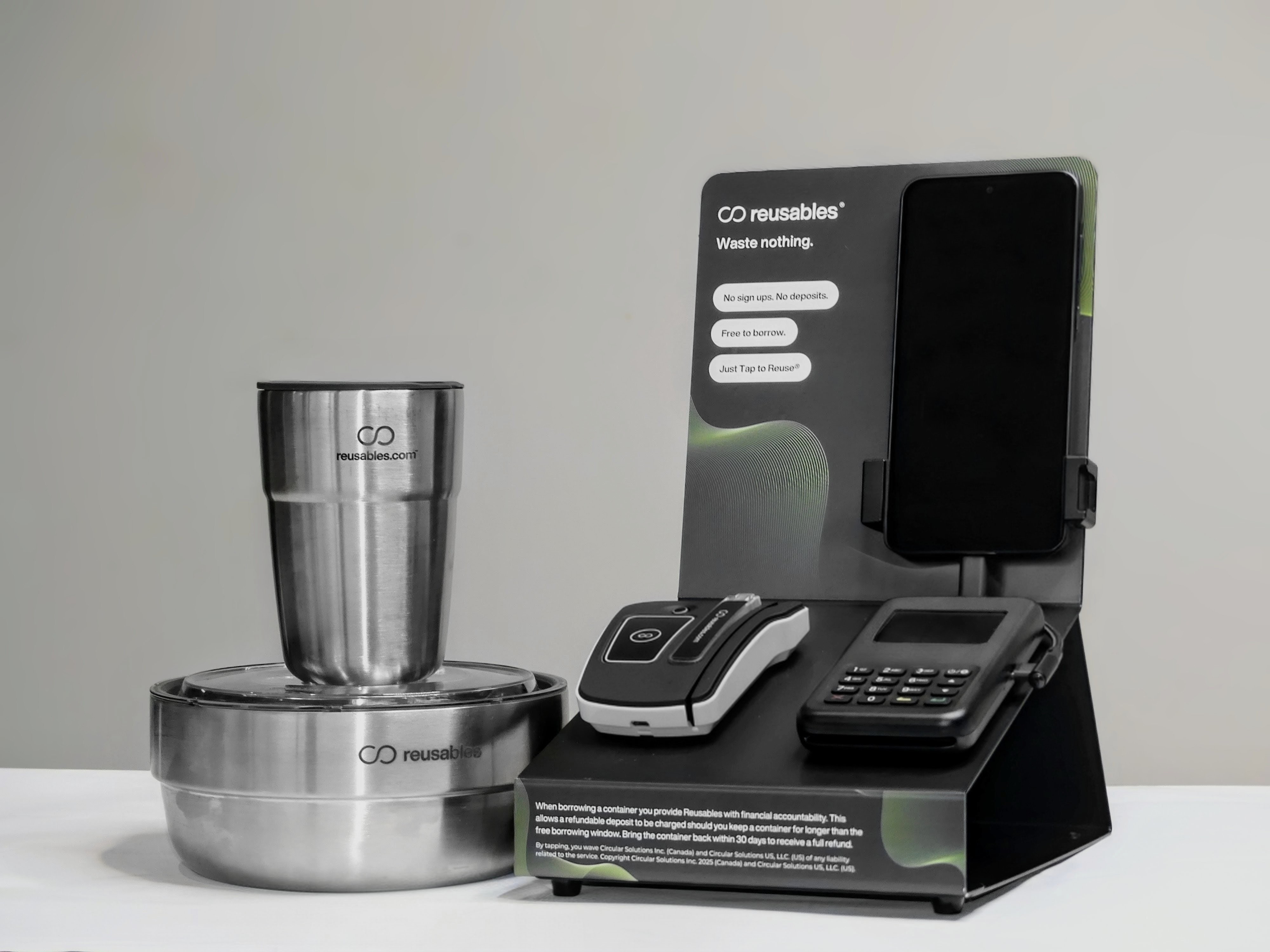
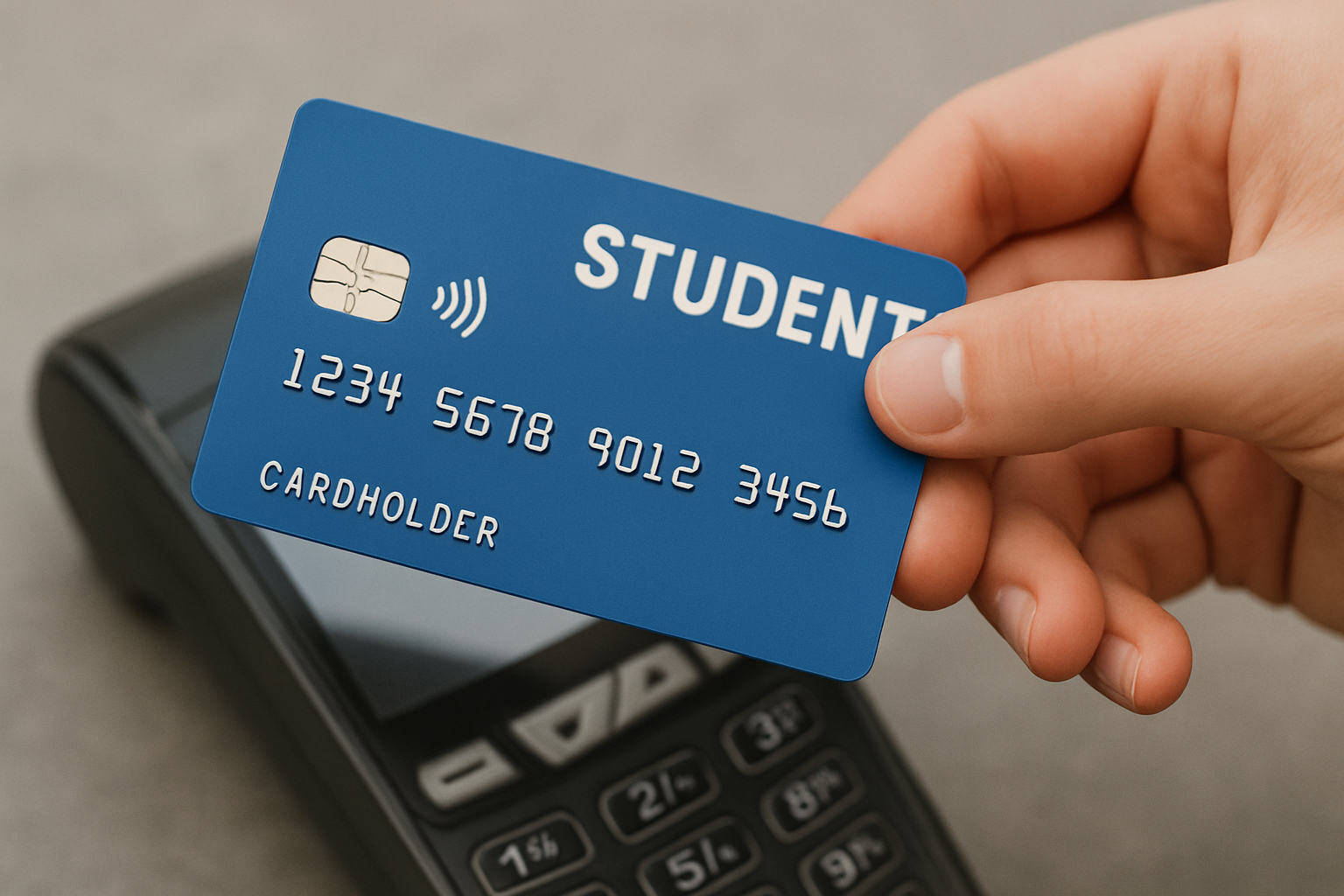
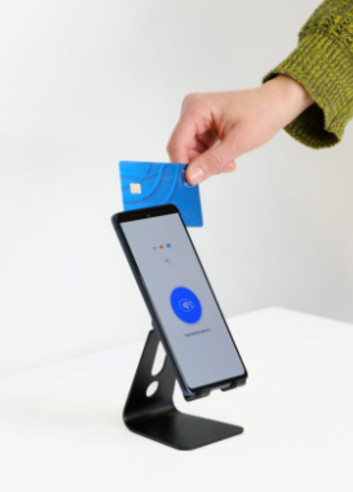
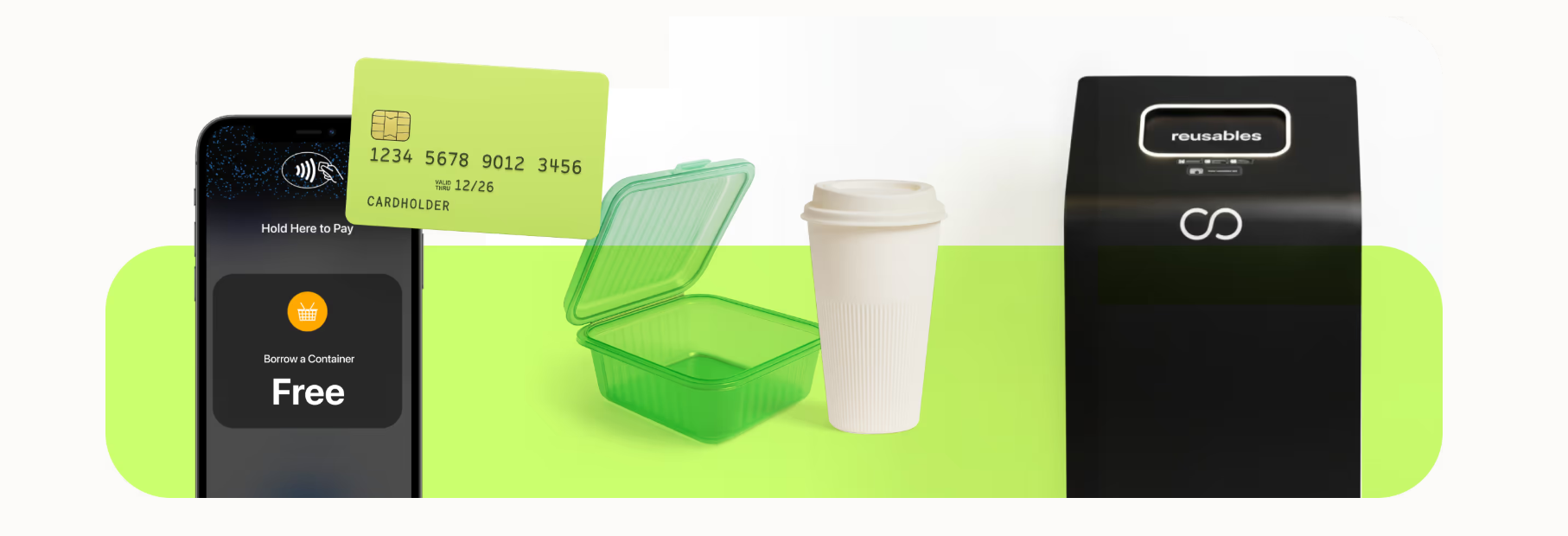
The core of a successful program is a simple checkout. With "Tap to Reuse" technology, students can borrow a container just by tapping their student ID or a credit card at the point of sale. They don't need to download a special app, create a new account, or pay an upfront deposit. This single action links the unique container to their student account, making the process quick and intuitive. Because it feels just like any other campus transaction, it fits naturally into their daily routine. This app-free approach is a key part of what makes a zero-waste packaging system work, as it removes the barriers that often cause other programs to fail.
Integrating with Existing Campus Card Systems
A major operational hurdle is introducing new technology that doesn't communicate with your existing infrastructure. An effective reusables program should feel like an extension of your current setup, not a clunky add-on. Reusables.com connects directly with the campus card and payment systems you already use, including Transact, CBORD, Atrium, and TouchNet. This full integration means there are no data silos or manual workarounds. When a student taps their card, our system instantly recognizes them through your existing database. This seamless connection is what powers automated accountability and provides you with clear, real-time data without disrupting your workflow.
The Simple, Step-by-Step Checkout Process
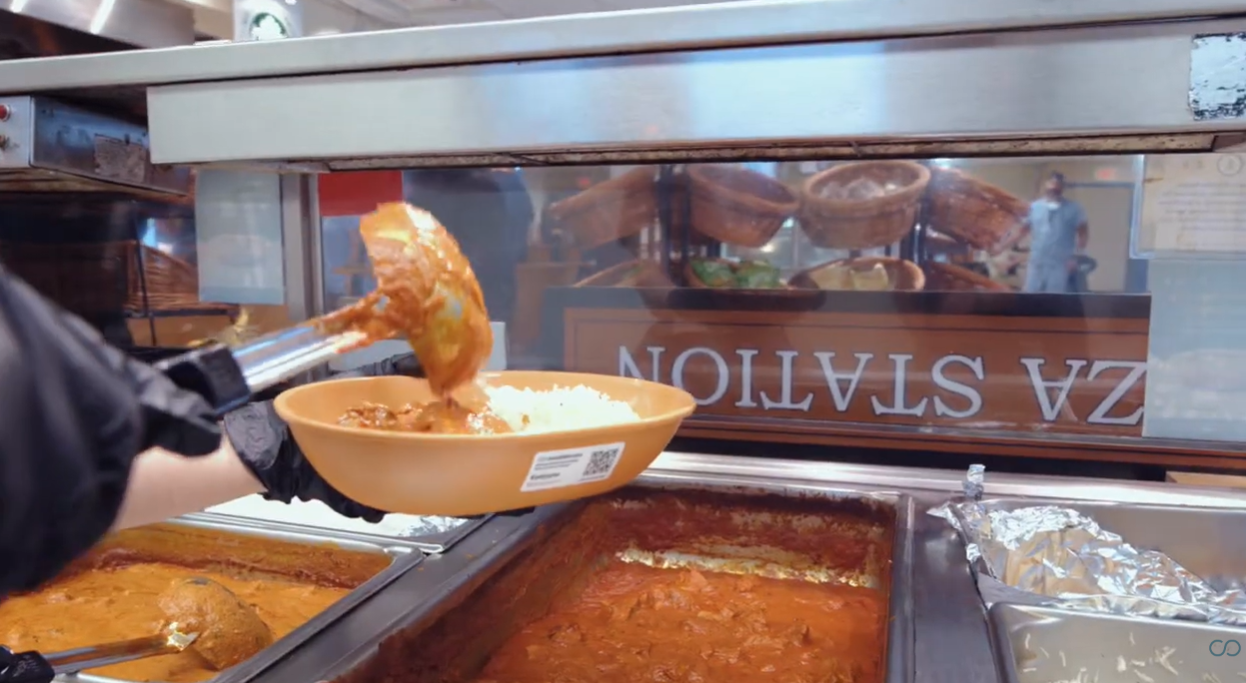
From a student's perspective, the process is incredibly straightforward. When placing an order, they simply ask for their meal in a reusable container. At the checkout counter, they tap their student ID on a designated reader, and that's it. The container is now checked out to their account, and they can be on their way. There are no extra steps, paper slips, or complicated QR codes to scan during the rush of meal service. This simple, two-step process (ask and tap) takes only a few seconds and is easy for both students and cashiers to learn, ensuring your dining lines keep moving smoothly.
What Are the Costs of a Student ID Reusables Program?
When considering a new campus initiative, the budget is always a primary concern. A common question is, "What will this actually cost?" The great news is that a well-designed reusables program isn't just an expense; it's a strategic investment that can lead to significant long-term savings. By integrating with your existing student ID system, you can create a program that is both financially sustainable and incredibly easy for students to adopt. This approach sidesteps the common pitfalls of clunky, manual systems that require heavy staff oversight and often result in low container return rates.
The financial model for a successful program focuses on three key areas: a simple fee structure that encourages participation, an automated accountability system that ensures high return rates, and a clear return on investment when compared to the rising costs of single-use packaging. A tech-enabled reuse system is designed to address all these points, making the transition to zero-waste dining a smart financial move for your institution. It transforms a major expense line (disposables) into a cost-saving, sustainable operation that also enhances the student dining experience.
Understanding Fee Structures and Deposit Models
The most effective reusables programs are free for students to join. Eliminating upfront deposits or sign-up fees removes a major barrier to entry and encourages widespread adoption from day one. Instead of asking students to pay a deposit, the program simply links the reusable container to their student account. Students can use their existing campus cards to check out containers, and their meal plan balances can be used for any potential fees. This approach makes participating as easy as swiping their card for a meal, creating a frictionless experience that fits perfectly into their daily routine.
When comparing programme models, there are generally two approaches: deposit systems that require an upfront payment to borrow a container, and free-to-use programmes that eliminate that barrier entirely. Deposit models can deter participation, particularly among cost-conscious students, by creating a financial hurdle before a habit has had a chance to form. Free-to-use models are consistently more effective: students access containers at no charge through their existing campus card, and accountability is maintained through automated, refundable late fees if a container is not returned on time. This design makes participation the default, not the exception.
How Automated Late Fees Ensure Accountability
A key to a financially viable program is getting the containers back. Chasing down students for unreturned items is not a good use of your staff's time. That's why automated accountability is so important. The system handles everything for you, from sending friendly return reminders to automatically charging a small, refundable late fee to a student's dining account if a container isn't returned on time. For example, a student might get a 48-hour warning after a three-day borrowing period before a fee is applied. This gentle but firm approach ensures students remain accountable and drives industry-leading return rates of over 99%.
Comparing the Cost: Reusables vs. Single-Use Packaging
This is where the financial benefits really shine. Many universities spend more than $50,000 annually on disposable takeout containers, and those costs have skyrocketed by over 200% in the last three years. A university reusable container program directly cuts these recurring expenses, often resulting in annual savings of 30% or more on packaging. For example, Washington State University students saved nearly 65,000 single-use containers from the landfill in just one semester. By switching to reusables, you're not just reducing waste; you're making a sound financial decision that frees up your budget for other priorities.
Finding a Reusables Program That Accepts Student IDs
Once you've decided to connect a reusables program to your student ID system, the next step is finding the right partner. You need a provider that not only understands the campus environment but also offers a solution that integrates smoothly with your existing operations. The goal is to find a program that feels like a natural extension of your dining services, not a clunky add-on. Look for a partner with a proven track record, flexible options, and a deep understanding of campus card technology.
The Reusables.com Fully Integrated Campus Solution
Your reusables program should make participation effortless for students. That's why we built our system around a simple "Tap to Reuse" model. Students can check out a container simply by tapping their student ID, credit card, or mobile wallet at the point of sale. There's no app to download and no upfront deposit required, removing common barriers to adoption. This frictionless experience is key to achieving high participation and return rates. Our fully integrated campus solution is designed to replace single-use containers entirely, helping your institution save money and significantly reduce waste without adding complexity for you or your students.
Ensuring Compatibility with Your Campus Card System
Introducing new technology on campus can be a major headache if it doesn't play well with your existing systems. We get it. That's why our platform is designed for seamless integration with the leading campus card and payment providers, including Transact, CBORD, Atrium, and TouchNet. We work with a network of trusted circular packaging partners to ensure our technology connects directly to your current infrastructure for payments, mobile ordering, and campus IDs. This means you can launch a campus-wide reusables program without disrupting your established operational workflows, ensuring a smooth transition for both your staff and students.
Exploring Flexible Container and Partner Options
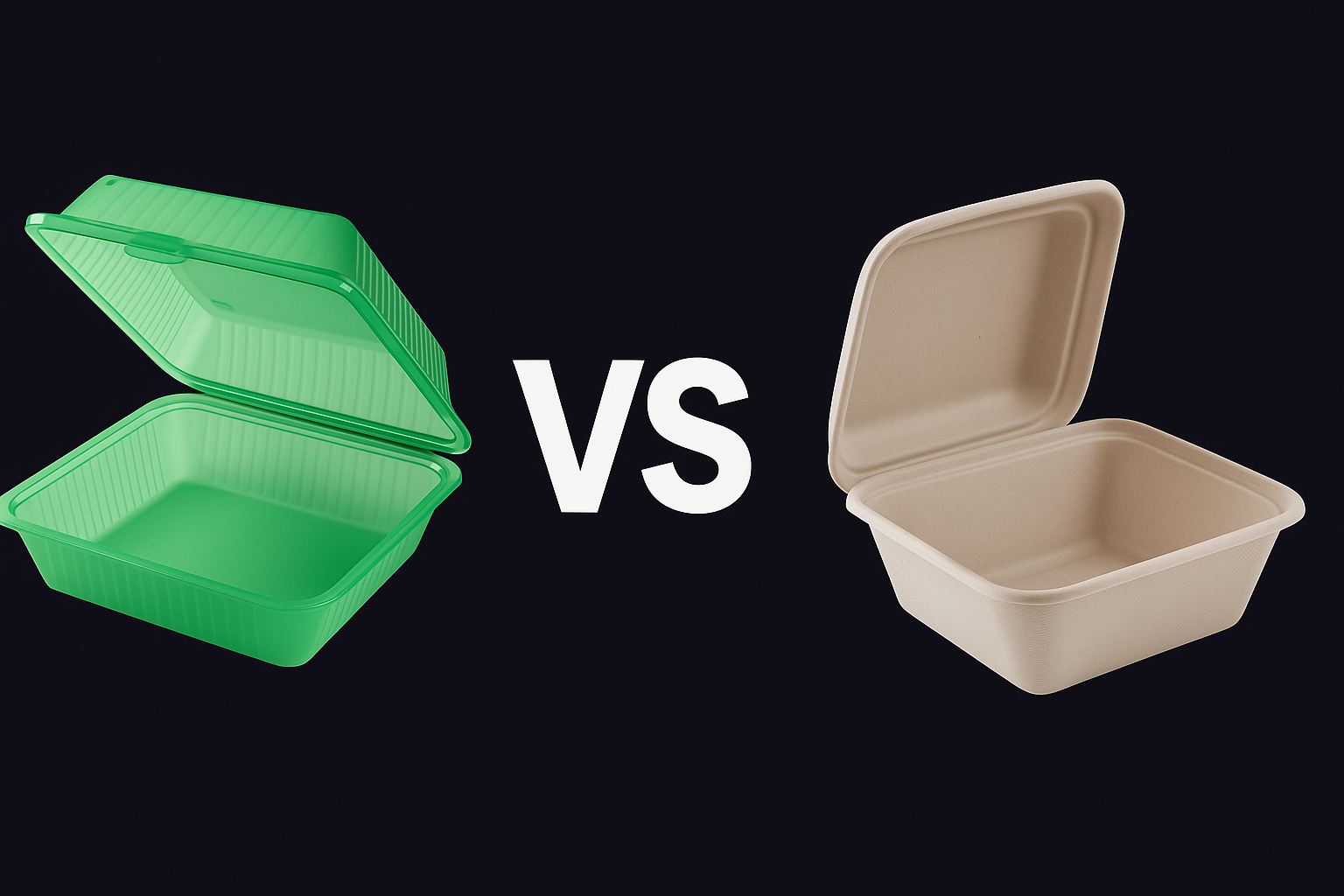
Every campus has unique needs, so a one-size-fits-all approach to reusable containers just doesn't work. Our system is container-agnostic, giving you complete flexibility. You can use your existing inventory of containers or choose from a wide selection of durable plastic and stainless steel options from our partners. Because our platform is built with an API-first approach, it can connect with almost any other software system you use. This adaptability ensures that you can build a reusables program that fits your budget, meets your sustainability goals, and aligns with your brand, all while using a single, unified tracking system.
How to Make Container Returns Easy and Effective
A reusable container program is only as good as its return rate. If containers disappear, costs go up and the environmental benefits vanish. The secret to getting students to bring containers back is simple: make it incredibly easy. A successful system removes friction at every step, from checkout to return, ensuring the process fits seamlessly into a student's daily life. When returning a container is as easy as tossing a disposable one, you create a sustainable loop that benefits everyone.
This involves placing return stations in convenient locations, using automated systems to gently remind students, and providing clear, simple instructions. By focusing on a user-friendly experience, you can achieve industry-leading return rates, cut down on replacement costs, and keep your program running smoothly for years to come.
Convenient Return Windows and Locations
To get students on board, the return process needs to be effortless. Place return bins in high-traffic areas where students naturally pass by, like dining halls, residence buildings, and popular campus hubs. As Brown University's program shows, the ideal setup allows students to "simply return their used containers to a...return bin...after eating." The goal is to integrate the return into their existing routine, not add another chore to their list.
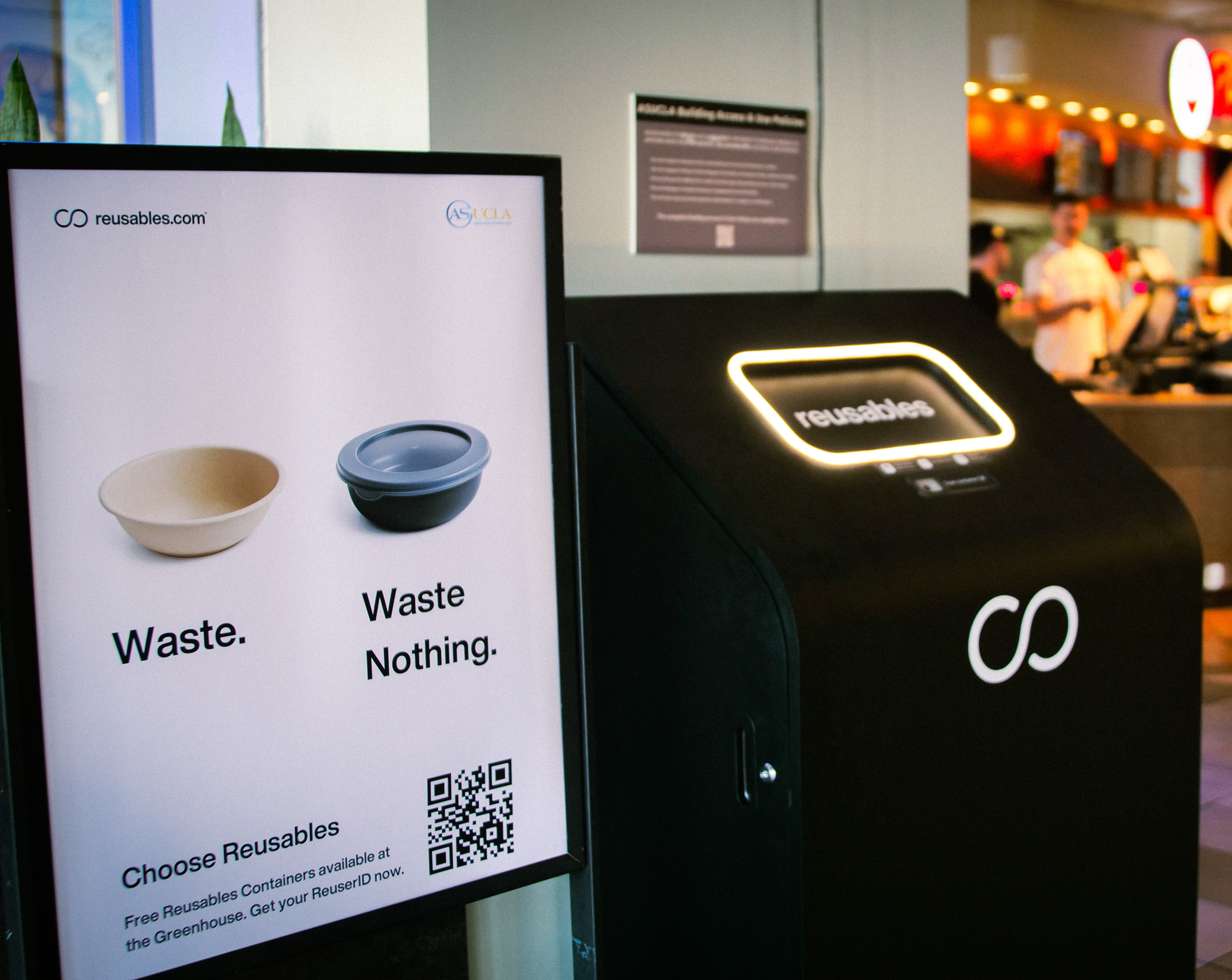
Another key is removing the need for students to wash containers before returning them. Your dishwashing system can handle that, and it eliminates a major barrier to participation. By making the drop-off quick, clean, and convenient, you encourage consistent returns. Our Smart Return Bins are designed to be placed anywhere on campus, giving students flexible and accessible options that fit their busy schedules.
The Power of Automated Reminders and Charges
Accountability is crucial for keeping containers in circulation, but it shouldn't create extra work for your staff. An automated system is the perfect solution. It can send friendly, timed reminders to students who have held onto a container for too long. If a container still isn't returned, the system can automatically apply a small, refundable fee to the student's account.
For example, the University of New Mexico gives students a three-day window, followed by a 48-hour warning, before charging a $7.00 fee. This approach isn't punitive; it's a fair way to protect the program's assets and ensure there are always enough containers for everyone. With automated accountability, your team never has to chase down students or manually process fees, freeing them up to focus on providing great service.
How Smart Bins Provide 24/7 Accessibility
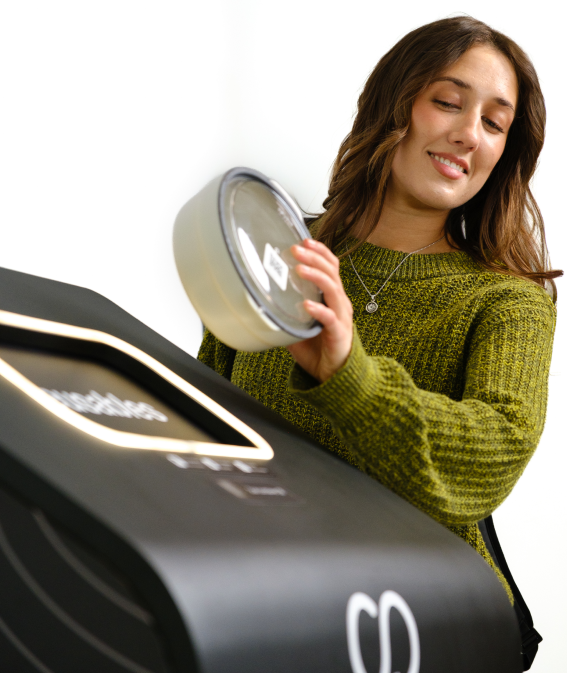
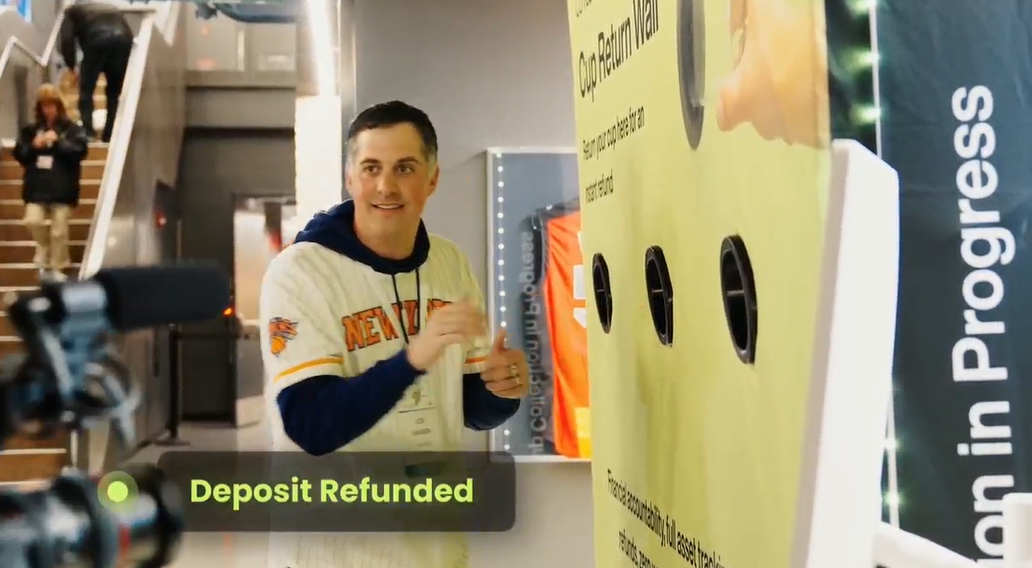
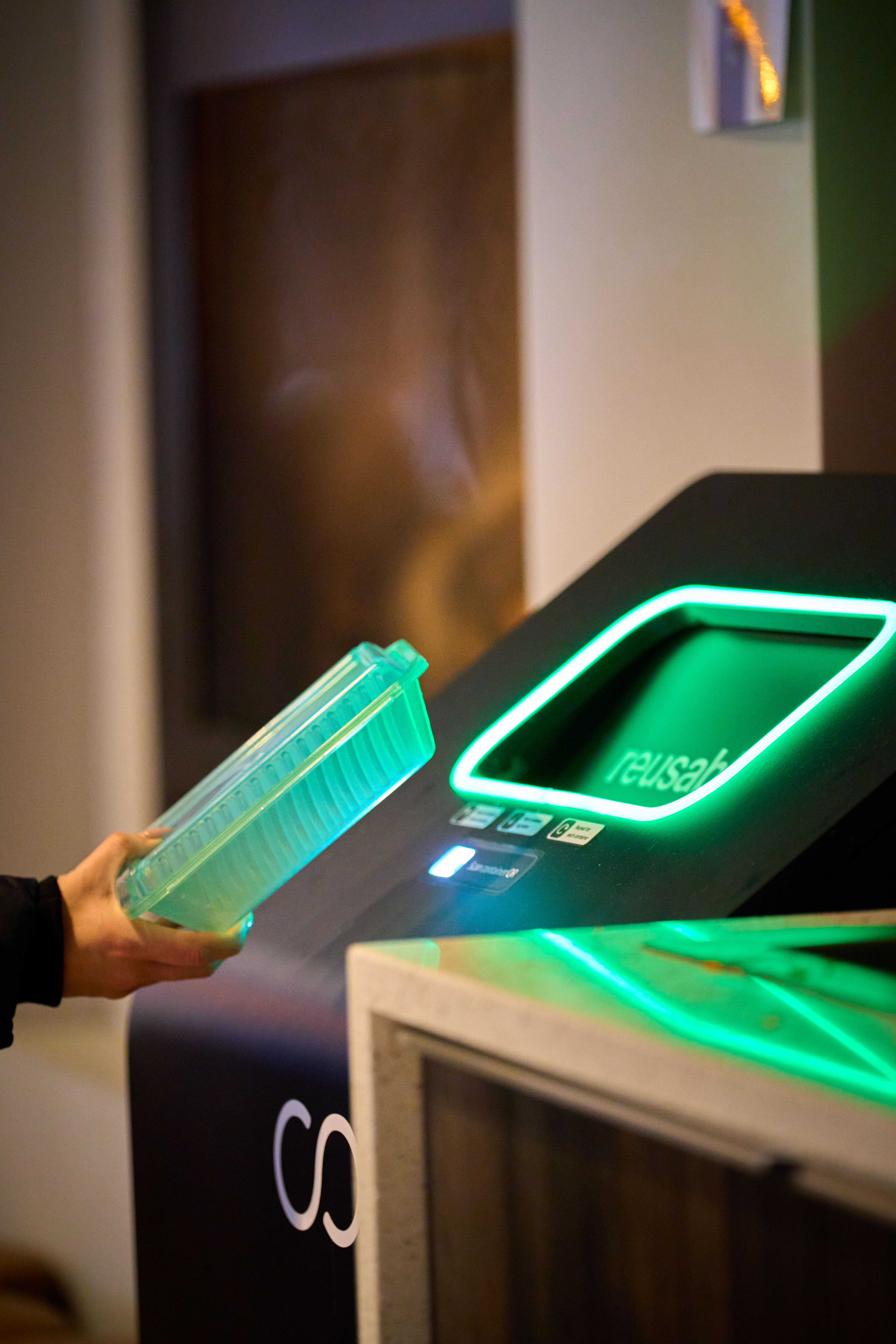
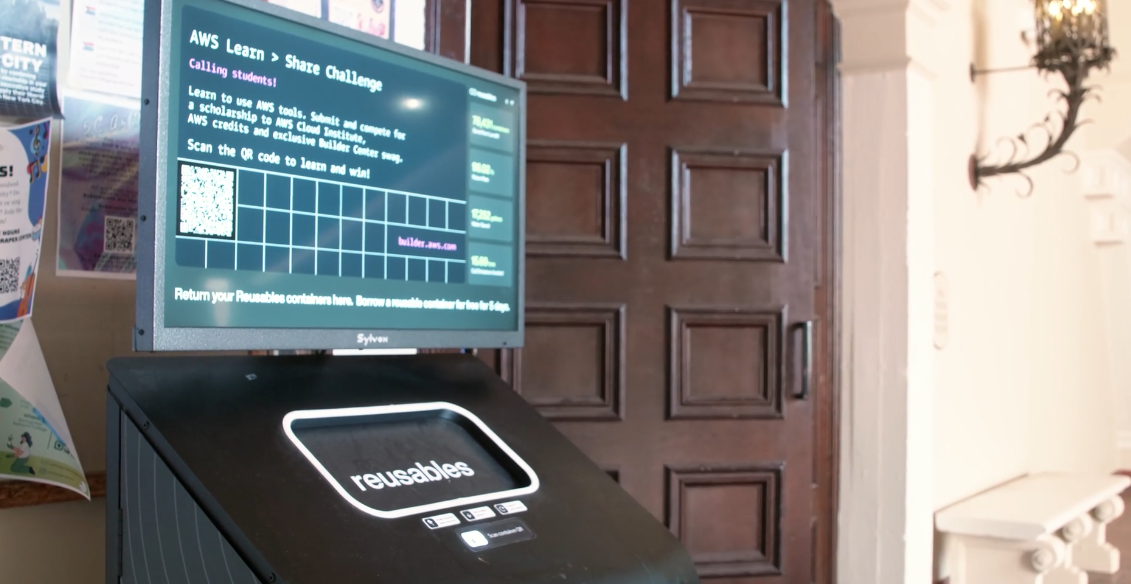
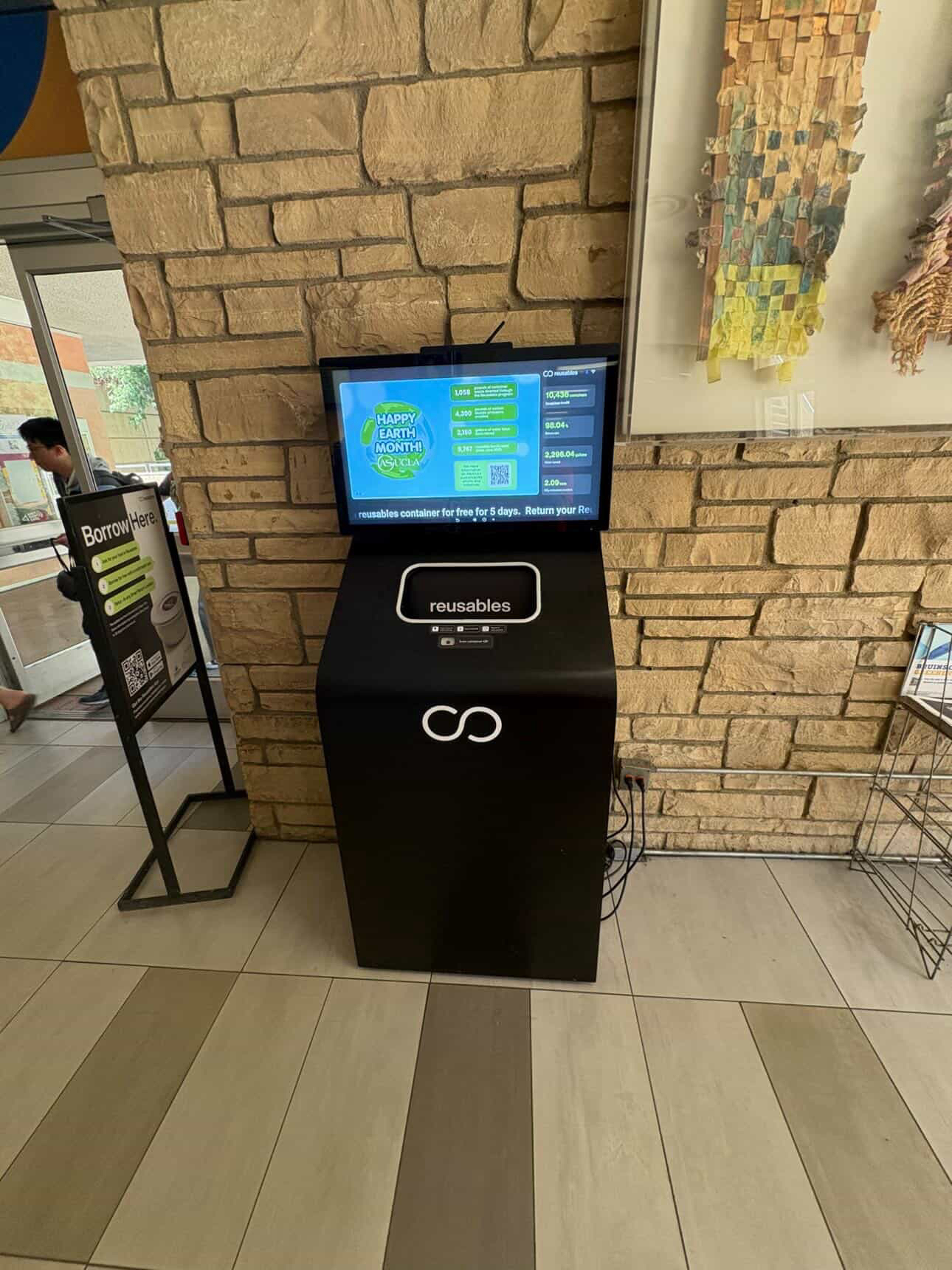
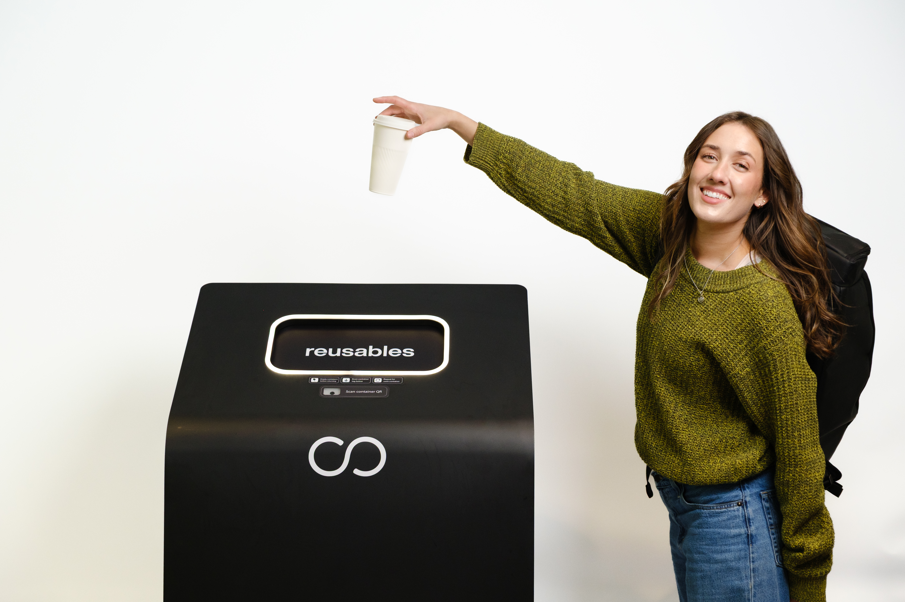
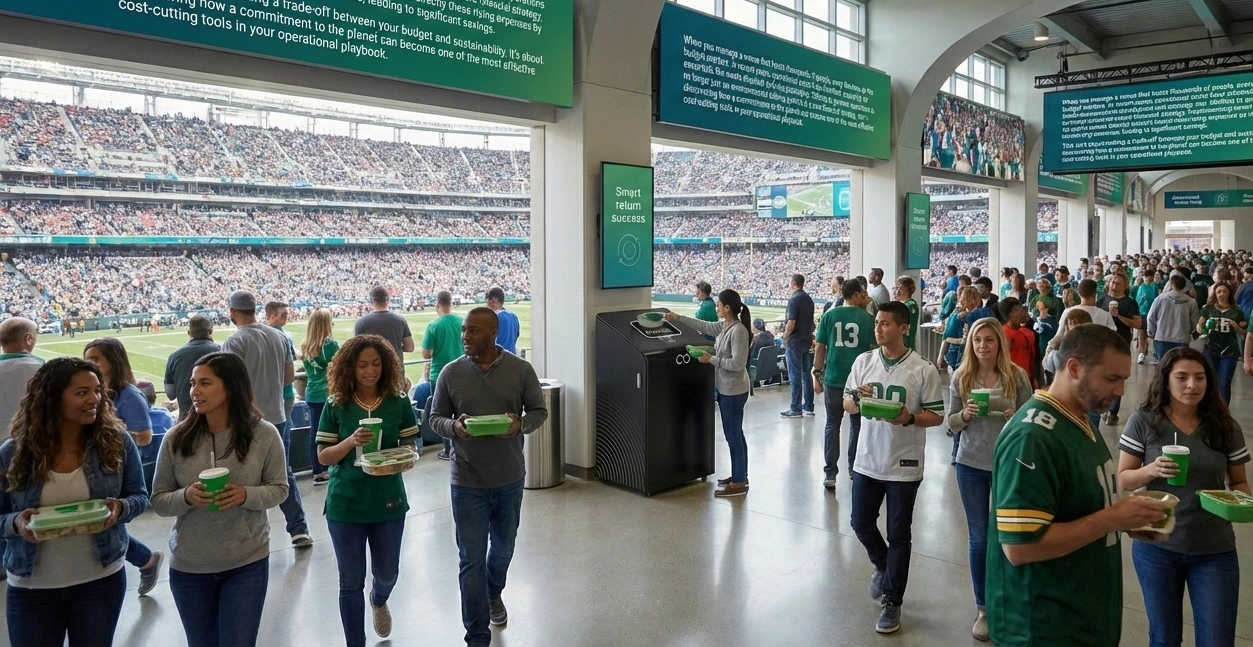
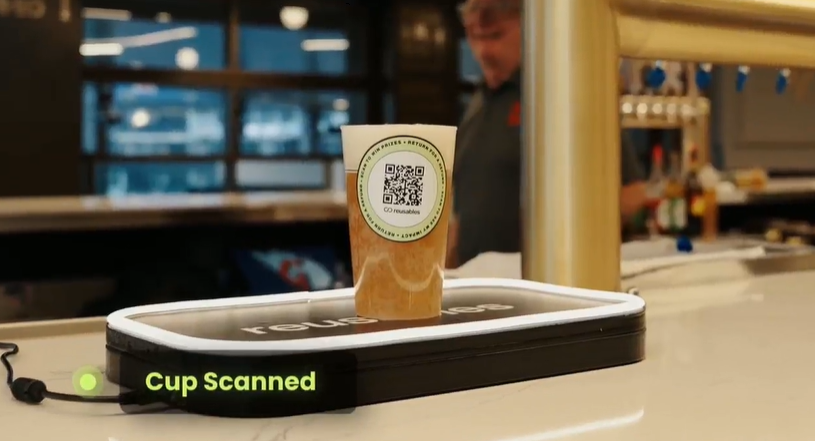
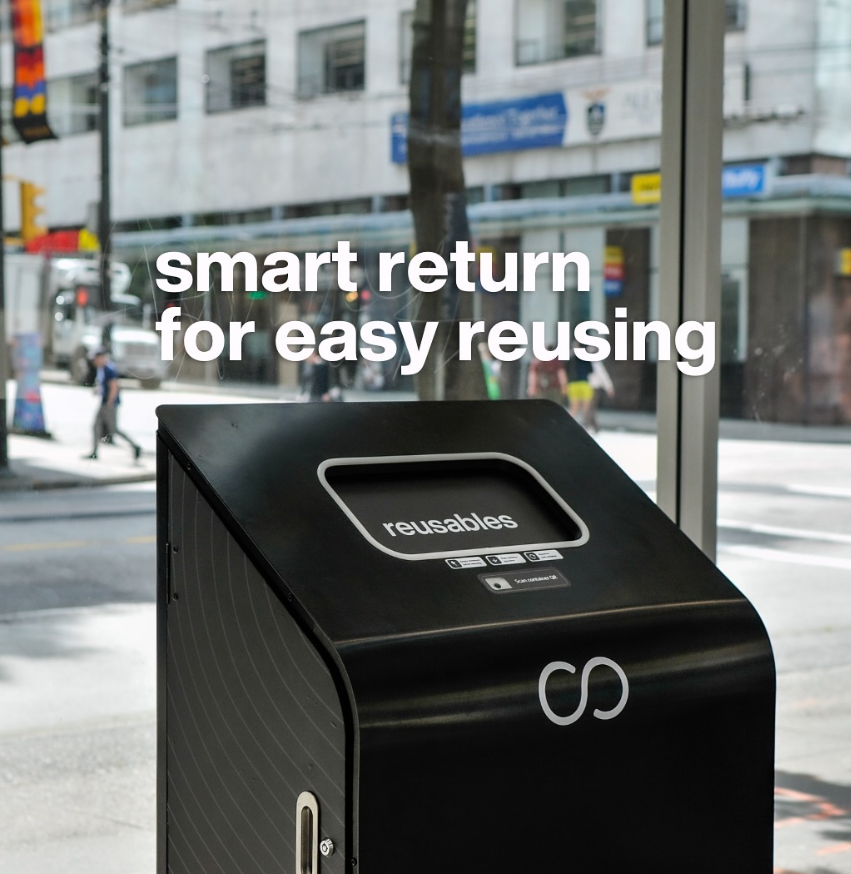
Modern technology makes the return process smoother than ever. Smart bins offer around-the-clock accessibility, so students aren't limited by dining hall hours. Each container has a unique QR or RFID tag, making the return process as simple as scanning a library book. Students just scan their container at the bin, drop it inside, and are instantly credited for the return.
These bins do more than just collect containers. They provide valuable real-time data, sending alerts when they're getting full and need to be serviced. This operational visibility helps your team manage inventory and collections efficiently. By offering a 24/7, touch-free return option, you give students the flexibility they need and give your team the data-driven solutions for businesses they need to run the program effectively.
Answering Common Questions About Program Policies
Clear communication is the foundation of a successful reusables program. While the core process is simple, students will always have questions. It's a good practice to create a straightforward FAQ page that covers your campus-specific policies. As programs can vary from one school to another, it's important to "always check with your campus dining team for specific rules and details."
Your FAQ should answer key questions like: How long do I have to return a container? What is the late fee if I forget? Where are all the return locations on campus? Do I need to rinse my container first? Proactively providing this information helps build student confidence and encourages participation. If you're considering how to structure your own program, our team can help you establish clear policies that work for your campus. You can always contact us to learn more.
Solving Common Student Concerns
Even a well-designed programme will face questions and hesitations from students, particularly in the first weeks. Anticipating these concerns and addressing them proactively—through clear signage, trained staff, and transparent communication—significantly reduces the friction that can slow early adoption.
Hygiene and Cleanliness
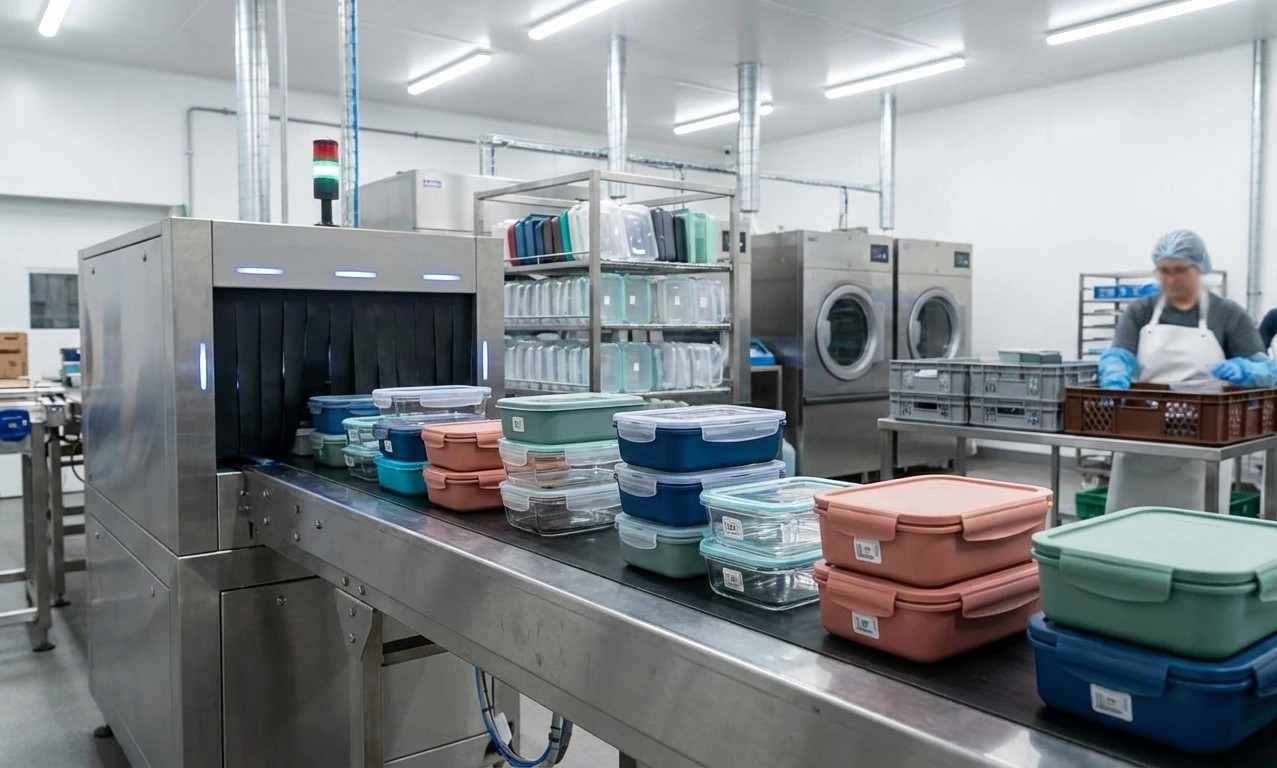
Cleanliness is one of the most frequently raised student concerns about shared containers. The most effective response is transparency: all returned containers go through the same commercial-grade, high-temperature washing and sanitising process used for every plate, cup, and utensil in your dining facilities. Communicating this clearly—on signage at dining stations, at the point of checkout, and on your dining services website—builds trust before the question even arises. Your existing food safety standards already cover this requirement; the key is ensuring students know it.
Inconvenience and Habit Formation
Students may assume that borrowing and returning a container will require more effort than simply taking a disposable one. The checkout process is designed to counter this assumption directly: a tap of their existing campus card, and they are done. Smart return bins placed in residence halls, libraries, and student centres mean containers can be dropped off at any time, on any schedule. When returning a container requires no more effort than locating a bin, the habit forms quickly. The initial adoption hurdle is almost entirely logistical—once students have participated once or twice, the process becomes automatic.
What Happens If They Forget
A straightforward automated reminder system handles this concern. If a container is not returned within the set period, the student receives an automatic notification. If it still is not returned, a small refundable fee is applied to their account—cleared automatically the moment the container is dropped at any return station. The fee is not punitive; it is a prompt. Communicating the borrowing period, the reminder sequence, and the refundable nature of the fee clearly at launch removes anxiety about the programme and helps students understand that the system is designed to be fair.
How to Choose the Right Checkout System
Selecting the right checkout system is one of the most consequential decisions in launching a reusable container programme. The right technology makes participation effortless for students and staff; the wrong choice creates friction that undermines adoption before the programme gains traction. A successful system should feel like a natural extension of your existing dining services. Four areas are worth evaluating carefully: integration with your current infrastructure, flexibility with container options, the quality of the technology and vendor support, and a clear plan for a successful launch.
Check for Seamless Campus Integration
Your reusable container programme should not require students to learn new technology. The checkout process needs to feel familiar, which means integrating directly with the campus card and payment platforms already in use—Transact, CBORD, TouchNet, and similar systems. When a student taps their ID to check out a container, using the same card they use for every other campus transaction, the barrier to entry is eliminated. This kind of deep integration is what separates a genuinely automated system from a manual or app-dependent one. It also simplifies the process for cashiers, since the checkout becomes part of their existing workflow rather than an additional step.
Look for Flexibility with Container Options
A strong reuse platform will not lock you into a single proprietary container type. Look for a system that is container-agnostic, giving you the ability to use existing inventory or select from a range of approved suppliers offering stainless steel and durable plastic options. This flexibility allows you to match your container choices to your operational context—portion sizes, cuisine types, budget constraints—and makes it easier to scale the programme across campus as demand grows.
Evaluate Technology and Vendor Support
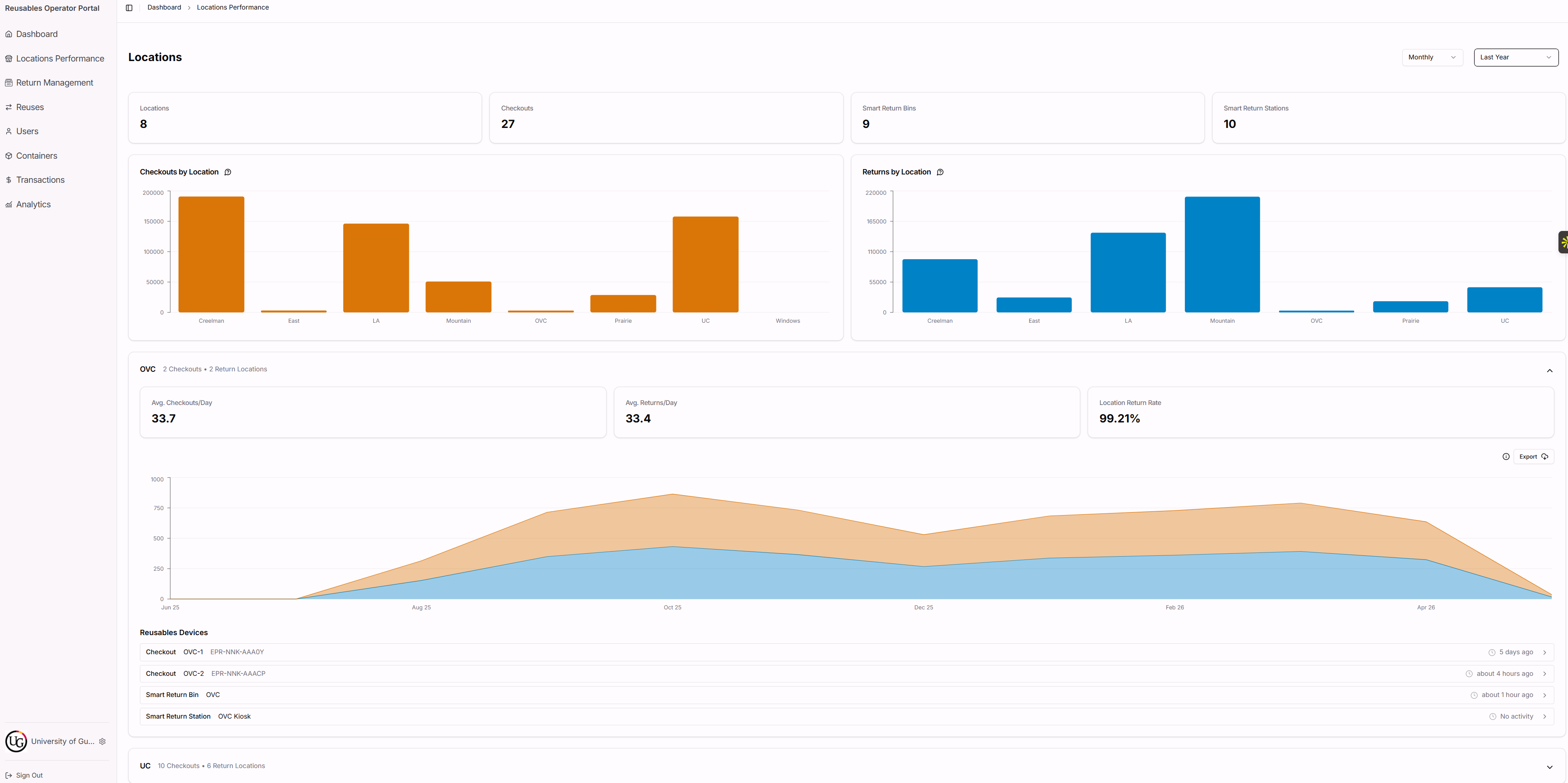
The technology behind the checkout should streamline operations, not add to them. Evaluate whether the system provides real-time data on inventory levels, return rates, and environmental impact through a clear operator dashboard. Beyond the checkout counter itself, consider the quality of vendor support. A partner who provides comprehensive onboarding, ongoing training, and responsive troubleshooting helps ensure your team is confident using the system and that issues are resolved quickly.
Plan Your Rollout for High Adoption
A successful launch requires more than installing new technology. Work with your vendor to map out a rollout that includes student communication, staff training, and engagement activities. Ask whether your provider supports promotional materials, reward programmes, or leaderboard features that make participation appealing from the outset. A thoughtful launch plan, grounded in an understanding of your campus culture and student body, sets the foundation for high initial adoption—which is far easier to maintain than to rebuild after a slow start.
How to Promote Your Reusables Programme to Students
Technology and operations set the foundation, but a reusables programme reaches its potential when students are actively engaged with it. A promotional strategy that treats students as stakeholders—not just users—generates the kind of organic participation that sustains high return rates over time.
Run Effective Educational Campaigns
Start before the programme launches. Use orientation events, campus newsletters, and digital screens in dining facilities to explain how the programme works, where containers can be returned, and what the collective environmental impact looks like. Keep the messaging direct and concrete—how many containers has the campus diverted from the landfill this semester, for example—rather than abstract. Involving students in providing feedback during the design phase also builds ownership; students who helped shape the programme are more likely to advocate for it to their peers.
Design Incentive and Rewards Systems
Environmental motivation is real, but tangible rewards reinforce the habit and make participation feel immediately worthwhile. Consider a points system that accumulates with each return, redeemable for dining credits or small discounts at campus outlets. Campus-wide leaderboards showing which residence halls or student groups have the highest reuse rates introduce friendly competition. Clear, achievable collective milestones—such as the campus crossing a threshold of containers saved—give students shared goals to work toward. Programmes that use technology to track and display this data consistently see stronger engagement than those that rely on values-based messaging alone.
Build a Campus Ambassador Programme
Student-to-student communication is often more effective than institutional messaging. A campus ambassador programme recruits students who are genuinely enthusiastic about sustainability to serve as visible advocates for the programme. Ambassadors can staff information tables during the launch period, answer questions from peers, and create social media content that reaches students through channels they actually use. This approach provides ambassadors with tangible leadership experience while giving the programme authentic voices that formal marketing may not reach. Even a small cohort of active ambassadors can meaningfully accelerate adoption in the early weeks of a rollout.
Related Articles
- The Right Way to Buy Reusable Food Containers for College
- Your Guide to Smart Takeout Containers for Universities
Frequently Asked Questions
Why is integrating with student IDs so important for a reuse program? Integrating with student IDs is the simplest way to create accountability, which is the foundation of a successful program. It turns the container into a library book of sorts; it's checked out to a specific person, which ensures it comes back. This direct link makes the whole system run smoothly without requiring your staff to manually track inventory or chase down missing items. It also makes participation incredibly easy for students, since they just use the card that's already in their wallet.
Will this checkout process slow down our service lines? Not at all. The process is designed to be as fast as a standard transaction. Students simply ask for a reusable container and tap their ID card on a reader at the checkout counter. The entire exchange takes just a few seconds and doesn't add any complicated steps for your cashiers or the students. Because it uses familiar "tap-and-go" technology, it fits right into the existing flow of your dining service without causing delays.
How does the program stay affordable for students while still ensuring containers are returned? The most effective programs are free for students to join, which encourages high participation from the start. Instead of requiring an upfront deposit, the system uses automated accountability. If a student doesn't return a container within a set period, they receive friendly reminders before a small, refundable late fee is automatically applied to their student account. This approach keeps the program accessible for everyone while creating a strong incentive for returns, achieving rates of over 99%.
What if our campus uses a different card system than the ones mentioned? Flexibility is key, and a good technology partner can work with a variety of systems. Our platform is built to be adaptable and connects with most major campus card and payment providers. The goal is to create a seamless experience that feels like a natural part of your existing operations. If you use a different system, we can explore integration options to ensure the program works smoothly with your current infrastructure.
How do smart return bins improve the program over simple drop-off locations? Smart bins make returns more convenient for students and more efficient for your team. They offer 24/7 accessibility, so students can return containers anytime, not just during dining hall hours. Each return is scanned, instantly clearing the container from the student's account and providing you with real-time data on your inventory. The bins also send automatic alerts when they are getting full, which helps your staff manage collections effectively and avoid overflows.
Other stories you may find interesting

.png)


.avif)



.webp)



Watch the Webinar
Learn How to Eliminate Single-Use Waste
Get instant access to our expert webinar and discover how leading institutions reach 99% return rates through smarter reuse systems.

© Reusables™. All rights reserved.