
Waste Packaging Solutions: Your Guide to a Zero-Waste Campus

April 10, 2026
Perhaps you’ve tried to tackle packaging waste before. Maybe you introduced compostable containers only to find you lacked the right disposal infrastructure, or you launched a basic reuse program that suffered from low return rates and lost inventory. These early attempts often fall short because they lack the technology to make them seamless and accountable. Without a way to track assets and make participation effortless, even the best intentions can lead to frustration. The difference today is smart technology. Modern waste packaging solutions use digital tracking and automated returns to ensure 99% return rates, creating a system that finally makes reuse practical, scalable, and successful.
Key Takeaways
- Solve Your Budget Problem with a Reuse System: The rising cost of disposables makes a reusable program a financially sound decision. By eliminating recurring packaging expenses, you can achieve substantial savings and prove the program's value to stakeholders.
- Make Reusing Effortless with Smart Technology: A successful program hinges on a frictionless experience. Prioritize a system that integrates with existing campus cards and uses automated tracking to make participation easy for students and management simple for your staff.
- Build a Culture of Reuse from Day One: A program's success is about changing habits, not just containers. A structured launch plan that includes staff training and clear student communication is essential for building campus-wide buy-in and making sustainability the default choice.
Why Single-Use Packaging is a Problem
If you’re managing a dining program, you’ve seen the mountains of single-use containers firsthand. They pile up in trash cans, overflow from bins across campus, and represent a significant and growing line item in your budget. While convenient in the moment, this reliance on disposable packaging creates a cycle of environmental, financial, and operational challenges. Moving toward a zero-waste campus isn't just about meeting sustainability goals; it's about building a more efficient and responsible dining system for the future. Understanding the core issues with single-use packaging is the first step in finding a solution that works for your campus, your budget, and your guests.
The Environmental Toll
The environmental impact of single-use packaging is staggering. Most plastic packaging is designed to be thrown away, and because of issues with design and infrastructure, the majority of it ends up in landfills or polluting the environment. This wastefulness directly impacts earth’s ecosystems, from our oceans to our local communities. For food service operations, the problem is particularly acute. Restaurants and dining halls are major contributors to this issue, generating a massive volume of the plastic packaging waste produced each year. This constant cycle of use and disposal puts a tremendous strain on our planet’s resources and waste management systems, a problem that is becoming harder to ignore.
The Impact on Your Budget
Beyond the environmental cost, there's a real financial one. The price of disposable packaging has skyrocketed, with some institutions reporting that costs have more than doubled in just the last few years. It’s not uncommon for a campus to spend over $50,000 annually on takeout containers alone. While some leaders cite cost prohibitions as a reason for not adopting sustainable alternatives, the rising expense of disposables is making the status quo financially unsustainable. Continuing to rely on single-use items means your budget is constantly being thrown in the trash, right along with the containers. This creates a compelling financial case for finding a more permanent, reusable solution.
The Challenges You Face Today
Switching to a more sustainable model isn't always straightforward. You might face supply chain disruptions when trying to source better materials or find that educating students and staff is a bigger lift than expected. One of the most significant hurdles is the lack of proper waste management systems to handle new types of materials. Without clear and convenient ways for guests to return or dispose of items correctly, even the best-laid plans can fall short. This can lead to contamination in recycling streams or, worse, customer confusion and low participation. These operational challenges highlight the need for a system that is not only sustainable but also simple, intuitive, and fully integrated into your daily operations.
What Are Your Sustainable Packaging Options?
Moving away from single-use packaging can feel like a massive undertaking, but you have more options than you might think. The key is to understand the pros and cons of each approach to find the right fit for your campus dining operations. While disposables have been the default for decades, the shift toward sustainability opens up new ways to improve the student experience, cut long-term costs, and meet your institution's environmental goals.
Choosing the right path means looking beyond just the materials themselves. You also have to consider your campus infrastructure, student behavior, and operational workflow. The most effective strategies often combine durable products with smart systems to create a closed-loop program that’s easy for everyone to adopt. Let’s walk through the main categories of sustainable packaging so you can make an informed decision. From reusable container systems to tech-enabled tracking, here are the leading solutions that campuses like yours are implementing today.
Explore Reusable Container Systems
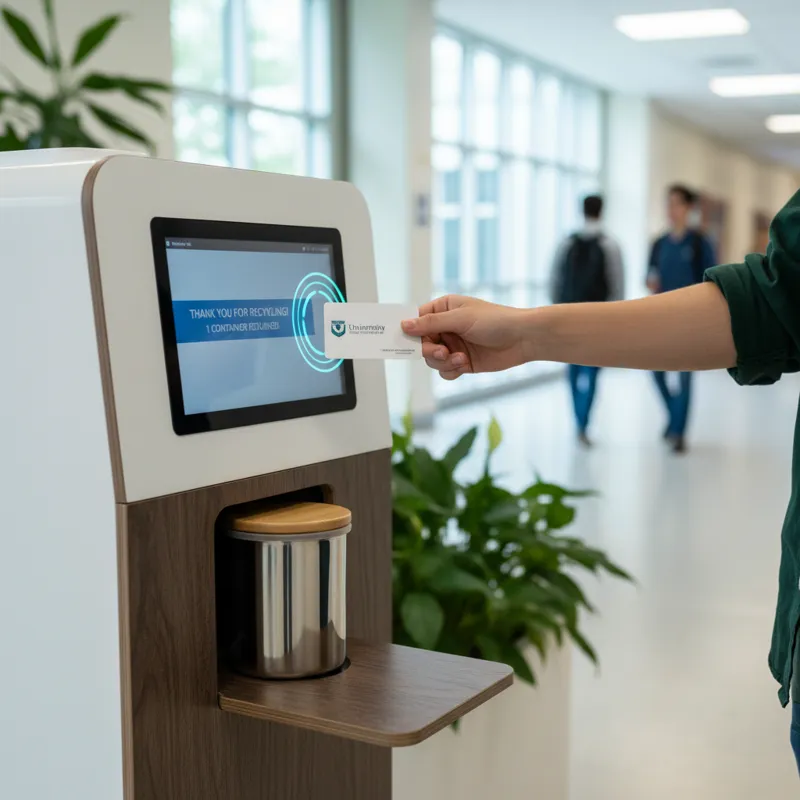
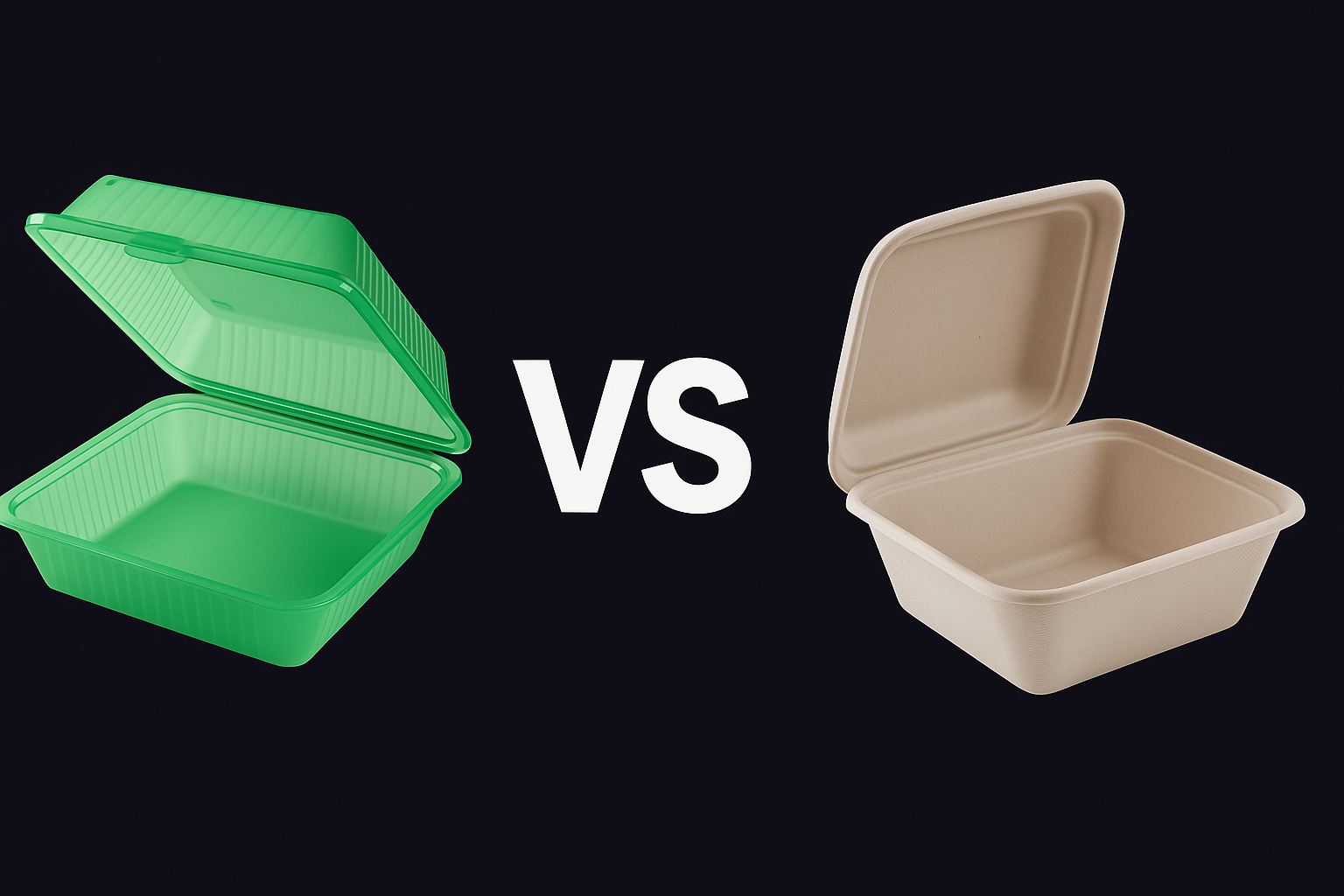
The most direct way to eliminate single-use waste is to stop creating it in the first place. Reusable container systems are built on this principle, creating a circular model where containers are borrowed, returned, washed, and put back into circulation. These programs not only slash landfill waste but also foster a culture of sustainability on campus. As one industry report notes, reusable containers "encourage customers to return them for reuse, fostering a circular economy." This model replaces the constant expense of purchasing disposable items with a long-term investment in durable assets. Modern reuse solutions are designed for convenience, integrating seamlessly with existing campus card systems to make checking out and returning containers effortless for students and staff.
Consider Biodegradable Materials
Compostable and biodegradable packaging is often presented as a green alternative to plastic. Made from plant-based materials like cornstarch or sugarcane, these products are designed to break down under specific conditions. For campuses with robust composting programs, they can be a good fit. As Today's Dietitian points out, "Compostable food packaging can be a viable option for cafeterias...These materials break down naturally and can contribute to soil health." However, it's important to know that most of these materials require industrial composting facilities to decompose properly—they won't break down in a landfill. Without the right infrastructure, these items can end up contaminating recycling streams or creating methane gas, undermining your sustainability efforts.
Weigh Recyclable Options
Recycling has been a cornerstone of environmental initiatives for years. Using materials like paper, cardboard, and certain plastics allows them to be reprocessed into new products, diverting them from the landfill. The goal is to turn waste materials into new goods, which is certainly better than a single-use-to-landfill pipeline. But recycling isn't a perfect solution. The process itself requires significant energy and water, and not everything you put in the blue bin actually gets recycled due to contamination or market limitations. While offering recyclable packaging is a step up from non-recyclable options, it still relies on a linear "take-make-waste" system and doesn't fully address the root problem of disposable culture.
Integrate Smart Technology
Regardless of which materials you choose, smart technology is what makes a modern sustainability program successful. Tech-enabled systems use tools like QR codes, RFID tags, and smart return stations to track assets, automate processes, and gather valuable data. As one report on industry challenges highlights, smart packaging can use "data tracking to monitor...supply chain conditions." In a reusable system, this means you can see exactly where your containers are, when they’re returned, and how often they’re used. This automation eliminates manual tracking for your staff and ensures high return rates. For your campus, this technology provides the real-time data needed to manage inventory, measure your environmental impact, and prove the ROI of your program.
How Smart Technology Reduces Waste
Switching to a reusable packaging system might seem like a huge operational lift, but the right technology makes it surprisingly simple. Smart tech is the engine that powers a successful zero-waste program, turning a good idea into a practical, scalable solution. It removes the manual effort, guesswork, and logistical headaches that can derail reuse initiatives. Instead of relying on honor systems or cumbersome manual tracking, technology provides the accountability and data needed to keep the system running smoothly and ensure your container inventory doesn't walk away.
A tech-enabled approach means every container is accounted for, returns are effortless for students, and your team gets a clear view of the entire operation without adding to their workload. This isn't just about swapping out disposable containers for reusable ones; it's about implementing an intelligent system that manages inventory, automates tedious tasks, and provides the insights you need to hit your sustainability goals. With the right tools, you can create a frictionless experience for your diners and a cost-effective, efficient operation for your staff, ultimately proving the value of reuse to your entire campus community.
Use Digital Systems to Track Everything
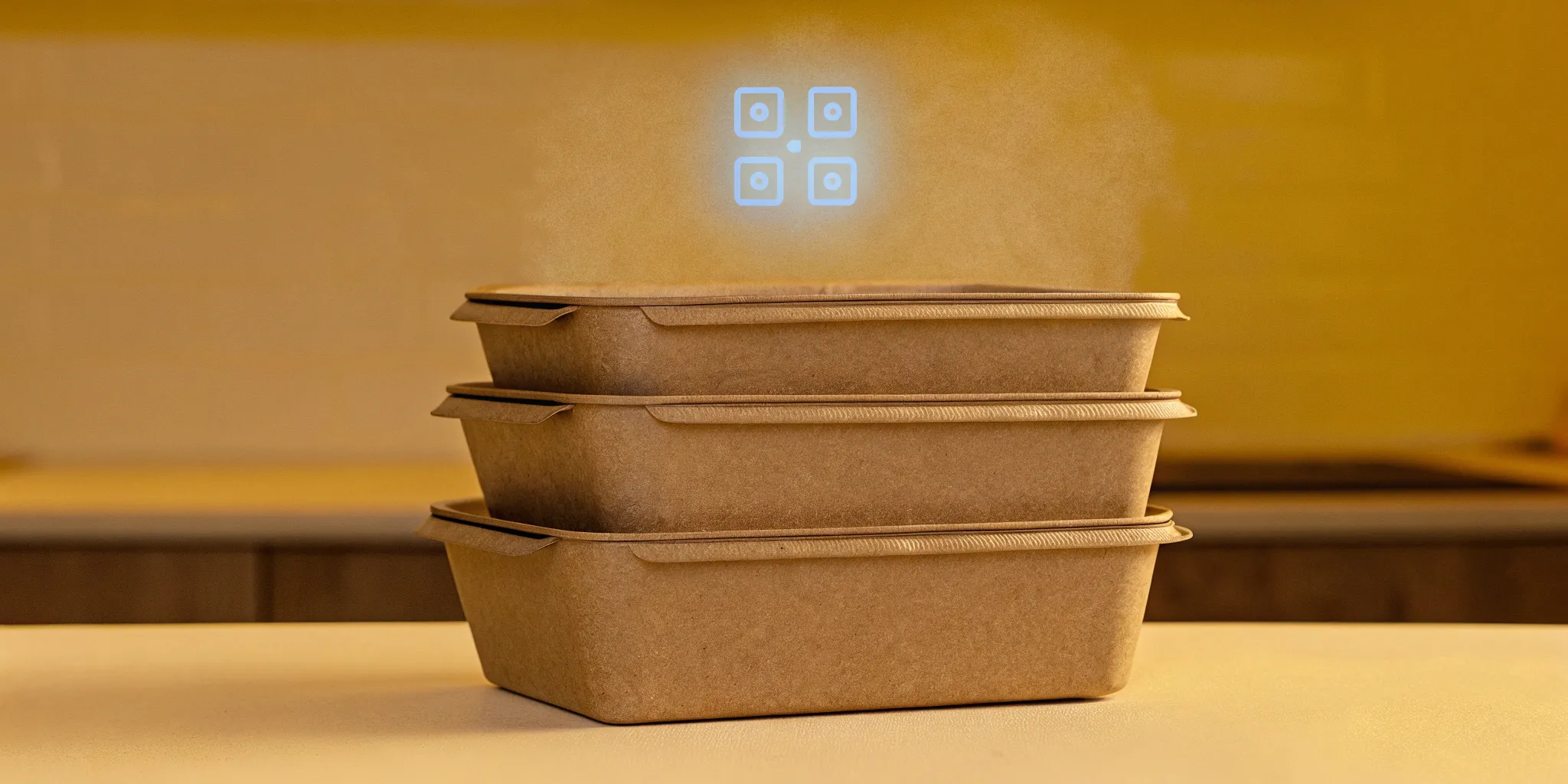
To run a successful reuse program, you need to know where your containers are at all times. Digital tracking systems are the answer. By giving each container a unique identity with a QR code or RFID tag, you can follow its journey from the dining hall to the return bin and back to the dish room. This creates a closed-loop system built on accountability. When students know a container is checked out to them, they’re far more likely to bring it back. This simple step is what drives the industry-leading 99% return rates that make reuse economically viable and truly sustainable.
Automate Returns and Monitoring
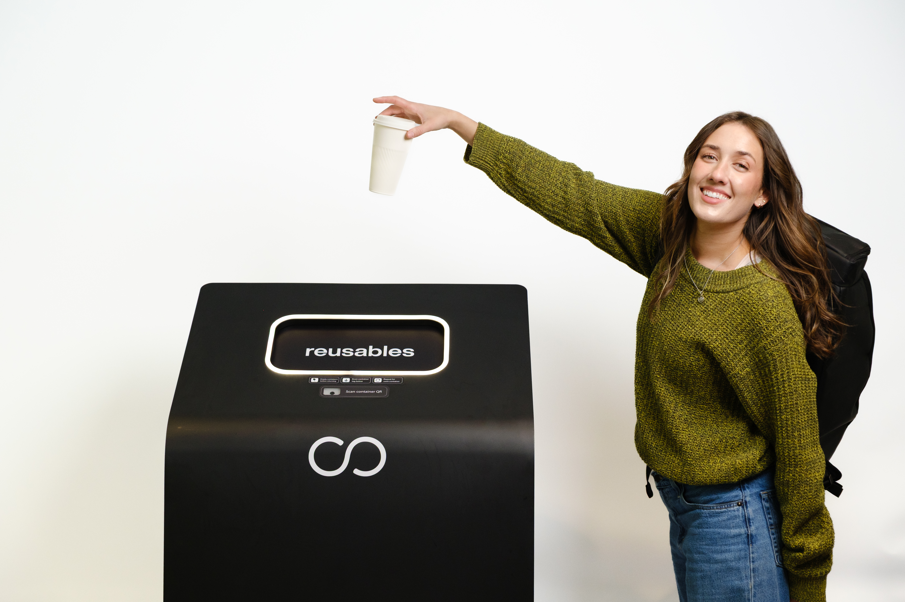
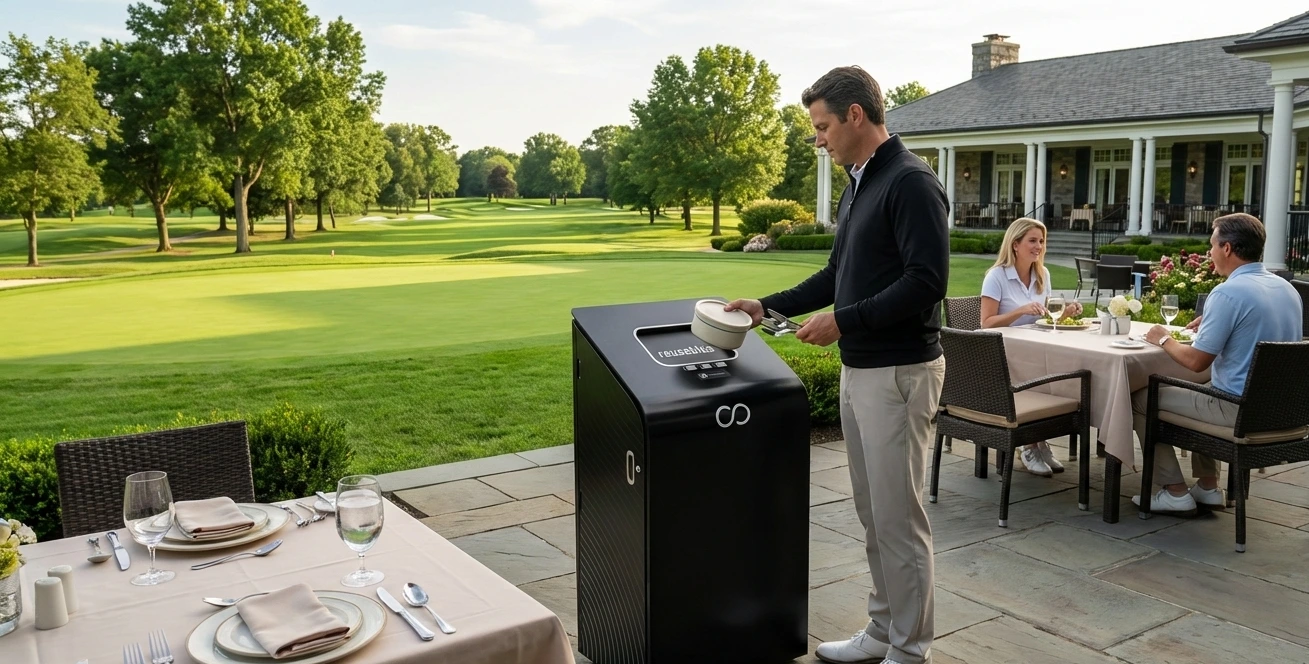
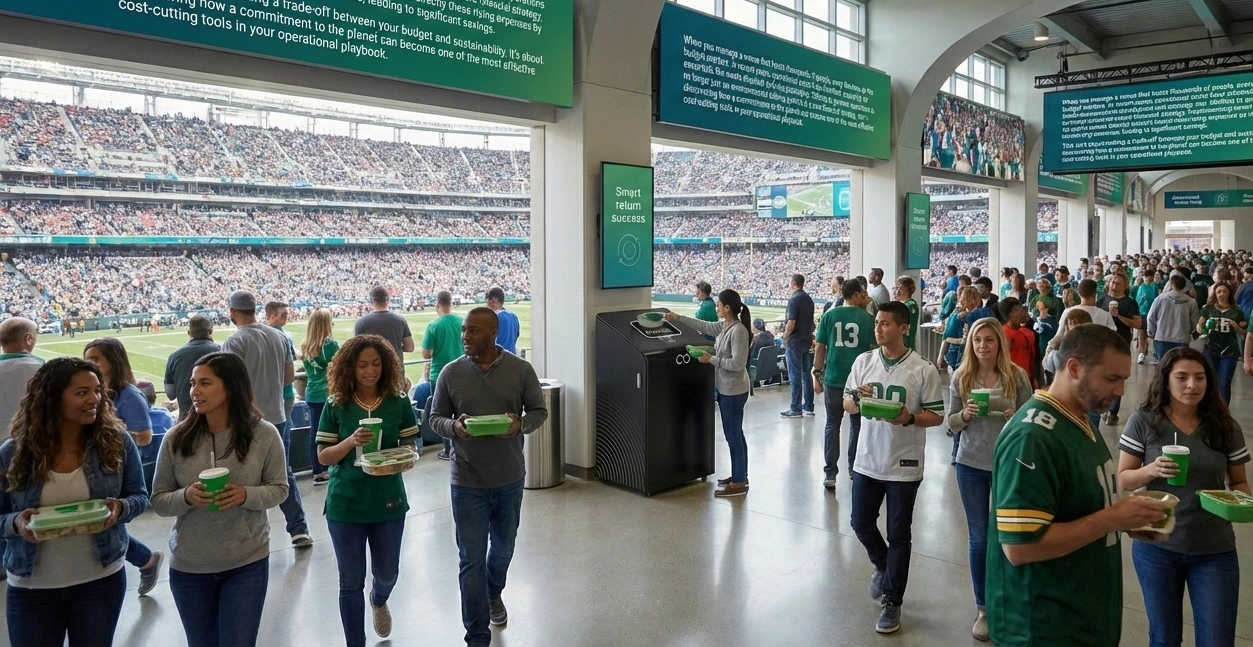
Your staff is busy enough without adding "container police" to their job descriptions. Automated returns and monitoring take the burden off your team. With smart return bins, students can drop off their containers 24/7 without needing a staff member present. The bins automatically scan the container, check it back into the system, and even send alerts to your team when they’re getting full. This automation streamlines your supply chain logistics and ensures you always have a clean supply of containers ready to go, all while freeing up your staff to focus on providing great service.
Integrate with Your Existing Systems
The last thing you need is another complicated piece of software that doesn’t talk to your other tools. A truly smart reuse system should integrate seamlessly with the technology you already use every day. Look for solutions that work with your existing campus card and payment platforms, like Transact, CBORD, and TouchNet. This allows students to check out a container with a simple tap of their card—no app download required. This kind of seamless integration is key to making reuse an easy and natural choice for everyone on campus, driving high adoption rates from day one.
Make Decisions with Real-Time Data
How do you know if your reuse program is actually working? Real-time data gives you the answer. A robust operator dashboard provides instant access to key metrics like usage rates, inventory levels, return times, and your environmental impact. You can see which locations are most active, when you need to restock containers, and how much waste you’ve diverted from the landfill. This information allows you to make informed decisions to optimize your operations and clearly demonstrate the financial and environmental ROI of your program to stakeholders.
How to Launch a Zero-Waste System
Switching to a reusable packaging system might seem like a huge undertaking, but you can approach it as a series of clear, manageable steps. A successful launch isn’t about flipping a switch overnight; it’s about thoughtful planning that sets your campus up for long-term success. The process starts with understanding your current situation and ends with a system that saves money, reduces waste, and improves the dining experience for everyone.
The key is to follow a structured plan: assess your current packaging use, prepare your team for the change, integrate the new system smoothly with your existing operations, measure your results, and analyze the financial return. When you break it down, the path to a zero-waste campus becomes much clearer. Modern reuse platforms are designed to guide you through this process, offering the technology and support needed to make each step a success. With the right partner and a solid plan, you can build a program that students and staff will be excited to use.
Start with an Initial Assessment
Before you can map out your journey, you need to know your starting point. An initial assessment gives you a clear picture of your current packaging consumption and waste generation. This isn't just about counting containers; it's about understanding the full scope of your single-use footprint. Start by conducting a waste audit to identify how much you're spending on disposable items and where they're used most. Are coffee cups the biggest issue, or is it takeout containers from the main dining hall? This baseline data is essential. It will help you identify the biggest opportunities for impact and give you concrete numbers to measure your success against later on.
Prepare Your Staff for a Smooth Transition
Your dining services team is on the front lines of this change, and their buy-in is critical for a smooth transition. Before you launch, invest time in training and communication. Your staff needs to understand not only how the new system works but why it’s important for your campus. Walk them through the process: how students check out a container, where they return it, and how to answer common questions. When your team feels confident and informed, they become advocates for the program. Clear communication turns potential friction into positive momentum, ensuring everyone is ready to support the new initiative from day one and help students adopt sustainable practices.
Integrate the System Seamlessly
For a reuse program to work, it has to be easy for everyone. A clunky, complicated system will create frustration and lead to low adoption rates. The goal is seamless integration with your existing campus infrastructure. Look for a solution that works with your current POS and student card systems, so checking out a reusable container feels as natural as swiping a meal card. This eliminates the need for students to download a separate app or for your staff to learn a complex new workflow. By choosing a tech-forward partner, you can avoid common operational headaches and ensure the system enhances, rather than disrupts, your dining services.
Measure Your Success
Once your program is live, how do you know if it's working? Success is measured with data. You’ll want to track key performance indicators (KPIs) like container return rates, the number of reuses per container, and, most importantly, the reduction in your single-use packaging purchases. A robust system should provide you with a dashboard that shows this information in real time. This allows you to monitor the health of your program, spot trends, and make informed adjustments. Regularly reviewing these metrics helps you refine your operations and demonstrate the tangible environmental and financial impact of your zero-waste initiative.
Analyze Costs and Calculate ROI
While sustainability is a primary driver, the financial case for reusables is just as compelling. It’s important to analyze the costs and calculate your return on investment (ROI) to demonstrate the program's value to campus stakeholders. Start by comparing your reduced spending on disposable packaging and waste hauling against the cost of the reuse program. Many institutions find that the long-term savings significantly outweigh the initial investment. A positive ROI proves that sustainability isn't just an expense—it's a smart financial strategy. Having a clear business case will help you secure ongoing support and resources for your program.
Create a Culture of Sustainability
Implementing a reusable packaging system is more than a logistical change—it’s a cultural one. While smart technology provides the essential framework for tracking containers and managing inventory, the long-term success of your zero-waste program hinges on people. It requires a campus-wide shift in mindset, where choosing to reuse becomes the easy, obvious, and default option for everyone. Building this culture of sustainability is what transforms a new operational process into a shared institutional value.
This cultural shift doesn't happen by accident; it's built through intentional and consistent effort. It starts with leadership championing the initiative and extends to every staff member who explains the process and every student who chooses a reusable container. When your community understands the mission and feels actively involved, participation becomes second nature. This collective effort does more than just reduce waste and cut packaging costs. It enhances the student experience, strengthens your institution's brand as a sustainability leader, and becomes a tangible point of pride for students, faculty, and alumni. A strong sustainability program can even be a deciding factor for prospective students who are increasingly environmentally conscious. The following steps are crucial for embedding reuse into the fabric of your campus life.
Educate Your Staff
Your dining services team is on the front lines of this initiative, and their confidence is key to a smooth rollout. Before you launch, hold dedicated training sessions to ensure everyone understands how the system works and, just as importantly, why the campus is making this change. When your staff are well-versed in the new practices, they can confidently answer student questions and champion the program. Equip them with clear talking points about the environmental benefits and the simplicity of the process. An informed team is your best asset for preventing confusion and building positive momentum. This investment in training makes them effective advocates who help students and guests feel comfortable with the new, sustainable way of dining.
Engage Your Students and Guests
For a reuse program to succeed, students must be active and willing participants. Generate excitement and a sense of shared purpose right from the start. Promote the launch through campus-wide communications, social media campaigns, and clear, simple signage in dining halls. At launch events, have staff or student ambassadors on hand to demonstrate how easy it is to check out and return a container. When students understand that their simple choice contributes to a major campus sustainability goal, they develop a sense of ownership. This engagement is crucial for building momentum and achieving the high return rates that make the system financially and environmentally effective for everyone.
Offer Incentives for Participation
A little motivation can go a long way in building new habits. While many students are eager to participate, incentives can help solidify their commitment and encourage consistent returns. Consider using a system with built-in rewards and gamification features. You can set up campus-wide leaderboards to foster friendly competition or offer small rewards for students who consistently return their containers. The best part is that modern systems can automate this process, making participation fun and rewarding without adding administrative work for your staff. These incentive programs help integrate reuse into the daily campus routine and ensure your container inventory stays in circulation.
Communicate Your Mission Clearly
Consistently sharing the "why" behind your zero-waste initiative keeps the entire community invested. Your mission is a powerful story, and it deserves to be told. Use digital screens in dining halls, campus newsletters, and social media to share real-time data on your progress. Highlighting milestones—like the number of single-use containers saved each month—makes the collective impact tangible and inspiring. When students and staff see the direct results of their efforts, it reinforces their positive behavior. Clearly communicating your sustainability goals doesn't just inform your community; it inspires them to remain active partners in building a more sustainable campus for years to come.
Address Common Implementation Hurdles
Making the switch to a zero-waste packaging system is a significant step, and like any major operational change, it can present a few challenges. But with careful planning and the right partner, these hurdles are entirely manageable. Thinking through potential obstacles ahead of time ensures you can create a clear path to a successful launch and a more sustainable campus. Let's walk through some of the common questions that come up and how you can address them from the start.
Plan Your Budget
Implementing a reusable packaging solution often requires an initial investment in containers, technology, and return infrastructure. While this can seem like a barrier, it’s important to frame it as a long-term investment that pays off. Disposable packaging costs have risen dramatically, and many institutions spend tens of thousands annually on single-use items. A reuse system directly reduces that recurring expense, leading to significant annual savings. When you calculate the return on investment, you’ll often find that the system pays for itself faster than you think, all while meeting your sustainability goals.
Manage Your Supply Chain
A successful reuse program depends on a reliable supply of durable, high-quality containers. This means working with suppliers who can not only provide the inventory you need but also understand the logistics of a circular system. The key is to find a partner who offers flexibility. Look for solutions that are container-agnostic, allowing you to use your existing inventory or choose from a list of approved partners. This approach simplifies supply chain logistics and ensures you aren't locked into a single container type, giving you more control over quality and cost.
Simplify Technology Integration
New technology should make your life easier, not more complicated. The best reuse systems are designed to fit seamlessly into your current operations. Look for a platform that offers full integration with your existing campus card, POS, and payment systems like Transact, CBORD, or TouchNet. This eliminates the need for clunky workarounds or manual data entry. A truly integrated system means your team can manage the program from a single dashboard, track inventory in real-time, and get the data they need without adding extra steps to their workflow.
Overcome Adoption Barriers
For any reuse program to succeed, students and staff have to actually use it. The biggest barrier to adoption is often friction. If the process is complicated, requires downloading an app, or involves confusing steps, participation will drop. The solution is to make reusing as easy as—or easier than—throwing something away. Systems that use a simple tap-to-checkout with a student ID or credit card remove that friction entirely. When you combine an effortless user experience with clear communication and incentives for participation, you can achieve return rates of 99% or higher.
Ensure Regulatory Compliance
The rules around single-use plastics and waste management are constantly changing. Many cities and institutions are adopting zero-waste mandates, and keeping up with the complex landscape of regulations can feel overwhelming. A modern reuse system helps you stay ahead of these changes. By partnering with an expert in the field, you can implement a solution that is already designed to meet current and future requirements. This proactive approach not only ensures you remain compliant but also positions your institution as a leader in sustainability, ready to meet any new environmental policies that come your way.
What's Next in Sustainable Packaging?
The conversation around sustainable packaging is moving beyond simple material swaps to smarter, more efficient systems. As you plan for the future, it’s important to watch the key forces shaping the industry: rising consumer expectations, new technologies that make reuse practical, and stricter environmental regulations. The most successful programs will be those that not only meet sustainability targets but also integrate smoothly into your daily operations and offer a better experience for your guests.
New Technologies on the Horizon
Technology is the engine driving effective reuse programs. The ability to track every container with QR codes or RFID tags gives you a clear view of your operations and ensures accountability. Successful programs depend on the ability to innovate and redefine production processes and logistics. Smart technology makes this possible by automating tracking and returns, which reduces the burden on your staff and makes participation effortless for students.
Innovations in Materials
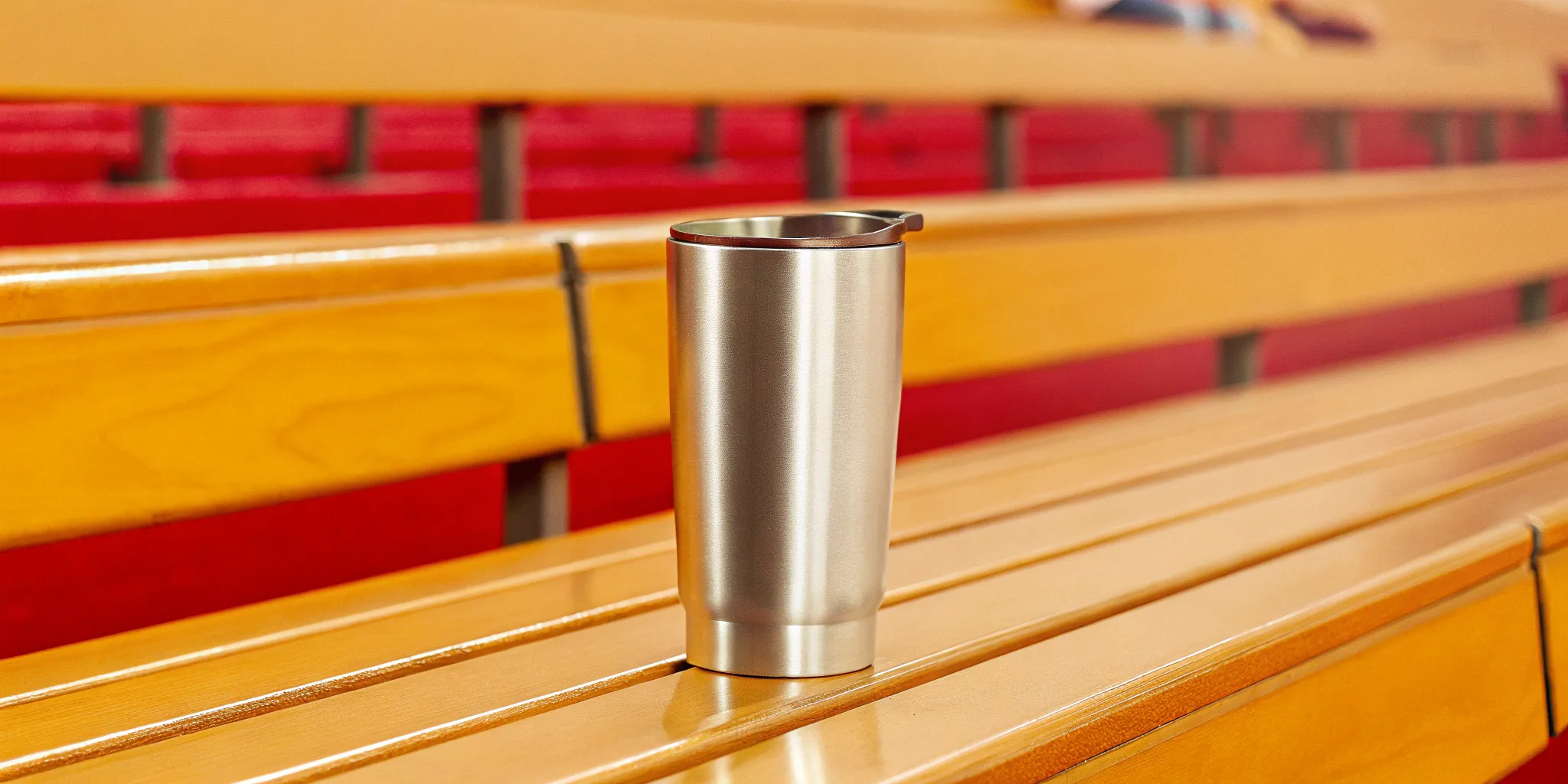
While new compostable materials emerge, the real innovation for high-volume food service lies in durability. For campus dining, containers must withstand hundreds of uses and commercial dishwashing. Materials like stainless steel and high-grade, BPA-free plastics are the most practical choice. By investing in a fleet of durable containers, you move away from the linear "take, make, waste" model and create a closed-loop system that cuts down on purchasing costs and landfill waste.
Key Industry Trends to Watch
The push for sustainability is coming from all sides. Students and guests increasingly prefer institutions that demonstrate a real commitment to environmental responsibility. This shift is a major factor influencing how organizations approach their environmental, social, and governance (ESG) considerations. The institutions that adopt reuse systems now are setting themselves apart as leaders and meeting the expectations of their community.
Upcoming Regulatory Changes
Local, state, and federal regulations targeting single-use plastics are becoming more common. Many institutions are setting ambitious zero-waste goals, with some aiming to eliminate single-use plastics within the next decade. As both consumers and regulations are pushing for better solutions, implementing a reuse program now gets you ahead of future mandates and turns a compliance requirement into a strategic advantage.
Related Articles
- Zero Waste Food Packaging: A Strategic Guide
- Circular Packaging Solutions: Cut Campus Costs & Waste
- How to Measure Reusable Program Success & Prove ROI
- A Guide to University Food Service Plastic Waste Reduction
Frequently Asked Questions
We spend a lot on disposables, but won't a reusable system cost even more upfront? It’s true that a reusable system involves an initial investment in containers and technology, but it’s important to see it as a shift from a recurring expense to a long-term asset. With the cost of single-use packaging constantly rising, you're essentially throwing your budget in the trash every year. A reusable program directly reduces or even eliminates that line item, and many campuses find that the system pays for itself through these savings, delivering a clear return on investment.
How do you prevent students from just throwing the containers away or keeping them? This is where smart technology makes all the difference. Unlike old honor-system programs, modern reuse systems assign each container a unique digital identity, like a library book. When a student checks out a container, it’s temporarily linked to their campus account. This simple layer of accountability, combined with automated reminders, is incredibly effective. It creates a gentle incentive for students to return items, leading to the near-perfect return rates that make a reuse program financially sustainable.
Will my staff have to manually track containers or chase down students for returns? Absolutely not. A well-designed system is built to reduce your team's workload, not add to it. The technology automates all the tedious tasks. Smart return stations handle the check-in process, and the software manages everything from tracking inventory to sending return reminders. This frees your staff from having to be container police, allowing them to focus on what they do best: providing great food and service.
Our campus uses specific card and payment systems. How does a reuse program integrate with our existing tech? A modern reuse platform should feel like a natural extension of the tools you already use. The best systems are designed to integrate seamlessly with major campus card and payment providers. This means a student can check out a container with a simple tap of their existing ID card or credit card, with no need to download a separate app. This makes the process frictionless for students and requires minimal new training for your frontline staff.
Why should we choose a reusable system instead of just switching to compostable packaging? Compostable packaging can seem like a simple fix, but it often comes with hidden challenges. Many of these materials only break down in industrial composting facilities, which not all campuses have access to. Without the right infrastructure, they can end up in landfills or contaminate recycling streams. A reusable system is a more direct solution because it tackles the problem at its source by eliminating the need for a disposable item in the first place.
Other stories you may find interesting















.webp)
.webp)




















Watch the Webinar
Learn How to Eliminate Single-Use Waste
Get instant access to our expert webinar and discover how leading institutions reach 99% return rates through smarter reuse systems.

© Reusables™. All rights reserved.