
A Guide to University Food Service Plastic Waste Reduction

March 20, 2026
If you’ve ever tried a reusable container program in the past, you might remember the headaches more than the benefits. Disappearing inventory, clunky token systems, and the endless task of reminding students to bring containers back were common frustrations. It’s understandable if you’re skeptical about trying again. But technology has completely changed the game. The key to successful university food service plastic waste reduction today lies in smart, automated systems that eliminate those old pain points. With seamless tracking and automated accountability, you can achieve near-perfect return rates without adding a single task to your staff’s workload. Let’s look at how these modern solutions actually work.
Key Takeaways
- Focus on the financial win: Switching to a reusable system is a smart investment that can cut your annual packaging and waste costs by over 30%, providing long-term budget stability for your dining program.
- Let technology do the heavy lifting: A successful program relies on automation. Look for systems with QR or RFID tracking and automated reminders to achieve high return rates without overburdening your staff.
- Design for student convenience: The best way to encourage participation is to make it incredibly easy. A simple tap-to-checkout process using campus cards and accessible 24/7 return bins are non-negotiable for making reuse the new campus norm.
The True Cost of Plastic Waste in University Dining
Single-use plastics in your dining halls might seem like a simple solution for grab-and-go meals, but they come with a hefty price tag. Beyond the obvious environmental concerns, the reliance on disposables creates significant operational and financial challenges that directly impact your budget and sustainability goals. Let's break down the real costs that are often hidden in plain sight.
The environmental toll
The very qualities that made plastic a revolutionary material, its durability and low cost, are the same ones that make it a persistent environmental problem. On a busy campus, the sheer volume of single-use containers, cutlery, and cups adds up quickly, contributing to overflowing landfills and pollution. Addressing the challenges of plastic waste requires a coordinated effort. Building the kind of comprehensive waste management system needed to handle this would require a major investment in infrastructure and logistics, a step many universities are not equipped to take on their own.
The financial drain on your budget
The environmental impact is only half the story. Single-use packaging creates a constant financial drain on your department. You’re not just paying for the containers themselves, you’re also paying for their disposal. The high cost of transportation for both delivery and waste hauling can be a significant barrier for many solid waste management providers and, ultimately, for your budget. These challenges in waste management slow the shift to a more circular economy, forcing you to spend more on resources you only use once. This linear model of buying and trashing is not just unsustainable for the planet; it's unsustainable for your bottom line.
Why Campuses Are Ditching Single-Use Plastics
The move away from single-use plastics on college campuses isn't just a trend; it's a strategic response to a perfect storm of financial, environmental, and social pressures. Dining service directors are finding that the old way of relying on disposable containers is no longer sustainable for their budgets, their operations, or their reputations. This shift is driven by three key factors: ambitious sustainability goals, the sharp increase in supply costs, and a clear, consistent demand from students for greener options.
Meeting sustainability goals and mandates
Many universities have set ambitious zero-waste targets, and single-use plastics are a major obstacle to reaching them. With cities and states introducing their own waste-reduction mandates, the pressure to find sustainable alternatives is mounting. Plastic waste is a global issue, and institutions are on the front lines, expected to lead by example. Moving to a reusable system allows you to get ahead of regulations, demonstrate environmental leadership, and make tangible progress toward your campus-wide sustainability commitments. It’s a proactive step that aligns your dining operations with the institution's broader mission.
Escaping the rising cost of disposables
Let's talk numbers. The cost of disposable packaging has skyrocketed, eating into already tight budgets. Many dining programs spend tens of thousands of dollars annually on single-use containers alone, and that’s before you factor in rising waste hauling fees. This isn't just a line item; it's a significant and unpredictable operational expense. By switching to a reusable container system, you can reduce packaging and waste costs by 30% or more. This transition turns a recurring expense into a smart, long-term investment that provides budget stability and frees up funds for other priorities within your dining program.
Answering the call from a new generation of students
Today’s students are more environmentally conscious than ever, and they expect their university to reflect their values. They are actively demanding sustainable practices from the institutions they choose to attend. Offering a modern, convenient reuse program shows you’re listening and makes your dining services a point of pride on campus tours. It enhances the student experience by giving them a simple way to make a positive impact every day. When students see their university investing in solutions that matter to them, it builds a stronger, more engaged campus community.
Effective Strategies for Reducing Plastic Waste
Reducing plastic waste on campus requires more than just good intentions; it calls for a smart, practical plan. The most successful programs combine a few key strategies to create a system that’s easy for students to adopt and simple for your staff to manage. It’s not about a single solution, but about building an ecosystem where reusability becomes the most convenient choice for everyone. By focusing on proven methods, you can build a program that not only meets your sustainability goals but also enhances the dining experience and delivers real cost savings.
This means moving beyond outdated token systems and embracing technology that provides real accountability without creating extra work. It also involves making strategic decisions about the single-use items you offer and ensuring that convenient, automated return options are available across campus. When these elements work together, they create a powerful, self-sustaining cycle of reuse that makes a measurable impact. From launching a program that actually gets containers back to using technology to automate the entire process, these strategies create a truly circular dining operation. Let’s look at four effective approaches that are making a real difference on campuses today.
Launch a reusable container program that works
Many schools have tried reusable container programs, but older, token-based systems often fall short. Without a way to track containers, accountability is lost, and inventory quickly disappears. A modern reusable container program is built differently. It needs to be incredibly simple for students to check out a container and just as easy to return it. As Allegheny College found, switching from a token system to a trackable one led to a significant increase in student engagement. The key is a system that makes participation effortless while ensuring containers make their way back to be washed and used again, creating a truly circular and sustainable dining operation.
Phase out single-use plastics and bottles
A direct way to cut down on waste is to systematically phase out single-use items from your dining halls and cafes. This goes beyond just takeout containers to include plastic bottles, cutlery, and bags. For example, Penn Dining is actively working to switch from plastic bottles to aluminum ones, which are more easily recycled. This kind of targeted initiative sends a clear message about your campus's commitment to sustainability. To make the transition smooth, it’s important to have excellent reusable alternatives readily available. When students have a convenient and reliable option, they are far more likely to embrace the change.
Use tech for seamless tracking and accountability
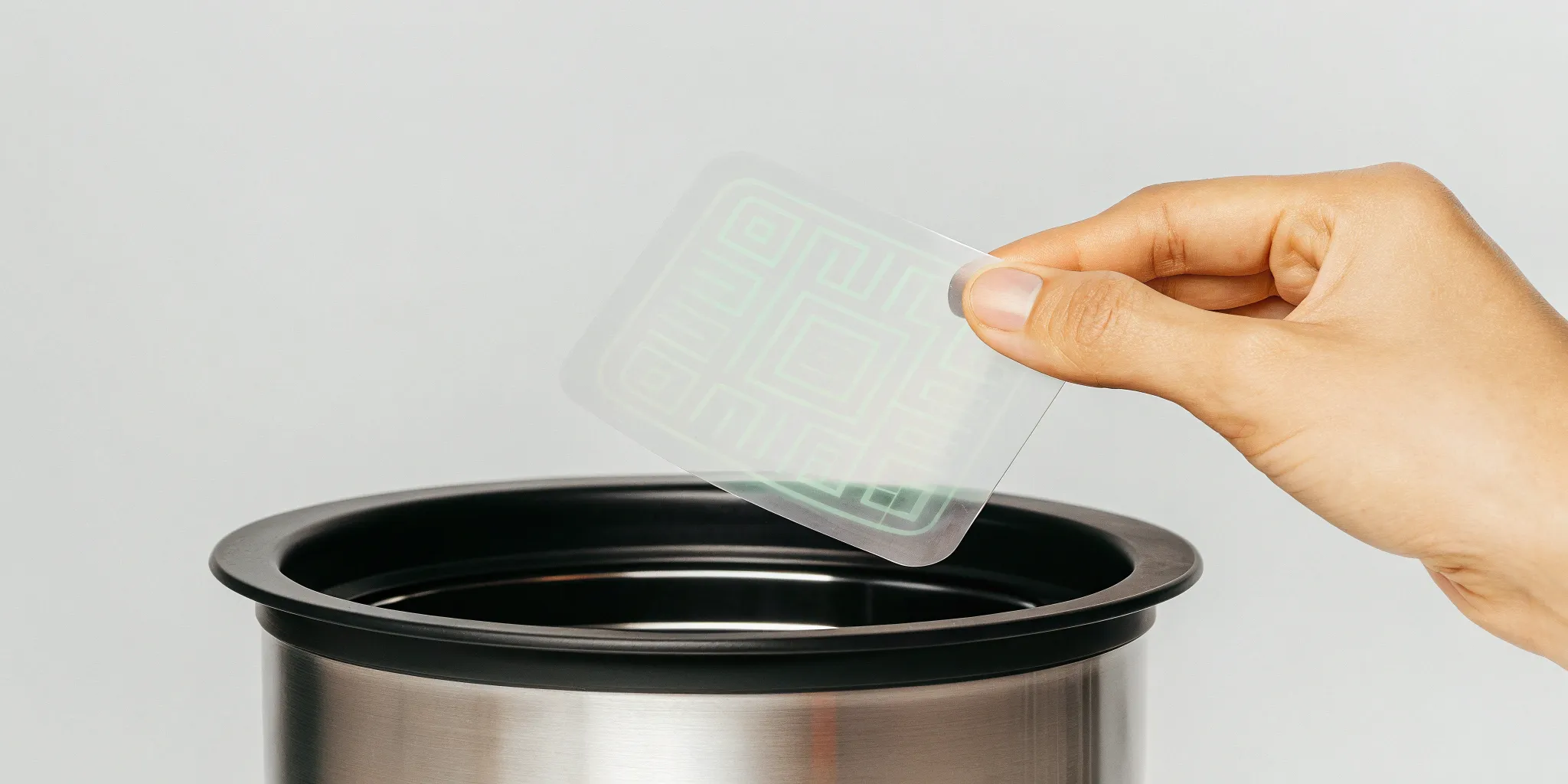
Technology is the engine behind today's most successful reuse programs. As one report notes, "digital reusable containers are helping campuses reduce waste while making everyday food service more efficient and measurable." By giving each container a unique QR code or RFID tag, you can track its entire journey. This allows you to see who has which container, send automated return reminders, and even charge a small, refundable late fee if needed. This level of accountability eliminates the guesswork and inventory loss common with older systems, all without adding manual work for your staff.
Install smart, automated return systems
Making returns convenient is non-negotiable for a high-performing reusables program. If students have to go out of their way, containers will end up in dorm rooms or trash cans. Smart return bins solve this problem by offering 24/7, touch-free drop-off points across campus. When UCLA partnered with Reusables.com, they introduced a smart reusable container program that made returns simple and accessible. These systems automatically scan the container, credit the student’s account, and even notify your team when a bin is getting full. This creates a seamless experience for students and provides you with valuable data to optimize your operations.
How a Modern Reusables Program Works
If the thought of a reusable container program brings to mind lost inventory and staff chasing down students, it’s time to meet the modern solution. Today’s reuse systems are powered by smart, simple technology that integrates directly into your existing campus operations. They are designed to make life easier for both your team and your students, eliminating the common headaches of older, manual programs.
A successful program isn't just about the containers; it's about the system that supports them. The best platforms are built on four key pillars: a frictionless checkout experience, precise container tracking, automated accountability, and convenient, accessible return options. When these elements work together, you get a seamless loop that encourages participation, ensures high return rates, and gives you clear, real-time data on your inventory and impact. This tech-first approach is what makes it possible to cut waste and packaging costs without adding to your staff's workload. These solutions for businesses are designed to fit your campus, not the other way around.
Frictionless checkout with campus cards
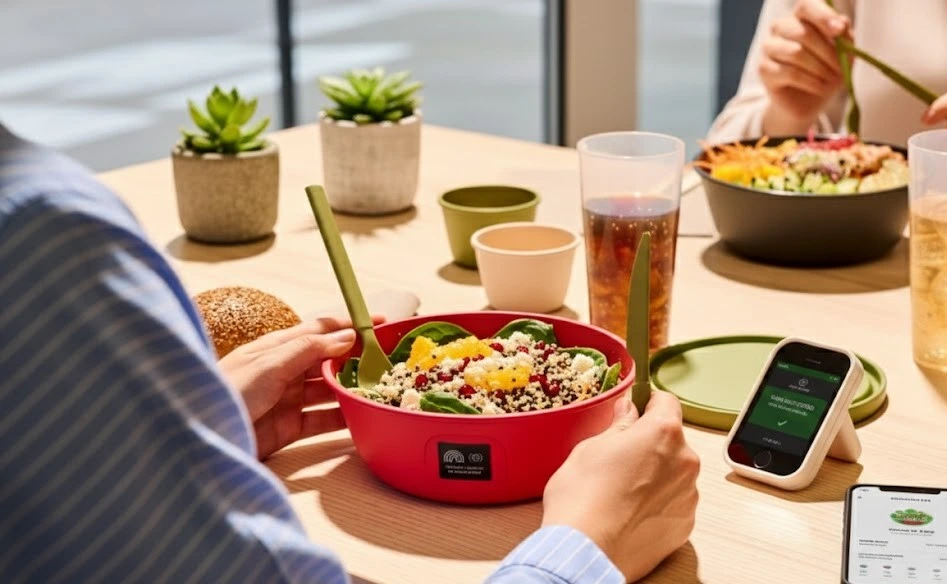
The easiest way to get students on board is to make participation effortless. A modern reusables program integrates directly with the campus cards and payment systems students already use every day. There’s no app to download or new account to create. Students simply tap their student ID, credit card, or mobile wallet to check out a container. This “tap, take, and go” model removes nearly all friction from the process. At UCLA, this simplicity was a key reason students quickly adopted the program. By fitting into their established routines, the system feels like a natural part of the campus dining experience from day one.
Track every container with QR and RFID
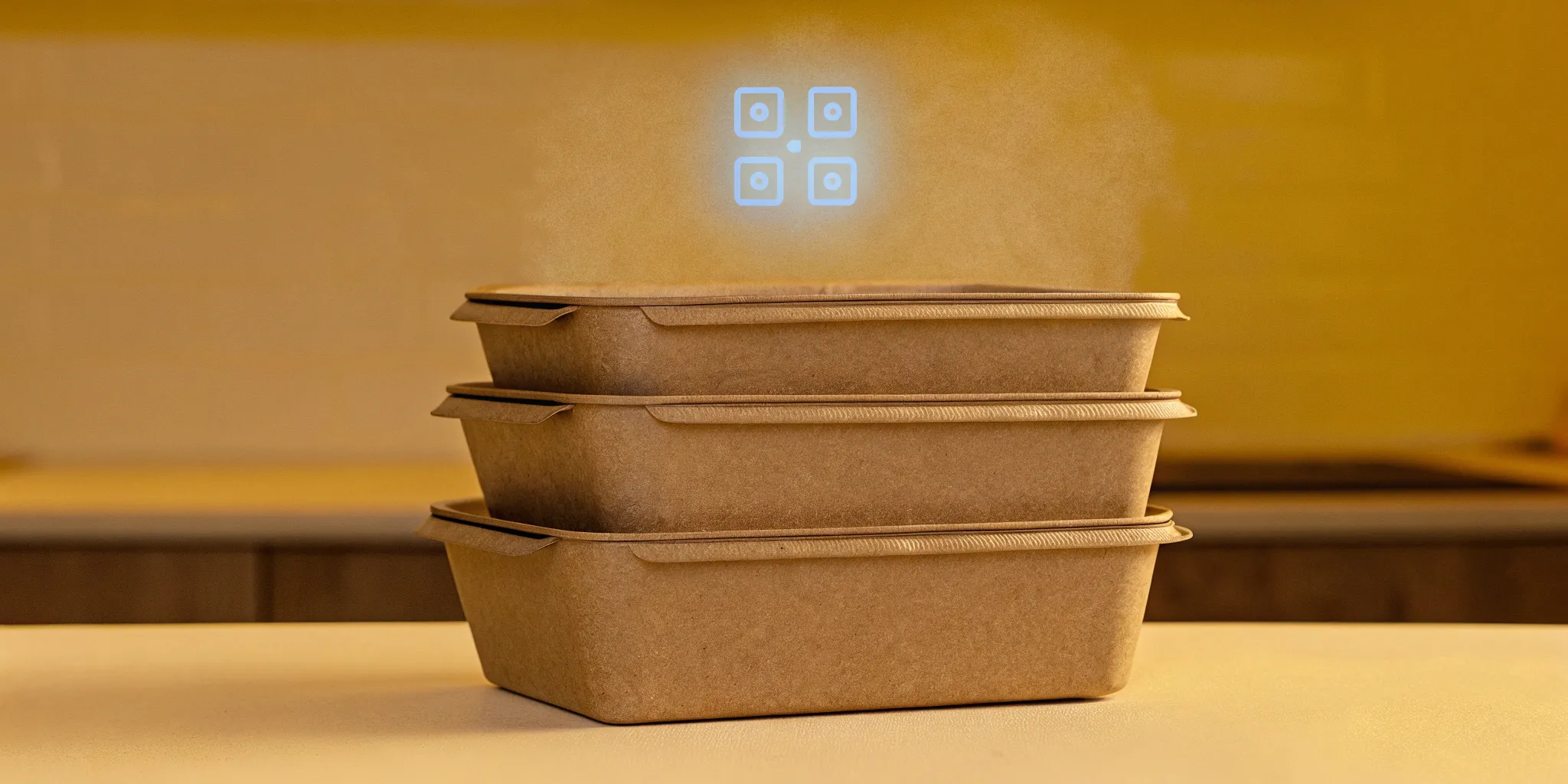
You can’t manage what you can’t measure. That’s why every container in a modern reuse system is equipped with a unique digital identifier, like a QR code or an RFID tag. This allows you to track each item individually from the moment it leaves the dining hall to the moment it’s returned. This technology provides incredible accuracy, eliminating the need for manual counts or guesswork. For example, Simon Fraser University used an RFID-enabled system to achieve a stunning 99.63% container return rate. This level of tracking gives you a live, transparent view of your inventory, usage rates, and the overall health of your program right from your operator dashboard.
Automate fees and reminders (no more chasing students)
One of the biggest operational drains of old-school programs was holding students accountable for returns. Modern systems completely automate this process, freeing up your staff to focus on service. If a student forgets to return a container, the system automatically sends them a friendly reminder. If the container still isn’t returned after a set grace period, a small, refundable late fee is automatically applied to their account. This gentle, consistent nudge is highly effective at encouraging returns without requiring any manual intervention from your team. Your staff never has to have an awkward conversation or manually process a charge, which is a huge win for morale and efficiency.
Offer convenient, 24/7 return options
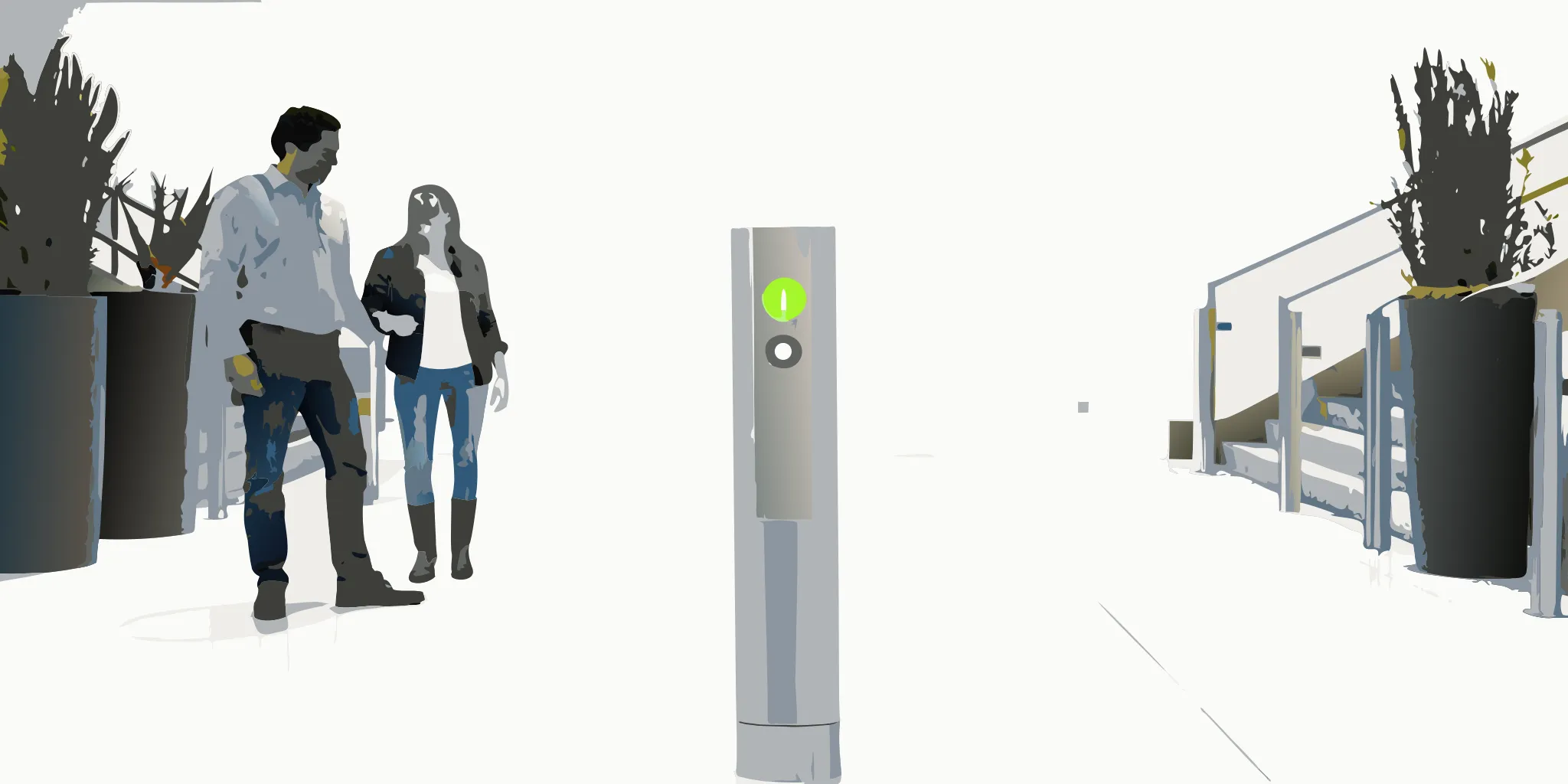
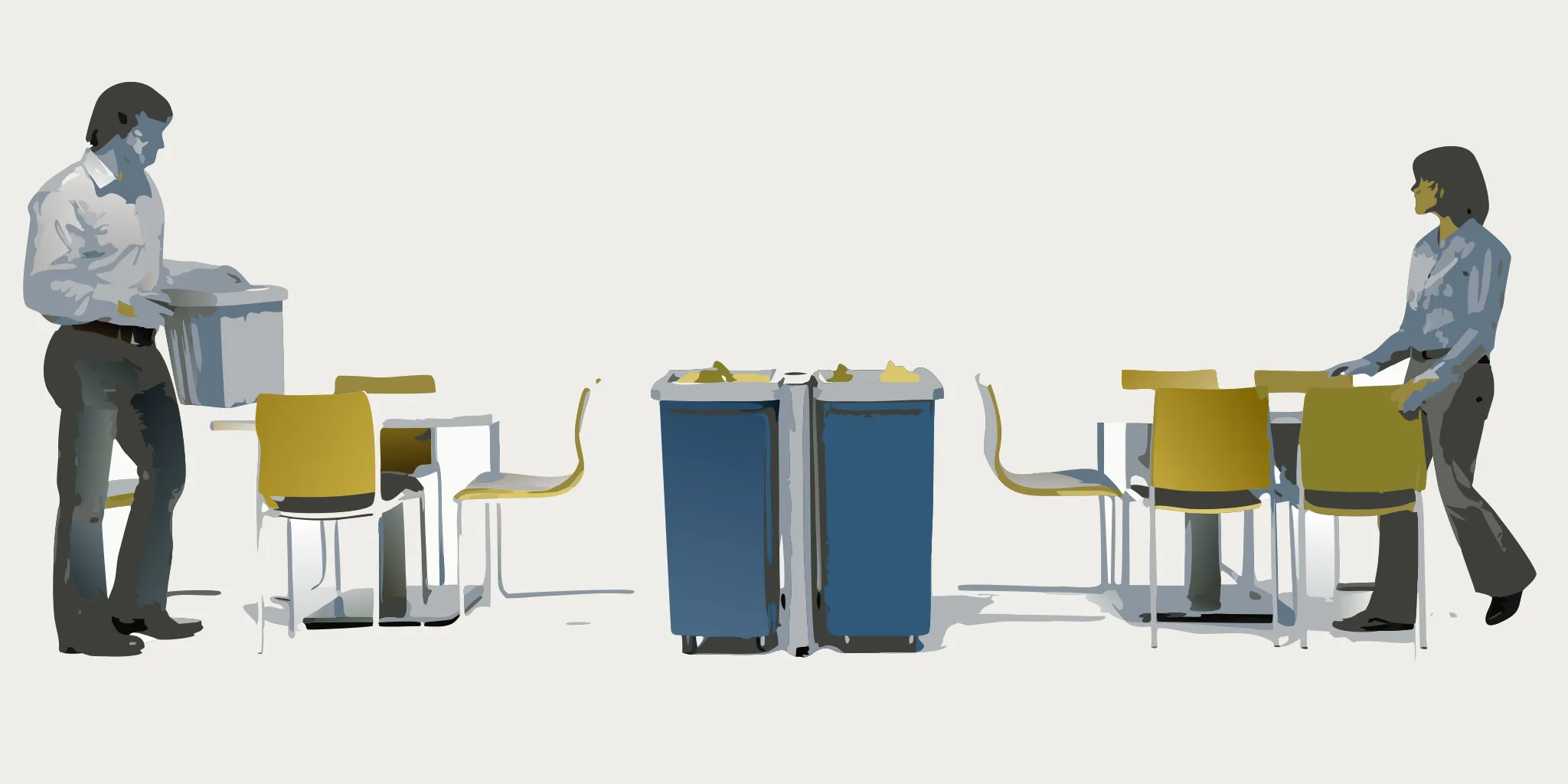
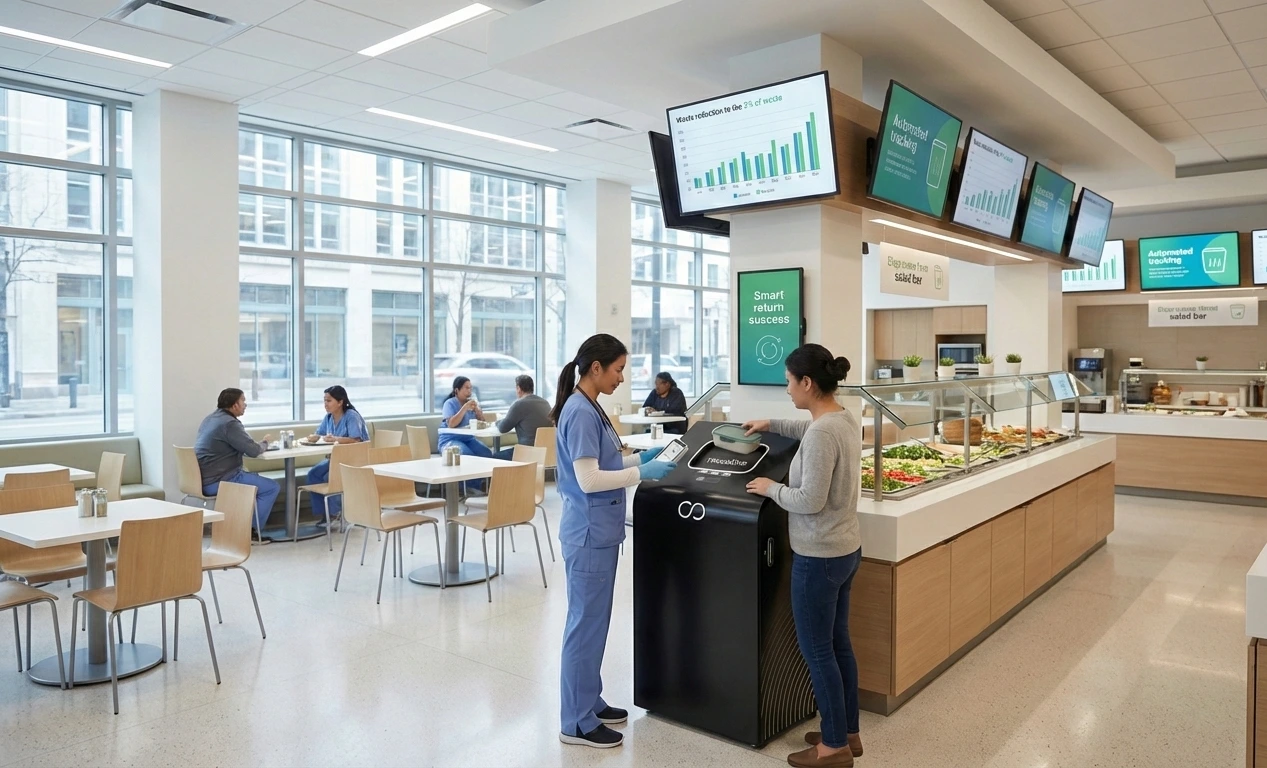
To close the loop, returning a container needs to be just as easy as checking one out. Instead of limiting returns to the dining hall during operating hours, smart return bins can be placed in high-traffic locations all over campus, from residence halls to libraries. These stations offer 24/7, touch-free drop-offs. Students simply scan their container, and the return is instantly registered. The bins even monitor their own fullness levels and send alerts to your team when they need to be serviced. Providing these flexible and accessible options is fundamental to achieving high return rates and making reuse a convenient habit for the entire campus community. You can learn more about Reusables and our approach to building these systems.
How to Get Students Excited About Reducing Waste
A state-of-the-art reusables system is only half the equation; the other half is getting students to actually use it. The good news is that today’s students are already environmentally conscious. Your role isn't to convince them to care, but to channel their passion into action. When students feel a sense of ownership and excitement, your program’s adoption rates will follow. By making sustainability a collaborative and engaging part of campus life, you can build a program that becomes a point of pride for the entire student body.
Empower student-led green initiatives
Tap into the most powerful voice on campus: the students. Instead of pushing a new program from the top down, partner with existing student environmental clubs to champion the initiative. When students lead the charge, the message feels more authentic to their peers. As a case study from Allegheny College found, buy-in from student leadership was critical for achieving widespread adoption. Give these student ambassadors a real seat at the table, let them help with marketing, and empower them to be the face of the program. They’ll bring invaluable energy, and you’ll get a program that truly resonates.
Listen to their call for sustainable options
You aren’t creating a new demand for sustainability; you’re meeting an existing one. Students today actively seek out and support institutions that align with their values. At UCLA, for example, students "quickly adopted the program, drawn by the simplicity and convenience of reusable containers paired with UCLA’s strong sustainability culture." Before you launch, run surveys or host focus groups to understand what students want. This simple step shows you respect their opinion and helps you tailor the program for maximum impact. By positioning your reusables program as a direct response to their feedback, you frame it as a campus-wide win.
Make it fun with rewards and gamification
Building new habits works best when it feels less like a chore and more like a game. A modern reusables platform can turn waste reduction into a fun, interactive experience. Think campus-wide leaderboards showing which dorm is the top reuser, or digital badges for students who hit reuse milestones. You can even offer small rewards, like a free coffee, for consistent participation. These gamification strategies create positive reinforcement and a little friendly competition. When students can see their individual impact and get rewarded for it, they become much more invested in the program's success.
Common Hurdles in Reducing Plastic Waste (And How to Clear Them)
Making the switch to a reusable system is a big step, and it’s natural to anticipate a few challenges. Many dining directors I’ve spoken with have shared similar concerns, from budget constraints to getting students to actually return the containers. The good news is that these hurdles are common, and with the right strategy and technology, they are entirely surmountable. Let’s walk through some of the biggest obstacles and how you can clear them.
Addressing infrastructure and supply chain limits
A common worry is that your campus infrastructure just isn’t built for a large-scale reuse program. You might be thinking about limited space for washing stations or the logistical puzzle of collecting containers across a sprawling campus. Many older systems required a complete operational overhaul, but modern solutions are designed to be flexible. Instead of ripping out your current setup, you can integrate a tech-powered system that works with what you already have. Smart return bins, for example, are compact, can be placed anywhere, and don’t need to be manually monitored. This asset-light approach means you can implement a powerful reuse system without a massive infrastructure project.
Making the case for the initial investment
Getting approval for a new program often comes down to the numbers. The upfront cost of durable containers and new technology can seem high compared to your current spending on disposables. The key is to frame it as a long-term investment with a clear and compelling return. Start by calculating the true, rising cost of your single-use packaging and waste hauling fees. A modern reusables program can cut those annual packaging costs by 30% or more. Plus, some systems offer new revenue streams, like ad screens on return bins. When you present a business case that shows significant long-term savings and potential for new income, the initial investment becomes a strategic financial decision, not just an environmental one.
Getting your staff on board
Your team is on the front lines, and a new program will only succeed with their buy-in. Staff may be concerned about adding more tasks to their already busy schedules, like manually tracking containers or chasing down students for late fees. This is where automation is your best friend. A fully integrated system handles the tedious work for you. With unique QR or RFID codes on every container, tracking is automatic. The platform can send reminders to students and even process late fees without any staff intervention. By choosing a solution that makes their jobs easier, you can get your team excited about being part of a positive change on campus instead of feeling burdened by it.
Encouraging new habits for students
Let’s be honest: students are driven by convenience. The biggest challenge in changing behavior is making the new way as easy as the old one. If a reuse program involves downloading an app, creating an account, or going out of their way to return a container, they simply won’t do it. That’s why a frictionless experience is non-negotiable. Look for systems that integrate directly with campus cards for a simple tap-to-checkout process. Combine that with convenient, 24/7 return options and a little fun, like leaderboards or rewards for frequent reusers. When reusing is that easy and engaging, it quickly becomes the new campus norm.
How to Measure Your Program's Success
Launching a reusables program is a huge step, but the work doesn’t stop there. To make sure your investment is paying off and to build support for future sustainability projects, you need to track your progress with clear, compelling data. Measuring your success isn't just about numbers on a spreadsheet; it's about telling the story of your campus's commitment to a greener future. It helps you see what’s working, identify areas for improvement, and demonstrate the real-world value of your efforts to students, faculty, and campus leadership.
The right technology makes this simple. Instead of relying on manual counts or guesswork, a modern reuse system gives you instant access to the metrics that matter most. By focusing on a few key areas, you can paint a complete picture of your program's impact. You’ll want to look at your container return rates to gauge student participation, calculate your environmental wins to see your green impact, analyze cost savings to understand the financial benefits, and use a central dashboard to keep all this information at your fingertips. With a clear view of your data, you can confidently show how your dining services are leading the way in campus sustainability.
Track container return rates and conduct waste audits
The single most important metric for a reusable container program is its return rate. A high return rate shows that the system is convenient, students are bought in, and your container inventory is secure. Industry-leading programs see return rates of 99%, which is the gold standard for a self-sustaining system. This ensures you aren’t constantly replacing lost inventory, which protects your budget. To get a baseline, conduct a waste audit before you launch. This will give you a clear snapshot of how many single-use containers you’re using. After your program is running, another audit will show a dramatic drop in disposables, providing powerful evidence of your program's success.
Measure your environmental impact with hard data
Beyond operational metrics, you can translate your program’s success into tangible environmental benefits. Every time a student chooses a reusable container, you’re preventing waste from entering a landfill and reducing your campus’s carbon footprint. Modern tracking systems can automatically calculate these metrics for you. For example, you can see exactly how many pounds of carbon dioxide you’ve prevented from entering the atmosphere, just like Penn Dining did with its Green2Go program. Sharing these hard numbers with your campus community is a fantastic way to celebrate your collective effort and keep everyone motivated to participate. It turns an abstract goal into a measurable achievement.
Analyze cost savings and operational wins
A successful reusables program doesn't just help the planet; it helps your bottom line. The primary financial win comes from drastically reducing your spending on single-use containers, which have seen costs skyrocket. By tracking your data, you can directly compare the cost of your reusables program to your previous spending on disposables to calculate your net savings. As the UCLA dining team found, monitoring this data over time helps you optimize logistics and prove the program's financial viability. Don’t forget to factor in potential savings from lower waste hauling fees, since you’ll be sending a lot less trash to the landfill.
Use a real-time dashboard for transparent reporting
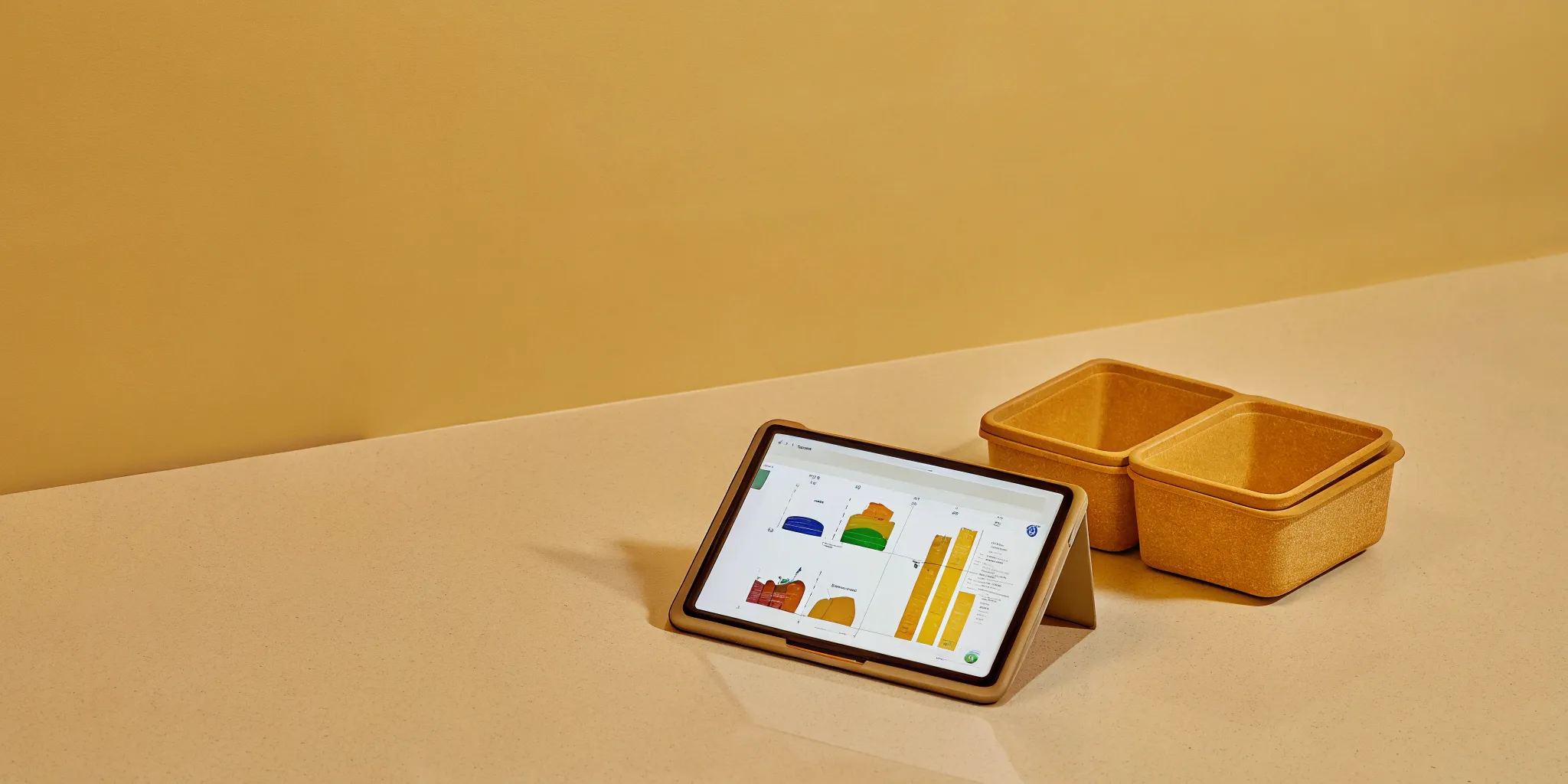
Pulling all this data together shouldn’t be a chore. A tech-enabled reusables program gives you a real-time dashboard where you can see all your key metrics in one place. Imagine being able to check container return rates, current inventory levels, bin fullness, and your environmental impact with just a few clicks. This kind of transparent reporting makes it easy to manage day-to-day operations and provide clear, data-backed updates to stakeholders. Instead of spending hours compiling reports, you can access live data that shows exactly how your program is performing, helping you make smart decisions on the fly.
The Financial Wins of a Reusables Program
Beyond the environmental benefits, a well-executed reusable container program delivers significant financial advantages. It’s not just about doing good; it’s about making a smart, sustainable investment in your campus's financial health. When you shift from a linear "buy and toss" model to a circular reuse system, you unlock savings and efficiencies that directly impact your bottom line. This transition can turn a major expense category into a streamlined, cost-effective operation.
From cutting down on the ever-rising costs of disposable packaging to reducing waste hauling fees, the savings add up quickly. Modern reuse systems also introduce new opportunities, like creating revenue streams through integrated ad screens on containers and return bins. By automating tracking and accountability, you also free up your staff to focus on what they do best: providing an excellent dining experience for students. Let’s look at the specific financial gains you can expect.
Cut annual packaging costs by 30% or more
Switching to a reusable packaging system is one of the most direct ways to reduce your operational spending. With the cost of single-use containers constantly on the rise, sticking with disposables means your budget will always be vulnerable to market volatility. Research indicates that universities can cut their annual packaging costs by 30% or more by making the switch. This isn't just about eliminating the recurring purchase of single-use items; it also simplifies your inventory management and streamlines logistics. Instead of constantly reordering disposables, you manage a durable, long-lasting asset, leading to more predictable and stable costs over time.
Generate new revenue with ad screens
What if your reusable containers could do more than just hold food? Modern reuse systems can turn your packaging and return bins into a new source of revenue. By featuring digital ad screens, you can create valuable media surfaces for campus departments, student groups, or local businesses to display announcements and promotions. This model transforms a cost center into a profit center, helping to offset program costs while fostering a stronger campus community. It’s an innovative way to engage students and partners while reinforcing your commitment to sustainability.
Improve long-term operational efficiency
A tech-enabled reuse program brings powerful automation to your dining services. Instead of relying on manual tracking or honor systems, every container is tracked with a unique QR or RFID tag. This means you get real-time data on inventory, usage, and return rates without the administrative headache. As a case study from Allegheny College shows, strong adoption of these automated systems improves workflows and resource management across the board. When reminders and late fees are handled automatically, your staff is freed from chasing down containers or managing complex spreadsheets, allowing them to focus on higher-value tasks.
Lower your waste disposal fees
Less waste means lower costs. It’s a simple equation that has a major impact on your budget. Every single-use container you replace is one less item your campus has to pay to haul away. As landfills fill up and municipalities face growing challenges in managing plastic waste, disposal fees are only going to increase. By significantly cutting down on the volume of trash your dining operations produce, a reusable container program directly reduces these expenses. This not only contributes to your sustainability goals but also provides a clear and measurable financial return.
Your Roadmap to a Waste-Reduction Program
Launching a successful waste-reduction initiative is a big project, but you can break it down into clear, actionable steps. This is your blueprint for moving from single-use packaging to a sustainable, cost-effective reuse system. By focusing on one stage at a time, from assessment to student engagement, you can build a program that meets your sustainability goals and enhances the campus dining experience.
Step 1: Assess your current waste and costs
Before you can map out a solution, you need a clear picture of the problem. Start by auditing your current single-use packaging expenses and waste output. A single college campus can generate up to 1,500 pounds of food waste per day, and packaging waste isn't far behind. Dig into your purchasing records and waste disposal bills to get a hard number. This data will be your baseline for measuring success and will build the financial case for investing in a reusable system.
Step 2: Choose your tech platform and containers
Next, find the right partners. Modern reuse programs run on smart technology that makes the process seamless for everyone. As one report notes, digital reusable containers combine durable packaging with tech that makes it easy to return, reuse, and monitor inventory. Look for a platform that integrates with your campus card systems and offers flexible container options. For example, UCLA partnered with Reusables.com to introduce a smart reusable container program, using a data dashboard to track returns and measure cost savings. Find a system that fits your campus.
Step 3: Plan your implementation and staff training
A new system is only as good as the team running it. Your staff are the champions of this program on the ground. Before you launch, create a detailed implementation plan and training schedule. As experts suggest, a dedicated sustainability training course for all employees increases internal awareness and ensures everyone understands their role. Walk them through the new checkout process and return system. A confident team can guide students through the transition with ease, ensuring a smooth rollout.
Step 4: Prepare for a successful student launch
Getting students on board is the final, crucial piece. A successful launch depends on strong engagement and clear communication. As one campus case study found, buy-in from student leadership and effective marketing are critical for adoption. Plan a launch campaign with posters, social media, and info tables in the dining hall. Partner with student green groups to spread the word. Consider offering incentives or gamifying the experience with leaderboards. Make it fun, easy, and clear why this change matters.
Related Articles
- The Real Cost of Disposable Containers for Universities
- 7 Steps to Sustainable Dining for Universities
- 7 Smart Eco-Friendly Initiatives for Campus Food
- What is a Green Box Program? A Modern Guide
- How to Encourage Reusable Container Returns on Campus
Frequently Asked Questions
This sounds like a significant upfront investment. How can I make a strong financial case for it to my administration? The best way to frame this is as a long-term investment that pays for itself, not just an expense. Start by calculating exactly what you spend annually on single-use containers and the associated waste hauling fees. A modern reusables program can cut those packaging costs by 30% or more, providing a clear return. When you present a business case that shows a direct path to long-term savings and budget stability, the initial investment becomes a much more strategic and sensible financial decision.
We've tried reusable programs before, and we lost most of our containers. How is this different? That’s a common story with older, token-based systems that relied on the honor system. The key difference today is technology. Every container has a unique digital ID, like a QR code, that gets scanned and linked to a student's account at checkout. If a student forgets to return it, the system automatically sends a friendly reminder. This creates gentle accountability and, when paired with convenient 24/7 return bins, is why modern programs achieve return rates of 99% or higher.
My team is already working at full capacity. How much extra work will a program like this create for them? This is a valid concern, but modern systems are designed to actually reduce your staff's administrative load. The technology automates the most tedious parts of managing a reuse program. Tracking inventory, sending reminders to students, and even processing refundable late fees are all handled by the platform. Your team is freed from manually counting containers or having awkward conversations with students, allowing them to focus on providing great service.
Our campus runs on specific card and payment systems. How does a reusables program integrate with our existing technology? The best platforms are built to fit right into your existing operations. They integrate directly with the major campus card and payment systems that students and staff already use every day. This means a student can check out a container with a simple tap of their student ID or mobile wallet, with no need to download a separate app or create a new account. This seamless integration is crucial for making the program feel like a natural part of the campus experience.
I'm interested in exploring this for my campus. What's the best first step to take? A great first step is to gather your data. Before you can plan for the future, you need a clear snapshot of your current situation. Pull together your purchasing records to determine exactly what you spend on single-use packaging and your bills for waste disposal over the last year. Having these concrete numbers will give you a powerful baseline for measuring potential savings and building a strong case for making a change.
Other stories you may find interesting




















.webp)
.webp)








.webp)

























Watch the Webinar
Learn How to Eliminate Single-Use Waste
Get instant access to our expert webinar and discover how leading institutions reach 99% return rates through smarter reuse systems.

© Reusables™. All rights reserved.