
What Is a QR Code Tracking System for Reusables?

December 10, 2025
If you've ever tried a reuse program with tokens or a simple honor system, you already know the frustration of low return rates and disappearing containers. These traditional methods create extra work for your staff and often fail to get students on board, dooming the program before it even starts. It’s time for a smarter approach. A modern QR code tracking system for reusables automates the entire process, from checkout to return. It makes participation effortless for students and gives your team the real-time data needed to manage inventory effectively. This isn't just about tracking containers; it's about building a reliable, self-sustaining program that actually works.
Key Takeaways
- Make data-driven decisions to save money: Use a tracking system to get a clear view of your container inventory, which helps you cut packaging costs, streamline operations, and accurately report on your sustainability goals.
- Make participation effortless for students: Choose a system that integrates with your existing campus card and POS technology. An app-free, tap-to-go experience is the key to high adoption rates and a program students actually want to use.
- Get your containers back without the hassle: Implement a system with smart return bins and automated accountability. This makes returns convenient for students and frees your staff from manually tracking items, which is how you achieve industry-leading return rates.
What is a QR code tracking system for reusables?
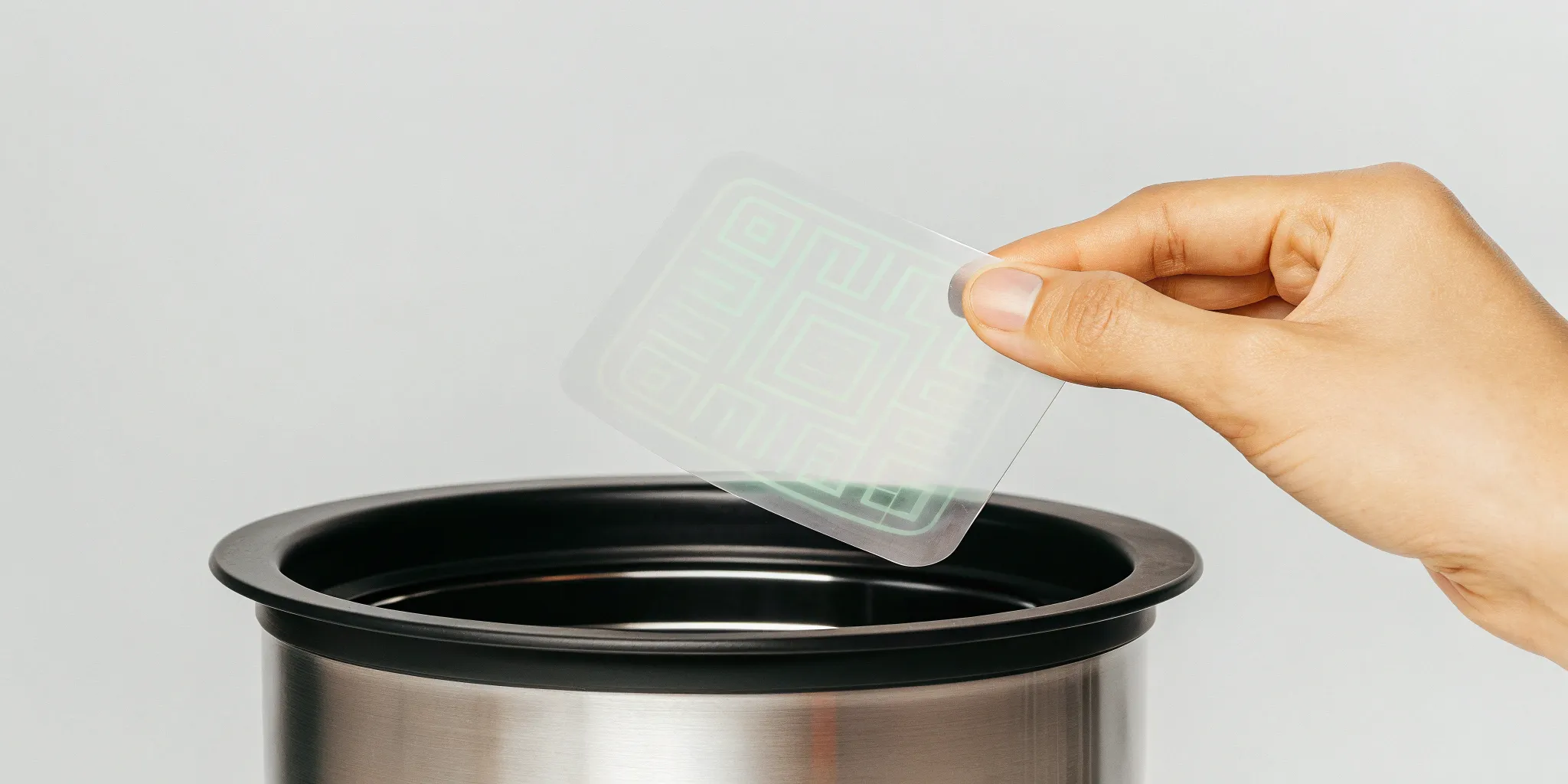
Think of a QR code tracking system as a digital librarian for your reusable containers. Instead of just hoping students bring back your expensive inventory of cups and clamshells, this system gives you a clear, real-time view of where every single item is. Each container gets a unique QR code, essentially giving it a digital identity. This allows you to monitor its entire lifecycle—from the moment a student checks it out at the dining hall to the second it’s returned to a smart bin.
This kind of system is designed to make your reuse program more efficient and effective. It moves you away from guesswork and gives you valuable data on usage patterns, return rates, and inventory levels. By implementing a track and trace system, you can get the insights needed to streamline your operations, reduce packaging waste, and cut down on the costs of constantly replacing lost containers. It’s about creating a closed-loop system that is both sustainable and financially smart for your campus.
How does QR code tracking work?
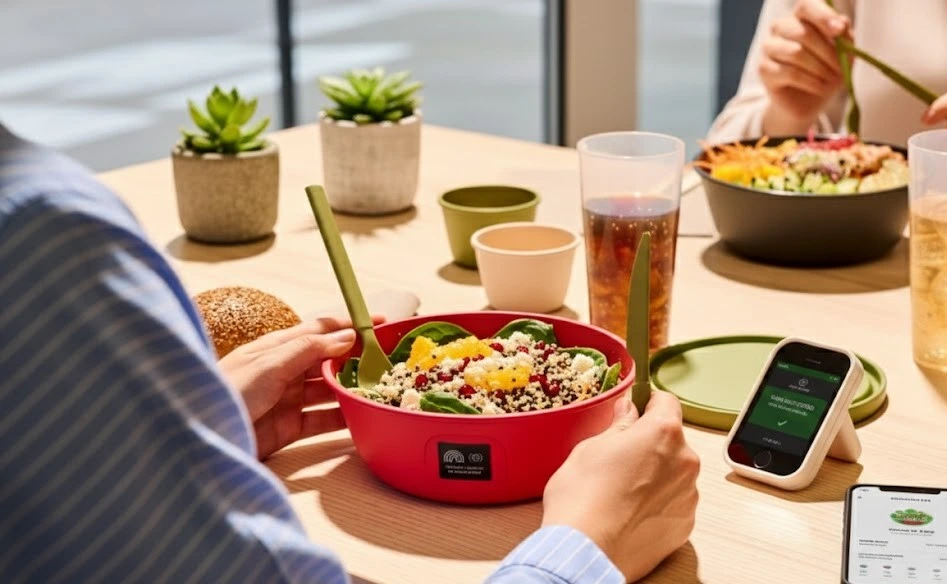
The process is surprisingly simple. First, a unique, durable QR code is attached to every reusable container in your fleet. When a student grabs a meal to-go, they scan the container’s QR code at checkout using their phone or a campus card reader. This action links the container to their account. When they’re finished, they return the container by scanning it again at a designated return station or smart bin.
Behind the scenes, every scan collects important data. The system tracks how many times each container has been used, how long it’s out on loan, and which locations have the highest usage. This information helps you understand program performance and identify any bottlenecks. It’s a straightforward way to introduce accountability without adding a heavy lift for your staff or students.
Digital vs. traditional tracking methods
Before digital tracking, campuses relied on manual methods like tokens, punch cards, or simple honor systems to manage reusables. These traditional approaches often created friction, required manual oversight from staff, and resulted in low return rates and high container loss. They put the burden on your team to chase down items and often failed to engage students effectively.
Digital tracking with QR codes flips the script. It makes participation effortless for students and automates the entire process. Instead of a clunky, manual system, you get a smooth, tech-driven experience. QR codes act as a bridge, turning students from passive users into active participants in your campus’s sustainability initiatives. This shift not only improves return rates but also makes your reuse program something students actually want to be a part of.
The tech that identifies each container
The QR code is the visible part of the technology, but it’s what it connects to that makes the system powerful. Each code is a unique identifier that links a physical container to a digital record in a central database. This allows for precise, one-to-one tracking of every asset.
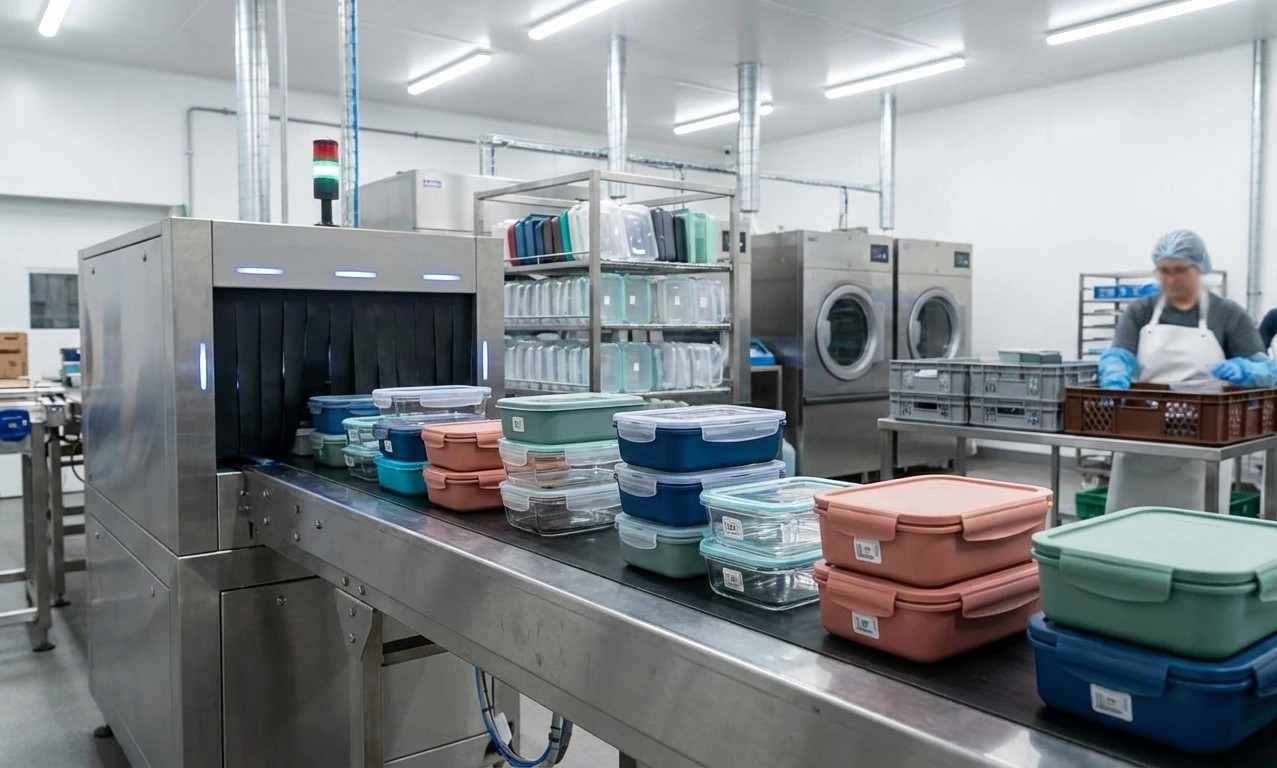
Some of the most effective systems use a dual-mode approach, combining QR codes with RFID (Radio Frequency Identification) technology. While QR codes are perfect for the user-facing side of things—like checking out a container—RFID can automate tracking on the operational side. For example, an RFID tag can be automatically scanned when a bin of containers enters the dish room. This combination gives you a complete picture, ensuring both a frictionless student experience and highly efficient backend operations.
What are the benefits of QR code tracking?
Switching to a reusable container system can feel like a big leap, but a QR code tracking system makes the whole process manageable and, more importantly, successful. By assigning a unique digital identity to every container, you gain a level of control and insight that just isn't possible with traditional methods. This isn't just about knowing where a container is; it's about understanding your entire system's health in real time.
This data-driven approach transforms your operations, helping you cut costs, hit sustainability targets, and create a smoother experience for students and staff. You can finally move away from the guesswork and waste associated with disposable packaging. Instead of wondering how many containers you’ve lost or where bottlenecks are forming, you’ll have clear, actionable data at your fingertips. Let’s look at the four key benefits you can expect when you implement a QR code tracking system on your campus.
Save money and streamline operations
One of the most immediate benefits of a tracking system is the financial savings. With disposable packaging costs on the rise, a well-managed reuse program offers a clear path to reducing your budget. A tracking system gives you real-time information about your packaging, which helps you make your reuse system more efficient and reduce overall costs. You’ll know exactly how many containers are in circulation, where they are, and how often they’re being used. This visibility prevents over-ordering new inventory and helps you allocate staff resources more effectively for collection and washing. By optimizing your container fleet, you can significantly lower your annual spending on single-use items and see a direct impact on your bottom line.
Meet your sustainability goals
For many campuses, reducing waste is a top priority, often driven by institutional zero-waste mandates. A QR code tracking system provides the concrete data you need to measure and report your environmental impact accurately. You can track metrics like the number of single-use containers avoided, carbon emission reductions, and waste diversion rates. Implementing a robust reusable packaging system also helps you stay ahead of increasingly stringent environmental regulations, reducing the risk of non-compliance. This commitment to sustainability is a powerful message that resonates with students and faculty, strengthening your institution's reputation as an environmental leader. It shows you’re not just talking about sustainability—you’re actively building it into your campus culture.
Get real-time inventory visibility
Losing track of containers is a common headache that can derail a reuse program. QR code tracking solves this by giving you a live view of your entire inventory. You can see which dining halls have high checkout volumes, how many containers are currently with students, and which return bins are nearing capacity. This level of insight is crucial for managing a complex system. While QR codes handle the simple, user-facing interactions like checking out a container, technologies like RFID can work alongside them to manage backend operations like bulk scanning and inventory counts. This dual approach ensures you always have an accurate picture of your assets, preventing stockouts during peak hours and ensuring a smooth dining experience.
Improve return rates with automated accountability
Getting containers back is the key to a self-sustaining reuse program. QR code tracking enables automated accountability, which is proven to drive high return rates without creating extra work for your staff. When a student checks out a container, the system links it to their account. From there, you can set up automated text or email reminders to encourage timely returns. Many systems, like the one offered by Reusables.com, can also manage refundable late fees automatically, so your team never has to have awkward conversations about missing items. This gentle, automated process removes friction for users and has been shown to achieve return rates of over 99%, ensuring your container fleet stays in circulation.

Who offers QR code tracking for reusables?
Several companies have developed systems to help organizations like yours manage reusable container programs. Each has a slightly different approach, so it’s helpful to understand the landscape. Here are a few of the key players in the space and what makes them unique.
Reusables.com: The all-in-one campus solution
Reusables.com provides a comprehensive platform built specifically for the unique environment of college and university campuses. The system is designed for a frictionless user experience, allowing students to check out a container simply by tapping their student ID or credit card—no app download required. It fully integrates with major campus card systems like Transact and CBORD. The platform combines QR and RFID tracking with smart return bins for 24/7, automated returns. This gives dining service directors real-time data on inventory, return rates, and environmental impact, all while automating the accountability process to ensure containers make their way back to the dish room.
Reath: Enterprise-level tracking
Reath offers a powerful "track and trace" system for reusable packaging that’s geared toward large enterprises. Their platform helps businesses follow the entire lifecycle of their reusable assets, providing detailed data to optimize the system and understand customer behavior. By leveraging unique digital IDs for each item, Reath gives companies a clear view of their inventory as it moves through the supply chain. This solution is ideal for businesses that need to manage complex logistics across multiple sites and want deep insights into their reuse cycles. It’s a robust option for companies looking to implement sustainable packaging at a significant scale.
Reuzzi: A focus on educational institutions
Reuzzi is a mobile app solution designed to track reusable to-go containers on college campuses. The system aims to reduce waste and save money by encouraging students and staff to participate in a reuse program. Through the Reuzzi app, users can check out and return containers by scanning QR codes. The platform is focused on creating a sustainable campus culture by making it easier for the community to manage reusables. This approach puts the tracking and management process directly into the hands of the students and faculty via their smartphones, relying on app adoption to drive the program's success.
ReusePass: Programs for dining establishments
ReusePass is a program that helps various dining venues, from cafes to corporate cafeterias, switch from single-use packaging to reusable containers. The system uses QR codes to track containers as they are checked out and returned, helping establishments save money on disposable packaging and reduce their overall waste. The goal of ReusePass is to make reusables a simple and affordable option for any food service business. It provides a straightforward way for restaurants and other dining spots to implement a circular system for their takeout containers, promoting a more sustainable model for their customers.
What to look for in a QR code tracking system
Not all tracking systems are built the same. When you’re ready to bring a reusable container program to your campus, the technology you choose will be the backbone of the entire operation. The right system works so smoothly that students and staff barely notice it, while the wrong one can create frustrating bottlenecks, low return rates, and extra work for your team. A great system isn't just about sticking a code on a container; it's about creating a seamless loop that saves you money, reduces waste, and gives you clear insight into your inventory.
Think of it as an operational partner. It should integrate with the tools you already use, provide the data you need to make smart decisions, and make participation easy for everyone involved. From the moment a student grabs a container to the second it's scanned back into your dish room, the system should handle the heavy lifting. As you evaluate your options, focus on platforms that offer a complete solution—one that addresses the user experience, back-of-house logistics, and data management in one cohesive package. Here are the key features that separate the best-in-class systems from the rest.
Real-time data and analytics
To run a successful reuse program, you need to know what’s happening with your inventory at all times. A system that offers a real-time dashboard is non-negotiable. This isn't just about counting containers; it's about understanding usage patterns, tracking return rates, and identifying potential issues before they become problems. With live data, you can see which dining halls are most active, when inventory is running low, and how long containers are checked out. This level of insight allows you to make your reuse system more efficient and ultimately, reduce your overall costs. Look for a platform that translates raw data into clear, actionable reports on your financial savings and environmental impact.
Seamless integration with your current systems
Your reusable packaging program shouldn't require you to overhaul your existing infrastructure. The best tracking systems are designed to work with the technology you already have in place, from your point-of-sale (POS) terminals to your campus card readers. A key challenge for many institutions is upgrading their POS systems, so finding a provider that offers flexible, integration-friendly technology is crucial. Whether your students pay with a meal plan card, credit card, or mobile wallet, the checkout process should be quick and familiar. A fully integrated system avoids creating extra steps for your cashiers and ensures a smooth, frictionless experience for students.
An easy-to-use interface for staff and students
If a system is complicated, people won’t use it. For students, the process of borrowing and returning a container should be effortless—ideally, as simple as a quick tap or scan without needing to download an app. QR codes are the perfect consumer-facing bridge that makes it easy for students to participate. For your staff, the interface should be just as intuitive. The system’s dashboard and operational tools need to be straightforward, requiring minimal training. When the technology is easy for everyone to use, you’ll see higher adoption rates from students and a smoother workflow for your dining team.
Flexible tracking options (QR and RFID)
While QR codes are excellent for user-facing interactions like checking out a container, they are only one piece of the tracking puzzle. For a truly automated and accurate system, you need technology that also handles the operational side with minimal manual work. This is where RFID (Radio Frequency Identification) comes in. Top-tier systems use a dual-mode approach, combining QR codes for checkout with RFID for returns. This allows for bulk scanning and automated check-ins, meaning your staff doesn't have to scan each container one by one. This combination delivers both operational efficiency and meaningful consumer participation, creating a complete solution.
Smart bins for automated returns
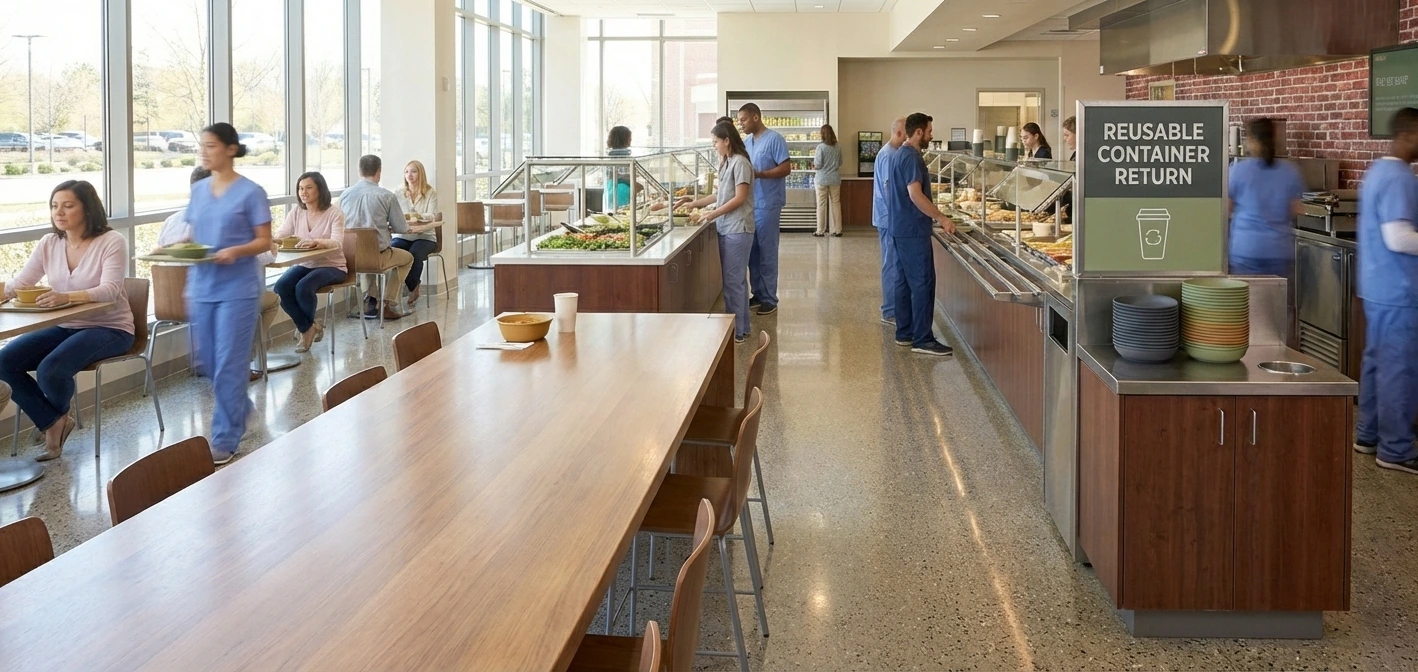
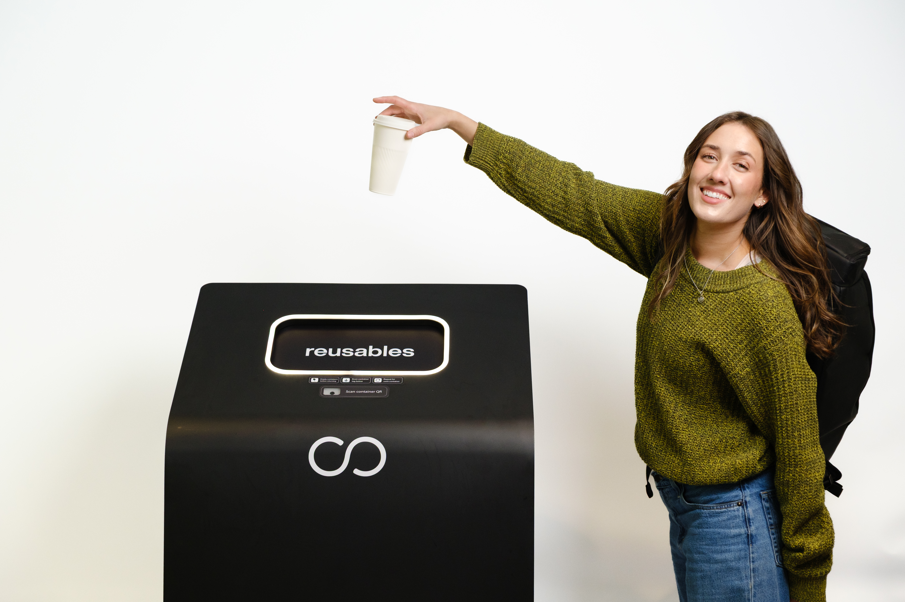
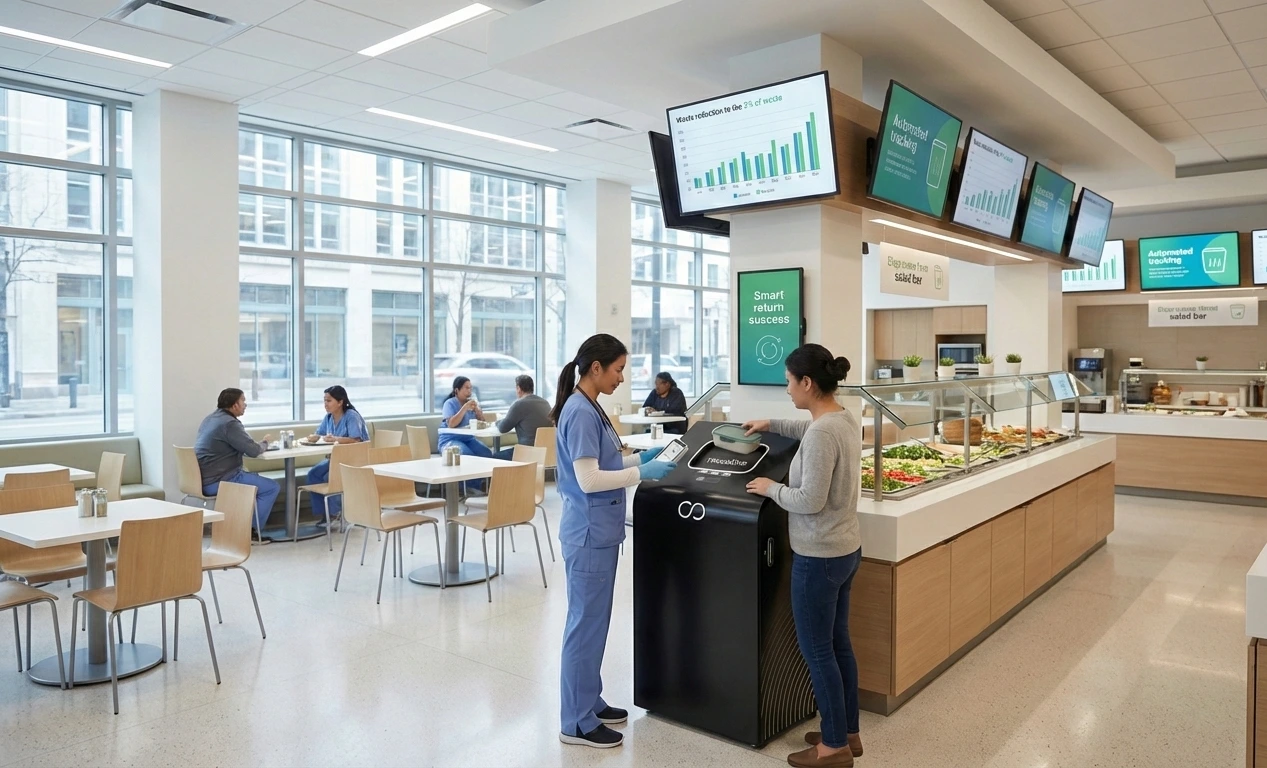
Making returns convenient is the single most important factor in getting your containers back. Instead of relying on manual collection, look for a system that includes smart return bins. These bins are available 24/7 and allow students to return containers with a simple scan, automatically crediting their account. The best systems use technologically integrated solutions that can detect when a bin is getting full and send an alert to your staff, preventing overflows and ensuring containers are collected promptly for washing. This automated, on-demand process makes returns completely touch-free for students and streamlines collection logistics for your team, driving the high return rates needed for a cost-effective program.
Overcoming common implementation hurdles
Switching from single-use packaging to a reusable system is a big move, and it’s natural to have questions about how it will all work. Any new campus-wide initiative comes with its own set of challenges, from getting your team on board to making sure the technology fits with your existing operations. But these hurdles aren't roadblocks; they're simply steps in the process that can be managed with the right plan and the right partner.
The key is to anticipate these challenges and choose a system designed to solve them from the start. A successful reuse program isn't just about the containers—it's about a smooth operational flow, an easy user experience, seamless tech integration, and ironclad data security. Let's walk through some of the most common concerns and how a well-designed system addresses them head-on, turning potential problems into strengths for your dining program.
Managing operational changes and staff training
Introducing a reusable container program changes daily workflows for your dining staff. They’ll have new tasks for checking containers out, managing return stations, and getting items back to the dish room. Without a clear plan, this can feel overwhelming. The goal is to find a reuse solution that simplifies, rather than complicates, their jobs. An intuitive system with automated tracking and smart return bins means staff aren't manually counting containers or chasing down students for returns. Effective training is still essential, but it’s much easier when the system itself is designed to be user-friendly and reduce manual work for your team.
Encouraging student and faculty adoption
For any reuse program to succeed, you need people to actually use it. The biggest barrier to adoption is friction. If checking out or returning a container is complicated, students and faculty will stick with what they know. This is where a simple, app-free experience makes all the difference. Using QR codes and integrating with existing campus cards or payment methods allows users to participate with a quick tap. Clear signage, launch-day events, and incentives like campus-wide leaderboards can also transform participation from a chore into a shared campus initiative that students are excited to be a part of.
Addressing tech integration and costs
Bringing in new technology can feel like a major undertaking, especially when it comes to integrating with your existing POS or campus card systems. The last thing you want is a clunky workaround that creates more problems than it solves. Look for a partner that offers proven, seamless integrations with major platforms like Transact, CBORD, and TouchNet. While there is an initial investment, a fully integrated system delivers the operational efficiency and real-time data that lead to significant long-term savings. You can cut annual spending on disposable packaging by 30% or more, creating a clear return on your investment.
Ensuring data security and management
When your tracking system connects reusable containers to individual student accounts, data security becomes a top priority. You are responsible for protecting student information, and your reuse partner must have robust security measures in place. A trustworthy system will prioritize security by using secure protocols and integrating safely with your campus credential platforms. This ensures that all tracking data is handled responsibly, giving you, your institution, and your students peace of mind. Make sure to ask potential partners how they handle data and what measures they take to protect user privacy.
How to implement a QR code tracking system successfully
Switching to a reusable container system is a significant operational change, but with a clear plan, it can be a smooth and rewarding process. A successful rollout isn't just about the technology; it's about integrating that tech thoughtfully into your existing campus dining environment. By focusing on your operational needs, choosing the right tools, and preparing your community, you can set your program up for long-term success and achieve those impressive return rates and cost savings. These steps will guide you through a successful implementation from start to finish.
Evaluate your current operations and needs
Before you introduce any new technology, it’s essential to have a crystal-clear picture of your current state. Start by documenting your existing workflows for takeout packaging. Where do you store disposables? How do students get them? Where do they end up? Identifying the pain points in this process—like high costs, overflowing trash cans, or student complaints about waste—will clarify what you need the new system to solve. This foundational step helps you tailor the system to fit seamlessly into your dining halls, cafes, and other food service locations, ensuring it addresses your most pressing challenges.
Choose durable, high-quality QR codes
In a bustling campus environment, your reusable containers and their tracking codes will go through a lot—commercial dishwashers, daily handling, and the occasional drop. The last thing you need is for QR codes to peel off, fade, or become unreadable, as this undermines the entire tracking system. That’s why it’s critical to choose durable, high-quality QR codes that can withstand the rigors of daily use. A reliable provider will offer containers with embedded or securely adhered codes designed for longevity, ensuring your tracking remains accurate and your staff isn't burdened with replacing faulty labels.
Plan for staff and student education
A new system is only as good as the people using it. A successful launch depends on clear communication and training for both your staff and the student body. For your team, this means hands-on training so they feel confident explaining the program and troubleshooting minor issues. For students, it’s about building awareness and excitement. Use clear signage at points of sale, run a fun launch-day campaign, and use campus social media to explain how easy it is to participate. Effective user education is key to driving high adoption rates and making reuse the new campus norm.
Measure performance and optimize your system
Once your system is live, the real work of refinement begins. The best tracking platforms provide a dashboard with real-time data on key metrics like return rates, container usage, and inventory levels. Regularly reviewing this information allows you to see what’s working and where you can make improvements. For example, if a return bin in a specific dorm isn't getting much use, you might need to promote it more or consider moving it. Using analytics to guide your decisions helps you optimize the system for maximum efficiency, ensuring you meet your financial and sustainability goals.
Related Articles
- Reusable Packaging Systems for Efficient, Sustainable Operations
- Reusable Packaging Solutions for Institutions & Workplaces
- Membership | Join the Reusables Revolution – Reusables.com
- Smart Reuse Programs for Campuses, Private Clubs, Offices & More
Frequently Asked Questions
Do students need to download an app to participate? No, they don't. The most effective systems are designed to be as frictionless as possible, which means no app downloads are required. Students can check out a container simply by tapping their existing student ID, credit card, or mobile wallet at checkout. This approach removes a major barrier to entry and makes participation a seamless part of their normal dining routine, which is key to achieving high adoption rates across campus.
What happens if students don't return the containers? Are we just out the money? This is a common concern, and it’s exactly what a smart tracking system is built to prevent. Instead of losing your investment, the system creates automated accountability. If a container isn't returned on time, the system can send gentle, automated reminders to the student. For programs that include a late fee, the system can manage a refundable charge automatically, so your staff never has to chase down students or handle awkward conversations about money. This process is proven to drive return rates above 99%.
How much extra work does a system like this create for my dining staff? A well-designed system should actually reduce your staff's workload, not add to it. By automating the tracking and return process, you eliminate the manual tasks that bog down traditional reuse programs. Smart return bins, for example, can alert your team when they need to be emptied, so staff aren't making unnecessary trips. Automated inventory tracking means no one has to do manual counts. The goal is to let the technology handle the logistics so your team can focus on providing great food and service.
Will this system integrate with our existing campus card and payment platforms? Yes, a key feature to look for is seamless integration with the systems you already use. The top providers are designed to work directly with major campus card and payment platforms like Transact, CBORD, and TouchNet. This ensures that checking out a reusable container is as simple and familiar as any other transaction. This integration is crucial for a smooth rollout and avoids creating clunky workarounds for your cashiers or students.
What's the real difference between using just QR codes versus a system with both QR and RFID? Think of it this way: QR codes are perfect for the simple, one-on-one interaction with the student at checkout. It’s easy for them to scan and go. RFID, on the other hand, is for your back-of-house operations. It allows your staff to scan an entire bin of returned containers at once without handling each one individually. A system that uses both gives you the best of both worlds—a frictionless experience for students and maximum efficiency for your team.
Other stories you may find interesting




















.webp)
.webp)








.webp)


























Watch the Webinar
Learn How to Eliminate Single-Use Waste
Get instant access to our expert webinar and discover how leading institutions reach 99% return rates through smarter reuse systems.

© Reusables™. All rights reserved.