
4 Actionable Zero Waste Country Club Initiatives

January 5, 2026
For any Director of Dining Services, managing the constant cycle of ordering, stocking, and disposing of single-use packaging is a significant operational headache. It’s a recurring cost that creates overflowing trash bins and requires constant staff attention. This is where zero waste country club initiatives offer a powerful way to streamline operations. By implementing a tech-enabled reusable container system, you can eliminate the need for disposables, reduce waste hauling fees, and free up your staff to focus on what matters most: providing an excellent member experience. It’s a smarter, more efficient way to run your dining services while making a tangible positive impact.
Key Takeaways
- Frame sustainability as a financial and reputational asset: Shifting to zero-waste practices is a strategic move that cuts significant operational costs from disposables and waste hauling while strengthening your club's brand and appeal to members.
- Prioritize replacing single-use items with a reusable system: The most impactful change you can make is implementing a tech-enabled reusable container program. This tackles a major source of waste and expense while upgrading the member experience from flimsy disposables to quality wares.
- Drive adoption by making participation effortless: Success depends on member involvement. Use clear communication, engaging incentives, and intuitive systems to make the sustainable choice the easiest and most natural one for members and staff.
Why Should Country Clubs Go Zero Waste?
Thinking about "zero waste" might bring to mind complex systems and big changes, but at its core, it’s about being smarter and more resourceful with what you have. For a country club, this isn't just about being green—it's a strategic move that can strengthen your finances, enhance your reputation, and create a better experience for your members. It’s about looking at every aspect of your operation, from the clubhouse kitchen to the golf course, and finding opportunities to reduce waste.
Adopting zero-waste initiatives shows that your club is forward-thinking and committed to providing a premium experience that aligns with modern values. It’s a holistic approach that touches every part of your club. For your dining services, it means less money spent on disposable containers and fewer overflowing trash bins. For your grounds crew, it means turning organic waste into valuable compost. For your members, it means being part of a community that cares about its impact. Ultimately, it’s about running a more efficient, resilient, and respected club that stands out as a leader.
What "Zero Waste" Means for Your Club
The term "zero waste" can sound intimidating, but it’s more of a goal than a rigid rule. It means looking beyond the recycling bin and considering the entire lifecycle of the products you use. According to the EPA, it’s about redesigning systems to prevent waste from being created in the first place. For your club, this could mean switching from single-use takeout containers at the turn to a reusable system, composting food scraps from the restaurant, or choosing suppliers who use less packaging. It’s a practical approach focused on conservation and efficiency, turning what was once a cost center into a valuable resource for your club.
Reduce Costs and Your Carbon Footprint
One of the most compelling reasons to adopt zero-waste practices is the direct impact on your bottom line. With the cost of disposable packaging soaring over 200% in recent years, every single-use cup, container, and fork represents a recurring expense. By implementing sustainable practices, you can significantly cut down on purchasing and waste-hauling costs. A reusable container program, for example, eliminates the need to constantly reorder disposables. This not only saves money but also reduces your club's carbon footprint, demonstrating a tangible commitment to environmental stewardship that both your members and your accounting team will appreciate.
Meet Member Expectations and Stand Out
Today’s members, especially younger generations, expect the businesses they support to be environmentally responsible. A commitment to sustainability is no longer a niche interest; it's a powerful way to add value and differentiate your club. By embracing zero-waste initiatives, you’re not just improving operations—you’re building a brand that resonates with your members' values. Communicating these efforts through newsletters, events, and on-site signage can create a sense of shared ownership and pride. It positions your club as a community leader, making it a more attractive place for current and prospective members who are looking for a luxury experience that is also conscientious.

What Are the Best Zero Waste Strategies for Your Club?
Moving toward zero waste doesn't have to be an overwhelming overhaul. It’s about making smart, strategic changes that add up to a big impact. By focusing on a few key areas, you can significantly cut down on waste, reduce operational costs, and show your members that you’re committed to a sustainable future. These four strategies are practical starting points that can deliver tangible results for your club, from the dining room to the back nine. They address the biggest sources of waste and offer clear paths to improvement, helping you build a more efficient and environmentally responsible operation.
Implement a Reusable Container System
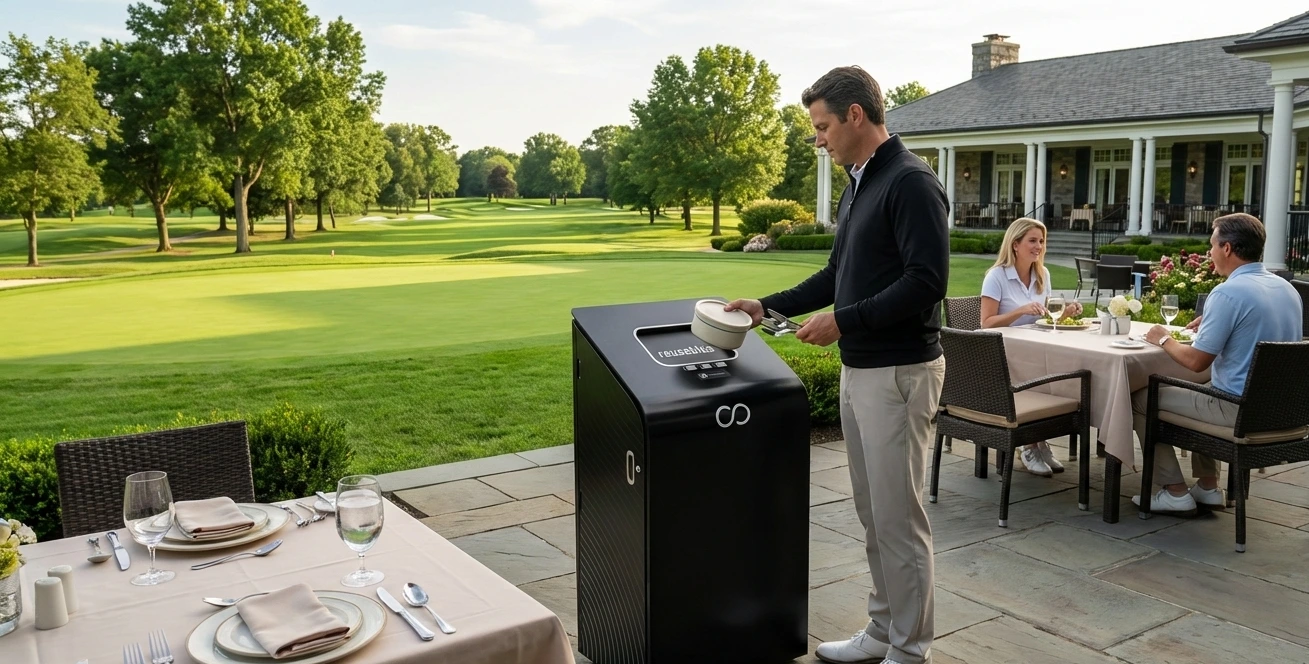
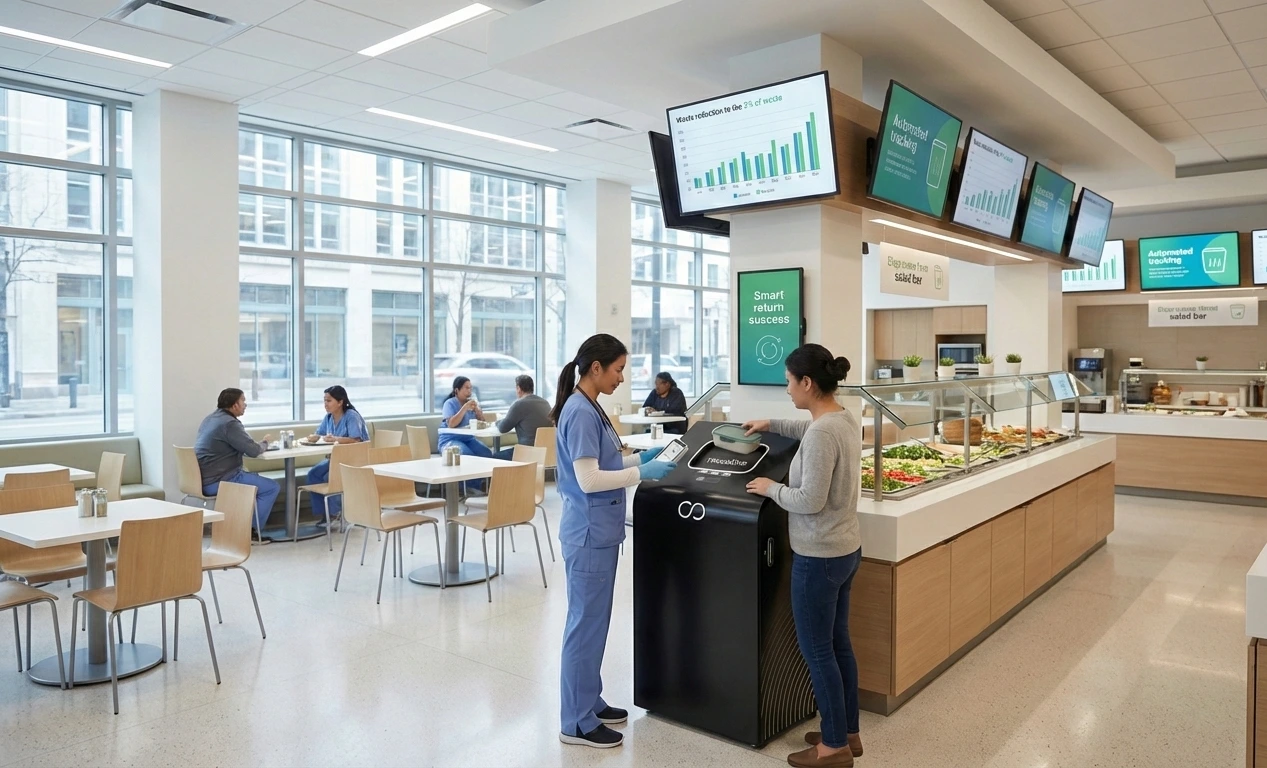
Think about all the single-use packaging from your club’s grab-and-go counter, poolside cafe, and halfway house. This is often the most visible and costly source of waste. Switching to a reusable container system is one of the most impactful changes you can make. Modern systems go far beyond simple reusable cups; they offer a seamless experience for both your members and staff. Imagine members checking out a container with a simple tap of their member card—no app required. With smart return bins and automated tracking, you can achieve return rates of over 99%, eliminating the cost and waste of disposables for good. This single step can transform your dining operations and demonstrate a powerful commitment to sustainability.
Start a Recycling and Composting Program
Your club generates a significant amount of organic material, from grass clippings and leaves on the course to food scraps in the kitchen. Instead of paying to haul it all to a landfill, you can turn it into a valuable resource. A well-managed composting program can process this organic waste, creating nutrient-rich compost for your gardens and landscaping. This not only cuts disposal fees but also reduces your need for commercial fertilizers. Complement this with a comprehensive recycling program. Place clearly labeled bins for glass, aluminum, plastic, and paper in high-traffic areas like the clubhouse, locker rooms, and dining areas to make it easy for members and staff to participate.
Conserve Water and Improve Energy Efficiency
A country club's environmental footprint extends beyond physical waste. Water and energy are two major operational expenses that offer huge opportunities for conservation. On the course, you can install smart irrigation controllers and soil moisture sensors to ensure you’re only watering when and where it’s needed, drastically cutting water usage. Inside the clubhouse, conduct an energy audit to identify areas for improvement. Simple changes like switching to LED lighting and installing ENERGY STAR certified appliances in the kitchen can lead to significant long-term savings on your utility bills. These efforts reduce your operational costs while preserving vital natural resources.
Source Sustainably and Repurpose Equipment
A zero-waste mindset also applies to how you acquire and manage your club’s assets. Before buying new, look for opportunities to repair or upgrade existing equipment, from golf carts to kitchen tools. When you do need to purchase new items, prioritize sustainable procurement by choosing durable products with minimal packaging from local suppliers who share your environmental values. This approach extends to your kitchen, where sourcing ingredients from local farms can reduce food miles and support your community. By thinking creatively about the entire lifecycle of your products and equipment, you can minimize waste and build a more resilient and responsible supply chain.
How Can You Get Members Involved in Sustainability?
Your club’s sustainability initiatives are only as strong as your members’ participation. Getting them on board isn’t just about sending a memo; it’s about creating a shared sense of purpose and making it easy for everyone to contribute. When members feel like they are part of the solution, they become your biggest advocates, turning your zero-waste goals into a vibrant part of the club’s culture. This shared effort strengthens your community and shows that the club’s values align with their own, which is essential for member retention and satisfaction in a premium environment.
The key is to move beyond simply asking members to change their habits. You need to inspire, guide, and empower them. By focusing on clear communication, creating engaging activities, and making participation effortless, you can build genuine enthusiasm. Think of it as an extension of the hospitality you already provide. Just as you curate a seamless experience on the golf course or in the dining room, you can design a sustainability program that feels intuitive and rewarding. The following strategies will help you bring your members along on this journey, transforming your club into a leader not just in luxury, but in environmental responsibility. It all starts with making them feel included, heard, and valued every step of the way.
Educate and Raise Awareness
Before you can expect members to participate, they need to understand the "why" behind your efforts. Transparent communication is the foundation of member buy-in. When you share the goals of your zero-waste program—whether it's reducing operational costs, cutting down on landfill waste, or improving the club's environmental footprint—you invite members into the story. As one industry report notes, clubs that communicate sustainability efforts through newsletters, workshops, and tours create a powerful sense of shared ownership. Use your existing channels to share progress updates, celebrate milestones, and explain how new systems, like a reusable container program, benefit everyone.
Create Incentives and Fun Challenges
A little friendly competition can go a long way in encouraging new habits. Turn sustainability into an engaging activity rather than a chore by introducing incentives and challenges. You could launch a "Reuse Rockstar" leaderboard that tracks participation in your reusable takeout container program, with a small prize for the monthly winner. Consider offering a complimentary coffee to members who use a reusable mug or creating a club-wide "Zero Waste Week" challenge. By making sustainability fun, you not only increase participation but also reinforce your club’s role as a positive community leader. These programs show that you’re serious about your goals while adding another layer of value to the member experience.
Use Clear Signage and Communication
Nothing stalls a new initiative faster than confusion. To get members involved, you have to make participation as simple and intuitive as possible. As experts from Horizon Hospitality advise, "When asking members to go green, be sure to make it as easy as possible for them." This means using clear, concise signage at every point of action. Place well-designed signs above waste stations to distinguish between recycling, compost, and landfill. If you’re implementing a reuse program, provide simple, step-by-step instructions at checkout counters and return stations. The goal is to remove any guesswork, ensuring that the sustainable choice is also the easiest one. A frictionless system with intuitive touchpoints is key to high adoption rates.
Partner with Your Community and Ask for Feedback
Your members are your greatest resource for ideas and feedback. Making them partners in the process ensures your initiatives are well-received and effective. Create a voluntary "Green Committee" composed of interested members to help guide your sustainability strategy and champion new programs. You can also gather input through simple surveys or open forums. One study on club practices found that "by sharing strategies, participating in surveys, and engaging in open discussions, clubs can create a more sustainable future together." This collaborative approach not only leads to better ideas but also deepens your members' connection to the club and its mission.
What Challenges Should You Prepare For?
Shifting to a zero-waste model is a significant operational change, and it’s smart to anticipate a few hurdles. Planning for these challenges ahead of time will make the transition smoother for your staff, your members, and your bottom line. The key is to approach this change with a clear strategy for communication, training, and vendor coordination. By thinking through these potential issues, you can ensure your sustainability program enhances your club’s reputation and member experience from day one.
A successful rollout involves more than just new bins or containers; it requires a cultural shift. Getting buy-in from every level of your organization, from the board room to the kitchen, is essential. You’ll also want to consider how new systems integrate with your existing infrastructure and brand standards. With the right partner and a solid plan, you can address these challenges proactively and set your club up for long-term success, proving that luxury and sustainability can go hand-in-hand.
Address Member Concerns and Manage Costs
Any change can be met with questions, especially when it comes to member experience and club finances. Some members might worry that new sustainability practices will be inconvenient or that "going green" means higher fees. The best way to address these concerns is with proactive and transparent communication. Use your newsletters, on-site signage, and member events to explain the "why" behind your initiatives. When you create shared ownership of your sustainability goals, members become partners in the effort.
On the financial side, it’s important to frame zero-waste initiatives as a smart investment. While some programs may have an upfront cost, they often lead to significant long-term savings. For example, with the cost of disposable packaging rising over 200% in recent years, switching to a reusable container system can cut operational expenses dramatically.
Work with Your Infrastructure and Train Your Staff
Your existing operations are the foundation of your club, and any new system needs to fit seamlessly within them. Before launching a new program, assess your current infrastructure. Do you have the space for new sorting stations? Does your dishwashing system have the capacity for reusable containers? Answering these questions early will prevent logistical headaches later.
Your staff is your most valuable asset in this transition. Proper training is crucial to ensure everyone understands the new procedures and can confidently explain them to members. A well-trained team can turn a potentially confusing new process into a smooth, positive experience. Investing in systems that are intuitive and automated, like tech-enabled reusable containers, can also reduce the training burden and minimize staff overhead, making the switch much easier for everyone.
Coordinate with Vendors and Waste Management
Achieving zero waste requires looking beyond your club’s walls. Your relationship with your suppliers and waste management partners is a critical piece of the puzzle. Start by talking to your vendors about their packaging and sourcing practices. You may be able to request that they use less packaging or switch to more sustainable materials. Many suppliers are happy to collaborate on green initiatives with their clients.
Similarly, work closely with your waste management provider to understand exactly what they can recycle and compost. Contamination is a common issue that can derail even the best-laid recycling plans. Clear communication and coordination ensure that the materials you collect are actually being diverted from the landfill. By embracing sustainability collaboratively, your club can become a leader in the community.
Maintain a Luxury Experience with Sustainable Practices
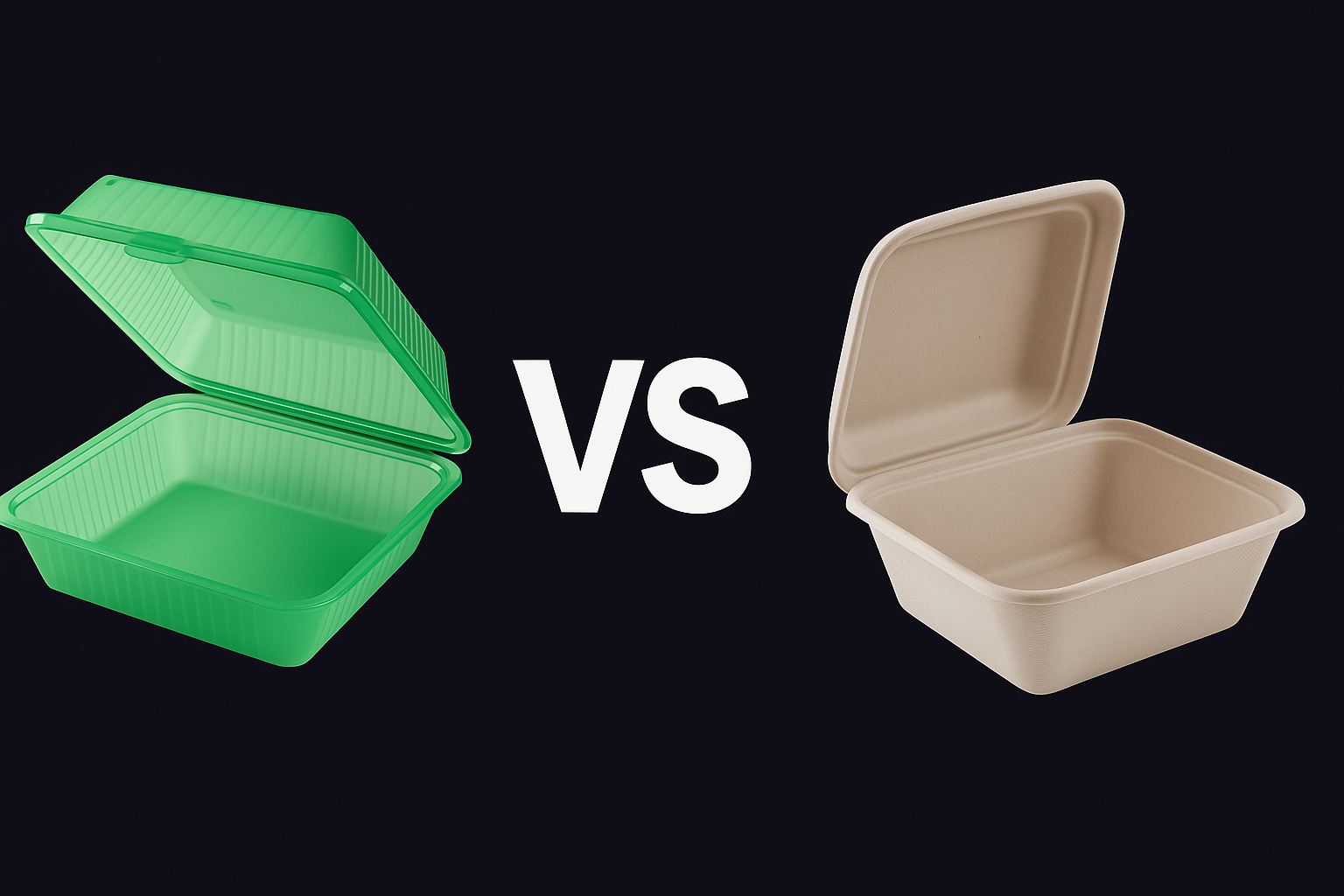
A common misconception is that sustainability means sacrificing quality or luxury. In reality, the opposite is true. Thoughtfully implemented green initiatives can significantly enhance the member experience. Swapping flimsy, single-use plastic containers for high-quality, durable reusables, for example, feels like an upgrade, not a compromise. The key is to choose solutions that align with your club’s high standards.
Focus on how your zero-waste efforts add value. You can highlight the use of fresh, locally sourced ingredients, the clean and modern look of your new reusable dishware, or the positive environmental impact your club is making. With the right strategy, you can use sustainability to elevate membership and reinforce your brand’s commitment to excellence. It’s about making responsible choices feel effortless and premium.

How Do You Measure Your Zero Waste Success?
Launching a zero-waste initiative is a fantastic first step, but how do you know if it’s actually working? Tracking your progress is essential for keeping your team motivated, demonstrating value to your board, and showing members that their participation makes a real difference. When you can back up your efforts with clear data, you build momentum and create a strong case for future sustainability projects. The key is to move beyond guesswork and establish clear metrics that paint a full picture of your success, from financial savings to environmental impact.
A data-driven approach helps you identify what’s working well and where you can make adjustments. For example, if you see high participation in your reusable container program but low engagement with composting, you know where to focus your communication efforts. With the right tools, you can get a real-time view of your operations, making it simple to manage your program and report on your achievements. This isn’t just about being green—it’s about running a smarter, more efficient club.
Track Waste Diversion and Cost Savings
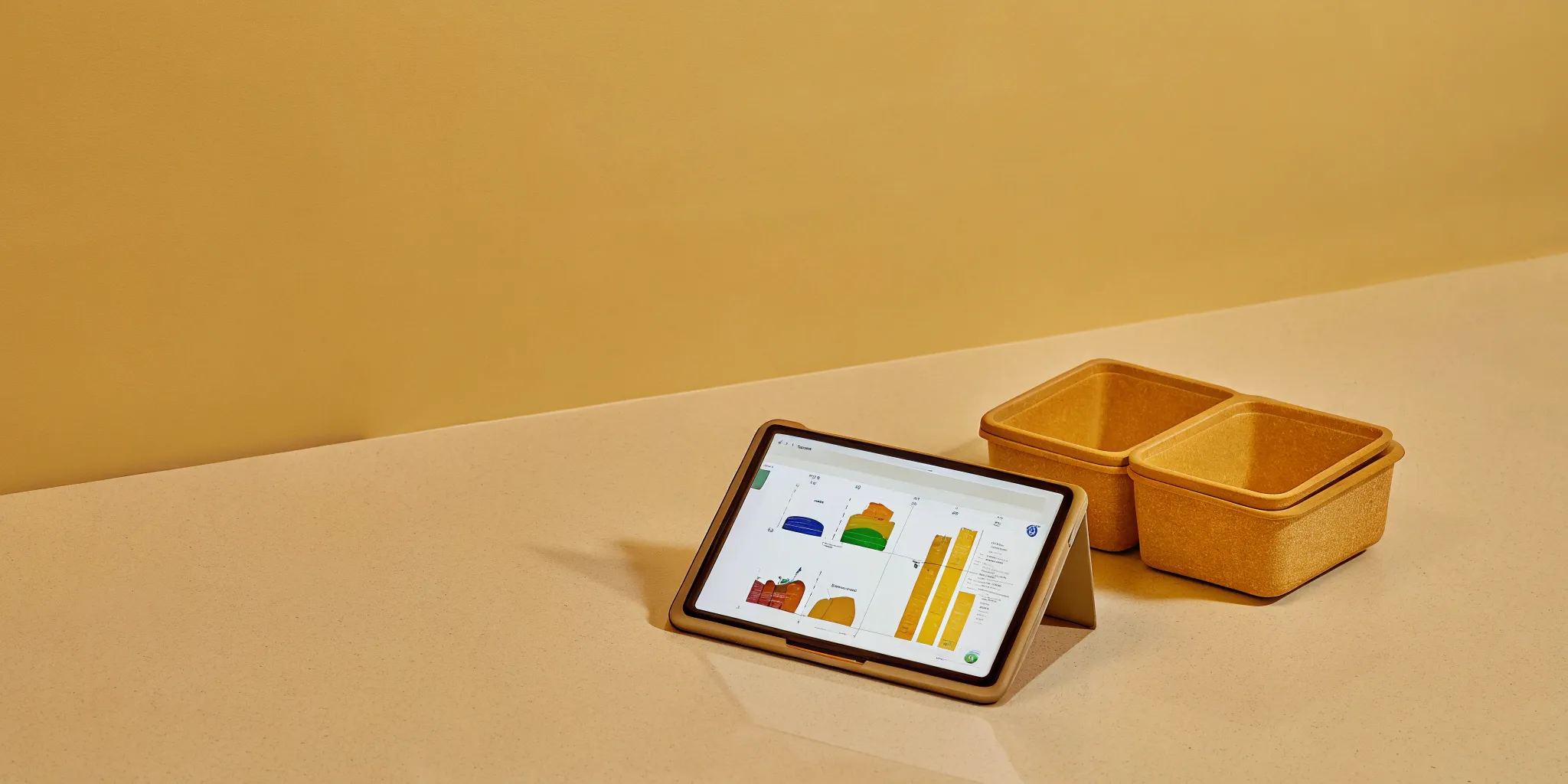
The most direct way to measure success is by looking at your waste streams and your budget. Before you start, establish a baseline by conducting a waste audit to see what you’re throwing away and how much it’s costing you in hauling fees. Then, track your waste diversion rate—the percentage of waste you divert from the landfill through reuse, recycling, and composting. You should also track the reduction in purchasing costs for single-use items like takeout containers, cups, and cutlery. As you implement sustainable practices, you can significantly reduce waste generation while saving money. Modern reuse platforms provide a dashboard with this data, automatically calculating your savings and diversion rates so you always have the numbers on hand.
Monitor Member Engagement and Participation
Your zero-waste initiatives are only as successful as the people who participate in them. That’s why tracking member engagement is a critical piece of the puzzle. You can monitor participation rates for specific programs, like how many members use reusable containers at the turn or how many attend a sustainability workshop. Use surveys and feedback forms to gauge member satisfaction and gather new ideas. When clubs effectively communicate sustainability efforts, they create a sense of shared ownership. Consider using gamification, like a leaderboard for the most reuses, to make participation fun and visible. This not only encourages involvement but also gives you another metric to track.
Measure Your Environmental Impact
Beyond cost savings and waste diversion, you can measure your club’s positive environmental impact. This translates your efforts into compelling, easy-to-understand metrics. For example, you can calculate the reduction in your carbon footprint, the amount of water saved, and the number of trees preserved by choosing reuse over single-use. Many platforms and tools, including the EPA’s Waste Reduction Model (WARM), can help you convert your data into these impact metrics. Sharing these figures—like "This month, our members saved enough water to fill the pool"—makes the collective achievement tangible and celebrates your community’s commitment to sustainability.
Calculate Your Return on Investment (ROI)
Ultimately, your board and leadership will want to see a clear return on investment. Your ROI calculation should include both hard and soft returns. The hard returns are the direct financial savings from reduced purchasing and waste management costs. The soft returns are just as important and include increased member loyalty, an enhanced brand reputation, and the ability to attract new, sustainability-minded members. By focusing on initiatives like cutting down on single-use products and repurposing equipment, you’re not just working toward zero-waste goals; you’re making a sound financial decision. A comprehensive system that tracks all these data points makes it easy to present a powerful ROI story.
Related Articles
- Hollyburn Country Club Reported a Payback Window of Just 2 Months - Case Studies
- Smart Reuse Programs for Campuses, Private Clubs, Offices & More
- Guide to Sustainable College Cafeterias
Frequently Asked Questions
This sounds like a big investment. Will a zero-waste program actually save our club money? That’s a fair question, and the short answer is yes. While there can be an initial investment, it’s important to see it as a shift in spending rather than a new cost. With the price of disposable packaging continuing to climb, you’re already spending a significant amount on items that get thrown away. A reusable container system, for example, directly replaces that recurring expense and can lead to substantial long-term savings on purchasing and waste hauling fees. It’s about investing in a durable asset that pays for itself over time.
How can we implement these changes without disrupting the premium experience our members expect? A well-designed sustainability program should enhance the member experience, not detract from it. Think of it as an upgrade. Swapping flimsy disposable containers for sturdy, high-quality reusables feels more premium. Modern systems are designed to be completely seamless, allowing members to check out a container with a simple tap of their member card. The goal is to make the sustainable choice the easiest and most elegant one, reinforcing the high standards of your club.
My staff is already busy. How much extra work will a reuse program add to their plates? This is a common concern, but modern reuse systems are built with automation in mind to reduce staff workload. Look for a solution with smart return bins and automated tracking. This means your team won't have to manually count containers, scan items, or chase down members for returns. The system handles reminders and accountability automatically, freeing up your staff to focus on providing excellent service rather than managing inventory.
We want to get started, but it feels overwhelming. What's the most effective first step? The best place to start is often with your most visible source of waste: single-use food and beverage containers. Implementing a reusable container system for your grab-and-go, poolside, and halfway house dining is a high-impact first step. It tackles a major expense, is highly visible to members, and provides clear, measurable results quickly. This single change can build momentum and make it easier to introduce other initiatives like composting or energy efficiency down the line.
What if members don't bring the reusable containers back? Won't we lose our inventory? This is exactly the problem that modern, tech-enabled reuse systems are designed to solve. Instead of relying on an honor system, these platforms create effortless accountability. Each container is tracked, and the system can automatically send reminders or apply a fully refundable late fee if an item isn't returned on time. This approach is proven to work, with systems like ours achieving return rates of over 99% without creating any awkward conversations for your staff.
Other stories you may find interesting































.webp)
.webp)









.webp)






































Watch the Webinar
Learn How to Eliminate Single-Use Waste
Get instant access to our expert webinar and discover how leading institutions reach 99% return rates through smarter reuse systems.

© Reusables™. All rights reserved.