
What Is a Reusable Container Usage Tracking Dashboard?

December 25, 2025
The rising cost of single-use packaging is a constant pressure on your budget. While switching to reusables is a smart move, how do you prove its financial worth? The answer lies in data. A reusable container usage tracking dashboard transforms your program from a sustainability initiative into a financially intelligent operation. It provides the hard numbers you need to calculate your exact savings, pinpoint your return on investment, and even uncover new revenue streams. This article explores how tracking every container gives you the financial clarity to justify your program, reduce operational costs, and make a powerful business case for sustainability.
Key Takeaways
- Manage Your Assets with Precision: A tracking dashboard provides a live, data-driven view of your entire container fleet, helping you optimize inventory, prevent loss, and streamline staff workflows without relying on manual counts.
- Prove Your Program's Financial Value: Use dashboard data to calculate your exact ROI by tracking savings against disposables and identifying new revenue streams, giving you the hard numbers needed to justify the investment to stakeholders.
- Achieve and Report on Zero-Waste Goals: Translate daily reuse operations into powerful impact metrics. The dashboard automatically tracks waste reduction and user engagement, providing verifiable data for sustainability reports and campus communications.
What is a Reusable Container Tracking Dashboard?
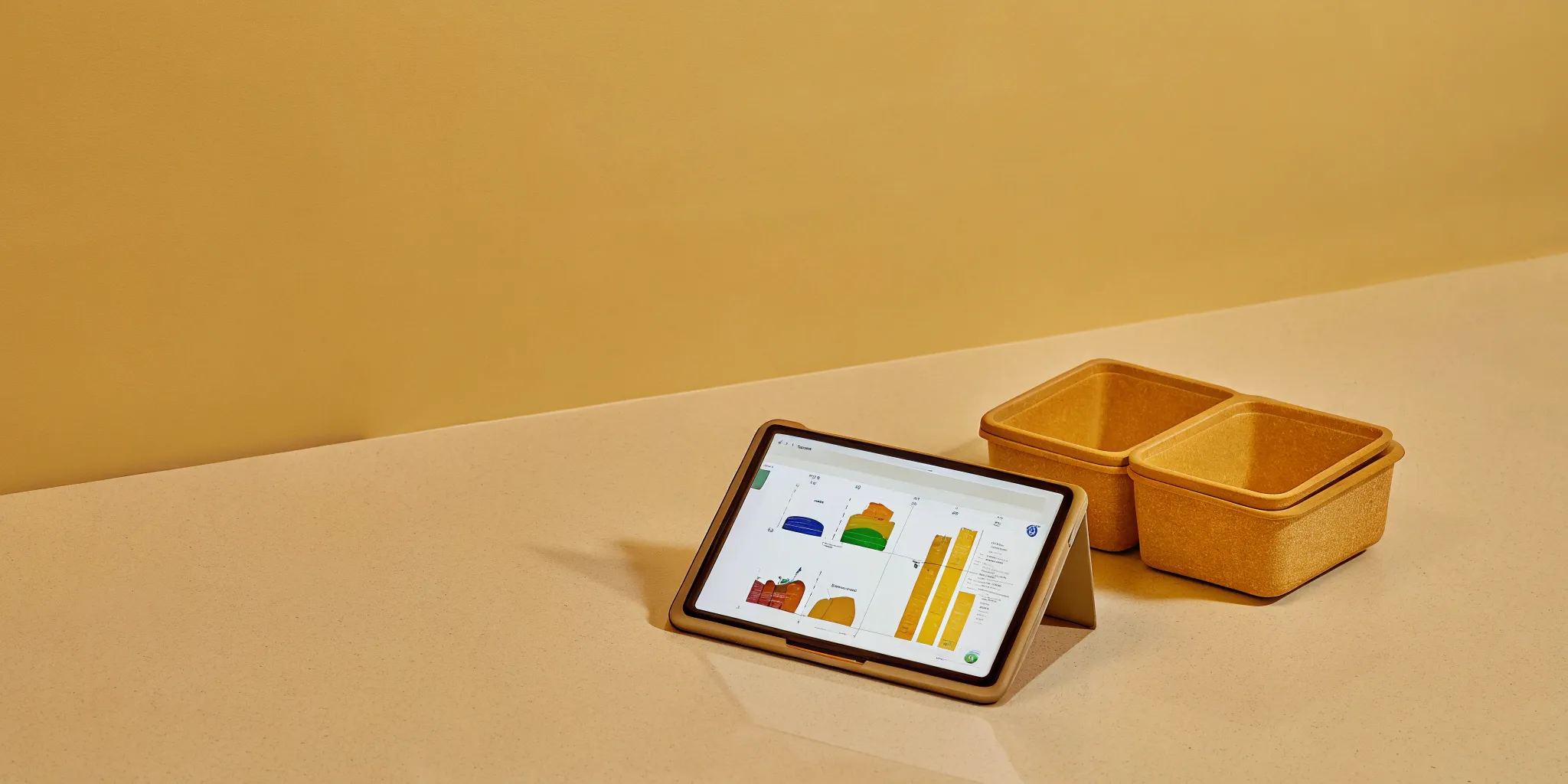
Think of a reusable container tracking dashboard as the command center for your entire reuse program. It’s a software portal that gives you a complete, real-time view of your container fleet, transforming your operations from guesswork to data-driven management. Instead of wondering where your containers are, how many you have, or if students are returning them, the dashboard provides clear, actionable answers. It’s designed to give you complete operational visibility, tracking every container from the moment it's checked out to when it’s returned, washed, and ready for its next use.
This central hub collects data from every touchpoint in your system—from the checkout station to the smart return bin. It organizes this information into easy-to-understand reports and live metrics. You can see inventory levels across different dining halls, monitor return rates, and even track your program's environmental impact. The goal is to give you the insights needed to run a smooth, efficient, and successful reuse program that saves money and reduces waste. A great dashboard makes managing reusables simpler than managing disposables. The right reuse system provides the transparency you need to make informed decisions and demonstrate the value of your sustainability initiatives to stakeholders across campus.
Key Dashboard Features and Functions
A powerful dashboard does more than just count containers; it provides deep insights into your program's health. Key features often include modules for tracking your "reuse rate" and "asset usage." The reuse rate shows you how often each container is being used, which is a direct measure of your program's performance and ROI. The asset usage feature categorizes your entire inventory, showing you how many containers are actively circulating, how many have never been used, and which ones might be lost. This helps you understand the complete lifecycle of your container fleet, preventing over-ordering and ensuring you have the right amount of inventory on hand. You can also expect to see live data on return bin fullness, user engagement metrics, and financial reports that detail your cost savings.
How Does the Tracking Technology Work?
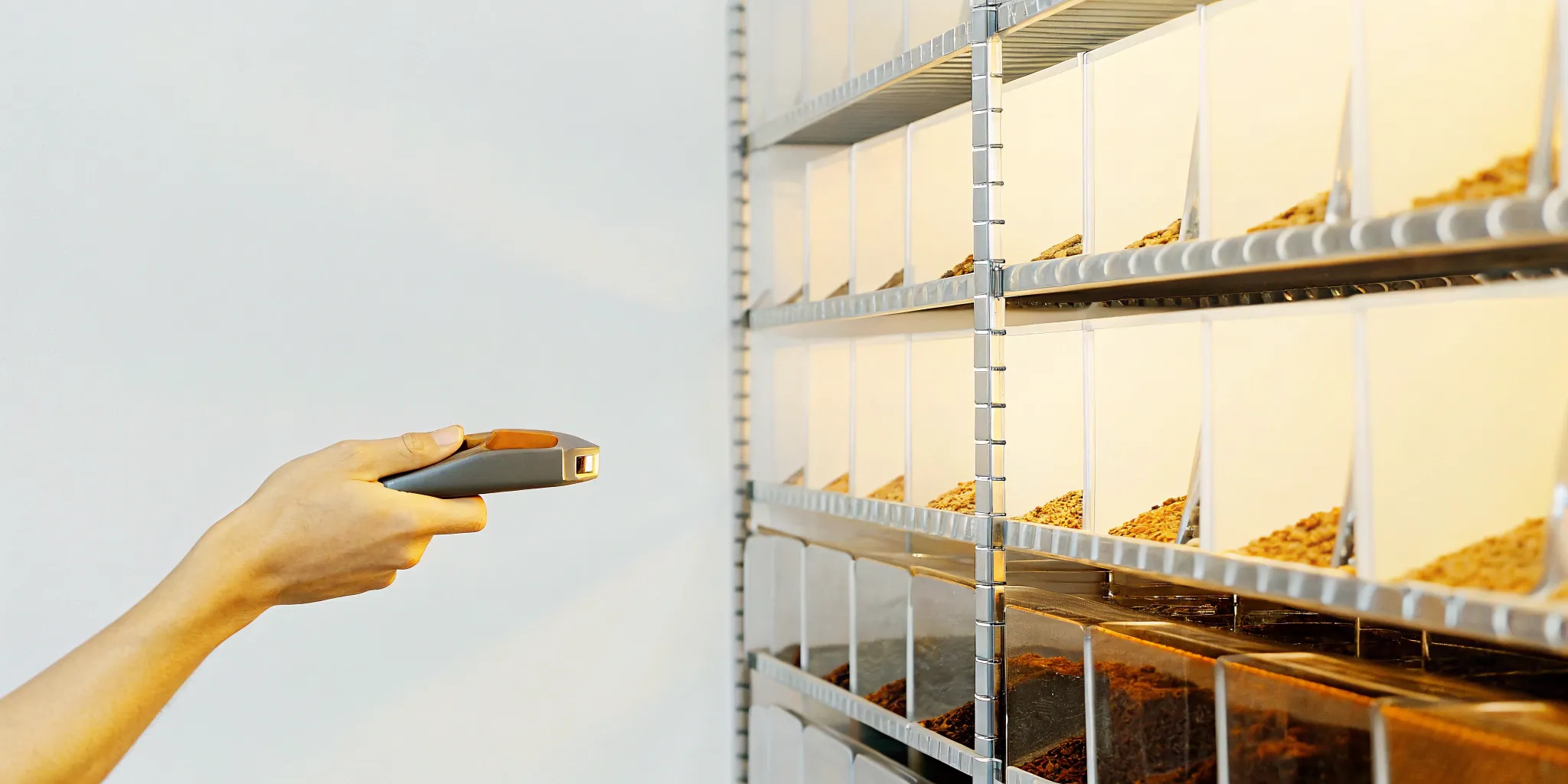
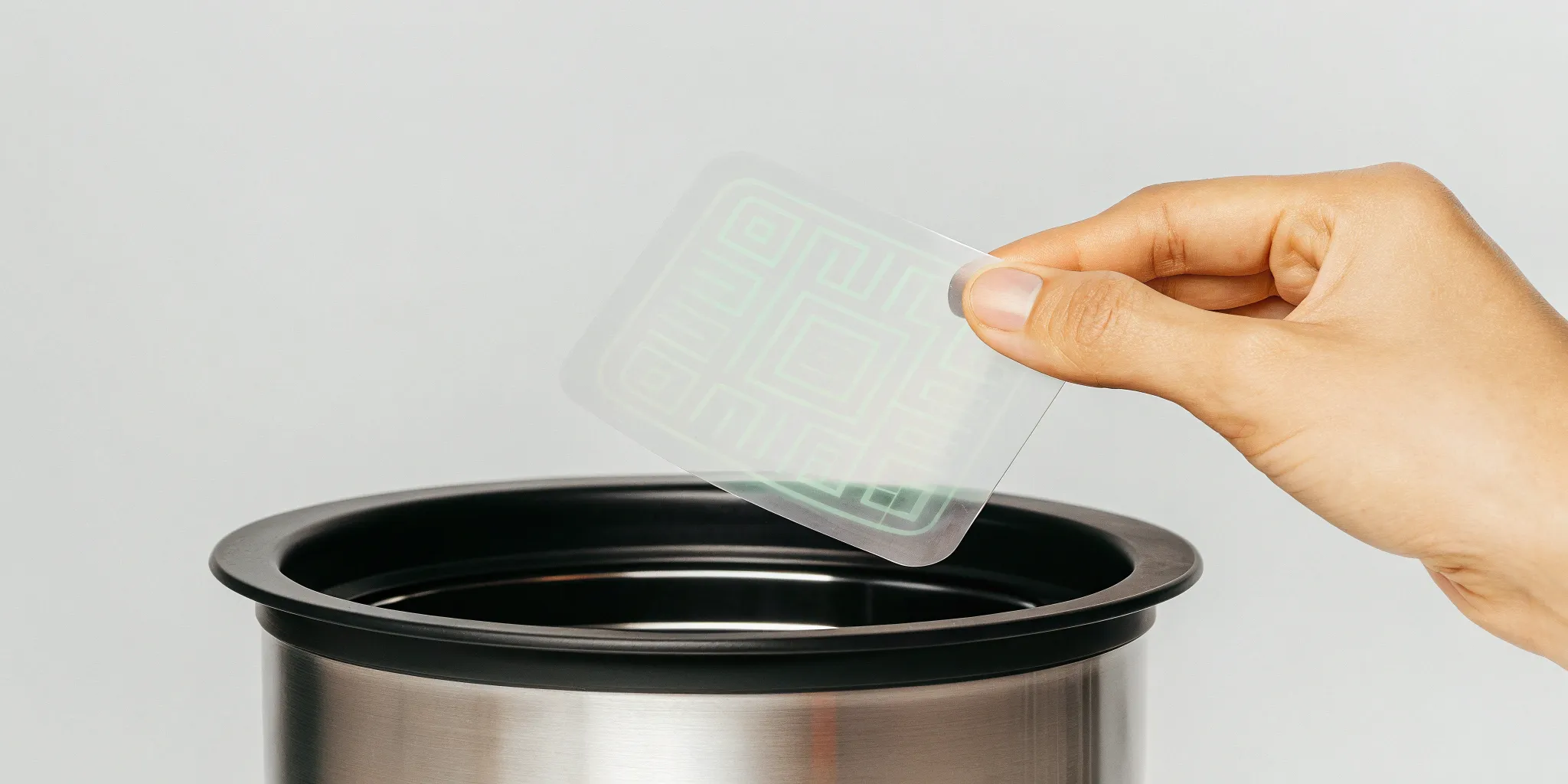
The magic behind the dashboard is the tracking technology attached to each container. Every reusable cup, bowl, or clamshell is given a unique digital identity, typically through a durable QR code or an RFID tag. When a student checks out a container using their campus card or a simple tap, the unique ID is scanned and logged. The same thing happens when they drop it off at a smart return bin or scan station. This process creates a digital record for every action, which is instantly sent to your dashboard. This dual-mode tracking ensures accuracy and provides a complete history for each container, allowing the system to automate everything from user reminders to late fees without any manual work from your staff.
The Power of Real-Time Monitoring
One of the biggest challenges with reusable systems is keeping track of everything. Real-time monitoring solves this by giving you an up-to-the-minute view of your entire operation. You can instantly see the location and status of your containers, which makes it much easier to manage inventory and plan for demand. For example, you’ll receive automatic alerts when a return bin is getting full, so your staff can service it before it overflows. If you notice return rates dipping at a particular dining hall, you can address the issue right away. This immediate feedback loop allows you to be proactive rather than reactive, ensuring a smooth experience for students and preventing container loss before it becomes a problem.

What Key Insights Will You Gain from a Tracking Dashboard?
A tracking dashboard does more than just show you numbers; it gives you a clear, comprehensive view of your entire reuse program. It transforms raw data into actionable insights, allowing you to move from guesswork to informed decision-making. With this information at your fingertips, you can refine operations, demonstrate value to stakeholders, and build a program that truly lasts. Think of it as the command center for your sustainability initiatives, providing the clarity you need to manage your container fleet effectively and prove the program's success. Instead of relying on manual counts or estimates, you get a live look into inventory levels, user activity, and environmental impact. This real-time visibility helps you spot opportunities for improvement, address potential issues before they become problems, and confidently report on your progress toward campus-wide sustainability goals. It’s the key to running a smart, efficient, and impactful reuse system. The dashboard centralizes all the critical data points you need, from individual container histories to campus-wide adoption rates. This allows you to answer key questions instantly: Are we getting the most out of our container investment? Where are our return rates highest? How much waste have we diverted this semester? Having these answers readily available empowers your team to manage the program proactively and communicate its successes with confidence.
Measure Reuse Rates and Program Performance
How do you know if your investment in reusable containers is paying off? The answer is in your reuse rate. A dashboard shows you exactly how many times each container has been used, along with an average across your entire inventory. This is one of the most important metrics for understanding your program's financial and environmental return. A high reuse rate means you are successfully displacing single-use items, cutting down on packaging costs, and reducing waste. This data is essential for tracking performance over time, identifying trends, and demonstrating the concrete value of your program to campus leadership.
Manage Your Container Lifecycle and Inventory
A fleet of reusable containers is a significant asset, and a dashboard helps you manage it like one. You can see a complete breakdown of your inventory in real-time: how many containers are currently checked out, how many are ready for use, which ones have never been used, and which have been retired. This level of visibility is critical for smart inventory management. It helps you anticipate reordering needs, identify if certain types of containers are underutilized, and ensure you always have enough stock to meet demand during peak hours. Our integrated solutions take the headache out of tracking hundreds or thousands of assets across multiple dining locations.
Quantify Your Environmental Impact
One of the main goals of a reuse program is to make a positive environmental impact, but proving it can be a challenge. A tracking dashboard solves this by automatically translating your usage data into clear, reportable impact metrics. You can instantly see how many single-use containers have been avoided, how much waste has been diverted from landfills, and the associated reductions in carbon emissions and water usage. This provides you with powerful, data-backed stories to share in sustainability reports, on social media, and with the campus community. It turns your operational efforts into a compelling narrative of environmental stewardship that resonates with students, faculty, and administrators alike.
Prevent Loss and Optimize Your Container Fleet
Lost containers are a major cost and a common frustration for any reuse program. A robust tracking system directly addresses the challenges of container loss by linking each container to a user, creating inherent accountability. When you can see which containers are overdue, you can trigger automated reminders to encourage returns. This simple feature dramatically reduces loss from carelessness or theft. The data can also reveal patterns, such as higher loss rates at specific locations, allowing you to adjust return bin placement or improve signage. By minimizing loss, you protect your investment and ensure your container fleet operates at peak efficiency.
Monitor User Engagement and Return Rates
Your reuse program is only as successful as the number of people who participate in it. A dashboard gives you valuable insights into user behavior and adoption across campus. You can see which dining halls have the highest participation, identify your most frequent reusers, and track return rates to gauge how easy the system is to use. High return rates, a hallmark of a well-designed program, show that users find the process convenient. This information helps you tailor your outreach and engagement efforts, celebrate sustainability champions, and make data-driven adjustments to create a frictionless user experience that students and staff love.
How to Implement a Reusable Container Tracking System
Putting a tracking system in place might sound like a heavy lift, but a modern solution is designed to feel like a natural extension of your current operations. The key is a thoughtful, step-by-step approach that focuses on seamless integration and clear communication. Here’s how you can successfully roll out a reusable container program on your campus.
Integrate with Your Existing Campus Systems
The last thing you need is another piece of software that doesn’t talk to your other systems. A successful reuse program should feel like it’s always been there, which is why integration is the first and most critical step. Your tracking system should connect directly with your existing campus card and POS infrastructure, like Transact, CBORD, and TouchNet. This allows for a frictionless experience where students can check out a container simply by tapping their card. For your team, it means no separate logins or clunky workarounds—just a smooth process that fits right into your dining services workflow.
Set Up Container Tagging and Identification
To track your containers, each one needs a unique digital identity. This is typically done with a combination of QR codes and RFID tags. This dual-mode approach gives you the flexibility to use different types of containers, from durable plastic to stainless steel, without sacrificing tracking accuracy. Once tagged, every container can be monitored throughout its lifecycle—from checkout at the dining hall to its return at a smart bin. This technology is what makes automated, real-time smart container tracking possible, eliminating the need for manual counts or paper slips and giving you a precise picture of your inventory at all times.
Train Your Staff and Streamline Workflows
Your team is the heart of your dining operations, and their buy-in is essential for a successful rollout. The good news is that an intuitive system requires minimal training. The focus should be on how the new process makes their jobs easier—no more restocking endless piles of single-use containers. Training should cover the simple checkout process and how to direct students to return stations. It’s also a great opportunity to address any questions about hygiene and safety, ensuring your staff feels confident in the new system. When the workflow is streamlined, your team can focus on what they do best: providing a great dining experience for students.
Overcome Common Implementation Hurdles
Let’s be honest: launching any new program can have its challenges. With reusables, common concerns often include container loss, low return rates, and getting students to change their habits. A well-designed system anticipates these issues and solves them from the start. For example, automated accountability—with gentle reminders and refundable late fees—encourages timely returns without creating extra work for your staff. Smart return bins make it convenient for students to drop off containers 24/7. By addressing these potential returnable container tracking challenges proactively, you can achieve return rates of 99% and ensure your program is a long-term success.
What Are the Financial Benefits of Tracking Reusables?
Switching to a reusable container system is a powerful move for sustainability, but its real strength lies in its financial intelligence. When you can track every container, you move beyond hoping for a positive impact and start measuring it in dollars and cents. The right system doesn't just cut down on waste; it actively reduces operational costs, creates new income streams, and gives you a clear, data-backed view of your return on investment.
Think of it this way: you wouldn't manage your food inventory without data, so why manage your packaging assets any differently? A tracking dashboard transforms your container fleet from a recurring expense into a well-managed, cost-saving asset. It provides the hard numbers you need to see exactly how the program is performing financially, justifying the investment and paving the way for future growth. With detailed insights into usage, returns, and inventory, you can make informed decisions that benefit both your budget and your campus's green initiatives. These tech-enabled reuse systems are designed to deliver a strong financial case alongside their environmental one.
Calculate Your Savings Over Single-Use Packaging
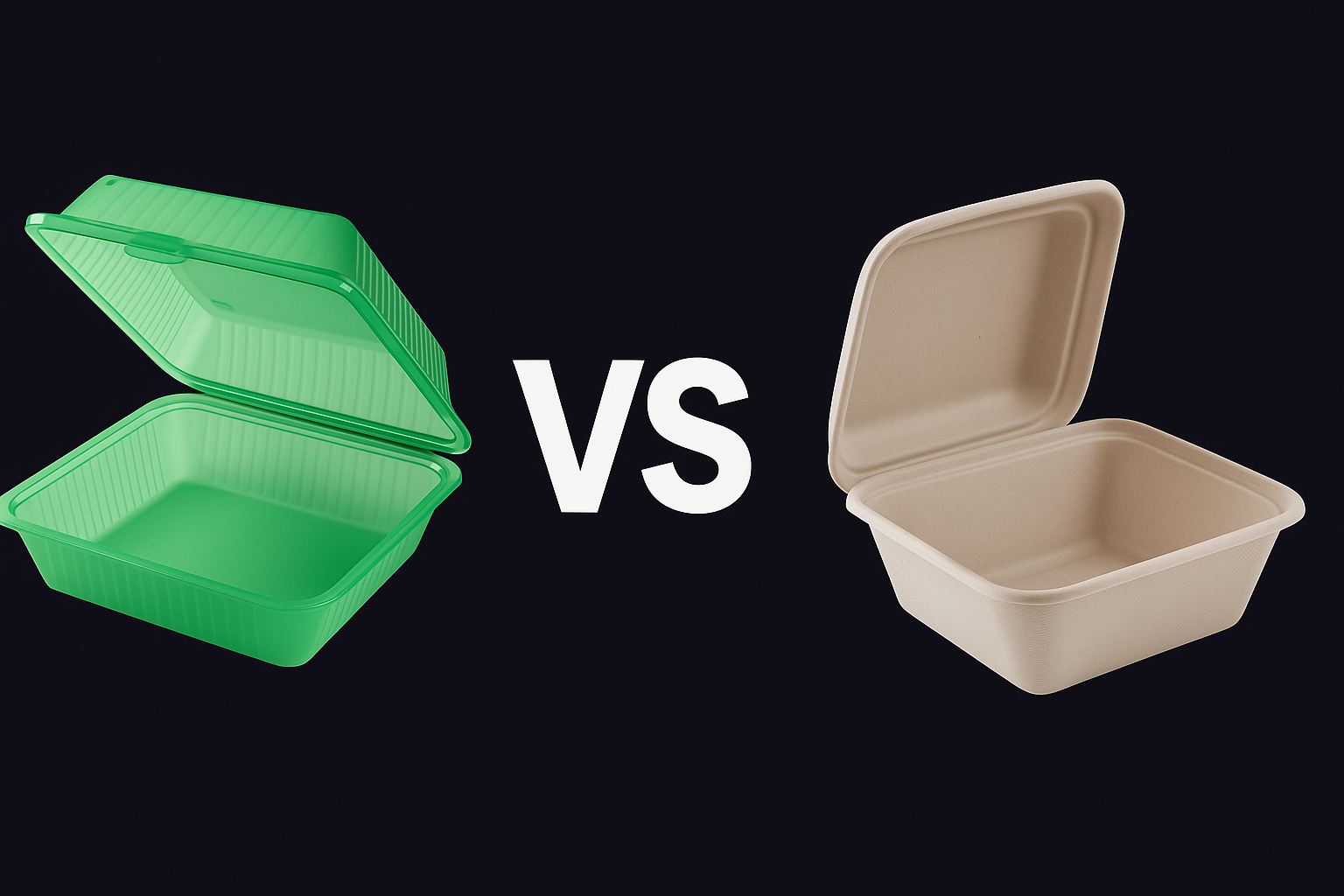
The most direct financial win comes from eliminating the endless cycle of purchasing disposable containers. With the cost of single-use packaging having risen dramatically, this line item is likely a significant drain on your budget. A tracking system shows you precisely when your reusable containers pay for themselves. For example, polypropylene containers often break even after just three to four uses compared to their compostable counterparts. For more durable stainless steel, that number is around eight to ten uses.
Without tracking, you’re just guessing at these numbers. A dashboard provides real-time data on your reuse rates, confirming your savings and demonstrating the program's value. Many institutions find they can reduce annual packaging and waste costs by over 30%, turning a major expense into a significant saving.
Discover New Revenue Generation Opportunities
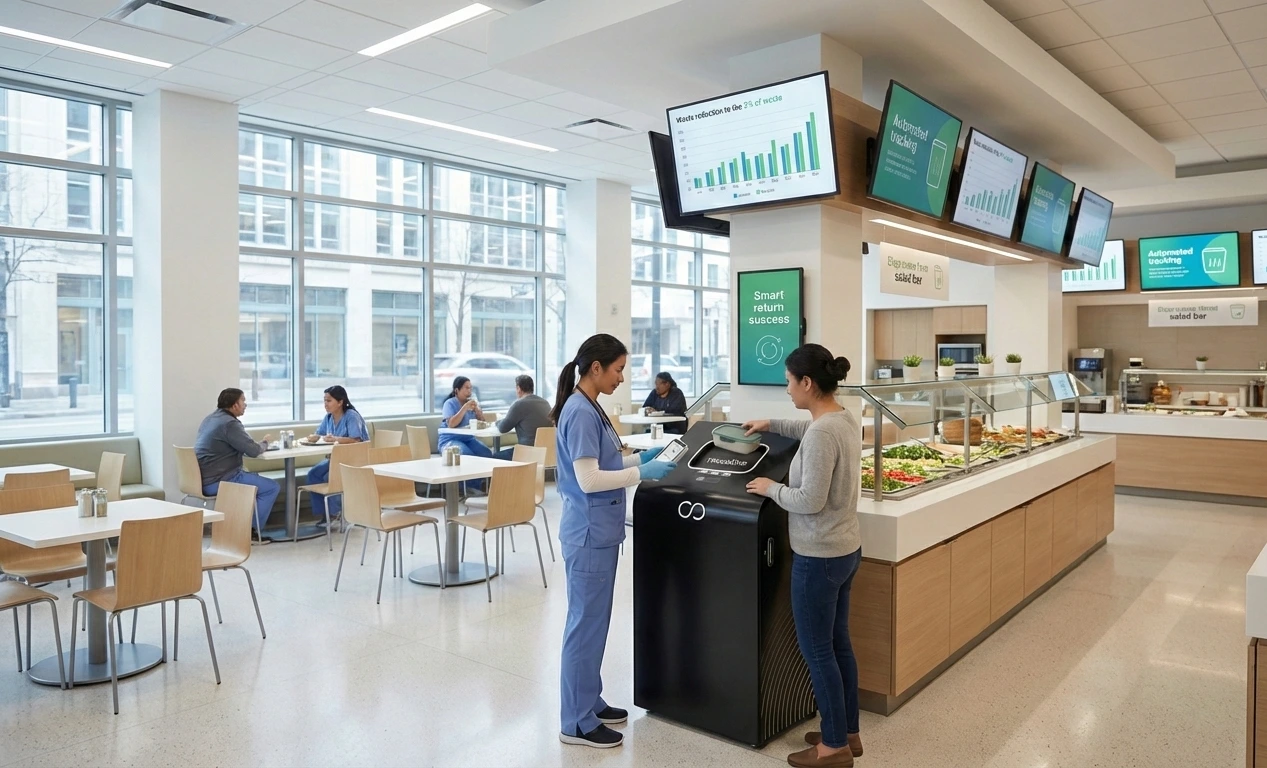
A modern reuse system can do more than just save money—it can create new income. Our Smart Return Bins are designed with integrated media screens that can be used for campus announcements or third-party advertising. This feature offers a way to generate passive revenue, with the potential to bring in around $5,000 per screen each year without adding any work for your staff. It’s a simple way to have your sustainability infrastructure contribute directly to your department’s bottom line. By turning a cost center into a revenue-generating asset, the system helps fund itself and other important campus initiatives.
Determine Your Return on Investment (ROI)
Knowing your reuse rates is essential for seeing the financial benefits of using reusable containers instead of single-use ones. A comprehensive tracking dashboard makes calculating your ROI simple and transparent. It pulls together all the critical data points—cost savings from eliminating disposables, reduced labor costs from automated processes, and revenue from ad screens—into one clear picture. This allows you to confidently report on the program's financial performance to stakeholders. With hard data, you can easily demonstrate how the initial investment is paying off, proving that sustainability and fiscal responsibility go hand in hand.
How Automated Accountability Reduces Staff Workload
One of the biggest operational drains is the time your staff spends managing disposables or chasing down containers in a manual reuse system. Automated tracking and accountability give that time back. Our system handles holds, reminders, and late fees automatically, so your team never has to manually charge students or track down missing inventory. This allows you to optimize the use of your assets without burdening your staff. Instead of spending hours on logistical tasks, your team can focus on what they do best: providing an excellent dining experience for students. This improvement in operational efficiency translates directly into labor savings and a more smoothly run dining program.

How to Use Dashboard Data to Drive Sustainability Goals
A tracking dashboard is more than just a collection of numbers; it’s the command center for your entire reuse program. It transforms raw data into a clear narrative of your progress, showing you exactly how your efforts are paying off and where you can improve. With real-time insights at your fingertips, you can move beyond simply hoping your program is working and start actively steering it toward success. This data empowers you to communicate your impact to stakeholders, engage your campus community in new ways, and make strategic decisions that align with your institution's broader sustainability commitments. Think of it as the bridge between your daily operations and your long-term vision. By leveraging these powerful analytics, you can turn your sustainability goals from abstract targets into measurable, achievable outcomes, proving the value of your program every step of the way. It’s about having the confidence that comes from knowing exactly what’s working and why, allowing you to refine your approach, justify your budget, and scale your impact effectively across campus.
Track and Report on Waste Reduction
One of the most powerful features of a tracking dashboard is its ability to quantify your waste reduction in real time. Instead of estimating your impact, you can see the exact number of single-use containers your campus has avoided. Knowing your reuse rates is essential for demonstrating the financial and environmental benefits of your program. This data provides concrete evidence for stakeholder reports, budget meetings, and public communications. You can confidently share milestones like "We've saved 100,000 disposable containers from the landfill this semester," backed by verifiable analytics. This level of transparent reporting builds trust and showcases the tangible success of your sustainability initiatives.
Measure Campus-Wide Engagement
Your dashboard is a window into how students and staff are interacting with your reuse program. You can see which dining locations have the highest adoption rates, identify peak usage times, and understand user behavior patterns. This information is invaluable for refining your strategy. For example, if you notice lower engagement at a particular café, you can implement targeted promotions or add more educational signage. The data also helps you celebrate successes. You can run campus-wide challenges with leaderboards, rewarding the dorm or department with the highest reuse rates. This gamification is a fantastic way to build community and encourage participation in your sustainability efforts.
Meet Your Institution's Zero-Waste Mandates
Many colleges and universities have set ambitious zero-waste goals, and your dashboard provides the hard data needed to prove you're meeting them. Up-to-date information helps you manage your reusable inventory and align daily operations with your institution's long-term vision. When it's time to report on progress, you can pull precise metrics directly from the dashboard, demonstrating compliance with confidence. This data is crucial for reports to your board, sustainability committees, or external auditors. It moves your program from anecdotal success to a data-backed case study, solidifying your campus's reputation as a leader in environmental stewardship.
Make Data-Driven Decisions for Your Sustainability Strategy
The insights from your dashboard allow you to manage your program with precision and foresight. By tracking the real-time location and status of your containers, you can optimize inventory levels and prevent loss. For instance, alerts for full return bins let your team know exactly when and where to collect containers, improving operational efficiency. This data helps you make informed, strategic decisions. You can identify the need for new return stations in high-traffic areas or adjust container inventory based on demand. This approach ensures your reuse program not only runs smoothly but also continuously evolves to better serve your campus and your sustainability strategy.
Related Articles
- How Student Card Reusable Container Checkout Works
- QR Code Reusable Packaging: A Campus Guide
- Reusable Packaging Systems for Efficient, Sustainable Operations
- The Right Way to Buy Reusable Food Containers for College
Frequently Asked Questions
How much extra work does this system create for my dining staff? This is a great question, and the answer is that it’s designed to reduce their workload, not add to it. The system automates the most time-consuming parts of managing reusables. Checkout is a simple tap of a campus card, and returns are handled by smart bins. All the tracking, user reminders, and late fees are managed automatically, so your team doesn't have to chase down containers or manually charge accounts. This frees them up from managing disposable inventory and allows them to focus on the student dining experience.
What stops students from just keeping or losing the containers? This is a common concern, and it’s solved through smart, automated accountability. Because each container is linked to a user's account upon checkout, there's a clear record of who has what. If a container isn't returned on time, the system automatically sends friendly reminders. This gentle nudge, combined with a fully refundable late fee, is incredibly effective. Our clients see return rates of 99%, which protects your investment and keeps your container fleet in circulation.
We already have an inventory of reusable containers. Can we use those with your system? Yes, absolutely. Our platform is container-agnostic, meaning it’s designed to work with the containers you already own or with new ones from a variety of our partners. We can outfit your existing inventory, whether it's durable plastic or stainless steel, with our unique QR and RFID tags. This flexibility allows you to get the benefits of our tracking technology without having to start your entire container collection from scratch.
How complicated is the integration with our campus card and POS systems? We know that any new technology needs to fit into your existing operations without causing a major headache. Our system is built for seamless integration with the leading campus card and payment platforms you already use, including Transact, CBORD, and TouchNet. We handle the technical side to ensure the checkout process is frictionless for students and requires no complex workarounds for your team.
How does tracking data actually translate into cost savings? The dashboard gives you the hard numbers to prove your return on investment. By tracking the reuse rate, you can see exactly when a container has paid for itself compared to the cost of a disposable one. The system also prevents container loss, which protects your asset investment. By eliminating the constant need to purchase single-use packaging, you can reduce your annual supply costs by 30% or more, turning a significant expense into a measurable saving.
Other stories you may find interesting

























.webp)
.webp)









.webp)






























Watch the Webinar
Learn How to Eliminate Single-Use Waste
Get instant access to our expert webinar and discover how leading institutions reach 99% return rates through smarter reuse systems.

© Reusables™. All rights reserved.