
A Guide to Sustainable Food Service Practices for Colleges

December 23, 2025
We’ve all seen well-intentioned green initiatives fall short. Clunky reusable container programs with dismal return rates and confusing sorting rules often create more headaches than they solve. It’s time for a different approach. The new generation of sustainable food service practices for colleges is built on frictionless technology and smart design that makes participation easy for students and efficient for your staff. This guide cuts through the noise to show you what actually works, focusing on automated systems that ensure 99% return rates, reduce operational burdens, and deliver the measurable financial and environmental impact you’ve been looking for.
Key Takeaways
- Prioritize waste reduction to directly lower operational costs: By replacing disposable packaging with a reusable system and implementing data-driven food waste strategies, you can significantly cut recurring expenses on materials and hauling.
- Implement a frictionless reuse system to drive program success: Use technology like automated tracking and campus card integrations to make participation seamless for students and management simple for your staff, ensuring the high return rates needed for a viable program.
- Build a culture of sustainability by engaging students directly: Go beyond operational changes by using student feedback, incentives, and educational campaigns to make them active partners in your program, turning sustainability into a shared campus value.
What is Sustainable Food Service on Campus?
Sustainable food service on campus is about creating a dining program that nourishes students while protecting the planet. It’s a holistic approach that looks at the entire food lifecycle—from where ingredients are sourced to how leftovers are managed. Instead of just focusing on one area, like recycling, a truly sustainable program integrates responsible practices across the board. This means making conscious choices about procurement, menu planning, waste reduction, and packaging.
Many campuses are moving beyond basic initiatives and are fundamentally challenging the way we view, grow, and consume food. The goal is to build a system that is environmentally sound, socially equitable, and economically viable for your institution. It’s about creating a campus dining experience that reflects the values of a forward-thinking community, reduces your operational footprint, and prepares students to be responsible global citizens. By adopting these practices, you not only contribute to a healthier planet but also create a more resilient and efficient food service operation.
The Impact of Traditional Food Service
Traditional food service models often rely heavily on single-use packaging and long-distance supply chains, creating a significant environmental footprint. Every disposable container, plastic utensil, and coffee cup contributes to landfill waste, while the transportation of ingredients from far-flung locations consumes fossil fuels. This system also generates a substantial amount of food waste, from kitchen prep scraps to uneaten meals on students' plates. These practices don't just impact the environment; they also represent a major operational cost in terms of purchasing disposables and paying for waste hauling. Recognizing this, many colleges are now leading the charge to create more sustainable systems that address these challenges head-on.
Key Parts of a Sustainable Program
A successful sustainable dining program is built on several core pillars. It starts with thoughtful sourcing, prioritizing local and seasonal ingredients to reduce food miles and support regional economies. Another key component is a commitment to reducing food waste through careful menu planning, portion control, and composting programs. Offering more plant-forward recipes also plays a crucial role, as these options typically have a lower environmental impact than meat-heavy dishes. Finally, tackling packaging waste by shifting from single-use disposables to reusable container systems is essential for creating a truly circular dining experience. These practices work together to create a comprehensive and impactful program.
The Benefits for Your Campus and Community
Implementing sustainable food service practices delivers tangible benefits that extend far beyond your campus grounds. Operationally, you can expect to see lower costs from reduced food and packaging waste. By using tools like waste tracking systems, dining services can gain clear insights that lead to smarter purchasing decisions and measurable progress. For students, access to fresh, locally sourced food can improve health and wellbeing. These initiatives also foster a stronger sense of community and shared responsibility, engaging students in meaningful efforts that align with their values. Ultimately, a strong sustainability program enhances your institution's reputation as a leader in environmental stewardship.
Why Prioritize Sustainable Food Service?
Shifting to a sustainable food service model is more than just an environmental initiative; it's a strategic decision that strengthens your campus financially, reputationally, and operationally. With the costs of disposable packaging soaring and a new generation of students demanding greener practices, the traditional "use and toss" model is becoming obsolete. Prioritizing sustainability allows you to get ahead of regulatory changes, meet the expectations of your community, and build a more resilient and efficient dining program. By focusing on key areas like waste reduction and responsible sourcing, you can create a system that not only benefits the planet but also enhances the student experience and improves your bottom line. This approach turns your dining halls into a visible symbol of your campus's commitment to a better future.
Cut Costs on Packaging and Waste
The financial case for sustainability is clearer than ever. Disposable packaging costs have skyrocketed, with many institutions spending tens of thousands of dollars annually on single-use containers alone. This doesn't even account for the associated waste hauling fees. Every disposable cup, container, and utensil thrown away represents a recurring expense. By implementing a reuse system, you can drastically reduce these material costs. While there's an initial investment, the long-term savings are substantial. A well-run reusable container program cuts down on purchasing and waste management expenses, directly contributing to a healthier budget and a more efficient operation.
Meet Student Demand for Sustainability
Today’s students are deeply invested in environmental issues and expect their institutions to lead by example. They actively seek out campuses that align with their values, and a visible commitment to sustainability can be a deciding factor. For this generation, sustainable food consumption is not a trend; it's a core principle. Offering sustainable dining options, reducing waste, and being transparent about your efforts shows students you are listening. It improves their daily experience and fosters a sense of pride in their campus community. Meeting this demand isn't just about keeping students happy—it's about reflecting the forward-thinking values that define a modern educational institution.
Stay Ahead of Zero-Waste Mandates
The regulatory landscape around single-use plastics and waste is rapidly changing. Cities and states across the country are implementing bans and setting ambitious zero-waste targets. Many institutions are also adopting their own internal mandates to eliminate single-use plastics by 2030. By proactively adopting sustainable practices now, you can ensure your campus is compliant long before these deadlines arrive. Getting ahead of these zero-waste policies allows for a thoughtful, phased rollout, preventing the last-minute scramble that new regulations can cause. It positions your campus as a proactive leader rather than a reactive follower, giving you control over your transition to a more sustainable future.
Strengthen Your Campus's Reputation
A strong sustainability program is a powerful story. It demonstrates innovation, responsibility, and a commitment to the well-being of your students and the planet. This narrative resonates with prospective students, parents, faculty, and donors, enhancing your institution's brand. Highlighting your achievements in waste reduction and sustainable sourcing can become a key part of your marketing and recruitment efforts. It sets you apart from other institutions and helps in building a legacy of environmental stewardship. Ultimately, a successful sustainability program isn't just an operational achievement; it's a core part of your campus identity that attracts talent and builds community pride.

How to Source Food Sustainably
Once you’ve addressed packaging and food waste, the next step is to look at the food itself. Where your ingredients come from has a massive impact on your program's overall sustainability. Sourcing food thoughtfully not only reduces your environmental footprint but also strengthens your connection to the community and improves the quality of the meals you serve. It’s about creating a food system that is as healthy for the planet as it is for your students.
By focusing on local partners, seasonal menus, and responsible suppliers, you can build a sourcing strategy that aligns with your campus's sustainability goals and financial realities. These practices work together to create a more resilient and transparent supply chain.
Source from Local and Regional Partners
Building relationships with farmers and producers in your region is one of the most effective ways to create a sustainable food program. Local sourcing supports your community’s economy and significantly cuts down on the carbon footprint associated with long-distance food transportation. When you buy local, food travels fewer miles, which means it’s fresher and often more nutritious when it arrives in your kitchen. Start by identifying farms, dairies, and bakeries in your area and explore how you can incorporate their products into your dining halls. This approach helps you tell a powerful story about where your food comes from, which resonates deeply with today's students who are challenging the way we view, grow, and consume food.
Plan Your Menus Seasonally
Designing your menus around seasonal ingredients is a natural extension of sourcing locally. When you use produce that’s in season, you get better flavor and quality at a lower cost. This practice also simplifies your supply chain and reduces your reliance on produce that has been shipped from thousands of miles away. Planning seasonally encourages culinary creativity and keeps your offerings fresh and exciting for students. It’s a practical strategy that supports local agriculture while minimizing the environmental impact of your operations. By aligning your menu with the seasons, you can deliver meals that are not only delicious but also reflect a genuine commitment to sustainable food practices.
Integrate Plant-Based Options
Shifting your menu to include more plant-based meals is a powerful move for both your budget and the environment. Producing plant-based foods typically requires less water, land, and energy than producing animal products. Offering a wider variety of delicious vegetarian and vegan options also meets the growing student demand for healthier and more ethical food choices. You don't have to eliminate meat entirely; simply increasing the number of meals that feature plants as the main ingredient can lower food costs and reduce your carbon footprint. Focus on creating flavorful, satisfying dishes that showcase vegetables, grains, and legumes to make plant-based eating an easy and appealing choice for everyone on campus.
Partner with Organic and Fair-Trade Suppliers
To take your sourcing strategy a step further, seek out suppliers who can verify their commitment to responsible practices. Partnering with certified organic and Fair-Trade suppliers ensures the food you serve is produced in a way that is environmentally sound and socially equitable. Look for distributors who are transparent about their supply chain and actively work with farming partners who prioritize soil health, water conservation, and ethical labor practices. Programs like "Greener Fields Together" are great examples of initiatives that connect institutions with producers who care about the environment. These partnerships strengthen your program’s integrity and show students and staff that your commitment to sustainability is built into every part of your operation.
Effective Strategies for Reducing Food Waste
Beyond sourcing, how you manage food inside your dining halls is critical for building a sustainable operation. Food waste is a major challenge on college campuses, but it also presents a huge opportunity for improvement. With growing pressure to be more efficient and eco-friendly, schools are turning to smart, data-driven strategies to track, understand, and reduce food waste. By implementing a few key practices, you can significantly cut down on what ends up in the bin, saving money and reducing your environmental footprint in the process. These strategies focus on everything from smarter purchasing and menu design to responsible disposal of unavoidable scraps. It’s about creating a system that’s both environmentally responsible and financially sound, moving from reactive clean-up to proactive prevention. The most successful programs tackle waste from multiple angles. They start by preventing waste at the source with better forecasting, then design menus that use ingredients wisely, and finally, create responsible pathways for any food that does go uneaten. This holistic approach not only cuts costs but also resonates deeply with a student body that increasingly values sustainability.
Manage Inventory and Forecast Demand
The most effective way to reduce food waste is to prevent it from happening in the first place. This starts with smart inventory management and accurate demand forecasting. Instead of relying on guesswork, use data from your point-of-sale systems to understand which dishes are popular, what time of day sees the most traffic, and how campus events affect student appetites. A data-driven approach allows you to purchase ingredients more accurately, preventing overstocking and spoilage. Regularly audit your stock and implement a "first-in, first-out" (FIFO) system to ensure older ingredients are used before they expire. This simple discipline helps your team make the most of every item you purchase.
Engineer Menus for Better Portion Control
Your menu is a powerful tool for waste reduction. Thoughtful menu engineering can guide students toward sustainable choices and ensure ingredients are used efficiently. Start by offering flexible portion sizes, allowing students to take only what they plan to eat. Design recipes that cross-utilize ingredients, so leftover produce from one dish can become a key component in another. Many campuses have also found success with trayless dining. When students can only carry what fits on their plates, they tend to take less food, which dramatically cuts down on post-consumer waste. These small adjustments can lead to significant reductions over time.
Implement Composting and Food Recovery
Even with perfect planning, some food waste is unavoidable. A comprehensive sustainability plan includes strategies for managing both pre-consumer scraps from the kitchen and post-consumer leftovers. Setting up a campus composting program is an excellent way to handle inedible scraps like vegetable peels and coffee grounds, turning them into valuable soil for campus gardens. For edible, unserved food, consider partnering with a food recovery organization. These groups can help you safely donate surplus food to local shelters and community members in need, transforming a potential loss into a positive social impact and teaching students valuable lessons about food security.
Use Real-Time Waste Tracking
To make meaningful improvements, you need to know exactly what’s being thrown out and why. Modern waste tracking systems provide real-time visibility into your dining operations. By using smart scales and tracking software at waste stations, you can gather precise data on which food items are being discarded most often. This information is invaluable. If you see that the lasagna is consistently being wasted, you can investigate whether the portion size is too large, the recipe needs tweaking, or it should be offered less frequently. This feedback loop empowers your team to make targeted, data-backed decisions that continuously refine your menus and reduce waste.
How Technology Improves Sustainable Operations
Moving your campus toward sustainability requires more than just good intentions; it demands smart, efficient systems. Technology is the bridge that connects your zero-waste goals with daily operational reality. The right tech stack can automate tedious tasks, provide crucial data for decision-making, and make it incredibly easy for students to participate. Instead of relying on manual tracking or honor systems that often fall short, you can implement integrated solutions that handle everything from container checkouts to waste analytics.
Modern platforms are designed to work within your existing infrastructure, creating a seamless experience for both your team and your students. By automating accountability and simplifying the user journey, you can achieve the high participation and return rates necessary for a reuse program to succeed financially and environmentally. These systems provide the operational visibility you need to manage inventory, reduce costs, and accurately report on your sustainability impact, turning ambitious goals into measurable achievements.
Use Reusable Containers with Automated Tracking
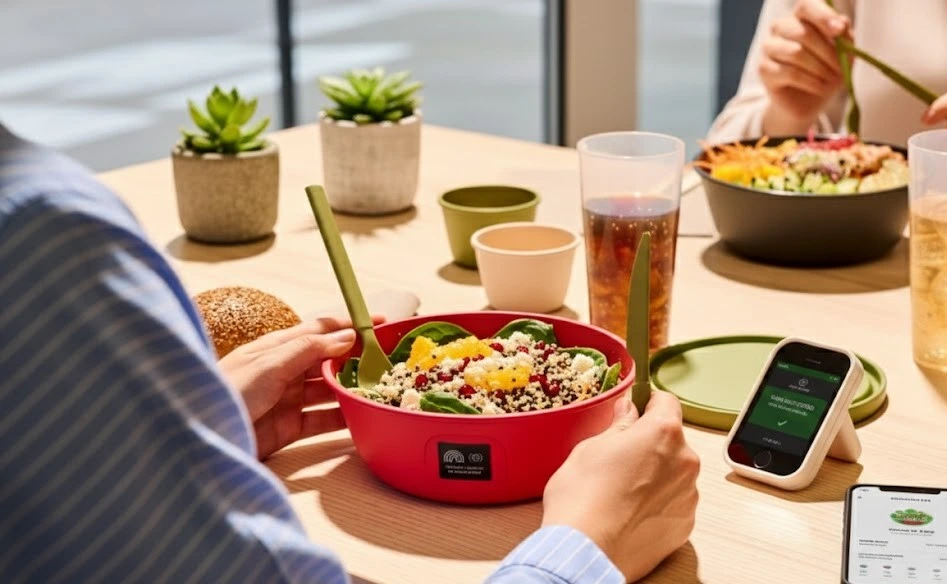
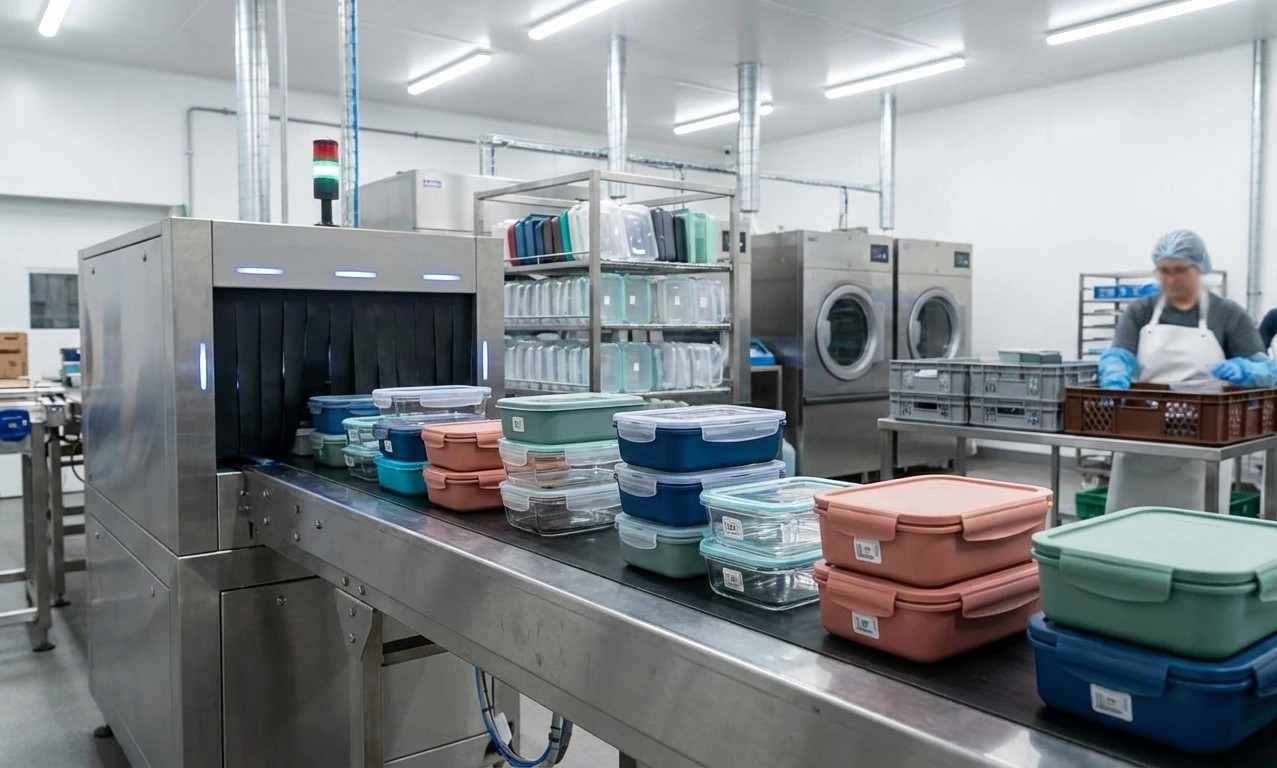
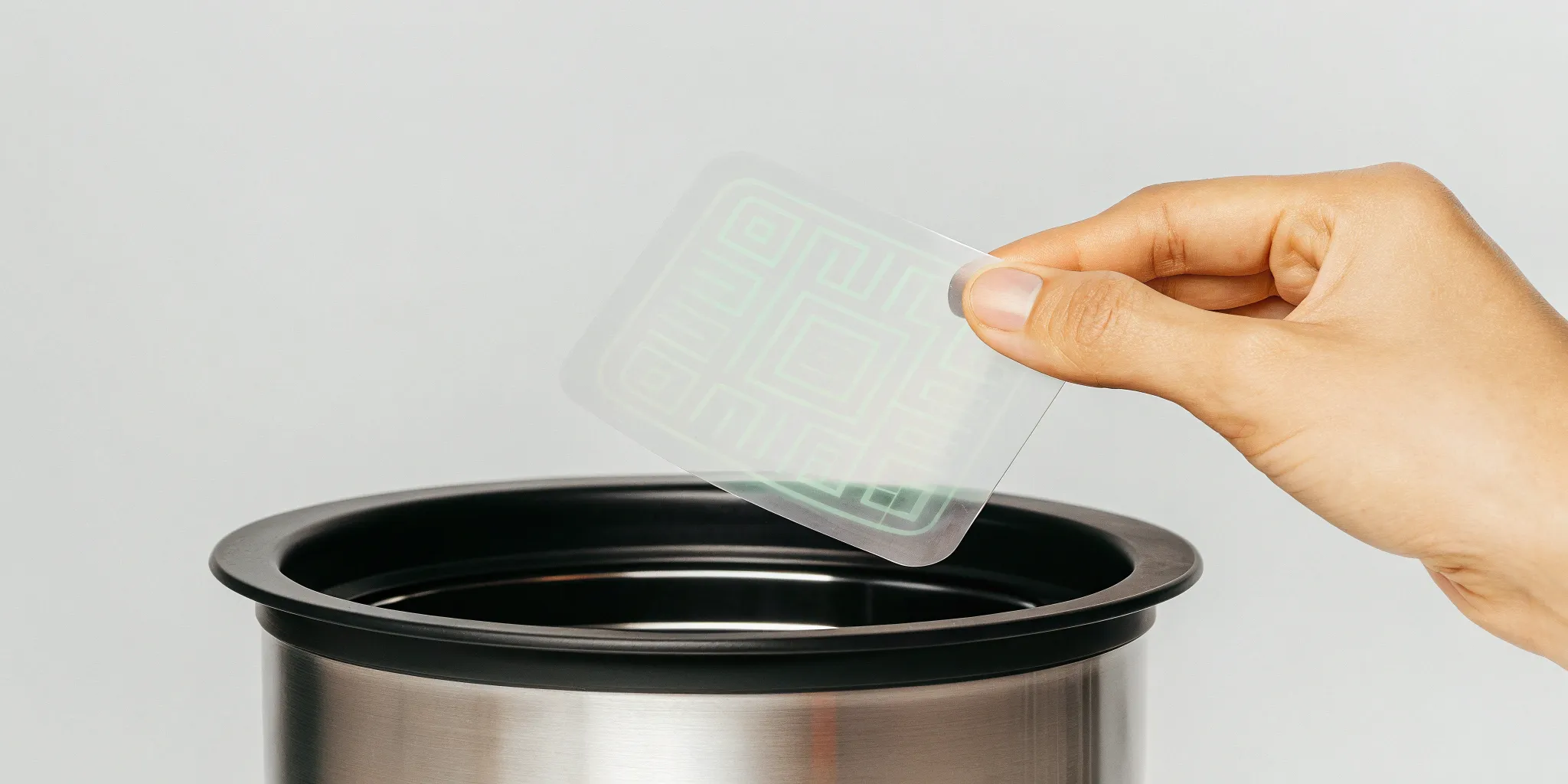
The most visible source of waste in any takeout dining program is the mountain of single-use containers. A reusable container program is a powerful solution, but its success hinges on one thing: getting the containers back. This is where automated tracking becomes a game-changer. By assigning a unique QR or RFID tag to every container, you can create a closed-loop system that tracks each item from checkout to return.
This technology eliminates the need for manual sign-out sheets or staff oversight. Students can simply scan a container to borrow it, and the system automatically links it to their account. If a container isn't returned on time, automated reminders and late fees can encourage compliance without any manual intervention from your staff. This approach helps eliminate disposable container waste while ensuring the 99% return rates needed to make the program financially viable.
Monitor Waste with Digital Analytics
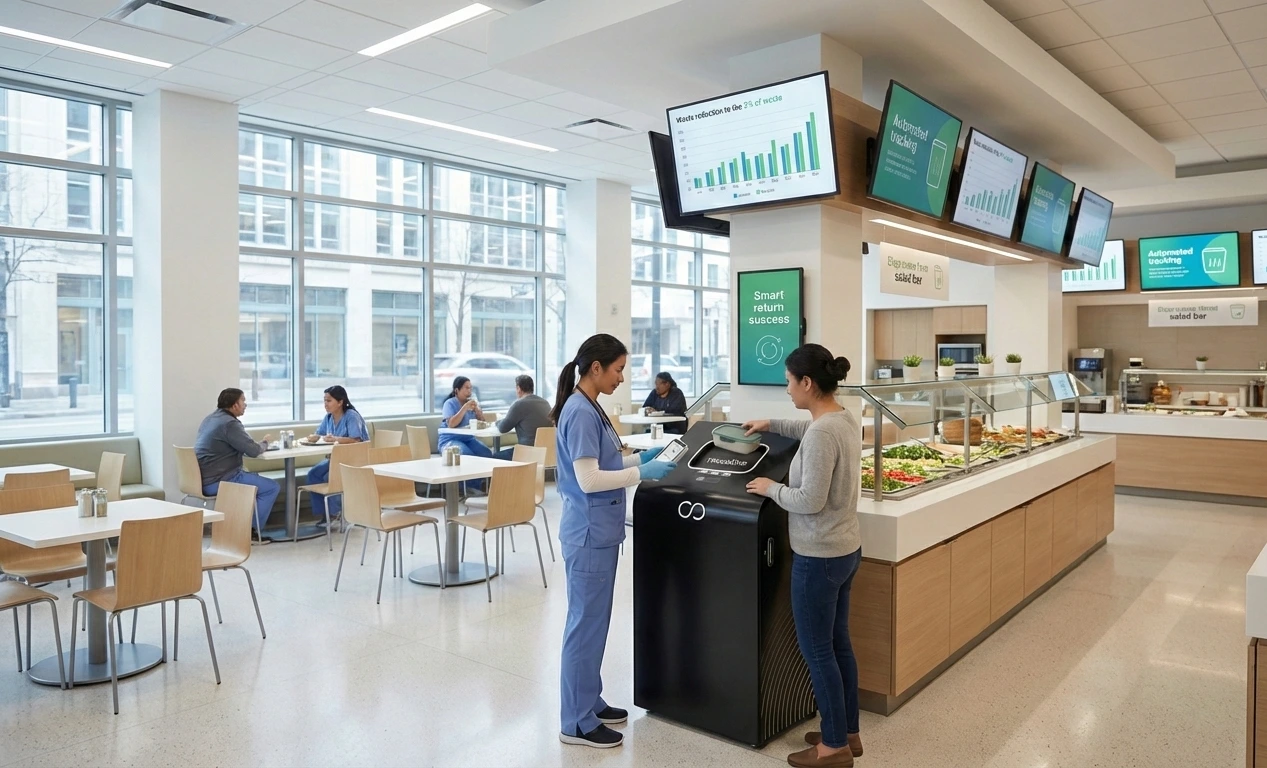
What you can’t measure, you can’t manage. Digital tracking systems for reusable containers and food waste give you a clear, real-time view of your entire operation. Instead of guessing at inventory levels or waste volumes, you can access a dashboard with precise metrics. This includes data on container usage, return rates, peak demand times, and the most popular return locations.
This information allows you to make smarter operational decisions. For example, you can see which dining halls need more container inventory or which return bins are filling up the fastest. As CBORD notes, having real-time visibility into waste helps teams make smarter decisions and reduce costs. This data is also invaluable for reporting on your sustainability progress, providing concrete numbers on waste diverted from landfills and CO2 emissions saved.
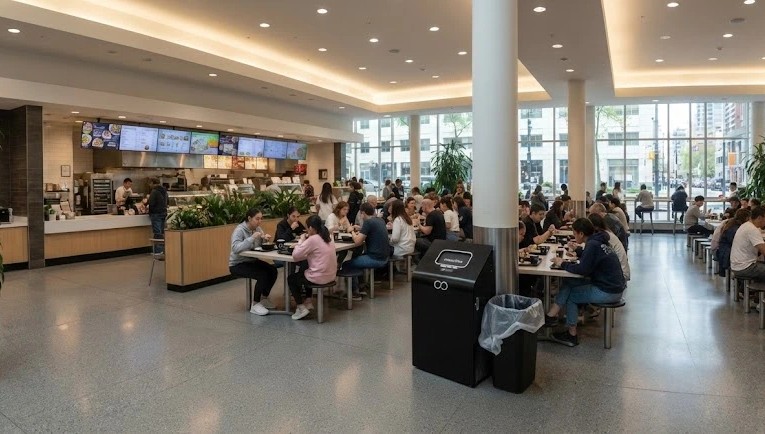
Set Up Smart Bins for 24/7 Returns
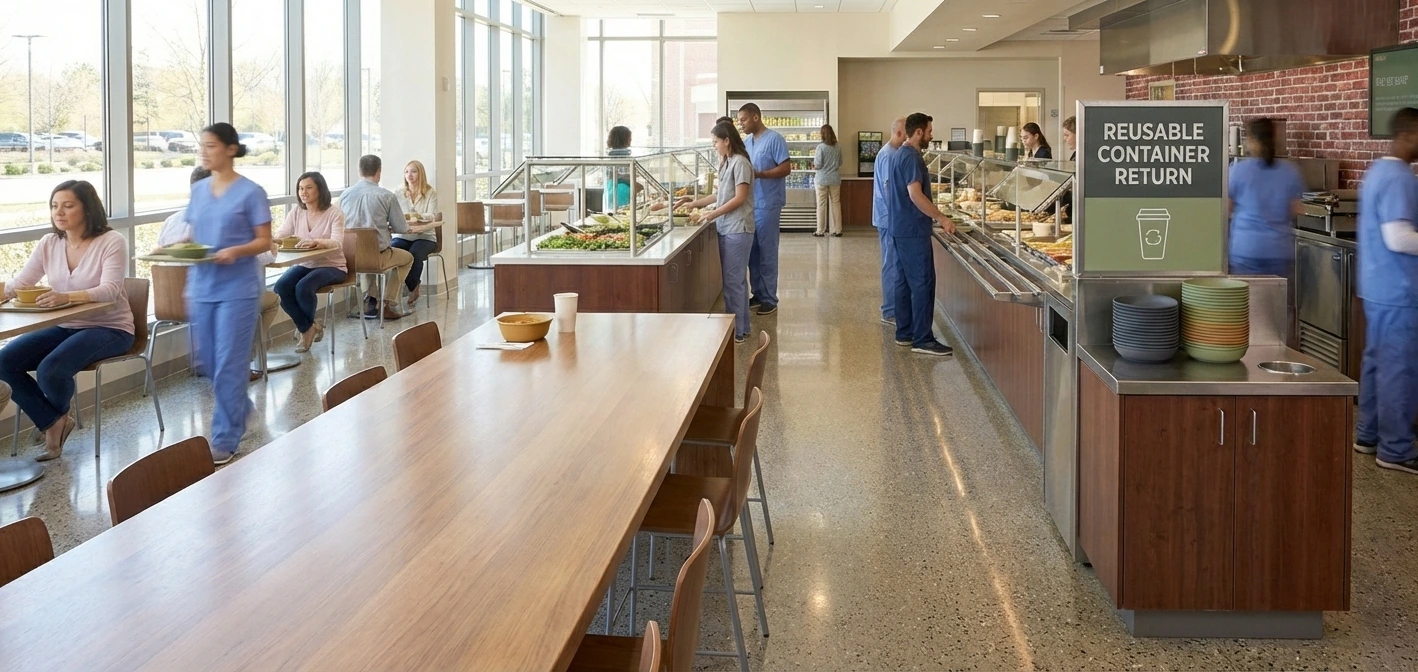
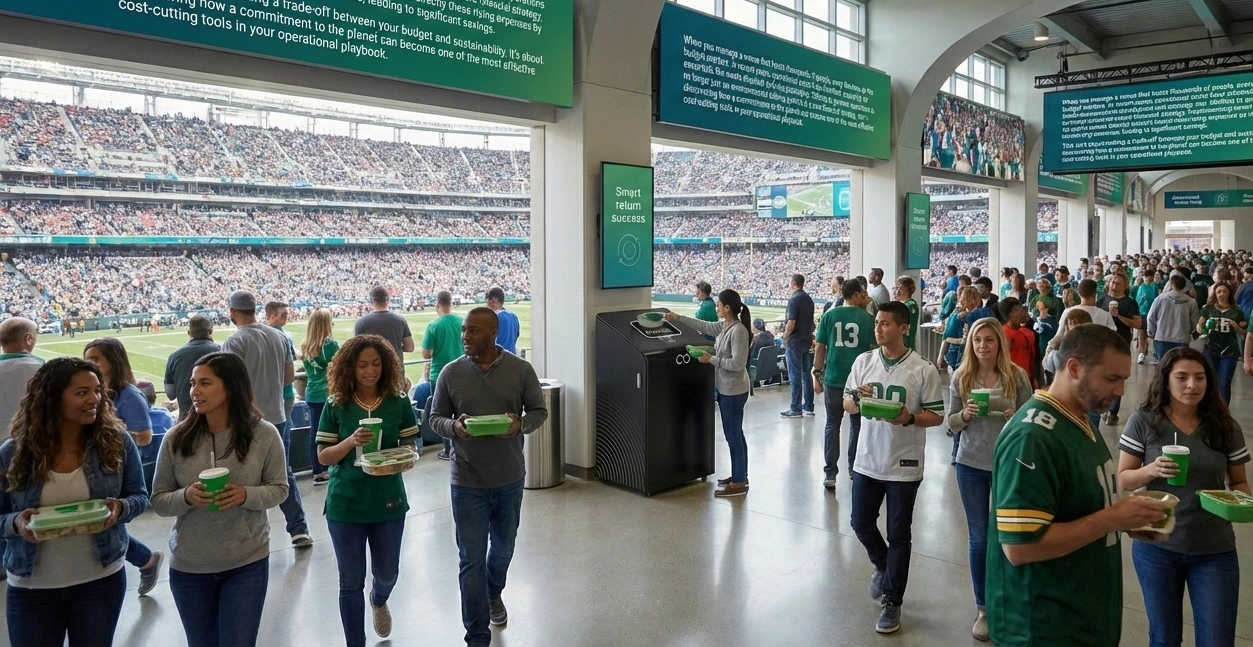
To get students to participate in a reuse program, you have to make it fit their lives. Students keep late hours and are always on the move, so making returns convenient is non-negotiable. Smart return bins solve this challenge by offering accessible, 24/7 drop-off points across campus—in residence halls, libraries, and student centers.
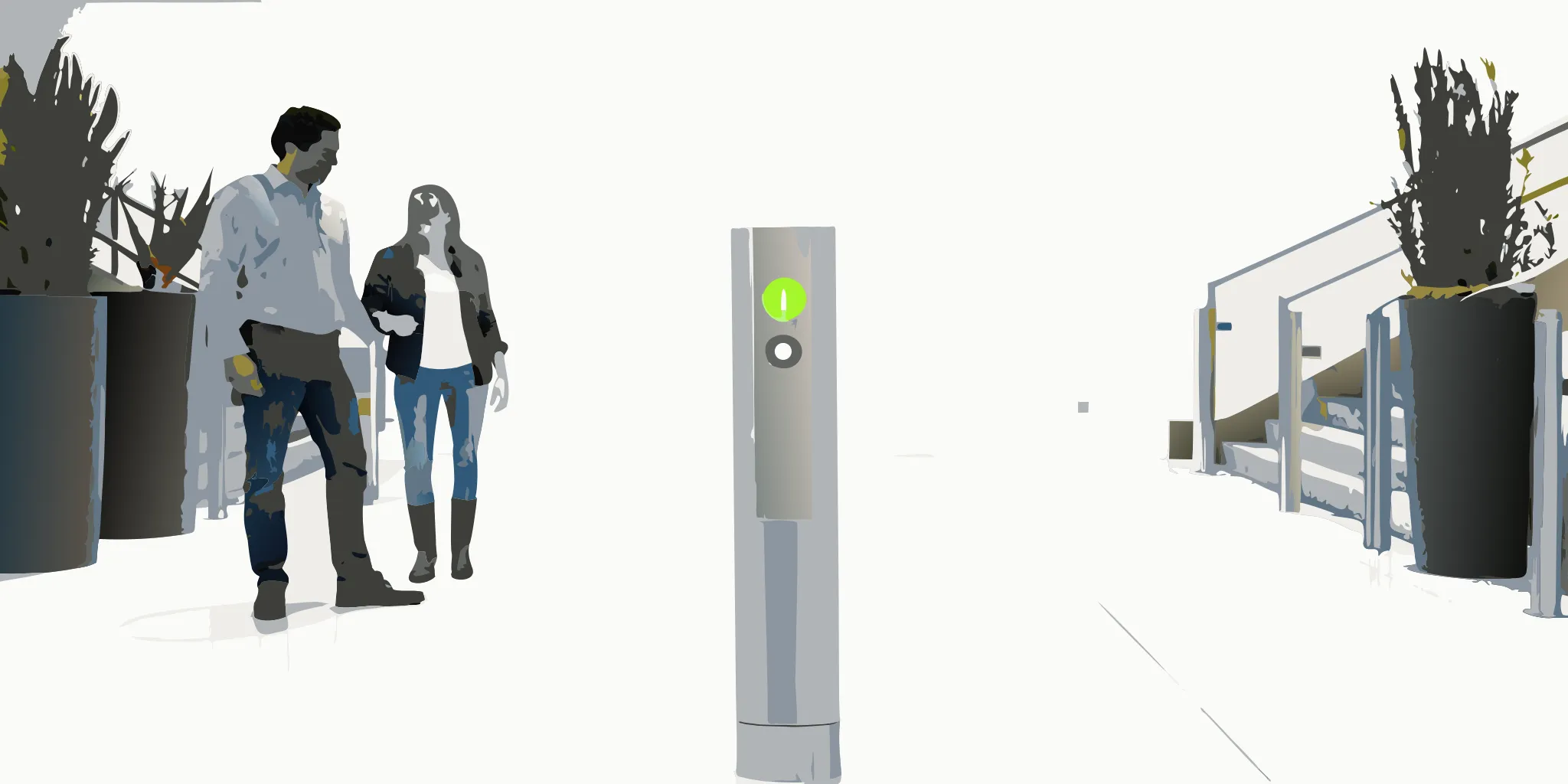
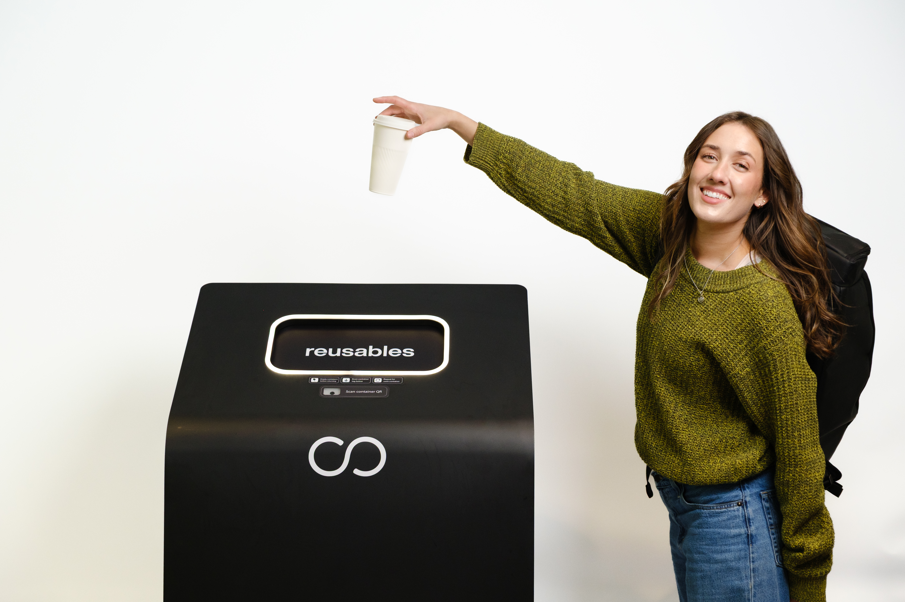
These bins are designed for a simple, touch-free experience. A student scans their container, drops it in the slot, and is on their way in seconds. For your team, this technology provides major operational benefits. The bins can detect when they’re getting full and send automated alerts to your staff, preventing overflows. This streamlined process makes returns easy for students and efficient for your team, ensuring containers get back into circulation quickly. You can explore solutions for your business that include this kind of smart infrastructure.
Integrate with Campus Card Systems
The single biggest barrier to adopting new technology on campus is friction. If students have to download another app or create a new login, participation will suffer. The most successful programs integrate directly with the systems students already use every day. By connecting your reuse program to your campus card and payment systems, you make participation effortless.
With an integrated system, students can check out a reusable container simply by tapping their student ID, the same way they pay for their meal. There’s no app to download and no new account to create. This "Tap to Reuse" approach makes the sustainable choice the easiest choice, folding it seamlessly into the existing dining experience. This level of integration is key to driving the widespread adoption needed to significantly reduce single-use waste and achieve your campus sustainability goals.

How to Engage Students for Program Success
Your sustainability program is only as strong as the student body that embraces it. After all, students are your daily customers, and their participation is what turns a great idea into a campus-wide success story. Getting them excited and involved from day one is the key to achieving high return rates and building a lasting culture of reuse. When students understand the "why" behind the program and see clear benefits for themselves and their community, they become your most powerful advocates.
Engaging students isn't about forcing new rules; it's about inviting them to be part of a positive change. This means communicating clearly, making participation easy and rewarding, and showing them that their actions have a real impact. By creating a program that feels like it was designed with them, not just for them, you can build the momentum needed to hit your sustainability goals. The following strategies focus on creating that collaborative spirit and making your reuse program an integral part of the campus experience.
Launch Educational Campaigns
To get students on board, they need to understand the mission behind your reuse program. Go beyond a simple launch announcement and create ongoing educational campaigns that connect the dots between reusable containers and a healthier planet. You can run a campaign with a catchy theme like, "Be Green, Be Healthy, Be Bold," to teach students about sustainability and mindful eating. Use posters in dining halls, share impact stats on social media, and set up informational tables during campus events. The goal is to make the program’s purpose visible and relatable, turning participation from a task into a shared campus value.
Create Incentive and Reward Programs
A little friendly competition can go a long way in building good habits. Incentives and rewards are fantastic tools for encouraging students to participate in your reuse program consistently. You can use a system with built-in gamification features, like campus-wide leaderboards or contests for the most reuses, to make sustainability fun. Offering small rewards, like a free coffee or points toward campus store credit, recognizes students for their efforts and keeps them engaged. These programs show students that their sustainable choices are valued and can help you achieve the high return rates needed for a cost-effective system.
Use Student Feedback to Shape Menus
An effective sustainability program considers the entire dining experience, and that includes the food itself. Show students you value their input by actively seeking their feedback on menu options. You can form a student focus group or partner with existing student organizations to gather ideas. As one expert suggests, you should make an "extra effort to include students with culinary traditions outside the U.S." This collaborative approach not only helps you create menus that students will love but also makes them feel like true partners in the dining program, which can increase their buy-in for other initiatives like reusables.
Encourage Peer-to-Peer Leadership
Students are often most influenced by their peers. Tapping into this social dynamic is a powerful way to drive program adoption. Identify passionate students and invite them to become sustainability ambassadors who can champion the reuse program within their social circles and student organizations. As one university food service provider notes, involving students in sustainability efforts is "very effective because they are repeat customers." When students see their friends and classmates leading the charge, they are far more likely to join in, helping you build a culture of sustainability from the ground up.
How to Overcome Challenges and Measure Success
Launching a campus-wide sustainability program is a significant undertaking, but with a clear strategy, you can address common hurdles and demonstrate real impact. The key is to approach it with a solid plan for your budget, your team, and your data. By anticipating challenges and defining what success looks like from the start, you set your program on a path for long-term growth and acceptance. This proactive approach helps you secure buy-in from leadership, get your staff on board, and show students that their participation is making a difference.
Plan Your Budget and Rollout
Budget is often the first conversation, and it’s easy to see why it can feel like a barrier. While some sustainable practices require an upfront investment, many initiatives, like reducing single-use packaging, can lead to significant long-term savings. Frame your budget as an investment in operational efficiency and cost reduction. You don’t have to do everything at once. A phased rollout allows you to start with high-impact, cost-effective changes, like implementing a reusable container program. This approach lets you build momentum and use early wins to make the case for future investments. By starting small and demonstrating a clear return, you can build a stronger, more resilient program over time.
Train Staff and Adjust Workflows
Your dining services team is essential to making any new sustainability initiative work. New practices, from composting to managing reusable inventory, require adjustments to daily routines. Success depends on giving your staff the tools and training they need to adapt confidently. Host hands-on training sessions, provide clear documentation, and create space for feedback. When your team understands the "why" behind the changes and feels equipped to handle new workflows, they become advocates for the program. Investing in your staff ensures a smoother transition and helps integrate sustainable practices into your campus’s culture, rather than feeling like just another task on a checklist.
Define Your Key Sustainability Metrics
To understand your program's impact, you need to move beyond general goals and define specific, measurable metrics. You can’t improve what you don’t measure. Start by identifying the key performance indicators (KPIs) that matter most to your campus. These could include your waste diversion rate, the percentage of local food purchased, your reusable container return rate, or the total cost savings from eliminating disposables. Using a system that provides real-time data and transparency gives you a clear view of what’s working. This information is crucial for reporting progress to stakeholders and making informed decisions to refine your strategy.
Optimize Your Program for Continuous Improvement
Launching your program is just the beginning. The most successful sustainability initiatives are dynamic and evolve based on data and feedback. Use the metrics you’re tracking to identify opportunities for improvement. Are return rates for reusable containers low in a specific dining hall? Maybe a new return bin is needed. Is a certain menu item creating a lot of waste? Perhaps the portion size needs adjusting. Regularly review your data, solicit feedback from students and staff, and don’t be afraid to experiment. This commitment to continuous improvement ensures your program remains effective, relevant, and impactful for years to come.
Related Articles
- A Guide to Sustainable College Cafeterias
- Simon Fraser University: Long-Term Leadership in Zero-Waste Dining - Case Studies
- A Guide: How to Use Transact Card for Reusables
Frequently Asked Questions
Isn't switching to a reusable container system expensive upfront? It’s true that there's an initial investment, but it’s important to see it as a shift away from a recurring expense. With the cost of disposable packaging rising dramatically, you're already spending a significant amount on items that get thrown away after one use. A reusable system replaces that endless purchasing cycle with a durable asset. The long-term savings on packaging and waste hauling fees create a clear return on that initial investment, making it a financially sound decision for your budget.
What if students don't return the containers? Won't we lose our inventory? This is a common and completely valid concern, but it’s one that modern systems are built to solve. Success isn't based on an honor system. Each container is tracked with a unique code, and the system is automated to encourage returns. Gentle reminders and fully refundable late fees create accountability without requiring your staff to chase down students. This combination of smart technology and simple incentives is why programs like this achieve return rates of 99%.
How much extra work will this create for my staff? A well-designed reuse program should actually reduce your team's workload, not add to it. The system automates the most time-consuming tasks, like tracking inventory and managing fees. Staff no longer have to manually charge for forgotten containers or constantly monitor return stations. Smart bins even send alerts when they need to be serviced. By handling the logistics, the technology frees up your team to focus on what they do best: providing great food and service.
This all sounds great, but where's the best place to start? Feeling overwhelmed by all the possibilities is normal. The most effective starting point for most campuses is tackling single-use packaging. It’s one of the most visible sources of waste and offers a clear path to significant cost savings and environmental impact. Starting with a reusable container program provides a tangible win that gets students and leadership excited, building momentum you can use to pursue other goals like food waste reduction or local sourcing down the line.
How does the technology integrate with our existing campus card systems? The goal is to make participation completely effortless, which is why the system is designed to work with the technology students already use every day. It integrates directly with major campus card and payment platforms. This means a student can check out a container simply by tapping their student ID, just like they pay for their meal. There’s no separate app to download or new account to create, which removes friction and makes the sustainable choice the easiest one.
Other stories you may find interesting



























.webp)
.webp)








.webp)
































Watch the Webinar
Learn How to Eliminate Single-Use Waste
Get instant access to our expert webinar and discover how leading institutions reach 99% return rates through smarter reuse systems.

© Reusables™. All rights reserved.