





The Real Cost of Staying on Disposables
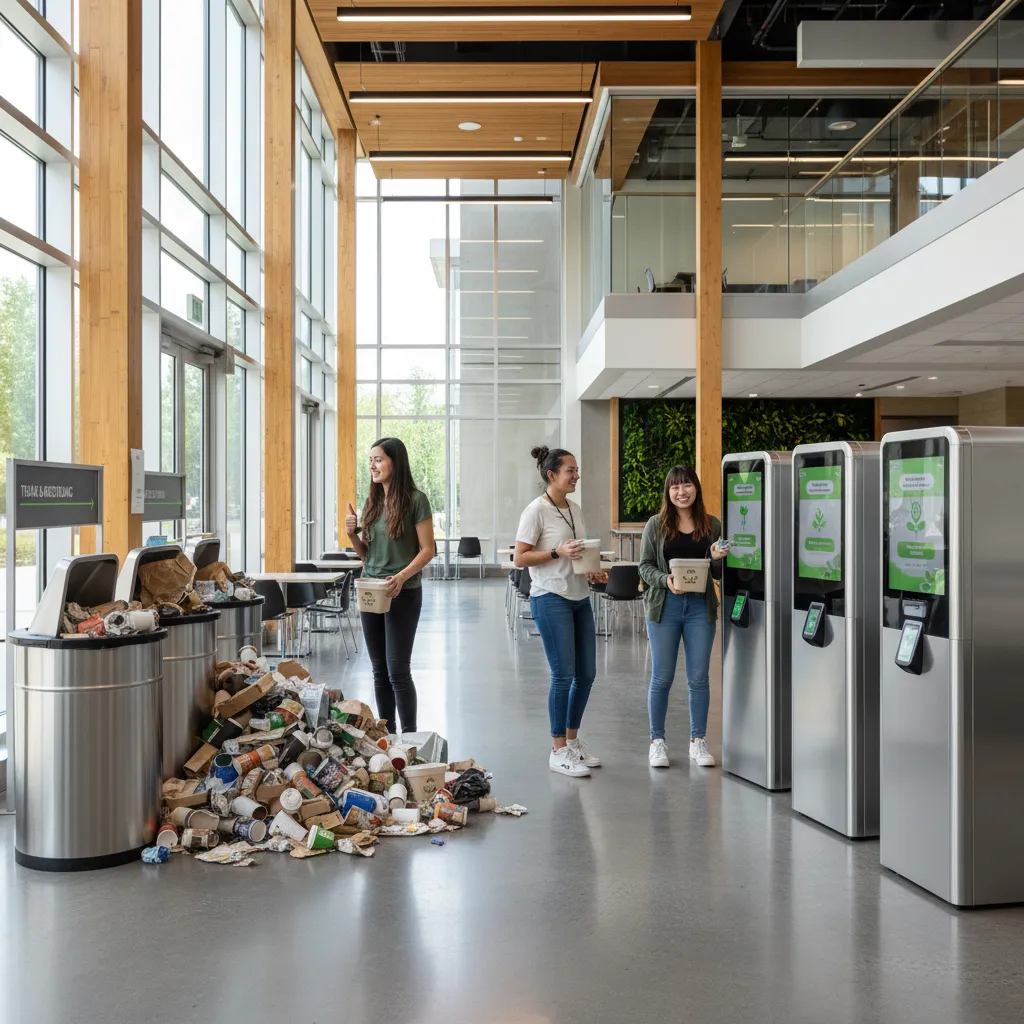
- Packaging costs are climbing — with no ceiling. Disposable and compostable packaging costs have risen 200%+ in three years. Budgets built on "per-unit" purchasing are increasingly unpredictable and unsustainable.
- Waste haulage is a second bill nobody planned for. Every disposable container you buy is also a container you pay to haul away. Waste management fees compound the true cost of single-use in ways most RFPs never capture.
- Dining halls are overcrowded with no takeout pressure valve. Without a reliable takeout container system, students crowd dining halls at peak times. Reusable takeout gives them a reason to grab and go — reducing congestion and improving the dining experience.
- Students are asking for reuse — loudly. Campus sustainability is a top-3 issue for prospective students. Dining programs without a visible reuse system are increasingly seen as behind the curve.
- Government and institutional mandates are accelerating. Single-use bans and zero-waste commitments are no longer aspirational. States like California, Washington, and New York are legislating reuse requirements. Your campus may already be on a deadline.
- Compostables aren't the answer they were sold as. Compostable containers require industrial composting facilities most campuses don't have. When they hit a standard landfill, they behave like any other trash — but cost 2-3x more than conventional disposables.
The path from disposables to reusables isn't about sustainability for sustainability's sake. It's a financial and operational decision with a measurable payoff from month one.
How it works
A Complete Reuse System That Runs Itself
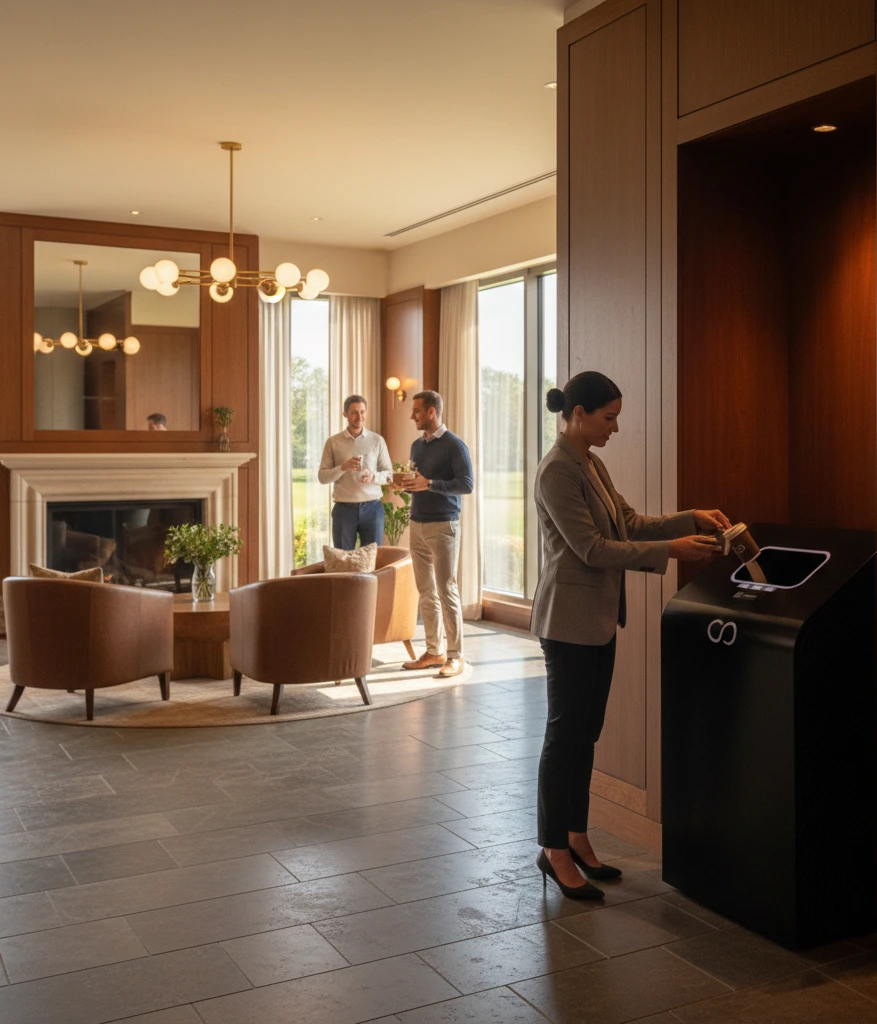
Reusables replaces your disposable packaging line with a fully managed reuse operation. Students tap their campus card or any credit/debit card to borrow a container. When they're done, they return it to a Smart Return Bin — 24/7, anywhere on campus. No app downloads. No sign-ups. No deposits.
The system tracks every container from checkout to return. Late fees are automatic. Refunds are instant. Your team sees usage, return rates, and financial data on a live dashboard — no spreadsheets, no guesswork.
And because Reusables is container-agnostic, you're not locked into one supplier. Use our partner containers, lease them, or bring your own. The system works with all of them.

Reusables made it all so easy to get started. Being green is super important here. It's just how the students move.
Cary Miller
Dining Manager, UCLA
Your Reuse Program Can Pay for Itself
Smart Media™ turns your Smart Return Bins into revenue-generating digital screens. Advertisers pay to reach sustainability-minded students at the moment of reuse - and you earn approximately $5,000 per screen per year.
It's not a nice-to-have. It's a revenue stream that offsets program costs, funded by brands who want to align with your sustainability story.














FAQs
How much does switching from disposables actually save?
Most campuses see 30%+ annual savings compared to their current disposable and compostable packaging spend. The exact number depends on volume, current supplier costs, and whether you use Smart Media to generate additional revenue. We build a custom cost comparison during the discovery process.
Do we have to commit to one container supplier?
No. Reusables is container-agnostic. You can lease containers through our partner network (deSter, Ozzi, GET, Returnr), purchase your own, or bring existing containers. Our tracking system works with all of them — there's no lock-in.
What if students don't return the containers?
Our system automatically charges a late fee to the payment method used at checkout (campus card, credit card, or debit card). When the container is returned — even weeks later — the charge is automatically refunded. This is how we guarantee a 99%+ return rate.
Do students need to download an app?
No. Tap-to-Reuse™ works with any campus card, credit card, debit card, or mobile wallet. Students tap at checkout and drop off at return bins. An app is available but entirely optional — it adds features like return reminders and reuse tracking, but the core system requires no download.

© Reusables™. All rights reserved.